
Reviewed · MUSEUMS & INCA RUINS
From Cusco: City tour 4 ruins + Qoricancha
The best thing about this five-hour outing is the mix of Cusco’s Spanish center and Inca ceremonial sites. You begin at Qoricancha, once the Inca Empire’s most important temple, then travel beyond the city to Sacsayhuamán, Qenqo, Puca Pucara, and Tambomachay.
I like two things right away: the tour gives you a quick, useful introduction to Cusco, and the $11 price keeps transport and a bilingual guide affordable. Guides such as Werner and Angélica have earned especially warm praise for their care and explanations.
The main drawback is time. Unplanned stops at shops or museums can shorten your visits to the final ruins, and the entrance ticket is not included. You need to keep an eye on the schedule and confirm what is covered before setting out.
Key points to know before booking
- Qoricancha begins the cultural story: See how Inca stonework and Spanish colonial architecture meet in one religious complex.
- Sacsayhuamán is the major stop: Its enormous fitted stones make it the most impressive ruin on the route.
- The four ruins sit outside central Cusco: Tourist transport saves you the effort of arranging separate rides.
- The $11 price is only the tour service: You still need the required tourist ticket, plus money for food and personal purchases.
- Morning and afternoon departures are available: Choose roughly 8:40 a.m. or 12:40 p.m., with the tour lasting about five hours.
- Shopping stops may affect the pace: Ask at the start if any commercial stops are planned.
Why Qoricancha is the right place to start
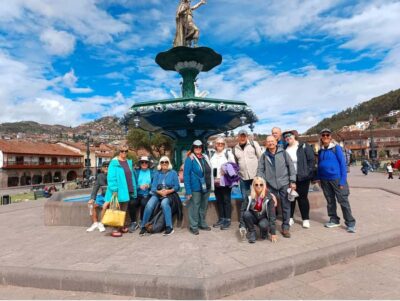
Your group meets in or near the Plaza de Armas, then walks about three blocks to Qoricancha. This short walk matters because the tour starts in the heart of Cusco rather than at a distant bus stop, and it lets you see the city’s colonial setting before entering the temple complex.
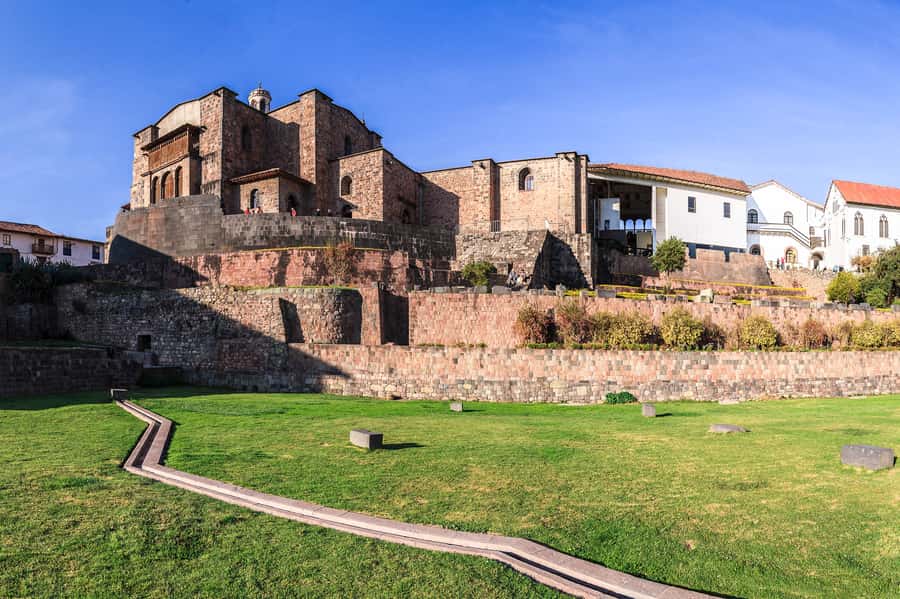
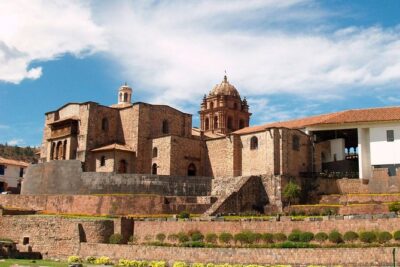
Qoricancha, also written Coricancha, was dedicated to the Sun in the Inca period. Its importance was religious and political, and the complex became one of the clearest places in Cusco to see the meeting of Inca and Spanish traditions.
The guide begins with a walking explanation inside the temple. Pay close attention to the contrast between the carefully fitted Inca stone foundations and the later Spanish construction above them. That visual contrast is one of the tour’s strongest themes, and it gives you more context than simply looking at isolated ruins.
Qoricancha is also a good first stop because it is more than a photo opportunity. It helps explain why Cusco was the center of the Inca world and why the Spanish built churches and colonial structures over earlier sacred places. The tour description emphasizes the riches of the Inca Empire, but the real value is seeing those ideas in a physical setting.
The walking portion is short, but you should still wear firm, comfortable shoes. Cusco is at high altitude, and the tour later includes outdoor ruins with uneven ground, steps, and open exposure to the sun.
Other ways to see the whole city in Cusco:
- Cusco: Half-Day City Tour with Sacsayhuaman and Q’enco
★ 4.6 · 1,129 reviews - City Tour Cusco Qoricancha Sacsayhuaman y Tambomachay
★ 4.7 · 617 reviews - Open Bus Cusco City Tour
★ 4.5 · 219 reviews
Sacsayhuamán brings the stonework into focus
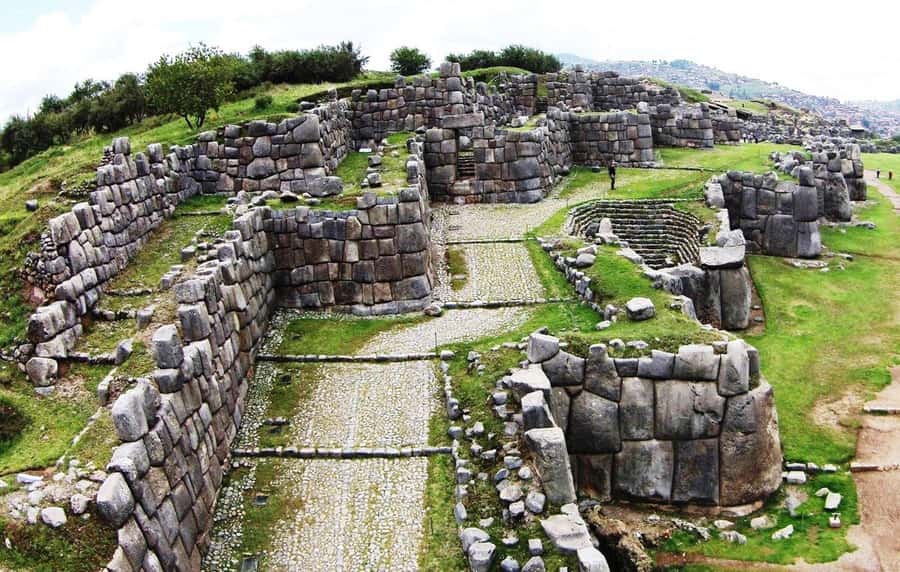
After Qoricancha, the group boards tourist transport for Sacsayhuamán. This is the stop I would expect most people to remember. The site is known for huge stones fitted together with remarkable precision, and its walls show the scale and strength of Inca construction better than the smaller stops do.
The site is described as a military complex, and its position above Cusco helps explain its defensive role. Your guide can connect the walls, terraces, and broad views with the city below, giving you a clearer sense of how the Inca protected and organized their capital.
You will want time here for photographs, but do not let the camera distract you from the stonework. Look closely at the joints between blocks. The surfaces are irregular, yet the stones meet with very little visible gap. That detail is the point, and it is easy to miss if the stop becomes a quick photo break.
Sacsayhuamán is also where the tour’s timing matters most. If the group arrives late or spends too long at a shop earlier in the day, this major site can feel rushed. One particularly useful piece of advice is to ask the guide how long you will have at each stop and whether any commercial visits are planned before the ruins.
Qenqo offers a quieter ceremonial stop
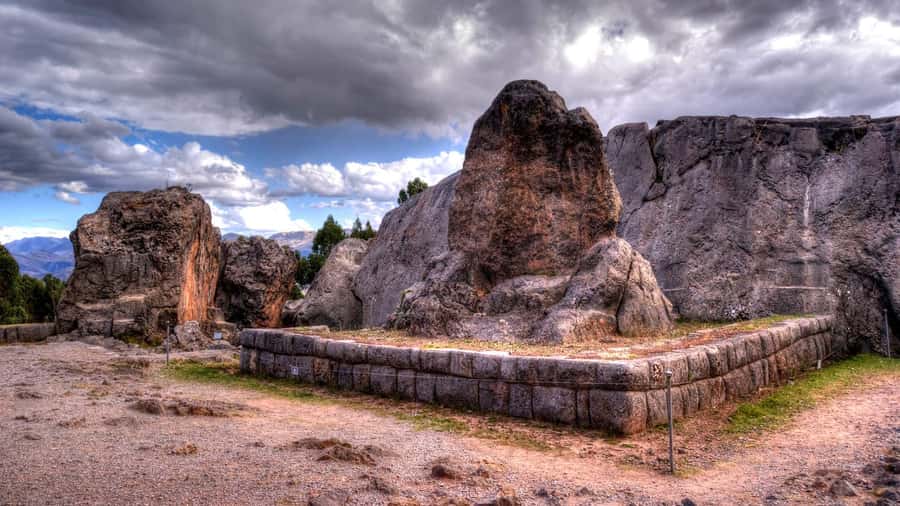
The next site is Qenqo, a ceremonial center built around a natural rock formation. Compared with Sacsayhuamán, it is smaller and less visually grand, but it adds an important religious side to the day.
Qenqo was used for rituals, and the natural rock is part of the site’s character. Your guide’s explanation is especially useful here because the remains are not as immediately obvious as the massive walls at Sacsayhuamán. Without context, you might see a rock, carved surfaces, and pathways without understanding how the place functioned.
I would treat Qenqo as a stop for interpretation rather than spectacle. Listen for the details about ritual use, sacred spaces, and the way the Incas worked with natural formations. If the schedule is tight, this is one of the places where a rushed explanation can reduce the value of the visit.
The site also adds variety to the route. You are not seeing four versions of the same ruin. Sacsayhuamán shows military architecture, while Qenqo brings you into the ceremonial world of the Inca.
Puca Pucara shows Cusco’s defensive network
Puca Pucara was a military fortress in the defensive system around Cusco. Its remains include walls, terraces, and stairways, and the stop helps you see that the capital was supported by a network of sites rather than a single fortified center.
This is a more compact visit, so your guide’s commentary matters. The name is often translated as Red Fortress, but the provided tour information focuses on its military function and physical layout. Look at the position of the walls and the way the terraces shape movement through the site.
Puca Pucara may not have the immediate impact of Sacsayhuamán. That is not a reason to skip it. Instead, use it to fill in the practical side of Inca planning: movement, defense, observation, and control around the capital.
The stop can feel hurried if earlier delays have built up. Some visitors have found that the last two sites received less explanation because time was lost along the way. If you care about the smaller sites, politely remind your guide that you would rather keep the shopping portion short and protect the archaeological stops.
Other ruins and collections around Cusco:
- Cusco: City Tour | Half-Day Tour to 4 Archaeological Sites
★ 4.6 · 206 reviews - City Tour in Cusco & visit Museum South American Camelid Private.
★ 5.0 · 147 reviews - Cusco City Sightseeing and Sacsayhuaman Archeological Park Tour
★ 4.5 · 101 reviews - Cusco: Historical Guided City Tour with 4 Inca Ruins
★ 4.5 · 99 reviews
Tambomachay finishes with water and purification
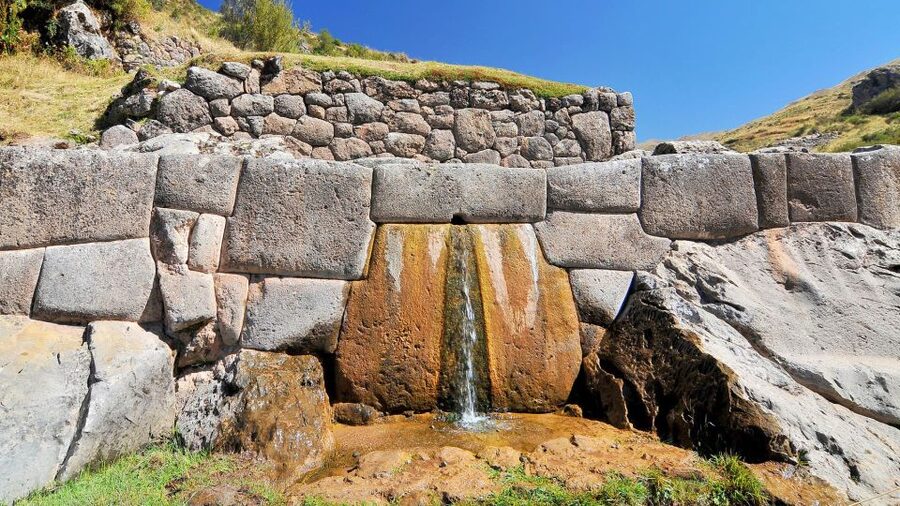
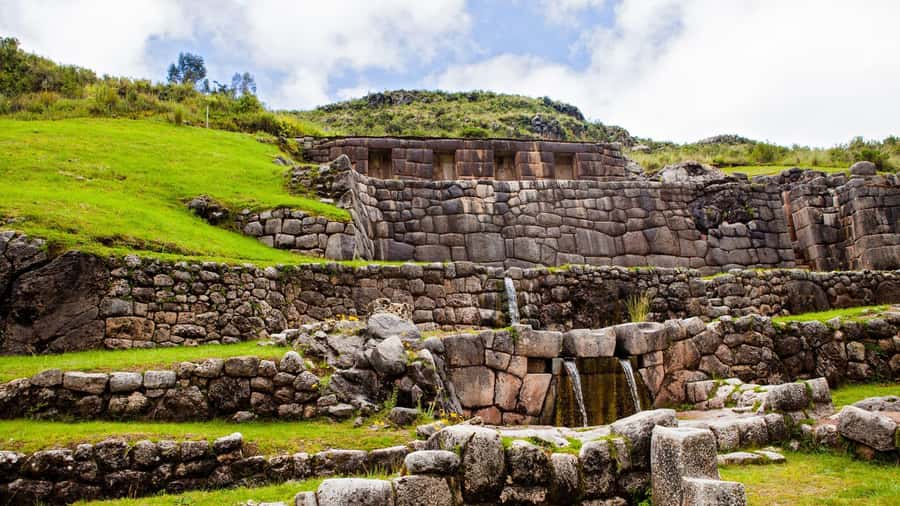
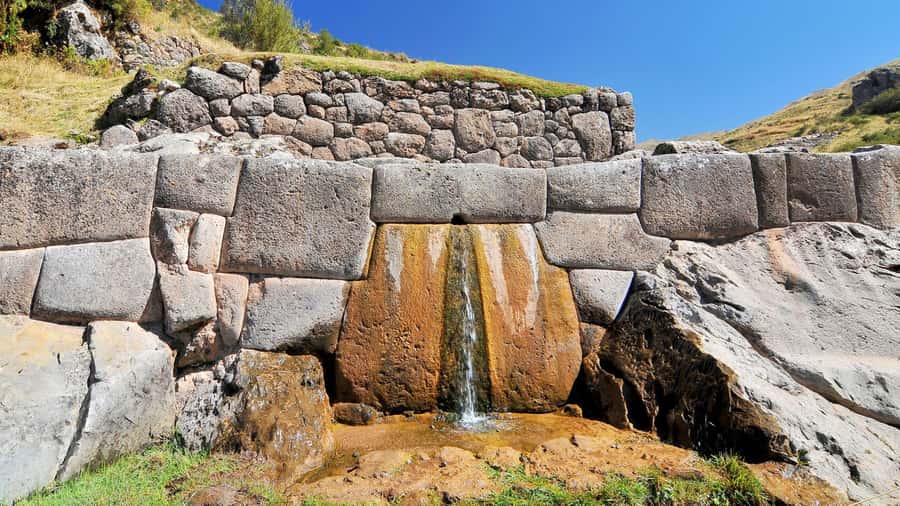
The route ends at Tambomachay, a site linked with water worship and purification. Its canals and fountains make it different from the stone walls of Sacsayhuamán and the rock formations at Qenqo.
This is a fitting final stop because water was not treated as a mere utility in Inca religious life. The channels and flowing fountains give you something easy to see while the guide explains the site’s ceremonial purpose.
Tambomachay is also the stop most vulnerable to a rushed schedule. It comes last, after four other locations and any unexpected delays. You may find the fountains and canals especially rewarding when the guide has enough time to explain them, so keep track of the clock throughout the outing.
After Tambomachay, transport returns you toward Cusco, finishing near the Plaza de Armas. That central ending is useful if you want to continue sightseeing, eat nearby, or walk back to your hotel.
What the $11 price really covers
At $11 per person, this is a low-cost way to connect five important places in one half-day. The price includes tourist transport and a bilingual guide in Spanish or English. That alone can make the outing worthwhile, since arranging separate rides to the four outer ruins would take extra time and planning.
The important catch is the tourist ticket, or Boleto Turístico, which is not included. You also pay for meals and any personal expenses. One useful price detail comes from the feedback shared about the tour: a full tourist ticket was cited at S/130, with a student price of S/70 at that time. Prices and eligibility can change, so check the current rate and bring proof of student status if you plan to request that fare.
The ticket question matters even more if you intend to visit the Sacred Valley later. A full ticket may offer better value than buying separate access, but you need to compare your own plans and confirm what the current ticket covers. The $11 tour price looks simple until you add the admission cost, so budget for both parts.
For a short introduction to Cusco’s main archaeological sites, I find the package sensible. For a slow, highly detailed visit to every ruin, it is less convincing, especially if shopping stops or delays take time away from the final locations.
Timing, meeting points, and the pace of the day
There are two scheduled windows:
- Morning meeting time: about 8:40 a.m. to 9:00 a.m., returning around 2:30 p.m.
- Afternoon meeting time: about 12:40 p.m. to 1:00 p.m., returning around 6:30 p.m.
The exact start depends on availability, and Sunday hours may change because some sites open later. Do not assume the Sunday schedule will match the weekday plan.
The meeting point is around the Plaza de Armas, followed by a walk of roughly three blocks to Qoricancha. The pickup information also says the guide may call or write about 15 minutes before pickup, with an instruction to wait about 10 minutes in your hotel lobby. Because the meeting details describe both a central meeting point and hotel contact, confirm the exact arrangement before the day begins.
Finding the correct group in the plaza can be confusing. Have your booking details ready, look for the guide’s instructions, and allow extra time. One guide named Sam was able to sort out a name-list problem at the meeting point, but you will have an easier start if you do not arrive at the last minute.
The morning departure is usually the better choice if you want the afternoon free. It also gives you more time afterward for lunch, museums, or a relaxed walk around Cusco. The afternoon departure may suit you if you arrive late in the morning or want a slower start, but you finish around 6:30 p.m.
Guides can make or break the experience
The tour is offered in Spanish and English, and the guide is central to its value. The ruins are easier to understand when someone explains how military, ceremonial, religious, and water-related sites fit together.
Werner was singled out for being attentive and helpful, while Angélica received praise for strong historical explanations. An Austrian participant also described the guiding as very interesting and competent. These names do not guarantee who will lead your departure, but they show the kind of guide you should hope for: clear explanations, patient answers, and attention to the group’s pace.
The less positive feedback points to a practical concern. The guide may be excellent, but the day can still suffer if the transport arrives late or the group is taken to an unplanned museum or clothing shop. A long commercial stop can leave Qenqo, Puca Pucara, and Tambomachay with less time.
I would ask one direct question at the beginning: How much time will we have at each ruin, and are there any shop or museum stops? That gives you a better sense of the day and may help the guide understand your priorities.
What to bring for Cusco’s altitude and sun
Take your passport or another ID card, comfortable shoes, sunglasses, a camera, sunscreen, and a hat. The activity information specifically advises suitable clothing, and the outdoor ruins offer little reason to dress for comfort alone. Protection from the sun matters.
Coca tea before the tour is suggested as a way to help with altitude sickness. It is not a substitute for taking it easy, but you should avoid treating this as a strenuous race. Walk at a steady pace, drink appropriately before leaving, and tell the guide if you feel unwell.
Vertigo is listed as a reason not to choose this activity. That warning is important because some sites have exposed positions, uneven ground, and elevated views. The tour also asks you not to bring pets, drinks into the vehicle, alcohol, or drugs, and not to litter.
Who should book this half-day tour?
I would choose this tour if you are new to Cusco and want a broad first look at the city’s main Inca sites. It is particularly useful on an early day in Cusco, when a guided outing can help you get your bearings while introducing you to the area’s altitude and archaeological setting.
It also suits budget-conscious visitors who want transport and a bilingual guide without paying for a private tour. The five-hour format leaves room for other plans, though the exact return time can shift if transport or site access runs late.
I would hesitate if you dislike commercial stops, need long uninterrupted time at each ruin, or want a very quiet archaeological visit. The low price comes with a group-tour rhythm, and the schedule may feel tight at the final sites.
Should you book it?
Book this Cusco city tour if you want Qoricancha, Sacsayhuamán, Qenqo, Puca Pucara, and Tambomachay in one organized half-day, and you are comfortable paying the tourist ticket separately. The strongest parts are Qoricancha, Sacsayhuamán, and the historical guidance from a good bilingual leader.
Before paying, confirm the current Boleto Turístico price, the exact pickup point, and whether the day includes any shop or museum visits. If the operator can protect time at the ruins, the $11 tour is a practical introduction to Cusco. If not, you may spend too much of your limited time on the road or in stores.
Free cancellation is available up to 24 hours before the activity, and you can reserve while paying later. That flexibility helps if your Cusco plans are still changing, but it does not remove the need to plan for altitude, sun, and the separate entrance cost.
FAQ
How long does the Cusco city tour last?
The tour lasts about five hours. The morning departure is scheduled to finish around 2:30 p.m., while the afternoon departure is expected to finish around 6:30 p.m.
What sites are included in the route?
The tour visits Qoricancha, Sacsayhuamán, Qenqo, Puca Pucara, and Tambomachay.
Is the entrance ticket included in the $11 price?
No. The tourist ticket, or Boleto Turístico, is not included. Meals and personal expenses are also separate.
What languages does the guide speak?
Live guiding is available in Spanish and English.
Where does the tour begin?
The tour begins with a meeting near Cusco’s Plaza de Armas, followed by a walk of about three blocks to Qoricancha. Pickup instructions may also involve a call or message from the guide before departure, so confirm the exact meeting details.
What should I bring?
Bring your passport or ID card, comfortable shoes, sunglasses, a camera, sunscreen, and suitable clothing. A hat is also recommended.
More museums and ruins in Cusco
- City Tour in Cusco & visit Museum South American Camelid
★ 4.5 · 80 reviews - Cusco 4-Hour Private Tour Including Sacsayhuaman and Qenqo
★ 5.0 · 77 reviews - Sacsayhuaman Temple, Tambomachay and Puca Pucara Half-Day Tour
★ 4.5 · 59 reviews - Cusco: City and Nearby Ruins 5-Hour Guided Tour
★ 4.4 · 30 reviews
Just added around Cusco
- Excursion to Rainbow Mountain in ATV.★ 5.0 · 4 reviews
- From Cusco: Palccoyo Mountain Tour full day★ 4.5 · 9 reviews
- Day trip to Rainbow Mountain and Red Valley★ 5.0 · 3 reviews
- Cuzco: Rainbow Mountain Excursion★ 5.0 · 3 reviews
- Cusco: Zipline + ATV’s | Salt Mines of Maras and Moray |★ 5.0 · 4 reviews
- Cuzco : Excursion City Tour in Cusco, Sacsayhuaman and Tambomachay★ 3.8 · 3 reviews
- Cusco street food tour★ 4.4 · 9 reviews
- Cusco: Walking Tour with a Local Guide★ 4.3 · 5 reviews
Museums & Inca Ruins, compared.
Half-Day City Tour with Sacsayhuaman and Q’enco
Read our review →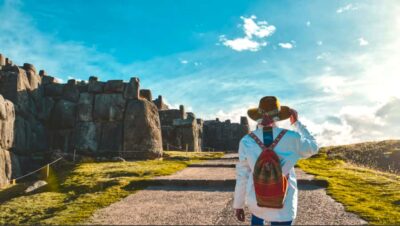
City Tour Cusco Qoricancha Sacsayhuaman y Tambomachay
Read our review →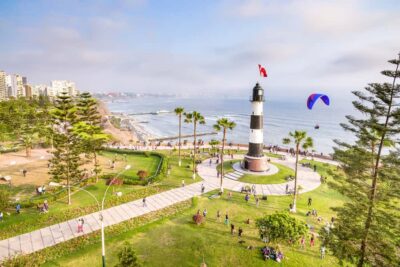
The Charm of Barranco & Pre Inca Pyramid in Miraflores
Read our review →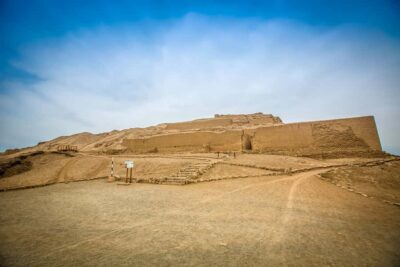
Pachacamac Ruins & Barranco Half-Day Guided Tour
Read our review →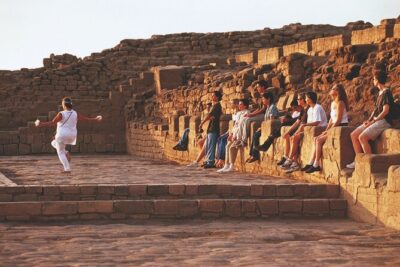
Pre Inca Temple of Pachacamac Half-Day Tour from Lima
Read our review →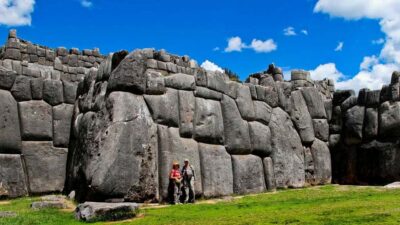
City Tour | Half-Day Tour to 4 Archaeological Sites
Read our review →
City Tour in Cusco & visit Museum South American Camelid Private.
Read our review →Browse the lists this tour appears in