
Reviewed · MUSEUMS & INCA RUINS
Cusco: Historical Guided City Tour with 4 Inca Ruins
Cusco’s best first look may be this compact circuit of four Inca sites outside the city, beginning with Qoricancha, the former Temple of the Sun. In one half-day, you move from finely built religious walls to Sacsayhuaman’s enormous stones, then on to ceremonial, defensive, and water sites above town.
I like the low $23 starting price and the fact that transport and an accredited guide are included. I also like the route for anyone short on time, or anyone still adjusting to Cusco’s altitude who would rather ride between the ruins than walk uphill all morning.
The catch is the price does not include admission tickets. The archaeological sites require a Cusco Tourist Card costing 70 soles, while Qoricancha costs 15 soles and the Cathedral costs 50 soles if your selected option includes it. Confirm the exact route and ticket needs before you go.
Key points to know before booking
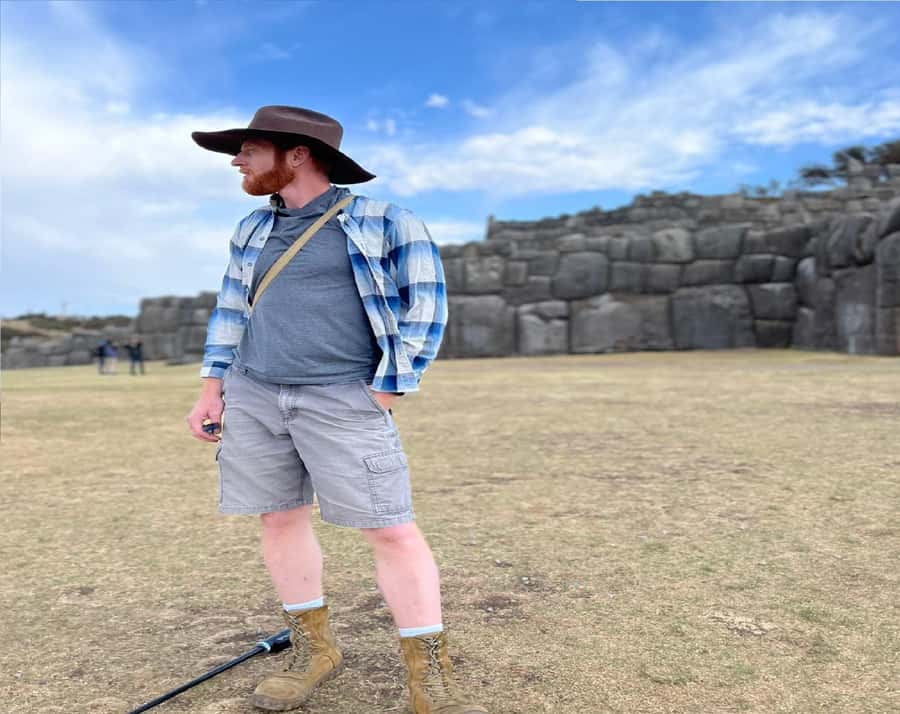
- Sacsayhuaman is the visual highlight: Huge fitted stones, some more than 100 tons, make this the most striking stop.
- You visit four sites in one route: Qenqo, Puka Pukara, and Tambomachay follow Sacsayhuaman, each with a different purpose.
- Qoricancha adds the city center context: The former Temple of the Sun helps explain Inca religion and Spanish colonial Cusco.
- Morning and afternoon departures are available: Morning tours finish around 2:30 pm, while the afternoon option ends around 6:00 to 6:30 pm.
- The guide matters: Past departures have been led by Luis, Alfredo, Romulo, and Hyame, with strong comments about clear English and useful historical explanations.
- Tickets can cost more than the tour: Budget for the required site entry fees, not just the advertised $23.
Why this six-hour Cusco route works well
This is a classic orientation tour, but it is not just a drive past ruins. You get a guided look at the religious center of Cusco, then travel into the hills for four important Inca sites. The route gives you a simple way to understand how the empire used different places for worship, ceremony, defense, water, and control of movement.
The tour lasts about six hours. The morning versions generally begin with hotel pickup between 8:35 and 9:00 am, or with a Qoricancha visit around 8:55 am, and finish near Cusco’s Plaza de Armas at about 2:30 pm. The afternoon version meets near the Cathedral between 11:50 am and noon and ends around 6:00 to 6:30 pm.
That timing makes the experience useful on a first full day in Cusco. You can see major sites without spending the day arranging taxis or figuring out which ruins belong on the same route. The bus also saves your legs for later sightseeing in the historic center.
You should still take the altitude seriously. The tour does not require a long mountain hike, but you will walk around uneven archaeological grounds and may feel the thin air at the higher stops. Comfortable shoes, water, sunscreen, and rain gear are sensible. Cusco weather can change quickly.
Other ways to see the whole city in Cusco:
- Cusco: Half-Day City Tour with Sacsayhuaman and Q’enco
★ 4.6 · 1,129 reviews - City Tour Cusco Qoricancha Sacsayhuaman y Tambomachay
★ 4.7 · 617 reviews - Open Bus Cusco City Tour
★ 4.5 · 219 reviews
Qoricancha: beginning with the Temple of the Sun
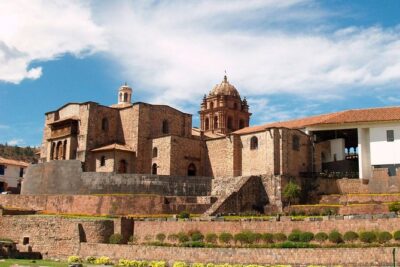
Qoricancha gives you the best introduction to Inca Cusco. It was the empire’s most important religious construction and was dedicated to the Sun. The visit lasts about an hour, giving your guide time to explain the site before you head to the ruins outside town.
The name is also written Coricancha or Qorikancha. You may see different spellings around Cusco, but they refer to the same place. The tour presents it as the Temple of the Sun, where you begin to see how sacred Inca buildings were later absorbed into colonial Cusco.
This stop is especially useful because it is in the city, while the next four sites are spread across the hills. I like starting here: you get the religious and urban setting first, then see how Inca construction and planning extended beyond the center.
Qoricancha admission is not included. The listed entrance cost is 15 soles. If you choose an option that includes the Cathedral, its ticket is listed separately at 50 soles. Ask about Cathedral availability before relying on that part of the schedule, since it is not described as part of every version.
Sacsayhuaman and its massive fitted stones
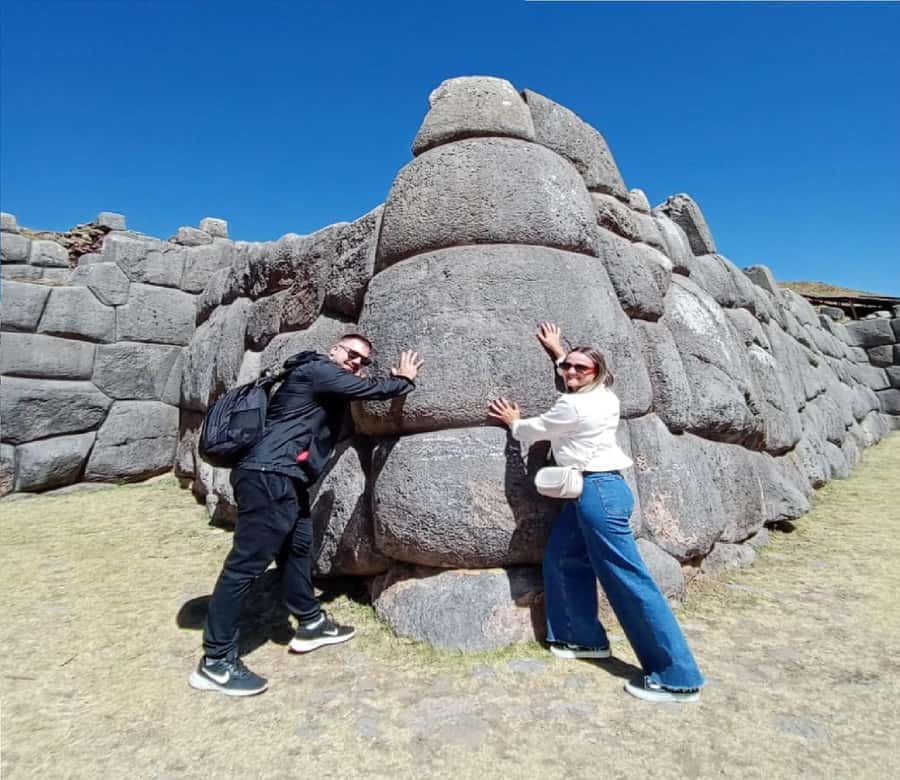
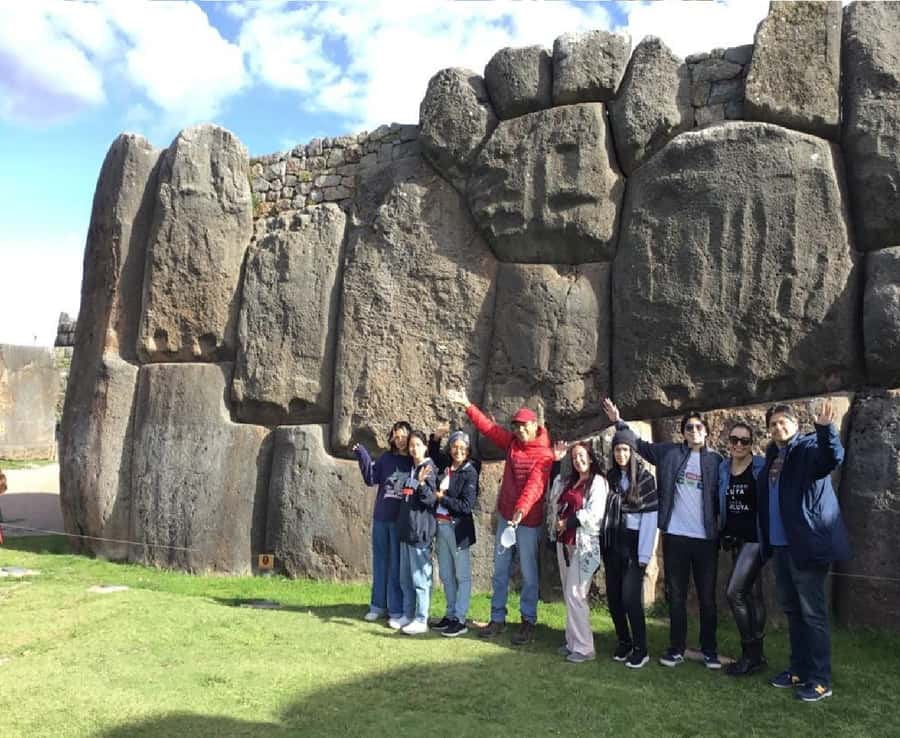
Sacsayhuaman is the main event for many people. The site is often translated as puma head, a reference to Cusco’s traditional puma-shaped plan. Here, the scale of the stonework is hard to grasp from photographs.
The walls use enormous blocks, with some described as weighing more than 100 tons. Other descriptions place several stones at four to six meters high. Your guide will explain the site as an Inca military fortress, while also placing it within the wider design of Cusco.
Allow about an hour and a half for the guided visit. You will have time to look closely at the joints between stones, take photographs, and hear how the site relates to the city below. The height gives you broad views toward Cusco, so keep your camera ready.
This is also where the required archaeological entrance ticket can be bought. The listed cost is 70 soles for the archaeological zones. The ticket covers the group of sites visited on this route, but you should check the current arrangements with the operator before departure.
Sacsayhuaman is not a quick roadside photo stop. You walk over open ground and uneven paths, and the sun can be strong. Bring water and sunscreen. If you are feeling the altitude, tell the guide early rather than trying to keep the same pace as everyone else.
Qenqo: ceremony, stone channels, and unanswered questions
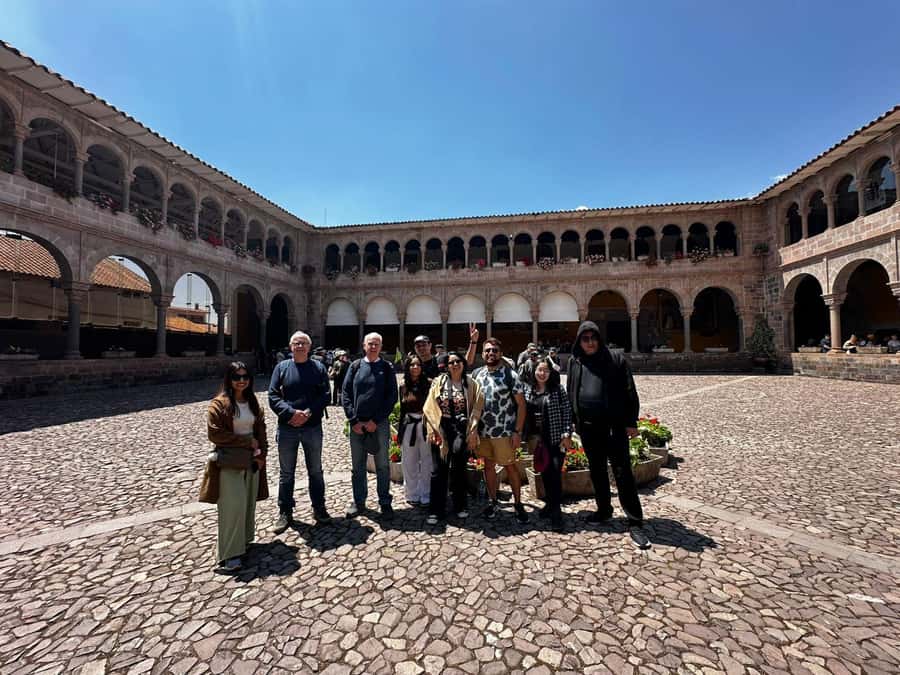
Qenqo is described as a ceremonial center and an ancient mummification site. The tour also connects it with sacrifices to the Sun God. These details give the site a more mysterious feel than Sacsayhuaman, but your guide should help separate documented evidence from later interpretation.
The site includes carved rock and enclosed spaces that invite questions about how the Incas used it. The supplied tour description also calls the place a ceremonial center, so expect an explanation of ritual practices rather than a simple architectural walk.
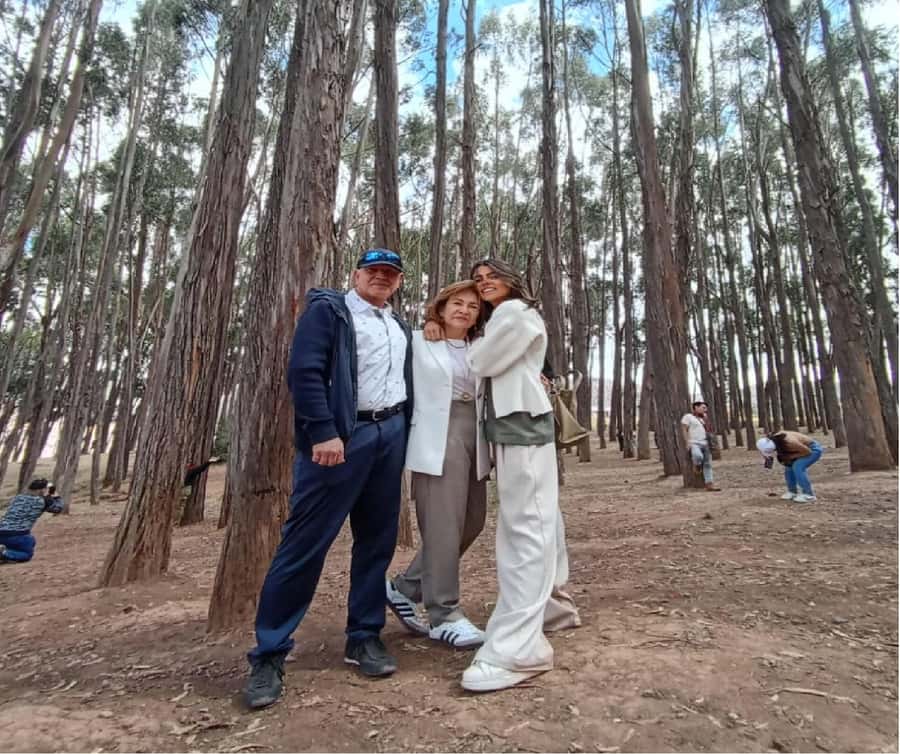
You have about an hour and a half here. That may sound generous for a smaller site, but it allows the guide to explain the carvings and lets you move through the area without rushing. The route also includes the Qenqo eucalyptus forest, which provides a pleasant photo stop between the archaeological visits.
The eucalyptus forest is not an Inca ruin, and it should not be treated as one. Its value is practical: it breaks up the sequence of stone sites and gives you a different setting for photographs. The inclusion is useful if you want more than a strict ruins-only itinerary.
Other ruins and collections around Cusco:
- Cusco: City Tour | Half-Day Tour to 4 Archaeological Sites
★ 4.6 · 206 reviews - City Tour in Cusco & visit Museum South American Camelid Private.
★ 5.0 · 147 reviews - Cusco City Sightseeing and Sacsayhuaman Archeological Park Tour
★ 4.5 · 101 reviews - City Tour in Cusco & visit Museum South American Camelid
★ 4.5 · 80 reviews
Puka Pukara and the road into Cusco
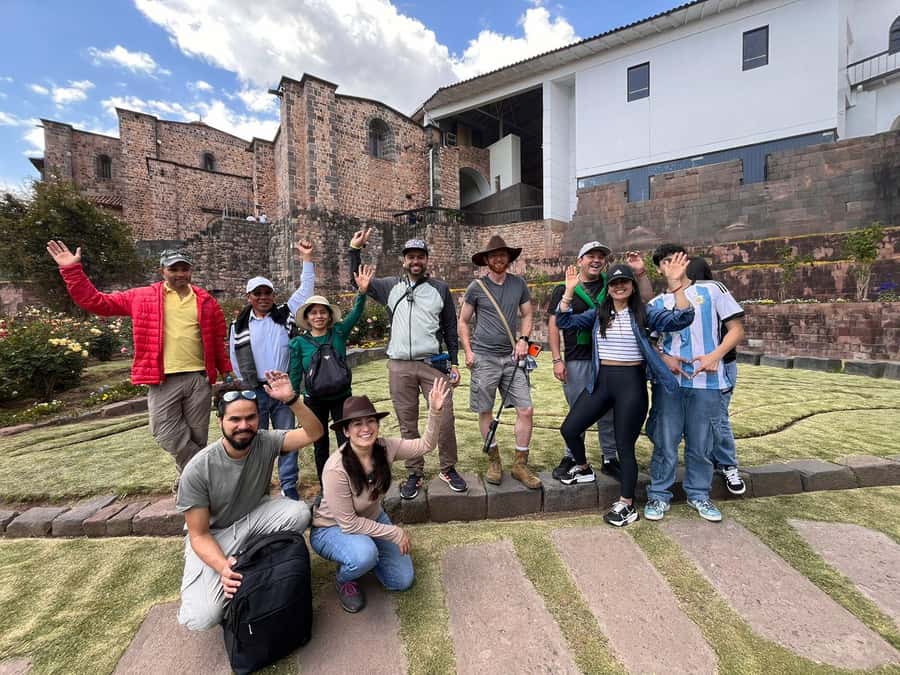
Puka Pukara is commonly called the Red Fortress because of the color of its stone. It was built high above Cusco as a surveillance and control point, allowing the Incas to monitor access to the imperial city.
This stop helps you see the Inca road system as something active and organized. The site was not simply placed for decoration. Its position and views made sense for watching movement through the surrounding area.
The ruins are more compact than Sacsayhuaman, but the setting is a major part of the visit. You get views across the Andean mountains and a clear sense of why a high defensive post was useful. Your guide can connect the site to the route between Cusco and other parts of the empire.
You may spend up to an hour and a half here, although the practical pace can vary with the group and the weather. This is another place where a hat, sunscreen, and water matter. The high open setting offers little relief from the sun.
Tambomachay and the Inca water tradition
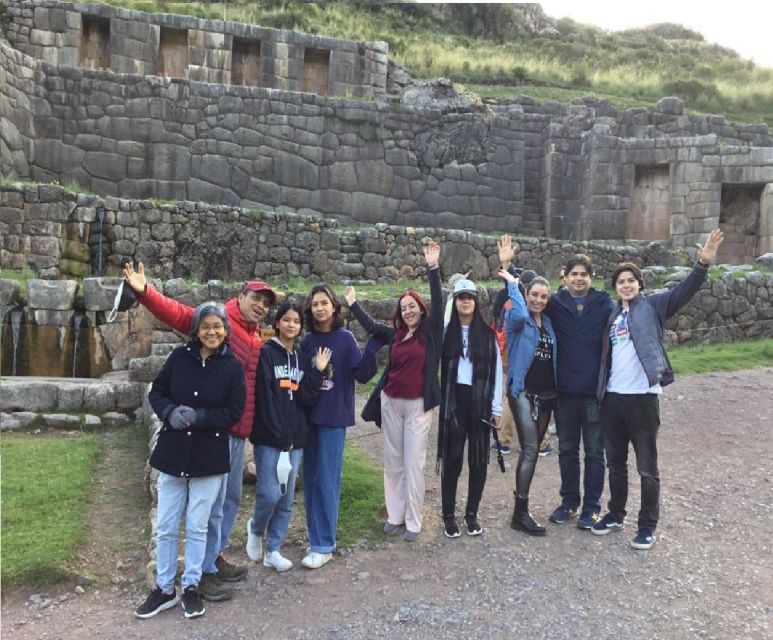
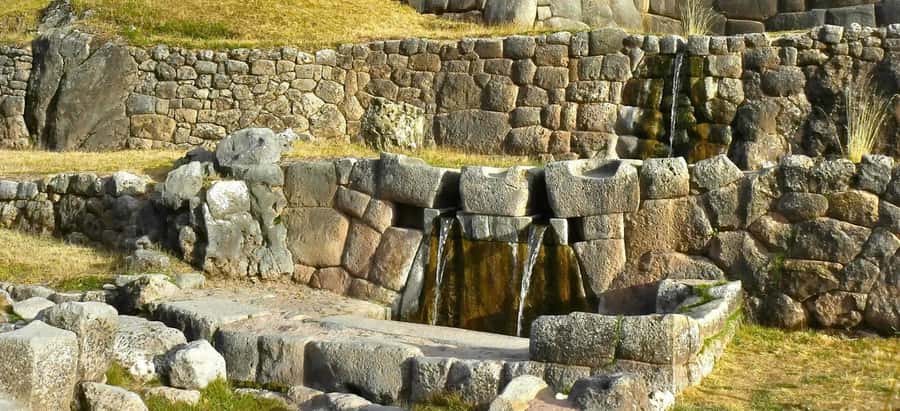
Tambomachay is known as the Temple of Water. Its fountains and channels are the main attraction, and the site gives the tour a quieter ending after the huge walls of Sacsayhuaman and the ceremonial character of Qenqo.
The water still shapes the experience. You see fountains arranged within carefully built stonework, and your guide will explain why water held such importance in Inca life and ritual. The stop is smaller, but it has a focused theme that makes it easy to remember.
Tambomachay also shows that Inca engineering was not only about giant walls. Water management required planning, accurate construction, and an understanding of the local terrain. That contrast makes the full route worthwhile: each site presents a different side of the empire.
The tour usually visits Tambomachay last before returning to Cusco. After several stops, you may be ready for lunch and a rest. Morning tours drop you near Plaza de Armas, generally on Calle Plateros, which puts you within easy reach of restaurants and central hotels.
Choosing the morning or afternoon departure
The morning versions are the better choice for most people. Hotel pickup is offered from many hotels close to the main square, with pickup windows between about 8:35 and 9:00 am. One morning version begins at Qoricancha around 8:55 am, while another starts with pickup and proceeds to a meeting point.
You should wait in your hotel lobby if pickup is confirmed. The service is designed for hotels near central Cusco, so do not assume a distant property is covered. If your hotel is not listed, ask where you should meet instead of waiting outside for a vehicle that may not come.
The morning route ends around 2:30 pm. That leaves your afternoon open for lunch, a museum, the Plaza de Armas, or a slower walk through Cusco’s streets. It also avoids finishing at night after several hours at high-altitude sites.
The afternoon choice meets at the entrance to the Cathedral between 11:50 am and noon. It finishes between 6:00 and 6:30 pm and drops you near the main square. This version may suit you if you arrive in Cusco that morning or prefer a slower start, but you lose the open afternoon afterward.
The Cathedral is included in the afternoon description and in one morning option, but not in every version. Its entrance fee is separate, and availability should be checked. If the Cathedral matters to you, confirm that it is part of your selected departure before paying.
The guide and the value of the experience
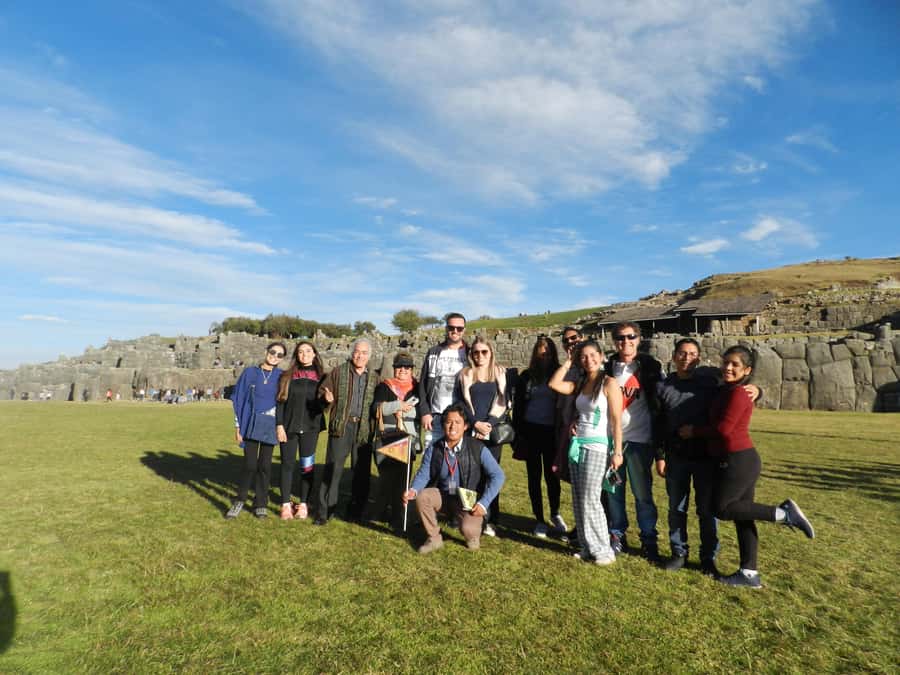
At $23 per person, the tour is inexpensive for six hours of transport, guiding, and visits to major sites. The value is strongest if you want the route organized for you. Hiring separate transport to four hilltop ruins would take more planning, and you would lose the benefit of a guide explaining how the places connect.
The site tickets change the real cost. Add 70 soles for the archaeological zones and 15 soles for Qoricancha. Add another 50 soles if you enter the Cathedral. Carry cash, since the tour information specifically advises you to bring it.
The guide is a central part of the experience. Past departures have included Luis, Alfredo, Romulo, and Hyame. Specific praise has focused on clear English, strong explanations, useful comparisons between Inca facts and myths, and the ability to answer questions in both English and Spanish.
That matters because these ruins can look like piles of stone without context. A good guide helps you understand why each site exists and how it relates to Cusco. The strongest reports describe guides using extra pictures, checking that the group understood, and allowing time for photographs.
The tour is bilingual, with English and Spanish available. Ask questions as you go. The descriptions indicate that guides can switch between languages, but the amount of time spent in each language may depend on the group.
What to bring and what to expect on site
Wear shoes with a firm sole. The route includes archaeological grounds, uneven surfaces, and outdoor walking at several sites. You should also bring:
- Passport or identity card
- Water and cash
- Sunscreen
- Camera
- Rain gear
- Comfortable walking shoes
Your passport is especially important because the Cusco Tourist Card requires showing it in person. Children under nine can receive the card free of charge with a passport, according to the tour information.
Bikes, alcohol, drugs, and explosive substances are not allowed. Alcoholic drinks are also not allowed in the vehicle. The tour is not suitable for people over 95, and anyone with mobility or health concerns should consider the uneven ground and altitude before booking.
Free cancellation is available up to 24 hours before the start, and you can reserve now and pay later. Those terms help if your Cusco plans are still shifting, but they do not remove the need to confirm pickup and ticket details.
Who should book this Cusco city tour
I would choose this tour for a first visit to Cusco, especially if you want the major Inca sites explained in one organized outing. It also suits you if you have limited time before a Machu Picchu trek. One past departure used the tour to see sites that would have been difficult to reach on foot during a short stay.
It is a good fit for couples, families with older children, and solo visitors who prefer a guide and shared transport. The six-hour format gives you plenty of information without taking your entire day.
I would hesitate if you want a private, slow-paced visit with long stretches for photography. This is a multi-stop route, and the vehicle must keep moving. You also need to budget for the entry fees, which can make the final cost much higher than $23.
Should you book it?
Book this tour if you want a practical introduction to Cusco’s Inca sites, clear historical explanations, and transport between places that are spread across the hills. Sacsayhuaman is the main reason to go, but Qoricancha, Qenqo, Puka Pukara, and Tambomachay give you a useful range of religious, ceremonial, defensive, and water-related sites.
Choose the morning departure if possible, and confirm whether your version includes the Cathedral. Bring your passport, cash, water, and rain gear. If you accept the extra ticket costs and the group-tour pace, this is a strong-value way to get your bearings in Cusco.
FAQ
How long does the Cusco historical city tour last?
The advertised duration is six hours. Morning versions usually run from about 8:35 or 9:00 am until 2:30 pm. The afternoon option runs from about noon until 6:00 or 6:30 pm.
Which sites are included?
The main route includes Qoricancha, Sacsayhuaman, Qenqo, Puka Pukara, and Tambomachay. Some options also include the Cathedral of Cusco, so confirm your selected departure.
Is hotel pickup included?
Hotel pickup is included with the first two options from hotels close to Cusco’s main square. The afternoon option uses a meeting point at the entrance to the Cathedral. Pickup details depend on the option you choose.
Are entrance tickets included in the $23 price?
No. The archaeological zones require a Cusco Tourist Card listed at 70 soles. Qoricancha costs 15 soles, and the Cathedral costs 50 soles if you visit it.
What languages are available?
The tour offers live guiding in English and Spanish.
Do I need my passport?
Yes. Access to the Inca sites requires buying the Cusco Tourist Card in person and showing your passport. Children under nine can receive the card free with a passport.
Can I cancel the booking?
You can cancel up to 24 hours in advance for a full refund. The tour also offers a reserve-now, pay-later option.
More history tours around Cusco
- 6-Day Cultural Tour to Machu Picchu
★ 5.0 · 76 reviews - Cusco: Historic Walking Tour with Pisco Sour and Music Show
★ 4.6 · 65 reviews - Lima’s Vibrant Heritage: Exploring the City’s Landmarks Half-day
★ 4.5 · 581 reviews - Lima: Historic Center Street Food, Market, and Eateries Tour
★ 4.9 · 216 reviews
More museums and ruins in Cusco
- Cusco 4-Hour Private Tour Including Sacsayhuaman and Qenqo
★ 5.0 · 77 reviews - Sacsayhuaman Temple, Tambomachay and Puca Pucara Half-Day Tour
★ 4.5 · 59 reviews - “Waqra Pucara, The Majestic Fortress Revealing Secrets of the Andes”.
★ 3.5 · 8 reviews - Lima: The Charm of Barranco & Pre Inca Pyramid in Miraflores
★ 4.9 · 322 reviews
Just added around Cusco
- “Waqra Pucara, The Majestic Fortress Revealing Secrets of the Andes”.★ 3.5 · 8 reviews
- 1.5h Cusco Chocolate Workshop – Truffles & Hot Chocolate★ 4.3 · 8 reviews
- Cusco: Chocolate Workshop with the Best Local Organic Cacao★ 4.5 · 23 reviews
- Cusco: Bean to bar chocolate workshop★ 5.0 · 3 reviews
- Cusco: Pub Crawl with Skip-the-Line Access and Drinks★ 4.6 · 57 reviews
- Horseback Tour in cusco to Temple of the Moon & Hidden temples★ 5.0 · 54 reviews
- From Cusco: Rainbow Mountain in ATV Quad Bikes + meals★ 4.5 · 60 reviews
- 2-Day Tour in Sacred Valley and Machu Picchu from Cusco★ 5.0 · 59 reviews
Museums & Inca Ruins, compared.
Half-Day City Tour with Sacsayhuaman and Q’enco
Read our review →
City Tour Cusco Qoricancha Sacsayhuaman y Tambomachay
Read our review →
The Charm of Barranco & Pre Inca Pyramid in Miraflores
Read our review →
Pachacamac Ruins & Barranco Half-Day Guided Tour
Read our review →
Pre Inca Temple of Pachacamac Half-Day Tour from Lima
Read our review →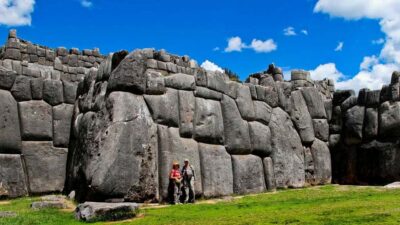
City Tour | Half-Day Tour to 4 Archaeological Sites
Read our review →
City Tour in Cusco & visit Museum South American Camelid Private.
Read our review →Browse the lists this tour appears in