
Reviewed · MUSEUMS & INCA RUINS
Cusco 4-Hour Private Tour Including Sacsayhuaman and Qenqo
Cusco’s Inca story comes together quickly on this private four-hour tour. You move from the huge stone walls of Sacsayhuaman to the water channels of Tambomachay, then connect those ruins with the Spanish cathedral and Qorikancha in the city center. I like the private format and the mix of major sights, but the schedule is brisk, and entrance fees add to the $87 price.
I especially like having a guide who can link the sites into one story rather than treating each ruin as a separate photo stop. Guides such as Alfredo, Patricia, Ruben, Soledad, and Victor have earned praise for clear explanations, local perspective, and a friendly pace. You also get a private vehicle, hotel pickup, drop-off, and snacks.
The main point to consider is stamina. Cusco sits high, and even a short walk can feel demanding while you adjust. The private vehicle helps, and the tour mixes driving with short walks, but you will still visit several open-air archaeological sites in four hours.
Key points to know before booking
- Four major Inca sites outside Cusco: Visit Sacsayhuaman, Q’enqo, Puka Pukara, and Tambomachay in one half-day.
- City history included: See Plaza de Armas, Cusco Cathedral, and Qorikancha, where Inca and Spanish history meet.
- Private pacing: Only your group participates, so your guide can answer questions and adjust the pace.
- Private transport and snacks: Hotel pickup, drop-off, a private vehicle, water, and snacks make the route easier at altitude.
- Admission costs extra: The listed entrance fees total PEN125 per person for Sacsayhuaman, the cathedral, and Qorikancha.
- Optional textile stop: A textile factory visit may be added at no extra charge, depending on the arrangement.
Why this half-day route works in Cusco
Cusco can feel confusing at first. Inca walls support colonial buildings, modern streets run beside old ceremonial sites, and the best ruins sit outside the center. This tour gives you a useful first map of the city and its sacred valley routes without committing an entire day.
The private setup matters here. A large group can lose time gathering people, and you may spend less time asking questions. With your own guide, you can request more detail on religion, construction, Spanish conquest, or present-day Cusco. Several guides have also adjusted the pace for people coping with altitude sickness.
The four-hour length is both a strength and a limit. It is long enough to see the main sites, but short enough to fit around a train departure, a later meal, or a second activity. You should not expect a slow archaeological study. This is an orientation tour with real sightseeing, not a full day at each ruin.
Other ruins and collections around Cusco:
- Cusco: Half-Day City Tour with Sacsayhuaman and Q’enco
★ 4.6 · 1,129 reviews - City Tour Cusco Qoricancha Sacsayhuaman y Tambomachay
★ 4.7 · 617 reviews - Cusco: City Tour | Half-Day Tour to 4 Archaeological Sites
★ 4.6 · 206 reviews
Sacsayhuaman and the giant stones above Cusco
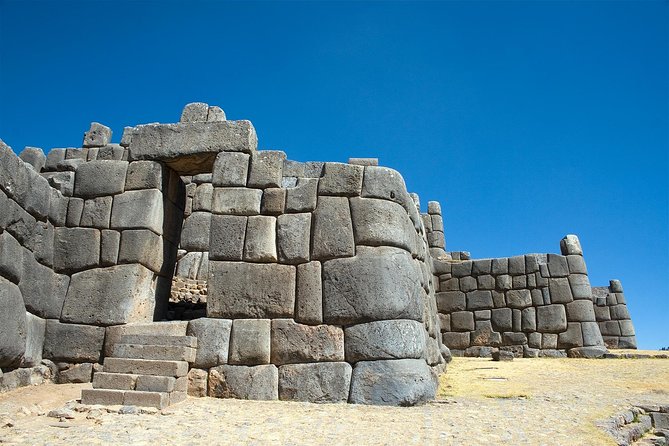
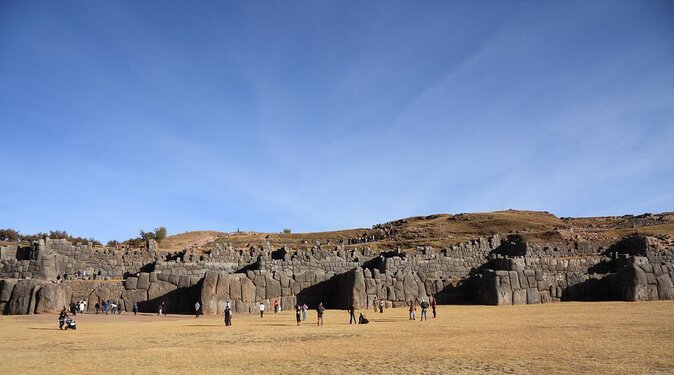
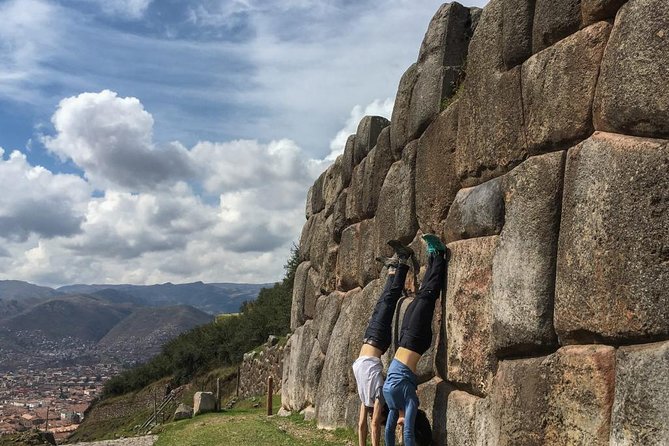
Sacsayhuaman is usually the visual highlight. The citadel sits on the northern edge of Cusco and looks across the city. Its massive fitted stones show the precision of Inca construction better than almost any explanation can.
The site also reaches farther back than the Inca period. Sections began with the Killke culture around 1100 CE, before the Inca made the area part of their imperial capital. That earlier layer gives your guide useful material to explain how Cusco grew over time.
You have about 30 minutes here. That is enough to see the great walls, hear the basic history, and take photographs, but not enough for an unhurried exploration of every section. Wear shoes suited to uneven ground, and keep your camera ready. The views over Cusco are one of the reasons this stop earns time even on a quick route.
Sacsayhuaman requires an entrance fee of PEN70 per person. That cost is separate from the tour price, so include it when comparing this experience with cheaper city-only options.
Plaza de Armas and the Spanish layer of Cusco
The Plaza de Armas provides the city-center counterpoint to the hilltop ruins. You get about 10 minutes in the square, where colonial buildings frame a place that was important long before the Spanish arrived.
This stop is short, but it helps explain the basic tension at the heart of Cusco. The Spanish built their colonial city over the former Inca capital, using old foundations and reshaping important public spaces. Your guide can connect what you saw at Sacsayhuaman with the architecture around the plaza.
Ten minutes will not allow much independent wandering. Think of this as a guided introduction and photo stop. If you want time to enter churches, browse shops, or sit in the square, plan to return on your own.
Cusco Cathedral and the cost of going inside
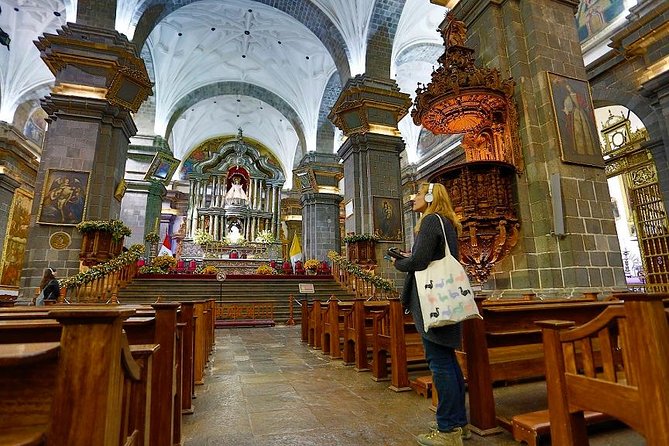
Cusco Cathedral, formally the Cathedral Basilica of the Assumption of the Virgin, occupies the Plaza de Armas. The outside gives you the setting, but the interior is where the visit becomes more useful for understanding the city’s colonial religious history.
The scheduled time is 20 minutes. That can work well if you want a focused visit, though it may feel short if you stop often to study art and decoration. Admission is not included and costs PEN40 per person.
This is one place where the private format helps. You can ask your guide to explain how the cathedral fits into the city’s transformation after the conquest instead of simply walking through it. One party chose to skip the cathedral after several hours of walking, which shows that the route can be adjusted when your energy runs low. Confirm any changes with your guide on the day.
Same base, a completely different day:
- Cusco: Humantay Lake Tour with Breakfast and Buffet Lunch
★ 4.9 · 2,976 reviews - From Cusco: Moray, Maras Salt Mines & Chinchero Weavers Tour
★ 4.8 · 1,925 reviews - From Cusco: Full-Day Group Tour of Machu Picchu
★ 4.7 · 1,767 reviews - Machu Picchu Day Trip from Cusco
★ 4.5 · 1,644 reviews
Qorikancha and the meeting of Inca and Dominican Cusco
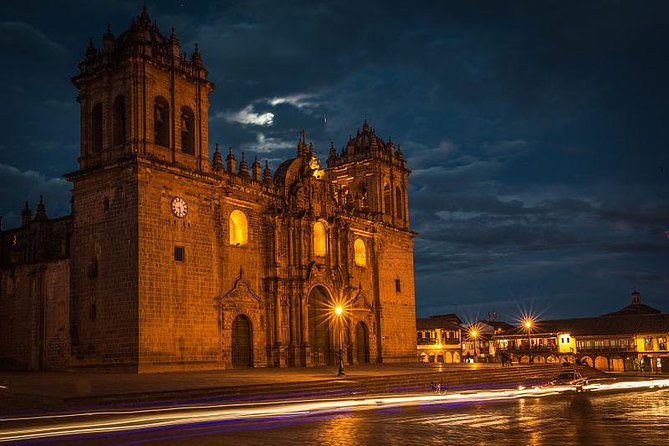
Qorikancha, also called the Temple of the Sun, is one of the most important stops for seeing how the Spanish reused Inca foundations. The original temple was dedicated to Inti, the sun deity. Much of it was dismantled after the Spanish conquest, and its stonework became part of the Santo Domingo Convent.
The site was also shaped by earthquakes. The seventeenth-century convent was built after the 1650 earthquake destroyed the first Dominican convent. That layered history is the real value here: you are not seeing an untouched Inca temple, but a place where Inca masonry, Spanish religious building, and later rebuilding occupy the same space.
The visit lasts about 20 minutes. Admission costs PEN15 per person and is not included. This is a modest extra fee compared with the Sacsayhuaman ticket, and I consider it worthwhile if you want the clearest example of Cusco’s overlapping cultures.
Puka Pukara, the red fortress-watchtower
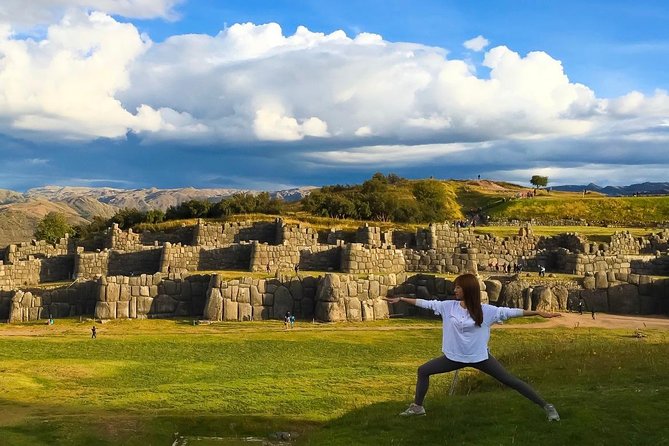
Puka Pukara sits about six kilometers from Cusco. Its Quechua name refers to a red fortress or watchtower. The site occupied a strategic position on the road toward Antisuyo, the jungle region of the Inca Empire.
Your guide will likely frame it as more than a military ruin. It served as a checkpoint along the Inca road and also had administrative functions. The remains are less imposing than Sacsayhuaman, but they help you see how the empire managed movement, roads, and regional control.
The scheduled stop is 15 minutes. That is enough for a quick walk and explanation. If you want long quiet periods among the stones, this route will feel too fast. If you want several different types of Inca site in one afternoon, Puka Pukara earns its place.
Q’enqo and the unanswered ritual questions
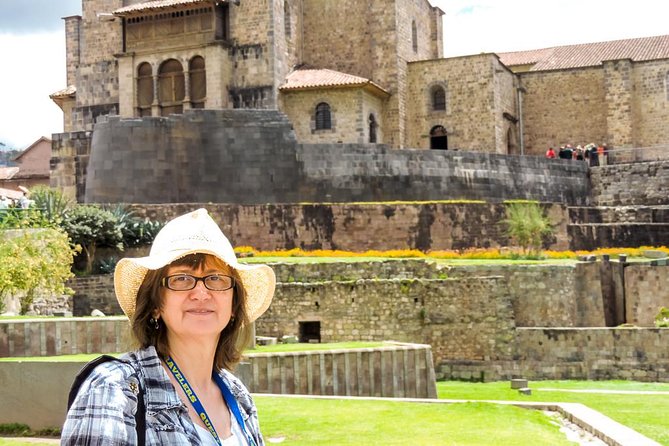
Q’enqo takes its name from a crooked or zigzag channel cut into the rock. The channel carried some kind of liquid, but its exact purpose remains uncertain. Possible explanations include holy water, chicha, or blood, all of which point toward ritual use.
That uncertainty gives your guide a chance to explain evidence without pretending that every Inca practice is fully understood. The site may have been connected to death rituals, embalming, or judging a person’s moral life through the path of the liquid. Treat those ideas as interpretations, not proven facts.
You get about 15 minutes here. Q’enqo is compact, and the stop can be interesting if you like archaeology and unanswered questions. The uneven rock and confined passages may be less comfortable for anyone feeling weak from altitude, so tell your guide if you need a slower pace.
Tambomachay and the Inca water system
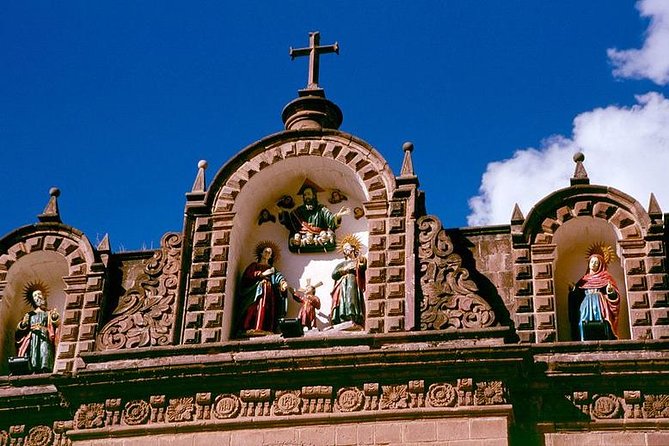
Tambomachay is known for its aqueducts, canals, and small waterfalls running through terraced rock. Its Spanish name, El Baño del Inca, reflects its association with water and royal use.
This is a gentler final ruin than the huge walls of Sacsayhuaman. Water still gives the site its character, and the stop helps show that Inca engineering was not only about roads and stone fortresses. Channels, terraces, and controlled flow were also central to ceremonial and practical life.
The planned visit lasts 25 minutes. Bring a camera, but also listen closely to the explanation. The site is easy to reduce to a pretty fountain unless you understand why water mattered in Inca religion and state power.
What your guide adds to the route
The guide can make or break a history-heavy tour, and this experience depends strongly on the person assigned to you. Alfredo has been praised for clear English, humor, and detailed explanations. Patricia is known for connecting Inca history with present-day Cusco and sharing her perspective as a Cusqueña.
Ruben, also called Reuben in some accounts, has been described as warm, careful, and especially good at explaining the ingenuity of the Inca world. Soledad and Stephanie have also led tours praised for patience, clear answers, and a friendly manner. Victor has received particular praise for making the day feel personal.
You may not receive a specific guide by name, so treat these names as examples of the team rather than a promise. English and Spanish guiding are available. One experience was less satisfying because the guide’s English was not as fluent as expected, so if detailed English explanations matter to you, ask about guide language when booking.
The driver is another useful part of the service. Private transport means you spend less time organizing taxis between distant sites. A conscientious driver and a well-timed pickup matter when several stops are packed into one half-day.
Private transport, altitude, and the real pace
Cusco’s altitude changes how you judge a four-hour tour. A route that looks easy on paper can feel tiring after a poor night’s sleep or a recent arrival. The schedule includes driving and walking, and the walks are generally short according to the tour details, but the ruins are not all flat.
The private vehicle is a practical advantage. You can sit between sites, carry water and extra clothing, and avoid the hassle of arranging separate rides. Hotel pickup and drop-off are included, as are snacks. Some participants received a snack bag and water, and one guide brought a Peruvian snack for the walk.
Dress for the season and bring your camera. Service animals are allowed, and most people can participate. Still, tell the guide early if you feel unwell. The private format makes it easier to slow down or make a small adjustment than it would be on a fixed group bus.
Is $87 a fair price?
At $87 per person, this is not the cheapest way to see Cusco. It is also not simply a transport service. You are paying for a private English- or Spanish-speaking guide, hotel pickup and drop-off, private transport, snacks, and a route that reaches seven major stops.
Add the listed entrance fees: PEN70 for Sacsayhuaman, PEN40 for Cusco Cathedral, and PEN15 for Qorikancha. That is PEN125 per person beyond the tour price. The other sites are listed with no separate admission charge in the supplied details.
The value improves if you are traveling as a small family, couple, or private group and care about questions, timing, and comfort. It is less compelling if you only want transportation or plan to spend a full day at Sacsayhuaman alone. The optional textile factory visit costs nothing extra, though you should decide if that fits your interests and available time.
Who should book this Cusco tour?
I would choose this experience for a first day or second day in Cusco, especially if you want a clear introduction before visiting Machu Picchu, Ollantaytambo, Pisac, or other Inca sites. Several guides have been especially effective at setting up the larger story, which makes later ruins easier to understand.
It also suits families and couples who do not want to join a large group. Solo visitors can benefit from the private setup too, since the guide can answer questions and help with photographs. The tour has been used by people still adjusting to altitude because it combines vehicle time with short walks.
You may want something else if you dislike a tight schedule, need long periods to explore each ruin, or want a specialist archaeological tour. Four hours gives you breadth, not depth.
Final decision: a strong first look at Cusco
I would book this tour if I wanted to cover the main Inca sites around Cusco without spending a full day in a group. The private guide, transport, snacks, and flexible pace give it real practical value, especially when altitude and unfamiliar streets complicate a first visit.
Before booking, budget for PEN125 in entrance fees, ask about the guide’s English or Spanish level, and be ready for a brisk route. If you want a personal introduction to Sacsayhuaman, Q’enqo, Puka Pukara, Tambomachay, and the city’s colonial center, this is a sensible choice. If your priority is slow photography or detailed study, choose fewer sites and more time.
Free cancellation is available up to 24 hours before the start time. Changes made inside that period are not accepted, and poor weather may lead to a different date or a full refund.
FAQ
How long does the private Cusco tour last?
The tour lasts approximately four hours.
Which sites are included?
The route includes Sacsayhuaman, Plaza de Armas, Cusco Cathedral, Qorikancha, Puka Pukara, Q’enqo, and Tambomachay.
Is transportation included?
Yes. Private vehicle transport, hotel pickup, and hotel drop-off are included.
Are entrance fees included in the price?
No. The listed extra fees are PEN70 for Sacsayhuaman, PEN40 for Cusco Cathedral, and PEN15 for Qorikancha.
Is the tour private?
Yes. Only your group participates in the activity.
Is a guide included?
Yes. An English- or Spanish-speaking private guide is included.
Are snacks provided?
Yes. Snacks are included, and the tour information also recommends bringing a camera.
Can I cancel for a full refund?
Yes, if you cancel at least 24 hours before the experience starts. Cancellations made less than 24 hours before the start time are not refunded.
Just added around Cusco
- “Waqra Pucara, The Majestic Fortress Revealing Secrets of the Andes”.★ 3.5 · 8 reviews
- 1.5h Cusco Chocolate Workshop – Truffles & Hot Chocolate★ 4.3 · 8 reviews
- Cusco: Chocolate Workshop with the Best Local Organic Cacao★ 4.5 · 23 reviews
- Cusco: Bean to bar chocolate workshop★ 5.0 · 3 reviews
- Cusco: Pub Crawl with Skip-the-Line Access and Drinks★ 4.6 · 57 reviews
- Horseback Tour in cusco to Temple of the Moon & Hidden temples★ 5.0 · 54 reviews
- 4 Day Classic Inca Trail to Machu Picchu by 360° Train★ 5.0 · 62 reviews
- Humantay Lake 2 Day Trek with Sky Camp from Cusco★ 5.0 · 62 reviews
Museums & Inca Ruins, compared.
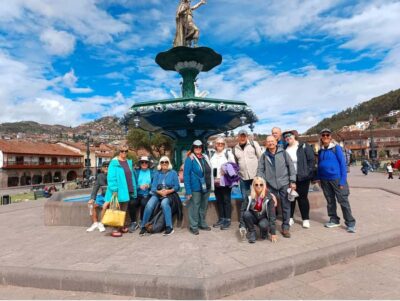
Half-Day City Tour with Sacsayhuaman and Q’enco
Read our review →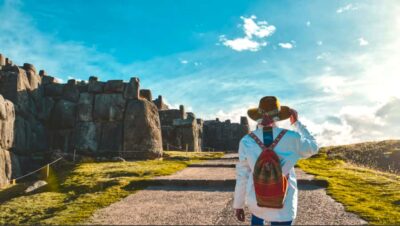
City Tour Cusco Qoricancha Sacsayhuaman y Tambomachay
Read our review →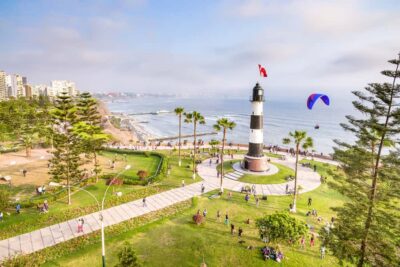
The Charm of Barranco & Pre Inca Pyramid in Miraflores
Read our review →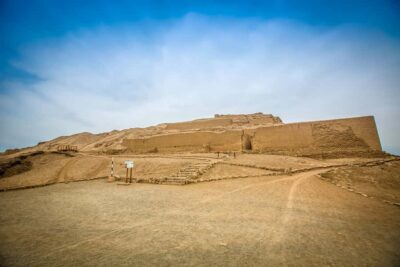
Pachacamac Ruins & Barranco Half-Day Guided Tour
Read our review →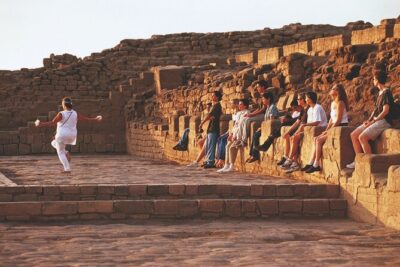
Pre Inca Temple of Pachacamac Half-Day Tour from Lima
Read our review →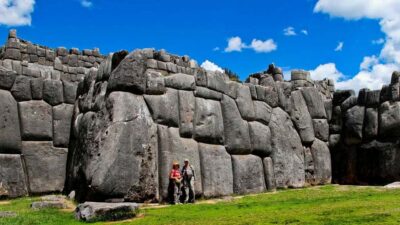
City Tour | Half-Day Tour to 4 Archaeological Sites
Read our review →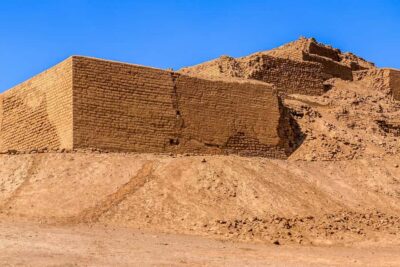
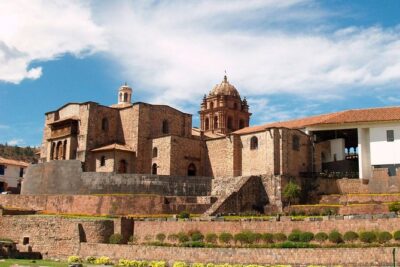
City Tour in Cusco & visit Museum South American Camelid Private.
Read our review →Browse the lists this tour appears in