
Reviewed · MUSEUMS & INCA RUINS
Cusco: City and Nearby Ruins 5-Hour Guided Tour
Cusco’s best introduction comes in two parts: the polished Spanish center and the massive Inca ruins above town. This five-hour small-group tour links both, taking you from the gold-lined Coricancha and Cathedral to the enormous stones of Sacsayhuaman, the odd underground spaces at Qenqo, and the water channels of Tambomachay.
I like the efficient mix of walking and minibus travel, and I like the chance to see several major sites in one afternoon for $22, before entrance fees. The main concern is time: a textile-shop stop has sometimes cut into the final ruins, and one booking had a serious English-language problem, so confirm both before you set out.
Key points to know before booking
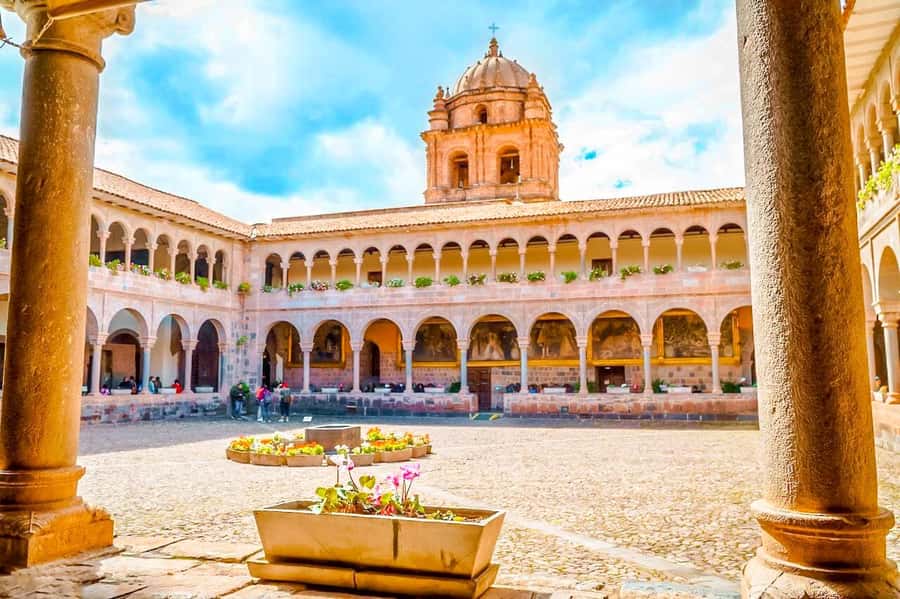
- Coricancha gives you Cusco’s central story: an Inca ceremonial center later built over by a Dominican church.
- Sacsayhuaman is the visual high point: its huge fitted stones make ordinary masonry look rather shy.
- Qenqo is the unusual stop: carved rock and subterranean passages offer a quieter, stranger look at Inca ritual.
- Four northern sites require careful pacing: Sacsayhuaman, Qenqo, Tambomachay, and Puka Pukara are reached by vehicle.
- Guide quality matters here: Peto has been praised for clear, lively explanations, while language arrangements have not always been perfect.
- Entrance tickets cost extra: the low tour price is attractive, but budget separately for site admission.
Why this five-hour route works in Cusco
I like this outing because it gives you a usable frame for Cusco. You begin with the city’s religious and political heart, then head uphill toward the Inca sites that guarded and supported the capital. The order helps you see that Cusco is not just a pretty colonial center. The old Inca city remains under your feet and around your walls.
The tour begins in the early afternoon with pickup from your accommodation in downtown Cusco. That timing suits you if you have spent the morning arriving, sorting out tickets, or visiting another part of town. It also gives the city portion a natural start before the ride to the northern outskirts.
The schedule is brisk. You are not getting a slow, private archaeological study at every stop. You are getting a broad introduction with a guide, transport, and enough time to see the major points. For a first afternoon in Cusco, that can be a good trade.
The group is described as small, with private options also available. A small group should make it easier to hear the guide and ask questions, though the exact pace can still depend on the group and the guide. If your booking places you with mostly Spanish speakers, confirm how much English interpretation will be provided. One person on a mixed-language tour found that English explanations were often skipped.
Other ruins and collections around Cusco:
- Cusco: Half-Day City Tour with Sacsayhuaman and Q’enco
★ 4.6 · 1,129 reviews - City Tour Cusco Qoricancha Sacsayhuaman y Tambomachay
★ 4.7 · 617 reviews - Cusco: City Tour | Half-Day Tour to 4 Archaeological Sites
★ 4.6 · 206 reviews
Coricancha, where Inca ceremony meets Spanish construction
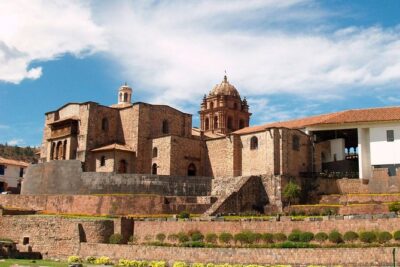
Your first stop is Coricancha, the Sun Temple. This is one of the most useful places in Cusco for understanding the clash and overlap between Inca and Spanish power.
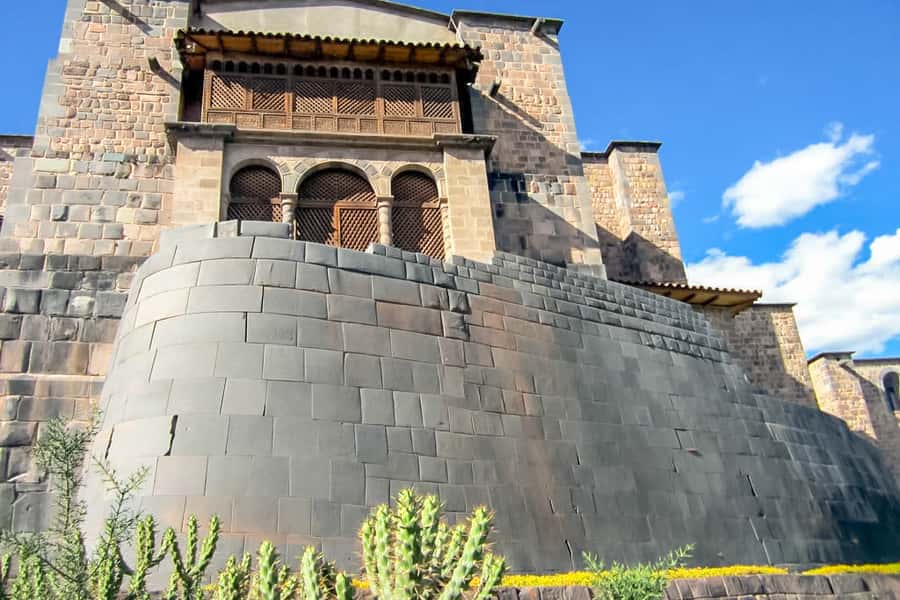
The original Inca complex was built during the height of the empire and served as a major ceremonial center. The name is often translated as a golden enclosure, a reminder of the wealth and religious importance once associated with the site. What you see today is a layered place, with Inca masonry below and a Dominican church built over the complex after the Spanish conquest.
That physical layering is the point. You can look at the carefully fitted stonework and then at the later church construction, seeing two systems of belief and authority occupying the same ground. A guide adds useful context here because the stones alone cannot explain why this site mattered.
Allow yourself a moment to notice the precision of the Inca walls. The blocks are fitted closely, with irregular shapes made to meet their neighbors. This is not the same feeling as looking at a grand European church. Coricancha works through weight, proportion, stone, and the sharp contrast between the original foundations and the later building.
Entrance fees are not included in the $22 tour price. That keeps the advertised cost low, but you should be ready to buy your own tickets during the outing. The experience is better value if you want interpretation and transport rather than simply a vehicle ride between monuments.
Plaza de Armas and the Cathedral’s layered past
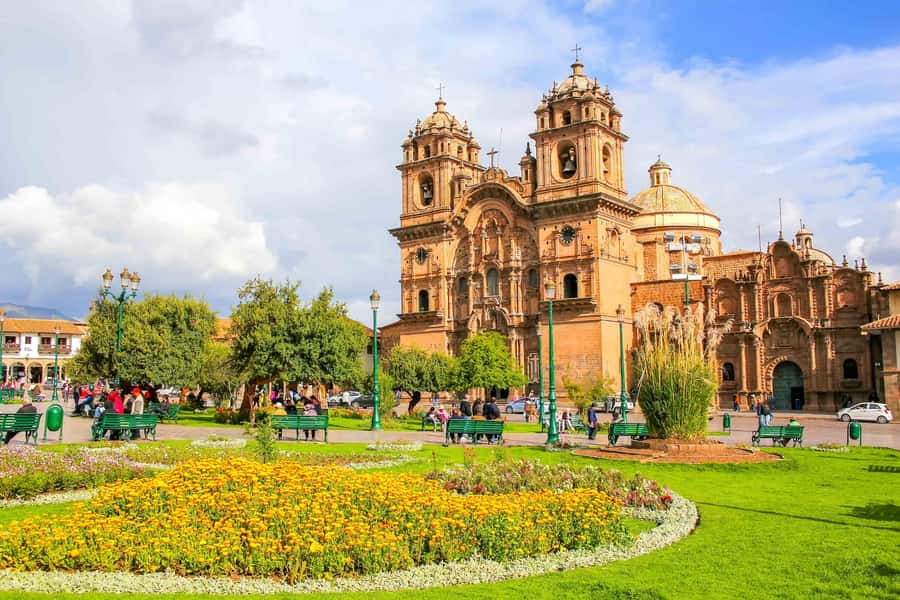
From Coricancha, the tour continues to the Plaza de Armas, Cusco’s main square. This is the city’s most famous public space, and it gives you a useful pause between the compact temple visit and the larger ruins outside town.
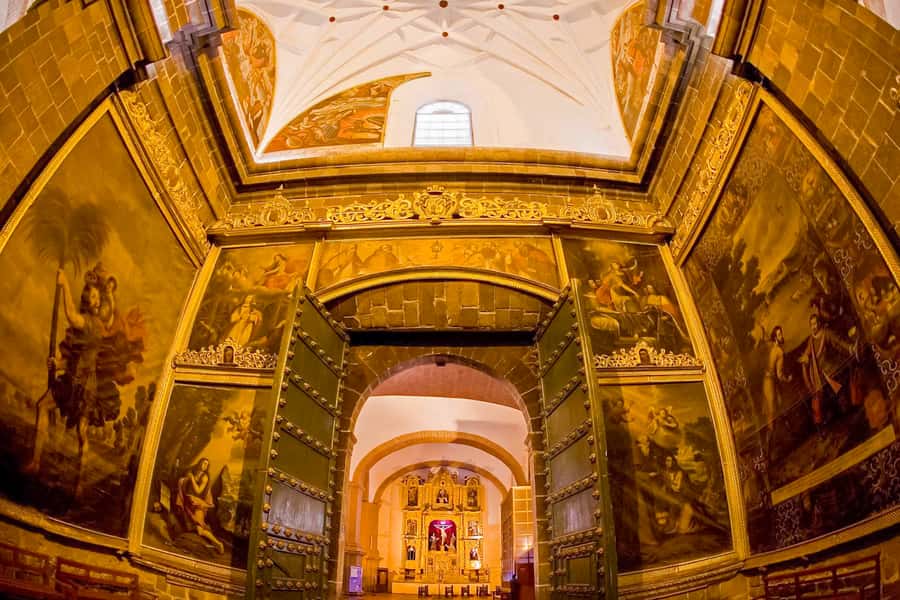
The Cathedral is the main attraction here. Its interior is described as part of the visit, with the guide explaining how it was built on top of Inca buildings. That detail matters. In Cusco, colonial architecture often did not replace the Inca city so much as claim its foundations, stones, and symbolic center.
I would pay close attention to the guide’s explanation rather than treating the Cathedral as a quick photo stop. The building’s importance comes from its setting and construction as much as from its interior decoration. You are seeing a Spanish religious center placed over an earlier Inca one.
There is one scheduling point to check. The information for this experience says the Cathedral is not included on the morning tour, while this outing begins in the early afternoon. Confirm your exact start time and route if the Cathedral is important to you. The stated afternoon itinerary includes it, but tour arrangements can vary.
The city section involves walking between at least two stops. Wear shoes that feel secure on Cusco’s streets and allow for the fact that the tour later shifts from walking to vehicle travel. No special equipment is listed, but comfortable footwear will make the first part easier.
Sacsayhuaman and the stones that stop conversation
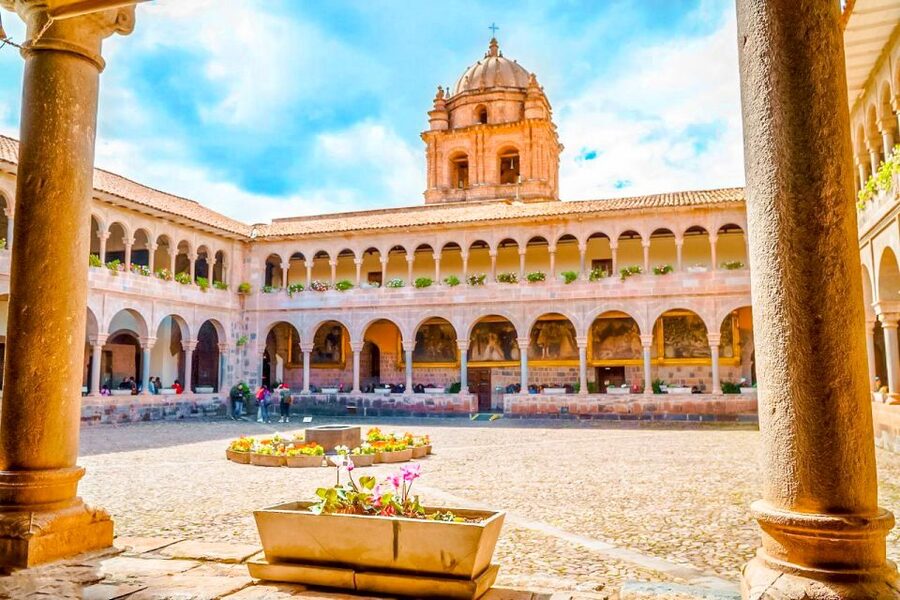
The ride to Sacsayhuaman takes you to the northern outskirts of Cusco and changes the scale of the day. Coricancha is powerful because of its layers. Sacsayhuaman is powerful because of its size.
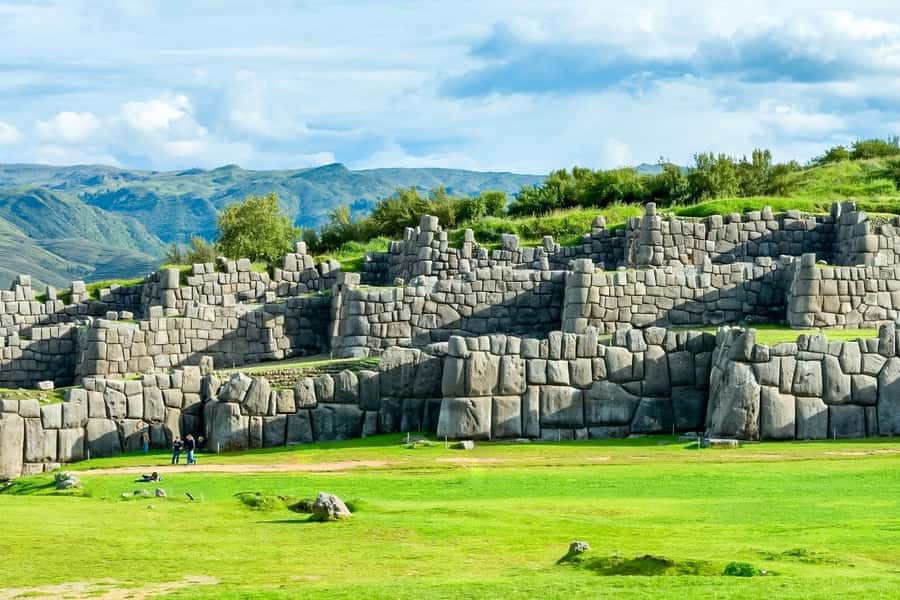
The complex is known for huge Inca walls made from massive rocks, some described as weighing up to 180 tons. The stones are fitted with striking precision, and the openings in the walls are part of what you are shown. Walking through those openings gives you a better sense of the construction than seeing the walls from a distance.
This is the stop where a guide’s explanation can turn amazement into understanding. You can see the blocks, but you also want to hear how the walls fit together and why the site was important to Cusco. The exact purpose and use of the complex are subjects where context matters, so take advantage of the live guide rather than rushing for photographs.
Sacsayhuaman is likely to be the most immediately impressive stop on the route. It also needs enough daylight to appreciate the stonework. This is why an unexpected shopping stop is more than a minor nuisance. If the schedule loses 45 minutes before Sacsayhuaman and the final sites, the last two stops may arrive in fading light or darkness.
Same base, a completely different day:
- Cusco: Humantay Lake Tour with Breakfast and Buffet Lunch
★ 4.9 · 2,976 reviews - From Cusco: Moray, Maras Salt Mines & Chinchero Weavers Tour
★ 4.8 · 1,925 reviews - From Cusco: Full-Day Group Tour of Machu Picchu
★ 4.7 · 1,767 reviews - Machu Picchu Day Trip from Cusco
★ 4.5 · 1,644 reviews
Qenqo and the oddness of carved stone
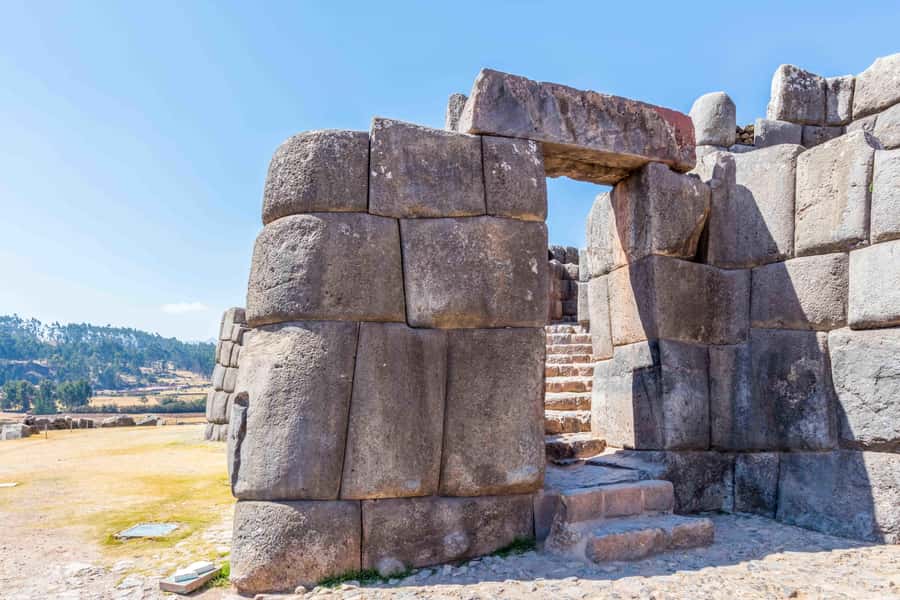
Qenqo means zigzag, and the site has a very different character from Sacsayhuaman. Instead of broad walls and huge open views, you encounter carved stone and subterranean passages tucked into the rock.
The site is described as unusual for its hidden spaces within a precisely carved stone interior. It is also associated with the possible mummification of the dead. That wording matters: the exact use is presented as likely, not certain. A good guide should explain what is known, what is inferred, and what remains unclear.
I like Qenqo because it breaks up the standard sequence of grand walls and broad ceremonial spaces. You are asked to look closer, notice the cuts in the rock, and think about how the space may have been used. It is a more mysterious stop, though the visit may feel short if the group is pressed for time.
If you prefer a tour that gives equal weight to every site, ask about the expected timing at Qenqo. The five-hour schedule includes a lot, and the final stops can be affected by traffic, shopping, or long explanations earlier in the day.
Tambomachay and Puka Pukara at the end of the route
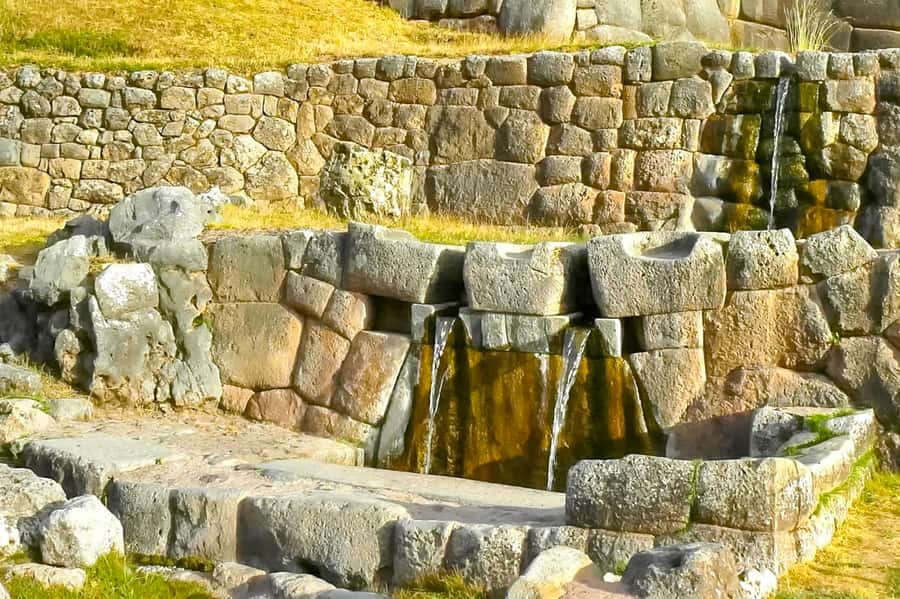
The final two stops are Tambomachay and Puka Pukara. Both are reached by minibus, and they help show how the area around Cusco supported the Inca capital.
Tambomachay is known for its Inca baths and water channels. Water gives this stop a calmer character than Sacsayhuaman. You are looking at a site shaped around flowing water, stone channels, and the careful control of a natural resource.
Puka Pukara is described as a military lookout point. Its role adds another piece to the route: ceremony at Coricancha, monumental construction at Sacsayhuaman, carved ritual space at Qenqo, water at Tambomachay, and defense at Puka Pukara. Taken together, the sites show different jobs within the wider Cusco area.
These stops may be less instantly dramatic than Sacsayhuaman, but I would not dismiss them. They make the excursion more than a greatest-hits visit. The problem is simply light and time. One schedule lost enough time at a textile shop that Tambomachay and Puka Pukara were seen in dusk or darkness. If the day runs late, you will get less from these smaller sites.
The tour returns you to downtown Cusco after Puka Pukara. Transportation is included, which is valuable because these four northern sites are spread beyond the center. You do not have to arrange separate transport or work out the order yourself.
The guide can make or break the afternoon
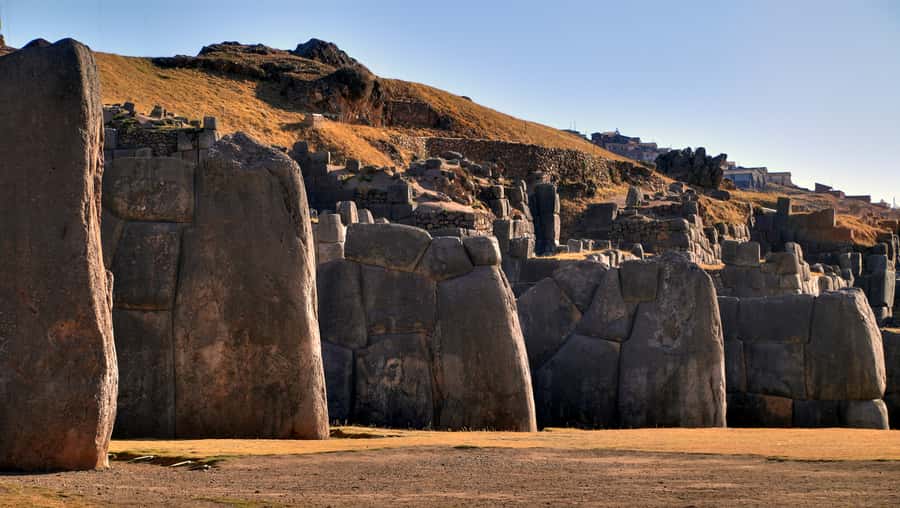
The tour is offered in Spanish and English, with a live guide. That is important because these sites reward explanation. The stones are memorable, but the reasons behind them are what turn a sightseeing loop into a useful introduction.
One guide named Peto received especially strong praise for his clear explanations and enthusiasm for Cusco and Inca culture. If you are able to request or confirm him, that may be worthwhile, though guide assignment is not stated as guaranteed.
At the other end, one booking was conducted in Spanish despite an English expectation. Another mixed-language group found that English translation was sometimes skipped. Those are not small issues. If you do not speak Spanish, contact the provider before confirming and ask how the guide will divide explanations between Spanish and English.
A private option may suit you if you want to ask many questions or keep a slower pace. A small group should cost less and still provide a more personal setting than a large coach. The supplied details do not give a separate private price, so check the current amount when booking.
The textile-shop stop and how to handle it
A textile shop has been included between sightseeing stops on some outings. This can feel like a sales visit, particularly when it takes around 45 minutes and pushes the final ruins into low light.
You can handle this in two ways. First, ask before departure if a textile stop is planned and how long it will last. Second, if you do not want to buy anything, make that clear and avoid letting the stop dominate your afternoon.
There is a fair point on the other side. A shop may offer quality baby-alpaca clothing and other items, and one person considered it a useful place to avoid low-grade street-market goods. Still, that benefit depends on your priorities. If your main goal is archaeological sites, you should know that shopping time can reduce time at Tambomachay and Puka Pukara.
I would prefer such a stop at the end, after the ruins, rather than between Sacsayhuaman and the last two sites. Ask if the order can be adjusted. The information does not promise that it can, but the question is worth asking.
Is $22 good value for this Cusco tour?
At $22 per person, the tour is priced as an affordable orientation rather than a fully inclusive day of sightseeing. You receive a professional guide and transportation, and the route covers seven major points or areas: Coricancha, Plaza de Armas, the Cathedral, Sacsayhuaman, Qenqo, Tambomachay, and Puka Pukara.
Entrance fees are not included. Add those costs before comparing this tour with other options. The low headline price is attractive, but the final spend will be higher once you buy admission tickets.
The value is strongest if you are short on time, staying downtown, and want someone else to handle the ride to the northern ruins. It is also useful if you want a first look before deciding which sites deserve a longer return visit.
The value is weaker if you dislike fixed schedules, shopping stops, or quick visits. You may prefer arranging each site separately if you want to linger at Sacsayhuaman or study Qenqo without watching the clock.
The non-refundable booking rule also deserves attention. Tickets cannot be modified, exchanged, or refunded once confirmed. Book only after checking the date, start time, language, and whether the Cathedral is included in your specific departure.
Who should book this five-hour outing?
I would recommend it to a first-time Cusco visitor who wants a clear overview in half a day. It fits well after arrival, especially when you want downtown history plus the main ruins without organizing several taxis or local buses.
It also suits you if you enjoy a guide’s narrative and want help connecting the sites. The route is more useful with explanation than as a simple series of photo stops.
I would be more cautious if you want a slow archaeological visit, dislike commercial stops, or need guaranteed English interpretation. In those cases, choose the private option if the price works for you, confirm the language in writing, and ask directly about the textile shop.
FAQ
How long does the Cusco City and Nearby Ruins tour last?
The tour lasts five hours. It begins in the early afternoon, though you should check the available starting times when booking.
What sites are included?
The route includes Coricancha, Plaza de Armas, the Cathedral of Cusco on the stated afternoon itinerary, Sacsayhuaman, Qenqo, Tambomachay, and Puka Pukara.
Is transportation included?
Yes. Transportation is included, with downtown walking stops followed by a minibus drive to the northern Cusco sites.
Are entrance fees included in the price?
No. Entrance fees are not included in the $22 per-person price. You need to pay for admission separately.
Is the tour available in English?
The tour offers live guides in Spanish and English. Confirm your language before booking because one reported arrangement did not provide the expected English tour.
Can I book a private tour?
Yes. Private and small-group options are available. The exact private-tour price is not provided, so check the current option when you book.
Should you book it?
Book this tour if you want a low-cost, well-packed introduction to Cusco and value included transportation more than long visits at each ruin. Coricancha, the Cathedral, and Sacsayhuaman give you the major visual and historical moments, while Qenqo, Tambomachay, and Puka Pukara add welcome variety.
Before paying, confirm three things: your guide’s language, the Cathedral schedule, and any textile-shop stop. If those details suit you, $22 is a sensible way to cover Cusco’s center and nearby ruins in one afternoon. If they do not, spend more for a private arrangement or build the sites into separate visits.
More museums and ruins in Cusco
- City Tour in Cusco & visit Museum South American Camelid Private.
★ 5.0 · 147 reviews - Cusco City Sightseeing and Sacsayhuaman Archeological Park Tour
★ 4.5 · 101 reviews - Cusco: Historical Guided City Tour with 4 Inca Ruins
★ 4.5 · 99 reviews - City Tour in Cusco & visit Museum South American Camelid
★ 4.5 · 80 reviews
Just added around Cusco
- Cusco: 4-Day Salkantay Trek to Machu Picchu, Panoramic Train★ 4.3 · 17 reviews
- Cusco: 3-Hour Peruvian Cooking Class★ 4.7 · 16 reviews
- Cusco: 4-Day Lares Trek to Machu Picchu with Panoramic Train★ 4.9 · 20 reviews
- Cusco Tourist Ticket and Sacred Valley Site Pass★ 4.2 · 28 reviews
- Colorful mountain tour Palcoyo | Cusco★ 4.8 · 5 reviews
- City Tour in Cusco★ 4.0 · 3 reviews
- City Tour Cusco★ 5.0 · 5 reviews
- City Tour Cusco & Valle Sagrado Pisac mas Almuerzo★ 3.6 · 3 reviews
Museums & Inca Ruins, compared.
Half-Day City Tour with Sacsayhuaman and Q’enco
Read our review →
City Tour Cusco Qoricancha Sacsayhuaman y Tambomachay
Read our review →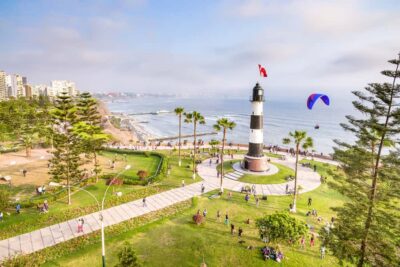
The Charm of Barranco & Pre Inca Pyramid in Miraflores
Read our review →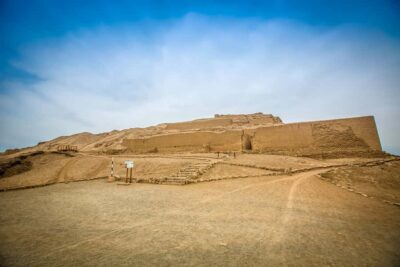
Pachacamac Ruins & Barranco Half-Day Guided Tour
Read our review →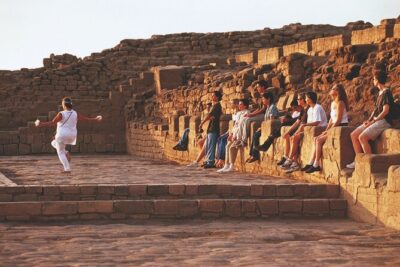
Pre Inca Temple of Pachacamac Half-Day Tour from Lima
Read our review →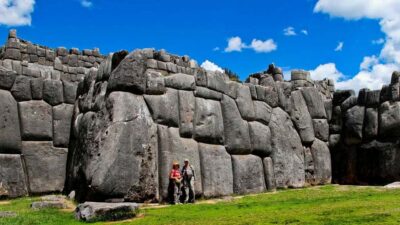
City Tour | Half-Day Tour to 4 Archaeological Sites
Read our review →
City Tour in Cusco & visit Museum South American Camelid Private.
Read our review →Browse the lists this tour appears in