
Reviewed · MUSEUMS & INCA RUINS
Cusco: City Tour | Half-Day Tour to 4 Archaeological Sites
Cusco’s best archaeological sites sit beyond the postcard streets of the old center, and this half-day outing links them in one tidy loop. You move from the Inca sun temple at Qoricancha to the giant stones of Sacsayhuamán, then on to three smaller sites above the city.
I like the strong mix of history and scenery, especially the final stop at Tambomachay and the broad view back toward Cusco. I also like the guides’ effort to explain everything in both English and Spanish. Guides such as Luis, Maribel, Fabrisio, and Joel have earned especially warm praise for their clear explanations and friendly manner.
The main catch is the bilingual format. If the group is split between English and Spanish speakers, each explanation takes longer, and a few people have felt rushed or left out. Site entrance fees are also separate, with cash useful for the extra charges.
Key points to know before booking
- Five major stops in four hours: Qoricancha, Sacsayhuamán, Qenqo, Puca Pucara, and Tambomachay.
- A $29 way to cover ground: Transport and a live bilingual guide are included, while entrance fees are extra.
- Hotel pickup in central Cusco: Pickup is included from hotels in Cusco’s historic center.
- Sacsayhuamán is the headline stop: Its enormous fitted stones are the tour’s most striking sight.
- The 2 pm departure has a useful finish: You can end with evening views over Cusco and return in time for dinner.
- Buy tickets before you go: The tourist ticket and Qoricancha admission are not included, and entry payments may require cash.
Why this Cusco half-day route works
Cusco can feel confusing at first. Inca walls run beneath colonial buildings, famous ruins sit on hills outside town, and several archaeological sites have similar-sounding names. This tour gives you a sensible first look at the main sights without asking you to arrange separate taxis, tickets, and guides.
At $29 per person, the value is strong if you want transport and explanation more than private attention. You get hotel pickup, tourist transport, and a live guide in English and Spanish. The price does not cover entry to Qoricancha or the wider tourist ticket, so the real cost is higher than the advertised rate.
Still, the basic price covers the part that is hardest to organize on your own: moving between five sites in and around Cusco during a single afternoon. I see this as a good orientation tour, especially at the start of a Peru trip.
The route takes about four hours, although timing can shift. Pickup delays, traffic, rain, or an unscheduled stop can stretch the outing. One person reported a five-and-a-half-hour finish after a textile-market visit, while other outings stayed close to schedule. If you have evening plans, avoid booking anything that cannot move.
Other ways to see the whole city in Cusco:
- Cusco: Half-Day City Tour with Sacsayhuaman and Q’enco
★ 4.6 · 1,129 reviews - City Tour Cusco Qoricancha Sacsayhuaman y Tambomachay
★ 4.7 · 617 reviews - Open Bus Cusco City Tour
★ 4.5 · 219 reviews
Qoricancha, where Inca gold met a Dominican church
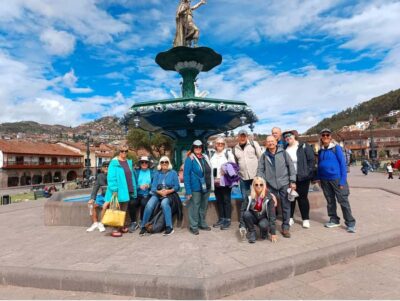
The tour begins in the city, usually with a look at Cusco’s main square before heading to Qoricancha. The main square itself is a living example of Andean and Spanish cultures sharing the same center, though one recent participant wished the square had received more attention at the start.
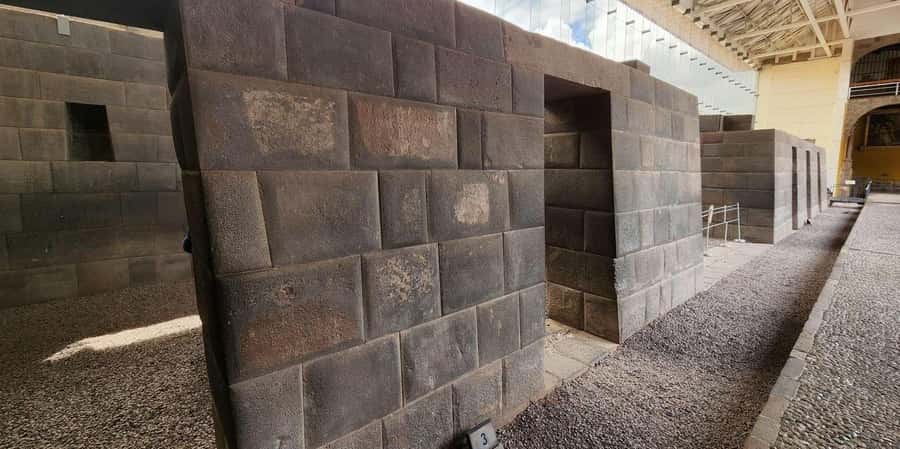
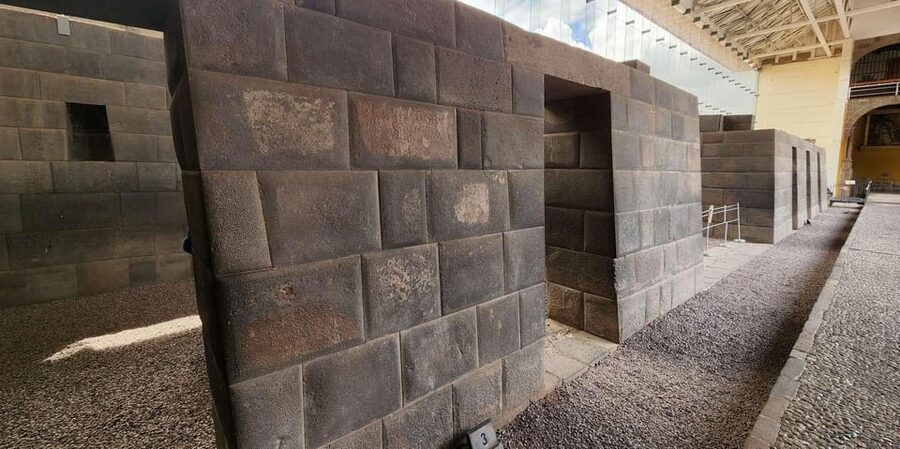
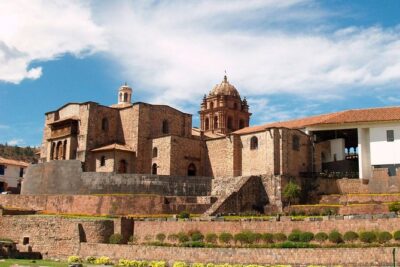
Qoricancha was the most important Inca religious center in Cusco. Its name is often translated as the Golden Enclosure, and the temple was dedicated to the sun. The Spanish later built the Santo Domingo church and convent over the Inca foundations.
Inside, you can see the contrast between carefully fitted Inca stonework and colonial religious architecture. The visit also includes paintings associated with the Cusco School, a colonial artistic tradition that developed in the region.
This is a useful first stop because it gives you a key to the rest of the day. Your guide can point out the precision of the stonework and explain how an Inca sacred place became part of a Spanish church complex. It is less about dramatic open views and more about layers of architecture in a compact city setting.
Qoricancha admission costs 20 soles and is not part of the $29 tour price. Take care of this before departure if possible. The separate charge is small, but delays occur when several people need to buy tickets during the tour.
Sacsayhuamán and the stones that define Cusco
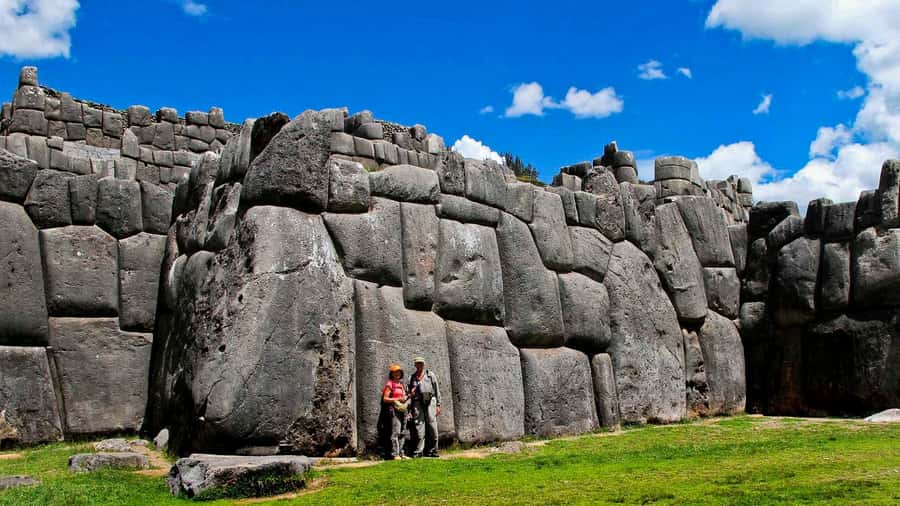
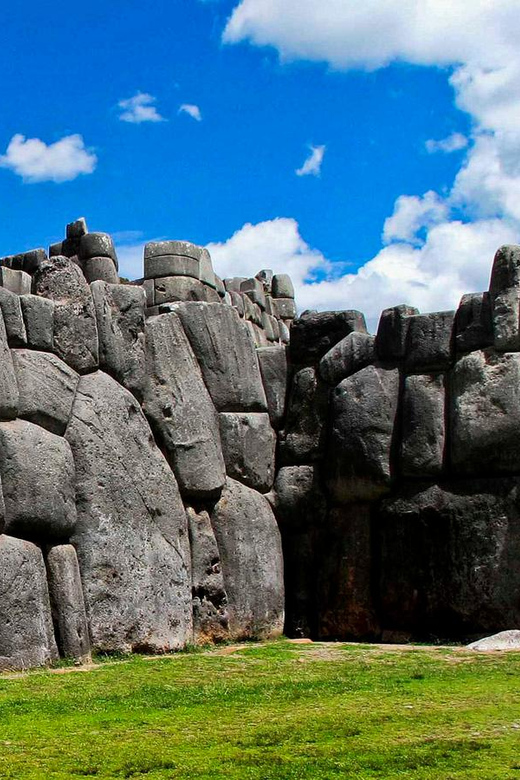
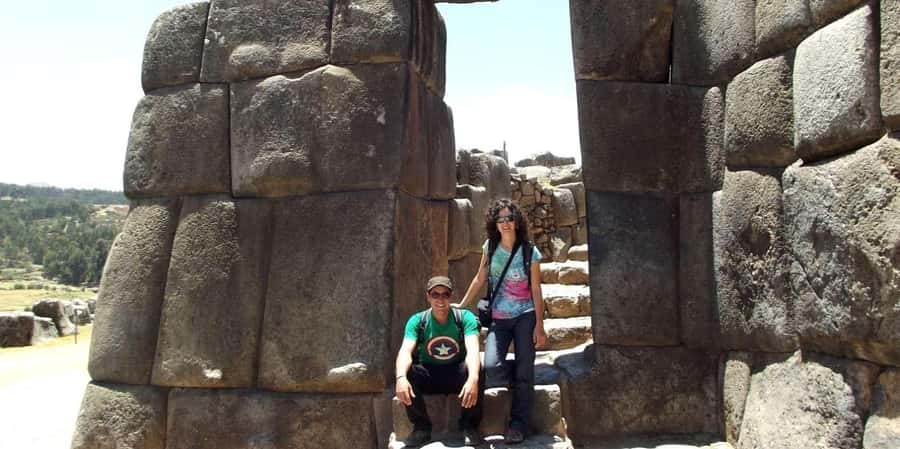
From Qoricancha, the route heads uphill to Sacsayhuamán. This is the largest and most imposing stop, with huge blocks fitted together so tightly that even a sheet of paper would struggle to pass between some joints.
The largest stones are described as reaching about 9 meters high and weighing more than 350 tons. You do not need to remember every measurement to appreciate the site. The scale is the point. Standing beside the zigzag walls gives you a clear sense of the labor, planning, and stone-cutting skill involved.
Sacsayhuamán also has an important place in modern Cusco. The annual Inti Raymi, or Festival of the Sun, takes place here on June 24. Your guide may connect the ruins to Inca ceremony, Spanish conquest, and current Cusco celebrations.
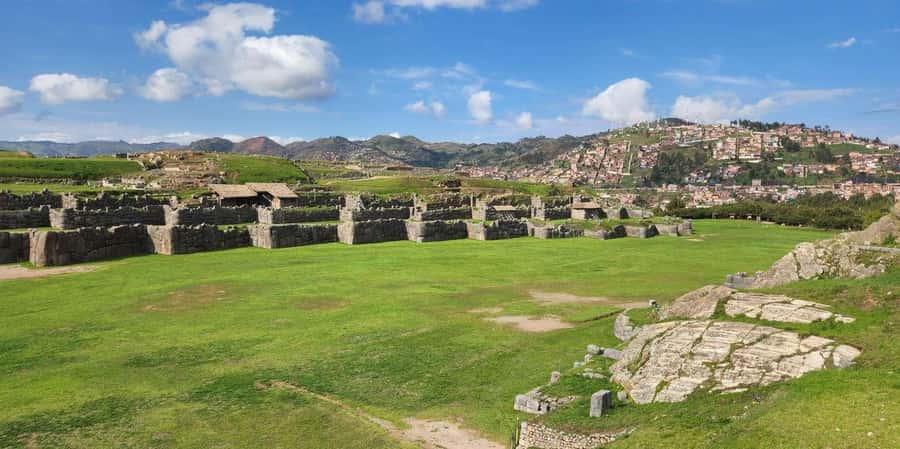
Allow yourself time to look beyond the largest wall. The high position gives you wide views toward Cusco, and the stonework changes as you move around the complex. The tour normally provides walking time at each site, but this stop can feel short if pickup ran late or the group arrives near closing.
One issue deserves special attention: the textile-market stop reported by one participant was not part of the advertised route and cut into time at Sacsayhuamán. If the guide suggests an extra shopping visit, ask how it will affect the archaeological sites. You are paying for the ruins, not a sales presentation.
Qenqo’s carved rock and ceremonial spaces
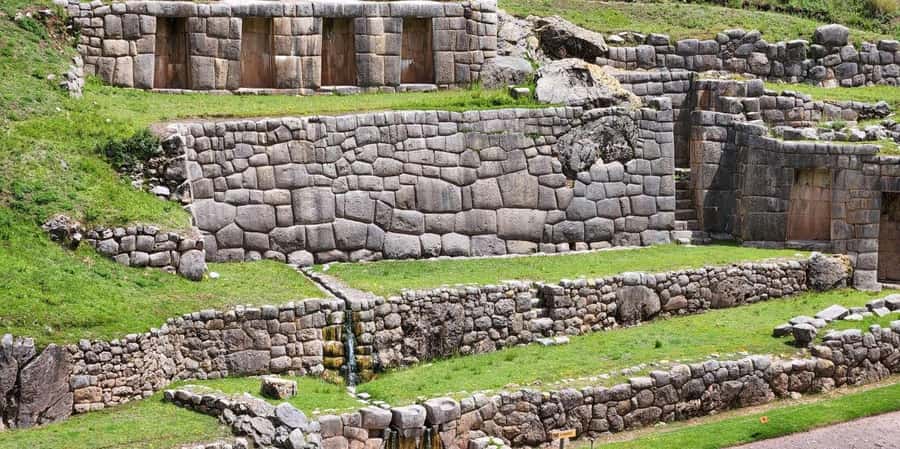
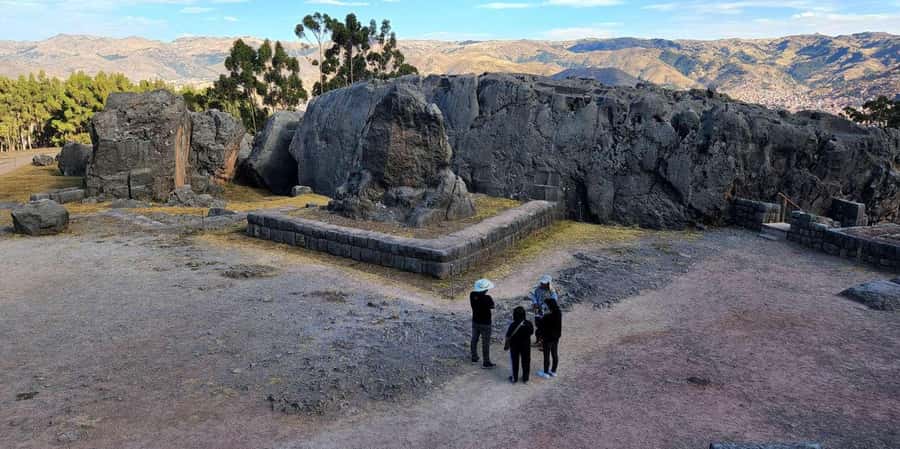
Qenqo is smaller and stranger than Sacsayhuamán. Its name is often linked to winding or zigzag forms, which suits the carved rock and maze-like paths found here.
The site served religious and ceremonial purposes in Inca times. The tour describes it as an amphitheater where sacrifices took place. Some interpretations of Qenqo remain uncertain, so listen for the difference between what archaeologists can establish and what remains a theory. One otherwise happy participant specifically wished guides would mark that difference more clearly.
That caution can improve the visit. Qenqo works best when you look closely at the rock rather than expect a huge fortress. Your guide will help identify carved surfaces, ceremonial areas, and the way the site fits into the group of sacred and defensive places above Cusco.
The paths can feel tight and uneven. Wear shoes with a secure sole, and keep your attention on the ground while listening. This is not a long stop, but it adds a more mysterious note after the grand scale of Sacsayhuamán.
Other ruins and collections around Cusco:
- City Tour in Cusco & visit Museum South American Camelid Private.
★ 5.0 · 147 reviews - Cusco City Sightseeing and Sacsayhuaman Archeological Park Tour
★ 4.5 · 101 reviews - Cusco: Historical Guided City Tour with 4 Inca Ruins
★ 4.5 · 99 reviews - City Tour in Cusco & visit Museum South American Camelid
★ 4.5 · 80 reviews
Puca Pucara, a lookout on the old road
Puca Pucara was an Inca surveillance post and entry-control point for the capital. Its name is commonly associated with a red fortress, though the appeal here is less about towering walls and more about location and purpose.
From this point, the guide can explain how movement into Cusco was watched and managed. The terraces, walls, and stone steps are more modest than those at Sacsayhuamán, so expectations matter. You are visiting a strategic site, not another giant ceremonial complex.
Puca Pucara also breaks up the route nicely. After walking through dense stonework at Qenqo, you get a more open stop with views and a chance to understand the network of sites around the imperial city. The visit is usually brief, which suits the four-hour schedule.
If you want detailed time at every wall, this tour may feel quick. If you want a clear picture of how the sites worked together, the short stop does its job.
Tambomachay and the water of eternal youth
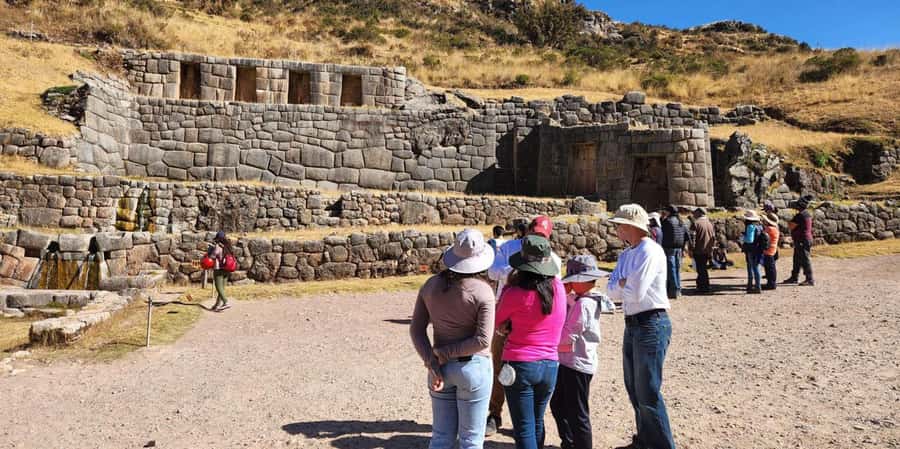
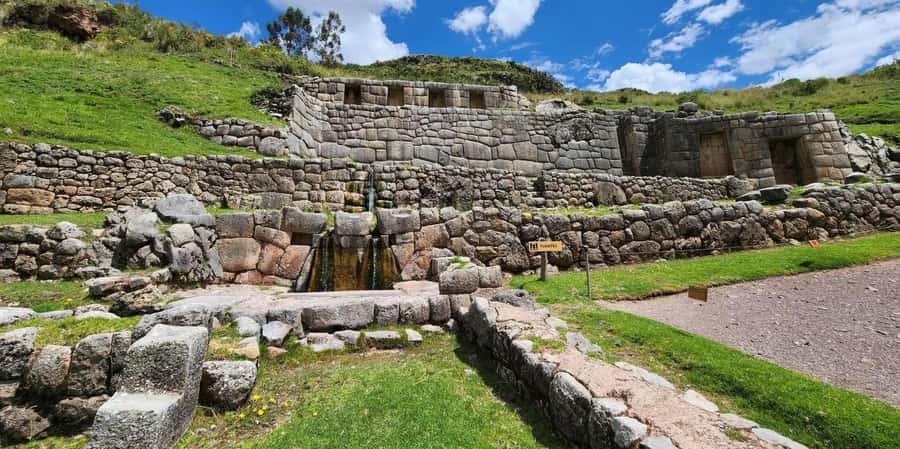
Tambomachay is the last archaeological site and, for many people, the most peaceful. It was linked to the worship of water, with channels, fountains, and carefully built stonework designed around flowing water.
The site is also known as a place of eternal youth. Your guide can explain the religious meaning of water in Inca life and why a spring-fed ceremonial place mattered. The fountains are not large, but their design feels precise and calm after the bulk of Sacsayhuamán.
Do not treat Tambomachay as a quick photo stop. One participant specifically advised saving time for the final site, while another praised the nearby view over Cusco. Depending on the departure time, you may see the city in late afternoon or evening light.
The 2 pm tour can be a good choice if you want to finish around dinner. It may also be colder toward the end, especially when the sun drops. Pack a light layer, and use the tea vendors along the route if you need something warm. That practical tip matters more than it sounds in the highland air.
What the bilingual guiding is really like
The guide is central to the quality of this tour. Several guides have received strong praise, including Luis, Maribel, Fabrisio, Joel, Yenny, Jessica, Leo, and America. The best guides keep the group together, answer questions, explain local culture, and make sure English speakers are not forgotten.
You should expect the tour to alternate between English and Spanish. That arrangement works well when the guide keeps each explanation organized. People who joined with little or no Spanish have said that Luis and others made a real effort to include them.
The tradeoff is time. A bilingual explanation takes longer, and one English-speaking participant felt that questions asked in Spanish were not always repeated in English. Another person felt that bilingual tours simply did not work as well as a single-language outing.
I would book this tour if you are comfortable with a shared group and can accept a little repetition. If you want uninterrupted English commentary and more time at each site, a private or English-only tour would suit you better, though it will likely cost more.
The guides also vary in style. Some add humor and personal insight. One guide was praised for writing a history book about the Incas and the region, while another was remembered as an excellent photographer. You should not expect a particular guide, but the pattern is clear: the guide can make this modestly priced tour feel far more useful.
Tickets, transport, and the real cost
The tour includes hotel pickup from Cusco’s historic center, tourist transport, and the bilingual guide. Pickup outside the central area is not stated as included, so confirm your hotel location before booking.
Entry fees are separate:
- Qoricancha: 20 soles
- Tourist Ticket: 70 to 120 soles, depending on the ticket type
- Cusco Cathedral: optional and not included
The tourist ticket covers the archaeological sites on the route, and it may also be useful for other museums and places in Cusco and the Sacred Valley. If you already own the correct ticket, bring it rather than paying again. Several participants found it worthwhile to buy the ticket in advance near the Plaza de Armas.
Check the current ticket rules and carry cash. At least one person specifically noted that admission was cash only. The ticket issue is the biggest practical surprise for people who see the $29 headline price and assume everything is covered.
Transport saves you from negotiating separate rides to hilltop sites, but the start can be slow. One outing had a chaotic late pickup, and another person wanted faster collection. Once underway, most of the route was described as well organized, with a useful mix of walking and driving.
Rain does not have to ruin the day. One guide rearranged the order after an afternoon shower, allowing the group to explore when conditions improved. That kind of flexibility is valuable in Cusco, where weather can change quickly.
Who should book this tour
I would recommend it for a first or second day in Cusco, once you have adjusted to the altitude and want a clear introduction to the city’s major Inca sites. It also suits anyone with limited time who wants more than the central streets and museums.
It is a good fit if you:
- Want five major sites in one half-day
- Prefer a guide to explain history and local culture
- Need hotel pickup and shared transport
- Are comfortable hearing both English and Spanish
- Want to return to Cusco in time for dinner
- Care more about broad coverage than long visits at each ruin
I would think twice if you dislike group tours, need a strict finish time, or want every explanation in one language. The four-hour plan is efficient, but late pickups, traffic, weather, or added stops can make the day longer.
The biggest value comes from the route itself. Sacsayhuamán, Qenqo, Puca Pucara, and Tambomachay are not as easy to connect independently as Qoricancha and the main square. A good guide also gives meaning to what might otherwise become a blur of stone walls and unfamiliar names.
My verdict on the $29 Cusco City Tour
Book it if you want an affordable introduction to Cusco’s Inca sites and can manage the extra ticket costs. The route is well chosen, the guides are often warm and well informed, and the final views can make the afternoon feel special.
Go in prepared: buy the tourist ticket ahead if possible, carry cash, wear good walking shoes, bring a layer, and leave space in your schedule in case pickup or a stop runs late. If you do that, this tour gives you a lot of Cusco in four hours without making you arrange the transport yourself.
FAQ
How long does the Cusco City Tour last?
The stated duration is four hours. The finish can vary because of pickup delays, traffic, weather, or extra stops.
Which sites are included?
The route includes Qoricancha, Sacsayhuamán, Qenqo, Puca Pucara, and Tambomachay. It also begins in or near Cusco’s historic center.
Is hotel pickup included?
Yes. Pickup is included from hotels in Cusco’s historic center.
Are entrance fees included in the $29 price?
No. Qoricancha costs 20 soles, and the tourist ticket costs 70 to 120 soles depending on the ticket type. The Cusco Cathedral is an optional extra.
Is the tour offered in English?
Yes. The live guide speaks English and Spanish, and the tour is conducted bilingually.
Can I cancel or pay later?
You can cancel up to 24 hours in advance for a full refund. The activity also offers reserve-now, pay-later booking.
More half-day trips around Cusco
- Cusco: Half-Day City Tour
★ 4.2 · 129 reviews - From Cusco: Moray, Maras Salt Mines & Chinchero Weavers Half-Day
★ 5.0 · 126 reviews - Cusco: Half-Day Horseback Riding at Devil’s Balcony
★ 4.9 · 89 reviews - Lima’s Vibrant Heritage: Exploring the City’s Landmarks Half-day
★ 4.5 · 581 reviews
More museums and ruins in Cusco
- Cusco 4-Hour Private Tour Including Sacsayhuaman and Qenqo
★ 5.0 · 77 reviews - Sacsayhuaman Temple, Tambomachay and Puca Pucara Half-Day Tour
★ 4.5 · 59 reviews - “Waqra Pucara, The Majestic Fortress Revealing Secrets of the Andes”.
★ 3.5 · 8 reviews - Lima: The Charm of Barranco & Pre Inca Pyramid in Miraflores
★ 4.9 · 322 reviews
Just added around Cusco
- “Waqra Pucara, The Majestic Fortress Revealing Secrets of the Andes”.★ 3.5 · 8 reviews
- 1.5h Cusco Chocolate Workshop – Truffles & Hot Chocolate★ 4.3 · 8 reviews
- Cusco: Chocolate Workshop with the Best Local Organic Cacao★ 4.5 · 23 reviews
- Cusco: Bean to bar chocolate workshop★ 5.0 · 3 reviews
- Cusco: Pub Crawl with Skip-the-Line Access and Drinks★ 4.6 · 57 reviews
- Horseback Tour in cusco to Temple of the Moon & Hidden temples★ 5.0 · 54 reviews
- 4-Day Inca Jungle Adventure, Mountain Biking, Rafting and Zipline★ 5.0 · 60 reviews
- Essential Machu Picchu Full Day Tour★ 5.0 · 60 reviews
Museums & Inca Ruins, compared.
Half-Day City Tour with Sacsayhuaman and Q’enco
Read our review →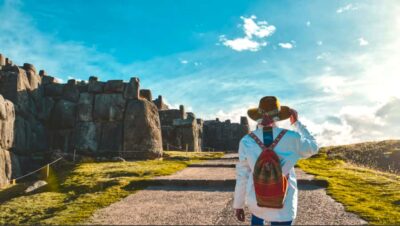
City Tour Cusco Qoricancha Sacsayhuaman y Tambomachay
Read our review →
The Charm of Barranco & Pre Inca Pyramid in Miraflores
Read our review →
Pachacamac Ruins & Barranco Half-Day Guided Tour
Read our review →
Pre Inca Temple of Pachacamac Half-Day Tour from Lima
Read our review →
City Tour in Cusco & visit Museum South American Camelid Private.
Read our review →
Lima Bike Tour Miraflores – Barranco + Huaca Pucllana!
Read our review →Browse the lists this tour appears in