
Reviewed · SACRED VALLEY TOURS
Cusco: Pisac, Sacsayhuaman, Q’enqo, and Tambomachay Tour
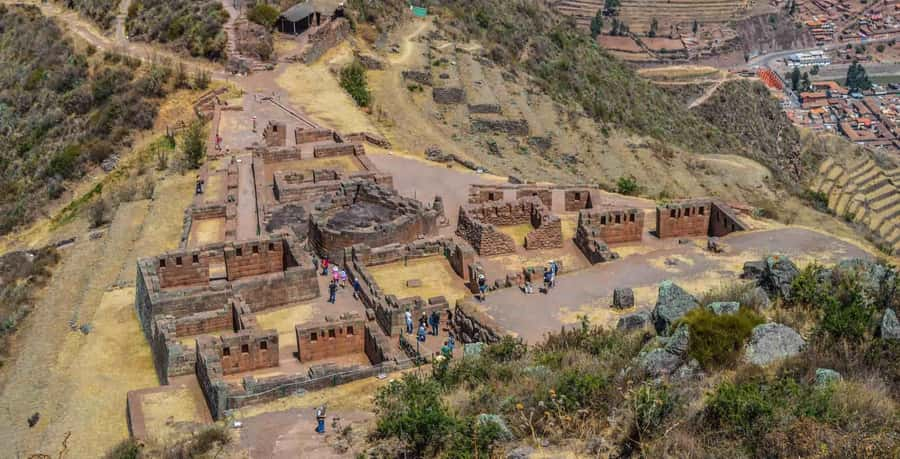
Pisac gives this tour its best change of pace: you begin among artisan stalls and narrow streets, then move into the Sacred Valley for broad views and Inca terraces. I like that the day combines a market visit with serious archaeological sites, rather than treating Pisac as a quick photo stop. I also like the return to Cusco by way of Sacsayhuaman, Q’enqo, Tambomachay, and Puka-Pukara, four very different sites packed into one route.
The main consideration is the pace. Six hours is enough to see all the stops, but not enough for long, unhurried visits. The vehicle also deserves attention if you book for four adults: one guest found the fit uncomfortable, even though the guide and driver, Jessica, were excellent. Comfortable shoes and a little flexibility will make this outing much easier.
Key points at a glance
- Pisac includes both the market and archaeological park, so you get shopping time and guided history in one stop.
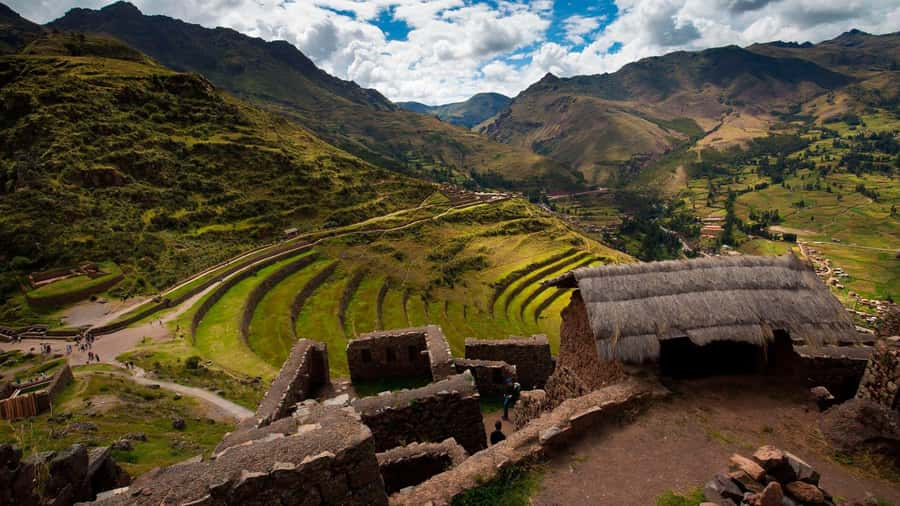
- The Taray Viewpoint gives you the big Sacred Valley view, with its striking rows of Inca terraces.
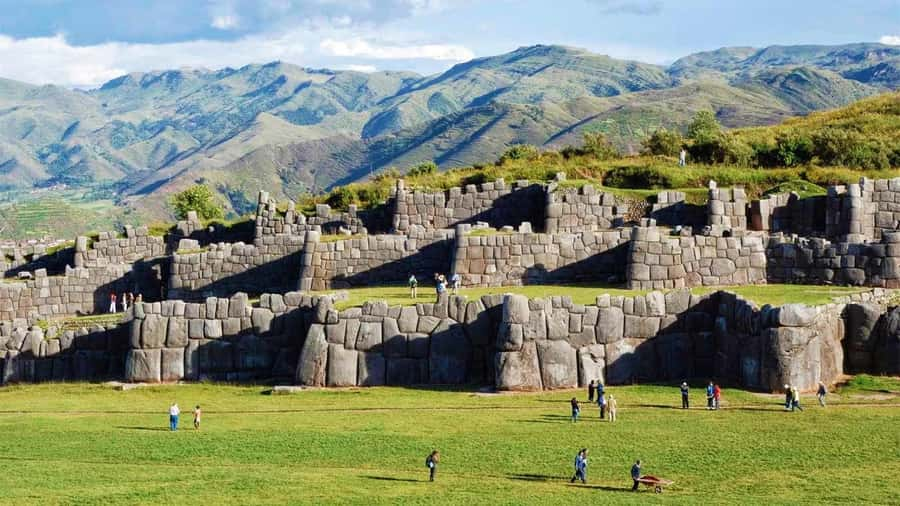
- Sacsayhuaman is the major site of the afternoon, with massive stone monuments and sweeping views near Cusco.
- Q’enqo, Tambomachay, and Puka-Pukara each serve a different purpose, from ritual use to water worship and road control.
- The tour is private, with English or Spanish guiding and hotel pickup in Cusco’s historic center.
- Budget for entrance fees, which cost S/70, about US$18.70, for foreign visitors and S/40, about US$10.70, for Peruvians.
A six-hour route from market streets to Inca stonework
This is a compact introduction to the Cusco area beyond the city center. You leave your hotel in Cusco, travel first toward Pisac in the Sacred Valley, then return toward the city for the hilltop ruins.
That route matters. Pisac feels open and rural compared with Cusco, while the sites near the city show how the Incas shaped ceremonial, military, and water-related places around their capital. In one morning and afternoon, you get several different settings without arranging separate transport.
The tour is listed at $77 per person. For a foreign visitor, add the S/70 archaeological admission fee, roughly US$18.70 at the stated conversion. That puts the practical cost near $95.70 per person before any food or personal purchases. I see the value in that price if you want a private vehicle, hotel pickup, and a guide who can connect the sites. It is less attractive if you prefer to spend a full day at only one major place or want lots of free time in the market.
The schedule is fixed enough to cover every stop, but exact starting times depend on availability. Pickup is included when your hotel is in Cusco’s historic center. If you stay farther out, you receive a meeting point by prior arrangement.
Other ruins and collections around Cusco:
- Cusco: Half-Day City Tour with Sacsayhuaman and Q’enco
★ 4.6 · 1,129 reviews - City Tour Cusco Qoricancha Sacsayhuaman y Tambomachay
★ 4.7 · 617 reviews - Cusco: City Tour | Half-Day Tour to 4 Archaeological Sites
★ 4.6 · 206 reviews
Pisac market and the town’s everyday side
Pisac is the first major stop, and the town gives you a useful look at the modern side of the Sacred Valley before you reach the ruins. You can walk through its streets, browse local artisan stalls, and spend time at the famous market.
I like having the market at the beginning rather than the end. You are not rushed back to Cusco with purchases in your hands, and you can focus on the archaeological park afterward. Still, the market portion will appeal most to you if you enjoy browsing crafts and local goods. If shopping is not your priority, keep your time focused and save energy for the ruins.
The market should not be confused with the archaeological park. They are separate parts of the Pisac visit, and the guide takes you through the park as well. That distinction is important because Pisac is not just a place to buy souvenirs. Its ruins are one of the key sites in the Sacred Valley, and a guide can give the stone terraces and structures a clearer purpose.
The available information does not give a set amount of free time at the market, so you should expect the guide to balance shopping, walking, and the archaeological visit. If you have a particular interest in crafts, tell the guide early. Since the group is private, you have more room to discuss how you want to use the stop than you would on a large coach tour.
Taray Viewpoint and the Sacred Valley terraces
On the return toward Cusco, the tour stops at the Taray Viewpoint. This is the place for the wide Sacred Valley view, with the Inca terraces spread across the slopes below.
The viewpoint adds something the market and ruins cannot: scale. From ground level, an individual terrace can look like a simple stone wall. From Taray, you can see how extensive the terracing was and how much of the valley was shaped for farming and settlement.
Bring your camera, but do not treat this as a rushed roadside photo. Give yourself a moment to look for the pattern of the terraces and the way the valley opens beneath the viewpoint. The tour information specifically calls attention to the large number of terraces, so this is one of the stops where your guide’s explanation can turn a pretty view into a useful lesson.
Weather can change, and the sun can be strong at this altitude. A hat, sunscreen, water, and clothing suited to changing conditions are sensible. The tour does not include a meal, so you should also plan for the fact that this is a six-hour sightseeing route rather than a food-focused day.
Sacsayhuaman, the day’s heavyweight site
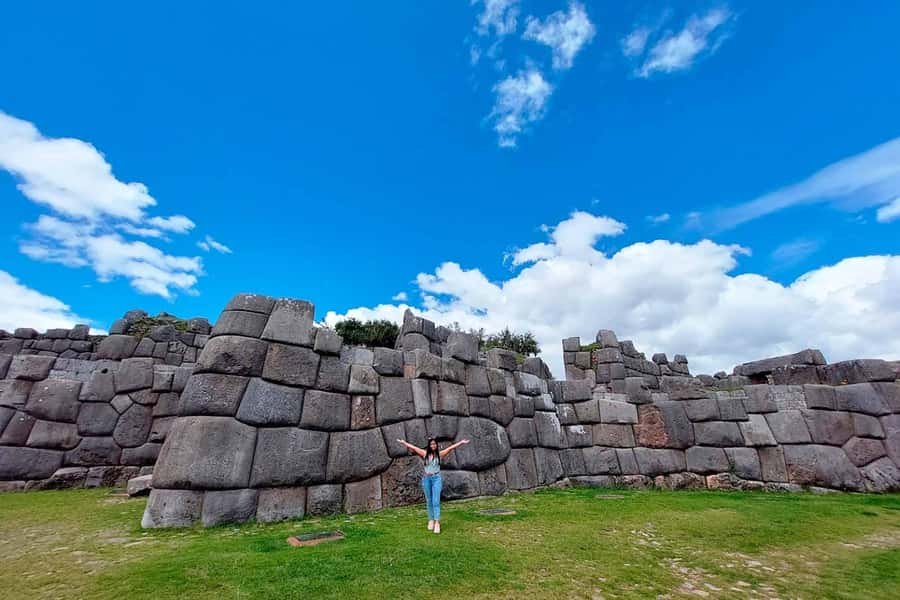
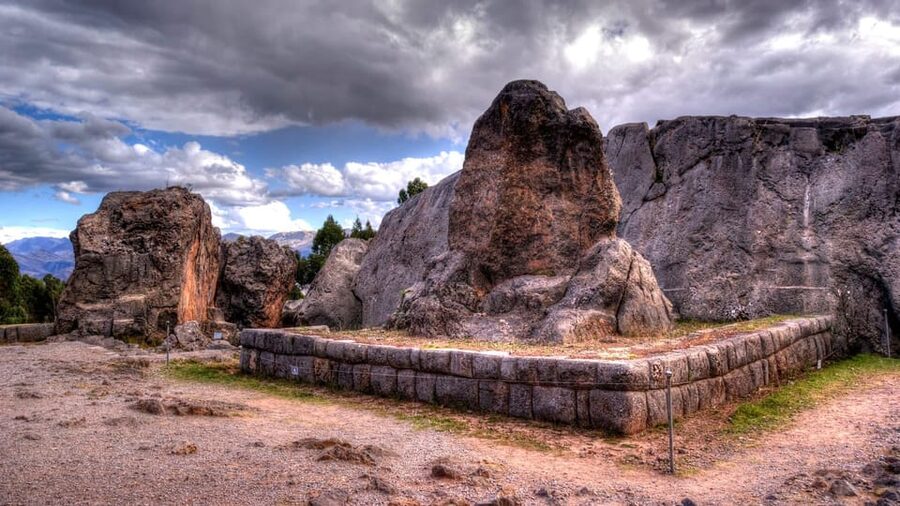
Sacsayhuaman is the most imposing ruin on this route. The tour presents it as a ceremonial fort made of stone monuments, and it is the stop most likely to leave you thinking about the scale of Inca construction.
You can expect large masonry, open ground, and views from the hills above Cusco. The site is not just another set of walls to tick off. Its size and stonework give the guide room to explain how the Incas used monumental construction to express power and organize important spaces.
I would give Sacsayhuaman your best attention, even though the route includes three more sites afterward. The six-hour limit means you may not linger as long as you would on a dedicated Sacsayhuaman visit. Still, the private format helps here. You can ask questions, request clarification, and keep the visit from becoming a silent walk past stones.
One guide who received especially strong praise was Juan Carlos, described as a trained archaeologist who explained the sites in a clear, evidence-based way. That kind of background can make a real difference at Sacsayhuaman, where a good explanation helps you distinguish ceremonial meaning, construction skill, and later interpretations. Guide quality is the tour’s most important variable, and Juan Carlos appears to represent the strongest version of what this experience can offer.
Other days through the Sacred Valley from Cusco:
- From Cusco: Moray, Maras Salt Mines & Chinchero Weavers Tour
★ 4.8 · 1,925 reviews - Cusco: Sacred Valley, Pisac, Ollantaytambo, Salt Mines Moray
★ 4.6 · 1,058 reviews - Cusco:Chinchero,Moray & Salt Mines drop-off in Ollantaytambo
★ 4.8 · 793 reviews - Sacred Valley: Chinchero, Moray, Ollantaytambo & Pisac+Lunch
★ 4.8 · 501 reviews
Q’enqo and the ritual side of Inca worship
Q’enqo follows Sacsayhuaman and changes the mood. It was a ritual site where sacrifices took place, so the focus moves from huge stone monuments to religious practice and ceremony.
This is a shorter, more concentrated stop in the overall route. You will likely spend less time here than at Sacsayhuaman, but that does not make it less useful. Q’enqo helps explain that the Inca sites around Cusco were not all built for the same reason. Some conveyed public power, while others supported ritual activity.
I recommend listening closely to the guide’s wording at Q’enqo. Sites connected with sacrifice can easily attract dramatic claims, and a careful explanation is more valuable than a sensational one. Juan Carlos was praised for a logical approach that answered questions left open by earlier tours, which is exactly the kind of guiding I would want at a place with complex interpretations.
Tambomachay and the worship of water
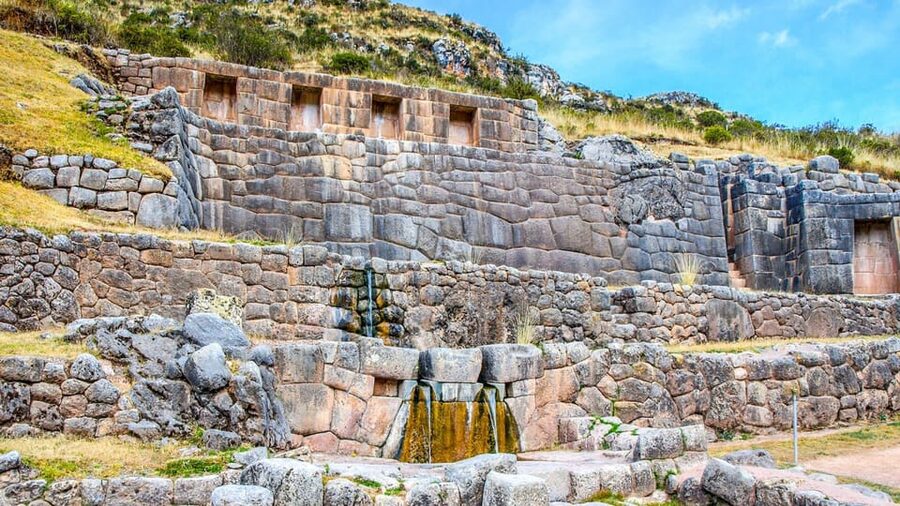
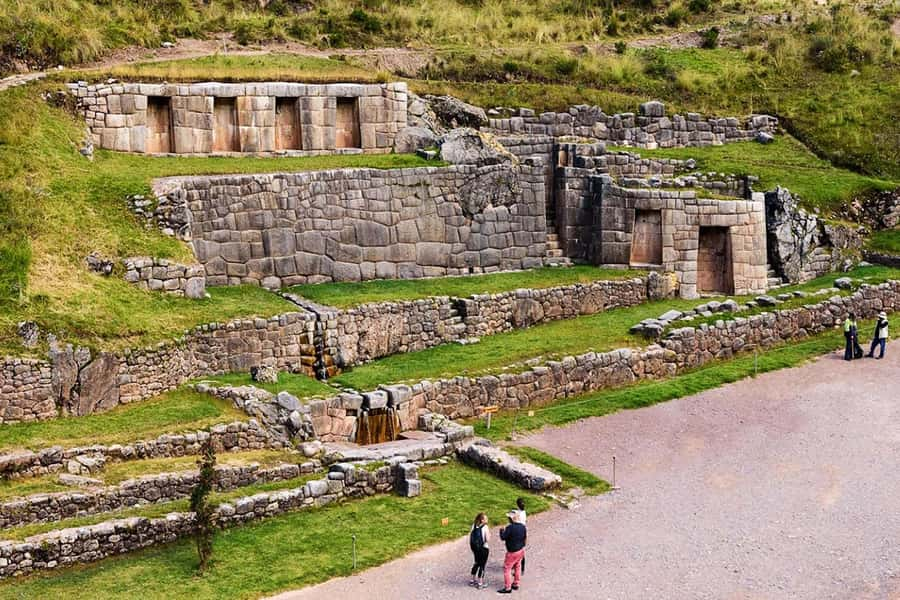
Tambomachay is described as a temple dedicated to the worship of the God of Water. After the monumental stonework at Sacsayhuaman and the ritual focus at Q’enqo, this stop brings water into the story of the Inca world.
The site is a reminder that water was not just a practical resource. It also held religious meaning, and the structures here allow the guide to connect belief, engineering, and the natural setting.
You should expect walking at each archaeological site, with uneven ground possible. The tour is not suitable for people with back problems or wheelchair users, and the supplied guidance recommends comfortable shoes and clothing. That advice matters most on a route that packs several ruins into one half-day outing.
Puka-Pukara, a lookout along the Inca roads
The final ruin is Puka-Pukara, viewed panoramically as an ancient tambo, or guard post, along the Inca roads. Compared with Sacsayhuaman, this is a smaller and quicker stop, but it completes the route by showing another function of Inca construction.
The word tambo refers to a stopping and support point along the road system. Here, you get a view of a site linked with movement, watchfulness, and travel rather than only ceremony or worship.
The stop is especially useful after the earlier visits because it broadens the story. You have seen a ceremonial fort, a ritual site, and a water temple. Puka-Pukara adds road control and communication to the picture. It is a modest site, but the panorama gives it visual value.
What the private format changes
This is a private group tour, not a large shared coach experience. That gives you a more personal day, especially if you want to ask questions about Inca history and the Spanish conquest or adjust the rhythm of the visit.
The guide speaks English or Spanish, and hotel pickup and drop-off are included. The transport is by car or minibus. Those details sound routine, but they shape the day: you do not need to find a meeting point in central Cusco if your hotel qualifies, and you return to your hotel after the final stop.
The private format does not guarantee a spacious vehicle. One booking for four adults resulted in an uncomfortable fit, even though Jessica, the driver and guide, was praised for her kindness and ability to make the day work. If four adults are booking together, I would confirm the vehicle size before departure. That is the clearest practical issue in the available feedback.
Guide quality has been especially strong. A French guest described Juan Carlos as the best guide of their Peru stay and valued his archaeological training, precise explanations, and willingness to answer difficult questions. Another booking praised Jessica as both driver and guide. A separate French-language assessment gave the guide top marks for cultural depth and a friendly manner.
I would not assume every departure will feature Juan Carlos or Jessica, since guides can vary. But the experience clearly depends heavily on who leads it, so asking about the assigned guide is worthwhile if the operator can provide that information.
The Spanish conquest and the bigger Cusco story
The tour includes history of the Incas and the Spanish conquest, but it is not presented as a full museum-style history course. You move between sites, and the guide’s role is to connect what you see with the larger story of Cusco and the Sacred Valley.
That connection is valuable because the stones alone do not explain themselves. A wall at Sacsayhuaman, a ritual space at Q’enqo, and a water site at Tambomachay can look like isolated attractions without context. A strong guide helps you see them as parts of a wider system.
I especially like this approach for a first visit to Cusco. You gain a basic map of the region, learn how different sites functioned, and hear about the clash between Inca society and the Spanish conquest. If you already have a strong background in Andean archaeology, you may still find the route useful, but the six-hour format will feel introductory rather than exhaustive.
Price, entrance fees, and what to bring
At $77 per person, the tour is not an all-inclusive ticket. The archaeological admission is extra:
- Foreign visitors: S/70, listed as about US$18.70 per person
- Peruvian visitors: S/40, listed as about US$10.70 per person
For foreign visitors, I would budget roughly $96 per person before food and shopping. That covers a private guide, transport, and pickup and drop-off, while the entrance fee covers the sites. The value is strongest if you want convenience and interpretation in one booking.
Bring comfortable shoes, a hat, sunscreen, water, and a camera. Wear clothing that works in changing weather. Smoking is not allowed during the activity.
Free cancellation is available up to 24 hours before departure, and you can reserve now and pay later. Those terms are useful if your Cusco schedule is still shifting, but they do not change the central point: confirm your pickup location and vehicle arrangement before the day begins.
Who should book this Cusco tour?
I would choose this experience if you have one spare half-day and want a broad first look at Pisac and the principal ruins around Cusco. It suits you best if you value a private guide, prefer hotel pickup, and want history explained rather than simply photographed.
It is also a good fit for curious couples, families with older children, and small groups who want to ask questions along the way. The strongest guiding examples suggest that an archaeologically trained guide can make the route far more rewarding.
I would hesitate if you want a slow market visit, a long meal near Pisac, or extended time at each ruin. I would also pause if you have back problems, use a wheelchair, or are booking four adults without confirming the vehicle size.
FAQ
How long does the tour last?
The tour lasts six hours, including pickup and drop-off in Cusco.
What places does the tour visit?
The route includes Pisac town and market, the Pisac archaeological park, the Taray Viewpoint, Sacsayhuaman, Q’enqo, Tambomachay, and a panoramic view of Puka-Pukara.
Is hotel pickup included?
Yes. Pickup and drop-off are included for hotels within Cusco’s historic center. If your hotel is farther away, a meeting point is arranged in advance.
Is the tour private?
Yes. The activity is operated as a private group tour.
What languages does the guide speak?
Guiding is available in English and Spanish.
Are entrance fees included in the price?
No. Foreign visitors pay S/70, listed as about US$18.70, and Peruvians pay S/40, listed as about US$10.70 per person for the archaeological sites.
What should I bring?
Bring comfortable shoes, a hat, sunscreen, water, and a camera. You should also wear clothing suitable for changing weather.
Is the tour suitable for wheelchair users?
No. The activity is not suitable for wheelchair users or people with back problems.
Should you book it?
Book this tour if you want one private route that joins Pisac with four important Cusco-area ruins and you care about having a guide explain what you are seeing. The combination of market, Sacred Valley viewpoint, ceremonial sites, and road station gives you a useful range of Inca culture in six hours.
The decision rests on pace and vehicle comfort. You will not have unlimited time at any stop, and a group of four adults should confirm the car or minibus size. If those limits work for you, the tour offers good value, especially with a strong guide such as Juan Carlos or Jessica.
More museums and ruins in Cusco
- City Tour in Cusco & visit Museum South American Camelid Private.
★ 5.0 · 147 reviews - Cusco City Sightseeing and Sacsayhuaman Archeological Park Tour
★ 4.5 · 101 reviews - Cusco: Historical Guided City Tour with 4 Inca Ruins
★ 4.5 · 99 reviews - City Tour in Cusco & visit Museum South American Camelid
★ 4.5 · 80 reviews
More Sacred Valley tours in Cusco
- Sacred Valley: Maras & Moray by Quad Bike from Cusco
★ 4.6 · 418 reviews - Pisac Indian Market and Ollantaytambo Fortress with Lunch
★ 4.5 · 395 reviews - From Cusco: Quad bike tour Moray and Salt Mines
★ 4.7 · 314 reviews - From Cusco: 2-Day Trip to the Sacred Valley and Machu Picchu
★ 4.6 · 265 reviews
Just added around Cusco
- Zipline over the Sacred Valley Trip★ 5.0 · 11 reviews
- Waqrapukara 1 day trekking + meals★ 3.9 · 3 reviews
- Visit Pisac from Cusco: Private Transport★ 4.6 · 9 reviews
- Valle Sur Cusco | half day★ 4.3 · 3 reviews
- Trek to Humantay Lake from Cusco★ 4.9 · 8 reviews
- Trek to Choquequirao 4 days★ 3.8 · 4 reviews
- rainbow mountain full day★ 5.0 · 44 reviews
- Machu picchu one day by train all included★ 4.5 · 53 reviews
Sacred Valley Tours, compared.
Sacred Valley & Maras Salt Mines Tour with Lunch
Read our review →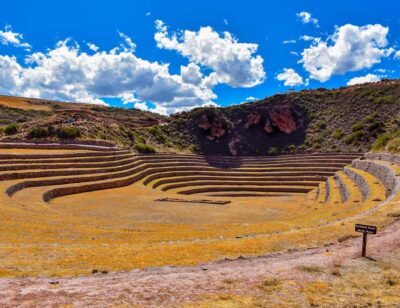
Moray, Maras Salt Mines & Chinchero Weavers Tour
Read our review →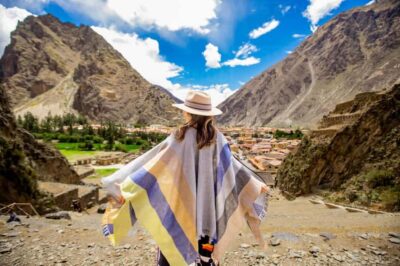
Sacred Valley, Pisac, Ollantaytambo, Salt Mines Moray
Read our review →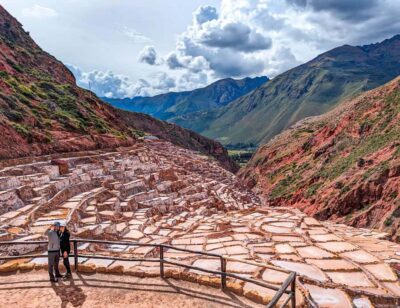
Chinchero,Moray & Salt Mines drop-off in Ollantaytambo
Read our review →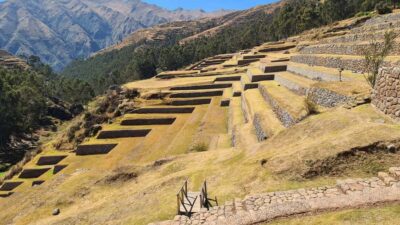
Pisac Indian Market and Ollantaytambo Fortress with Lunch
Read our review →
Browse the lists this tour appears in