
Reviewed · SACRED VALLEY TOURS
Cusco: Sacred Valley, Pisac, Ollantaytambo, Salt Mines Moray
The big draw here is simple: you can cover Chinchero, Moray, Maras, Ollantaytambo, and Pisac in one packed day, with Urubamba in the middle for lunch. It is an efficient sweep through Inca engineering, Andean weaving, salt production, markets, and mountain scenery.
I like the low price with buffet lunch included, and I like the way strong guides such as Victor, Edith, Rudy, Samuel, and Christian keep the day moving while explaining the sites in English and Spanish. The trade-off is time: some stops last only 20 to 30 minutes, so this suits a first look, not close study.
Key points to know before booking
- Six major stops in one day: Chinchero, Moray, Maras, Urubamba, Ollantaytambo, and Pisac.
- Excellent value at $28: Shared transport, a bilingual guide, hotel pickup in the applicable option, and buffet lunch are included.
- Extra entrance fees apply: Budget 70 soles for the tourist ticket and 20 soles for the Maras Salt Mines entrance.
- The schedule is tightly managed: Moray gets about 20 minutes, Maras 30 minutes, and Ollantaytambo about one hour.
- Useful Machu Picchu option: You can end in Ollantaytambo around 3:00 p.m. and continue by train to Aguas Calientes.
- Expect a full physical day: There is walking, steep stonework at Ollantaytambo, cold wind at high sites, and plenty of time on the bus.
The one-day Sacred Valley strategy
This is the greatest hits version of the Sacred Valley. Rather than spending a full morning at one archaeological site, you move through several places that show different sides of the region.
At Chinchero, you see Andean textile traditions. At Moray, you see the Incas’ unusual agricultural terraces. Maras brings a working salt operation, while Ollantaytambo gives you one of the day’s strongest archaeological experiences. Pisac adds hillside ruins and a well-known artisan market.
That range is the tour’s real value. For $28, you are not buying a slow, private archaeological study. You are buying transport between widely separated sites, a guide to give each stop context, and a practical way to see the valley when your time in Cusco is short.
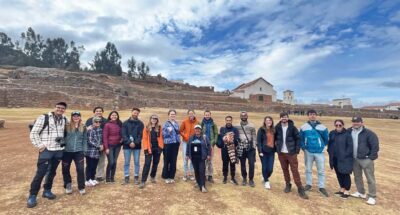
The group may be shared or small, depending on the option you choose. The guide language is English or Spanish, and several guides praised for clear explanations include Victor, Edith, Rudy, Samuel, Joel, and Christian. The specific guide is not fixed, so do not book solely because of one name, but the operating team has a strong record for organization and bilingual service.
Other days through the Sacred Valley from Cusco:
- From Cusco: Moray, Maras Salt Mines & Chinchero Weavers Tour
★ 4.8 · 1,925 reviews - Cusco:Chinchero,Moray & Salt Mines drop-off in Ollantaytambo
★ 4.8 · 793 reviews - Sacred Valley: Chinchero, Moray, Ollantaytambo & Pisac+Lunch
★ 4.8 · 501 reviews
Starting early from Cusco
The published pickup information gives two possible starts. Hotel pickup may be arranged around 6:00 to 6:30 a.m., with the guide arriving about 15 minutes before departure in the applicable VIP option. Another meeting arrangement places the group at Cusco’s Plaza de Armas at 7:20 a.m., near the fountain.
Confirm your exact meeting point and time before the morning of departure. Some hotels sit on narrow streets where a coach cannot reach the door, and you may be asked to walk to a nearby pickup point. One report also noted a pickup running about 15 minutes late, so leave a little breathing room.
The early start matters because this is a long loop. The day ends around 6:30 p.m. at one of several central Cusco drop-off points, including Plaza de Armas, Plaza Regocijo, Santa Ana, San Blas, the historic center, and Mercado Central de San Pedro.
Bring your passport, sunscreen, cash, and biodegradable insect repellent. Drones, weapons, sharp objects, alcohol, and drugs are not allowed. Dress for changing temperatures. The high stops can feel cold and windy even when Cusco begins with mild sunshine.
Chinchero and its living textile tradition
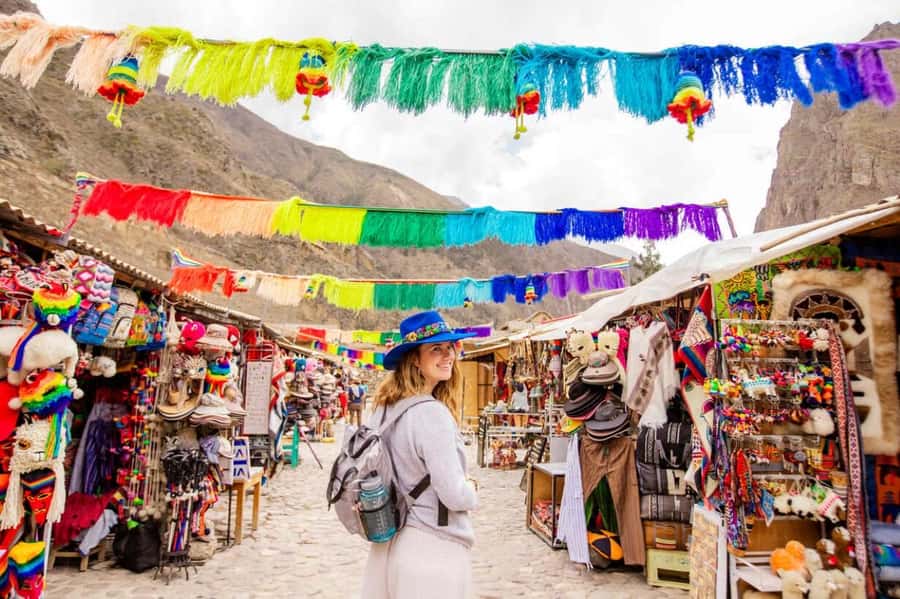
Chinchero is the first cultural stop, reached after roughly 40 minutes by coach. The visit includes a textile center where you learn how local artisans work with natural fibers and dyes made from plants and minerals.
This is more than a quick photo stop. It gives you a useful introduction to Andean craft before the day turns toward stonework and agriculture. The demonstrations help explain how clothing, color, and local materials remain part of daily culture.
The official stop lasts about 25 minutes and includes time for shopping. That is enough to watch a demonstration and browse, but not enough for a slow visit. Some people appreciate the chance to buy directly from a craft center. Others prefer to spend every available minute at the archaeological sites.
The shopping stops are part of the rhythm of the day, so understand the format before booking. You are not forced into a major purchase, but the schedule includes opportunities to buy textiles and other local goods.
Moray’s circular farming terraces
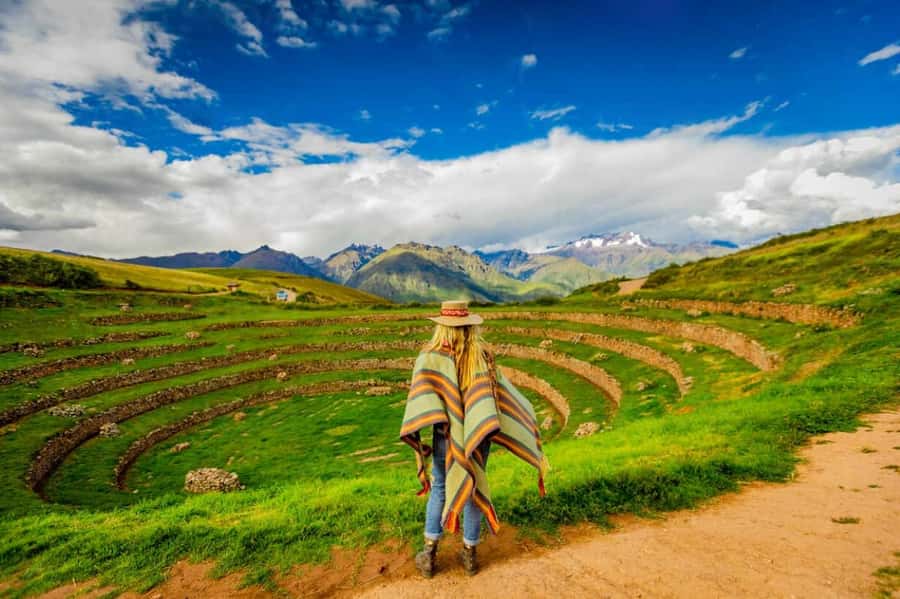
After another roughly 40-minute ride, the group reaches Moray. Here, broad circular terraces descend into the earth in a dramatic pattern.
The guide explains the Inca use of the terraces as an agricultural testing ground, with different levels creating different growing conditions. Even if you are not especially interested in farming, the shape of Moray makes the stop memorable. It is one of the easiest places on this tour to understand how the Incas worked with altitude, temperature, and soil.
You get about 20 minutes at Moray. That is enough for the main viewpoint, photographs, and a short explanation, but the clock will be working against you. I would not choose this tour if you want to walk every path or spend time quietly studying the terraces.
The short visit does have one benefit. You see Moray without allowing one site to swallow the entire day. For a first visit to the Cusco region, that compromise may be worthwhile.
Same base, a completely different day:
- Cusco: Humantay Lake Tour with Breakfast and Buffet Lunch
★ 4.9 · 2,976 reviews - From Cusco: Full-Day Group Tour of Machu Picchu
★ 4.7 · 1,767 reviews - Machu Picchu Day Trip from Cusco
★ 4.5 · 1,644 reviews - Cusco: Half-Day City Tour with Sacsayhuaman and Q’enco
★ 4.6 · 1,129 reviews
Maras and the working salt ponds
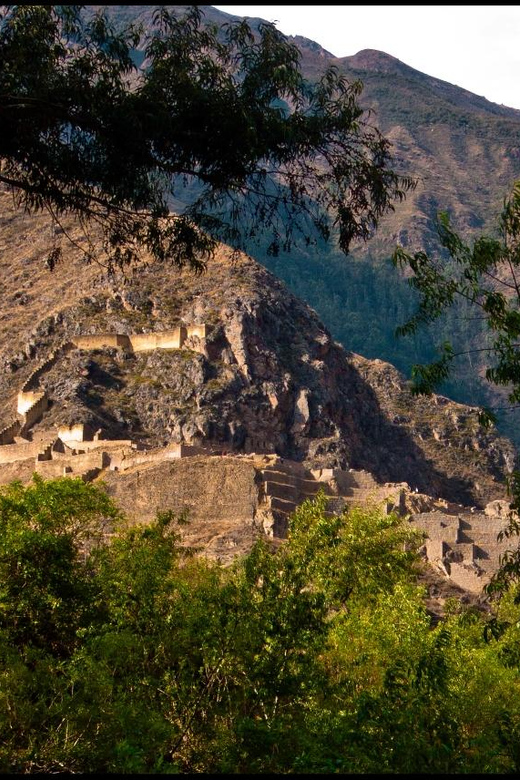
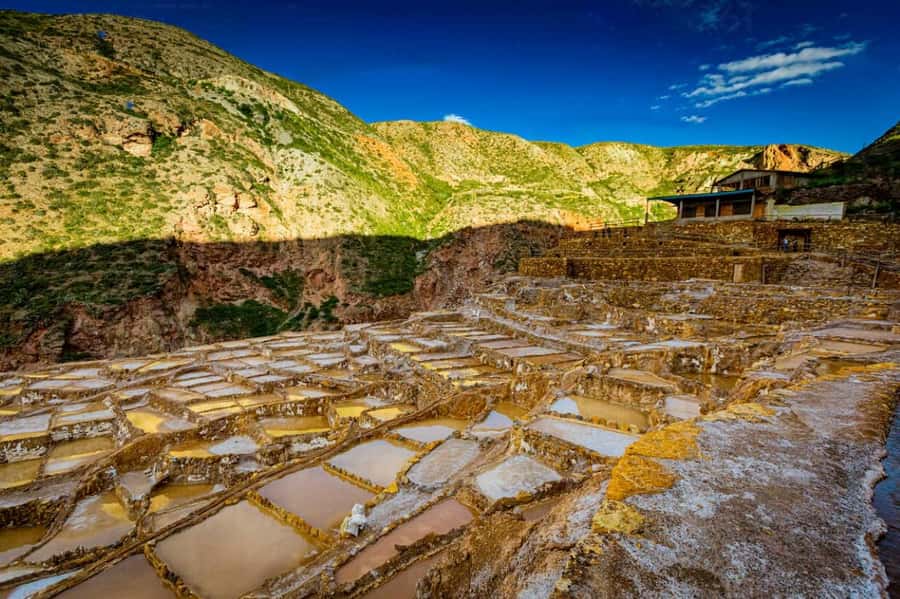
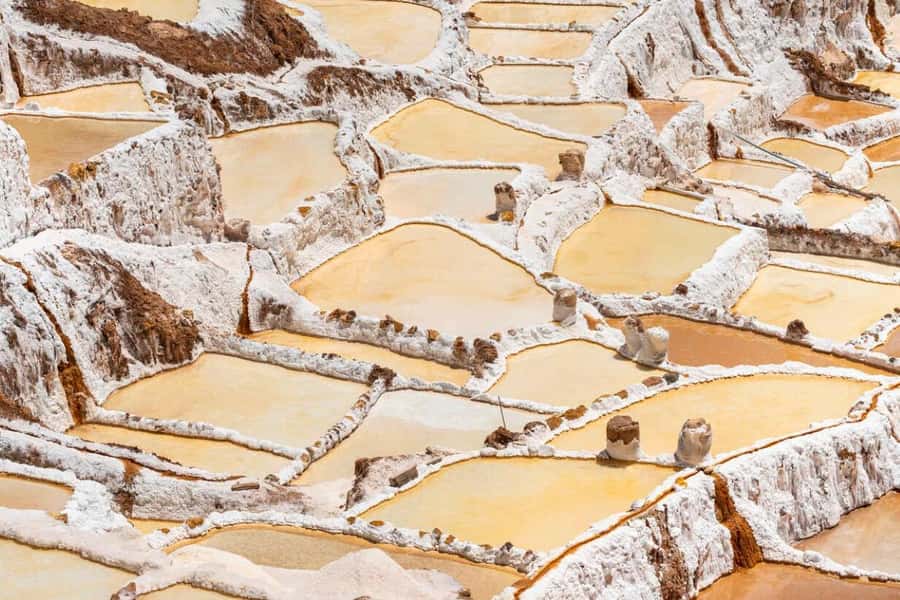
A 25-minute drive takes you to the Maras Salt Mines. Thousands of small salt ponds spread across the hillside, fed by an underground spring. Local production continues today, linking the site’s past with present-day work.
This is one of the most visually unusual stops. The ponds form bands of white and brown across the slope, and the color changes with the water, minerals, and light. The guide connects the site to trade during the Inca period and explains how the salt is collected.
The visit lasts about 30 minutes and may include a shop stop. Carry cash if you want to buy salt or other products, but compare prices before purchasing. One useful tip from the tour experience is to check San Pedro or San Blas markets in Cusco before buying at a workshop. Salt and chocolate sold for 80 soles at a workshop were found for less than 30 soles in town.
The 20-sol Salt Mines entrance is separate from the 70-sol tourist ticket. Keep this in mind when comparing the advertised price with your actual spending.
Urubamba lunch and a welcome pause
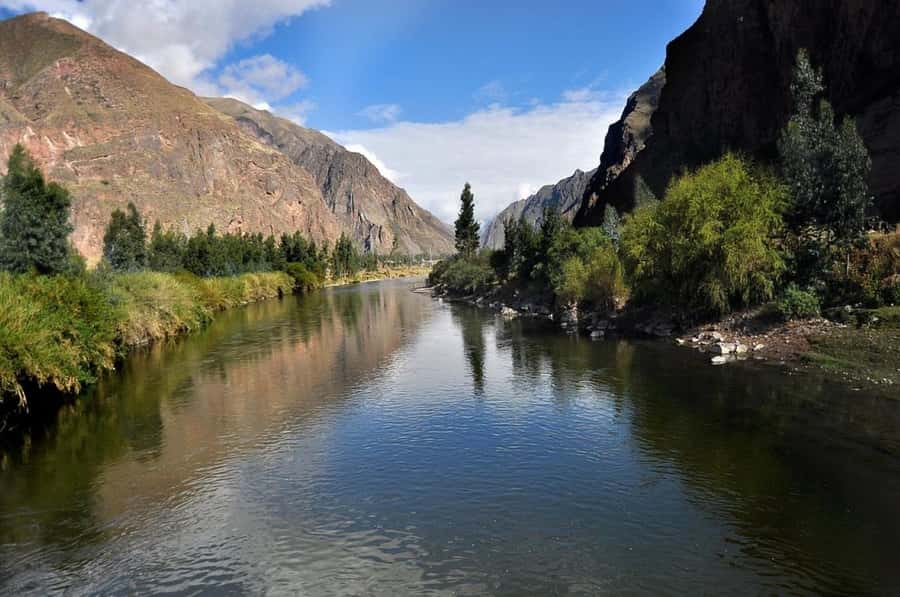
After Maras, the coach continues to Urubamba, the valley town used for the main meal. The lunch break lasts about 50 minutes and includes a buffet.
This is a practical part of the day, not just a meal. By this point you have been up early, walked at several sites, and sat through winding road sections. A buffet lets you choose your own pace and portion rather than wait for a fixed dish.
The meal is served at a scenic venue, and several visitors singled it out as a pleasant surprise. Hot beverages are included, while cold drinks cost extra. The lunch is a strong part of the value, especially at a $28 tour price.
Do not expect a long restaurant break. Fifty minutes goes quickly when a group must eat, use the facilities, and return to the coach. If you like leisurely meals, this will feel rushed. If you want to get back out among the ruins, it works well.
Ollantaytambo, the day’s archaeological high point
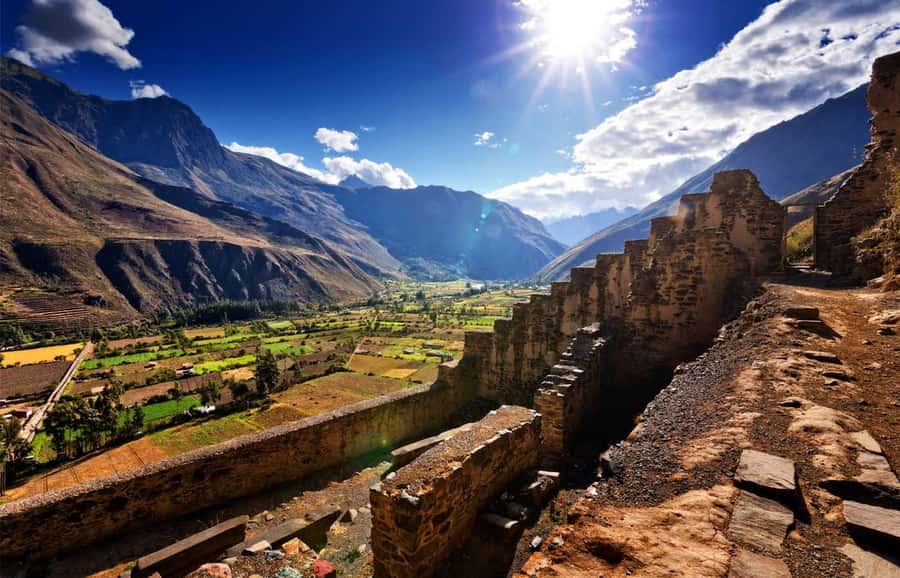
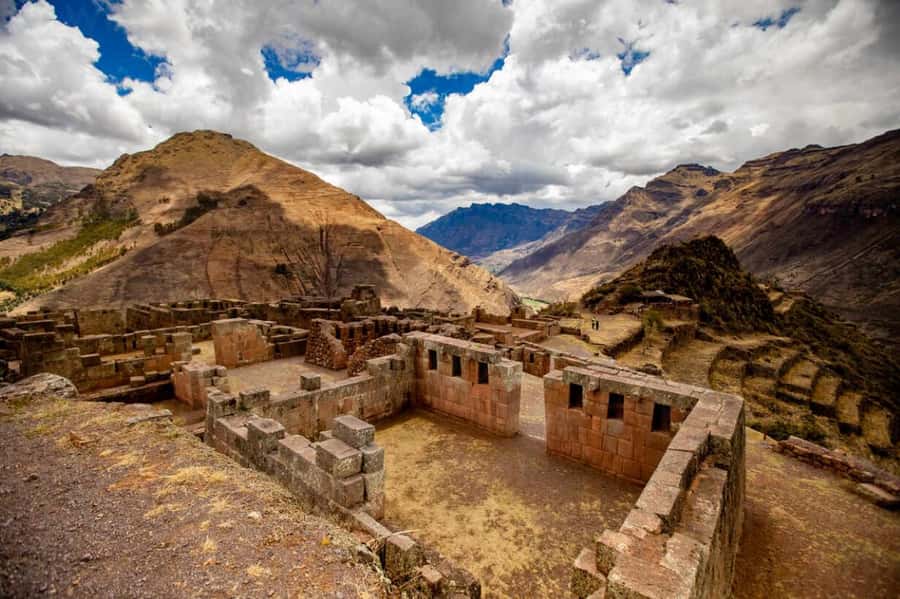
Ollantaytambo comes after about 30 minutes on the road, with roughly one hour set aside for the visit. This is one of the tour’s most rewarding stops.
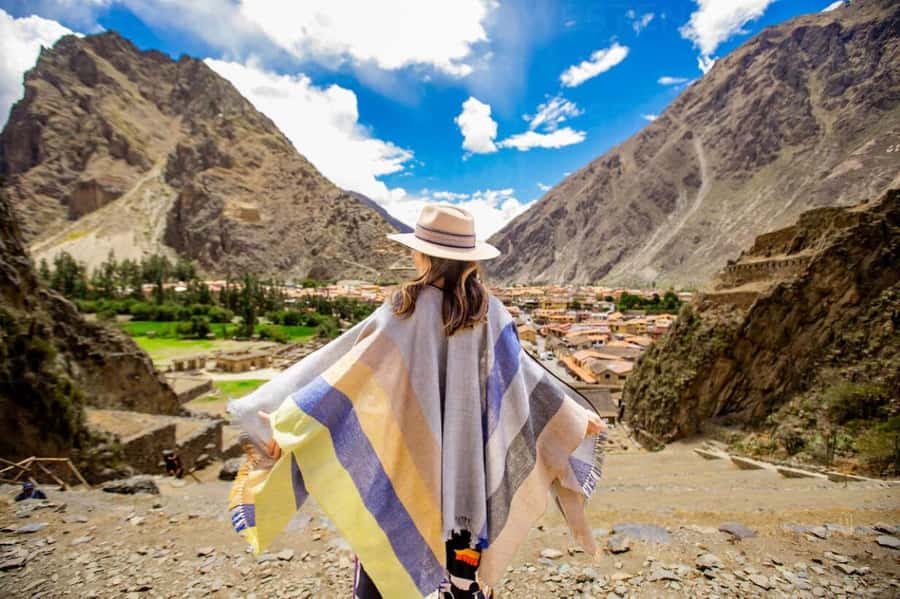
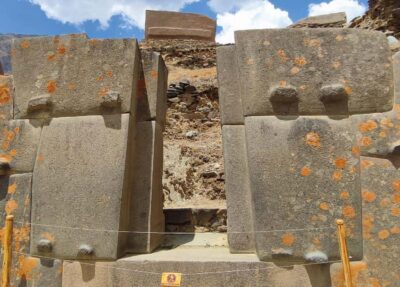
The town still follows its original Inca urban layout, with narrow cobbled streets and stone construction that remains part of the living settlement. Above it, the fortress and terraces rise dramatically. You get both the human scale of an old Andean town and the monumental scale of Inca building.
There are steep steps and uneven surfaces here. The pace can be quick, especially for anyone with asthma, reduced stamina, or trouble on stairs. Wear firm shoes and tell your guide if you need a slower pace.
The one-hour visit is a compromise. You can see the key areas and hear the main explanation, but you will not examine every corner. If Ollantaytambo is your priority, consider the special option that ends here around 3:00 p.m. You can continue to Aguas Calientes by train for Machu Picchu, but you should arrange your onward travel and luggage plan in advance.
One important practical point: if you leave the main group at Ollantaytambo, make sure you clearly understand where your guide will meet you, where your bags should go, and which entrance details you need. A confusing handoff can cost you part of the guided visit.
Pisac, ruins and market atmosphere
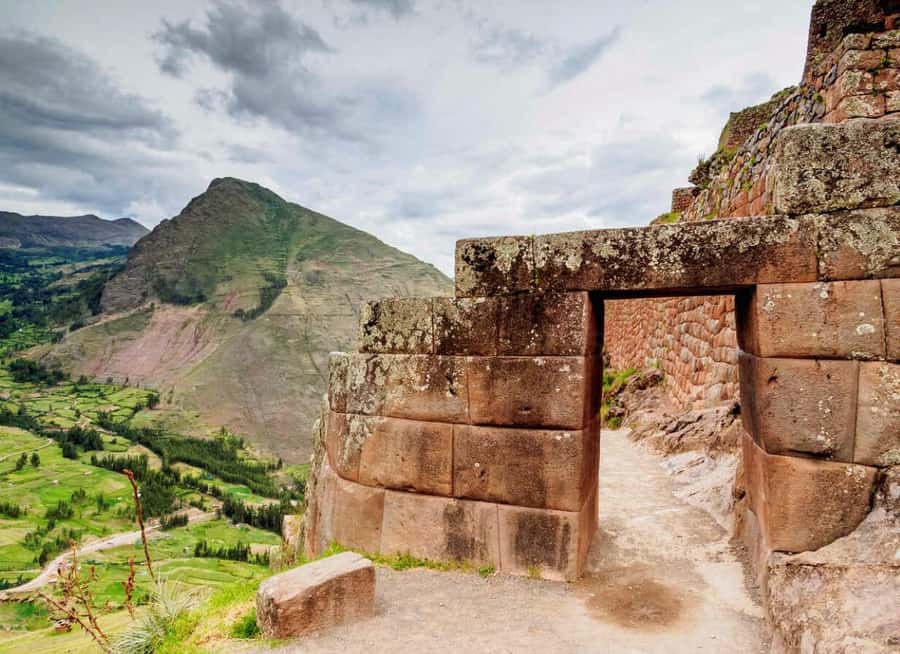
The route then takes about 100 minutes to Pisac, making this the longest coach section of the day. The final visit lasts around one hour, followed by a 45-minute return to Cusco.
Pisac combines hillside Inca ruins with a colonial town below. The site gives you broad views over the valley and another chance to see how the Incas used high ground, terraces, and stone construction.
The town is also known for artisan goods and its market. The catch is timing. After a long day, one hour does not leave much room for a careful market browse and a full archaeological visit. If you want to shop slowly, you may feel hurried.
Pisac can also be cold, particularly when the wind picks up. Bring a warm layer even if the morning in Cusco feels comfortable. One useful feature of a good guide is help with photo spots and clear instructions about how much time you have before returning to the bus.
Transport, pace, and physical effort
The shared coach makes this route possible at a low price, but you will spend many hours inside it. The road sections add up, and one report described limited legroom during the longer rides. If you are tall or dislike extended bus travel, the physical side of this day deserves serious thought.
The route is also controlled closely by time. You may get 20 minutes at Moray, 30 minutes at Maras, and an hour at Ollantaytambo and Pisac. Guides such as Rudy, Edith, Victor, and Samuel received particular praise for keeping groups on schedule while explaining the sites clearly.
The best approach is to decide what kind of day you want. If you prefer seeing five different points of interest and accepting short visits, the structure works. If you want long walks, quiet time, or detailed study, split the valley over two days.
What the $28 price really covers
At $28 per person, this is unusually strong value for a 12-hour excursion. The price includes shared tourist transport, a professional English or Spanish guide, the Chinchero textile center, and buffet lunch in Urubamba. Hotel pickup is included in the relevant pickup option.
The price does not include the 70-sol tourist entrance ticket, the 20-sol Salt Mines entrance, or drinks. These extra costs are not minor enough to ignore, so add them before comparing this tour with a more expensive package.
The tour can still save money because arranging separate transport to all six areas would be difficult and likely cost more. You also avoid planning the route, finding lunch, and coordinating the return to Cusco.
The main thing you give up is flexibility. You cannot linger at Moray, skip Pisac to spend longer at Ollantaytambo, or turn the lunch break into a leisurely afternoon. The low price works because the route is shared and tightly timed.
Who should book this Sacred Valley tour
I would choose this tour if you have only one free day in Cusco and want a broad introduction to the region. It is also useful if you want to combine cultural demonstrations, archaeological sites, salt production, lunch, and market time without arranging several separate outings.
It suits active people who can handle a long day, uneven ground, steps, early pickup, and extended bus rides. Solo visitors can also find the shared format easy to manage, particularly with a guide who gives clear meeting instructions.
I would choose a slower or private option if you want detailed archaeology, more time for photography, or a relaxed market visit. Families with young children, people with breathing problems, and anyone who dislikes fast walking should ask about the pace before paying.
Free cancellation is available up to 24 hours before departure, and you can reserve now and pay later. Those terms help if your Cusco schedule is still changing, but they do not remove the need to confirm the exact pickup arrangement.
Should you book it?
Book this tour if your priority is maximum coverage in one day. The combination of Moray, Maras, Ollantaytambo, and Pisac gives you a broad look at the Sacred Valley, while the buffet lunch and low base price make the day easy to budget.
Skip it if your ideal visit means lingering at every ruin. For most people with limited time, though, the efficient route, strong bilingual guiding, and Machu Picchu connection from Ollantaytambo make this a sensible choice. Pack water, cash, warm layers, and patience for the clock.
FAQ
How long does the Sacred Valley tour last?
The activity lasts about 12 hours. A typical day begins early in Cusco and returns to central Cusco around 6:30 p.m.
Which places does the tour visit?
The route includes Chinchero, Moray, the Maras Salt Mines, Urubamba, Ollantaytambo, and Pisac.
Is lunch included?
Yes. A buffet lunch in Urubamba is included. Drinks are not included, although hot beverages are part of the meal service and cold drinks can be purchased.
Are entrance fees included in the $28 price?
No. You should budget 70 soles for the tourist entrance ticket and 20 soles for the Maras Salt Mines entrance.
Can I use this tour to continue to Machu Picchu?
Yes. The special option can end in Ollantaytambo around 3:00 p.m., allowing you to continue by train to Aguas Calientes. Confirm the exact arrangement and manage your luggage carefully.
Where does the tour start and end?
Depending on the selected option, hotel pickup may be available around 6:00 to 6:30 a.m. Another meeting option begins at Cusco’s Plaza de Armas at 7:20 a.m. Drop-off is available at several central locations, including Plaza de Armas, San Blas, San Pedro Market, Plaza Regocijo, Santa Ana, and the historic center.
Just added around Cusco
- “Waqra Pucara, The Majestic Fortress Revealing Secrets of the Andes”.★ 3.5 · 8 reviews
- 1.5h Cusco Chocolate Workshop – Truffles & Hot Chocolate★ 4.3 · 8 reviews
- Cusco: Chocolate Workshop with the Best Local Organic Cacao★ 4.5 · 23 reviews
- Cusco: Bean to bar chocolate workshop★ 5.0 · 3 reviews
- Cusco: Pub Crawl with Skip-the-Line Access and Drinks★ 4.6 · 57 reviews
- Horseback Tour in cusco to Temple of the Moon & Hidden temples★ 5.0 · 54 reviews
- Humantay Lake 2 Day Trek with Sky Camp from Cusco★ 5.0 · 62 reviews
- Sacred Valley Experience and Machu Picchu Sunrise 2-day Journey★ 5.0 · 60 reviews
Sacred Valley Tours, compared.
Sacred Valley & Maras Salt Mines Tour with Lunch
Read our review →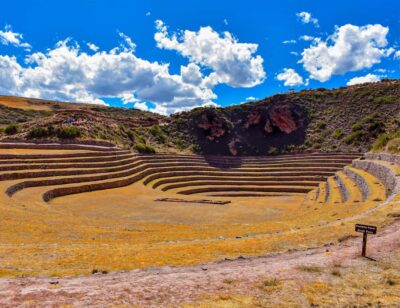
Moray, Maras Salt Mines & Chinchero Weavers Tour
Read our review →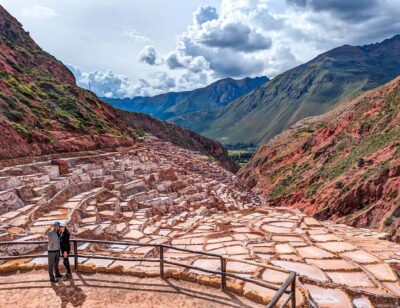
Chinchero,Moray & Salt Mines drop-off in Ollantaytambo
Read our review →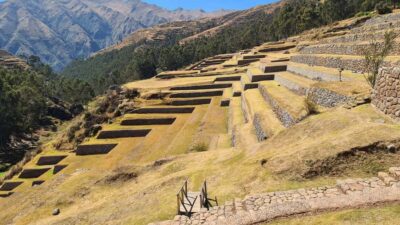

Pisac Indian Market and Ollantaytambo Fortress with Lunch
Read our review →
2-Day Trip to the Sacred Valley and Machu Picchu
Read our review →Browse the lists this tour appears in