
Reviewed · SACRED VALLEY TOURS
Cusco:Chinchero,Moray & Salt Mines drop-off in Ollantaytambo
The clever idea here is simple: see several Sacred Valley highlights while moving toward Ollantaytambo. Instead of returning to Cusco, you finish near the train station, making this a useful sightseeing day before Machu Picchu. The most praised guides include Julio, Felipe, Nora, Manuel, and John, all noted for clear explanations and good timing.
I like the mix of culture and ruins, especially the Chinchero weaving demonstration and the strange circular terraces at Moray. I also like the included buffet lunch, which gives you a proper break rather than another quick snack in the van. The drawback is the pace: five main stops in eight to nine hours, with only about 30 minutes at several sites and extra entrance fees on top of the low tour price.
Key points at a glance
- A practical route to Ollantaytambo: Visit major Sacred Valley sights before catching a later train toward Machu Picchu.
- Chinchero weaving demonstration: See traditional textile methods and browse alpaca goods, with chances to learn about local culture.
- Moray and Maras together: Compare Inca farming terraces with thousands of salt ponds in one efficient day.
- Ollantaytambo requires stairs: The fortress climb includes more than 200 steps and is the day’s most demanding site visit.
- Buffet lunch included: Eat in Urubamba, with vegetarian choices noted by several people who took the tour.
- Budget-friendly, but not all-inclusive: The tour costs $27 per person, while the partial tourist ticket and salt mine admission cost extra.
Why this route works so well from Cusco
Cusco is a fine base for exploring the Sacred Valley, but a traditional day trip often sends you back to the same city. This tour takes a more useful line. You begin with hotel pickup in Cusco and finish in Ollantaytambo, the town where many visitors catch a train to Machu Picchu.
That makes the day useful in two ways. You get a broad introduction to Inca farming, Andean craft, salt production, and military architecture. Then you avoid paying for a separate transfer from Cusco to Ollantaytambo later.
The price is unusually low at $27 per person, especially since transportation, a bilingual guide, and buffet lunch are included. You do need to budget another 90 Peruvian soles for the partial tourist ticket covering Chinchero, Moray, and Ollantaytambo, plus 20 soles for the Maras Salt Mines. Drinks and your onward travel are also yours to pay for.
So the real cost is higher than the headline price, but it remains good value if you want several stops and need to reach Ollantaytambo anyway.
Other days through the Sacred Valley from Cusco:
- From Cusco: Moray, Maras Salt Mines & Chinchero Weavers Tour
★ 4.8 · 1,925 reviews - Cusco: Sacred Valley, Pisac, Ollantaytambo, Salt Mines Moray
★ 4.6 · 1,058 reviews - Sacred Valley: Chinchero, Moray, Ollantaytambo & Pisac+Lunch
★ 4.8 · 501 reviews
Chinchero begins with weaving and local tradition
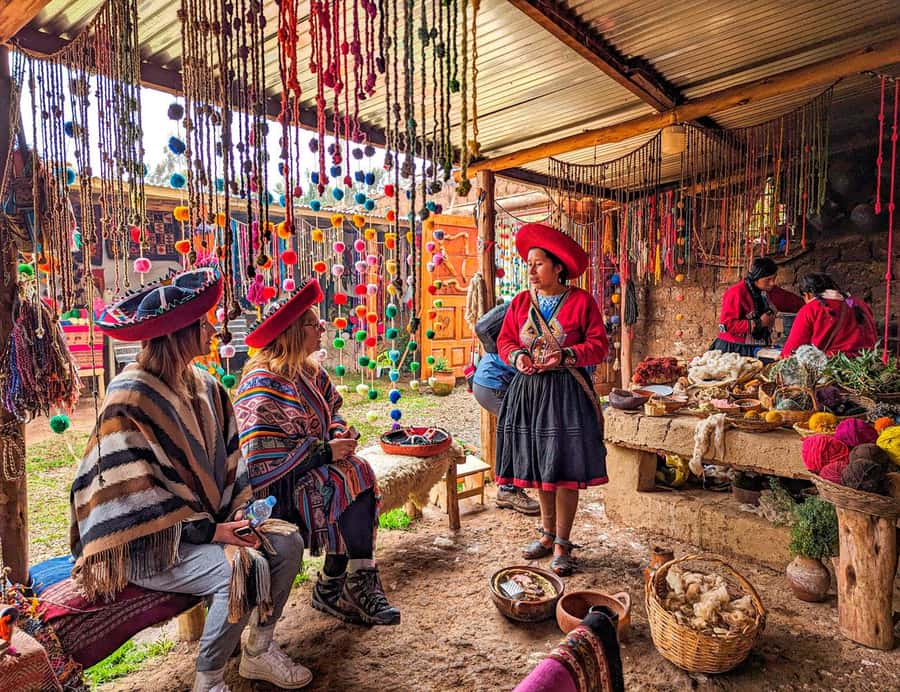
After roughly an hour in the van from Cusco, the first stop is Chinchero. This small highland town is known for textile weaving, and the visit focuses on how traditional Andean cloth is made.
The demonstration is more useful than a simple shop stop because it connects the finished scarf or hat with the work behind it. You can see traditional techniques and learn how local craft remains tied to community life. Several people especially enjoyed seeing textiles made from beginning to end, and alpaca scarves and other souvenirs are available for purchase.
You should know that this stop includes shopping. That is not automatically a problem. If you want a baby alpaca scarf or another textile, this is a convenient place to look. If shopping is not your thing, keep your expectations clear and treat the demonstration as the main point.
You get about 35 minutes here. That is enough for a guided introduction and a little browsing, but not enough for a long, unhurried exploration of Chinchero town. Your guide may also show you local items such as coca leaves and explain how they fit into Andean life.
Moray shows how the Incas farmed difficult ground
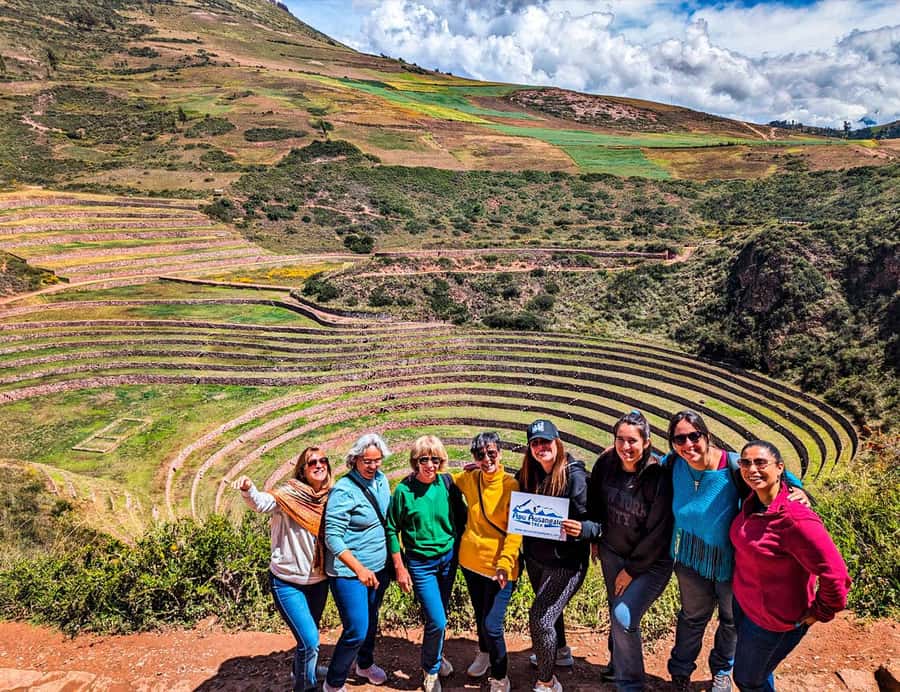
The drive from Chinchero to Moray takes about 40 minutes. Moray is one of the day’s most unusual sights: large circular terraces cut into the earth, arranged like a giant bowl.
The terraces were used for agriculture. Their design helped the Incas grow crops in difficult mountain conditions, and the different levels created varied growing conditions. Your guide will explain the farming system and place it within the wider story of Andean food production.
This is a good stop for people who want more than battles and stonework. Moray shows practical engineering. The Incas were not only building temples and fortresses. They were also working out how to feed communities across steep, high terrain.
The visit lasts around 30 minutes. You will have time for photographs and a guided explanation, but the stop is short. Wear shoes with a good grip, bring water, and use sunscreen. The altitude and strong sun can make even modest walking feel harder than expected.
Maras turns salt into a mountain spectacle
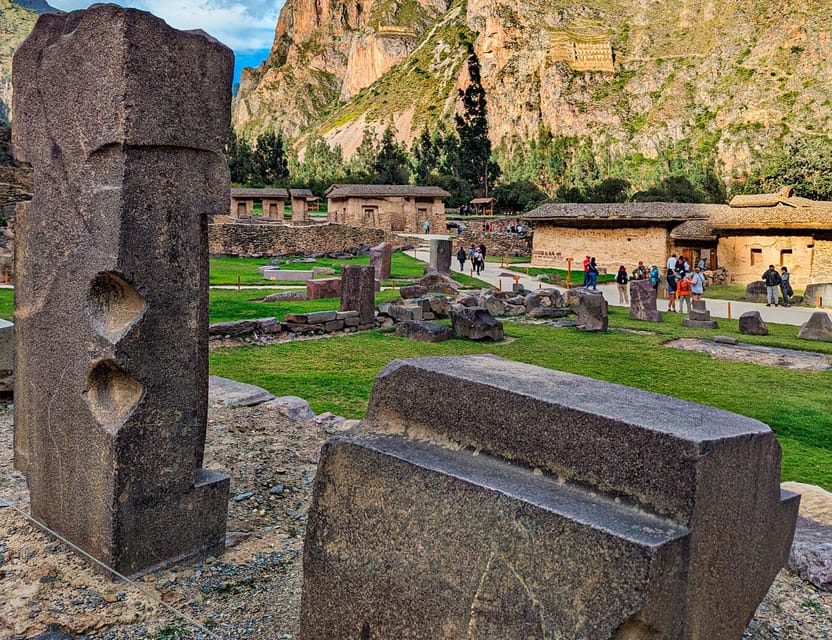
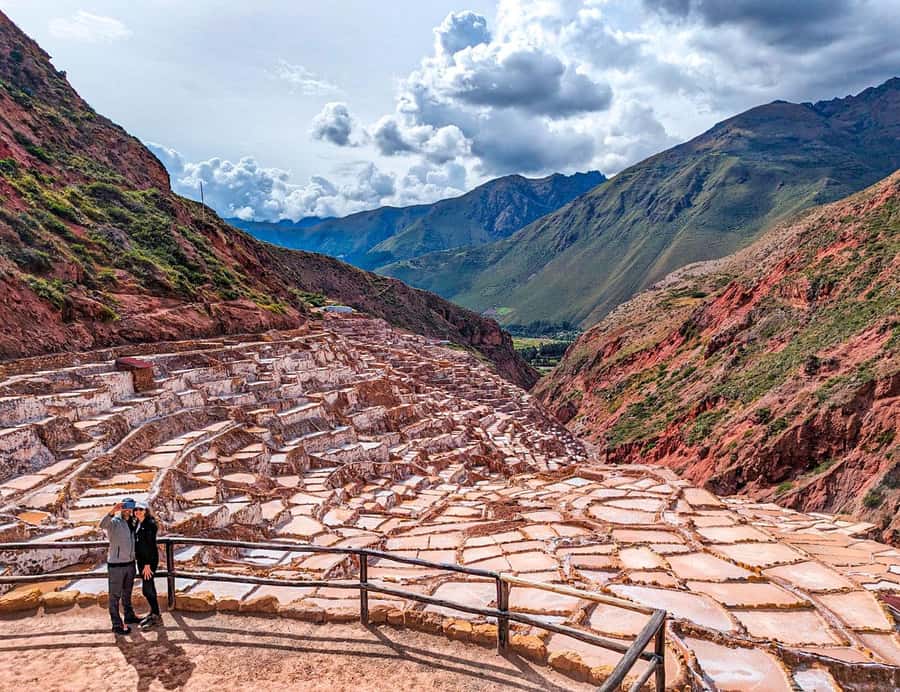
From Moray, the van continues toward the Maras Salt Mines. The drive takes around 30 minutes, and the salt ponds are one of the most visually memorable parts of the day.
More than 5,000 small ponds spread across the slope. Salt-rich water flows into the ponds, where it evaporates and leaves salt behind. Local production also helped preserve food, an important task in a region where communities needed reliable ways to store supplies.
You get roughly 30 minutes at the salt mines for a guided visit and photographs. The white and brown ponds create strong patterns against the surrounding hills, so this is a good place to have your camera ready. Sunglasses are particularly useful here because the bright salt can make the light harsh.
Admission is not included. You pay 20 soles on site, usually in cash, so keep small bills or coins handy. The tour also includes about 30 minutes in Maras for shopping. That gives you another chance to browse local products, though it adds to an already full day.
The salt mines can be a highlight, but the short stop has a tradeoff. You get the view and the basic explanation, not a long visit or a slow walk through every part of the site.
Same base, a completely different day:
- Cusco: Humantay Lake Tour with Breakfast and Buffet Lunch
★ 4.9 · 2,976 reviews - From Cusco: Full-Day Group Tour of Machu Picchu
★ 4.7 · 1,767 reviews - Machu Picchu Day Trip from Cusco
★ 4.5 · 1,644 reviews - Cusco: Half-Day City Tour with Sacsayhuaman and Q’enco
★ 4.6 · 1,129 reviews
Urubamba provides a welcome lunch break
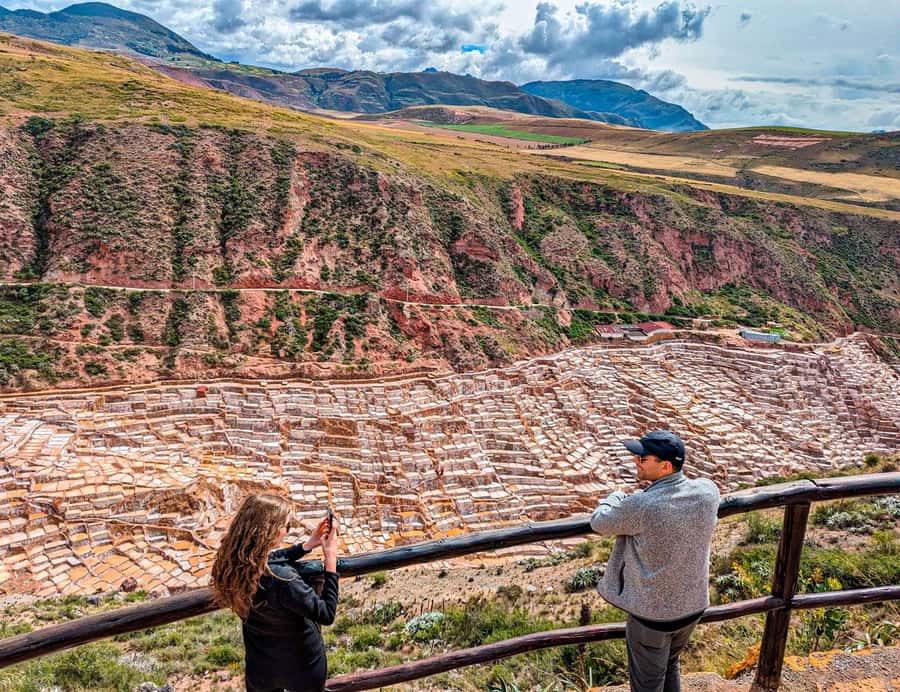
After the morning’s visits, the van heads to Urubamba, the main town of the Sacred Valley. Lunch is served here as a buffet and lasts about 45 minutes.
This pause matters. The tour covers several sites, and a sit-down meal gives you time to rest, refill your water bottle, and compare notes with the group. The buffet is also a practical choice for mixed groups because it offers several options, including vegetarian dishes.
People who took the tour repeatedly singled out the lunch as a strong part of the day. That does not mean you should expect a luxury dining experience. It means the meal is more substantial and better organized than the hurried roadside food common on inexpensive excursions.
Drinks are not included, so bring cash for those. If you have dietary needs, the available information confirms vegetarian choices but does not promise special menus for every restriction. Asking before you book is sensible.
Ollantaytambo saves the best ruins for last
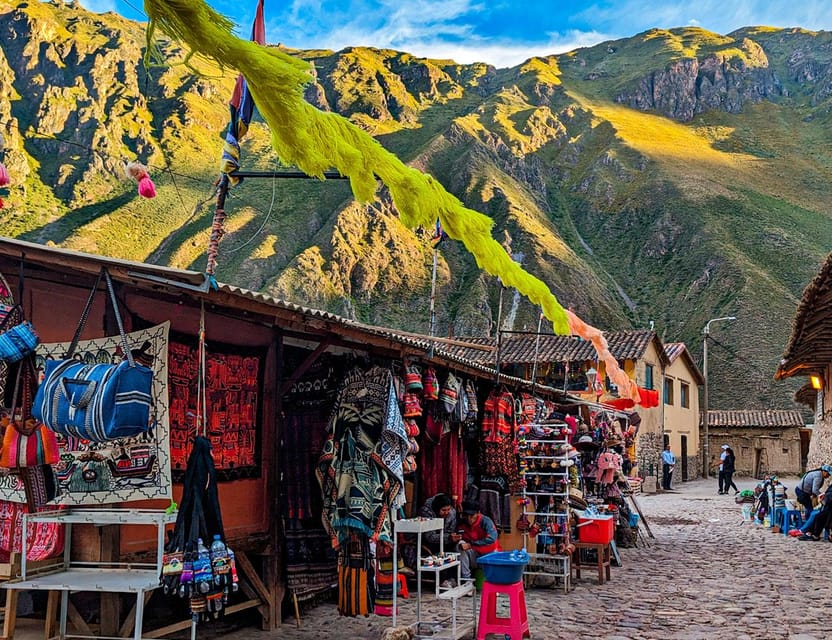
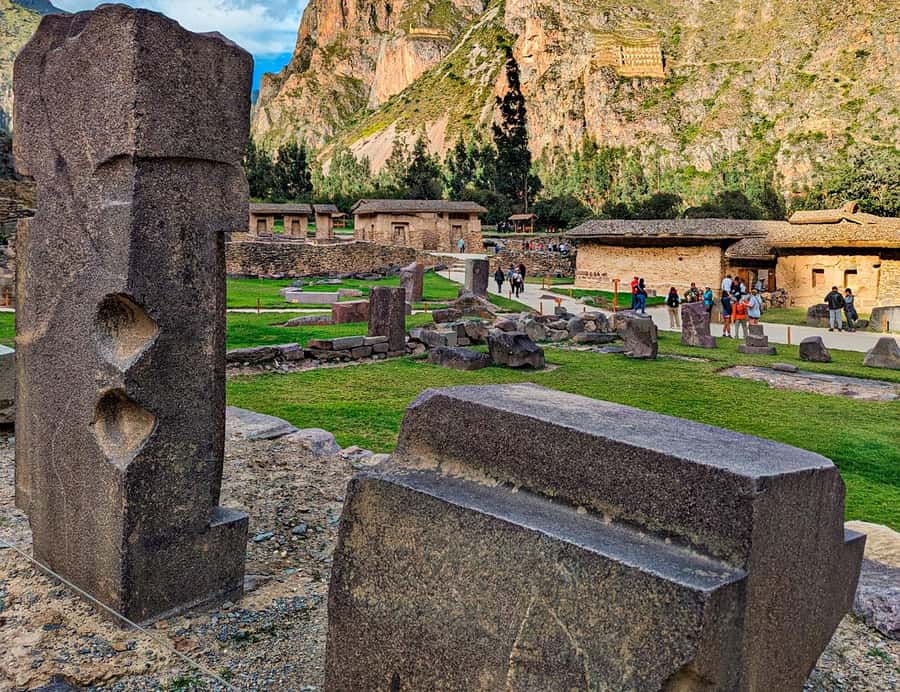
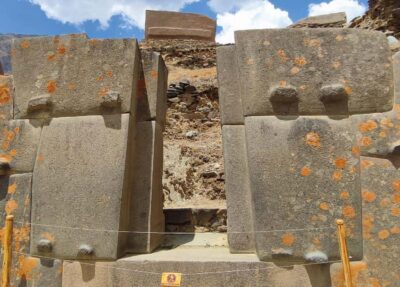
After lunch, the drive to Ollantaytambo takes about 25 minutes. This historic town is home to one of the most important Inca fortress complexes in the valley, built with huge stone blocks and terraces above the settlement.
The site served as a defensive position, and its location makes that easy to understand. From the upper terraces, you can look across the town and the surrounding valley. The stonework and scale make Ollantaytambo the most substantial ruin on this route.
The catch is physical effort. Reaching the upper part involves more than 200 steps, and the scheduled visit is only about 30 minutes. You do not need to race to the top if your body is not cooperating. You can take the climb slowly, stop for views, or stay lower and listen to the guide.
That short visit is the main limitation of the group service. Ollantaytambo deserves more than a quick look, especially if you care about architecture or want time to explore the town itself. A private service gives you more time at each place and can finish according to your train schedule.
The transfer plan matters more than it first appears
The group tour usually ends in Ollantaytambo around 3:30 p.m., either at the main square or the train station. If you are continuing to Aguas Calientes for Machu Picchu, book a train after 4 p.m. The timing leaves room for the drop-off, but a later departure gives you more protection against road delays or a slow start in the morning.
Several people used this excursion specifically as their one-way route to the train. That is the tour’s biggest practical advantage. You see the valley instead of spending the day simply transferring from Cusco to Ollantaytambo.
Pickup is from your Cusco hotel, and you should wait at reception. Morning collection can involve some waiting, especially with a shared group and several hotel pickups. One person reported a delayed start, while most comments describe the operation as punctual and well coordinated. In plain terms, do not schedule a train so early that a small delay ruins your day.
The van is described as comfortable, though one person called it cozy. The longest listed drives are about 40 to 60 minutes, with shorter rides between the later stops. Roads, traffic, and group coordination can still affect the timing.
Guides make the difference on a packed day
The route includes several places that can blur together if you only take photographs. A good guide gives each stop a purpose.
Guides named Julio, Felipe, Nora, Manuel, John, Ricardo, and Rehider have been praised for explaining the sites clearly, switching between English and Spanish, and keeping the group moving. Felipe in particular was described as patient when delays or slower walkers affected the schedule. Julio was praised for balancing information with humor, while Nora was noted for her energy and ability to accommodate the group.
You are not guaranteed a specific guide, but the repeated praise for the guiding team is encouraging. The best guides on a route like this do more than recite dates. They connect Chinchero’s textiles with daily life, explain why Moray mattered for farming, show how salt was collected, and help you read Ollantaytambo as a defensive complex rather than a pile of old stones.
English and Spanish guiding are available. Private and small-group options are also offered. A small group should feel easier at the stops, while private service is the better choice if you want longer visits, a slower climb at Ollantaytambo, or a finish matched closely to your train.
What to pack and what to budget
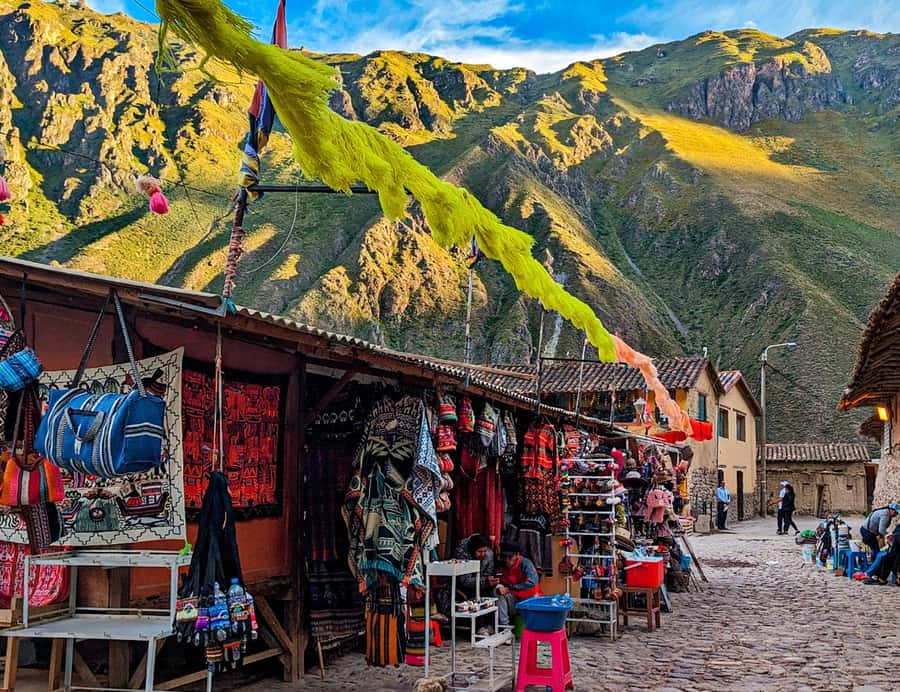
Keep your day bag light, but do not leave out the basics:
- Water
- Sunscreen
- Sunglasses
- A sun hat
- Camera
- Cash for tickets, drinks, and shopping
- Shoes suitable for steps and uneven walking
Drones, alcohol, and drugs are not allowed. The cash is especially important because the 70 soles partial tourist ticket and 20 soles salt mine fee are paid separately.
At $27, this is not a fully inclusive ticket. Still, adding the entrance fees does not erase the value. You receive hotel pickup, transportation, a bilingual guide, a buffet lunch, and a drop-off in Ollantaytambo. Booking separate transport to the valley, arranging a guide, and finding lunch would usually require more planning and could cost more.
The value is strongest when you already plan to take the train from Ollantaytambo. If you intend to return to Cusco, the one-way drop-off is less useful, though the sightseeing remains worthwhile.
Who should book this Sacred Valley day
I would choose this tour if you have one full day, want to see several major places, and prefer an organized route over arranging separate taxis and tickets. It is especially useful before Machu Picchu because you can learn about Inca farming, construction, and local culture before seeing the citadel.
Families can manage it, including teenagers, though the day is active and the Ollantaytambo stairs require care. It also suits first-time visitors who want a broad introduction rather than a slow, single-site visit.
I would think twice if you dislike shopping stops, need long quiet visits at ruins, or struggle with stairs and high-altitude walking. The group schedule is efficient, not leisurely. Moray, Maras, and Ollantaytambo each deserve more time than the standard plan allows.
Should you book it?
Book it if you want a useful sightseeing transfer from Cusco to Ollantaytambo. The combination of Chinchero textiles, Moray terraces, Maras salt ponds, Urubamba lunch, and Ollantaytambo ruins gives you a lot for one day. The guides and drivers appear to be the strongest part of the operation, with repeated praise for clear explanations, patience, and safe timing.
Choose private service if your train schedule is tight or you want more time at each site. For the shared tour, aim for a train after 4 p.m., carry cash for the extra tickets, and expect a brisk day. With those limits in mind, this is a smart, budget-friendly way to reach the Sacred Valley’s main sights without wasting a day returning to Cusco.
FAQ
How long does the tour take?
The tour lasts about eight to nine hours, depending on the starting time, traffic, pickup arrangements, and group pace.
Where does the tour start and finish?
Pickup is provided from your hotel in Cusco. The group service finishes in Ollantaytambo, usually at the main square or train station around 3:30 p.m.
Can I take a train to Machu Picchu after the tour?
Yes. The recommended train departure is after 4 p.m. to allow time for the tour to finish and for the drop-off in Ollantaytambo.
Are entrance tickets included?
No. The partial tourist ticket for Chinchero, Moray, and Ollantaytambo costs 70 soles. Admission to the Maras Salt Mines costs 20 soles and is purchased on site.
Is lunch included?
Yes. A buffet lunch in Urubamba is included. Drinks are not included, and vegetarian choices are available.
Is the tour offered in English?
Yes. Bilingual guiding is available in English and Spanish. The experience can be booked as a private tour or in a small group.
Just added around Cusco
- “Waqra Pucara, The Majestic Fortress Revealing Secrets of the Andes”.★ 3.5 · 8 reviews
- Cusco: Chocolate Workshop with the Best Local Organic Cacao★ 4.5 · 23 reviews
- Cusco: Bean to bar chocolate workshop★ 5.0 · 3 reviews
- Cusco: Pub Crawl with Skip-the-Line Access and Drinks★ 4.6 · 57 reviews
- Horseback Tour in cusco to Temple of the Moon & Hidden temples★ 5.0 · 54 reviews
- 1.5h Cusco Chocolate Workshop – Truffles & Hot Chocolate★ 4.3 · 8 reviews
- From Cusco: 2-Night Lake Titicaca Excursion★ 3.7 · 62 reviews
- From Cusco: Rainbow Mountain in ATV Quad Bikes + meals★ 4.5 · 60 reviews
Sacred Valley Tours, compared.
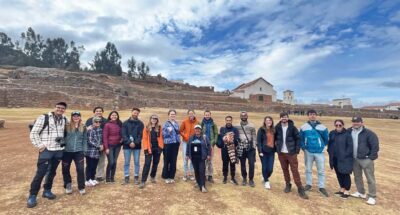
Sacred Valley & Maras Salt Mines Tour with Lunch
Read our review →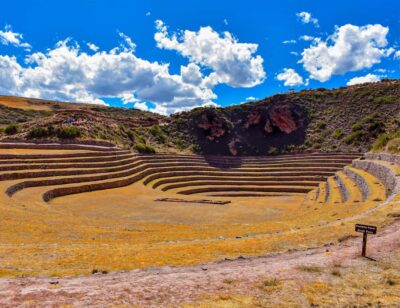
Moray, Maras Salt Mines & Chinchero Weavers Tour
Read our review →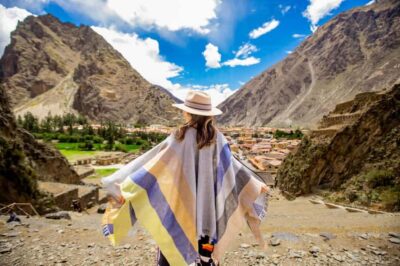
Sacred Valley, Pisac, Ollantaytambo, Salt Mines Moray
Read our review →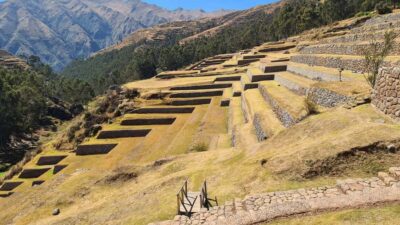
Pisac Indian Market and Ollantaytambo Fortress with Lunch
Read our review →
2-Day Trip to the Sacred Valley and Machu Picchu
Read our review →Browse the lists this tour appears in