
Reviewed · CITY TOURS
City Tour in Cusco
Cusco’s best-known sights pack a lot into a short outing. In four hours, you move from the Inca center of Qorikancha and the colonial Cathedral to mountain sites such as Sacsayhuaman, Qenqo, Puca Pucara, and Tambomachay. I like the mix of city architecture and highland ruins, and I like that roundtrip transport, a certified guide, air conditioning, and water are included for just $20. The catch is that admission tickets are extra, and clear communication about language and pickup matters.
I also like the range of guides offered, since you can book in English, Spanish, or Portuguese. Guide Fernando is described as especially polite and helpful, but one Portuguese booking did not receive the promised Portuguese service, leaving a child unable to follow the explanations. I would confirm both your guide language and meeting point before the day begins.
Key points to know before you book
- Six major sights in four hours: You cover Qorikancha, the Cathedral, Sacsayhuaman, Qenqo, Puca Pucara, and Tambomachay in one compact route.
- A strong Inca and colonial pairing: The city portion shows how Inca foundations and Spanish religious architecture share the same streets.
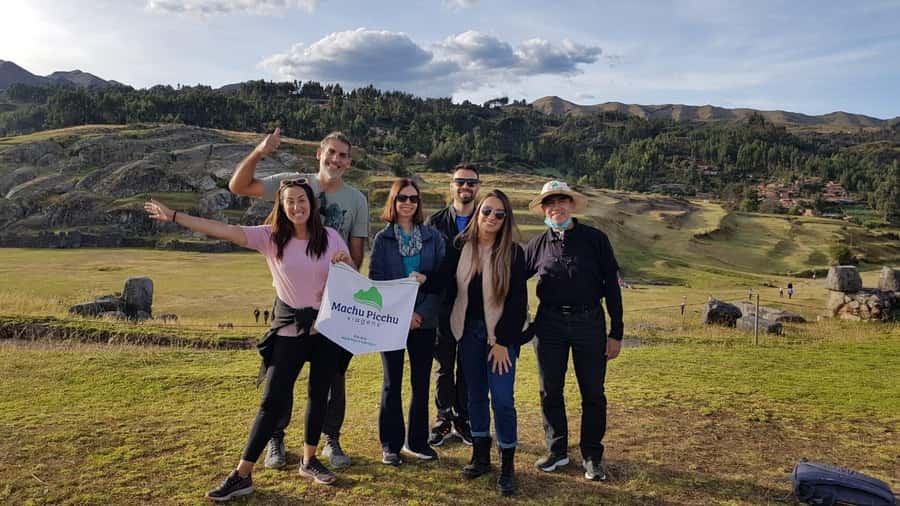
- Mountain views come with the ruins: Sacsayhuaman, Qenqo, Puca Pucara, and Tambomachay take you above the central city.
- Transport is part of the value: Most Cusco hotels receive roundtrip pickup, and the air-conditioned vehicle helps connect the spread-out sites.
- Tickets are not included: The $20 price covers the tour service, but you still need to budget separately for admission.
- Language must be checked: English, Spanish, and Portuguese are offered, with one bus assigned per language.
Why this four-hour route works in Cusco
Cusco can feel like two cities sharing the same block. In the historic center, Inca stonework forms the base of later colonial buildings. Outside the center, the road climbs toward ceremonial and military sites with broad views over the city.
That contrast gives this tour its main appeal. You are not spending the whole half-day inside museums or looking at ruins from one angle. You begin with religious and civic architecture, then move into the hills to see how the Inca used stone, water, and elevated positions.
The timing is useful if you have only a short stay in Cusco, or if you want an orientation on your first day. It is also practical for anyone who prefers to visit several major places without arranging separate taxis. The tradeoff is pace. Six named sights in four hours leaves limited time at each stop, so you should treat this as a broad introduction rather than a slow archaeological study.
Other ways to see the whole city in Cusco:
- Cusco: Half-Day City Tour with Sacsayhuaman and Q’enco
★ 4.6 · 1,129 reviews - City Tour Cusco Qoricancha Sacsayhuaman y Tambomachay
★ 4.7 · 617 reviews - Open Bus Cusco City Tour
★ 4.5 · 219 reviews
Qorikancha reveals Cusco’s layered identity
Qorikancha, also called the Temple of the Sun, is one of the most important stops because it gives you a clear picture of Cusco’s layered past. It was the principal worship center of the Inca world, and a Catholic church now occupies the site above its foundations.
That physical overlap is more useful than a simple list of dates. You can see how one religious center was adapted into another, while the older Inca structure remains part of the story. Your guide is especially valuable here, since the meaning of the site depends on understanding both the Inca purpose and the later colonial use.
I would pay close attention to the construction details and the way the visit connects the building to the wider city. Qorikancha is not just another stop on a ruins circuit. It explains why Cusco feels distinct from a standard colonial town.
Because the tour includes several sites, you may not have unlimited time here. If Qorikancha is your top priority, listen closely from the start and ask your guide to clarify the parts that interest you most.
The Cathedral brings colonial grandeur into the route
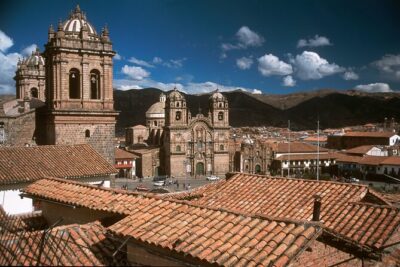
The Cathedral of Cusco adds a different visual and cultural layer. It is presented as a major example of colonial baroque architecture and is built on foundations linked to an earlier Inca palace.
That pairing with Qorikancha is smart. One stop introduces the Inca religious center and a Catholic building above it. The other shows colonial church architecture connected to an Inca royal site. Together, they help you understand how Cusco’s center was reshaped rather than simply replaced.
I like this part of the route for the architectural contrast. Qorikancha points you toward Inca design and religious purpose, while the Cathedral reflects the style and power of the colonial period. A guide can turn what might otherwise be a quick church visit into a clearer explanation of how the city developed.
Keep in mind that the tour has to share its time between indoor city sights and the outer archaeological sites. If you want an extended look at the Cathedral, you may need to return later on your own. The benefit here is breadth: you get a useful first look at both landmarks in one morning or afternoon.
Sacsayhuaman is the visual high point
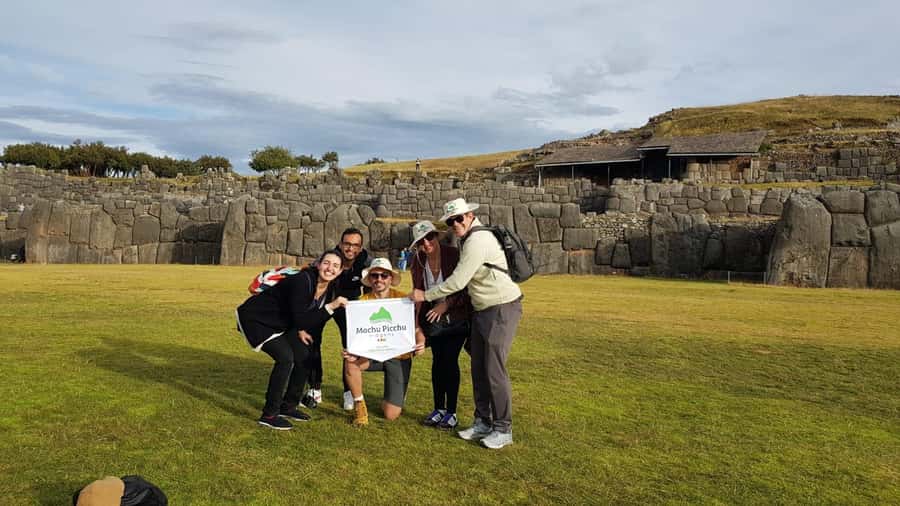
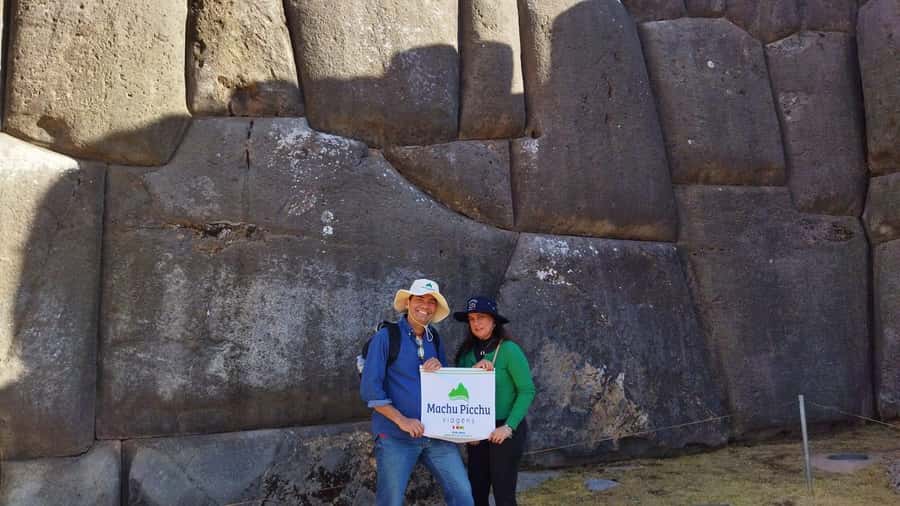
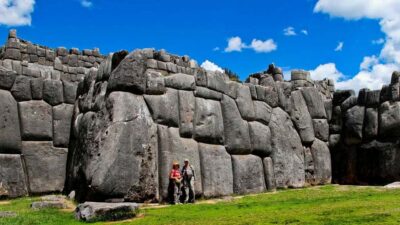
Sacsayhuaman is likely to be the most immediately impressive stop for many people. This ceremonial fortress is made from huge stones and is described as a megalithic structure, a phrase that fits the scale of the place.
The value of seeing it with a guide is not just the view. The guide can place the monumental stonework within the wider Inca story and explain why the site mattered as a ceremonial and defensive space. Without that context, you may spend your time looking at the size of the stones without understanding the role of the complex.
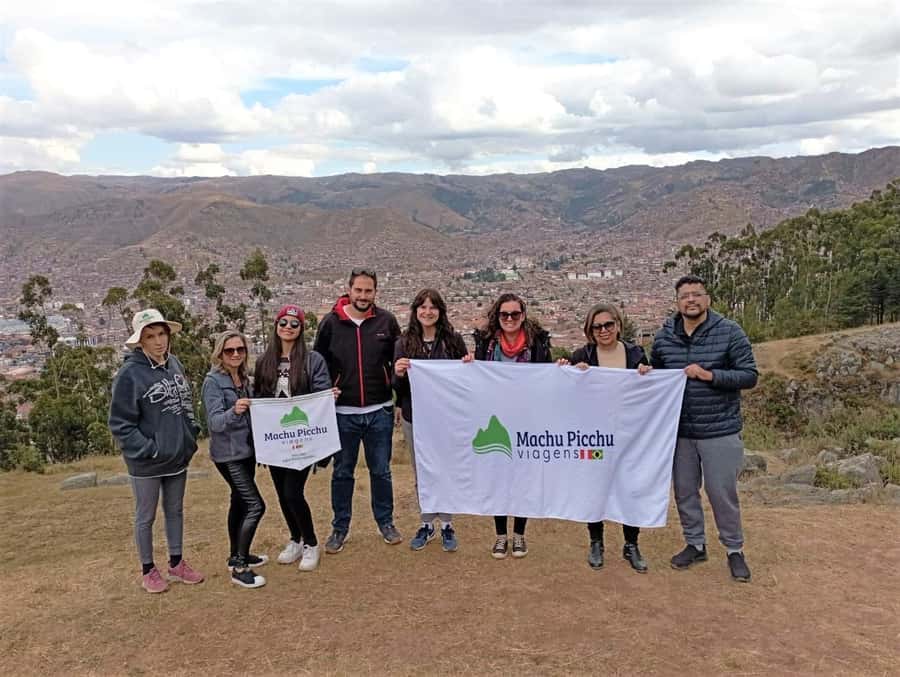
The elevated setting also changes your sense of Cusco. After the close streets of the center, the city opens below you. The route gives you a chance to connect the urban core with the surrounding hills, rather than treating Cusco and its archaeological sites as separate attractions.
Sacsayhuaman can also be the busiest-feeling portion of a standard city tour, though the supplied details do not specify group size or crowd conditions. The practical point is simple: stay near your guide and keep track of the meeting instructions, since the schedule continues to the next stop.
Same base, a completely different day:
- Cusco: Humantay Lake Tour with Breakfast and Buffet Lunch
★ 4.9 · 2,976 reviews - From Cusco: Moray, Maras Salt Mines & Chinchero Weavers Tour
★ 4.8 · 1,925 reviews - From Cusco: Full-Day Group Tour of Machu Picchu
★ 4.7 · 1,767 reviews - Machu Picchu Day Trip from Cusco
★ 4.5 · 1,644 reviews
Qenqo offers a darker ceremonial story
Qenqo has a more mysterious tone than Sacsayhuaman. It is described as a ceremonial center where rituals and sacrifices were believed to have taken place. The site’s appeal comes from that solemn purpose, not from grand scale alone.
I find this kind of stop useful because it broadens the picture of Inca culture. You are not seeing only impressive walls and open plazas. Qenqo directs your attention toward ceremony, belief, and the ways sacred spaces were used.
The word gloomy fits the mood presented by the experience, but you should not expect a long, theatrical presentation. This is a short guided visit within a route that has several stops. Ask questions if you want more context, especially if the explanation moves quickly.
Qenqo also shows why a guide language matters. The site’s significance is not always obvious from the stone formations alone. If you are booking in Portuguese, confirm that the assigned bus and guide will actually provide Portuguese commentary. One booking had a language mismatch, and a child who had hoped to reinforce school lessons about the Incas could not follow the tour.
Puca Pucara adds height and a wider view
Puca Pucara takes the route farther into the hills and gives you another way to see Cusco from above. Its inclusion helps break up the sequence of religious and ceremonial sites with a stop focused on position and outlook.
The supplied details describe it as a mountain stop with views over Cusco. That makes it useful for orientation. From higher ground, you can better understand the city’s setting and why the route links the center with several sites outside it.
Do not expect Puca Pucara to replace a dedicated viewpoint visit. The tour is designed to cover several places in a limited period. Still, it gives you a quick change of scale, from stonework you examine close up to the wider city you see from the hills.
The route is also easier here because transport is included. You do not have to arrange separate rides between the central district and the higher sites. The air-conditioned vehicle is a practical touch, particularly when you are moving through several stops in one half-day.
Tambomachay shows the Inca command of water
Tambomachay closes the archaeological portion with a different kind of engineering. The site is known for its functioning irrigation channels and three water fountains, described as the oldest functioning fountains in the area.
This is a strong final stop because it shifts attention from massive stones to water management. You can see how the Inca used careful channels and fountains as part of a designed ceremonial site. The working water gives the place a sense of continuity that static ruins cannot provide.
I would listen for the guide’s explanation of how the channels and fountains fit into the site. At $20, the value of this tour depends heavily on the guide making those connections clear. The ruins themselves are important, but the short visit becomes much more meaningful when you understand what you are looking at.
The route may feel full by this point. You have already seen the city center, Sacsayhuaman, Qenqo, and Puca Pucara. If you prefer a slow pace with time for photographs and long pauses, a private or longer excursion could suit you better. If you want an efficient overview, Tambomachay gives the tour a fitting finish.
What the $20 price really covers
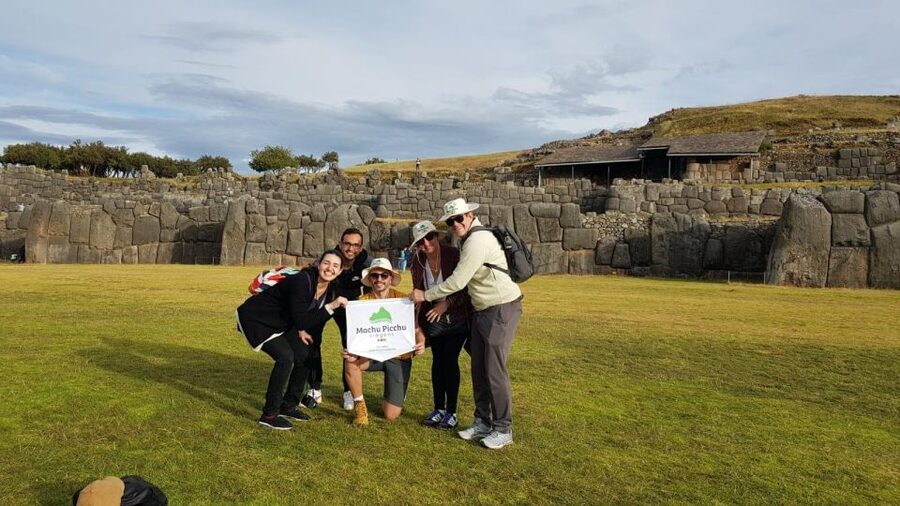
At $20 per person, this is a low-cost way to connect six major Cusco sights. You receive a certified guide in English, Spanish, or Portuguese, roundtrip transportation to and from most Cusco hotels, an air-conditioned vehicle, and a complimentary water bottle.
That is good value for the transport alone, since the sites are spread between the center and the surrounding hills. It also removes the need to negotiate several rides or build your own route around the city.
The price does not include admission tickets, meals, drinks, or gratuity. You should therefore compare the full cost, not just the advertised tour price. The ticket costs are not provided here, so I cannot give you a reliable final total. Set aside extra money for entrance fees and any food or drinks you want during the outing.
A tip is optional. If the guide gives clear explanations, handles the route well, and provides the language promised, you can decide what service was worth to you.
Language and pickup deserve extra attention
The experience is offered in Spanish, English, and Portuguese, with one bus per language. That arrangement can be helpful because you are less likely to share a vehicle with several unrelated language groups.
Still, I would not leave this detail to chance. One Portuguese booking did not receive the promised language, which made the tour much less useful for a child who was meant to reinforce lessons about the Incas. Confirm the language at booking and again before pickup if possible.
Pickup also needs care. Roundtrip transport is available from most Cusco hotels, but one booking had confusing information about the meeting point. The passengers had to chase down the correct location so they would not miss the tour.
You should ask for the exact pickup point, not just the hotel name. If the meeting point is somewhere other than your accommodation, get the address and arrival time in writing. This is a small step, but it matters when the tour has a fixed four-hour schedule.
Who will get the most from this tour
I would recommend this outing to you if you want a compact first look at Cusco’s main Inca and colonial sights. It suits people with limited time, families looking for a structured introduction, and visitors who prefer included transport over arranging each trip themselves.
It also fits well for anyone who wants both city architecture and nearby archaeological sites. Qorikancha and the Cathedral give you the urban and colonial side of Cusco, while Sacsayhuaman, Qenqo, Puca Pucara, and Tambomachay take you into the hills.
I would be more cautious if you want long visits, detailed archaeology, or complete control over the pace. The four-hour schedule is efficient, but efficiency means moving on. You should also reconsider booking until the language and pickup details are confirmed if either is essential to your trip.
The experience is marked as wheelchair accessible, which may make it suitable for some visitors who need accessible arrangements. Since the supplied details do not describe the surfaces or access at each archaeological site, you should confirm how accessibility works at the specific stops before booking.
Should you book this Cusco city tour?
Book it if you want a reasonably priced overview with transport, a guide, and a clear mix of Cusco’s major landmarks. The strongest parts are the pairing of Qorikancha and the Cathedral, the scale of Sacsayhuaman, and the chance to reach Qenqo, Puca Pucara, and Tambomachay without arranging separate rides.
Before paying, confirm three things: your guide’s language, the exact pickup point, and the admission costs that are not included. If those details are settled, this is a practical introduction to Cusco in half a day. If you need a slower, more personal visit, choose a longer or private option instead.
FAQ
How long does the Cusco city tour last?
The tour lasts four hours.
Which places are included in the route?
The route includes Qorikancha, the Cathedral of Cusco, Sacsayhuaman, Qenqo, Puca Pucara, and Tambomachay.
Is the tour available in English?
Yes. The tour is offered in English, Spanish, and Portuguese.
Is a professional guide included?
Yes. A certified professional guide is included, with one bus assigned per language.
Is hotel transportation included?
Roundtrip transportation is included to and from most Cusco hotels.
Are admission tickets included in the $20 price?
No. Admission tickets are not included.
Are meals and drinks included?
No. Meals and drinks are not included, although a complimentary water bottle is provided.
Can I cancel for a full refund?
Yes. You can cancel up to 24 hours in advance for a full refund.
Is the tour wheelchair accessible?
The activity is listed as wheelchair accessible. The supplied details do not explain access conditions at each individual site, so confirm the arrangements before booking.
Just added around Cusco
- Cusco: 4-Day Salkantay Trek to Machu Picchu, Panoramic Train★ 4.3 · 17 reviews
- Cusco: City and Nearby Ruins 5-Hour Guided Tour★ 4.4 · 30 reviews
- Cusco: 3-Hour Peruvian Cooking Class★ 4.7 · 16 reviews
- Cusco: 4-Day Lares Trek to Machu Picchu with Panoramic Train★ 4.9 · 20 reviews
- Cusco Tourist Ticket and Sacred Valley Site Pass★ 4.2 · 28 reviews
- Colorful mountain tour Palcoyo | Cusco★ 4.8 · 5 reviews
- City Tour Cusco★ 5.0 · 5 reviews
- City Tour Cusco & Valle Sagrado Pisac mas Almuerzo★ 3.6 · 3 reviews
City Tours, compared.
Half-Day City Tour with Sacsayhuaman and Q’enco
Read our review →
City Tour Cusco Qoricancha Sacsayhuaman y Tambomachay
Read our review →
City Tour | Half-Day Tour to 4 Archaeological Sites
Read our review →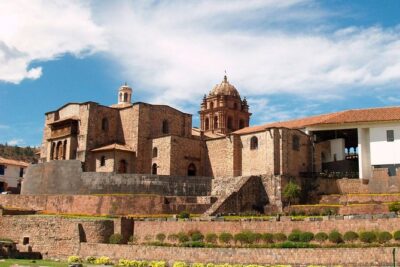
City Tour in Cusco & visit Museum South American Camelid Private.
Read our review →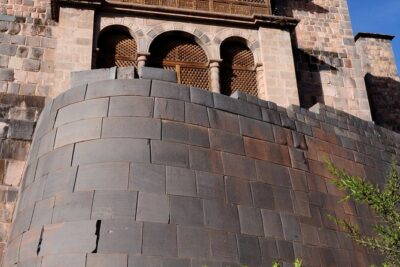
Cusco City Sightseeing, San Pedro Market, Cathedral and Qorikancha Temple
Read our review →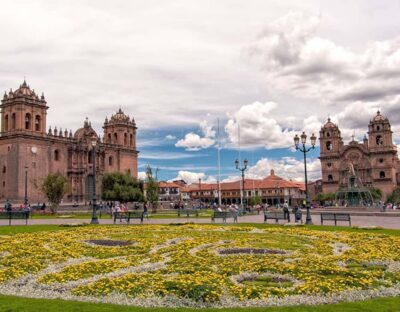
Cusco City Sightseeing and Sacsayhuaman Archeological Park Tour
Read our review →Browse the lists this tour appears in