
Reviewed · CITY TOURS
Cusco: Half-Day City Tour
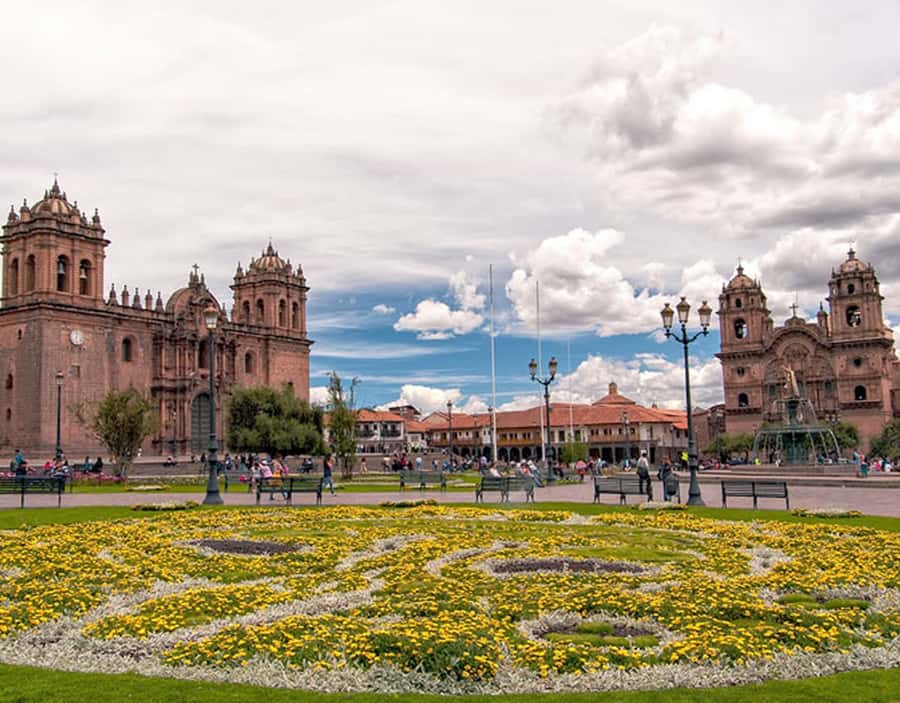
Cusco’s best introduction may be a hilltop circuit of Inca engineering: enormous limestone blocks at Sacsayhuaman, water channels at Tambomachay, and ceremonial rock at Qenqo. Add the Spanish cathedral and Coricancha, the Inca Empire’s most important temple, and you get a useful six-hour lesson in how Cusco’s cultures overlap.
I like the low $17 price and the practical hotel pickup in Cusco’s historic center. I also like the strong guide element: Clara, Silvia, Janet, Wally, and José are singled out for lively storytelling, patience, and clear answers. The main catch is that site fees are not included, and morning departures visit only the four archaeological sites, not the cathedral or Coricancha.
Key points to know before booking
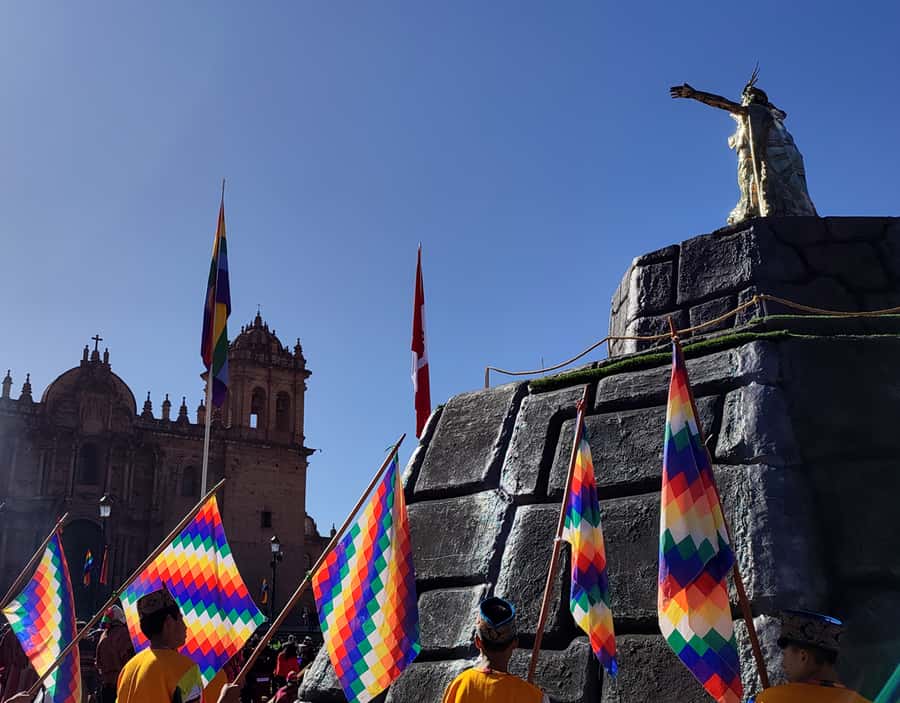
- Sacsayhuaman is the major stop: Expect huge fitted limestone blocks, wide views, and a guided visit that can feel brief if your guide gives only one meeting point.
- Afternoon departures add two central monuments: You can visit Coricancha and Cusco Cathedral, while morning tours cover only Qenqo, Puka Pukara, Tambomachay, and Sacsayhuaman.
- The advertised price is not the full cost: Add 70 soles for the archaeological sites, 15 soles for Coricancha, and 40 soles for the cathedral.
- Guides make the difference: Clara, Silvia, Janet, Wally, and José are praised for history, Inca culture, patience, humor, and good English.
- Expect a group vehicle and some walking: Hotel pickup is included in the historic center, but private lodging and vehicle-inaccessible hotels use a nearby meeting point.
- Pack for fast-changing Cusco weather: Wear sturdy, comfortable shoes, carry water and cash, and bring sunscreen, a hat, and a rain jacket.
Why this six-hour Cusco tour works
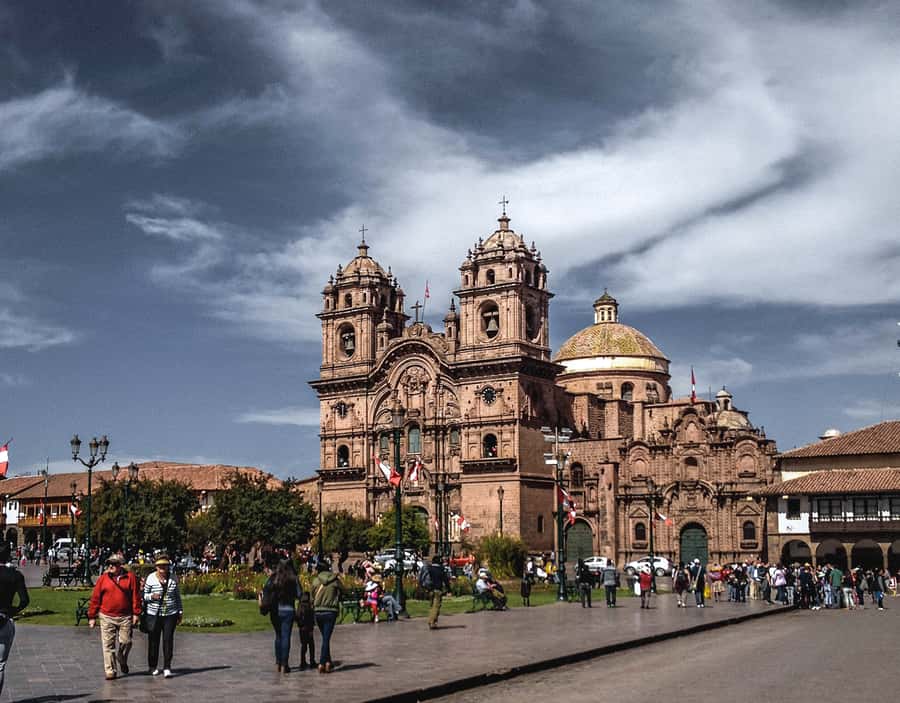
This is a compact orientation to Cusco rather than a slow archaeological study. For $17, you get tourist transportation and a professional bilingual guide in Spanish and English, which makes the price unusually attractive once you understand the extra entrance fees.
I see the tour as a good first day activity. It takes you from the colonial center into the hills above Cusco, then links large Inca ceremonial sites with two important central monuments. You get the broad picture quickly: the Inca built with remarkable precision, water had religious meaning, and Spanish colonial power later placed a cathedral over an older sacred city.
The six-hour length sounds generous, but the schedule moves at a steady pace. Each listed stop allows roughly 40 minutes, while Coricancha receives about an hour. That is enough for a guided introduction and photographs, but not enough to examine every stone or linger wherever you please.
The tour begins with pickup in Centro Histórico and finishes at Plaza Mayor del Cusco. If you stay in a private accommodation or your hotel sits on a street the vehicle cannot reach, you receive a nearby meeting point instead. Confirm the departure type before paying, since the morning and afternoon programs are different.
Other ways to see the whole city in Cusco:
- Cusco: Half-Day City Tour with Sacsayhuaman and Q’enco
★ 4.6 · 1,129 reviews - City Tour Cusco Qoricancha Sacsayhuaman y Tambomachay
★ 4.7 · 617 reviews - Open Bus Cusco City Tour
★ 4.5 · 219 reviews
Qenko, where rock becomes a ceremonial space
Qenko, also written Q’enco, is a natural rock formation shaped into a ceremonial center. The appeal here is not a grand standing building. It is the way carved surfaces, channels, and stone spaces turn the rock itself into part of the site.
Your guide has about 40 minutes to explain how the area may have been used for ceremonies. This is a place where interpretation matters. Without a guide, you could easily see only a weathered outcrop. With one, you can begin to understand how the Incas worked with natural features instead of treating every sacred site as a separate structure.
The stop involves walking over archaeological ground, so comfortable shoes matter. I would also bring water before leaving the city. Cusco’s high altitude and strong sun can make a short uphill visit feel more demanding than its timetable suggests.
Puka Pukara and the road into Cusco
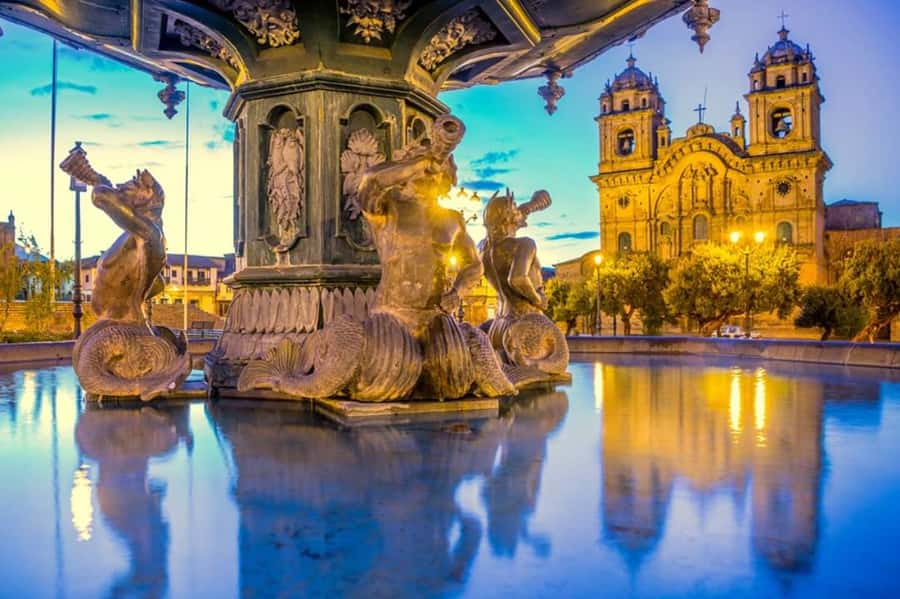
Puka Pukara is associated with military ruins and guard posts. The remains include staircases, streets, houses, and courtyards, giving you a better sense of an active complex than a single isolated wall.
The site helps explain movement around Cusco. Its position and remaining structures point to control, observation, and support for people using the roads. Your guide can connect the guard posts with the wider Inca system, making this more than a quick stop for photographs.
Puka Pukara receives another 40-minute guided visit. That is a sensible length for seeing the main remains, though you should not expect a detailed architectural survey. The value comes from seeing how the Inca world included roads, military watch points, domestic spaces, and ceremonial centers in one connected system.
Tambomachay and the Inca focus on water
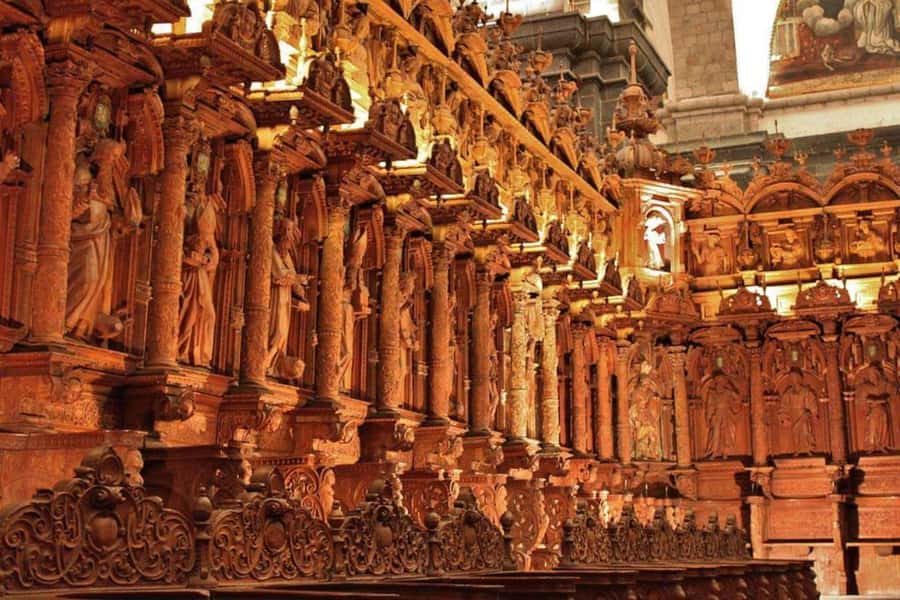
Tambomachay sits about nine kilometers outside Cusco and is known as the baths of the Incas. Its water source and carefully arranged channels give the site a calm, precise character.
The exact role of Tambomachay is not presented as certain. It may have served as a temple dedicated to water and purification, and the familiar name reflects the shape and flow of its water features. I appreciate that distinction because it keeps the explanation honest. You can admire the engineering without pretending that every original purpose is fully known.
The 40-minute stop gives you time to see the channels and hear how water figured in Inca belief. Bring a rain jacket even in a dry season. The tour instructions specifically recommend waterproof clothing, and Cusco weather can change quickly.
Same base, a completely different day:
- Cusco: Humantay Lake Tour with Breakfast and Buffet Lunch
★ 4.9 · 2,976 reviews - From Cusco: Moray, Maras Salt Mines & Chinchero Weavers Tour
★ 4.8 · 1,925 reviews - From Cusco: Full-Day Group Tour of Machu Picchu
★ 4.7 · 1,767 reviews - Machu Picchu Day Trip from Cusco
★ 4.5 · 1,644 reviews
Sacsayhuaman, the tour’s heavyweight stop
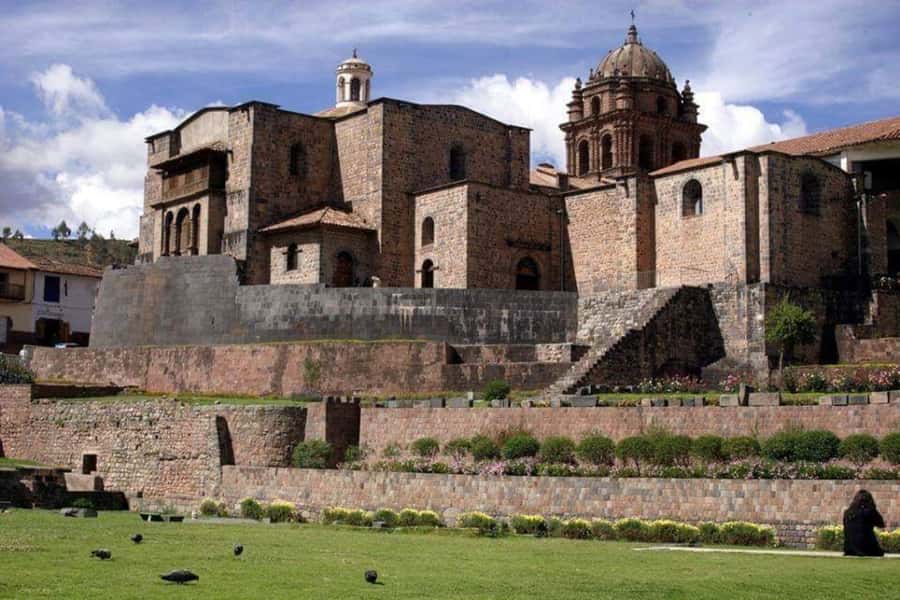
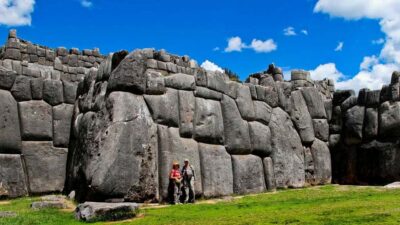
Sacsayhuaman is the main event for many people on this route. Large limestone blocks form the most memorable example of Inca stonework on the tour. The scale is impressive, but the real lesson is the precision: the blocks were shaped and fitted to create strong walls without relying on the kind of mortar you might expect.
Chroniclers believed Sacsayhuaman was a solar shrine built by the last Inca dynasties. It also helped protect Cusco from attacks approaching from the east, or Antis. The site therefore carries both ceremonial and defensive associations, though your guide will need to explain how those ideas fit together.
The scheduled guided visit lasts about 40 minutes. That is enough to see the key walls and hear the main history, but the stop may feel rushed if you want a long walk through the complex. One useful warning comes from the tour feedback: some people wanted more guidance inside Sacsayhuaman and felt they were given one meeting point before being asked to meet at the exit.
I would stay close to the guide’s instructions here. The complex is broad, and a short stop can become confusing if you wander too far. If Sacsayhuaman is your main reason for booking, ask at the beginning how much time you will have inside and where the group will regroup.
Coricancha, the Inca temple beneath the colonial city
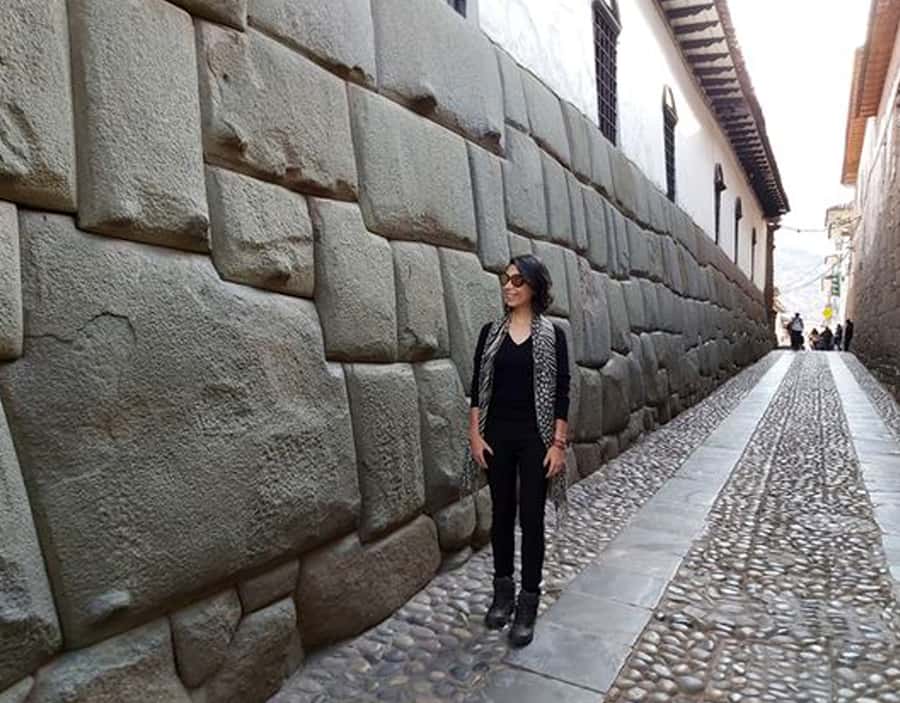
Afternoon departures continue to Coricancha, the temple that best shows the importance of Cusco as the center of the Inca Empire. Its stone construction and carefully fitted architecture reflect a building of exceptional status.
Coricancha is especially valuable because it lets you think about what happened after the Inca period. The Spanish city developed around and over earlier sacred structures, and this visit gives you a direct look at that layered past. The tour allows about one hour here, longer than at the four hilltop sites, so the guide has more room to explain the temple’s design and religious role.
Entry costs 15 soles extra. Carry cash, since the tour instructions specifically tell you to bring it. If you choose an afternoon departure for the full program, this is one of the additional charges you should include in your budget.
Cusco Cathedral and the Spanish layer
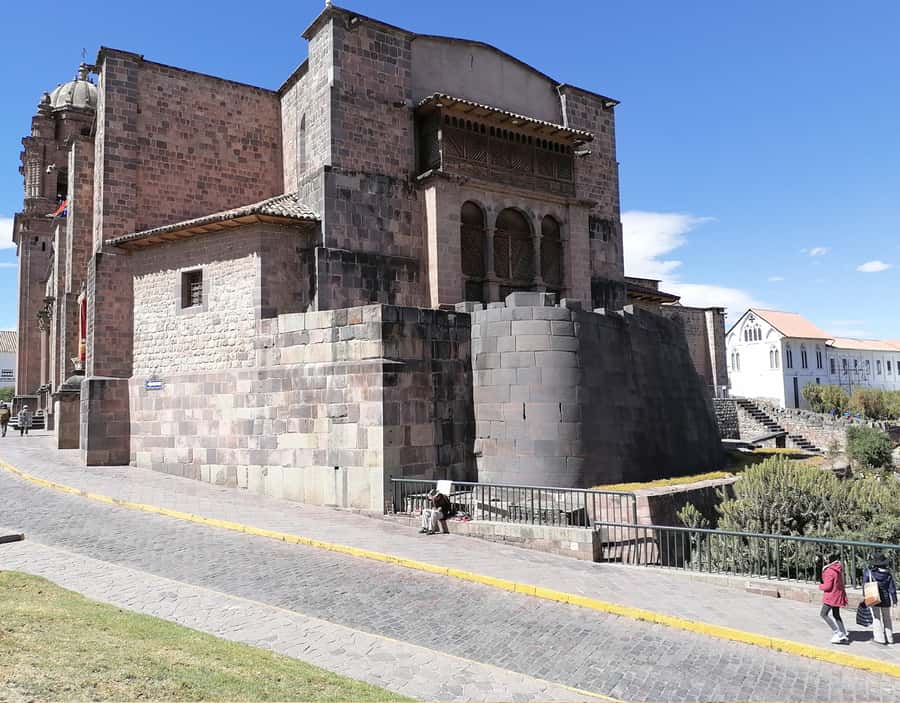
The Basilica Cathedral, begun in 1560, adds a different period to the day. It is located in the historic center and helps you see how Spanish colonial power reshaped a city that had been the heart of the Inca Empire.
A guided visit lasts about 40 minutes. You will not have time for every detail, but the stop works well after the archaeological sites because you can compare the cathedral’s scale, materials, and religious purpose with the Inca temples.
Cathedral entry costs 40 soles. That is a substantial addition to a $17 booking, so I would not treat the advertised price as the final amount for an afternoon tour. The extra fees are still reasonable for the number of major sites covered, but you should know the total before you arrive.
Morning or afternoon: choose based on your priorities
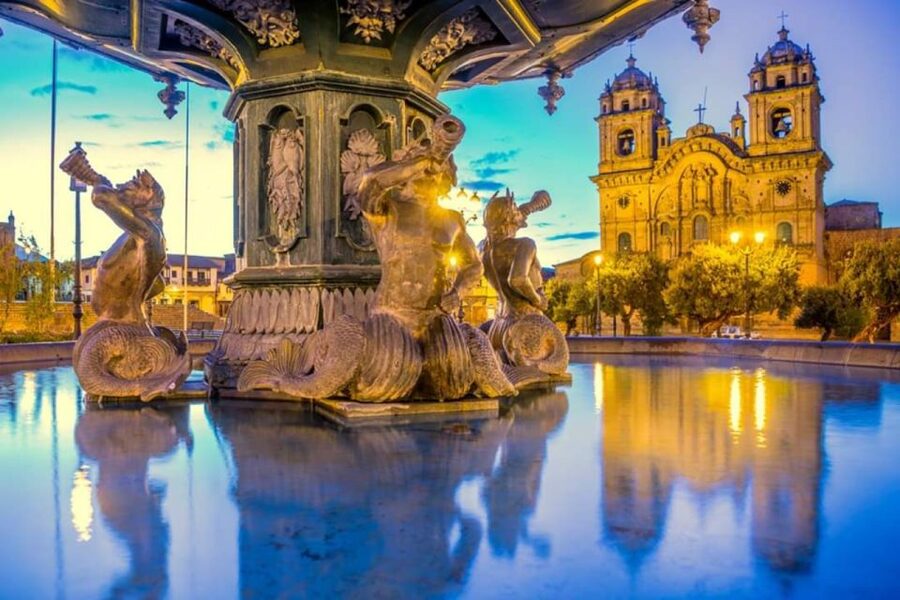
The departure choice changes the experience.
A morning tour visits four archaeological sites: Sacsayhuaman, Qenko, Puka Pukara, and Tambomachay. This is the better choice if your main interest is Inca ruins and hilltop views, or if you plan to explore the cathedral and Coricancha separately.
An afternoon departure adds Coricancha and Cusco Cathedral. It is the better option if you want one organized introduction to both the Inca and Spanish sides of Cusco. The tradeoff is cost, since you will need the cathedral and Coricancha entrance fees in addition to the archaeological ticket.
The published schedule lists all six stops in one route, so check the exact starting time when you book. The morning program does not include the two central monuments. This detail is easy to miss and could lead to disappointment if you choose the wrong departure.
What the price really buys you
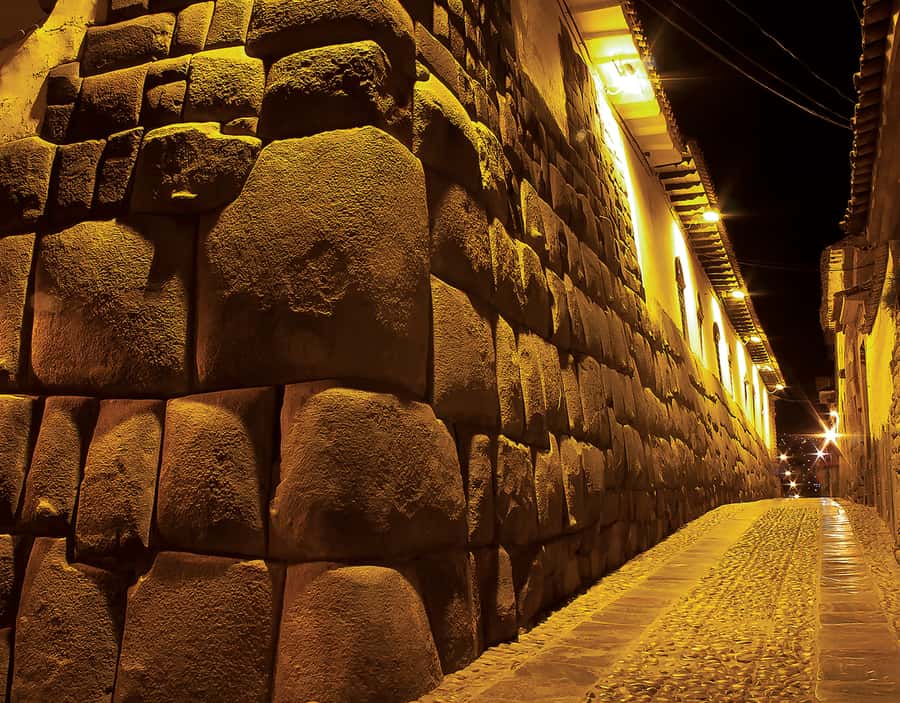
At $17 per person, the tour offers strong value for transportation and a bilingual guide. You avoid arranging taxis between four sites outside the center, and you get a connected explanation rather than isolated visits.
The archaeological sites require a tourist ticket costing 70 soles. Coricancha costs 15 soles, and the cathedral costs 40 soles. If you take the full afternoon program, the added entrance fees total 125 soles, separate from the tour price.
That makes this less of a $17 sightseeing day and more of a low-cost guided route with mandatory site expenses. Even so, arranging transport and separate explanations for these places could be less convenient. I would book it for the route and guide, not because every cost is included.
The tour has a 4.2 rating from 129 bookings, which fits the overall picture: strong value and generally good guides, with some unevenness in how much English is offered and how much time the guide spends at each site. One English-speaking participant reported receiving only a shortened share of the commentary when the group was mainly Spanish-speaking. If your history questions matter, confirm that the English portion will be fully supported.
Guides, vehicles, and the group experience
The strongest part of this experience is the human explanation. Clara is praised for detailed knowledge of Cusco and Inca life, as well as energy during a demanding route. Silvia is noted for patience with children. Janet is singled out for guiding, while Wally helped provide a useful first look at Cusco. José is specifically praised for English-language guiding and clear explanations.
Names can change by departure, so you should not book on the assumption that one particular guide will lead your group. Still, these examples show the kind of service the operator can provide when the guide is attentive and the language balance works.
Transportation is included, and the route may use two vehicles. That arrangement has worked well when the guide keeps the transfer organized. The vehicle saves time between the hilltop sites, though this is not a private car experience.
One negative detail deserves attention: a textile shop stop has appeared on the route. If you are not interested in buying alpaca goods, you may find this unnecessary. The stop is not the main purpose of the tour, but it can feel like lost sightseeing time, especially on a schedule already divided into short visits.
Practical advice for a smoother day
Wear long pants and comfortable shoes. You will walk around uneven archaeological sites, staircases, courtyards, and open hilltop areas.
Bring water, cash, a passport, sunscreen rated SPF 30 or higher, and a sun hat. A waterproof jacket or raincoat is also recommended. The sun can be strong, while rain can arrive without much warning.
Large luggage is not allowed, and pets are not allowed. Video recording is also listed as prohibited, so plan on photographs only if permitted at the sites.
The tour includes hotel pickup only within Cusco’s historic center. If your hotel cannot be reached by vehicle, or if you are staying in private accommodation, use the assigned nearby meeting point. The day finishes at Plaza Mayor del Cusco rather than returning you to your hotel, so plan your evening from the square.
Cancellation is flexible up to 24 hours before departure for a full refund, and you can reserve now and pay later. Those terms help if your Cusco schedule depends on altitude adjustment or changing plans.
Who should book this Cusco route?
I would recommend it to anyone with limited time who wants a guided overview instead of arranging several taxis and entrance tickets. It is particularly useful on your first day in Cusco, when you want the city’s main Inca sites explained in a logical order.
Families can benefit from the short stops and vehicle transfers. Silvia’s reported patience with children is encouraging, but remember that altitude, sun, and walking can still make the day tiring.
History-minded visitors should book the afternoon version if Coricancha and the cathedral matter to you. Ruin-focused visitors can choose the morning version and save the central monuments for another visit.
I would be more cautious if you want long, quiet exploration at Sacsayhuaman or a private guide focused only on your questions. The schedule is fixed, groups may include both English and Spanish speakers, and a textile shop stop may take time from the monuments.
Should you book it?
Book this tour if you want a budget-friendly first look at Cusco, value a bilingual guide, and can accept extra entrance fees and a brisk schedule. The route covers the four major archaeological sites outside the city, with Coricancha and the cathedral added on afternoon departures.
Choose the morning tour for Inca engineering and ruins. Choose the afternoon tour for the fuller story of Inca and colonial Cusco. Just budget 70 soles for the archaeological ticket, 15 soles for Coricancha, and 40 soles for the cathedral, then confirm the language and departure details before booking.
FAQ
How long does the Cusco city tour last?
The tour lasts six hours.
What sites are included on the morning departure?
Morning tours visit Sacsayhuaman, Qenko, Puka Pukara, and Tambomachay. Coricancha and Cusco Cathedral are not included in the morning program.
Are Coricancha and Cusco Cathedral included on afternoon departures?
Yes. Afternoon departures also include guided visits to Coricancha and the Basilica Cathedral.
How much do the entrance fees cost?
The archaeological tourist ticket costs 70 soles. Coricancha costs 15 soles, and the cathedral costs 40 soles. These fees are not included in the tour price.
Is hotel pickup included?
Yes. Pickup is included from hotels in the historic center of Cusco. If your hotel cannot be reached by vehicle or you stay in private accommodation, you receive a nearby meeting point.
What languages are available?
The live guided tour is available in English and Spanish.
What should I bring?
Bring comfortable shoes, water, a passport, cash, a sun hat, sunscreen with SPF 30 or higher, and a waterproof jacket or raincoat.
Can I bring luggage or pets?
No. Pets and large bags or luggage are not allowed.
Can I cancel the booking?
Yes. You can cancel up to 24 hours in advance for a full refund. You can also reserve the tour and pay later.
More half-day trips around Cusco
- Cusco: City Tour | Half-Day Tour to 4 Archaeological Sites
★ 4.6 · 206 reviews - From Cusco: Moray, Maras Salt Mines & Chinchero Weavers Half-Day
★ 5.0 · 126 reviews - Cusco: Half-Day Horseback Riding at Devil’s Balcony
★ 4.9 · 89 reviews - Sacsayhuaman Temple, Tambomachay and Puca Pucara Half-Day Tour
★ 4.5 · 59 reviews
Just added around Cusco
- “Waqra Pucara, The Majestic Fortress Revealing Secrets of the Andes”.★ 3.5 · 8 reviews
- 1.5h Cusco Chocolate Workshop – Truffles & Hot Chocolate★ 4.3 · 8 reviews
- Cusco: Chocolate Workshop with the Best Local Organic Cacao★ 4.5 · 23 reviews
- Cusco: Bean to bar chocolate workshop★ 5.0 · 3 reviews
- Cusco: Pub Crawl with Skip-the-Line Access and Drinks★ 4.6 · 57 reviews
- Horseback Tour in cusco to Temple of the Moon & Hidden temples★ 5.0 · 54 reviews
- From Cusco: Rainbow Mountain in ATV Quad Bikes + meals★ 4.5 · 60 reviews
- 2-Day Tour in Sacred Valley and Machu Picchu from Cusco★ 5.0 · 59 reviews
City Tours, compared.
Half-Day City Tour with Sacsayhuaman and Q’enco
Read our review →
City Tour Cusco Qoricancha Sacsayhuaman y Tambomachay
Read our review →
City Tour | Half-Day Tour to 4 Archaeological Sites
Read our review →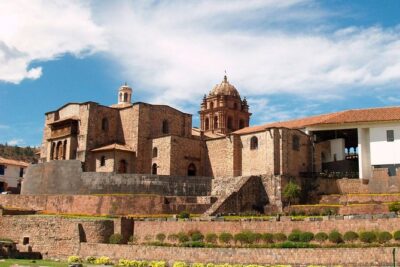
City Tour in Cusco & visit Museum South American Camelid Private.
Read our review →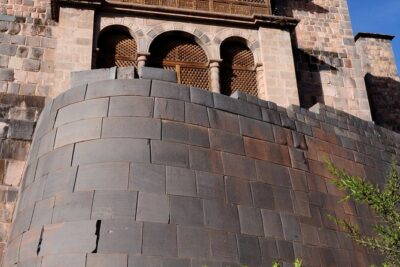
Cusco City Sightseeing, San Pedro Market, Cathedral and Qorikancha Temple
Read our review →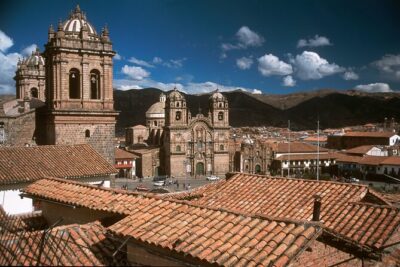
Cusco City Sightseeing and Sacsayhuaman Archeological Park Tour
Read our review →
Browse the lists this tour appears in