
Reviewed · SACRED VALLEY TOURS
Super Sacred Valley
Ollantaytambo is the star here, but this full-day Sacred Valley circuit packs in much more: Chinchero’s Inca walls, Moray’s giant circular terraces, Maras’s salt ponds, and Pisac’s market and ruins. I like the wide sweep of the day and the included buffet lunch. I also like that guide Emil has been praised for explaining the Inca sites carefully in English and Spanish.
The tradeoff is pace. You leave around 7:00 am and return near 7:00 pm, with a lot of road time between stops. One warning is worth taking seriously: the day may include three craft or tourist-shop visits, and the 17-seat bus may feel tight if you need generous legroom.
Key points at a glance
- Five major stops in one day: Chinchero, Moray, Maras, Ollantaytambo, and Pisac give you a broad look at the Sacred Valley.
- Moray and Maras pair well: One shows unusual Inca agricultural design, while the other reveals thousands of working salt ponds.
- Ollantaytambo is the strongest historic stop: Its stonework and living town make it more than a quick ruin visit.
- Guide quality matters here: Emil received praise for clear explanations and for repeating information in English and Spanish.
- Lunch is included: The buffet in Urubamba saves you from arranging a midday meal.
- Budget for extra tickets: The main archaeological ticket costs PEN 70, and Maras costs another PEN 10.
What this Super Sacred Valley day is really like
This is the one-day answer for you if your Cusco schedule cannot spare two days in the valley. For $50 per person, you get hotel pickup, round-trip transport, a professional English and Spanish-speaking guide, and buffet lunch. That is a fair starting price for such a packed route, but it is not the final cost.
You must add PEN 70 for the tourist ticket covering Chinchero, Moray, Ollantaytambo, and Pisac. Maras has a separate PEN 10 entry charge. Check the exchange rate before you go, but think of the advertised price as transport, guiding, and lunch rather than an all-inclusive admission package.
I would choose this outing for coverage, not relaxation. You will see the key sites in a single sweep, but each stop gets a limited slice of the day. That makes the guide especially important. A good explanation helps you understand why each place matters instead of simply photographing stone walls and moving on.
The schedule begins at about 7:00 am and ends in Cusco at roughly 7:00 pm. Hotel pickup is included, though the activity also describes meeting-point pickup, so confirm the exact collection arrangement when booking. The tour is offered in English and Spanish.
Other days through the Sacred Valley from Urubamba:
- Cusco:Sacred Valley Pisaq,Ollantaytambo,Chinchero with Lunch
★ 4.8 · 183 reviews - From Cusco: Chinchero, Moray, Maras and Ollantaytambo
★ 4.5 · 83 reviews - from Urubamba & Ollantaytambo:Sacred Valley Full-Day Private
★ 4.9 · 31 reviews
Chinchero opens the morning with Inca stonework
The first stop is Chinchero, where you will see Inca wall construction and a colonial church. This pairing gives you two layers of local history in one place: carefully fitted Inca masonry and a later church built within the same cultural setting.
Chinchero is also the first place where the commercial side of the outing may appear. You will make a brief visit to a textile center, with a small participation in the demonstration. That can be useful if you want a quick introduction to local weaving, but do not expect a long workshop.
This is a good moment to listen closely to the guide. The value of Chinchero is not just the wall itself. It is seeing how older Inca construction and colonial religious architecture occupy the same town. You will get more from the stop if you pay attention to the explanation rather than treating it as a quick photo break.
Moray turns farming into monumental design
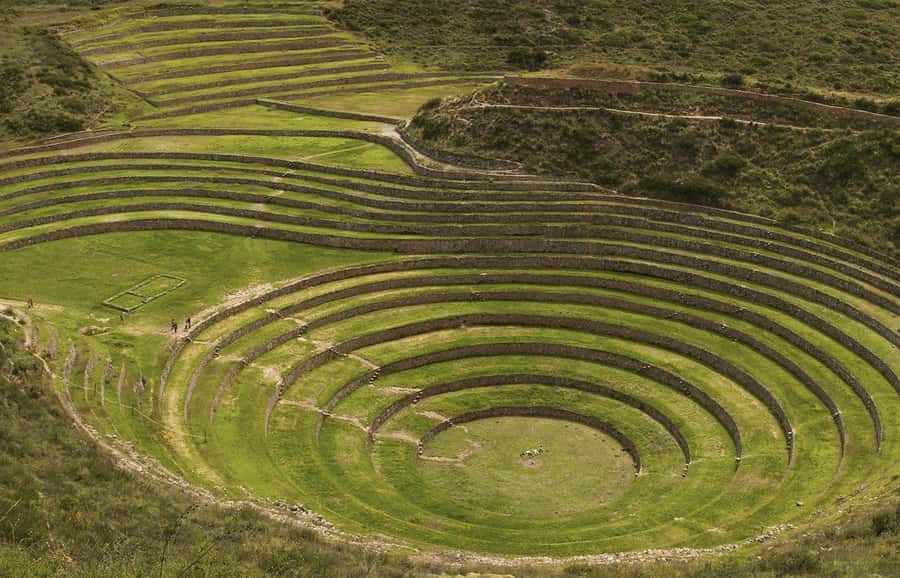
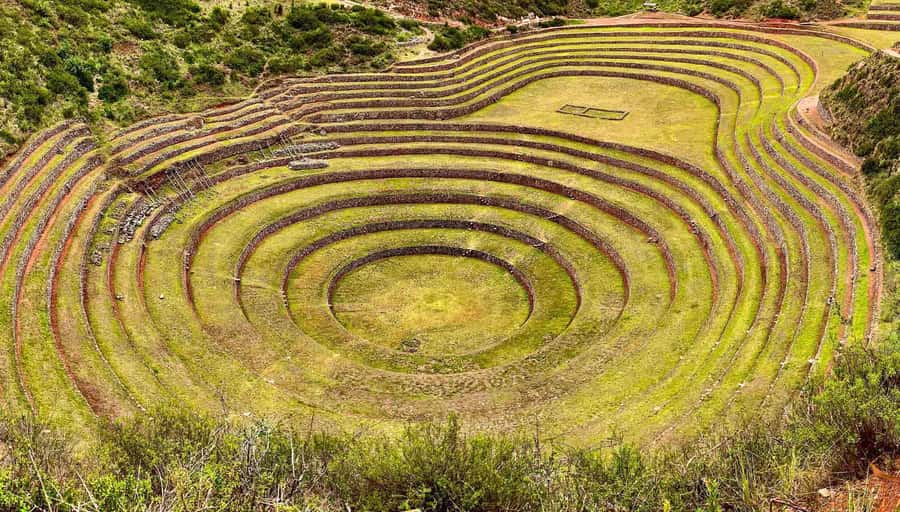
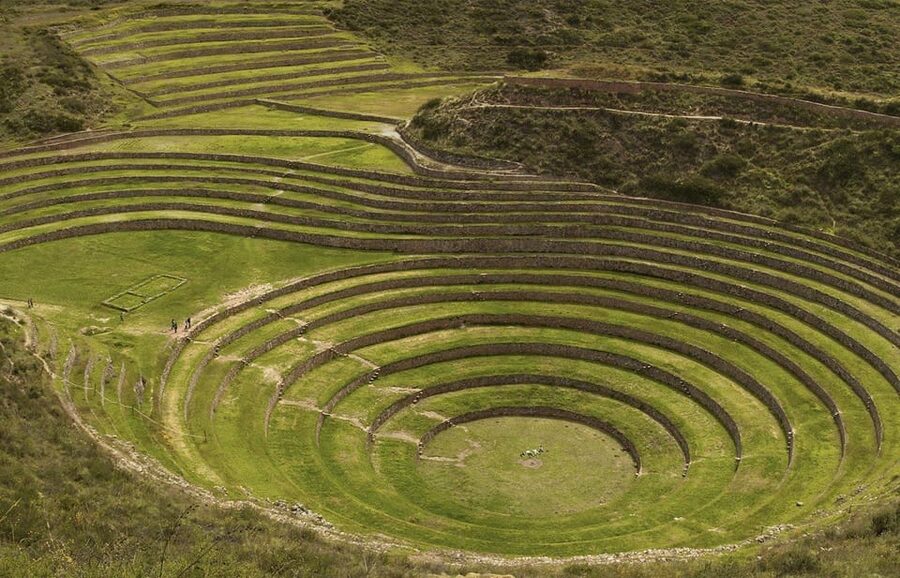
Moray is one of the most unusual stops on the route. Its circular agricultural terraces sink into the ground in broad rings, creating a sight unlike the straight terraces found elsewhere in the Andes.
The site was important during the Inca period, particularly for agriculture. The terraces show how the Inca shaped difficult mountain terrain for food production. The circular form also gives you a clear visual sense of planning and scale, even if you know little about Andean farming.
I like Moray because it is easy to understand at a glance. You do not need a long museum visit to appreciate the design. Still, the guide adds useful context about how the site functioned and why it mattered.
Your time here will be part of a busy morning, so expect a visit rather than a slow walk. If Moray is high on your personal list, a private or slower tour might suit you better. On this outing, its strength is that it gives you a memorable contrast with the other ruins.
Maras brings you to thousands of salt ponds
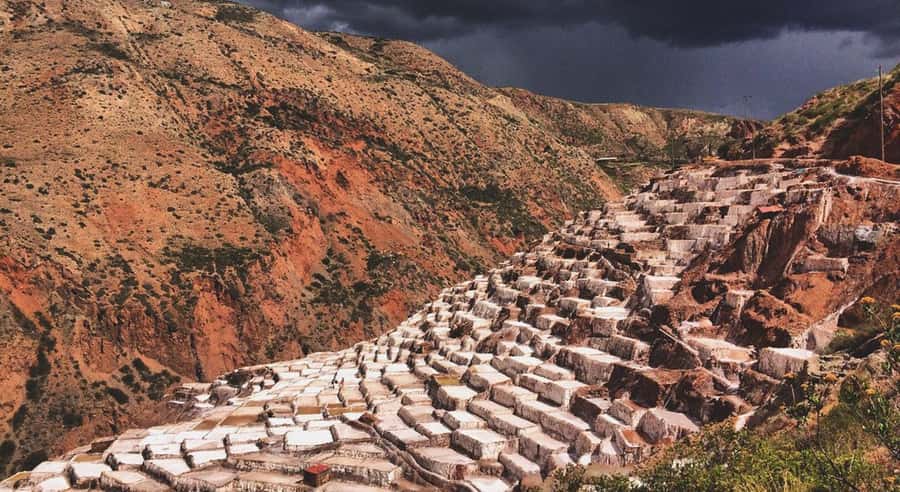
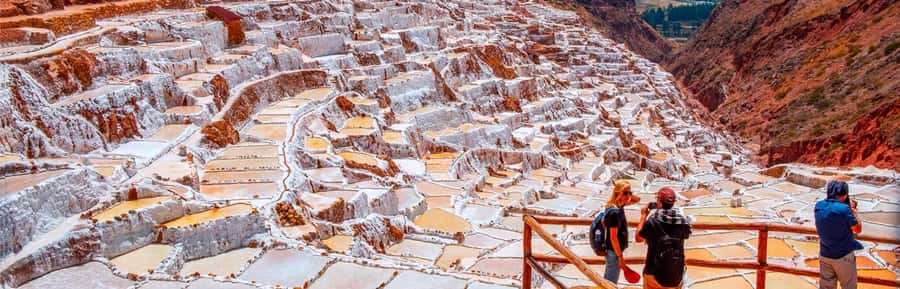
From Moray, the group descends to the Maras Salt Mines. More than 3,000 salt ponds spread across the site, making this one of the most visually distinctive parts of the day. The ponds are tied to a long tradition of salt production, and the salt was used by the Inca population for consumption.
The view is especially striking because the small pools form patterns across the mountainside. This is a place where the setting matters as much as the historical story. Bring your attention to the rows of ponds and the way the site uses the slope.
Maras requires a separate PEN 10 ticket, so keep that extra fee in mind. The stop is not covered by the PEN 70 tourist ticket for the other four archaeological sites.
The salt mines are also one of the places where the schedule may feel short. You will have enough time to see the site as part of the organized route, but this is not designed as an extended visit with a long independent walk. If you prefer to linger, ask how much free time is available before leaving the vehicle.
Same base, a completely different day:
- Machu Picchu: Group Guided Tour
★ 4.7 · 102 reviews - Machu Picchu: Tour Guide Service & Entrance Ticket Circuit-2
★ 4.6 · 90 reviews - Cusco: One Day Tour to Machu Picchu with Train Transfers
★ 4.8 · 28 reviews - Machu Picchu: historical and photographic guided tour
★ 4.9 · 27 reviews
Urubamba supplies a needed lunch break
After Moray and Maras, you continue to Urubamba for a buffet lunch. This is a practical feature of the trip. With a 12-hour schedule, having lunch arranged keeps the group moving and removes the hassle of finding a restaurant in the middle of the valley.
The buffet was praised as excellent, but remember that the meal is included because it serves the group schedule. You may have less choice about timing than you would on an independent day. Still, I see the included meal as a real part of the tour’s value, especially at a $50 base price.
Lunch also breaks up the long chain of archaeological visits. You can eat, reset, and prepare for the two major afternoon stops. Since the day begins early, this pause matters more than it might on a shorter excursion.
Ollantaytambo is the day’s historic centerpiece
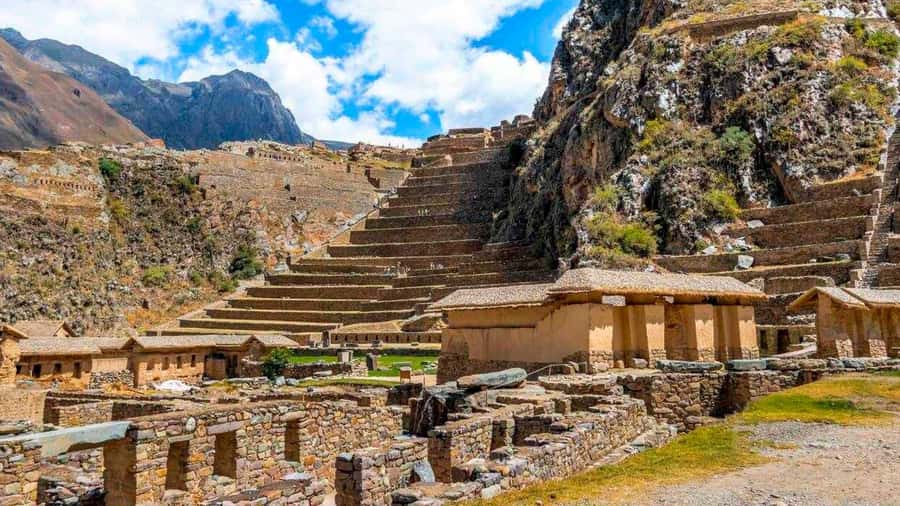
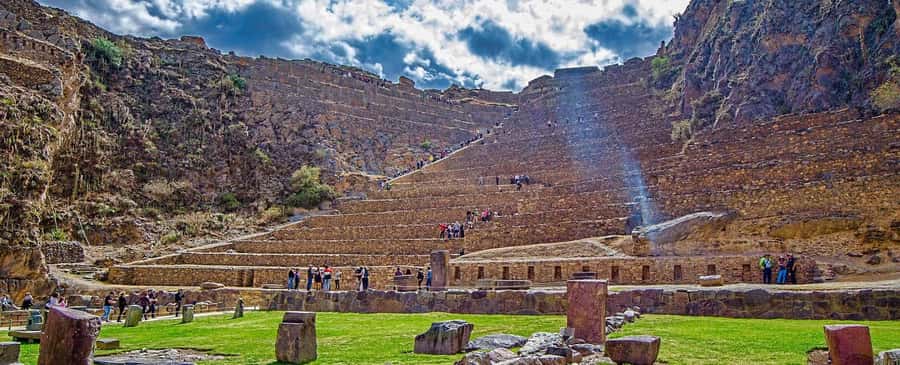
Ollantaytambo is often called the Last Living Inca City, and it is easy to see why this stop carries special weight. You will visit the archaeological center and the town, surrounded by steep mountain scenery. The site combines monumental Inca construction with a town that remains part of daily life.
The polished stone buildings are the main draw. Their scale and precision show the care put into Inca construction, while the setting helps you understand how the settlement fit into the valley. This is not just a collection of isolated ruins. The town and archaeological center belong to the same story.
I would pay close attention here, even if you are beginning to tire. Ollantaytambo is one of the stops where a strong guide can turn a complicated site into a clear one. The tour’s guide, Emil, was specifically praised for explaining the sites and Inca civilization carefully. In a bilingual group, he also repeated the information in English and Spanish so everyone could follow.
That extra language care can affect your day. If your group includes both English and Spanish speakers, explanations may take longer, but the tradeoff is better access to the story. You should expect the schedule to remain structured rather than completely free.
Pisac finishes with a market and hilltop ruins
The final major stop is Pisac, located on the slopes of Intihuatana Hill. The name is associated with the place where the Sun is moored, and the site includes both an indigenous market and an archaeological park.
The market is presented as one of the best places on the route to buy crafts. This is your clearest shopping opportunity, so decide in advance if you want to browse, buy gifts, or simply look around. Prices and quality can vary, and the market stop is part of the tour’s fixed schedule.
After the market, you visit the Pisac archaeological park. The ruins include finely assembled polished stone buildings, giving you another chance to see the skill of Inca masonry. The site’s position on the hill also gives you broad views across the surrounding mountains.
Pisac can be a strong final stop, but fatigue is a factor. By this point you have been out since early morning and have already visited several sites. If shopping is not important to you, use your time to focus on the archaeological park and the views instead.
The craft-shop issue deserves an honest warning
This is not a pure archaeology tour. The textile center at Chinchero and other commercial stops may be part of the day. One negative account described three tourist-trap shops and said the craft demonstrations added little. That is a serious concern if you chose this option specifically to avoid shopping.
The practical question is how much time these stops take. The provided schedule does not state the length of each visit, so I cannot promise that they will be brief. If your main goal is maximum time at Moray, Ollantaytambo, and Pisac, ask the operator about the current shopping schedule before paying.
These visits are not automatically worthless. You might find a useful craft, learn a little about textile production, or enjoy meeting local people. But the value depends on your interests. I would not book this tour assuming it is a shopping-free alternative to cheaper valley buses.
Transport can shape your comfort
The tour uses a small bus, reported as a 17-seat vehicle. That group size is smaller than a large coach, which can make boarding and group movement easier. The downside is limited personal space.
One account specifically criticized the legroom compared with other tours. If you are tall or dislike close quarters, ask about the vehicle before booking. A full day in a cramped seat can make the return to Cusco feel much longer.
The route itself includes several separate stops and road sections, so transport is not a minor detail. You will spend meaningful time in the vehicle between Chinchero, Moray, Maras, Urubamba, Ollantaytambo, and Pisac. The included round-trip transport is convenient, but the comfort level may vary with the vehicle used that day.
The guide carries a first-aid kit and oxygen bottle for emergencies. That is reassuring preparation, though it does not replace sensible pacing and attention to how you feel during a long day.
Who gets the best value from the $50 price
I think the price is strongest for someone with only one free day for the Sacred Valley. You receive transportation, guiding, lunch, and a route that covers five major places. Paying the entry fees separately still leaves the package useful if you would otherwise need to arrange several transfers and meals yourself.
The value is weaker for a visitor who wants depth at each site. You cannot spend an entire morning at Ollantaytambo or linger for hours at Maras when the route includes so many stops. You are paying for range and convenience.
This tour suits you if:
- You want to visit the major Sacred Valley sites in one day.
- You prefer a guide to explain the Inca sites.
- You want lunch and transport arranged.
- You are comfortable with an early start and a return around 7:00 pm.
- You do not mind a possible craft-shopping component.
I would look for another format if you want a quiet day, long independent visits, or a guaranteed shopping-free route. A two-day valley plan would give you more time, but this one-day version is useful when your itinerary is tight.
Booking details worth checking first
Free cancellation is available up to 24 hours in advance for a full refund, and you can reserve now and pay later. Those terms help if your Cusco schedule is still changing.
Before you book, confirm the pickup location, the language of your group, and how much time is allocated to craft centers. Also budget for PEN 80 in entrance fees: PEN 70 for Chinchero, Moray, Ollantaytambo, and Pisac, plus PEN 10 for Maras.
Ask about the vehicle if legroom matters to you. The tour is described as a 17-seat bus, but vehicle comfort can make or break a 12-hour outing.
Should you book Super Sacred Valley?
Book it if you want maximum coverage in one day and accept a fast pace. The route links the valley’s best-known stops, includes lunch and transport, and gives you a guide to connect the sites. Ollantaytambo, Moray, and Maras are the strongest reasons to go, while Pisac adds both shopping and polished Inca stonework.
Do not book it expecting a boutique, slow-moving experience or a guaranteed escape from commercial stops. The small bus may feel tight, and the extra ticket costs push the true price above $50.
My call: this is a practical first look at the Sacred Valley for a time-pressed visitor. Go in with realistic expectations, ask about the shopping stops, and treat the long day as the price of seeing a lot.
FAQ
How long does the Super Sacred Valley tour last?
The tour lasts one full day. Pickup begins at approximately 7:00 am, and you are expected back in Cusco around 7:00 pm.
Which places does the tour visit?
The route includes Chinchero, Moray, the Maras Salt Mines, Urubamba for lunch, Ollantaytambo, and Pisac. At Pisac, you visit both the indigenous market and the archaeological park.
Is lunch included?
Yes. A buffet lunch in Urubamba is included in the tour price.
Are entrance tickets included?
No. The tourist ticket for Chinchero, Moray, Ollantaytambo, and Pisac costs PEN 70. The Maras Salt Mines require a separate PEN 10 ticket.
What languages are available?
The tour provides an English and Spanish-speaking professional guide. Guide Emil has been praised for explaining information in both languages.
Can I cancel the booking?
You can cancel up to 24 hours in advance for a full refund. The activity also allows you to reserve now and pay later.
Just added around Urubamba
- Sun and Moon Tour★ 4.5 · 3 reviews
- San Pedro Wachuma Ceremony in Cusco – Espiritual Tour★ 5.0 · 3 reviews
- Sacred Valley Tour 1 Day★ 5.0 · 3 reviews
- Peru in 5 days: Lima, Cusco, Machupicchu & Rainbow Mountain★ 5.0 · 3 reviews
- Maras Moray★ 5.0 · 3 reviews
- Machupicchu 2025: The best ticket Circuit 2★ 3.5 · 6 reviews
- Machu Picchu: 1-day tour by Vistadome Panoramic train★ 4.7 · 15 reviews
- Half day tour: Maras Salt Mines and Moray Terraces★ 4.5 · 4 reviews
Sacred Valley Tours, compared.
Sacred Valley & Maras Salt Mines Tour with Lunch
Read our review →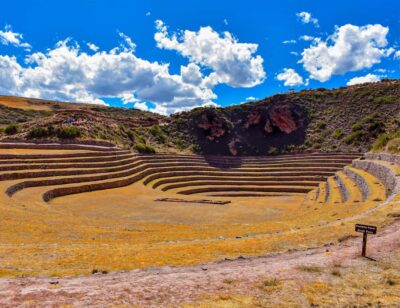
Moray, Maras Salt Mines & Chinchero Weavers Tour
Read our review →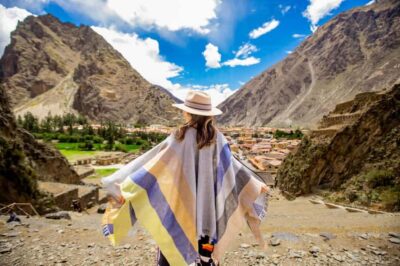
Sacred Valley, Pisac, Ollantaytambo, Salt Mines Moray
Read our review →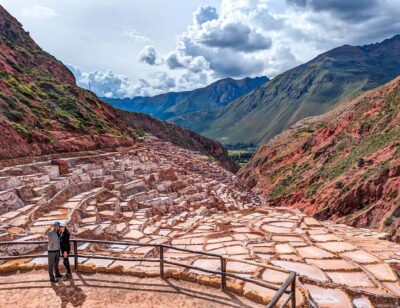
Chinchero,Moray & Salt Mines drop-off in Ollantaytambo
Read our review →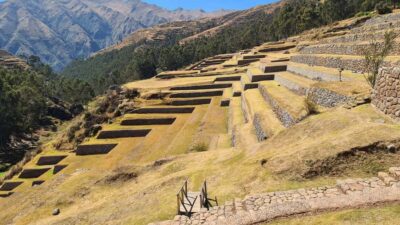

Pisac Indian Market and Ollantaytambo Fortress with Lunch
Read our review →
Browse the lists this tour appears in