
Reviewed · SACRED VALLEY TOURS
Cusco:Sacred Valley Pisaq,Ollantaytambo,Chinchero with Lunch
The best thing about this Sacred Valley day trip is how much Inca history and living Andean culture it puts within reach for $28. You see Pisac, Ollantaytambo, and Chinchero, with mountain views, market time, a buffet lunch, and a weaving demonstration in one long day.
I like the strong guides, especially Julio, Nora, and Eddy, who explain the stones and stories clearly in both English and Spanish. I also like the useful Ollantaytambo drop-off, which can save you a separate ride if you are heading to the train station. The tradeoff is simple: this is a full 10.5-hour outing, and less than an hour at Pisac and Ollantaytambo may feel short if you want a slow, detailed visit.
Key points
- Three major Sacred Valley stops: Visit Pisac, Ollantaytambo, and Chinchero, each with a different mix of ruins, town life, and Quechua tradition.
- A good-value lunch: The Urubamba buffet is included and may feature Peruvian dishes, ceviche, and live music.
- A practical train connection: Leave the tour in Ollantaytambo around 3:00 pm at the station or main square.
- Natural dyes and Andean textiles: See how plants are used to color wool at a Chinchero weaving workshop.
- A long but efficient day: Expect mountain roads, walking, stairs, and a return to Cusco around 6:30 pm.
- Bring 70 soles: Entrance fees for the archaeological sites are not included.
Three Inca centers in one long day
The Sacred Valley is not one single attraction. It is a string of towns, farming terraces, temples, markets, and mountain roads spread along the Vilcanota River valley. This tour gives you a broad first look at three of its best-known stops without requiring separate transport between them.
That broad coverage is the main reason to choose it. Pisac gives you ruins and market stalls. Ollantaytambo gives you massive stonework and an Inca town that still functions as a living settlement. Chinchero adds a colonial church, terraces, and textile traditions carried on by local Quechua communities.
You pay $28 per person, which is a low price for a full day with hotel pickup, transport, a bilingual guide, and lunch. You still need to budget 70 soles for the partial Cusco Tourist Ticket that covers the archaeological sites. Even with that added cost, the package makes sense if you want to see several major places in one day.
The main compromise is pace. You spend time on the road, and the schedule has to keep moving. This is not the tour for sitting quietly in Ollantaytambo for half a day or studying every terrace at Pisac. It is a practical introduction, especially early in a Cusco visit.
Other days through the Sacred Valley from Peru:
- From Cusco: Chinchero, Moray, Maras and Ollantaytambo
★ 4.5 · 83 reviews - from Urubamba & Ollantaytambo:Sacred Valley Full-Day Private
★ 4.9 · 31 reviews - From Cusco: Chinchero, Moray, Maras, Ollantaytambo, Pisaq
★ 4.9 · 20 reviews
Mountain views and the Taray lookout
Pickup is available from the historic center of Cusco, with hotel pickup arranged when selected. The first ride takes about 45 minutes through the mountains toward the Sacred Valley. That transfer is not wasted time. It gives you a quick change from Cusco’s high-altitude city setting to the warmer, broader valley below.
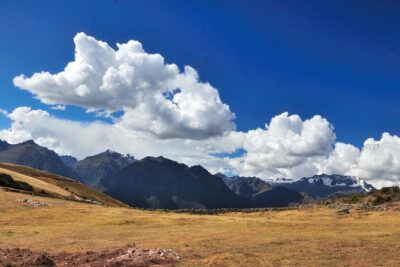
The planned stop at the Mirador de Taray is brief, around 10 to 15 minutes. You get time for panoramic photographs and a quick look at the valley’s scale. The stop can depend on the day’s timing, so treat it as a useful bonus rather than the main reason to book.
Take water, sunscreen, and a camera. The highland sun can feel strong even when the air is cool, and the day includes outdoor stops at several exposed archaeological sites. Comfortable shoes matter more than stylish ones. You will walk on uneven ground and climb steps.
Pisac: ruins above the market town
Pisac combines two very different experiences. The archaeological site sits above the town, while the market below focuses on textiles, souvenirs, and local crafts. The tour visits the ruins and then takes you to the market by bus.
At the site, your guide points out temples, homes, altars, water channels, carved stone, tunnels, and farming terraces. The Intiwatana, a carved stone associated with the sun, is one of the notable features. The site also includes what is described as the largest known Inca cemetery, with more than 2,000 tombs.
That last detail helps explain why Pisac deserves more than a quick photo stop. It was not simply a small ceremonial ruin. The buildings, agricultural works, burial area, and position above the valley show how many parts of Inca life were tied together.
The available visit time is about one hour. Your guide gives you the story first, then you have some time to look around on your own. This arrangement works well if you want the main points without a private guide’s higher price, but it can feel tight if you walk slowly or want to photograph every terrace.
The market adds a different note. You can browse woven goods and other Andean crafts after the ruins, but the stop is also part of the commercial side of Sacred Valley tourism. You can look without buying. A local market visit is useful for seeing the region’s craft traditions, but shoppers who want a quiet, highly local market may prefer extra time in Pisac on another day.
Urubamba lunch and the middle of the day
After Pisac, the bus takes about an hour to Urubamba for lunch. This is a sensible break in a demanding schedule. You can sit down, eat, and reset before the afternoon visit to Ollantaytambo.
The included meal is buffet style. Dishes are described as Peruvian, with a separate ceviche area, and some departures include live music. The food has been one of the tour’s strongest value points, and the quality appears to be better than the bare-bones meal often attached to a budget day trip.
Do not read the lunch inclusion as a reason to skip breakfast. Pickup and the first sightseeing stops begin the day, and the outing lasts until evening. A little water and a small snack in your day bag are sensible, even with lunch provided.
The one-hour lunch stop also gives you a chance to use facilities and check your belongings. Keep the afternoon schedule in mind, since the group needs to leave on time for Ollantaytambo.
Same base, a completely different day:
- Cusco: Humantay Lake Tour with Breakfast and Buffet Lunch
★ 4.9 · 2,976 reviews - From Cusco: Sacred Valley & Maras Salt Mines Tour with Lunch
★ 4.8 · 2,227 reviews - From Cusco: Moray, Maras Salt Mines & Chinchero Weavers Tour
★ 4.8 · 1,925 reviews - From Lima: Paracas and Huacachina Oasis Full Day Guided Tour
★ 4.7 · 1,780 reviews
Ollantaytambo and the Sun Temple
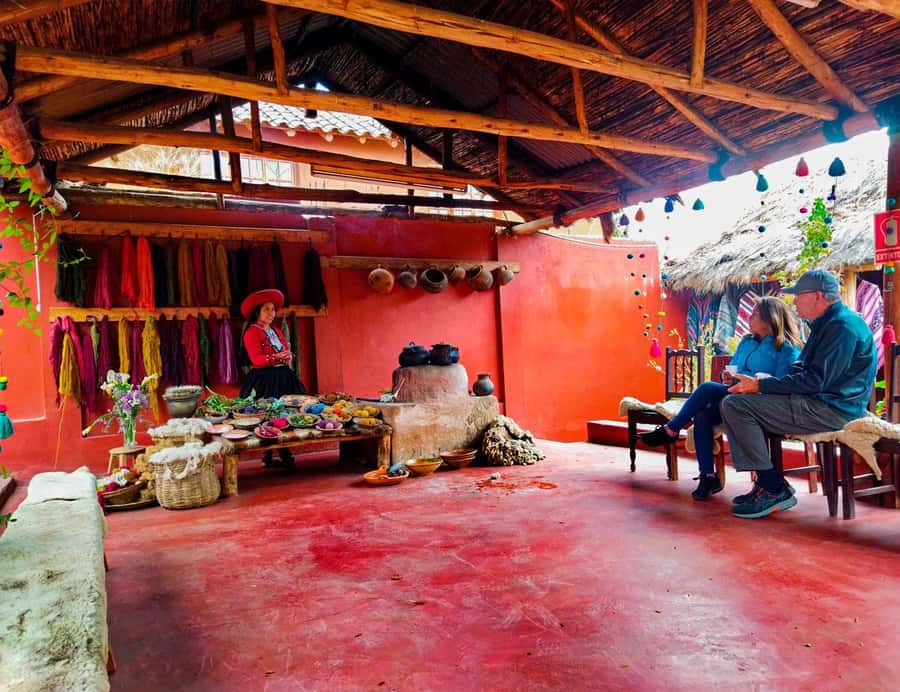
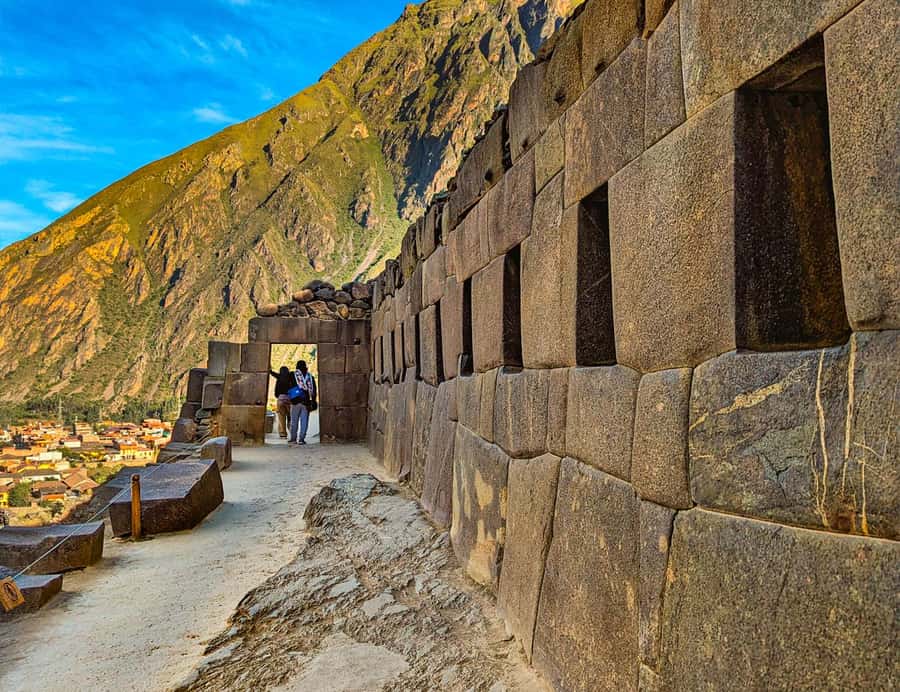
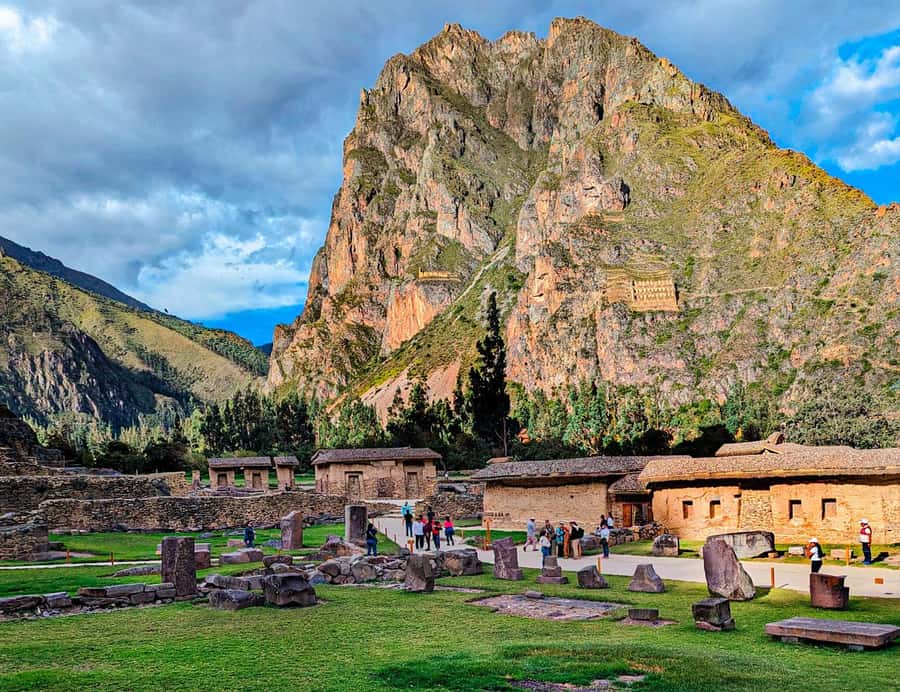
Ollantaytambo is the most dramatic stop for many people. The town is surrounded by sacred mountains and retains an Inca street plan, while the archaeological site rises above it on a steep hillside.
The site served several purposes: military stronghold, farming center, and religious place. At the top, the Sun Temple area shows large stone blocks, carved surfaces, terraces, and long flights of steps. The setting helps you understand its strategic value. From the higher levels, you can see across the valley and toward the mountains that frame the town.
Ollantaytambo also has a notable role in the Spanish conquest. It was one of the few places where Inca forces defeated the Spanish in battle. That story gives the ruins more weight than a simple collection of impressive walls.
The organized visit lasts about an hour, including a guided explanation, photographs, and some walking. This is enough to understand the site and see its main features, but not enough for a leisurely climb with long pauses. Several people who enjoyed the tour still wanted extra time here. I agree with that assessment: Ollantaytambo is the stop most likely to leave you wishing for another hour.
The optional drop-off changes the value calculation. You can leave around 3:00 pm at the train station or main square instead of returning to Cusco. This is handy if you are continuing to Machu Picchu by train, though you should confirm your own train timing and meeting point before booking. The tour’s main route continues to Chinchero and then back to Cusco, so you cannot combine the Ollantaytambo drop-off with the final Chinchero visit.
Chinchero: church, terraces, and Quechua textile work
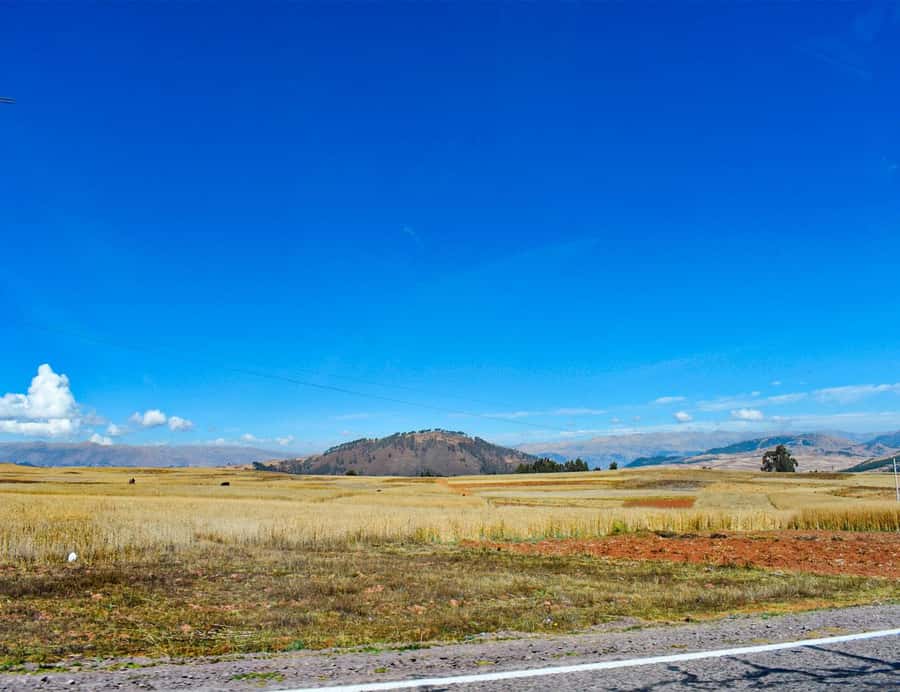
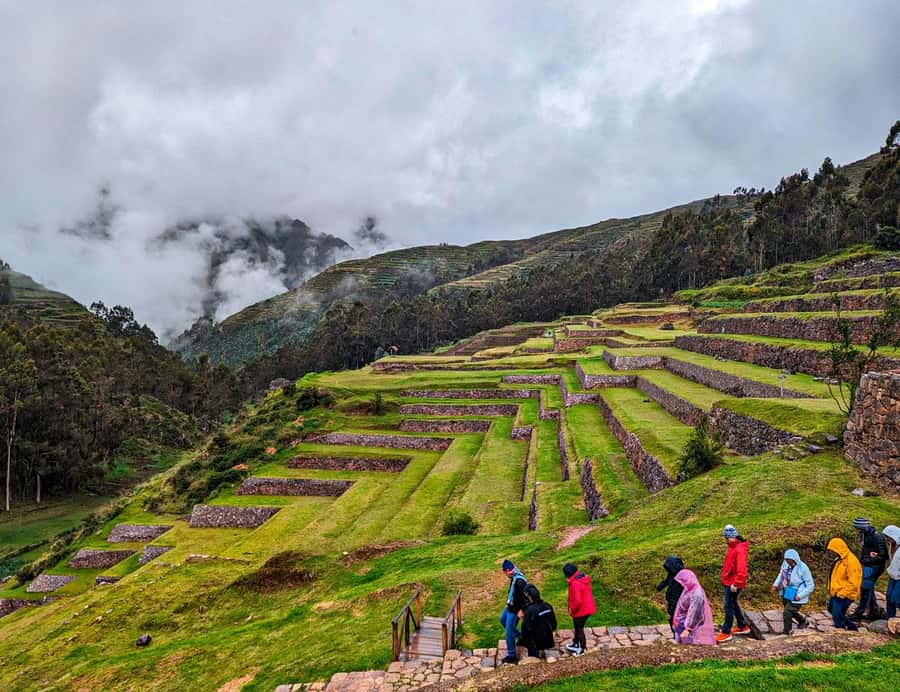
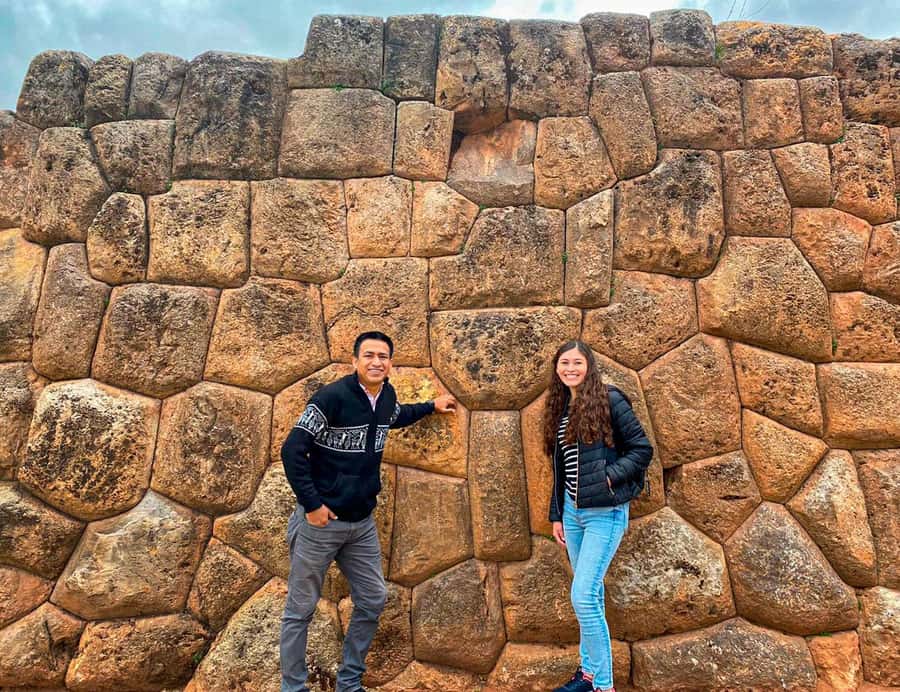
Chinchero offers a different kind of stop. The archaeological area includes terraces and altars, and the town has a beautiful colonial church. The visit links Inca foundations with later Spanish religious architecture, making it a useful place to see how layers of Peruvian history occupy the same ground.
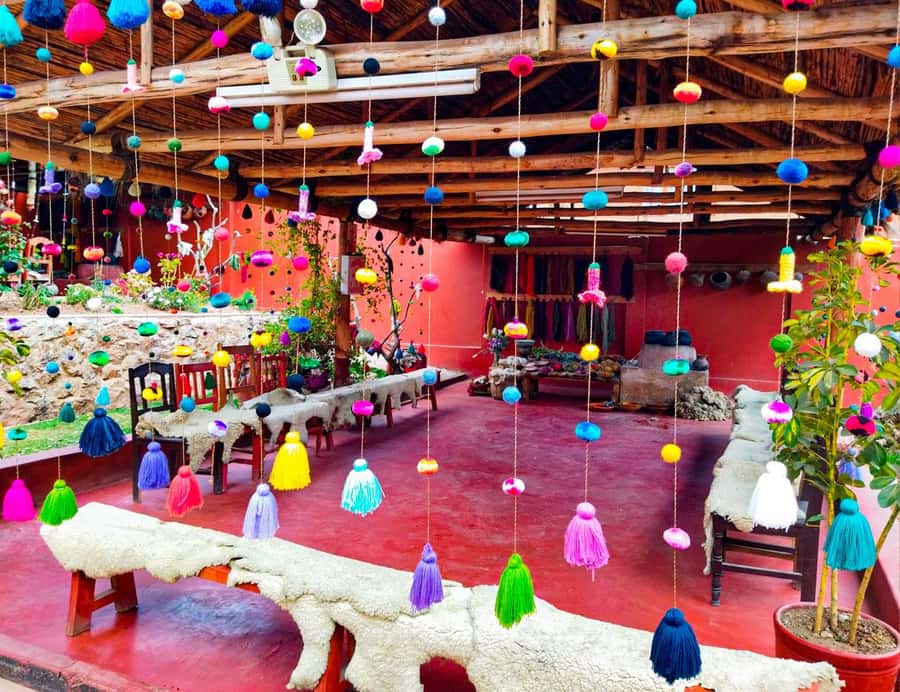
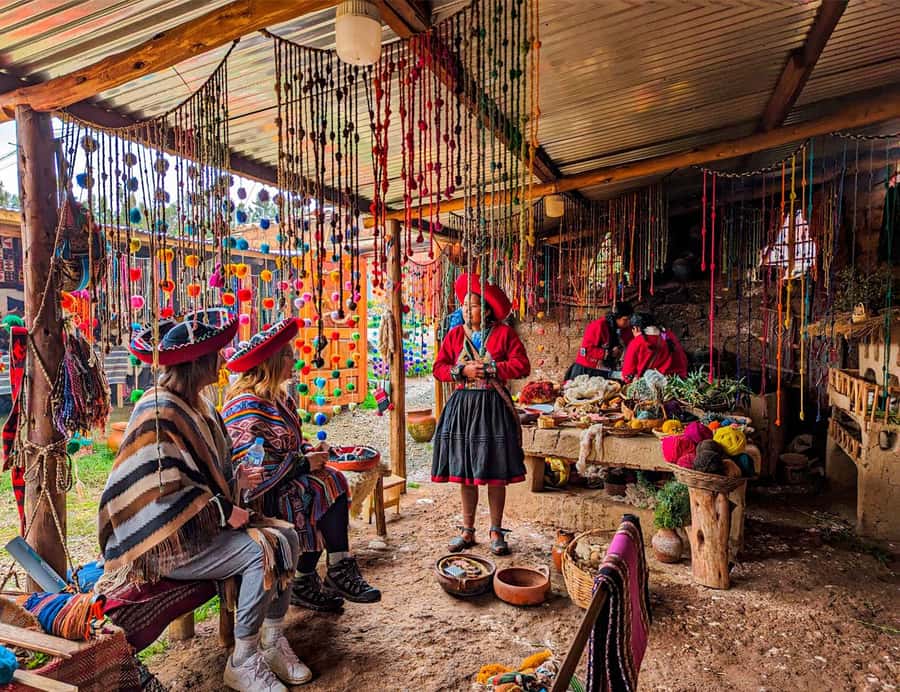
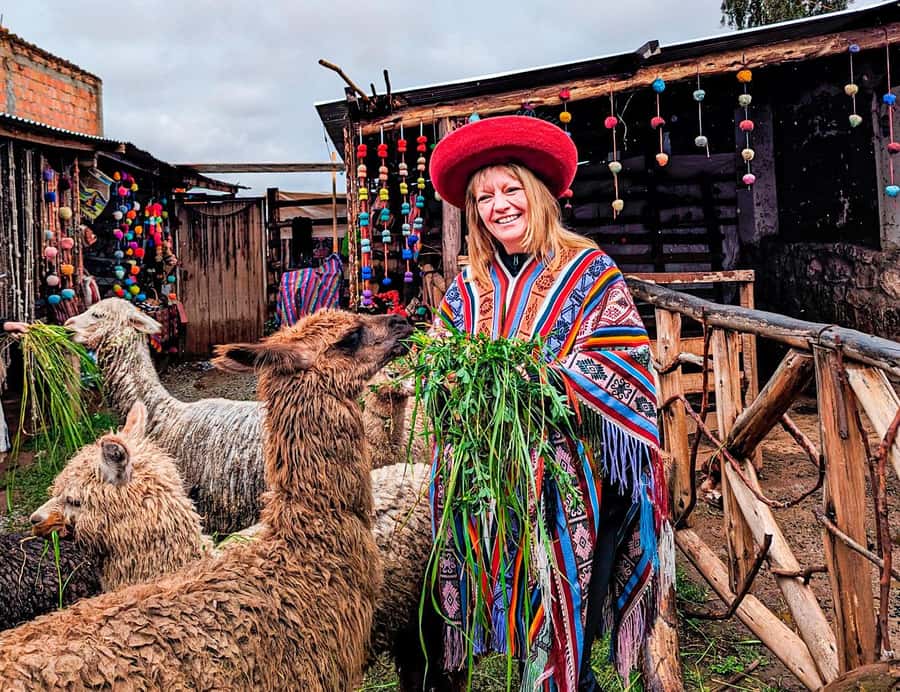
The final workshop visit focuses on Andean textiles. Local people demonstrate how natural dyes are made from plants and explain practices connected to Quechua culture. You may also have the chance to pose for photographs in traditional Andean clothing.
This part is not just shopping. You see a living craft process and learn how color comes from local plant materials. The workshop does have a commercial purpose, and you may be invited to browse or buy finished goods. The choice is yours, and the available information indicates that there is no pressure to purchase.
For some people, this will be the most personal part of the day. Chinchero connects the stone sites with present-day communities that still use Quechua traditions. For others, the workshop may feel like time that would be better spent at Pisac or Ollantaytambo. One useful caution: if you take another tour with the same operator, check the route carefully, since a similar weaving collective may appear on more than one excursion.
Guides, transport, and the rhythm of the day
The guide can make or break a schedule this full. The strongest names associated with this experience include Julio, Nora, Eddy, Manuel, and Reidher. Julio is praised for passionate storytelling and for answering questions without losing the group’s pace. Nora is noted for moving smoothly between Spanish and English, while Eddy is known for clear explanations and a friendly, energetic manner.
That matters because the ruins can look like piles of stone if nobody explains the purpose of the buildings, channels, terraces, and altars. A good guide turns the route into a connected story rather than a series of photo stops.
The tour is available as a private or small-group experience, with Spanish and English guiding. If you join a bilingual group, expect the guide to repeat key points in both languages. That can add time, but a well-run tour keeps the explanations balanced. One strong feature is that the guide usually gives clear instructions for meeting points and departure times, which is important when you are exploring independently.
Transport is by bus or coach, and the ride is a real part of the day. You will spend time on mountain roads between stops. The bus has been described as comfortable, and a smooth driver makes the winding route easier, but bring something to read or listen to if you do not enjoy long drives.
The schedule ends in Chinchero, followed by about an hour back to Cusco. Arrival is expected around 6:30 pm at Plaza Regocijo. Traffic and road conditions can affect exact timing, so avoid booking a tight evening activity immediately afterward.
Who should book this Sacred Valley tour?
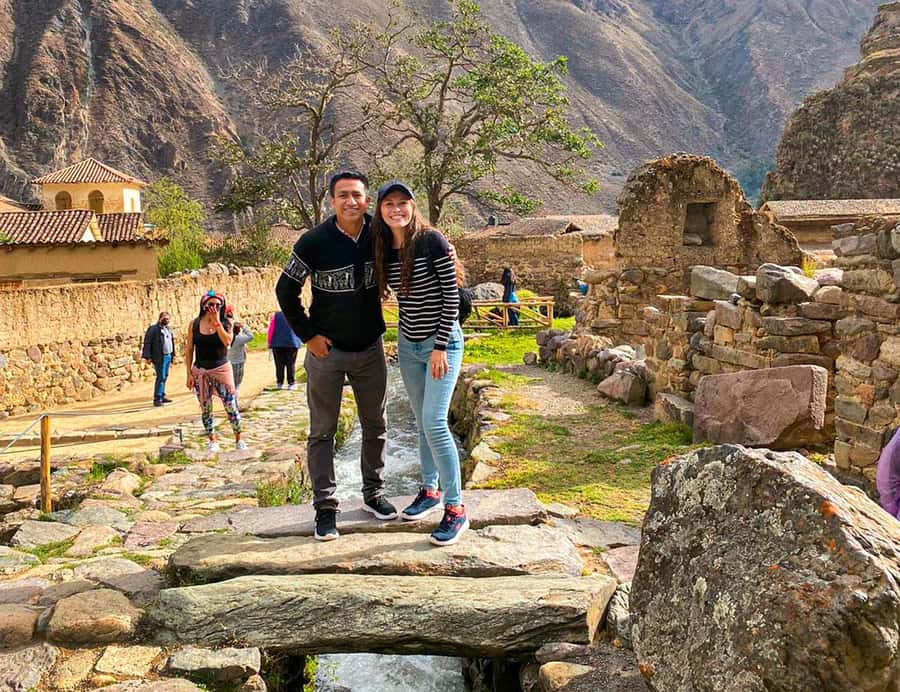
I would choose this tour if you are staying in Cusco for a short time and want a strong overview of the valley without arranging several separate rides. It also suits you if you want a guide to explain the sites, prefer an included meal, and like mixing famous ruins with craft traditions.
It is particularly useful before a Machu Picchu trip. The Inca sites here are not substitutes for Machu Picchu, but they give you helpful context about terraces, stonework, religious spaces, and settlement planning. If your next stop is Ollantaytambo, the optional drop-off is a practical advantage.
This tour may not suit you if you dislike group schedules or want long, quiet visits. The route covers a lot, but Pisac and Ollantaytambo deserve more time than the standard schedule allows. A private tour or separate day in the valley would give you more control, though likely at a higher cost.
Wear walking shoes, bring water and sunscreen, and carry 70 soles for the archaeological entrance ticket. Dress for changing temperatures, since the day moves between Cusco’s highland setting, open ruins, and the warmer valley.
The cancellation policy allows a full refund when you cancel at least 24 hours ahead, and reserve-now, pay-later booking keeps your plans flexible. Those are useful safeguards when your Cusco schedule depends on weather, altitude, and train arrangements.
Should you book it?
Book this tour if value and coverage matter more to you than a slow pace. For $28, you get transport, hotel pickup, a bilingual guide, three major cultural stops, a textile workshop, and a surprisingly substantial buffet lunch. The guides, especially Julio, Nora, and Eddy, receive the strongest praise for clear storytelling and friendly handling of mixed-language groups.
Skip it in favor of a private or slower itinerary if you already know you want extensive time at the ruins. For most first-time visitors with limited days in Cusco, though, this is a smart way to see the Sacred Valley’s essential highlights in one organized day.
FAQ
How long does the Sacred Valley tour last?
The activity lasts about 630 minutes, or 10.5 hours. It concludes in Cusco at approximately 6:30 pm, followed by the return drive from Chinchero.
What places does the tour visit?
The route includes the Mirador de Taray when time permits, the Pisac archaeological site and market, Urubamba for lunch, Ollantaytambo, Chinchero, and a Chinchero weaving workshop.
Is lunch included?
Yes. A buffet lunch in Urubamba is included. The buffet may include Peruvian dishes and a ceviche area, and live music may be part of the meal.
Are archaeological entrance fees included?
No. You need the Cusco Partial Tourist Ticket, listed at 70 soles, to enter the archaeological sites.
Can I leave the tour in Ollantaytambo?
Yes. An optional drop-off is available at the Ollantaytambo train station or main square at around 3:00 pm.
What languages are available?
The live guide service is available in English and Spanish. Private and small-group options are also available.
Where does the tour begin and end?
Pickup is available from the historic center of Cusco, including hotel pickup when selected. The standard return point is Plaza Regocijo in Cusco.
What should I bring?
Bring comfortable walking shoes, water, sunscreen, and a camera. Wear clothing suitable for walking and changing conditions during a full day outdoors.
Is the tour available with free cancellation?
Yes. You can cancel up to 24 hours in advance for a full refund. Reserve-now, pay-later booking is also available.
Just added around Peru
- “Waqra Pucara, The Majestic Fortress Revealing Secrets of the Andes”.★ 3.5 · 8 reviews
- Adventure Day in Arequipa: Pillones Waterfall + Rock Forest★ 4.2 · 25 reviews
- From Nazca: Cahuachi Pyramids Tour and Textile Workshop★ 4.8 · 21 reviews
- From Arequipa: Pillones Waterfall and Stone Forest Day Trip★ 4.4 · 15 reviews
- From Cusco: Chinchero, Moray, Maras, Ollantaytambo and Pisaq★ 4.6 · 11 reviews
- From Cusco: Sacred Valley ending in Ollantaytambo and Lunch★ 4.3 · 36 reviews
- From Nazca: Chauchilla Cemetery Tour and Artisans Workshop★ 4.9 · 20 reviews
- From Ollantaytambo:Moray, Salt Mines, Chinchero end in Cusco★ 5.0 · 42 reviews
Sacred Valley Tours, compared.
Sacred Valley & Maras Salt Mines Tour with Lunch
Read our review →
Moray, Maras Salt Mines & Chinchero Weavers Tour
Read our review →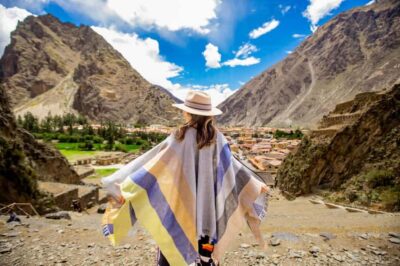
Sacred Valley, Pisac, Ollantaytambo, Salt Mines Moray
Read our review →
Chinchero,Moray & Salt Mines drop-off in Ollantaytambo
Read our review →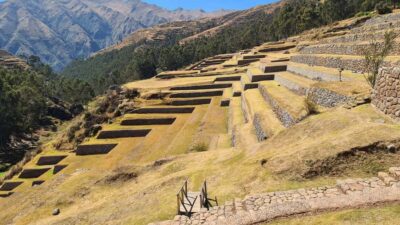

Pisac Indian Market and Ollantaytambo Fortress with Lunch
Read our review →
Browse the lists this tour appears in