
Reviewed · MACHU PICCHU TOURS
Machu Picchu: Group Guided Tour
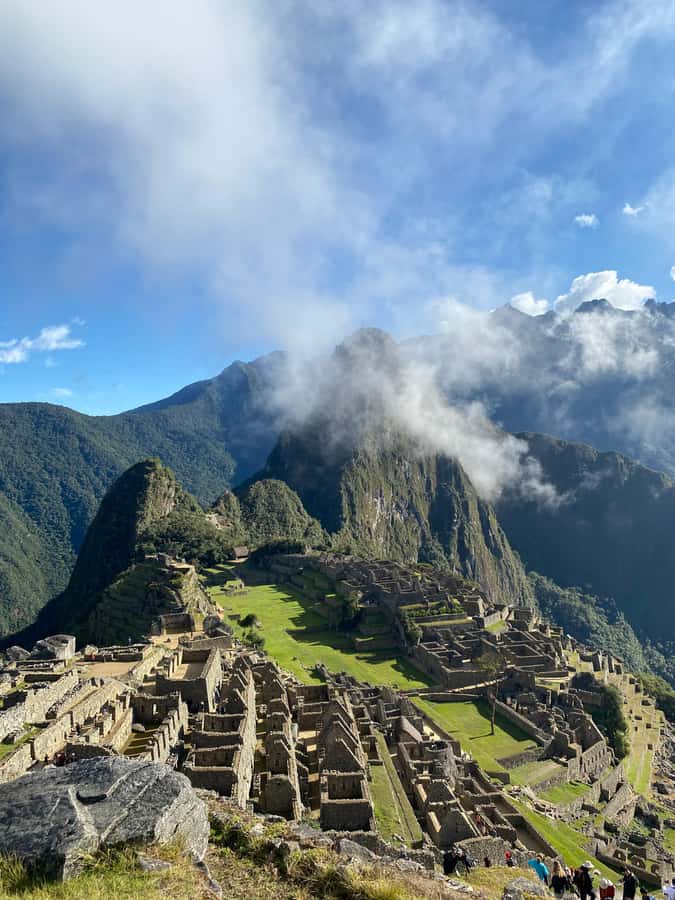
The most useful feature here is the combination of site interpretation and photography. Guides such as Eric, Julio, Gregory, Elvis, and others explain the temples, engineering, and Inca culture, then help you find strong viewpoints and poses for photos. I like the local Andean connection and the use of photo books to make old walls and vanished structures easier to understand.
I also like the small-group limit of 10 and the patient pace praised across the feedback. The main catch is cost planning: the $30 guide fee does not include the 152 soles Machu Picchu entry ticket or the $24 round-trip bus, and your exact route depends on the circuit printed on your ticket.
Key points to know before booking
- Meet in Plaza Manco Capac: Look for the large tag marked ERIC in Aguas Calientes.
- Guides vary by date: Ericson organizes the experience, with guides including Eric, Julio, Gregory, Elvis, Carlos, Andre, Fred, and others.
- Photography is a real part of the tour: Guides take photos and videos using your phone or theirs, and help with viewpoints and posing.
- Small groups keep questions manageable: The maximum group size is 10 people.
- Allow up to three hours inside: The visit includes the upper viewpoints, main platforms, temples, palaces, and commoners’ houses.
- Budget for the extras: Entry and bus tickets are separate, as are food and drinks.
Why the photo help matters at Machu Picchu
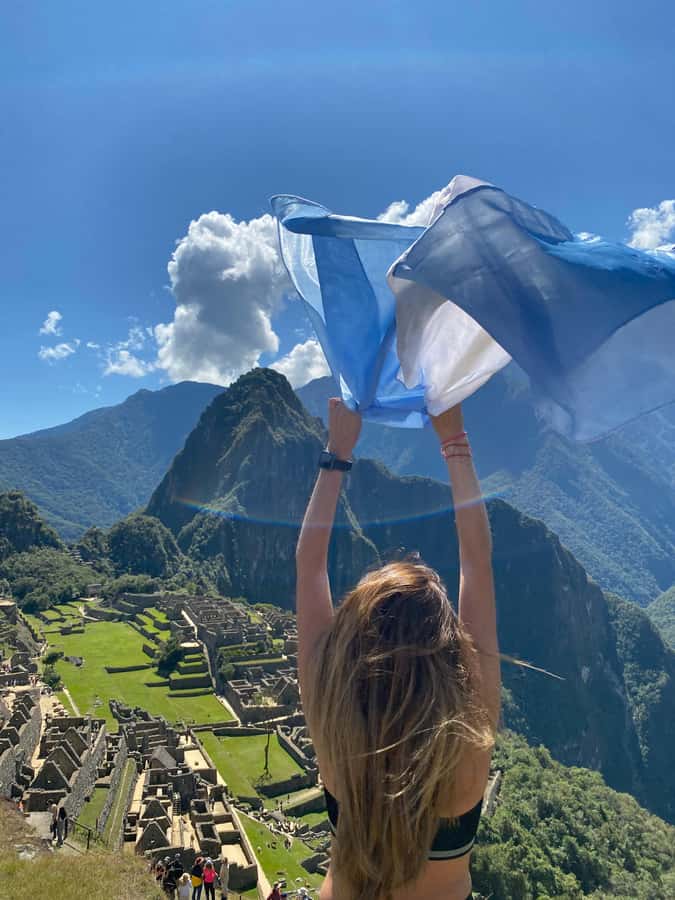
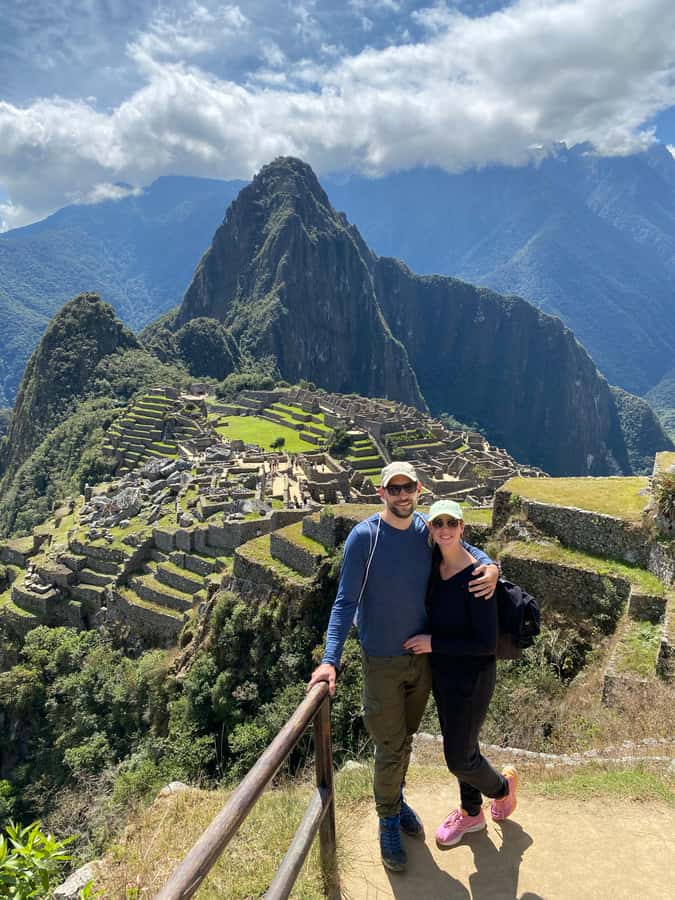
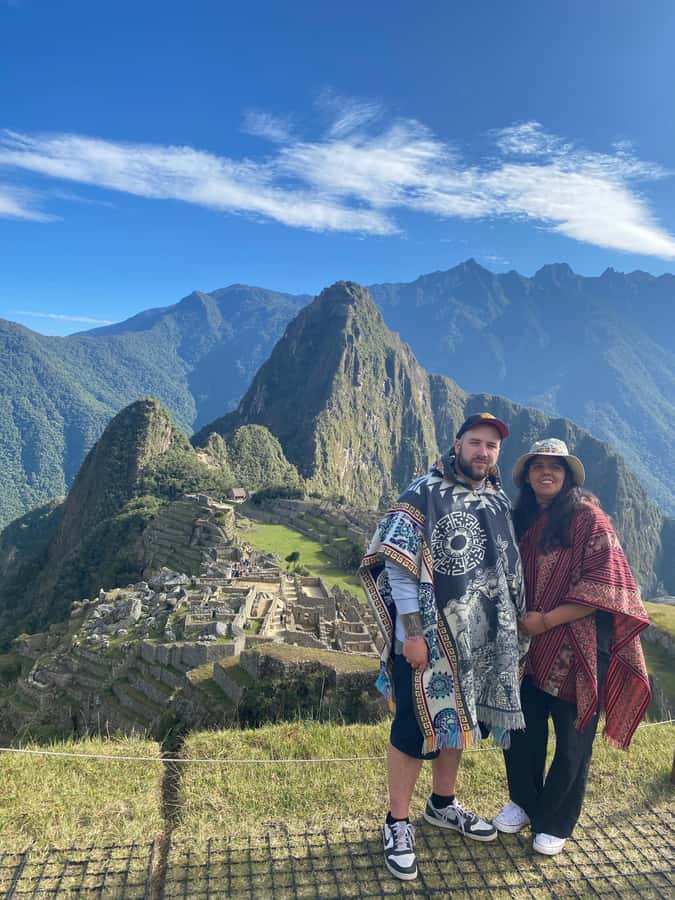
Machu Picchu is one of those places where the standard postcard view is only half the job. You may have the right mountain behind you but still need someone to frame the shot, find a clear angle, or take the picture without cutting off the ruins. This tour makes photography part of the plan rather than an afterthought.
The guides use their own phones or your phone to take photos and videos. That is useful for couples and families, since nobody has to keep asking another visitor to take a quick picture. The feedback repeatedly points to strong photos, helpful posing, and postcard-style results, with Eric, Julio, Andre, Carlos, Emerson, and others receiving special praise for this skill.
I would still clarify the photo arrangement before you begin. The included service says professional photos, but it does not promise a separate camera, edited files, or a fixed number of images. Think of it as skilled photo help with phones, not a formal studio session.
The timing also matters. The photo stop comes near the main platforms, after the short uphill walk from the entrance. You get your classic views early, then spend the rest of the visit looking at the site with less pressure to stop at every viewpoint later.
Other ways up to Machu Picchu from Peru:
- Machu Picchu: Tour Guide Service & Entrance Ticket Circuit-2
★ 4.6 · 90 reviews - Cusco: One Day Tour to Machu Picchu with Train Transfers
★ 4.8 · 28 reviews - Machu Picchu: historical and photographic guided tour
★ 4.9 · 27 reviews
Meeting in Aguas Calientes and reaching the entrance
The meeting point is Plaza Manco Capac, the main plaza in Aguas Calientes. Look for the large ERIC sign. Hotel or train-station pickup is included, so the team can help connect you with the meeting point. In one especially useful arrangement, a staff member helped with the bus line while the guide met the group after the bus arrived at Machu Picchu.
That division of duties can make the morning easier. The bus queue and entrance process are separate from the guided interpretation, and a person helping with logistics lets your guide focus on the actual visit. Still, confirm your meeting time carefully. The experience requires a specific pickup time, and the bus ride is not included in the tour price.
At the entrance, you show your passport or ID and your Machu Picchu ticket. Bring the same identification used for your booking. You also need the admission ticket itself, which costs 152 soles according to the supplied details. The guide does not provide that ticket as part of the $30 fee.
The bus ticket is another major expense. The listed price is $24 for going up and down from Machu Picchu. Meals and drinks are also on your own. The $30 price is therefore best viewed as a modest fee for a live guide and photo assistance, not as the total cost of visiting the site.
The first 10 minutes: uphill to the main platforms
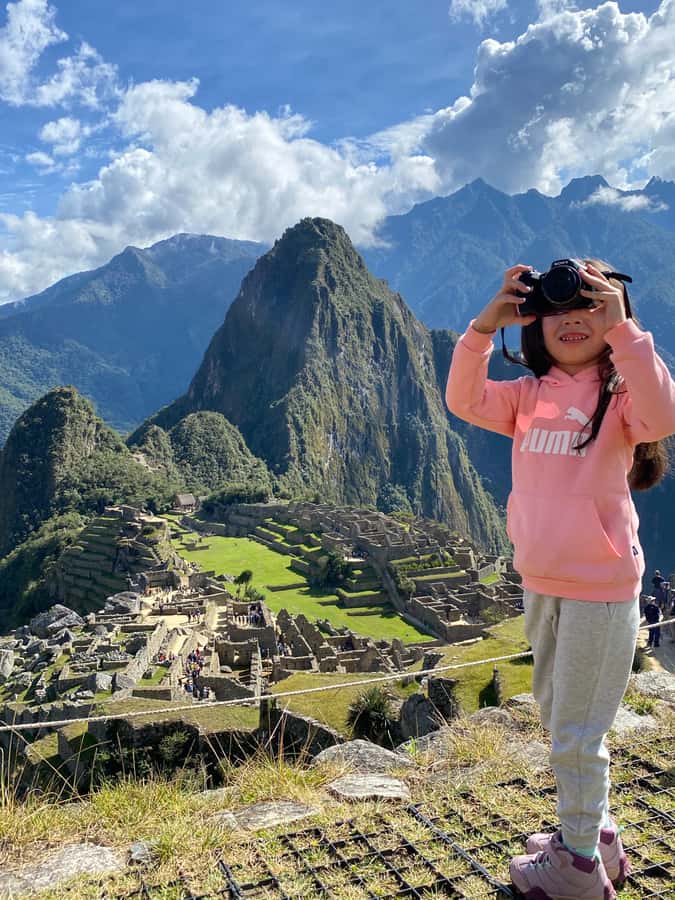
Once inside, the group walks uphill for about 10 minutes to the highest point allowed by its circuit. This is where you begin to see the famous terraces, stonework, and mountain setting in one broad view.
The route is controlled by the ticket circuit, so the exact order of sights is not entirely flexible. That is important if you have a strong preference for a particular section of Machu Picchu. The tour description refers to several major areas, but the guide can only take you where your ticket permits.
This opening climb is short, but it sets the pace for the day. You should wear practical shoes and bring your passport or ID. A wheelchair-accessible option is advertised, but the description also includes an uphill walk and movement through the citadel. If you need a fully step-free route, contact the provider before booking and ask which circuit and meeting plan fit your needs.
At the upper platforms, your guide helps with photos. This is likely the best time to capture the wide view before you get absorbed in the stone buildings and narrow paths. You can also ask the guide to take pictures with your own phone, which saves time transferring images later.
Seeing Machu Picchu through a local guide
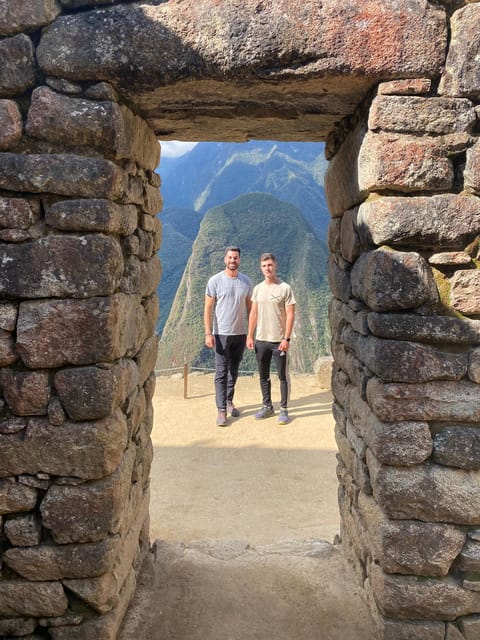
After the photo session, the tour moves into the citadel. The visit lasts about two and a half to three hours, depending on the route and group pace. The guide explains the site from corner to corner, linking the buildings to Inca engineering, daily life, ceremonies, and the wider setting.
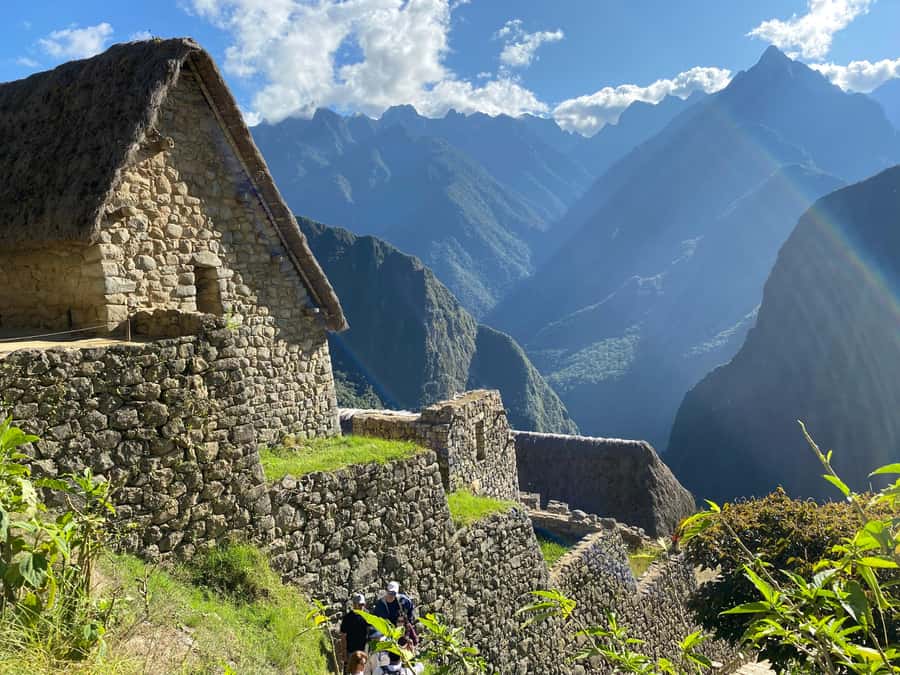
The guides studied Machu Picchu archaeology and history at a university in Cusco. That background is useful because Machu Picchu can look like a beautiful pile of stone if no one explains what you are seeing. The tour also uses books and historic photos as visual aids, which can help you picture missing structures or compare the present ruins with earlier images.
The strongest pattern in the feedback is clear explanation. People describe Eric, Julio, Gregory, Elvis, Fred, Erick, William, Roberto, Juan, and other team members as patient, friendly, and easy to understand. English ability is often singled out, while Spanish and Portuguese are also available. You should confirm your preferred language at booking if it matters to you.
I especially like the reported balance between information and breathing room. A guide who talks nonstop can turn a great place into a classroom. Here, the stated approach leaves time for questions, photos, and simply looking. That suits you if you want context but do not want every minute filled with a lecture.
Same base, a completely different day:
- Cusco: Humantay Lake Tour with Breakfast and Buffet Lunch
★ 4.9 · 2,976 reviews - From Cusco: Sacred Valley & Maras Salt Mines Tour with Lunch
★ 4.8 · 2,227 reviews - From Cusco: Moray, Maras Salt Mines & Chinchero Weavers Tour
★ 4.8 · 1,925 reviews - From Lima: Paracas and Huacachina Oasis Full Day Guided Tour
★ 4.7 · 1,780 reviews
Temples, palaces, and everyday Inca life
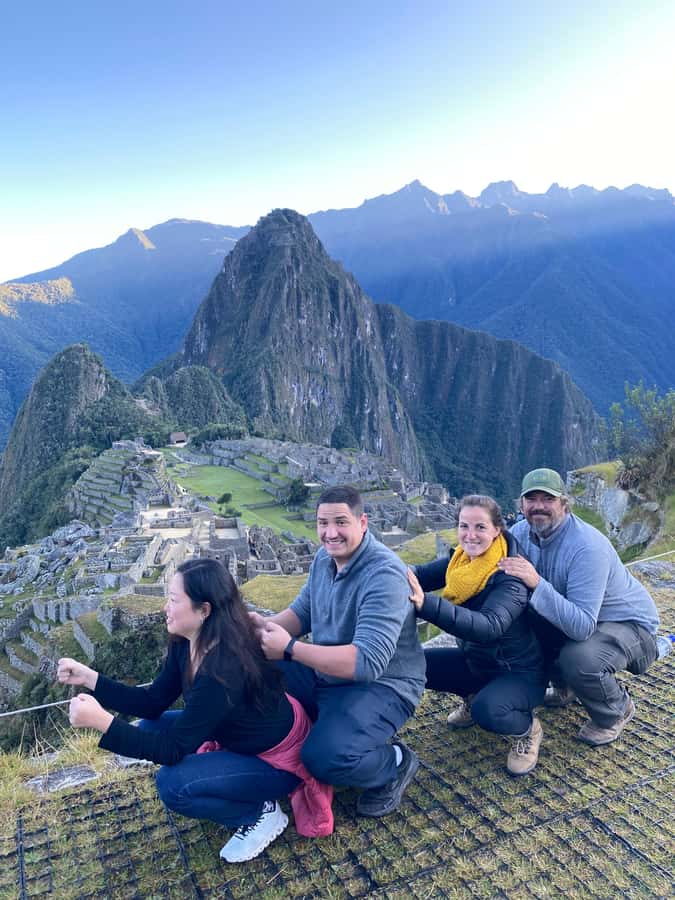
The itinerary includes several of Machu Picchu’s best-known structures. Each one adds a different piece to the story.
The Temple of the Three Windows is a natural place to discuss stone construction and the role of openings, views, and ceremonial buildings. Your guide can point out details that are easy to miss when you are moving through with only a camera.
The Main Plaza gives you a sense of how the site was organized. It helps connect the ceremonial and residential parts of the complex, instead of treating each building as an isolated photo stop.
The Sacred Rock is another key landmark. It offers a chance to discuss the way the Incas used the surrounding mountains and natural forms in their planning. The rock is also an attractive photo location, although your ability to stop and frame the shot depends on the traffic and the circuit rules.
The Condor Temple brings the site’s carved stone and natural imagery together. A guide is especially valuable here because the shape is not immediately obvious from every angle. The explanation gives the place more meaning than a quick glance can provide.
The tour also visits palaces and the houses of commoners. This is one of the better reasons to take a guide. Grand ceremonial buildings draw attention, but ordinary residential areas help you think about who lived and worked at Machu Picchu. The contrast between elite spaces and everyday housing makes the site feel less like a monument and more like a functioning community.
The exact access to every listed place depends on your circuit. The description names these features, but it does not guarantee identical routing for all ticket types. Ask your guide at the start which areas your ticket includes.
What the three-hour format does well
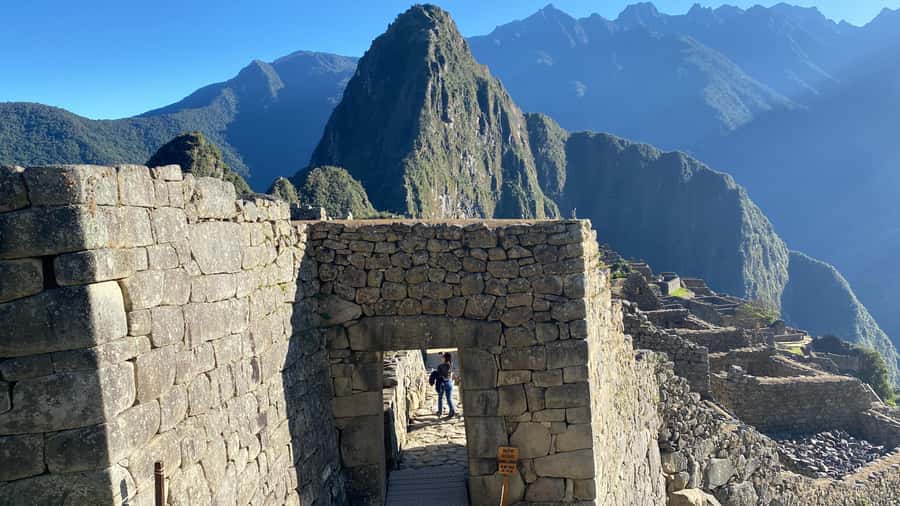
Three hours is enough time for a serious introduction without requiring a full day of guided walking. You get the main viewpoint, a planned photo session, historical explanation, and a tour of major buildings. For a first visit, that is a sensible length.
The small group helps here. With no more than 10 people, the guide can answer questions without creating a long pause for everyone. The feedback also suggests that guides adjust their pace, wait for slower members, and allow rest when needed. That is particularly helpful for an early start or for anyone who wants to stop for photos.
The limit is that three hours cannot cover everything in equal detail. If your ticket includes an additional mountain hike, such as the Huayna Picchu option mentioned by one participant, you need to clarify how that fits with the guided portion. The standard description is a three-hour citadel tour, not a promise of a separate long mountain excursion.
You should also expect a structured route rather than free wandering. Machu Picchu circuits control movement and repeat visits are not always possible. The guide can make your allowed path more meaningful, but cannot turn the visit into an open-ended exploration.
Languages, personalities, and guide consistency
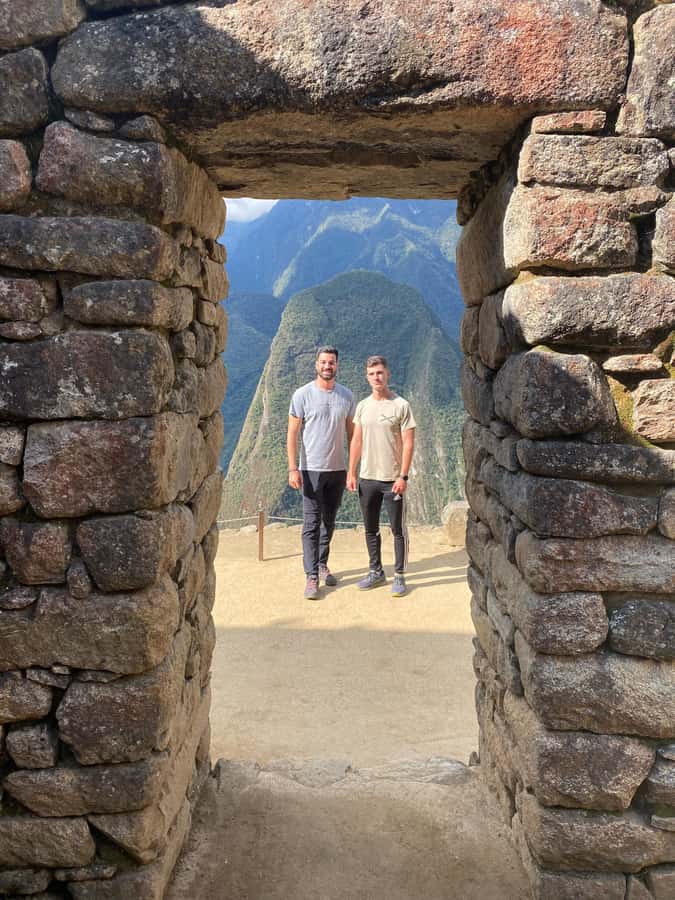
Ericson is named as the provider, but you may be assigned to different members of the team. The group includes Eric and guides named Julio, Gregory, Elvis, Andre, Carlos, Fred, Emerson, Roberto, Juan, Erick, William, Sophia, and others.
That gives the operation a broad team, but it also means your experience depends partly on who leads your group. The common strengths are clear: good English, patience, warmth, strong site explanations, and photo assistance. Several guides are described as funny and energetic, which can help during a morning visit when everyone is still waking up.
Communication before the tour is another strength worth noting. The team contacts people ahead of time to confirm the meeting point and plan. That is useful in Aguas Calientes, where the plaza, train station, hotel, bus queue, and sanctuary entrance are separate places.
When you book, confirm three things: the guide language, the exact meeting time, and where the guide will meet you after the bus. Those details prevent the most common kind of Machu Picchu stress, searching for the right person in a crowd.
Is $30 a good value?
At $30 per person, the guide fee is reasonable if you want both history and photo help. A private guide would normally give you more control, but this small-group format keeps the price down while still allowing questions and personal attention.
The total budget is higher than the headline price. Add 152 soles for the entry ticket and $24 for the round-trip bus, then allow money for food and drinks. Since those costs are not bundled, compare the full amount rather than judging the experience by $30 alone.
I see the best value in the guide’s ability to combine several jobs. You get assistance meeting up, support at the entrance, site interpretation, answers in English, Spanish, or Portuguese, and photos using your phone or the guide’s phone. If you already have a guide and only want transportation, this is unnecessary. If you want to understand the ruins and return home with good couple or family photos, the price makes more sense.
Free cancellation up to 24 hours before the activity and reserve-now-pay-later terms also reduce commitment. You still need to secure the Machu Picchu entry ticket separately, so do not mistake flexible booking for a guarantee that sanctuary admission will remain available.
Who should book this Machu Picchu tour?
I would choose this for a first visit, couples, families, and small groups who want help with photos. It also suits you if you like asking questions and prefer a guide who can explain architecture, culture, and daily life in plain English.
The patient style described by the feedback should work well for mixed-age groups. You are not expected to rush from one stone wall to another, and the guide can pause for photos or questions. The small group makes that easier than a large coach tour.
It may not suit you if you want to move alone, set your own pace, or spend the entire visit taking photographs without historical commentary. It is also not the right product if you expect admission, bus transportation, meals, or a dedicated professional camera package to be included.
Final verdict: a strong guided introduction with useful photo help
I would book this tour if I wanted a clear introduction to Machu Picchu without paying for a private guide. The strongest reasons are the local guides, the university background in archaeology and history, the small group, and the repeated focus on patient explanations and good photos.
Before paying, confirm your circuit, guide language, meeting time, and the separate ticket costs. If you do that, the $30 fee buys a practical service that can make the site easier to understand and your visit easier to remember. The tour is not all-inclusive, but it is a sensible choice for people who want substance, friendly help, and photos that do more than prove they were there.
FAQ
Where does the tour meet?
The meeting point is Plaza Manco Capac in Aguas Calientes. Look for a large tag that says ERIC. Hotel or train-station pickup is also included, so confirm the exact arrangement and time in advance.
How long does the Machu Picchu tour last?
The activity lasts three hours, with about two and a half to three hours spent exploring Machu Picchu. The visit includes the upper viewpoints, photo stops, and the citadel.
Are Machu Picchu entry tickets included?
No. The Machu Picchu ticket costs 152 soles and must be purchased separately.
Is the bus to Machu Picchu included?
No. The listed round-trip bus cost is $24. Meals and drinks are also not included.
Which languages are available?
Guided tours are available in Spanish, English, and Portuguese. Confirm your preferred language when booking.
What should I bring, and what is not allowed?
Bring your passport or ID card. Pets, alcohol, and drugs are not allowed.
Just added around Peru
- “Waqra Pucara, The Majestic Fortress Revealing Secrets of the Andes”.★ 3.5 · 8 reviews
- Adventure Day in Arequipa: Pillones Waterfall + Rock Forest★ 4.2 · 25 reviews
- From Nazca: Cahuachi Pyramids Tour and Textile Workshop★ 4.8 · 21 reviews
- From Arequipa: Pillones Waterfall and Stone Forest Day Trip★ 4.4 · 15 reviews
- From Cusco: Chinchero, Moray, Maras, Ollantaytambo and Pisaq★ 4.6 · 11 reviews
- From Cusco: Sacred Valley ending in Ollantaytambo and Lunch★ 4.3 · 36 reviews
- From Nazca: Chauchilla Cemetery Tour and Artisans Workshop★ 4.9 · 20 reviews
- From Ollantaytambo:Moray, Salt Mines, Chinchero end in Cusco★ 5.0 · 42 reviews
Machu Picchu Tours, compared.
4-Day Inca Trail to Machu Picchu with Accommodation
Read our review →
2-Day Trip to the Sacred Valley and Machu Picchu
Read our review →
Machu Picchu 2-Day Inca Trail with Panoramic Train
Read our review →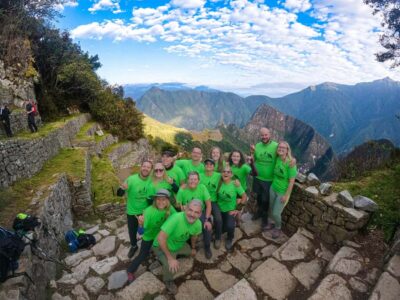
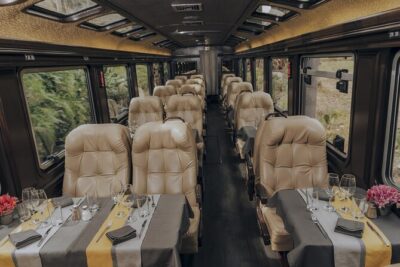
The First Class Machu Picchu Train by Inca Rail
Read our review →Browse the lists this tour appears in