
Reviewed · LAKE TITICACA & UROS ISLANDS
From Cusco: Titicaca lake with the route of the sun in 2 day
The best part of this two-day trip is that you get from Cusco to Lake Titicaca without treating the journey as dead time. The Sun Route turns a long bus ride into a full day of Andean sights, including painted church walls, Inca ruins, mountain scenery, and the old Pucará culture.
I like the sensible route planning and the two very different days: culture and archaeology on day one, then water, island life, textiles, and wide-open views on day two. The main catch is the long schedule and one important detail to clarify: the information says day-two lunch is included, but also says the typical lunch on Taquile is not included.
Key points to know before booking
- The journey from Cusco to Puno takes most of day one, with pickup at about 6:30 a.m. and arrival in Puno around 5:00 p.m.
- Andahuaylillas offers some of the finest interior art on the route, with seventeenth-century murals and paintings from the Cusco school.
- Raqchi connects the trip to Inca religion, especially the worship of Wiracocha, an important Inca deity.
- Taquile is more than a scenic island stop, since its textile tradition is central to local life and has been passed down through generations.
- The tour includes guides, tickets, transport, and a Puno transfer, but the overnight hotel is not included.
- Feedback on organization is generally favorable but not uniform, so ask how optional activities on the lake are handled before you pay.
Why the Sun Route makes sense from Cusco
The direct journey between Cusco and Puno is a long highland transfer. This option gives the ride a purpose. You leave your Cusco hotel in the morning, visit several important sites with a guide, stop for lunch, and reach Puno in the late afternoon.
That is useful if you want to visit Lake Titicaca but do not want to spend an entire day simply sitting on a bus. It also saves you from arranging several separate tickets and transfers. The package includes pickup in Cusco, tourist transportation, entry fees along the route, and a transfer from the Puno terminal to your hotel.
You should still think of this as an active two-day trip, not a relaxed weekend. Day one begins early and contains several stops. Day two starts at about 6:30 a.m. and keeps you out on the lake until roughly 4:00 p.m. Comfortable shoes, warm layers, sun protection, and cash are sensible choices.
The price is $158 per person. That is a reasonable package value if you use all the included parts, especially the guided sightseeing, admissions, tourist boat, and transport between cities. It is less attractive if you expect a hotel room to be included or prefer to choose your own transport and restaurants.
Other days on Lake Titicaca from Puno:
- From Puno: Uros, Amantaní & Taquile Islands 2-Day Tour
★ 4.5 · 452 reviews - From Puno: Floating Islands of the Uros Half-Day Tour
★ 4.4 · 394 reviews - Lake Titicaca 2-Day Tour to Uros, Amantani and Taquile
★ 4.4 · 199 reviews
Andahuaylillas and the painted church interior
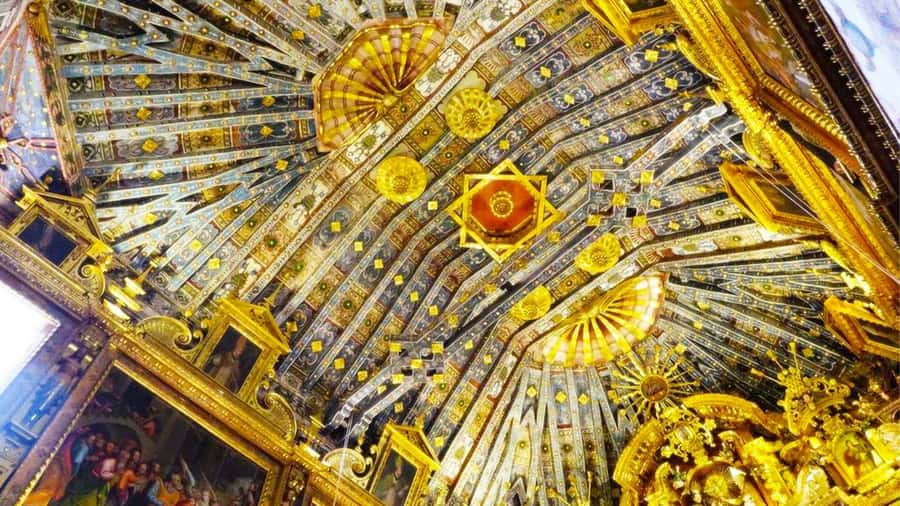
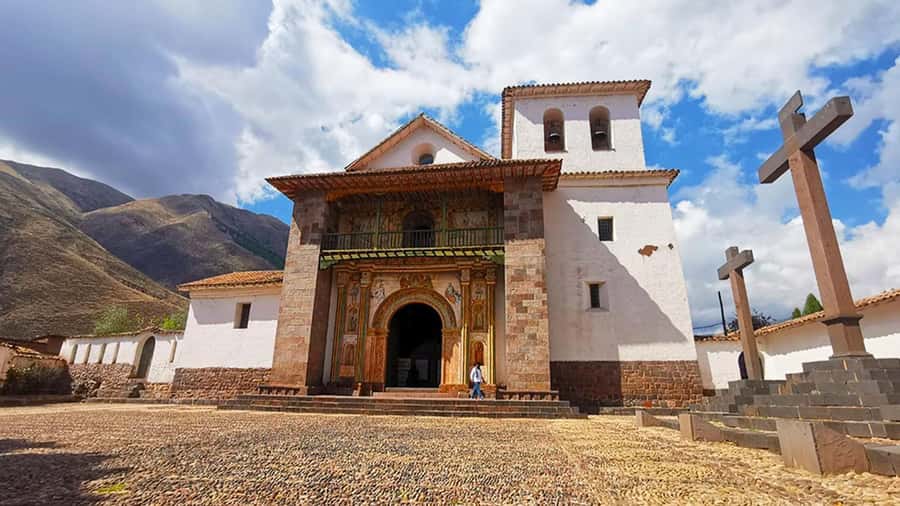
The first stop is the church at Andahuaylillas, often called the Sistine Chapel of the Andes. The comparison is bold, but it points to the feature that matters: the interior is covered with seventeenth-century murals and paintings from the Cusco school.
This is not mainly a stop for the outside of the building. The value is inside, where religious art fills the walls and gives you an early example of the artistic traditions that developed in the Andes during the colonial period.
The guide is important here. Without context, you may simply see a decorated church. With an explanation, the paintings become part of the story of how European religious imagery was adapted in Peru. The stop is also a good reminder that the Sun Route is not only about the Inca period. Several layers of Peruvian history appear during the day.
Raqchi and the temple of Wiracocha
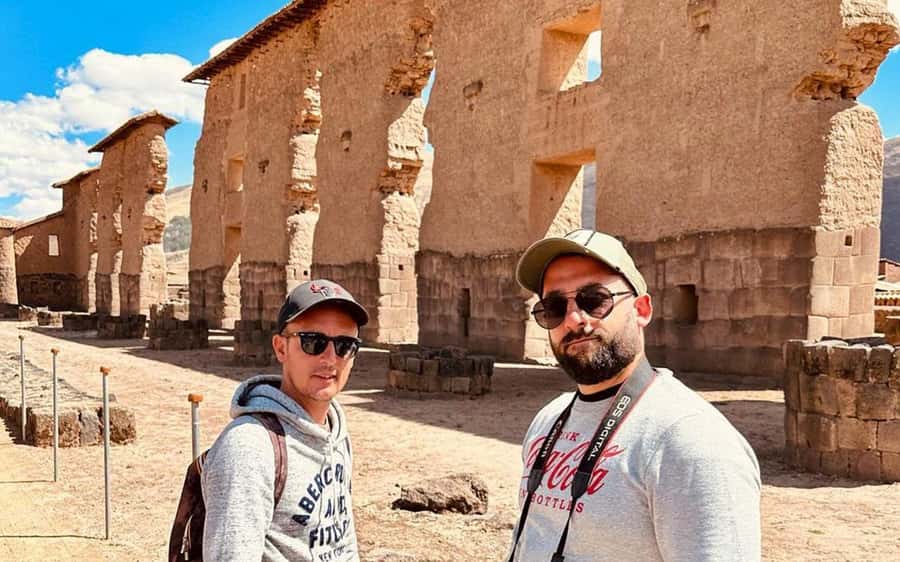
The next major stop is the Raqchi Archaeological Complex, also known as the Temple of the god Wiracocha. Wiracocha was regarded as the supreme Inca deity, so this visit gives the route a strong connection to Inca belief and ceremony.
Raqchi changes the rhythm of the day. After the enclosed art of Andahuaylillas, you are out among archaeological remains and open highland scenery. The guide’s explanation helps you understand why the site mattered instead of reducing it to a collection of old walls.
You should expect walking at several stops, even though the supplied schedule does not give exact distances or times. Wear shoes that can handle uneven ground, and keep water close. At high altitude, a simple walk can feel harder than it would at sea level.
Buffet lunch and the long crossing to Puno
Around midday, the group stops at a tourist restaurant for a buffet lunch. The meal is described as offering a broad selection of national and regional food, which is helpful after an early start and several hours on the road.
A buffet also makes the meal practical for a mixed group. You can choose what suits you rather than wait for one fixed dish. Still, food not specifically described in the package is not covered, so bring cash for drinks or extras.
After lunch, the road continues toward the boundary between the Cusco and Puno regions. The schedule is full, but the meal provides a needed pause before the afternoon stops.
Other two-day trips from Puno:
- Puno: 2-day Uros Kayak Tour with Homestay at Amantani Island
★ 4.6 · 4 reviews - From Cusco: 2-Day Trip to the Sacred Valley and Machu Picchu
★ 4.6 · 265 reviews - Cusco: Machu Picchu 2-Day Inca Trail with Panoramic Train
★ 4.9 · 260 reviews - 2-Day Tour Colca Canyon in Arequipa with end in Puno
★ 4.6 · 248 reviews
Paso de la Raya and Chimboya views
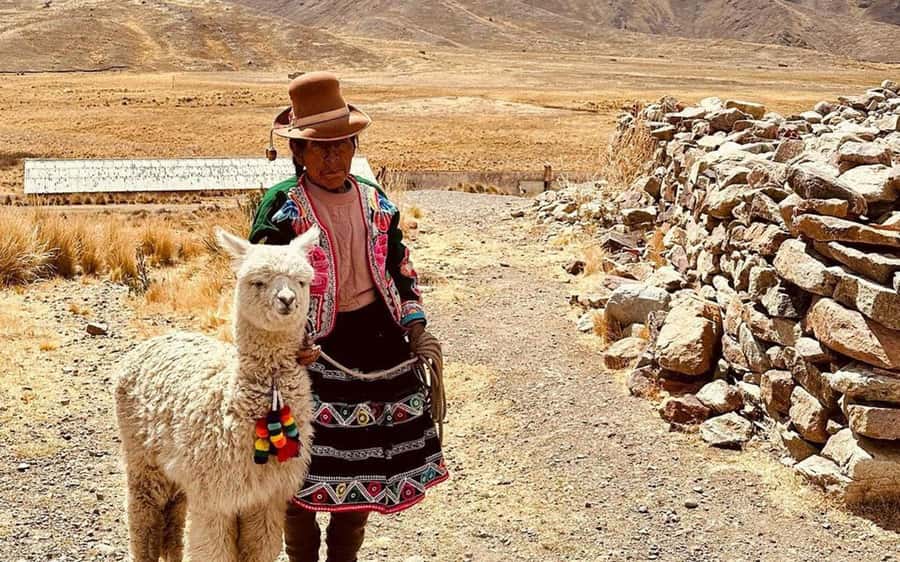
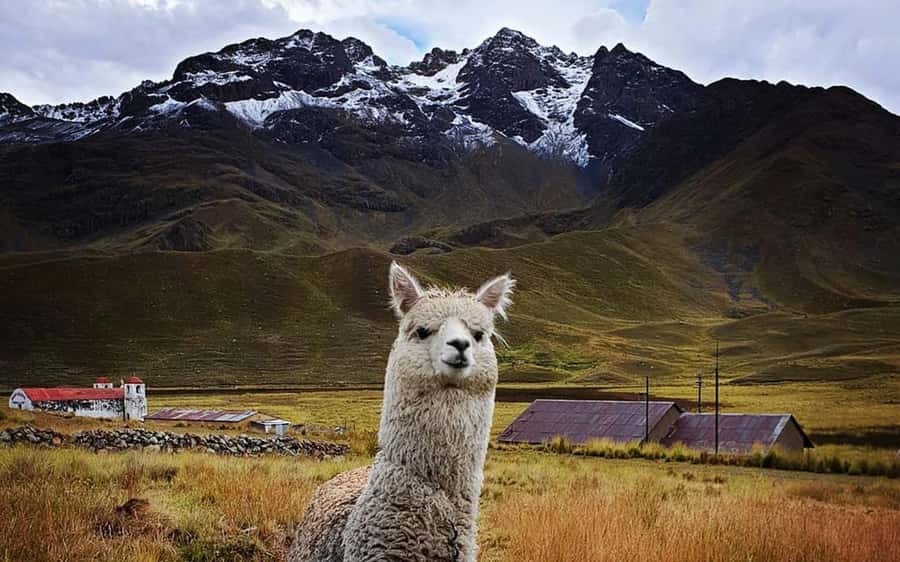
Paso de la Raya marks the border between Cusco and Puno. It is also associated with the Nevado de Chimboya, giving you a chance to stop for photographs of the high mountain scenery.
The stop lasts only about seven to ten minutes. That is enough for a quick look and a few photographs, but not enough for a long walk or a careful exploration. Keep your camera ready and do not wander far from the group.
This is one of the simplest stops, yet it gives the day a clear sense of movement. You are crossing from one highland region into another, with the mountains serving as the natural marker.
Pucará and the Hatun Aqac sculpture
The final cultural stop is the Lithic Museum of Pucará. The Pucará culture developed from about 1,600 BC to 400 AD, placing it well before the Inca period.
Inside, you can see ceramics and stone sculptures, including zoomorphic figures. The information highlights a sculpture called Hatun Aqac, translated in the supplied description as the supreme cutthroat. The museum gives you a look at an older culture that can otherwise be overshadowed by the better-known Inca sites around Cusco.
This stop is especially useful if you enjoy archaeology and want a wider view of the region. You are not seeing one continuous Inca story. You are moving through several cultures that occupied the southern Andes over a very long period.
The group is scheduled to reach Puno at about 5:00 p.m. You are then transferred from the bus terminal to your hotel. Since the overnight stay is not included, arrange the room yourself before the trip. The package covers the transfer, not the accommodation.
Morning on Lake Titicaca: Uros first
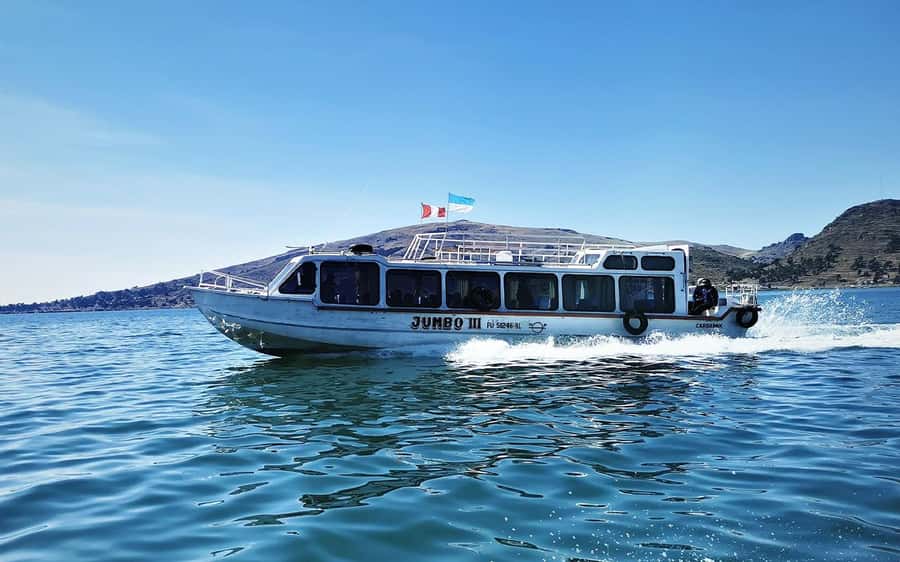
The second day begins early, with pickup from your Puno hotel or the bus station at about 6:30 a.m. You are taken to the port, then board a tourist boat on Lake Titicaca.
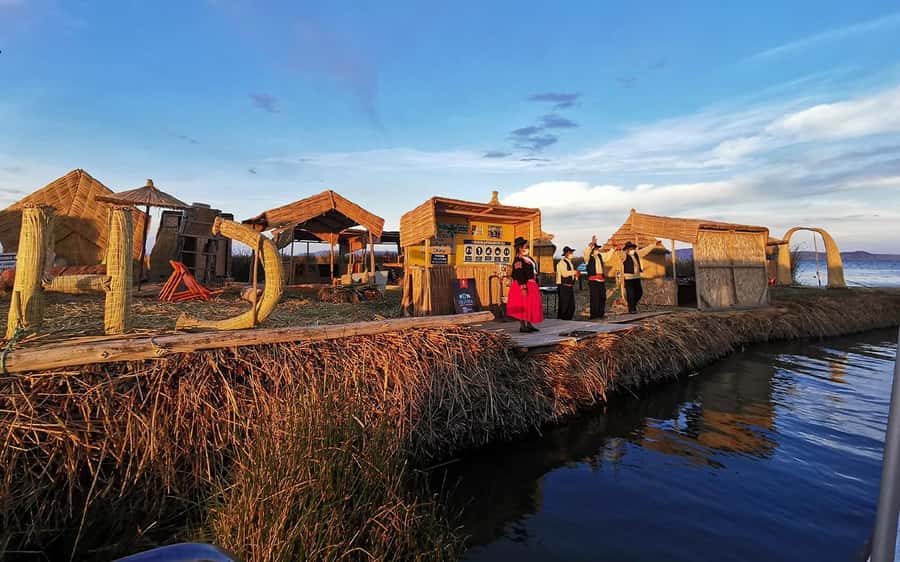
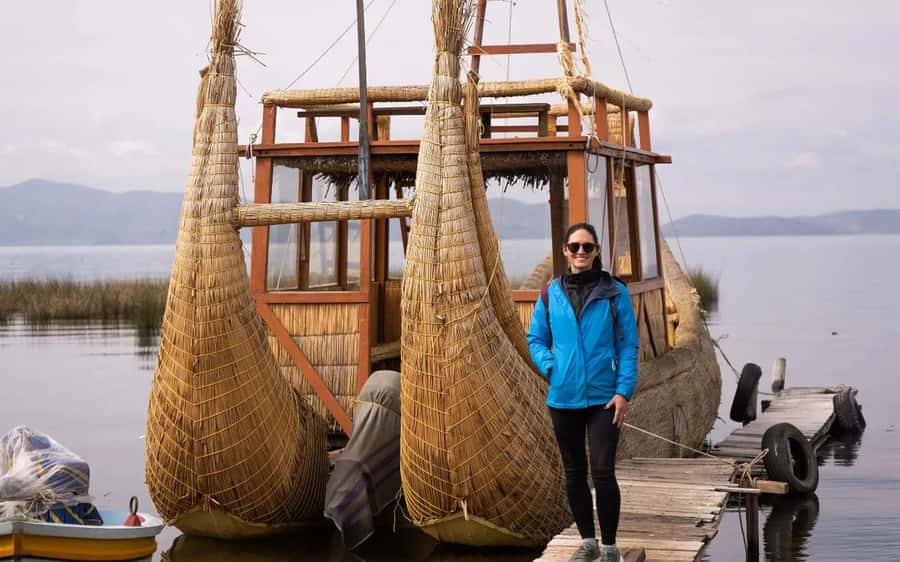
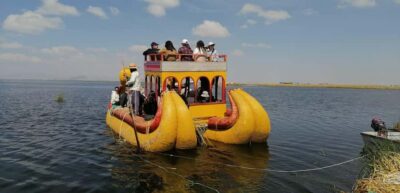
At more than 3,800 meters above sea level, Lake Titicaca is famous as the highest navigable lake in the world. The first stop is the floating island community of Uros, built from totora reeds.
The guide explains how the islands are made and maintained, as well as the local economy and customs. You also have a chance to see crafts made for sale. This is one part of the visit where you should pay close attention to what is included and what is optional. One unhappy customer reported that activities presented as choices ultimately felt mandatory. Ask your guide at the start which purchases, boat rides, or demonstrations cost extra.
Uros can feel highly arranged for day visitors, but it remains an important place to learn how reed construction shapes daily life. Look closely at the material under your feet and listen to the explanation. The reeds are not just decoration. They are the foundation of the islands.
Taquile Island and its textile tradition
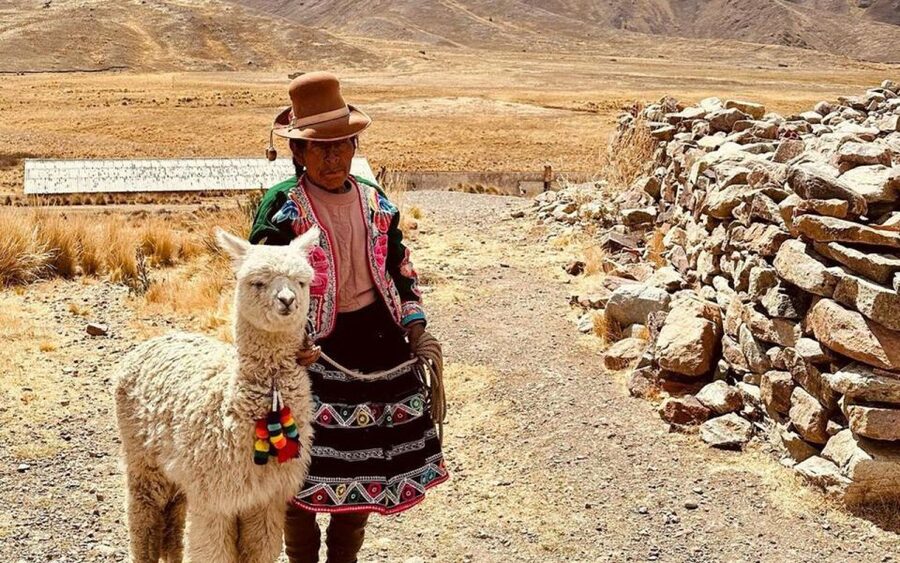
From Uros, the boat continues to Taquile Island. The island is known for its scenery, cultural traditions, ethnic identity, and archaeological value.
The most distinctive detail here is the textile work. Men on Taquile are especially known for weaving, and the craft is described as so finely made that some pieces are water-resistant. The skill has been passed from one generation to the next, making the textiles more than simple souvenirs.
You should expect the Taquile visit to be more demanding than a quick museum stop. The tour description does not specify walking distances, but an island visit usually involves moving between the boat landing and the places where the guide explains local life. Comfortable shoes are essential.
A typical local lunch may be available on Taquile, but the information is inconsistent about payment. One section says lunch on day two is included, while the detailed schedule says the typical meal is not included. Confirm this before departure so you know if you need cash and whether the meal is part of the $158 price.
After Taquile, the boat returns to Puno. The planned arrival is around 4:00 p.m., giving you the late afternoon and evening in the city.
Guides, transport, and how organized the days feel
The tour provides professional English and Spanish-speaking guides for both the Sun Route and Lake Titicaca. No individual guide names are supplied, so you should not expect to choose a specific person when booking.
Organization appears to be one of the stronger parts of the experience. The available feedback includes two very positive reports describing the timing and planning as orderly, with one person saying everything felt perfect. Another short assessment also described the operation as well organized.
That matters on a trip with several stops and two different transport systems. Missed transfers or vague meeting points could easily spoil the experience. Here, the plan includes hotel pickup in Cusco, a bus journey with scheduled stops, a Puno hotel transfer, morning pickup, port transport, and the return boat.
Still, good timing does not remove the need for patience. The first day is long, and the second day starts early. You are also sharing a fixed schedule, so time at each site may be limited. Paso de la Raya is the clearest example, with only seven to ten minutes available.
What the $158 price really covers
The package includes:
- Pickup from your hotel in Cusco
- Tourist transportation from Cusco to Puno
- Stops and entry fees along the Sun Route
- Buffet lunch on day one
- Transfer from the Puno terminal to your hotel
- Land transport and a tourist boat on Lake Titicaca
- Entry fees for the lake visits
- English and Spanish-speaking guides
- The return to Puno after the lake excursion
The hotel night in Puno is not included. Food not clearly described is also excluded, and the day-two lunch needs confirmation because the details conflict.
For $158, the package can work well for someone who values convenience. You are paying for more than a bus ticket. You get a guided cultural route, admissions, transport coordination, and the lake excursion the next day.
The value drops if you are a slow-moving independent visitor who wants long stops, quiet time, or complete control over meals. This is a scheduled group experience, and its strength is coverage rather than freedom.
Who should book this two-day trip
I would recommend it to you if you have limited time in southern Peru and want to connect Cusco, Puno, and Lake Titicaca in one plan. It suits first-time visitors who want explanations at the archaeological sites and help with the transfers.
It is also a good fit if you prefer a broad introduction. In two days, you see colonial art, Inca remains, pre-Inca archaeology, mountain scenery, reed islands, and Taquile’s textile tradition.
I would be more cautious if you dislike early mornings, long bus rides, fixed schedules, or organized stops. You should also reconsider if a private experience is important to you. The schedule is built for efficiency, not solitude.
Bring your passport, comfortable clothing, a sun hat, sunscreen, a camera, comfortable shoes, and cash. The high-altitude sun can be strong even when the air feels cool.
Should you book the Sun Route and Lake Titicaca trip?
Book it if you want a practical, well-covered way to travel from Cusco to Puno while seeing major sights along the way. The two parts complement each other well: the first day explains the region’s art and archaeology, while the second brings you into the living traditions of Uros and Taquile.
Before paying, confirm two points in writing: the name and standard of your Puno hotel, since the room is not included, and exactly what day-two lunch and any optional lake activities cost. With those details clear, the $158 price offers solid convenience. Without them, the package can feel less transparent than it should.
FAQ
How long does the tour last?
The experience lasts two days. Day one runs from pickup in Cusco at about 6:30 a.m. until arrival in Puno at roughly 5:00 p.m. Day two runs from pickup at about 6:30 a.m. until the return to Puno around 4:00 p.m.
Does the tour include a hotel in Puno?
No. The overnight hotel in Puno is not included. The package does include transfer from the Puno bus terminal to your hotel.
What places are visited on the Sun Route?
The route includes the church at Andahuaylillas, the Raqchi Archaeological Complex, Paso de la Raya and the Nevado de Chimboya viewpoint, and the Lithic Museum of Pucará.
Which islands are visited on Lake Titicaca?
The boat visits the floating islands of Uros first, followed by Taquile Island.
Is lunch included?
A buffet lunch on day one is included. The information about day-two lunch is inconsistent: one section lists lunch as included, while the detailed schedule says the typical Taquile lunch is not included. Confirm this before booking.
Are guides available in English?
Yes. The tour provides professional guides in English and Spanish for both the Sun Route and the Lake Titicaca excursion.
What should I bring?
Bring your passport, comfortable shoes, a sun hat, a camera, sunscreen, comfortable clothing, and cash.
Just added around Puno
- From Puno: Excursion to Uros and Taquile Islands + Income★ 4.7 · 4 reviews
- Discover the Celestial Wonder of Sillustani: Towers of Time★ 4.2 · 3 reviews
- Day Trip to Uros Floating Islands and Amantani Island★ 3.9 · 8 reviews
- Cusco: Bus Turistico Puno Cusco con Tour y Buffet★ 4.2 · 7 reviews
- Sillustani: Chullpas de Sillustani Afternoon Half-Day Tour★ 5.0 · 6 reviews
- Puno: 2-day Uros Kayak Tour with Homestay at Amantani Island★ 4.6 · 4 reviews
- From Puno: 3-Hour Uros Floating Islands Tour★ 4.4 · 67 reviews
- Lake Titicaca, Uros and Taquile Full-Day Tour★ 4.3 · 69 reviews
Lake Titicaca & Uros Islands, compared.

2-Day Tour Colca Canyon in Arequipa with end in Puno
Read our review →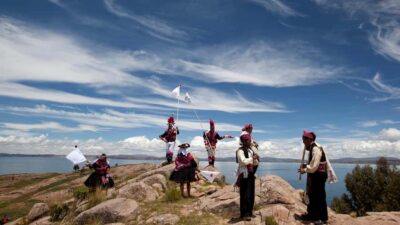
Lake Titicaca 2-Day Tour to Uros, Amantani and Taquile
Read our review →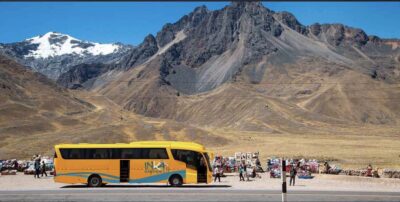
Full-Day Route of the Sun Tour to Cusco with Lunch
Read our review →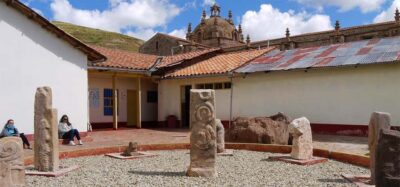
Scenic Route of the Sun to Puno with Buffet Lunch
Read our review →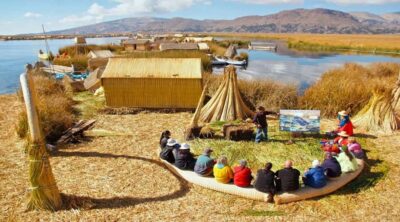
Browse the lists this tour appears in