
Reviewed · LAKE TITICACA & UROS ISLANDS
Puno: Full-Day Route of the Sun Tour to Cusco with Lunch
The best thing about this Puno to Cusco trip is that it turns a long transfer into a proper day out. You ride through the Andes, stop at the ancient Pucara settlement, gaze across the mountains from Abra La Raya, then visit Raqchi and the spectacular church at Andahuaylillas.
I like the comfortable bus, with reclining seats, legroom, a bathroom, drinks, and even an oxygen tank onboard. I also like the way the stops break up the journey without wasting time. The main catch is the extra 53 soles for entrance tickets, and lunch can feel rushed when several buses arrive together.
Key points at a glance
- Pucara comes first, with a museum visit focused on the early Andean civilization that occupied the Titicaca basin long before the Inca Empire.
- Abra La Raya is the high point, where you briefly stop at the watershed between the Puno and Cusco regions.
- Raqchi offers the strongest archaeological stop, with the huge 15-meter walls of the Temple of Wiracocha.
- Andahuaylillas rewards an interior visit, since the plain exterior hides gold leaf and elaborate murals.
- The bus is part of the experience, with wide reclining seats, onboard drinks, a bathroom, and bilingual commentary.
- The $44 price is strong value, especially when you compare it with a basic point-to-point bus and add the included buffet lunch.
Why this Puno to Cusco transfer works so well
You have two basic choices for getting between Puno and Cusco: spend the day on a direct bus, or make the road itself part of your sightseeing. This tour takes the second approach.
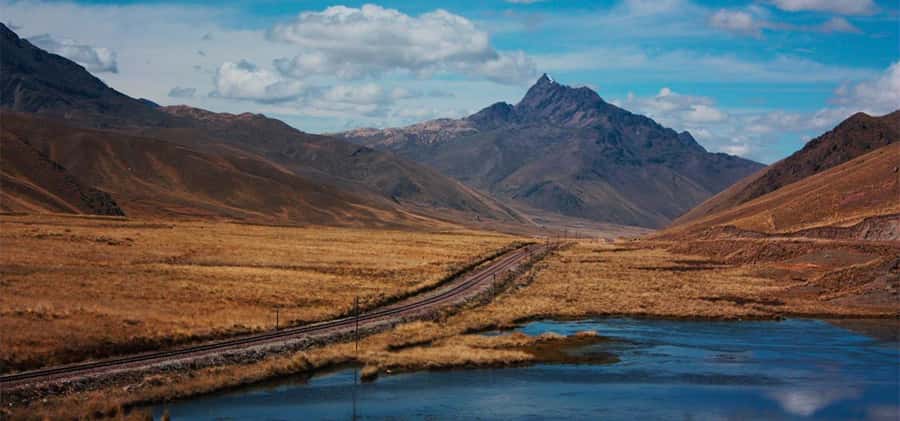
The bus leaves the Puno terminal at about 6:40 AM and arrives at the Cusco bus terminal around 5:30 PM. That is roughly 11 hours, but the day does not feel like 11 hours in one seat. Four guided stops provide movement, fresh air, photos, and a steady stream of history.
I especially like this option if you are already planning to travel overland. You pay $44 per person and get transportation, a bilingual guide, lunch, drinks, and visits to places that would be difficult to arrange as part of a normal bus ride. It is not a private tour, and you will not have unlimited time at each stop. But it gives you a useful introduction to the route.
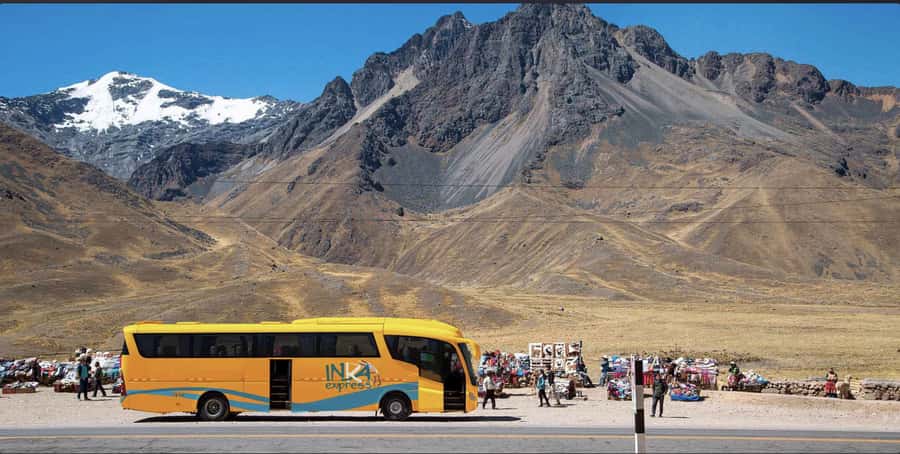
The bus is one of the tour’s strongest points. It is climate-controlled, has a clean bathroom, reclining seats, and plenty of room according to the details provided. Drinks include Coca-Cola, Inca Kola, mineral water, coffee, tea, coca tea, and other herbal infusions. An oxygen tank is also carried onboard, a sensible touch on a high-altitude route.
Guides have included Ellie, also called Elisabeth, as well as Manuel and Juan Carlos. The supplied feedback gives special attention to clear English, good cultural explanations, and thoughtful service. Your guide may be someone else, but bilingual commentary in English and Spanish is part of the experience.
Other days on Lake Titicaca from Peru:
- From Puno: Uros, Amantaní & Taquile Islands 2-Day Tour
★ 4.5 · 452 reviews - From Puno: Floating Islands of the Uros Half-Day Tour
★ 4.4 · 394 reviews - 2-Day Tour Colca Canyon in Arequipa with end in Puno
★ 4.6 · 248 reviews
6:40 AM from Puno: start at the bus terminal
You need to reach the Terminal Terrestre Puno at Jiron Primero de Mayo 703 to 705. Transportation from your hotel is not included, so allow time to get there on your own.
One practical warning is worth taking seriously: the InkaExpress booth at the terminal can be easy to miss, and the signage may not be obvious. Arrive early rather than walking into the terminal at the last minute and hoping the bus will be simple to find.
Breakfast is not included. Bring something to eat for the early start, especially if you do not want to wait until lunch. Drinks and hot infusions are available onboard, but they are not a substitute for a full morning meal.
Once underway, the bus gives you a chance to watch the high Andean scenery pass by. The road connects two major southern Peru destinations, but the value here is not simply getting from one terminal to another. It is the commentary and the planned stops.
Pucara: early Andean civilization before the Inca
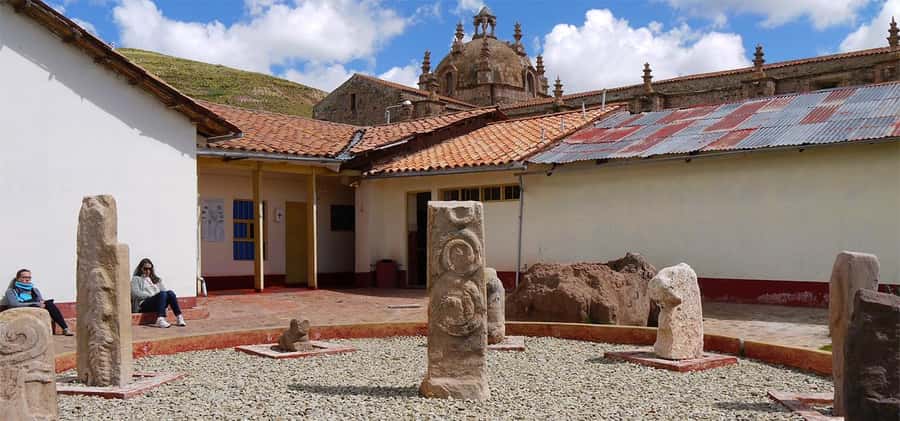
At about 8:50 AM, you reach Pucara for a guided visit of around 45 minutes. The Pucara Museum entry is not included in the tour price, and the entrance fee is paid in person as part of the total 53 soles covering the listed sites.
Pucara matters because it takes the story of the Andes back to the Late Formative Period, from 500 BC to 200 AD. This was the first major settlement in the Titicaca basin, and it once covered more than a square kilometer. Priests, artisans, farmers, shepherds, administrators, and warriors all formed part of this early society.
That context gives the stop real value. You are not simply looking at old objects in a museum. You are seeing the beginnings of organized Andean society in a region often discussed mainly through the later Inca period.
The stop lasts less than an hour, so think of it as a focused introduction rather than a full archaeological visit. If you enjoy museum displays and early civilizations, Pucara may be one of the most rewarding stops. If you prefer wide mountain views to indoor exhibits, you may find it brief.
Abra La Raya: ten minutes at the roof of the route
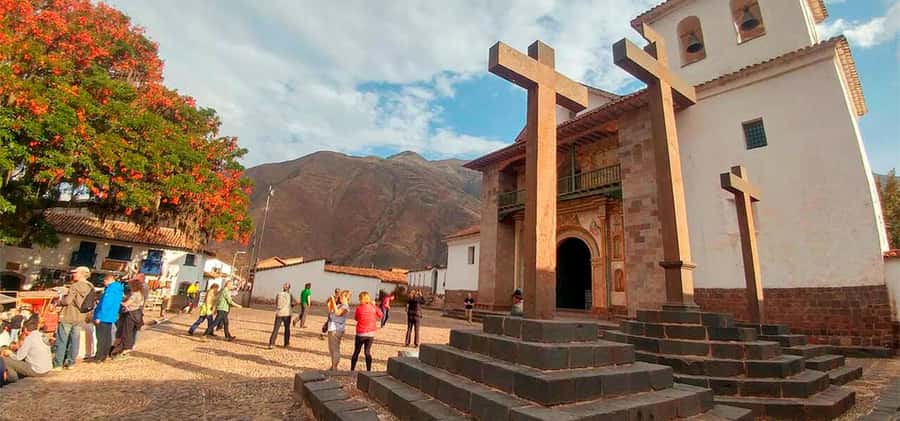
By around 11:00 AM, the bus reaches Abra La Raya, the highest point between Puno and Cusco. The stop lasts only about 10 minutes, so this is a quick photo break, not a long walk.
Abra La Raya marks the watershed dividing the two regions. The surrounding Andes provide the kind of broad mountain views that make even a short stop worthwhile. You get out, stretch your legs, take photographs, and feel the change in altitude and open space.
Do not expect a long scenic pause. Ten minutes disappears quickly, especially if the whole group wants photos. Stay close to the bus and keep your camera ready. The stop is useful precisely because it breaks up the ride, but it is not designed for extended exploration.
Other full-day trips around Peru:
- From Lima: Paracas and Huacachina Oasis Full Day Guided Tour
★ 4.7 · 1,780 reviews - From Cusco: Full-Day Group Tour of Machu Picchu
★ 4.7 · 1,767 reviews - From Arequipa: Colca Canyon Full-Day Guided Tour with Meals
★ 4.5 · 982 reviews - Machu Picchu: Full-Day Tour from Cusco with Optional Lunch
★ 4.6 · 927 reviews
Buffet lunch near Sicuani: convenient, filling, and not the main event
Lunch comes at about 11:35 AM in Marangani, near Sicuani, and lasts around 50 minutes. The buffet includes beef, chicken, and fish, plus side dishes, warm and raw salads, desserts, and herbal infusions.
This is a practical meal for a full-day transfer. You get a choice of main dishes instead of being handed one fixed plate, which helps accommodate different tastes. Traditional Andean food is part of the selection, and desserts are included.
The quality can be uneven. Some departures have found the buffet delicious and well suited to the journey, while others have found parts of it bland or not hot enough. The bigger issue is timing. If several buses arrive at once, the line can stretch, leaving less time to eat.
I would treat lunch as a useful included bonus rather than the reason to book the tour. Move through the buffet efficiently and do not spend the entire break waiting for a second serving. If you need a special diet, the available information does not promise specific alternatives, so this is worth checking before booking.
Raqchi: the most impressive archaeological stop
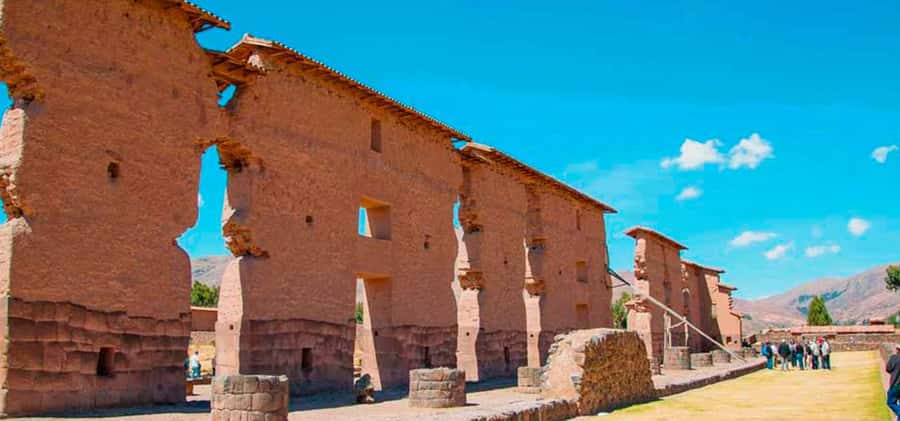
At about 1:00 PM, the bus reaches Raqchi in the Cusco Region. The visit lasts around an hour and a half, making it the longest cultural stop of the day. Entry is not included in the $44 price and is covered by the 53 soles paid locally for the listed sites.
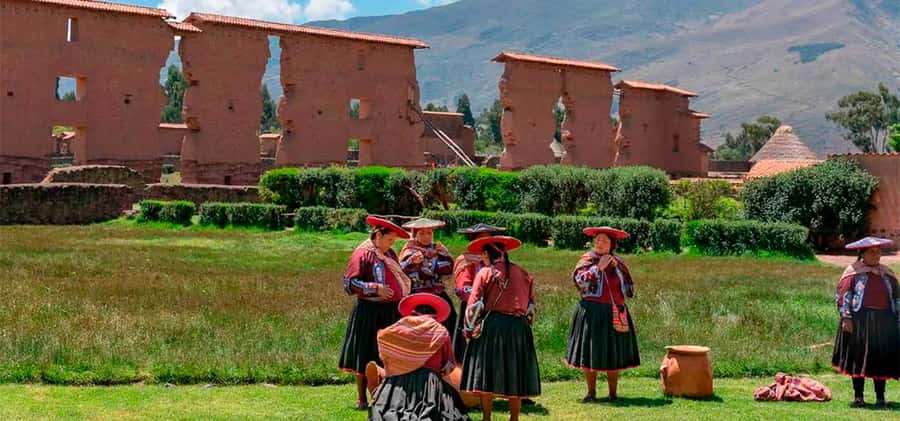
Raqchi is home to the Temple of Wiracocha, a monumental Inca structure dedicated to the invisible Superior God of the Andean people. Its most striking feature is the surviving wall work, which reaches about 15 meters high.
This is the stop where the scale of Inca construction becomes easiest to grasp. You are not looking at a small ruin or a single carved stone. The tall walls give you a clear sense of the size and ambition of the religious complex.
Raqchi also has a cultural label as one of the Best Tourism Villages. That does not make the visit artificial, but it does mean the site is set up for organized sightseeing and local craft sales. One useful shopping tip is to compare prices here with those in Cusco or Aguas Calientes. Pucara and Raqchi can offer better-value souvenirs, according to the practical advice attached to this experience.
The 90-minute visit gives you enough time to listen to the guide, take photographs, and look around at a reasonable pace. Still, this is a group tour, so you will follow a schedule rather than wander freely for as long as you wish.
Andahuaylillas: a modest exterior, a lavish interior
The final major stop is Andahuaylillas, reached at about 3:30 PM. You spend around 45 minutes visiting the Church of Saint Peter the Apostle, a 16th-century Jesuit church.
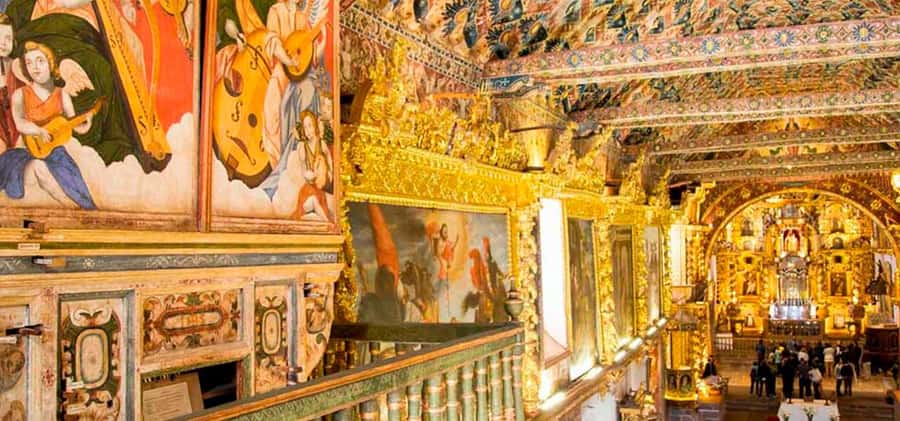
From the outside, the church can look humble. Inside, it is a different story. Gold leaf, elaborate decoration, and detailed murals cover the interior, creating one of the most memorable contrasts on the route.
The church is sometimes called the Sistine Chapel of the Americas, though that nickname is not necessary to appreciate what you see. The real pleasure is the surprise of stepping from a simple village setting into an intensely decorated religious interior.
The stop is guided, and the church entry is included in the 53 soles paid in person with the other site admissions. Forty-five minutes is enough for an introduction and a close look at the murals, but not enough for a slow art-history study.
Photography rules may apply inside churches, and the supplied information does not specify them. Follow the guide’s instructions and give yourself time to look rather than treating the visit as a quick camera stop.
What the bus ride is really like
The long road time is easier because the vehicle is designed for a day transfer rather than a bare-bones local bus. You get reclining seats, good legroom, climate control, a bathroom, power outlets on some departures, and drinks during the ride.
The guide makes a large difference. Strong English-speaking guides have included Ellie, Manuel, and Juan Carlos, with explanations covering Andean culture, the sites, and the route itself. The best departures feel like a moving history lesson with regular chances to get off the bus.
The driver matters too. A careful driver helps you relax on a long mountain road, and the available feedback gives particular credit to drivers such as Benny for professional, cautious service. Drivers can change, but safe and punctual operation is part of what this bus service is selling.
You should still prepare for a full day. Even with four stops, you will spend several hours seated. Keep water, sun protection, and a light layer close by. The bus provides drinks, but high-altitude conditions and changing temperatures make personal supplies useful.
Price, extra fees, and overall value
At $44 per person, this is good value for anyone who needs to travel from Puno to Cusco and wants more than a direct ride. The fare includes the bus, bilingual guidance, buffet lunch, drinks, the Cusco terminal drop-off, and onboard facilities.
The extra 53 soles for entrance fees is the main cost to plan around. It is not included in the advertised price, and paying it locally is required if you want to enter the museums and sites with the group. You can apparently wait outside some stops, but doing so would leave you sitting for 40 to 50 minutes while the group visits the site.
That makes the entry charge less of an optional add-on in practical terms. Add it to your budget before comparing this tour with other transport choices.
You also need to arrange your own transport to the Puno terminal. In Cusco, the bus leaves you at Av. Alameda Pachacuteq 499-B. Hotel drop-off is not included, so plan your onward taxi or local transport after arrival.
Free cancellation is available up to 24 hours before departure, and you can reserve now and pay later. Those policies are useful if your route through Peru is still changing.
Who should book this route
I would choose this tour if you are already moving between Puno and Cusco and want to use the journey well. It suits first-time visitors who want a guided introduction to Andean archaeology, colonial church art, and mountain scenery without arranging four separate stops.
It also works well for anyone who values comfort. The bathroom, drinks, reclining seats, and attentive guide service matter on an 11-hour day.
I would hesitate if you dislike fixed schedules, group touring, or short visits. Raqchi and Andahuaylillas deserve more time than this route can provide, and lunch may feel hurried when the restaurant is busy. If your only goal is the fastest possible arrival in Cusco, a direct bus may suit you better.
The tour has a 4.7 rating from 131 reviews, which fits the pattern of its strongest qualities: comfortable transport, scenic views, good guides, interesting stops, and solid value.
Should you book the Route of the Sun?
Book it if you want your Puno to Cusco transfer to carry real cultural weight. The best parts are the Temple of Wiracocha at Raqchi, the painted interior of Andahuaylillas Church, and the steady stream of commentary between stops.
Before booking, budget the additional 53 soles for admissions, bring breakfast, and arrive early at the Puno terminal so you can find the correct booth and bus. Accept that lunch and sightseeing are timed. With those expectations, this is a smart, comfortable way to cross the Andes and see places you would probably skip on ordinary public transport.
FAQ
How long does the Puno to Cusco Route of the Sun tour take?
The activity lasts about 11 hours. The scheduled departure is around 6:40 AM, with arrival at the Cusco bus terminal around 5:30 PM.
Where does the tour start in Puno?
You meet at Terminal Terrestre Puno, at Jiron Primero de Mayo 703 to 705. Transportation to the terminal is not included.
Where does the bus arrive in Cusco?
The tour ends at the Cusco bus terminal at Av. Alameda Pachacuteq 499-B. Hotel drop-off in Cusco is not included.
Which sites does the tour visit?
The route includes the Pucara Museum, Abra La Raya, Raqchi and the Temple of Wiracocha, and Andahuaylillas Church.
Is lunch included?
Yes. A buffet lunch in Marangani near Sicuani is included, with beef, chicken, fish, side dishes, salads, desserts, and herbal infusions.
Are entrance fees included in the $44 price?
No. Entry to Andahuaylillas, the Raqchi Complex, and the Pucara Museum costs 53 soles, paid in person on arrival.
Is the tour guided in English?
Yes. Bilingual guides provide commentary in English and Spanish. The available guide languages are English and Spanish.
Does the bus have a bathroom?
Yes. The climate-controlled bus has a clean bathroom onboard. Drinks, hot infusions, and an oxygen tank are also provided.
Is breakfast included?
No. Breakfast is not included, so you should arrange your own food before the early departure.
Can I cancel the booking?
You can cancel up to 24 hours in advance for a full refund. The reserve-now-and-pay-later option is also available.
Just added around Peru
- “Waqra Pucara, The Majestic Fortress Revealing Secrets of the Andes”.★ 3.5 · 8 reviews
- Lima : City Tour by Panoramic Bus – Walking & Catacombs★ 4.3 · 41 reviews
- 3-Day Iquitos Amazon Jungle Adventure at Heliconia Lodge★ 4.5 · 54 reviews
- Fly Over the Nazca Lines with the Experts★ 4.5 · 48 reviews
- Adventure Day in Arequipa: Pillones Waterfall + Rock Forest★ 4.2 · 25 reviews
- From Nazca: Cahuachi Pyramids Tour and Textile Workshop★ 4.8 · 21 reviews
- From Arequipa: Pillones Waterfall and Stone Forest Day Trip★ 4.4 · 15 reviews
- From Cusco: Chinchero, Moray, Maras, Ollantaytambo and Pisaq★ 4.6 · 11 reviews
Lake Titicaca & Uros Islands, compared.
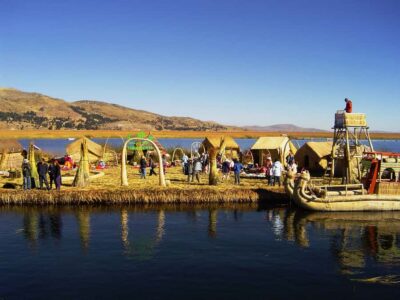

2-Day Tour Colca Canyon in Arequipa with end in Puno
Read our review →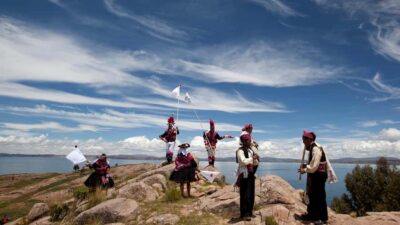
Lake Titicaca 2-Day Tour to Uros, Amantani and Taquile
Read our review →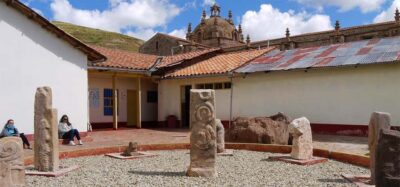
Scenic Route of the Sun to Puno with Buffet Lunch
Read our review →
Browse the lists this tour appears in