
Reviewed · LAKE TITICACA & UROS ISLANDS
Sillustani: Chullpas de Sillustani Afternoon Half-Day Tour
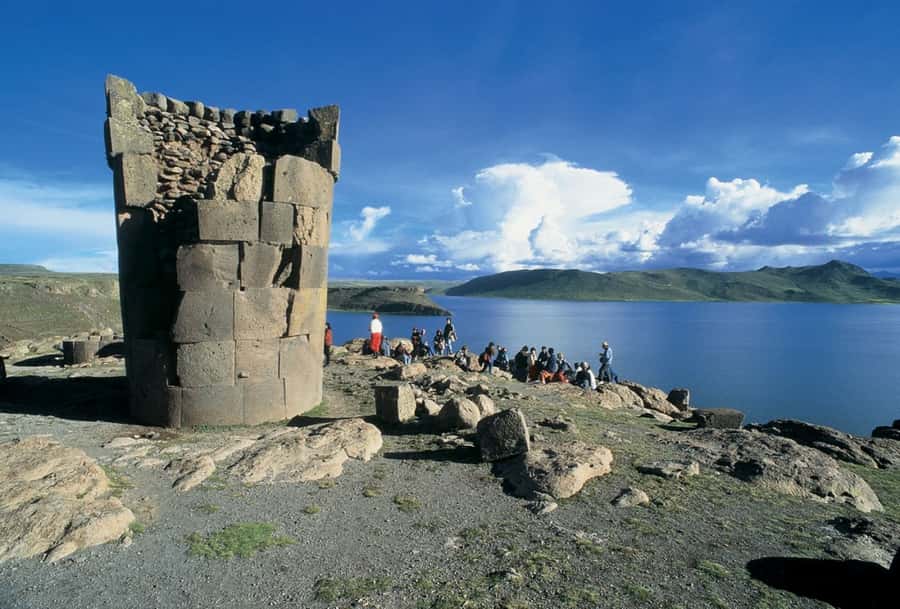
The stone towers of Sillustani rise above the shores of Lake Umayo, giving you a close look at how the Collao people honored their dead. I like the tour’s peaceful setting and its focus on a pre-Inca ceremonial site rather than the better-known Uros floating islands. I also like that transport, admission, and a guide are covered for $45, which keeps the afternoon simple.
The main drawback is weather. Sillustani is open and exposed, and heavy rain can make the visit uncomfortable and may limit how close you get to the site. The tour also gives you about an hour at the archaeological complex, so this is a focused visit, not a slow half-day spent exploring every corner.
Key points to know before booking
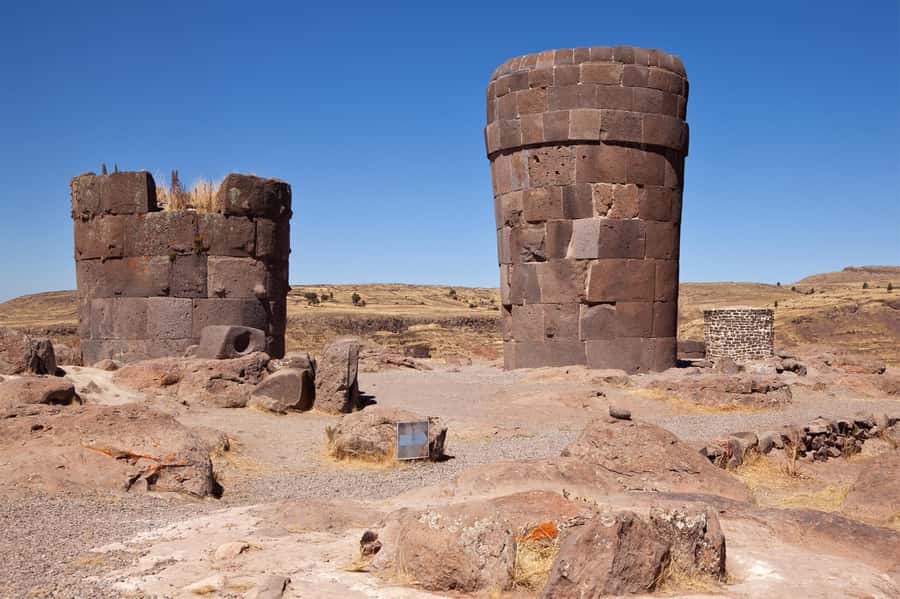
- The Chullpa del Lagarto is the star sight: This tall funerary tower was built in the Inca era from precisely fitted square stones.
- You visit Lake Umayo, not the Uros islands: The setting is quieter and more archaeological, with an island that protects local vicuñas.
- The afternoon schedule is efficient: Pickup is around 2:00 PM, the site visit lasts about one hour, and you should return to Puno around 5:00 PM.
- Your $45 covers the basics that matter: Hotel pickup in central Puno, transport, entry fees, and a professional English or Spanish guide are included.
- The site involves outdoor walking: Bring comfortable shoes and clothing, and do not arrive with large luggage.
- Rain can change the experience: There is little shelter at the site, so check the forecast and consider the flexible cancellation policy.
Why Sillustani is worth an afternoon from Puno
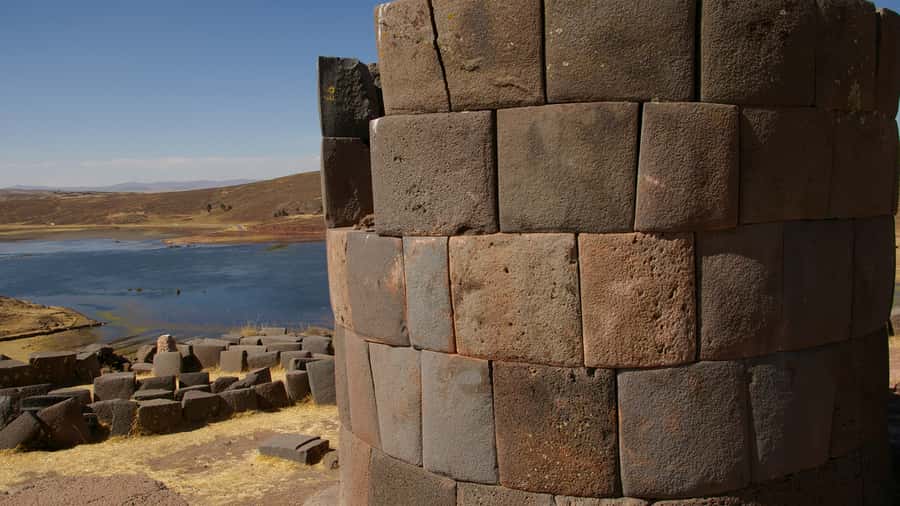
Sillustani is an ancient cemetery on a peninsula beside Lake Umayo, about 34 kilometers from Puno. The main attraction is a group of circular stone towers called chullpas, built to hold the remains of important leaders from the Collao area.
These are not ordinary tombs. Some rise as high as 12 meters, and their unusual shape catches your eye at once. The base is narrower than the upper section, giving the towers a slightly top-heavy look. That shape, combined with the careful stonework, makes Sillustani one of the most memorable archaeological stops around Lake Titicaca.
I like this outing because it gives you a different side of the Puno region. A visit to the Uros islands centers on living traditions and lake life. Sillustani instead takes you into ancient ceremony, burial customs, stone construction, and the long history of the Altiplano.
You also get a strong setting without needing a full-day trip. The towers sit beside the broad waters of Lake Umayo, where the sky and clouds reflect across the surface. The view is calm and spacious, with far less of the urban activity you find in Puno.
Other days on Lake Titicaca from Puno:
- From Puno: Uros, Amantaní & Taquile Islands 2-Day Tour
★ 4.5 · 452 reviews - From Puno: Floating Islands of the Uros Half-Day Tour
★ 4.4 · 394 reviews - Lake Titicaca 2-Day Tour to Uros, Amantani and Taquile
★ 4.4 · 199 reviews
The 2:00 PM departure from Puno
The tour begins with hotel pickup in Puno at about 2:00 PM. Pickup is included for hotels in the city center. If your hotel is outside that area, you will be given a meeting point instead, so check this detail before booking.
The advertised duration is six hours, but the stated schedule has you returning to Puno around 5:00 PM after the site visit. Starting times can vary, so confirm the exact departure time when you check availability.
The drive to Sillustani is part of the appeal. You leave Puno behind and head toward a quieter setting around Lake Umayo. Transport is included, which is useful here because the site is outside the city and the tour is built around a short, organized visit.
This is not a food tour or a full-day cultural program. Meals are not included, and there is no accommodation component. Think of it as a practical afternoon excursion that handles the road, admission, and guiding while you focus on the site.
Walking among the ancient chullpas
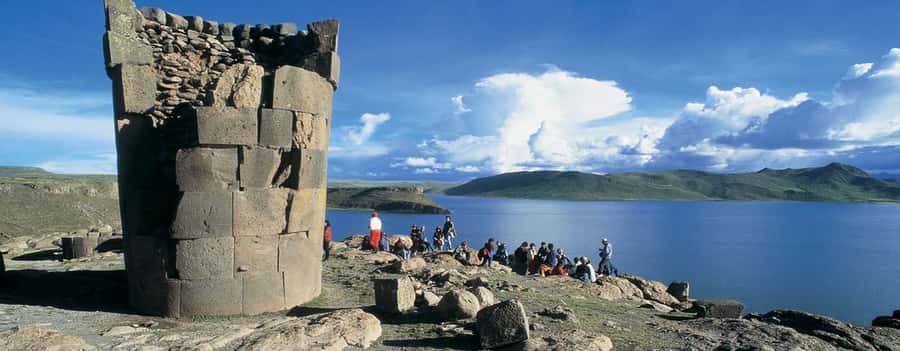
At Sillustani, the guided visit lasts about one hour. That is enough time to see the major towers, hear the basic story of the cemetery, take photographs, and look across the water, but you should not expect a long independent exploration.
The chullpas were funerary towers for principal authorities of the ancient Collao settlers. Their purpose gives the site a solemn character. You are not simply looking at old stone buildings. You are seeing a ceremonial place connected to power, death, and the beliefs of communities that lived on the Altiplano long before the modern borders of Peru.
The construction is especially impressive. The stones were shaped and fitted with care, and some towers retain a strong sense of order despite damage over time. The mix of pre-Inca and Inca work also helps you see that Sillustani was used and developed across different periods.
Your guide can add the context that is hard to get from the stones alone. The tour is offered in English or Spanish, and the guide is expected to explain the site, answer questions, and keep the visit moving. A good guide matters here because the towers can look similar at first glance. Clear explanation helps you notice the changes in shape, stonework, and condition.
There is usually some free time for photographs and for looking at local goods. That small amount of unstructured time is useful, since the view toward Lake Umayo is one of the main reasons to come.
The Chullpa del Lagarto and its damaged past
The most famous tower at Sillustani is the Chullpa del Lagarto. It is also the tallest chullpa in the complex, and it was built during the Inca period.
Its square stones fit together with striking precision. That close-fitting masonry is one of the details you will want to study rather than just photograph from a distance. The tower shows the level of planning and labor invested in the burial of important people.
The structure was damaged at the beginning of the 19th century by huaqueros, people who looted archaeological sites in search of valuables. That history gives the tower a second layer of meaning. You are seeing both the skill of its builders and the harm caused by later treasure hunters.
The damage also explains why the site should be treated with care. Sillustani is not a polished monument rebuilt to look new. Parts of the complex show loss and ruin, while other sections preserve fine stonework. I find that contrast more useful than a perfectly restored setting because it makes the site’s age and difficult past easier to understand.
Other half-day trips around Puno:
- Cusco: Half-Day City Tour with Sacsayhuaman and Q’enco
★ 4.6 · 1,129 reviews - Lima’s Vibrant Heritage: Exploring the City’s Landmarks Half-day
★ 4.5 · 581 reviews - Lima: Pachacamac Ruins & Barranco Half-Day Guided Tour
★ 4.6 · 296 reviews - Pre Inca Temple of Pachacamac Half-Day Tour from Lima
★ 4.5 · 283 reviews
Lake Umayo and the vicuña island
Lake Umayo is the natural centerpiece of the visit. Its water reflects the blue sky and white clouds, creating a wide, open view around the stone towers. The scenery is a major part of the experience, especially after the drive from Puno.
An island in the lake serves as a reserve for local vicuñas. The tour information does not promise a wildlife encounter, so you should not book this as a dedicated animal-watching trip. Still, the reserve adds an important detail to the setting and shows that the area has value beyond the cemetery itself.
I like the way the water changes your sense of the site. The chullpas could feel isolated if they were surrounded only by dry ground and stone. With Lake Umayo beside them, the cemetery feels connected to a larger ceremonial setting.
This is also where weather matters most. Under clear skies, the lake and clouds can make the stop feel spacious and peaceful. In heavy rain, the same open setting offers little protection. Bring clothing that works for wind and rain, not just comfortable sightseeing clothes.
A short museum visit for more context
A short distance from the archaeological complex is a site museum. It preserves pieces from the Kolla, Tiahuanaco, and Inca cultures.
The museum adds useful background before or after the towers. At the cemetery, you mainly encounter architecture and views. In the museum, you can connect those structures with objects and cultural periods linked to the region.
Do not expect a large museum program. The tour centers on Sillustani itself, and the overall site visit is about one hour. Still, the museum is valuable because it gives you a chance to place the chullpas within the wider sequence of Altiplano cultures.
If you have a strong interest in archaeology, you may wish the schedule allowed more time. For most people, though, the museum works well as a compact supplement to the outdoor visit.
What the guide adds to the experience
The guide is one of the most important parts of this tour. The strongest guiding style here is direct and focused, with room for questions rather than a long speech that leaves you lost among the stones.
You can expect explanations of Sillustani’s architecture, the purpose of the chullpas, and the cultural differences and shared features between Quechua and Aymara communities in the Puno region. That language and cultural context helps connect the ancient cemetery to the people and traditions still present around the lake.
A useful guide should also point out the Chullpa del Lagarto, explain its Inca construction, and give you time to take photographs. The tour has received top ratings overall, with particular praise for arriving on time, clear explanations, a relaxed manner, and good control of the schedule.
That combination matters. You want enough structure to see the key points, but not so much that you spend the entire visit listening without looking around. The chance to ask questions is especially helpful if you want to understand the relationship between pre-Inca and Inca culture.
Is $45 a fair price?
At $45 per person, the tour offers reasonable value if you want a simple half-day visit from Puno. The price includes hotel pickup in central Puno, transport, entrance fees, and a professional guide in English or Spanish.
Those inclusions matter because arranging each part separately would take more effort. Sillustani is 34 kilometers from Puno, so transport is not a minor add-on. Having the entry fee handled also keeps the afternoon straightforward.
The price does not include meals, and this is not a broad Lake Titicaca program. You are not visiting the Uros floating islands on this excursion. The tour is best value if your priority is Sillustani, its towers, and the Lake Umayo setting.
For a person who has already seen the Uros islands, this makes a useful second look at the region. For someone with only one short afternoon in Puno, it offers a strong archaeological alternative. If your main goal is to meet lake communities or see handmade floating islands, choose a different outing.
Timing, weather, and what to bring
Wear comfortable shoes. The visit takes place at an archaeological site with outdoor walking, and you will want stable footwear while moving around the chullpas.
Comfortable clothing is also listed as essential. In practice, the open setting makes layers and rain protection sensible, especially if the forecast is uncertain. The tour does not specify special equipment, so keep it simple and pack for changing conditions.
Large bags and luggage are not allowed. Leave suitcases at your accommodation and bring only what you need for the afternoon, such as a small personal bag, water, weather protection, and a camera.
Rain deserves special attention. A heavy downpour can partly spoil the visit, and the open site offers limited shelter. If the weather forecast looks poor, the ability to cancel up to 24 hours ahead for a full refund gives you useful flexibility. You can also reserve now and pay later, which helps if your Puno schedule is still shifting.
The tour is not suitable for wheelchair users. If you have mobility concerns, confirm the walking conditions and access arrangements before booking.
Who will enjoy this Sillustani tour?
I would choose this tour if you want archaeology, open scenery, and a manageable afternoon outside Puno. It suits you especially well if you like ancient stonework and want a guide to explain what you are seeing.
It is also a good fit for travelers who have already visited the Uros islands and want a different side of Lake Titicaca. Sillustani feels quieter and more focused on the past.
You may want another option if you dislike exposed outdoor sites, need wheelchair access, or want a long, slow visit with plenty of free time. The one-hour visit is efficient, but it is not designed for an all-day archaeological study.
The tour also depends heavily on weather. On a clear afternoon, the combination of towers and Lake Umayo is compelling. During intense rain, you may spend much of the visit trying to stay dry and may not get as close to the site as hoped.
Should you book the Sillustani afternoon tour?
Book it if you want a well-organized visit to one of the Puno region’s most unusual archaeological sites without giving up an entire day. The Chullpa del Lagarto, the unusual tower design, the site museum, and Lake Umayo give you plenty to see in a short outing.
The $45 price is fair for included transport, admission, hotel pickup, and guiding. Just remember that this is not an Uros island tour, meals are not included, luggage is not allowed, and bad weather can affect the visit.
For the best chance of enjoying it, check the forecast, wear comfortable shoes, and keep your afternoon free from about 2:00 PM until your return to Puno around 5:00 PM.
FAQ
Where is Sillustani located?
Sillustani is in the Puno Region of Peru, about 34 kilometers from the city of Puno.
How long does the tour last?
The activity is advertised as a six-hour tour, with starting times confirmed through availability. The stated schedule begins with pickup around 2:00 PM and returns to Puno around 5:00 PM.
What does the tour include?
The tour includes pickup from hotels in central Puno, transport, all entrance fees, and a professional guide.
Is hotel pickup available?
Yes. Pickup is included for hotels in Puno city center. If your hotel is outside the center, a meeting point will be offered.
Which languages are available?
The live guide is available in English or Spanish.
Does the tour visit the Uros floating islands?
No. This excursion focuses on the Sillustani archaeological complex, the site museum, and Lake Umayo.
What should I bring?
Bring comfortable shoes and comfortable clothing. Large bags and luggage are not allowed.
Can I cancel the tour?
You can cancel up to 24 hours in advance for a full refund. The tour also offers a reserve-now-and-pay-later option.
Just added around Puno
- Discover the Celestial Wonder of Sillustani: Towers of Time★ 4.2 · 3 reviews
- Day Trip to Uros Floating Islands and Amantani Island★ 3.9 · 8 reviews
- Cusco: Bus Turistico Puno Cusco con Tour y Buffet★ 4.2 · 7 reviews
- Puno: 2-day Uros Kayak Tour with Homestay at Amantani Island★ 4.6 · 4 reviews
- From Puno: 3-Hour Uros Floating Islands Tour★ 4.4 · 67 reviews
- Lake Titicaca, Uros and Taquile Full-Day Tour★ 4.3 · 69 reviews
- Floating Islands of the Uros★ 4.2 · 101 reviews
- From Puno: full day tour to Uros and Taquile with Lunch★ 4.6 · 95 reviews
Lake Titicaca & Uros Islands, compared.

2-Day Tour Colca Canyon in Arequipa with end in Puno
Read our review →
Lake Titicaca 2-Day Tour to Uros, Amantani and Taquile
Read our review →
Full-Day Route of the Sun Tour to Cusco with Lunch
Read our review →
Scenic Route of the Sun to Puno with Buffet Lunch
Read our review →

Browse the lists this tour appears in