
Reviewed · LAKE TITICACA & UROS ISLANDS
Cusco: Bus Turistico Puno Cusco con Tour y Buffet
The clever idea here is simple: turn a long transfer between Puno and Cusco into a full day of sightseeing. Instead of losing a day on a plain bus, you stop at the Andahuaylillas Chapel, Raqchi, La Raya, and the Pukara Museum, with lunch in Sicuani along the way. I like the comfortable reclining seats and the fact that the stops break up what could otherwise be a tiring road journey.
I also like the buffet lunch, which includes vegetarian and vegan choices, and the helpful touches such as a toilet, snack, chargers, oxygen, heating, and air conditioning. The main concern is reliability. One passenger reported a very hot bus, unclear English from guide Alfredo, and a serious departure mix-up. Build in patience, stay close to the bus, and do not treat the advertised VIP label as a guarantee.
Key points to know before booking
- Four cultural stops: Visit Andahuaylillas, Raqchi, La Raya, and Pukara during the daytime ride.
- A practical 10-hour transfer: You combine transportation, guided sightseeing, and lunch rather than paying for a separate transfer and tour.
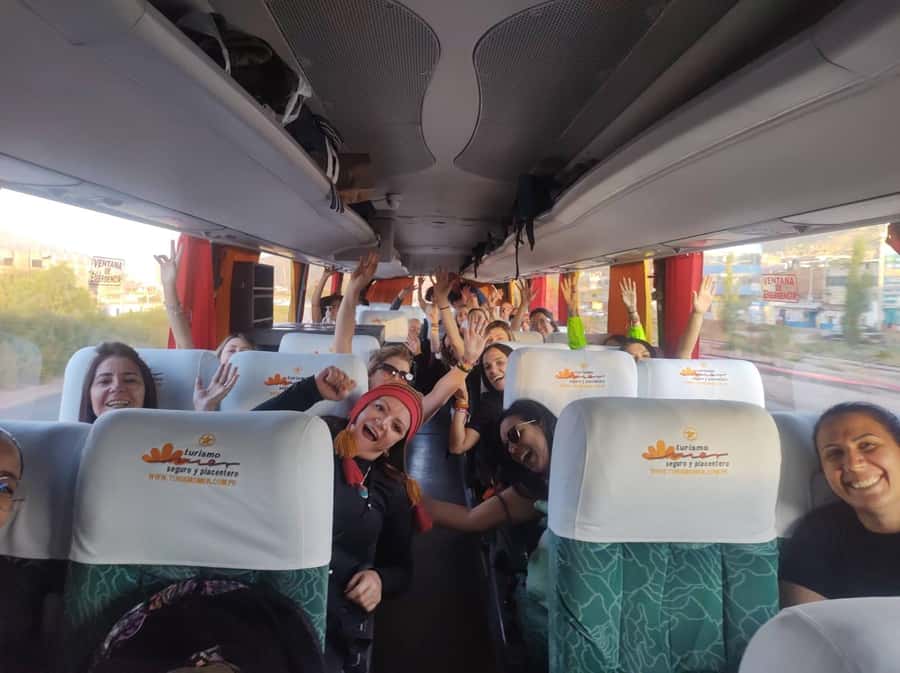
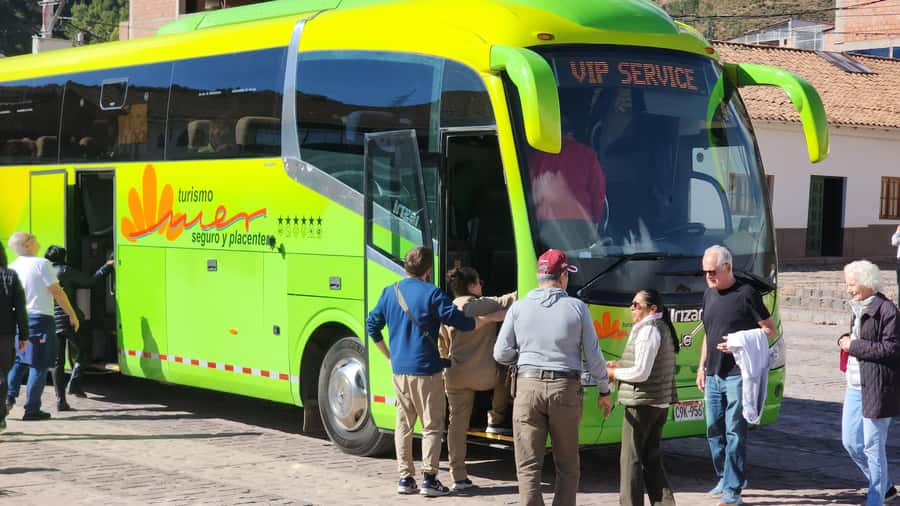
- Comfort-focused bus: Seats recline 140 degrees, with heating, air conditioning, a chemical toilet, sun curtains, and polarized windows.
- Lunch in Sicuani: The buffet has several choices, including vegetarian and vegan food, though cold drinks cost extra.
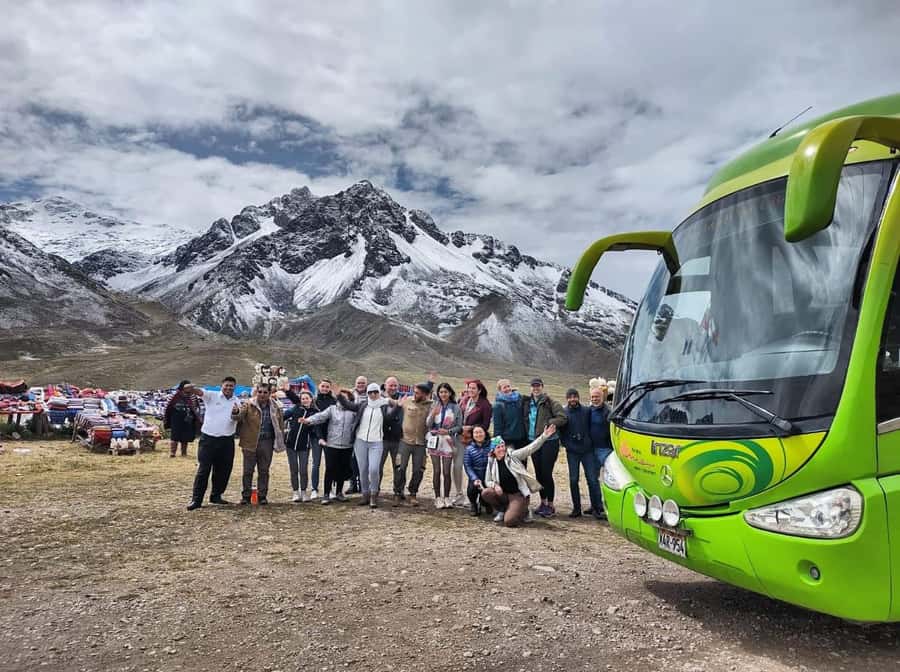
- Mountain viewpoint: La Raya gives you a look toward Nevado Chimboya and marks the road boundary between the Cusco and Puno regions.
- Allow extra time: One report described arriving one to two hours late, and the many stops make this a poor choice for a tight evening connection.
Why this daytime bus journey makes sense
The road between Puno and Cusco is long enough to wear you down, especially at high altitude. This service gives the journey a purpose. You travel in daylight, get several guided visits, eat a proper meal, and reach the other city with a better sense of the southern Peruvian highlands.
The price is $55 per person. That is a fair package if you value the guided entries, buffet lunch, snack, and sightseeing stops. It is less appealing if you only need fast transportation. A regular bus may suit you better if your main goal is to arrive as early as possible.
The service runs in both directions, from Puno to Cusco or Cusco to Puno. The meeting point in Puno is one block from the port, between Jirón El Puerto and Los Incas, beside the football field. The listed Cusco departure point is the private Turismo Mer terminal. Hotel pickup and hotel drop-off are not included, so you need to make your own way to and from the terminal.
Other days on Lake Titicaca from Puno:
- From Puno: Uros, Amantaní & Taquile Islands 2-Day Tour
★ 4.5 · 452 reviews - From Puno: Floating Islands of the Uros Half-Day Tour
★ 4.4 · 394 reviews - Lake Titicaca 2-Day Tour to Uros, Amantani and Taquile
★ 4.4 · 199 reviews
What the bus is really like
The bus is designed for sightseeing rather than basic point-to-point transport. Seats recline 140 degrees, which is useful on a 10-hour day, though one passenger reported that a seat was not working properly. You also have a chemical toilet, air conditioning, heating, an air purifier, an odor extractor, LED lighting, and curtains.
The windows have UV filters, a useful feature at high altitude where the sun can feel strong even when the air is cool. Chargers are available for mobile phones, and Wi-Fi works only in places with an internet signal. That means you should download maps, tickets, and entertainment before departure.
Oxygen and a first-aid kit are carried onboard. Oxygen can be reassuring in the Puno and Cusco regions, but it does not replace taking the day slowly, drinking water, and allowing your body time to adjust to altitude.
The bus received high marks for comfort from some passengers, but the air conditioning deserves a cautious note. One passenger said the ventilation was running but the cabin became hot in afternoon sun, even after complaints. Conditions may vary, but bring a light jacket and dress in layers. You can remove a layer more easily than you can cool down on a warm bus.
Andahuaylillas, the Sistine Chapel of America
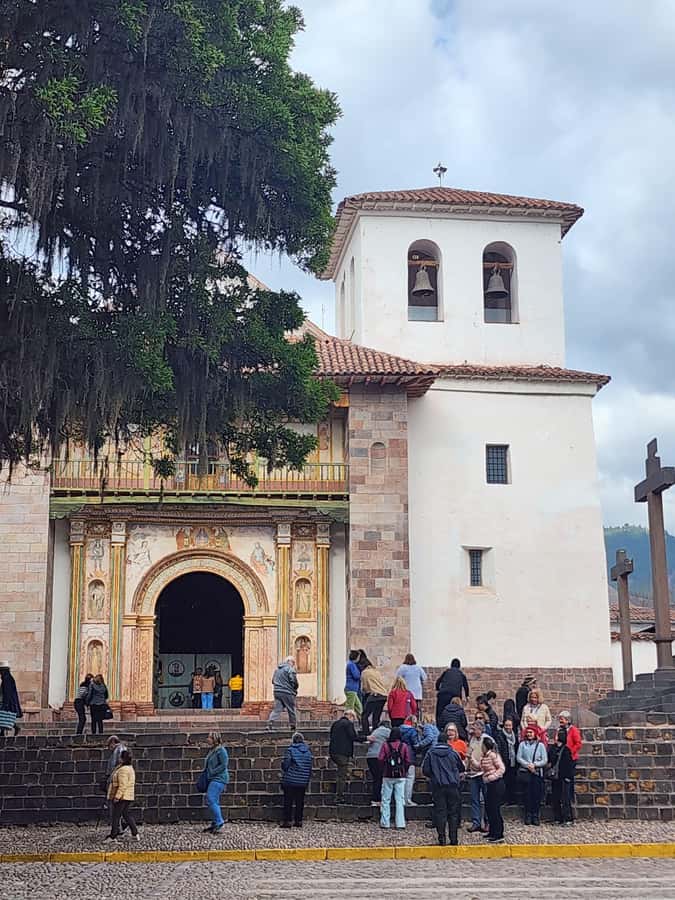
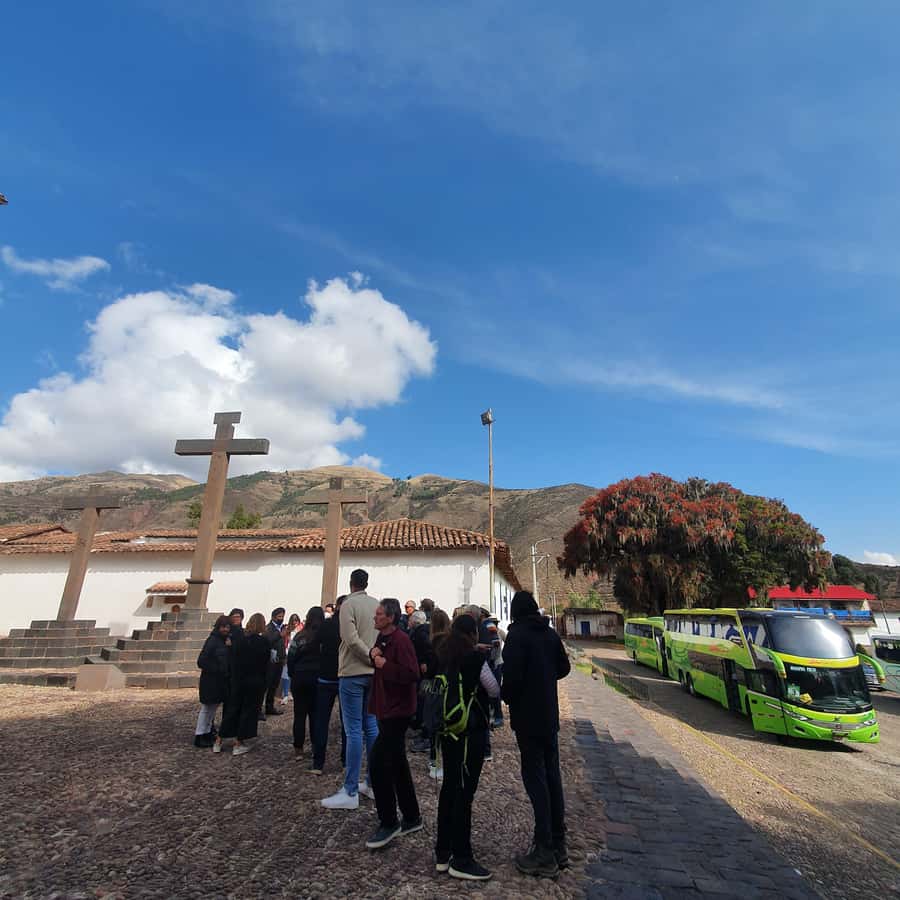
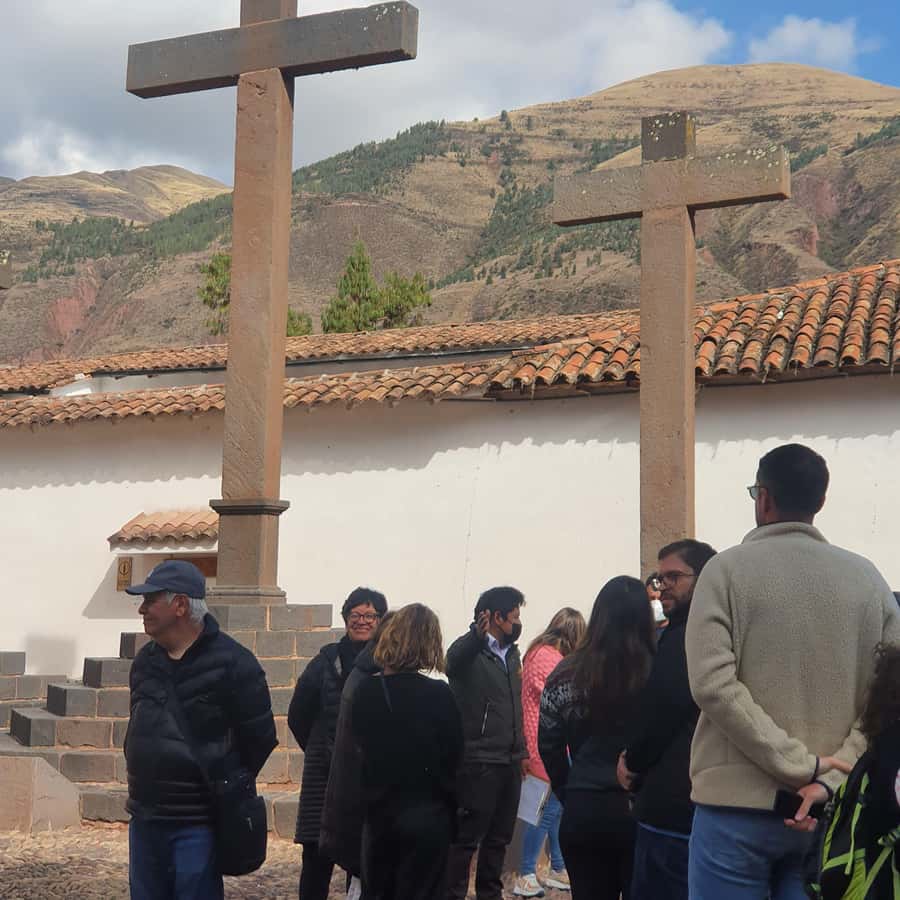
The first major visit is Andahuaylillas Chapel, often called the Sistine Chapel of America. Its appeal is not the outside building alone. The interior is known for ornate colonial decoration, painted surfaces, and a strong mixture of European Catholic design with local Andean influence.
You get a guided visit here, followed by some free time. The stop is valuable because it introduces an important pattern in Peruvian colonial art: churches were not simply places of worship, but also spaces used to teach Christian stories through pictures, sculpture, and decoration.
The entry ticket is not included. The three paid sites together cost 53 soles, according to the tour information, so carry local currency or confirm the accepted payment method before departure. That extra cost is modest compared with the total price, but it should not surprise you at the entrance.
This stop works best if you pay attention to the guide rather than rushing through for photographs. Photography rules can vary inside religious sites, so follow the instructions given at the entrance.
Raqchi and the Temple of Wiracocha
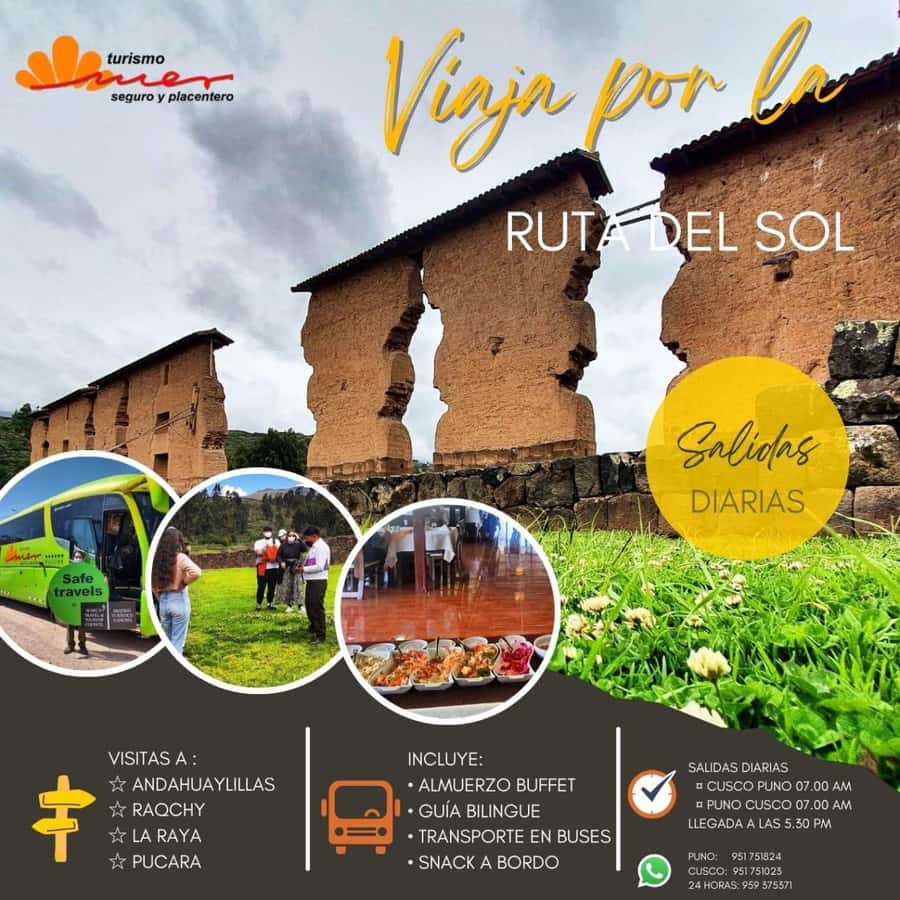
Raqchi is the most imposing archaeological stop on the route. Its main feature is the Temple of Wiracocha, a large Inca complex associated with the god Wiracocha. The site gives you a clearer sense of Inca engineering and ceremonial planning than you can get from a quick city visit.
The guided tour helps place the ruins in context. You should also leave room for a quiet look at the scale of the site. Tall stone foundations and broad open areas make Raqchi feel different from the enclosed chapel at Andahuaylillas.
You are given free time here, but the stop is still timed. Keep an eye on your watch and remember where the bus is parked. The schedule is built around several visits, lunch, and the final arrival in Cusco. A few extra minutes at one stop can affect the entire day.
The village and surrounding area also connect the journey to the living Andean region rather than presenting the route as a string of isolated monuments. You are moving through a highland corridor where history, agriculture, transport, and local communities remain closely linked.
Same base, a completely different day:
- From Cusco: Vinicunca Rainbow Mountain ATV Tour with Meals
★ 4.6 · 1,060 reviews - Puno: Full-Day Tour of Lake Titicaca and Uros & Taquile
★ 4.4 · 178 reviews - Puno: Full-Day Route of the Sun Tour to Cusco with Lunch
★ 4.7 · 131 reviews - Floating Islands of the Uros
★ 4.2 · 101 reviews
La Raya and Nevado Chimboya views
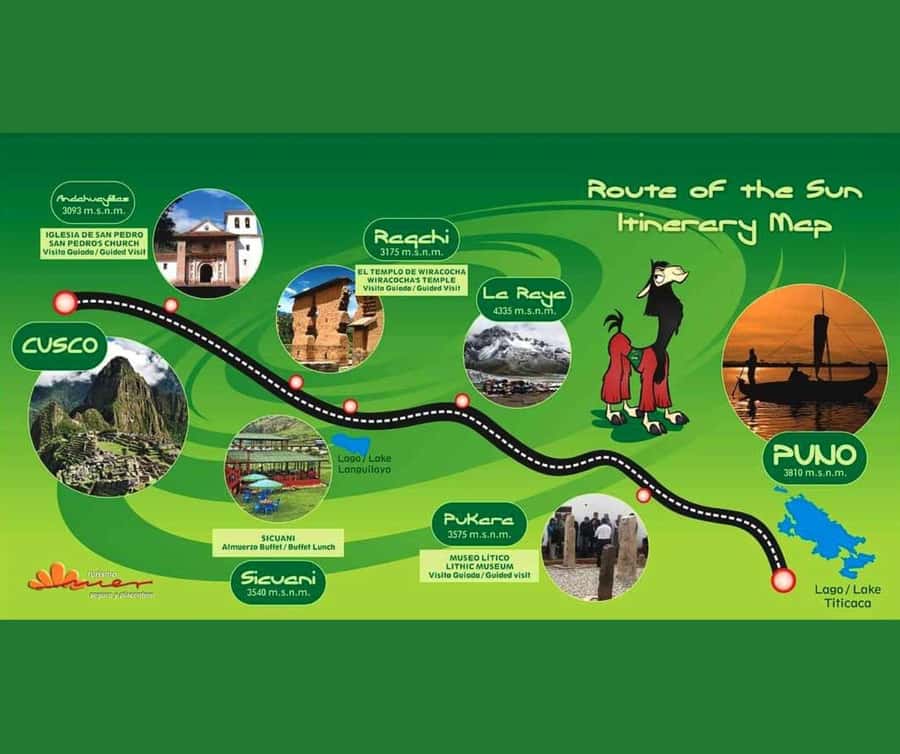
La Raya is the highest and most scenic pause on the itinerary. It marks the road boundary between the Puno and Cusco regions and offers views toward Nevado Chimboya. The stop is mainly for photographs, fresh air, and a chance to stretch your legs.
At this altitude, the weather can change quickly. Bring the requested jacket, along with sunglasses and a camera. Sunlight can be harsh, and the air may feel cold even during a bright afternoon.
Do not expect a long hike here. This is a viewpoint stop, not a mountain trek. That makes it accessible for many people, but it also means the experience depends on the weather and visibility on the day. If clouds cover the peak, the stop still gives you a useful break from the bus, but the grand view may not appear.
Lunch in Sicuani with a broad buffet
Lunch takes place at La Pascana Tourist Restaurant in the town of Sicuani. You get about 40 minutes for lunch and free time. The buffet has many options, including vegetarian and vegan choices, which is helpful on a group route where finding a suitable meal independently could take time.
One of the strongest points of the day is the meal. You are not left searching for food during a short stop, and the buffet format lets you choose what suits your appetite. That matters after several hours on the road and before the remaining visits.
Cold drinks at the restaurant are not included. Drinks and tea may also be offered during the bus service, but do not assume every drink is part of the package. Bring water and some small cash for extras.
Forty minutes is enough for an organized meal, not a leisurely restaurant visit. Follow the guide’s timing, especially if you want to use the restroom or look around before boarding.
Pukara and the final cultural stop
The Pukara visit focuses on the Lithic Museum and the Pukara culture. This is a useful final stop because it adds an earlier Andean civilization to a day already covering colonial art and Inca remains.
The museum helps you see the route as a sequence of different periods rather than one broad category called Inca history. Sculptures and archaeological objects give the visit a more direct connection to the people who lived in the region long before the modern road carried you through it.
The itinerary allows around 30 minutes here, including the guided visit and free time. That is enough for an introduction, but not enough for a slow museum study. If you are deeply interested in archaeology, you may wish you had longer. If you prefer a varied day with several short stops, the timing keeps the trip moving.
Guide service and language concerns
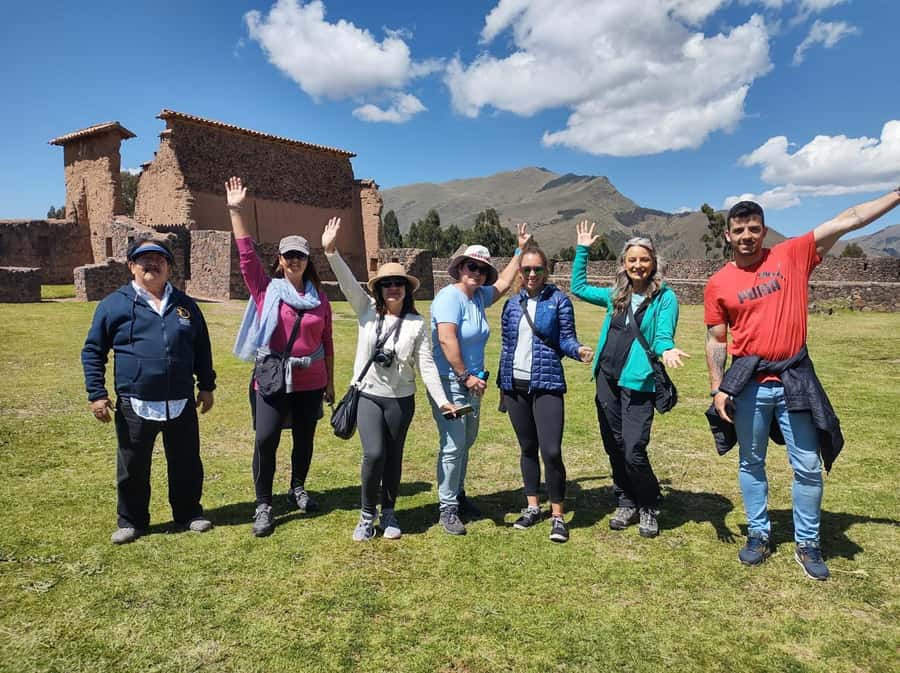
The included guide provides explanations onboard and at the visiting places. The service is described as bilingual English and Spanish, while the activity information also lists French, Portuguese, and Italian as available languages.
The quality of interpretation may depend on the guide assigned to your departure. Guide Alfredo was described as helpful by some passengers but difficult to understand in English by another, who also felt that his Spanish was not always clear. That is important if detailed explanations are central to your decision.
The strongest guide feedback praised the cultural information and enthusiasm. One passenger described the guide as passionate and generous with explanations about the sites and cultures. I would book this for the convenience of guided context, but I would not choose it solely for advanced English-language interpretation.
Timing, delays, and the one rule I would follow
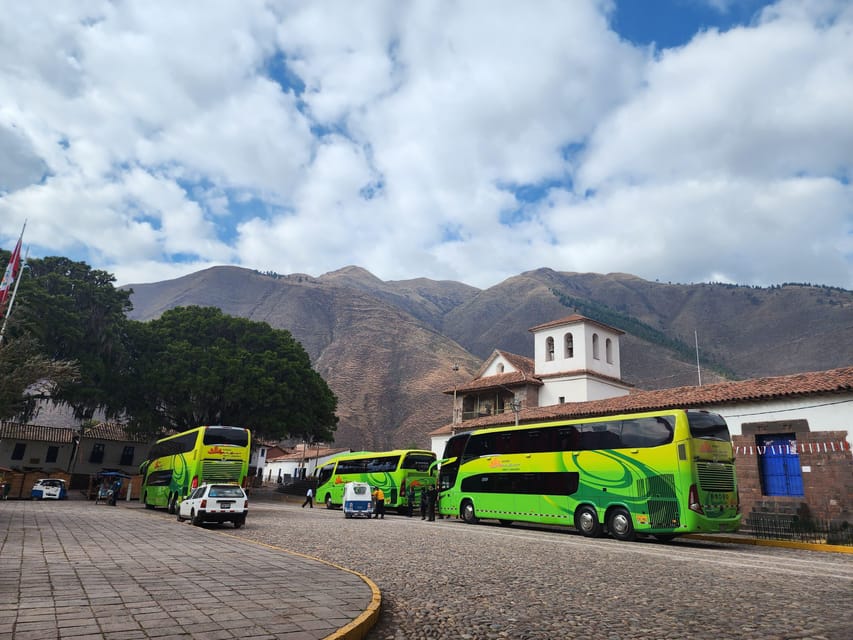
The planned duration is about 10 hours. That includes the road journey, four visits, lunch, and short breaks. The schedule is well designed in principle because it keeps you moving and prevents the transfer from feeling like one endless ride.
Still, this is not a precision transport service. One passenger arrived one to two hours late, and another reported that the bus began leaving while she and her companion were in the bathroom. That second problem is especially serious.
I would follow one rule: never assume the bus will wait. Tell the guide when you leave, use the closest facilities, and return early. If you are staying at a hotel on arrival, this delay is usually manageable. If you have a flight, train, private pickup, or fixed evening booking, choose a different transfer or leave a wide buffer.
Who should book this experience?
I would recommend it to you if you want to travel between Puno and Cusco during the day and prefer a planned cultural route to a plain bus ride. It suits first-time visitors who want basic historical context, families who appreciate organized stops, and anyone who likes having lunch and transport handled together.
It is also a good match if you value a reclining seat, onboard toilet, snack, chargers, and the chance to see four sites without arranging separate taxis or tours.
I would think twice if you need strict arrival times, want a quiet direct transfer, or expect polished VIP service. The bus facilities are useful, but the experience can still feel like a long group excursion. People over 95 are listed as unsuitable for the activity, and wheelchair access is listed as available, but it is sensible to confirm the exact boarding and site arrangements before paying.
Is the $55 price worth it?
For $55, the value comes from combining transportation with a full sightseeing day. You receive the bus, guided visits, snack, buffet lunch, and basic comfort features. The entry fees of 53 soles for the three paid sites are extra, as are cold drinks at the restaurant and transfers to or from your hotel.
That puts the real cost above the headline price, but it can still compare well with booking a private transfer and separate visits. The best value appears when you would have paid for those stops anyway.
The weakest value comes when you care only about speed. You are paying for the stops, and the stops are the reason the trip takes about 10 hours.
Should you book the Puno to Cusco tourist bus?
Book it if you want a useful daytime transfer with Andahuaylillas, Raqchi, La Raya, Pukara, lunch, and a guide folded into one plan. The comfortable bus, varied buffet, and thoughtful onboard equipment make the long ride easier, and the cultural stops give the route real purpose.
Do not book it for a tight schedule or a guaranteed luxury experience. Allow extra time, carry local money for site tickets and drinks, bring layers and sunglasses, and stay near the bus during every break. With those expectations, this is a practical and interesting way to cross between Puno and Cusco.
FAQ
How long does the Puno to Cusco tourist bus take?
The activity lasts about 10 hours, including transportation, guided visits, breaks, and lunch.
Which sites are visited during the journey?
The route includes Andahuaylillas Chapel, Raqchi and the Temple of Wiracocha, La Raya with views toward Nevado Chimboya, and the Pukara Lithic Museum.
Is lunch included?
Yes. A buffet lunch at La Pascana Tourist Restaurant in Sicuani is included. Vegetarian and vegan choices are available. Cold drinks at the restaurant are not included.
Are entrance tickets included?
No. Tickets for the three paid visiting places are extra and total 53 soles according to the provided information.
Does the bus have a toilet?
Yes. The bus has a chemical toilet onboard.
Is Wi-Fi available during the trip?
Yes, but Wi-Fi works only in areas where an internet signal is available.
Is hotel pickup included?
No. Transfers from your hotel to the bus station and from the arrival terminal to your hotel are not included.
What languages are offered?
The included service is described as English and Spanish bilingual guiding. The activity information also lists French, Portuguese, and Italian.
Can I cancel the booking?
You can cancel up to 24 hours in advance for a full refund. Reserve now and pay later is also offered.
Just added around Puno
- Discover the Celestial Wonder of Sillustani: Towers of Time★ 4.2 · 3 reviews
- Day Trip to Uros Floating Islands and Amantani Island★ 3.9 · 8 reviews
- Sillustani: Chullpas de Sillustani Afternoon Half-Day Tour★ 5.0 · 6 reviews
- Puno: 2-day Uros Kayak Tour with Homestay at Amantani Island★ 4.6 · 4 reviews
- From Puno: 3-Hour Uros Floating Islands Tour★ 4.4 · 67 reviews
- Lake Titicaca, Uros and Taquile Full-Day Tour★ 4.3 · 69 reviews
- Floating Islands of the Uros★ 4.2 · 101 reviews
- From Puno: full day tour to Uros and Taquile with Lunch★ 4.6 · 95 reviews
Lake Titicaca & Uros Islands, compared.

2-Day Tour Colca Canyon in Arequipa with end in Puno
Read our review →
Lake Titicaca 2-Day Tour to Uros, Amantani and Taquile
Read our review →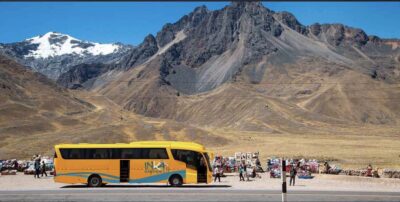
Full-Day Route of the Sun Tour to Cusco with Lunch
Read our review →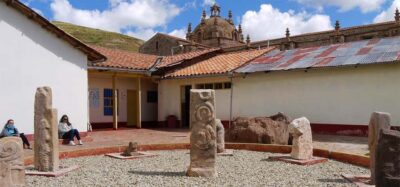
Scenic Route of the Sun to Puno with Buffet Lunch
Read our review →
Browse the lists this tour appears in