
Reviewed · LAKE TITICACA & UROS ISLANDS
From Puno: Floating Islands of the Uros Half-Day Tour
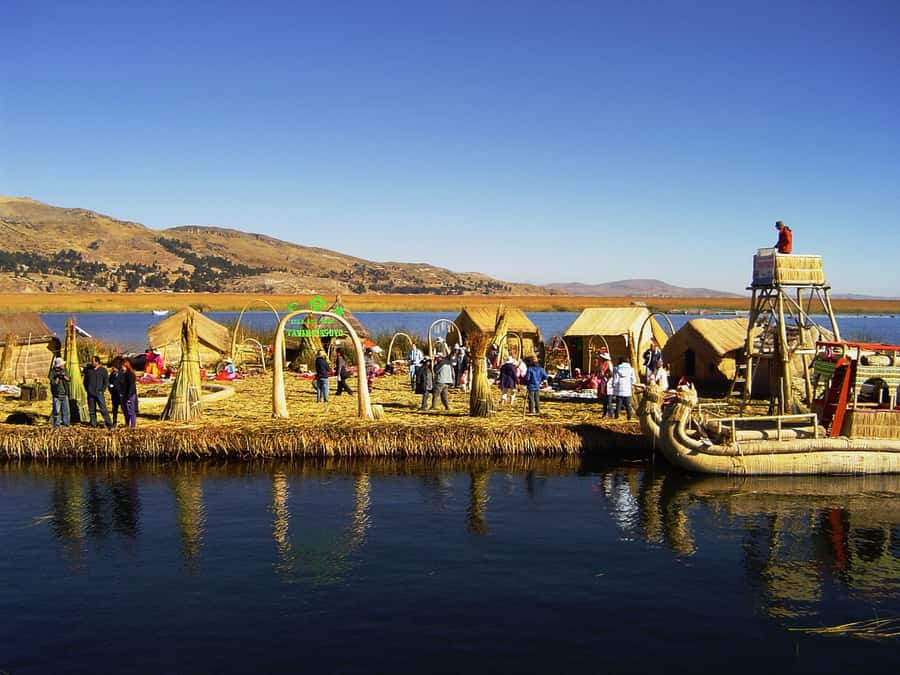
The most striking thing here is simple: you walk on an island made from totora reeds, an aquatic plant that grows in Lake Titicaca. Houses, boats, cooking fuel, and much of the island surface all depend on the same plant. I like that the three-hour schedule gives you a clear look at this unusual way of life without taking up your entire day in Puno. I also like the chance to learn from guides such as Freddy and Roly, who have grown up in the Uros community.
The main consideration is that the visit has a strong sales element. You will be shown local textiles and crafts, and the optional reed boat ride costs 15 soles per person. I see this as part of the island economy, but you should come ready to browse politely and spend only what you choose.
Key points to know before you go
- Walk on a floating island: See how layers of totora reeds create a surface that can support homes and visitors.
- Learn from local guides: Guides such as Freddy, Roly, Robbie, and Franky have been praised for clear English and personal knowledge of Uros life.
- Allow three hours: The tour includes short road transfers, boat travel, about 105 minutes on the islands, and the return to Puno.
- Budget 15 soles extra: The traditional balsa de totora boat is not included in the tour price.
- Expect crafts and shopping: Local families sell textiles, souvenirs, food, and drinks during the island visit.
- Best for a short Puno stay: At about $10 per person, this is an easy way to see Lake Titicaca without committing to a full-day trip.
Why these floating islands are worth seeing
The Uros islands are not ordinary islands that happen to float. They are built by hand from totora, a reed that grows in the shallow waters of Lake Titicaca. The plant is cut, woven, and placed in thick layers. As the lower reeds soften and break down, new layers are added on top.
That process gives the islands a living quality. The ground under your feet is not rock or soil. It is a maintained platform that needs regular care. Your guide will explain how the reeds are arranged and how the island surface is repaired and renewed.
The Uros people have a culture that dates back more than 3,000 years, before the Inca period. Around 2,000 people live among the floating islands today. The visit gives you a brief but memorable look at how the lake shapes work, transport, housing, cooking, and trade.
I like this tour because the idea is easy to understand once you are standing there. A museum display can show you a piece of totora, but walking across a reed surface and looking at reed homes and boats makes the subject real.
You should also keep your expectations sensible. This is a working community that receives visitors, and the visit is arranged for tourism. You will see demonstrations, listen to explanations, have time for photographs, and encounter local goods for sale. It is a useful introduction, but it is not an unfiltered look at every part of Uros life.
Other days on Lake Titicaca from Peru:
- From Puno: Uros, Amantaní & Taquile Islands 2-Day Tour
★ 4.5 · 452 reviews - 2-Day Tour Colca Canyon in Arequipa with end in Puno
★ 4.6 · 248 reviews - Lake Titicaca 2-Day Tour to Uros, Amantani and Taquile
★ 4.4 · 199 reviews
The short ride from Puno to the lake
If you select hotel pickup, the tour collects you from a hotel in central Puno. The first van transfer takes about 10 minutes, so this part is quick and practical rather than scenic.
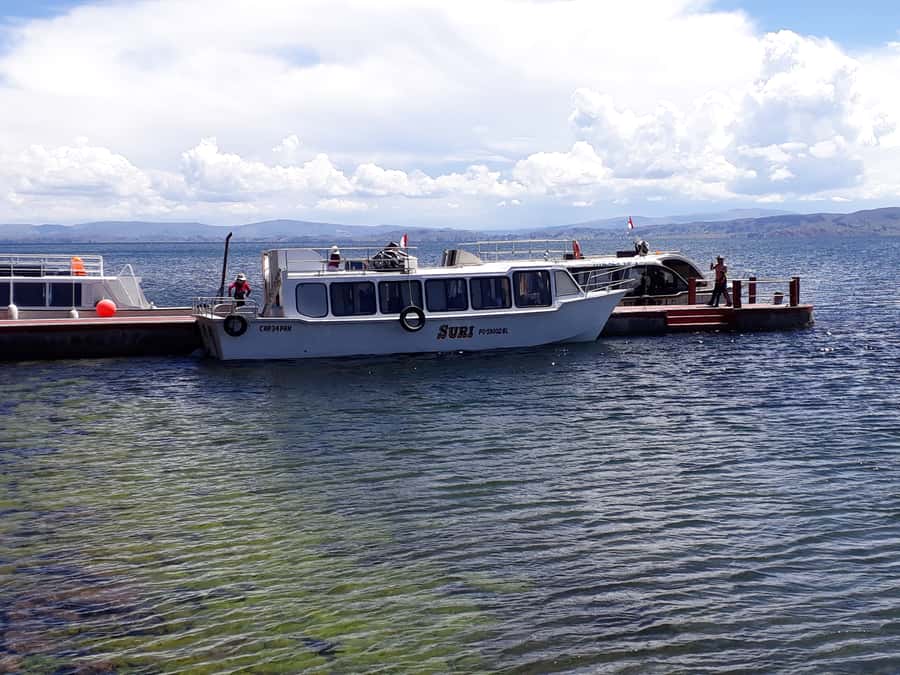
At the main port, you board the boat for the ride across Lake Titicaca. The outward journey takes about 30 minutes. That is enough time to appreciate how wide and open the lake feels, especially after the close streets of Puno.
Lake Titicaca is known as the highest navigable lake in the world. The boat ride is not just a transfer. It places the Uros community in context, showing that the lake is the road, workplace, and setting for daily life.
The boat crews receive strong praise for careful handling. Captains named Bryan, Brian, Christian, and Christopher have all been associated with well-run trips, though you should not assume a particular captain will operate your departure. Boats have been described as clean and comfortable, but conditions can vary with weather and the size of the group.
Bring your passport or identity card. Leave large luggage and bulky bags at your accommodation, since they are not allowed on the tour.
Meeting the Uros community on the islands
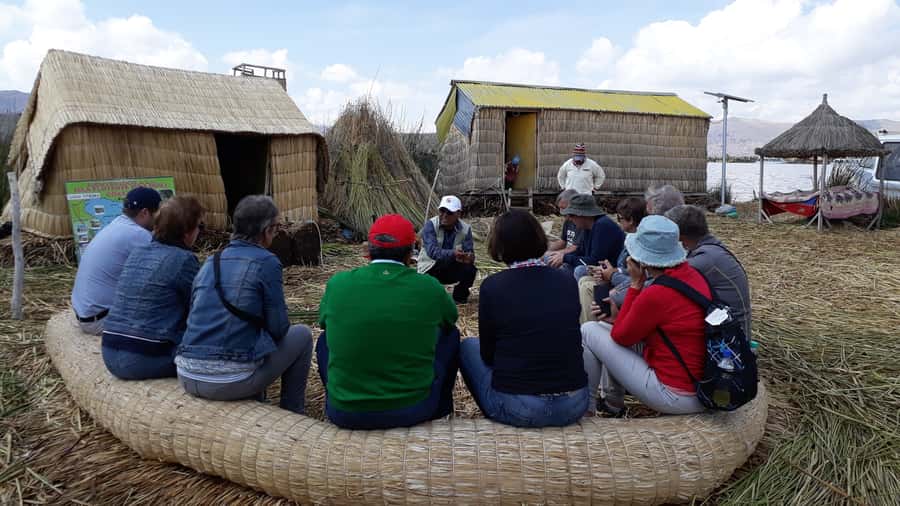
You have about 105 minutes at the floating islands. That is enough time for a guided explanation, a walk, photographs, local shopping, and, if you choose, the traditional reed boat ride.
Your guide will usually begin with the story of the Uros people and the construction of the island. You will see how totora is woven and layered to form the surface. The same plant is also used for houses and boats, and it has a role in cooking and food.
This is where a good guide makes a real difference. Freddy, also spelled Fredy in some tour details, is an Aymara speaker who grew up in the Uros community and has guided many visitors in English and Spanish. Roly, Robbie, Franky, and other guides have also been praised for clear explanations and friendly service.
A local guide can explain small points that make the visit easier to understand. You may learn basic Aymara phrases, hear about the lake before reaching the island, and get a more personal account of how families use the reeds. Ask questions while you have the chance. The guide is your best link between the impressive construction and the people who maintain it.
The island visit also gives you time to meet local hosts. Some visitors have enjoyed trying on traditional clothing for photographs and talking with the women who display handmade textiles. The welcome is generally warm, but the format is organized for visitors, not casual village wandering.
The reed boat ride and the extra cost
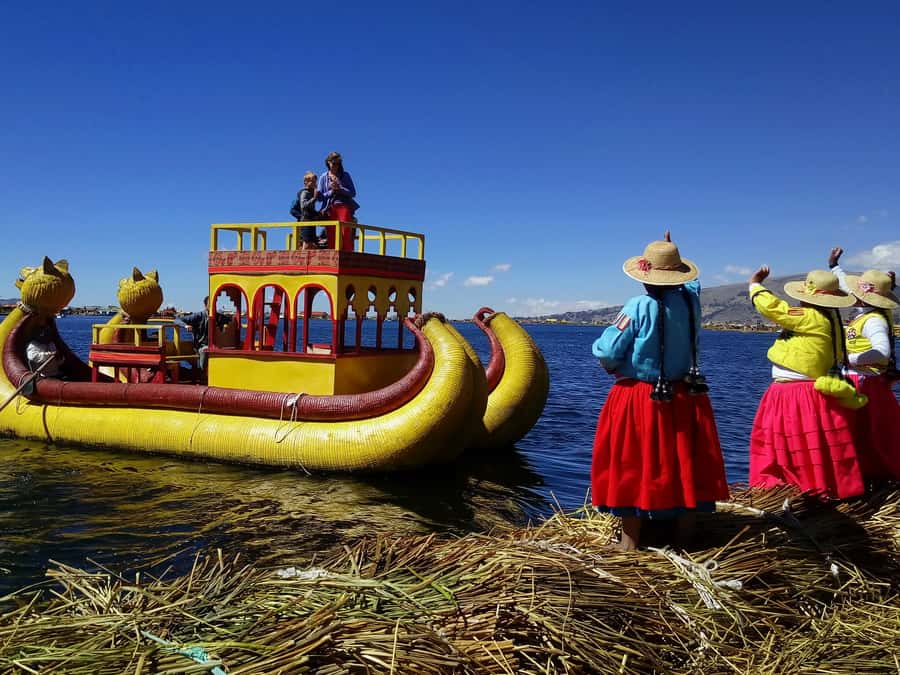
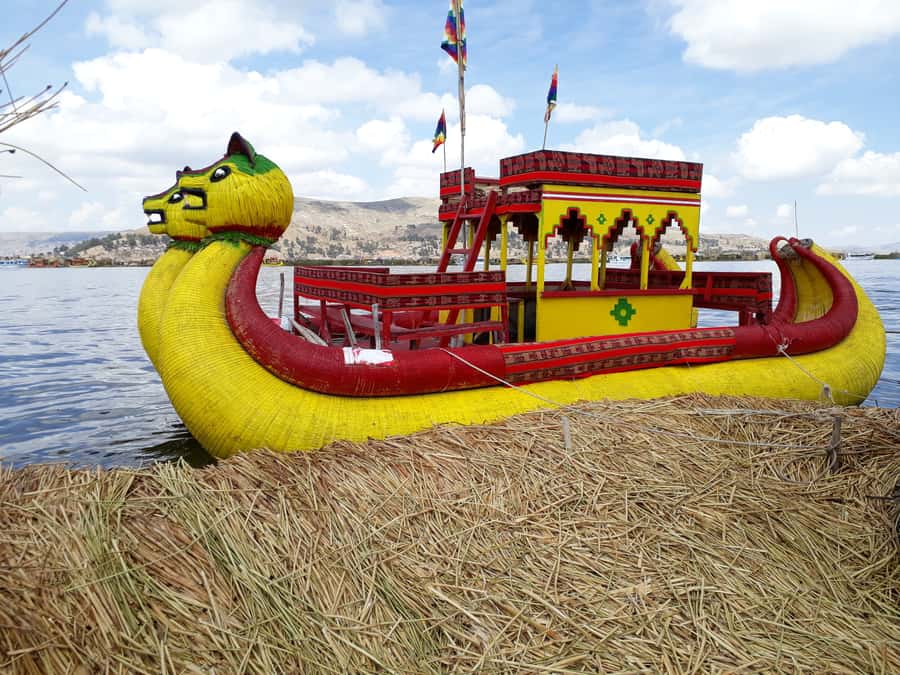
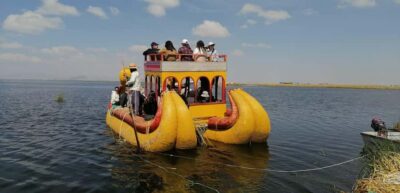
The balsa de totora is a traditional boat made from the same aquatic plant used to build the islands. Riding one adds another physical example of how much the Uros depend on totora.
The fee is 15 soles per person, paid separately on the spot. The tour price does not include it. The information describes the ride as optional, but some people have found that it is presented as a normal part of the visit. I would plan for the extra charge and decide once you understand exactly what the ride involves.
The boat ride can be fun and gives you a different view of the island and the lake. Still, not everyone finds the second stop worthwhile. Some visitors felt that the destination had little beyond a chair, toilet, and small restaurant. If your priority is seeing more family life or spending longer on the main island, ask how much time the boat ride will take before paying.
For a first visit, I would treat the reed boat as an optional cultural experience rather than a required add-on. If you are watching your budget or already have a full day planned, the walking tour and island explanation are the core of the experience.
Other half-day trips around Peru:
- Cusco: Half-Day City Tour with Sacsayhuaman and Q’enco
★ 4.6 · 1,129 reviews - Lima’s Vibrant Heritage: Exploring the City’s Landmarks Half-day
★ 4.5 · 581 reviews - Lima: Pachacamac Ruins & Barranco Half-Day Guided Tour
★ 4.6 · 296 reviews - Pre Inca Temple of Pachacamac Half-Day Tour from Lima
★ 4.5 · 283 reviews
Shopping, crafts, and the hard sell
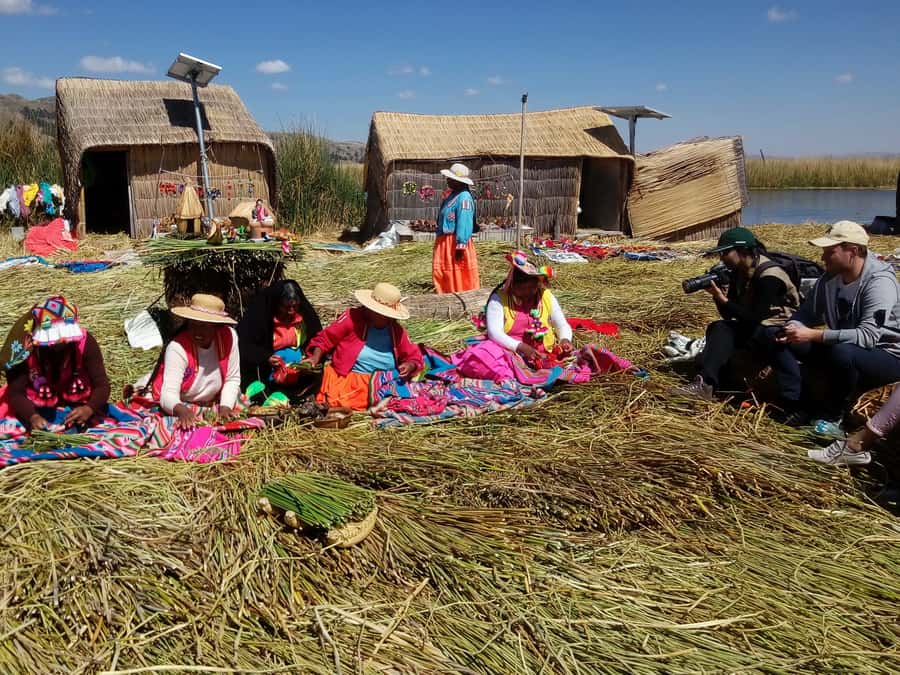
The islanders sell woven goods, souvenirs, food, and drinks. Buying something can be a direct way to support the families who host visitors, and many people enjoy taking home a textile or small craft connected with the trip.
The shopping can also feel persistent. Some people have found the prices higher than those for similar goods elsewhere in Peru. Others have felt pressure to buy, while several have found the sellers friendly and relaxed when they chose not to purchase.
My advice is to be polite, look around, and decide in advance what you want to spend. You do not need to buy every item shown to you. If you do want a souvenir, compare prices before committing and carry small cash for the 15-sol boat fee and modest purchases.
The sales activity does not erase the value of the visit, but it is an important part of the experience. The island is a community receiving income from tourism, and selling crafts is one of the ways that happens. Go in expecting both cultural information and commerce, and the balance will feel less surprising.
How the three-hour schedule works
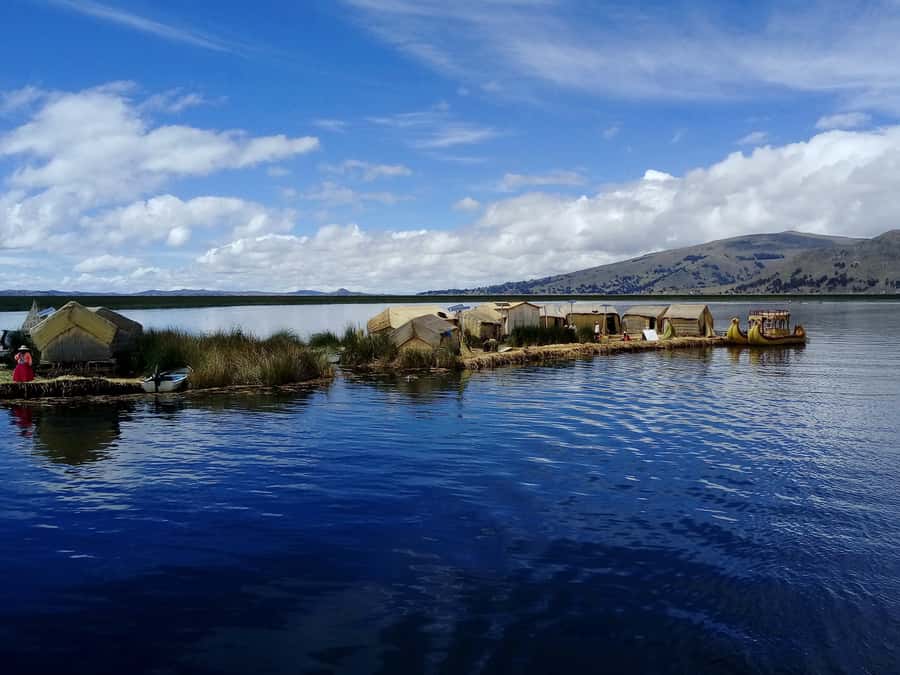
The timetable is compact:
- About 10 minutes by van from central Puno to the port
- About 30 minutes by boat to the Uros islands
- About 105 minutes for the island visit, guided explanations, walking, shopping, and optional activities
- About 30 minutes by boat back to the port
- About 15 minutes by van to Puno
The actual experience may feel slightly different depending on pickup, boat loading, and group size. Small groups can make the visit feel more personal. Some departures have been almost private, while others have gathered into a larger group at the island.
A morning or afternoon departure can work well around other plans. A later trip may return during sunset, which can make the boat journey especially attractive. This timing is worth asking about when choosing among available start times.
You should not book this as a slow, reflective day on the lake. It is a focused introduction. The schedule gives you enough time to understand the islands, but not enough for a long conversation with every family or a broad tour of the archipelago.
Weather, clothing, and comfort
The tour runs in sun or rain. Lake Titicaca can feel cold, and the open water offers little shelter from wind or strong sunlight. Bring layers, sun protection, and a waterproof outer layer if rain is possible.
Wear shoes with a secure grip. The surface of a floating reed island is unusual underfoot and may not be ideal for anyone who has trouble walking or balancing. The activity is not suitable for people with mobility impairments.
Take water with you if you need it, since food and drinks are not included. You will find chances to buy drinks or snacks during the island visit, but it is easier to carry your own small supply.
Do not bring pets or large bags. A small day bag with your identification, phone, water, and weather protection is the practical choice.
Is $10 good value?
At $10 per person, this is a low-cost way to reach the Uros islands from Puno. The price includes the boat transfer, island entrance, and a bilingual English and Spanish guide. If central hotel pickup and drop-off are included in your selected option, the price becomes even more useful for a short stay.
You should add the 15-sol reed boat fee if you think you will want to ride it. Food, drinks, and purchases are separate too. Even after those extras, the tour remains a good-value introduction to Lake Titicaca, especially if you have only one day in Puno.
The value is strongest for people who want three things: a boat ride on the lake, a clear explanation of how the islands are built, and a short meeting with the Uros community. It is less suitable if you want a quiet natural outing with no shopping or if you expect extended time away from organized tourism.
The booking terms are also flexible. You can cancel up to 24 hours ahead for a full refund, and you can reserve now and pay later. Those policies are useful if your Peru itinerary is still shifting.
Who should book this tour?
I would recommend it to first-time visitors to Puno, anyone with a free morning or afternoon, and people who want a strong visual experience without a full-day commitment. Families and curious older children may find the reed construction especially memorable, provided everyone can walk comfortably on the island.
It also suits visitors who want a guide rather than simply a boat transfer. The best part is not only seeing the islands. It is understanding how the reeds are gathered, layered, renewed, and used in daily life.
I would think twice if you dislike sales presentations, cannot walk comfortably, or want a long, quiet look at remote lake life. The tour gives you a managed cultural visit, not a private expedition. That is not a flaw, but it is important to know before you book.
Should you book the Uros half-day tour?
Book it if you have three hours in Puno and want to see something genuinely unusual for a modest price. The floating surface, reed boats, open lake views, and local explanations make this far more memorable than a standard city excursion.
Go with realistic expectations. You will see tourism as well as tradition, and the reed boat and shopping may add to your costs. If you accept that balance, this is a practical and worthwhile first look at the Uros islands, especially with a local guide such as Freddy or Roly explaining what you are seeing.
FAQ
How long does the Uros floating islands tour take?
The tour lasts about three hours, including the van ride from Puno, the boat journey to the islands, about 105 minutes on the islands, and the return trip.
Is hotel pickup included?
Pickup and drop-off are available from hotels located in central Puno when that option is selected.
Is the traditional reed boat ride included?
No. The balsa de totora ride is not included in the tour price and costs 15 soles per person, paid directly on the spot.
What languages does the guide speak?
The tour provides a live guide in English and Spanish. Guides associated with the experience have also spoken Aymara.
What should I bring?
Bring your passport or identity card. Layers, sun protection, water, and rain protection are sensible because the tour runs in sun or rain.
Can I bring luggage or a pet?
No. Pets and large bags are not allowed on the tour.
Just added around Peru
- Adventure Day in Arequipa: Pillones Waterfall + Rock Forest★ 4.2 · 25 reviews
- From Nazca: Cahuachi Pyramids Tour and Textile Workshop★ 4.8 · 21 reviews
- From Arequipa: Pillones Waterfall and Stone Forest Day Trip★ 4.4 · 15 reviews
- From Cusco: Chinchero, Moray, Maras, Ollantaytambo and Pisaq★ 4.6 · 11 reviews
- From Cusco: Sacred Valley ending in Ollantaytambo and Lunch★ 4.3 · 36 reviews
- From Nazca: Chauchilla Cemetery Tour and Artisans Workshop★ 4.9 · 20 reviews
- From Ollantaytambo:Moray, Salt Mines, Chinchero end in Cusco★ 5.0 · 42 reviews
- Lima : City Tour by Panoramic Bus – Walking & Catacombs★ 4.3 · 41 reviews
Lake Titicaca & Uros Islands, compared.

2-Day Tour Colca Canyon in Arequipa with end in Puno
Read our review →
Lake Titicaca 2-Day Tour to Uros, Amantani and Taquile
Read our review →
Full-Day Route of the Sun Tour to Cusco with Lunch
Read our review →
Scenic Route of the Sun to Puno with Buffet Lunch
Read our review →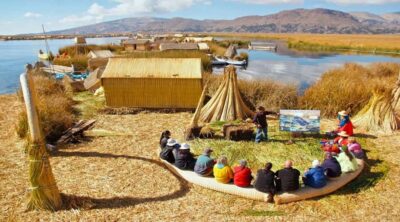

Browse the lists this tour appears in