
Reviewed · COLCA CANYON TOURS
From Arequipa Trek : 2-Days of Hiking in the Colca Canyon
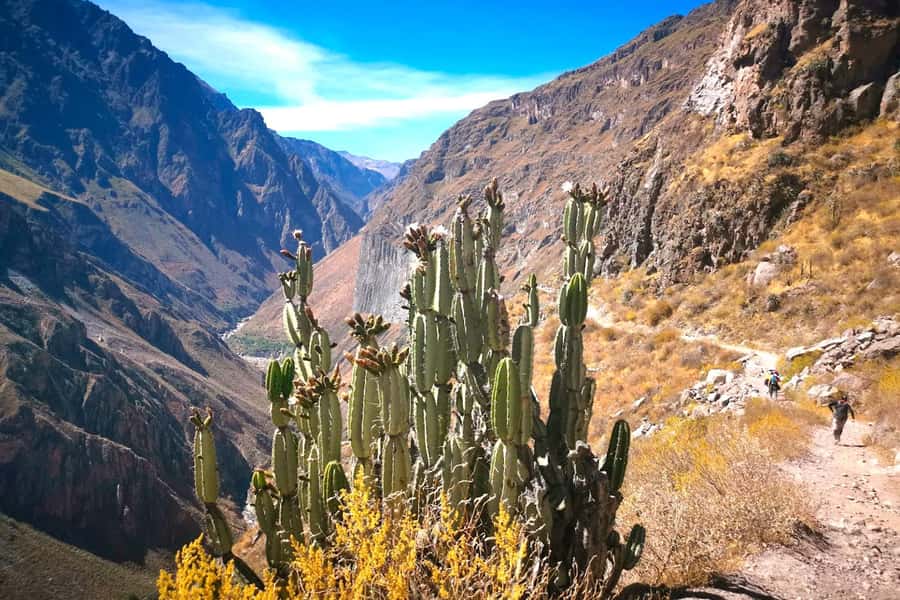
Colca Canyon is best understood from the trail, not a bus window. This two-day route drops from Cabanaconde into the canyon, passes old Andean terraces and rural communities, then sends you back up before sunrise. The scenery is superb, but the climb is serious.
I like the small group size, limited to 18, and the chance to sleep at Sangalle Oasis, where a pool offers welcome relief after the first day. I also like the Cruz del Cóndor stop, since you get a close look at one of Peru’s great natural sights before your boots hit the trail.
The catch is simple: this is a tough hike. The second-day climb begins in darkness and takes three to four hours. You need good shoes, plenty of water, snacks, and a fair level of fitness. One guest found the route difficult in poor footwear, while another said the guide communication could have been better when a hiker needed help.
Key points to know before booking
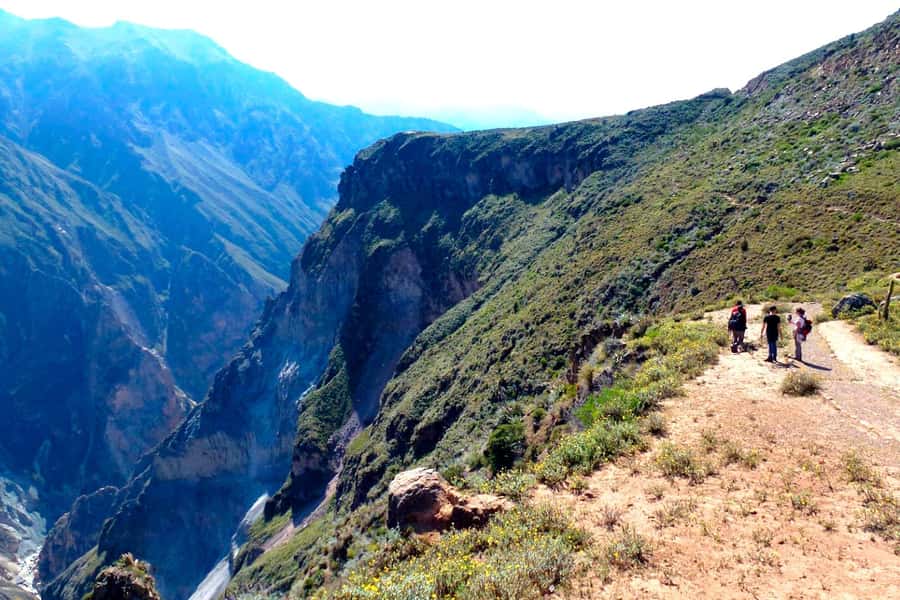
- The route drops 1,300 meters on day one: You start near 3,200 meters and finish at Sangalle, around 1,900 meters.
- The climb back is the real test: Day two begins at night and rises to Cabanaconde at 3,300 meters.
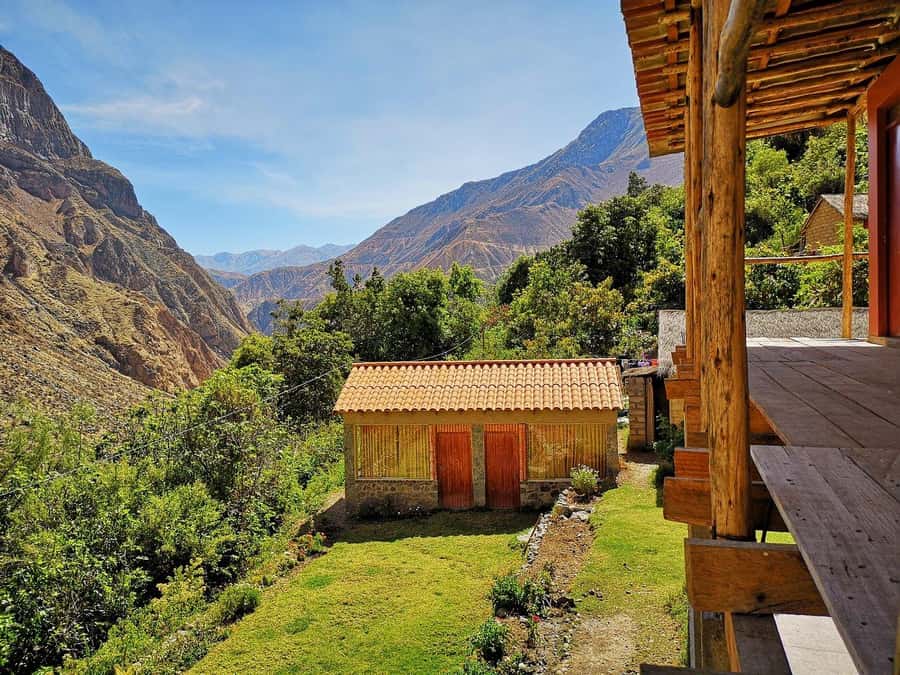
- Sangalle is a basic overnight stop: You get pools and a pleasant setting, but lodging may lack private bathrooms, showers, and electrical outlets.
- Condors come before the hike: Cruz del Cóndor sits at about 3,600 meters and is visited for around 40 to 50 minutes.
- The advertised price is not the final cost: Add $90, or 320 soles, in cash for food, lodging, and the canyon entrance, plus about $5 for the hot springs.
- You return to Arequipa around 5:30 p.m.: The day includes hot springs, lunch in Chivay, high-altitude viewpoints, and several hours in the van.
Why this canyon trek is worth the effort
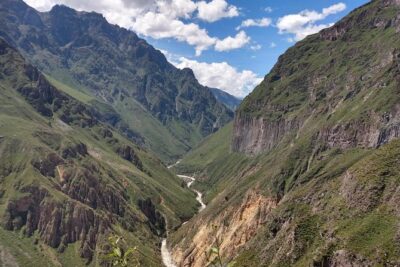
Colca Canyon is famous for its scale, but a short viewpoint stop cannot show how people live inside it. On foot, you see the canyon walls change as you descend, small settlements connected by steep paths, and agricultural terraces cut into the slopes.
The terraces are linked to the Collaguas, an Andean people who shaped the area’s farming systems. They are not simply decorative ruins. They show how communities made use of difficult mountain land long before modern roads reached the region.
The trip also gives you two very different experiences of the canyon. On day one, you walk down through heat and dry vegetation toward Sangalle. On day two, you climb through the darkness toward cold mountain air and sunrise. It feels less like a casual sightseeing tour and more like a short mountain expedition.
The experience has a strong 4.5 rating from 35 recorded bookings, with the scenery and challenge receiving the most praise. That praise comes with a warning: the physical demands are easy to underestimate if you look only at the low price and two-day length.
Other trips into the canyon from Peru:
- From Arequipa: Colca Canyon Full-Day Guided Tour with Meals
★ 4.5 · 982 reviews - 2-Day Tour Colca Canyon in Arequipa with end in Puno
★ 4.6 · 248 reviews - From Arequipa: 2-Day Colca Canyon Trekking Tour
★ 4.8 · 243 reviews
A 3 a.m. start from Arequipa
Pickup is scheduled for 3 a.m. in Arequipa. That is an early start, but it allows the group to reach the canyon and complete the first day’s descent without losing too much daylight.
The first drive takes about three hours to Chivay. You stop there for breakfast, then continue toward Cruz del Cóndor. The long van ride is part of the tradeoff for visiting Colca Canyon from Arequipa in only two days. You spend much of the morning on the road before the main hike begins.
The group is limited to 18 people, which is more manageable than a large coach excursion. Still, physical ability can vary widely in a group this size. You should be prepared to walk at your own steady pace, while also staying close enough to follow the guide’s instructions.
Several departures have used bilingual English and Spanish guides. One named guide, Fernando, received criticism for a slow introduction and for not handling a bathroom request well. That does not define every guide on the trip, but it is a useful reminder to ask questions directly, stay alert, and make your own water and rest needs clear.
Cruz del Cóndor, a strong opening stop
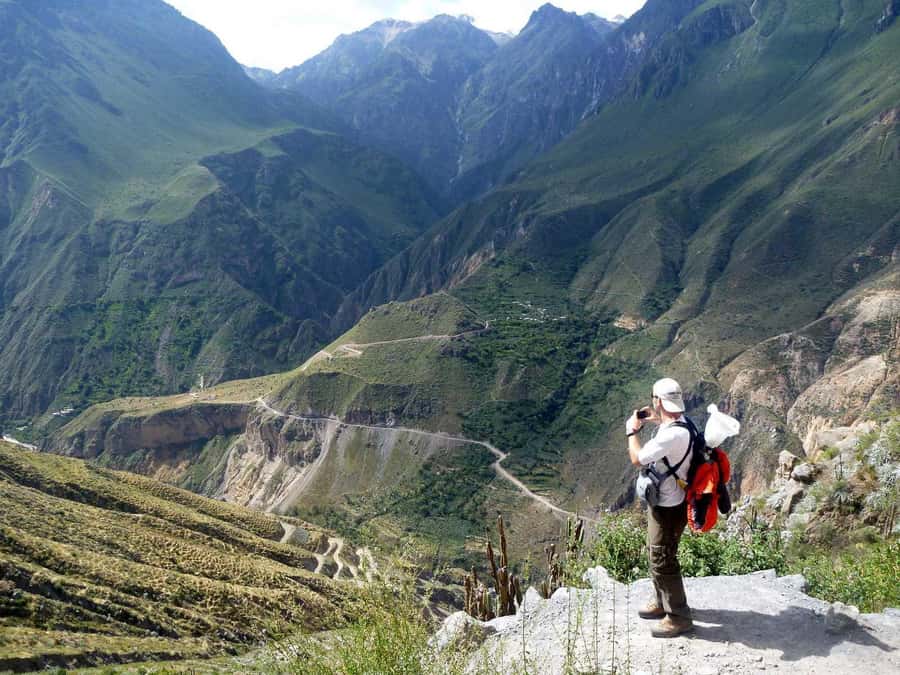
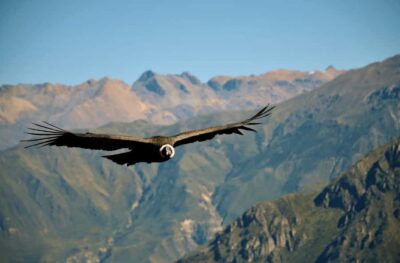
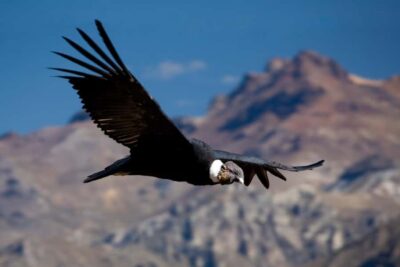
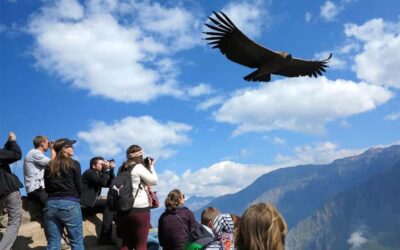
Cruz del Cóndor sits at about 3,600 meters and gives you a high view into the canyon. The stop lasts around 40 to 50 minutes, enough time to look for Andean condors, take pictures, and hear an introduction from the guide.
Condors are the star here, but they are wild birds, not a scheduled performance. You might see them riding the rising air above the canyon, which is especially striking against the huge rock walls. Even if the birds are not close, the viewpoint gives useful scale to the gorge you will soon enter on foot.
The altitude matters. You may still be adjusting to the elevation around Arequipa, and Cruz del Cóndor is higher than the canyon floor. Move slowly, drink water, and do not treat this first stop as a chance to burn energy before the hike.
From San Miguel into the canyon
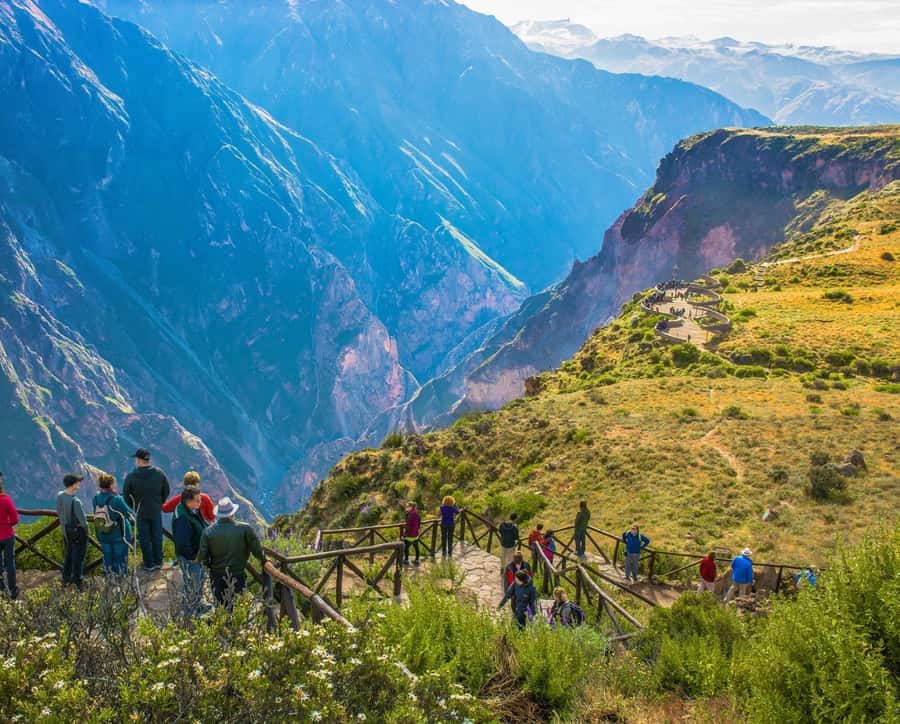
After the condor viewpoint, the van continues to San Miguel, at roughly 3,200 meters. You get about 20 minutes at Cabanaconde or the trail area to organize your small pack before starting the walk.
The first section descends for about three hours. You can expect steep and uneven ground, changing views, and sections where the path runs near exposed edges. A German guest specifically felt the route description should make the steepness and drop-offs clearer. Take that advice seriously.
Good footwear is not optional here. Trainers with poor grip can make the descent harder on your knees and less secure on loose or uneven surfaces. Bring a headlamp or flashlight because the second day starts before sunrise, and pack toilet paper for basic stops along the route.
The descent may sound easier than climbing, but it still works your legs. Heat builds as you lose altitude, and the trail can feel demanding even when you are moving downhill. Carry enough water, but do not rely on the group’s supplies or assume you can wait until the next meal.
Other walks into the mountains in Peru:
- From Arequipa: Sillar Route Trek
★ 4.2 · 461 reviews - From Cusco: 7 Lakes Ausangate Trek with Breakfast and Lunch
★ 4.8 · 360 reviews - Cusco: Rainbow Mountain Tour and Red Valley Hike (Optional)
★ 4.7 · 149 reviews - From Huaraz: Hike to the Lagoon 69
★ 4.4 · 121 reviews
Lunch with a local family in San Juan de Chuccho
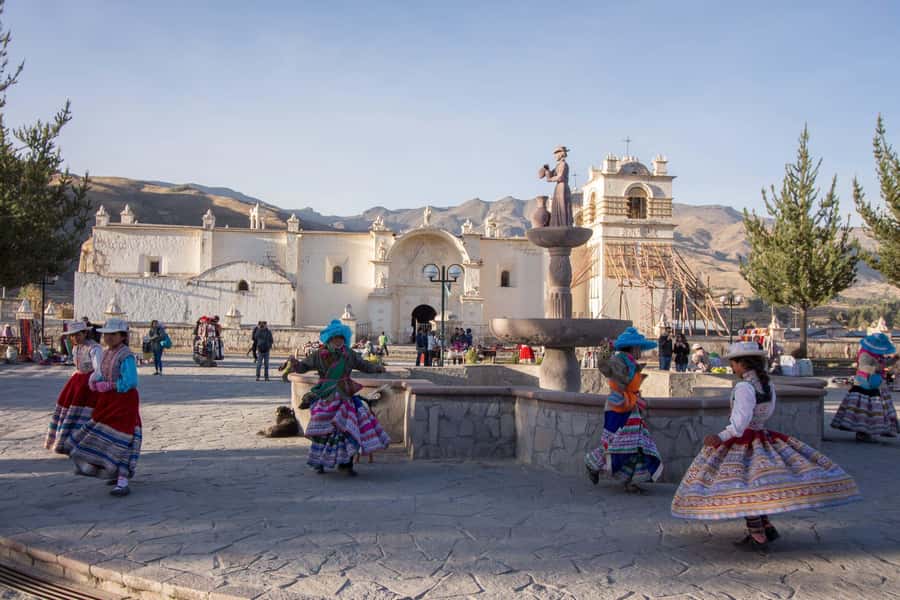
After about three hours, you cross a bridge and reach San Juan de Chuccho, at around 2,230 meters. Lunch is served at the home of a local family, followed by a short rest.
This is one of the most appealing parts of the route because the meal takes place in a community rather than at a roadside restaurant. You get a closer look at daily life inside the canyon and a real break between the two major walking sections.
The timing is important. You have already spent several hours descending, and another three-hour walk remains. Use the rest period to refill water, adjust your pack, apply sunscreen again, and check your feet before leaving.
The route’s food is included in the required cash payment, but the exact meals are not specified. Bring snacks you know you will eat. A French guest gave particularly practical advice: breakfast comes after the main climb on day two, so snacks are important during the ascent.
Sangalle Oasis and the basic overnight stay
The second walking section takes about three hours from San Juan de Chuccho to Sangalle, at approximately 1,900 meters. The vegetation and warmer air make this part feel very different from the high viewpoints above.
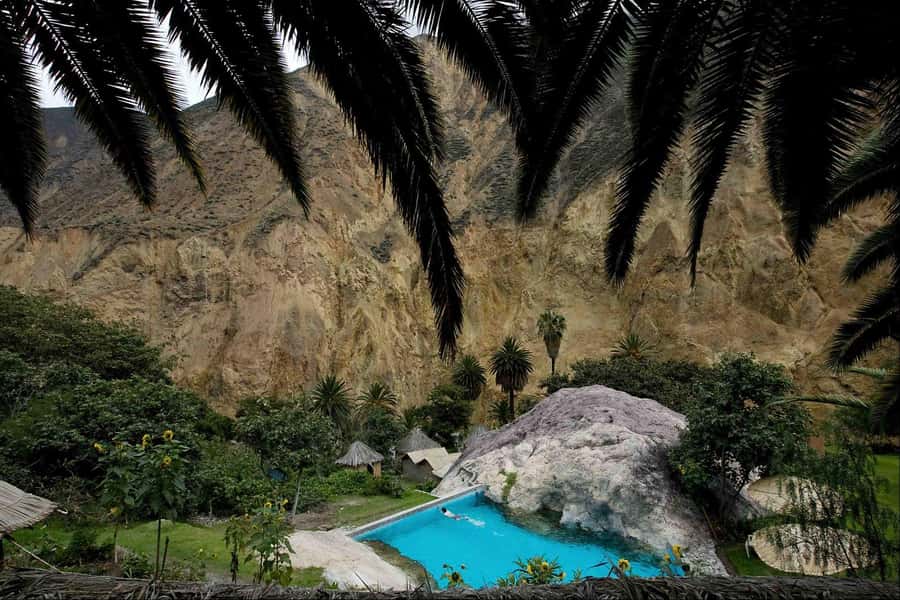
Sangalle is often called an oasis because of its pools and lower, warmer setting. After a full day on steep trails, a swim can be the best part of the afternoon. You have time to rest, visit the area, and enjoy dinner before turning in.
Keep your expectations practical. The lodging is basic. A guest reported no bathroom, shower, or electrical outlets in the sleeping rooms, and found the accommodation disappointing for the price. Pack a small overnight bag rather than bringing your full luggage, and charge your phone and camera before departure.
Sangalle is not the place to count on comfort or privacy. It is a functional stop that puts you close to the trail for the early climb. The pool is a major plus, but this night is best viewed as part of the trek, not a resort stay.
The pre-dawn climb to Cabanaconde
Day two begins very early, often while it is still dark. The climb from Sangalle to the upper canyon takes three to four hours and covers about 7 kilometers overall before breakfast in Cabanaconde.
This is the hardest part of the trip for most people. You gain roughly 1,400 meters from Sangalle to Cabanaconde, and the effort comes after a full day of walking. The trail is steep, and the heat can become intense once the sun rises.
The reward is the changing light. As you climb, dawn gradually reveals the canyon walls and terraces. The view becomes clearer with every section, and you get a strong sense of the height you have gained.
You may have the option of using a mule for the climb, as one participant did. The supplied information does not promise this option on every departure, so do not book the trek assuming an animal ride will be available. Plan as if you will walk the entire route.
A headlamp is especially useful here. Without one, you may be walking by phone light, which is less convenient and leaves your hands occupied. Keep snacks and water within reach, and pace yourself rather than trying to match the fastest person in the group.
Cabanaconde breakfast and the return by van
Once you reach Cabanaconde at about 3,300 meters, you have time to rest and eat breakfast. The meal arrives after the main climb, which is why the snacks you carried matter.
From there, the van takes over. The return route includes a stop at Antahuilque viewpoints, where you can see cultivated terraces spread across the canyon. This is a quieter visual counterpoint to the condor viewpoint. At Cruz del Cóndor, you focus on wildlife and scale. At Antahuilque, you focus on human work and farming.
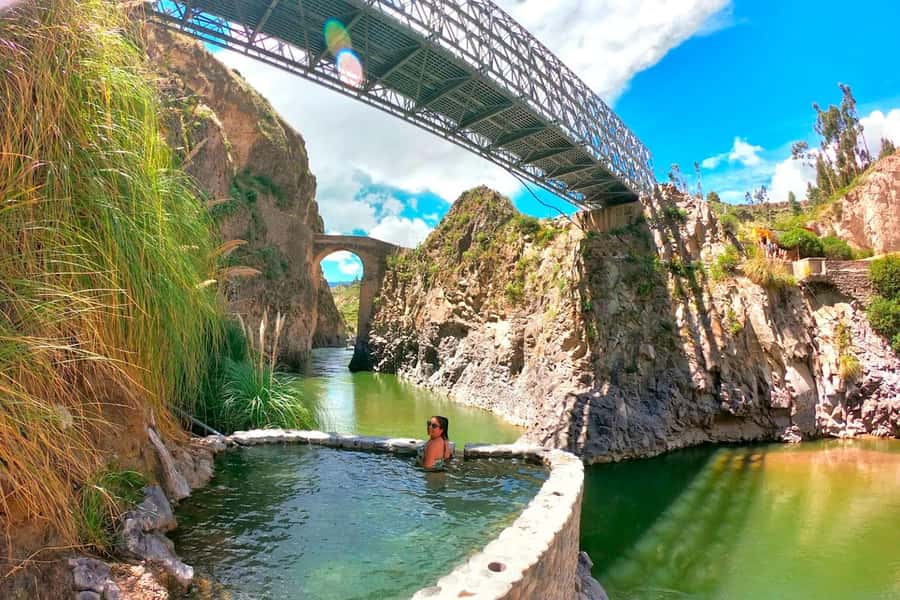
You then visit the hot springs. Entry costs about $5, or 15 soles, and is optional. The warm water can feel excellent after the descent and climb, but it is another expense, so bring small cash if you want to use it.
After the springs, the group continues to Chivay for lunch. This gives you a proper meal and a chance to rest before the final return drive. The itinerary includes several van sections, so expect a long day even after the walking ends.
High viewpoints and the road back to Arequipa
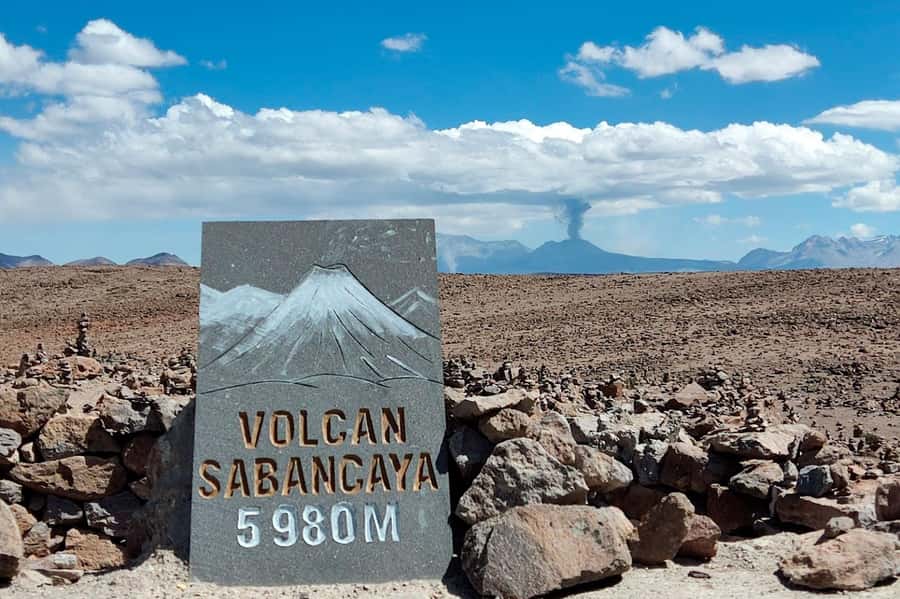
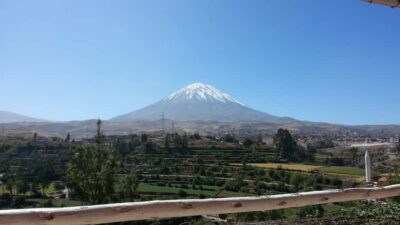
The trip back includes a volcano viewpoint at around 4,190 meters. This is higher than Cruz del Cóndor, so the stop may feel cold and windy compared with Sangalle. Keep a warm layer accessible rather than buried in your bag.
There is also a brief stop in a traditional village. The exact village is not specified, but the visit lasts about 20 minutes and adds a short cultural stop to the long drive.
You reach central Arequipa around 5:30 p.m. The timing makes this a full second day, not simply a morning hike followed by a quick transfer. If you have a flight or fixed evening booking, allow extra margin rather than planning a tight connection.
The real cost and what it includes
The advertised price is $21 per person, but you must pay another $90, or 320 soles, in cash at the start. That extra amount covers food, lodging, and the canyon entrance ticket.
This means the practical base cost is about $111, before the optional hot spring entry. At that total, the trip can offer fair value if you want transport from Arequipa, a guide, meals, overnight lodging, canyon access, and several major stops in two days.
The value depends heavily on your expectations. It is not a cheap hotel-based tour, and the overnight facilities are basic. You are paying for access, transport, guiding, and the chance to walk through the canyon rather than for polished accommodation.
Bring soles if possible, since the required payment is specified in both dollars and soles. Keep enough additional cash for the hot springs and personal snacks.
Who should book this trek?
This trip suits you if you already enjoy hiking, can manage steep uneven paths, and want a close look at Colca Canyon rather than a series of roadside photos. It is also a good fit if you like small groups, rural stops, and a physical challenge with a clear reward.
You should think twice if you have back problems, limited mobility, vertigo, or a low fitness level. The route is not a gentle walk, and the exposed sections may be uncomfortable if you dislike heights.
Altitude acclimatization is recommended. You should also be ready for changing weather, strong sun, cold air at high viewpoints, and heat in the lower canyon. Comfortable trekking shoes, a hat, sunscreen, water, snacks, and a camera belong in your day pack.
Free cancellation is available up to 24 hours before the start, and you can reserve without paying immediately. Those policies help if your Arequipa plans are still changing, but they do not make the physical demands any lighter.
Should you book the Colca Canyon trek?
Book it if the idea of walking into one of Peru’s great canyons appeals more than the idea of spending two days in comfortable transport. The condors, terraces, sunrise climb, Sangalle pool, and hot springs create a memorable route with plenty of variety.
Skip it if you are new to hiking and mainly want canyon scenery without sustained effort. The most important decision is not the $21 headline price. It is whether you are ready for six hours of walking on day one and a steep pre-dawn climb on day two.
For fit hikers who pack carefully and accept basic lodging, this is a strong, active way to see Colca Canyon. Just bring real shoes, a headlamp, toilet paper, water, snacks, and patience for a long day on the road.
FAQ
How long is the Colca Canyon tour?
The experience lasts two days. Pickup is at about 3 a.m. in Arequipa on day one, and the activity ends in central Arequipa at around 5:30 p.m. on day two.
How far do you walk each day?
Day one covers about 15 kilometers and takes around seven hours. Day two covers about 7 kilometers and takes roughly three to four hours on foot, followed by transport and sightseeing.
How difficult is the trek?
The trek includes steep, uneven paths and exposed sections. The hardest part is the three to four-hour climb from Sangalle to Cabanaconde before breakfast on day two.
Is food included in the advertised price?
Food is covered by the additional $90, or 320 soles, cash payment required at the start of the tour. Snacks are still recommended, especially for the second-day climb.
Is the hot spring visit included?
Hot spring entry is optional and costs about $5, or 15 soles. The visit takes place after the main climb and before lunch in Chivay.
What languages does the guide speak?
The tour provides live guiding in English and Spanish.
What should you bring?
Bring comfortable trekking shoes, a hat, sunscreen, water, snacks, and a camera. A headlamp and toilet paper are also sensible additions because the second-day walk starts before sunrise and facilities along the trail are basic.
More two-day trips from Peru
- From Puno: Uros, Amantaní & Taquile Islands 2-Day Tour
★ 4.5 · 452 reviews - From Cusco: 2-Day Trip to the Sacred Valley and Machu Picchu
★ 4.6 · 265 reviews - Cusco: Machu Picchu 2-Day Inca Trail with Panoramic Train
★ 4.9 · 260 reviews - From Cusco: 2-Day Inca Trail to Machu Picchu
★ 4.2 · 244 reviews
Just added around Peru
- “Waqra Pucara, The Majestic Fortress Revealing Secrets of the Andes”.★ 3.5 · 8 reviews
- Lima : City Tour by Panoramic Bus – Walking & Catacombs★ 4.3 · 41 reviews
- 3-Day Iquitos Amazon Jungle Adventure at Heliconia Lodge★ 4.5 · 54 reviews
- Fly Over the Nazca Lines with the Experts★ 4.5 · 48 reviews
- Adventure Day in Arequipa: Pillones Waterfall + Rock Forest★ 4.2 · 25 reviews
- From Nazca: Cahuachi Pyramids Tour and Textile Workshop★ 4.8 · 21 reviews
- From Arequipa: Pillones Waterfall and Stone Forest Day Trip★ 4.4 · 15 reviews
- From Cusco: Chinchero, Moray, Maras, Ollantaytambo and Pisaq★ 4.6 · 11 reviews
Colca Canyon Tours, compared.
2-Day Tour Colca Canyon in Arequipa with end in Puno
Read our review →
From Puno to Arequipa: 2 Days/1 Night Colca Canyon Tour
Read our review →Browse the lists this tour appears in