
Reviewed · COLCA CANYON TOURS
3-day trek to the Colca Canyon from Arequipa ending in Puno
Colca Canyon is not a quick lookout stop on this trip. You walk down into it, sleep in small local lodges, pass farming villages, and climb back out before breakfast on the final morning. That makes the experience feel far more personal than a simple bus tour from Arequipa.
I like the local overnight stays, especially the chance to spend time in San Juan de Chuccho and Sangalle rather than returning to a city hotel. I also like the practical finish in Puno, which saves you a separate transfer across the high Andes. The main drawback is the schedule: the first day begins around 3:00 a.m., and the final morning includes a steep three-hour climb that may feel harder than the description suggests.
Key points at a glance
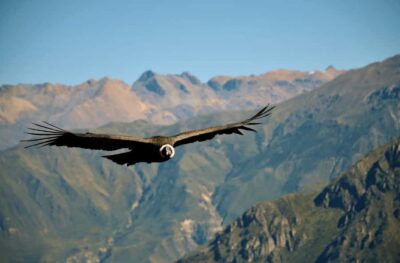
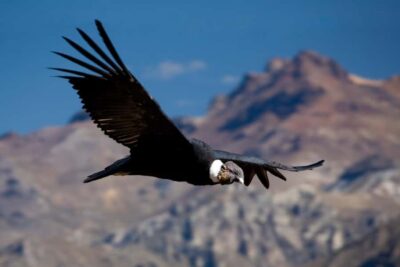
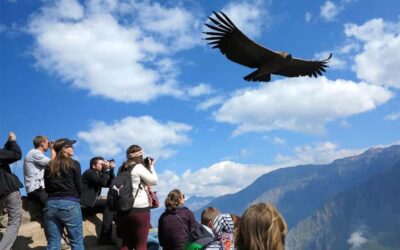
- Cruz del Cóndor at the start: Watch Andean condors ride the rising air above one of the canyon’s best-known viewpoints.
- Three days inside Colca Canyon: Walk from Cabanaconde to San Juan de Chuccho, then on to Sangalle.
- Two simple local lodges: Sleep in basic dormitory rooms with local families rather than standard hotels.
- A demanding final climb: Leave Sangalle at 5:00 a.m. and climb for about three hours to Cabanaconde.
- A useful onward route: Continue through Chivay and the high Andes to Puno the same day.
- Good value at $175: Transport, three breakfasts, two lunches, two dinners, guiding, and two nights are included, but not the Colca entrance, final lunch, or hot springs.
What this three-day Colca route is really like
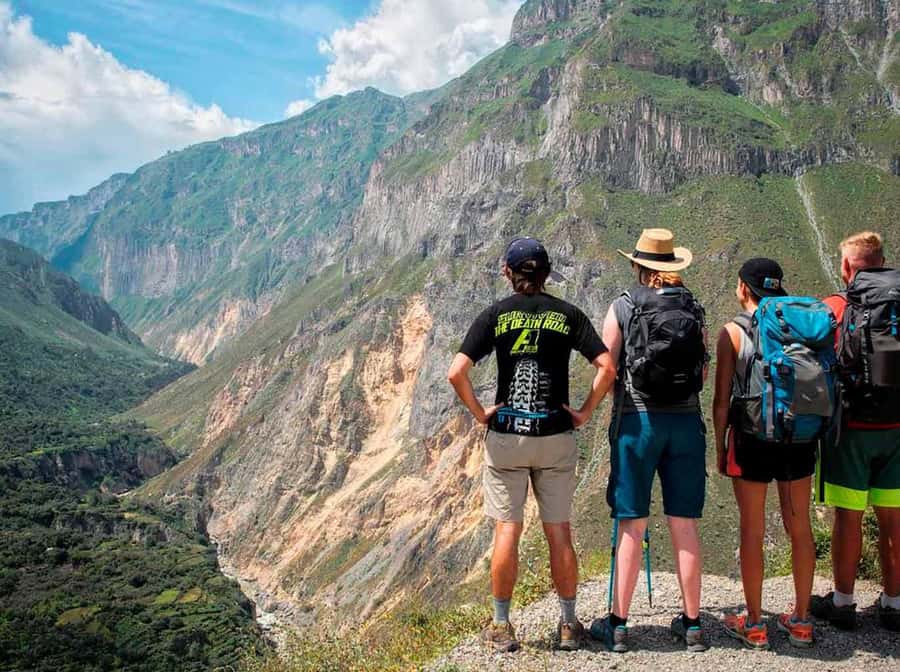
This is a point-to-point trek, not a return trip to Arequipa. You begin with an early road transfer from Arequipa, walk into the canyon, spend two nights below the rim, climb out, and continue by bus to Puno.
That route suits you if you want the canyon to be part of your journey rather than a half-day excursion. It also works well for a Peru itinerary that already includes Puno, because the transport after the trek carries you onward instead of taking you back to Arequipa.
The price is $175 per person. For three days, that is a solid package price because it includes transport, a professional English or Spanish-speaking guide, three breakfasts, two lunches, two dinners, hotel pickup, two nights of lodging, and the transfer to Puno.
Still, budget for extras. The mandatory Colca tourist ticket costs 70 soles. The Chacapi hot springs cost 15 soles, listed as about $5, and lunch in Chivay on the last day is not included. Bring extra soles for water, snacks, and these stops.
Other trips into the canyon from Peru:
- From Arequipa: Colca Canyon Full-Day Guided Tour with Meals
★ 4.5 · 982 reviews - 2-Day Tour Colca Canyon in Arequipa with end in Puno
★ 4.6 · 248 reviews - From Arequipa: 2-Day Colca Canyon Trekking Tour
★ 4.8 · 243 reviews
The 3:00 a.m. road to Cruz del Cóndor
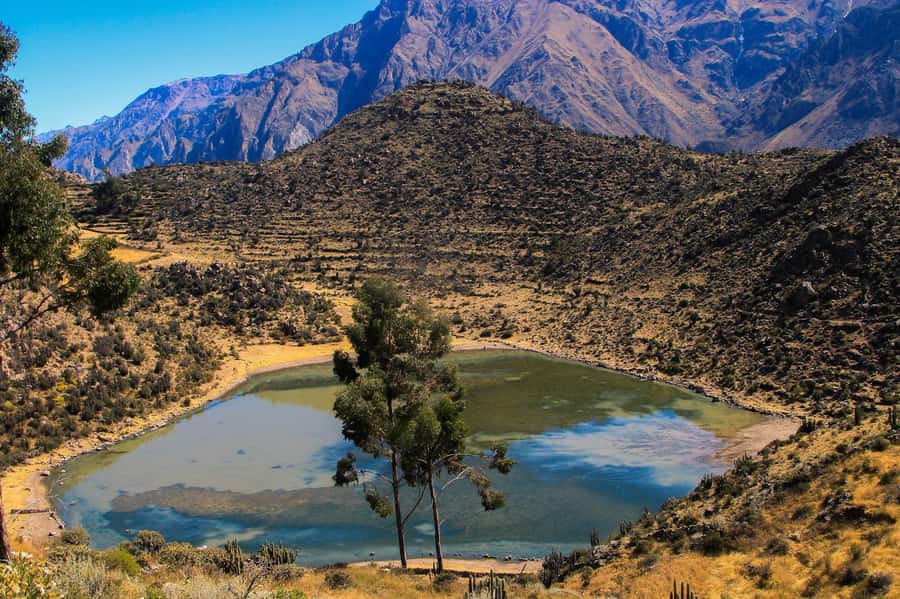
Your first morning starts at about 3:00 a.m. from your hotel in Arequipa. You should treat that as a real early start, not a minor inconvenience. You will have a long day ahead, including the drive, the condor viewpoint, and several hours on foot.
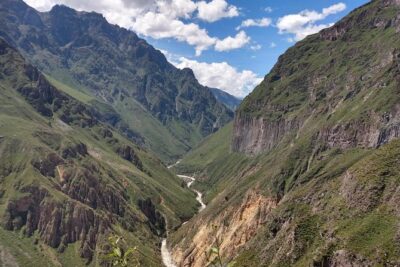
The route heads toward Chivay, where breakfast is served before continuing to Cruz del Cóndor. The viewpoint is famous for a reason: the canyon drops away below you, and condors use the rising air to circle overhead. The best part is the sense of scale. From the rim, you see how far the canyon falls and how small the roads and settlements appear.
Time here can be tight. One recorded experience lost time after the vehicle turned around for late passengers, which meant a shorter visit at Cruz del Cóndor and no stop at the Mirador de los Volcanes. That is useful advice: be ready at the agreed pickup place, and do not assume every viewpoint will receive a long stop if the morning runs late.
The meeting instruction asks you to wait half an hour before pickup in the main square. Follow that carefully if your accommodation pickup is not clear. A delayed start matters more on this trip than on an ordinary sightseeing day because the first afternoon walk and the next morning’s schedule are fixed.
From Cabanaconde down to San Juan de Chuccho
After Cruz del Cóndor, the vehicle continues to Cabanaconde. This is where the walking section begins. The route descends toward San Juan de Chuccho and takes about three and a half hours.
A downhill walk into a canyon can fool you. It may feel easy at first, but loose ground, sun, and uneven paths still take effort. Wear shoes with a firm sole, carry water, and keep your day pack light. The tour includes food, but you should bring a few snacks because shops and meal times are limited.
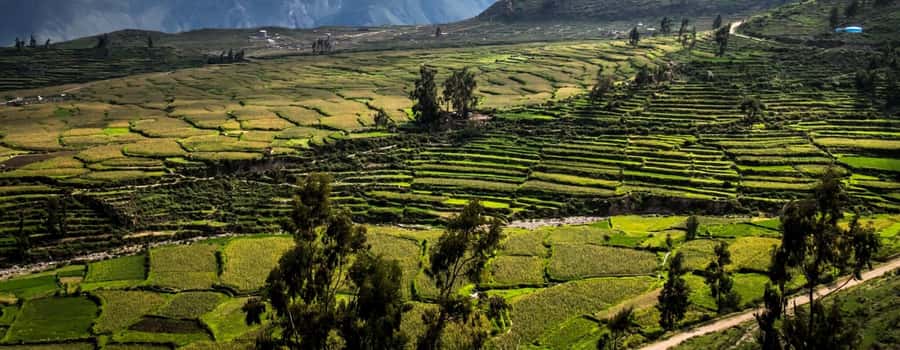
San Juan de Chuccho gives you a close look at daily life in the canyon. You have free time to visit local people, see agricultural terraces, and look at the settlement before dinner. The terraces are more than a scenic backdrop. They show how farming is fitted into steep ground where every usable patch of soil matters.
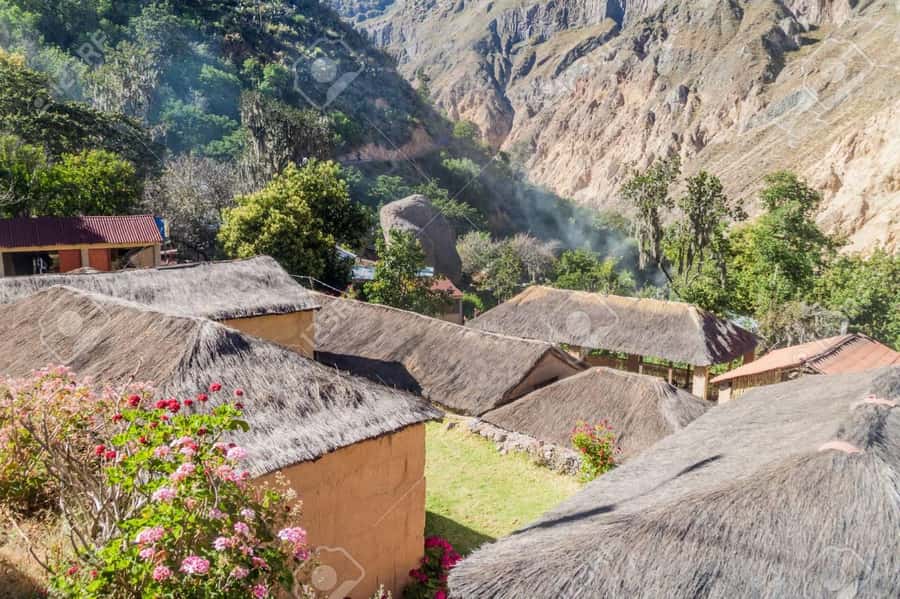
The overnight stay is in a local family home with basic dormitory rooms. This is the part of the tour to approach with the right expectations. You are paying for a simple place to sleep in a remote canyon community, not a polished hotel. The basic setting is also what makes the stop useful: you stay where people live, eat a provided dinner, and wake up close to the trail.
The village walk to Sangalle Oasis
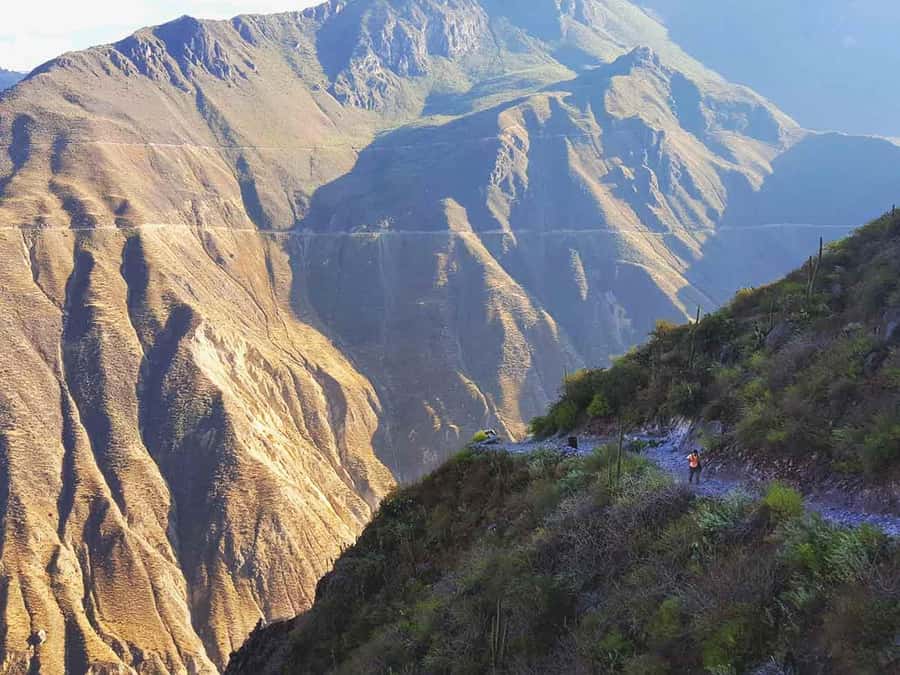
After breakfast on day two, you walk toward Sangalle, often called the oasis. The route takes about three hours and includes the villages of Cosñirhua and Malata.
This section gives the trek its strongest sense of place. Rather than racing through the canyon, you pass through small communities and see how settlements connect along the trail. The walk is shorter than the descent on day one, so you have time to notice the surroundings instead of treating every minute as a push toward the next bed.
Sangalle is the most relaxed stop. After lunch, you have a free afternoon and access to pools where you can rest your legs. The pools are a welcome break after two days of walking, but remember that the hot springs listed for Chacapi on the final day are a separate paid stop. Do not confuse the Sangalle pools with that optional entrance fee.
Your second night is again in basic accommodation. This two-night arrangement keeps the route practical, but it also means you should pack for simple facilities. Bring a small towel, toiletries, and a refillable water bottle if you have them. The supplied information does not specify room layouts beyond basic lodging, so expect function rather than comfort.
The meals are one of the stronger parts of the package. Three breakfasts, two lunches, and two dinners are included. A Belgian booking described both the food and lodging as very good, while another praised the organization and said nothing essential was missing. Even so, carry snacks for the final climb, when breakfast comes only after you reach Cabanaconde.
Other days on Lake Titicaca from Peru:
- From Puno: Uros, Amantaní & Taquile Islands 2-Day Tour
★ 4.5 · 452 reviews - From Puno: Floating Islands of the Uros Half-Day Tour
★ 4.4 · 394 reviews - Lake Titicaca 2-Day Tour to Uros, Amantani and Taquile
★ 4.4 · 199 reviews - Puno: Full-Day Tour of Lake Titicaca and Uros & Taquile
★ 4.4 · 178 reviews
The 5:00 a.m. climb out of the canyon
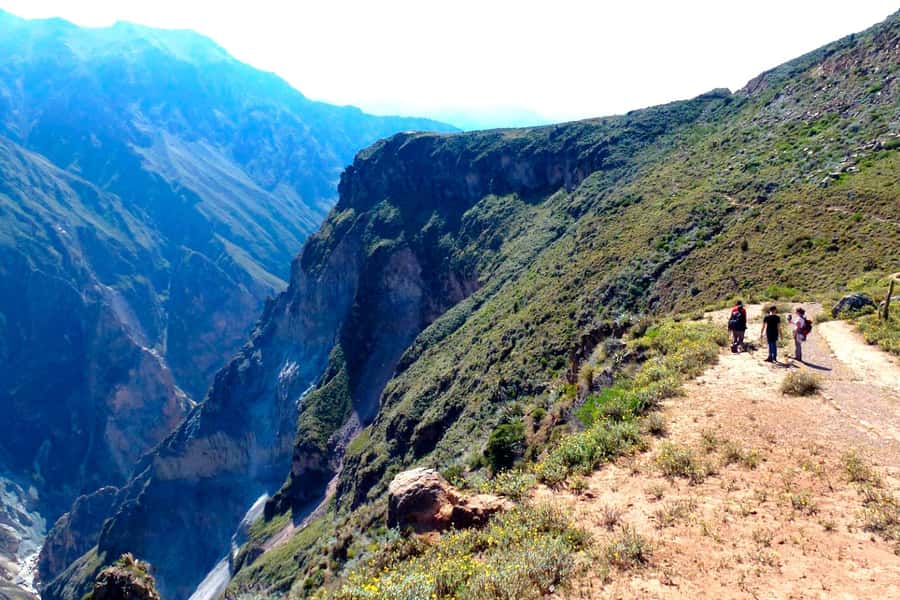
Day three begins at 5:00 a.m. with the climb from Sangalle to Cabanaconde. The ascent takes about three hours. This is the physical center of the trip, and you should plan around it.
You will climb before breakfast, so eat something small before leaving and keep food in your day pack. One person found it frustrating that breakfast was not available until after the three-hour ascent. That is a practical warning, not a minor detail. Even if you are comfortable hiking, an early uphill walk without enough food can make the climb feel much longer.
The ascent also creates a sharp contrast with the first day. You descend into the canyon, spend time among its villages, and then work your way back to the rim under your own power. You do not need technical climbing skills based on the information provided, but you do need reasonable fitness and patience for a sustained uphill walk.
At Cabanaconde, breakfast comes after the climb. This is also where you rejoin road transport. Give yourself a moment to recover before the long drive to Puno, especially since the day continues with hot springs, viewpoints, lunch, and several high-altitude stops.
Chivay, hot springs, and the road to Puno
The vehicle returns toward Chivay, with stops in towns and at viewpoints along the way. Chacapi Thermal Baths offers about 40 minutes of free time, with an entrance fee of 15 soles. If you want a soak, keep local currency handy and bring swimwear.
Chivay is the lunch stop, but this final lunch is not included. The tour guide transfers you to another tourist bus for the journey to Puno, so pay attention during the change. The transfer is part of the value of this trip, but it also means the final day is a travel day as well as a sightseeing day.
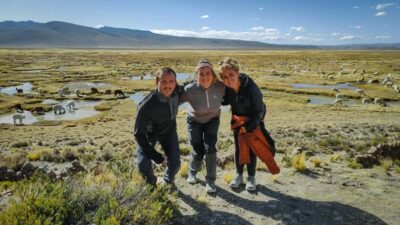
The road climbs to the Pampas Apachetas of Patapampa, described as the highest point on the route. Here you stop to look across the mountains and volcanoes. At Toccra Pampa, you may see alpacas and vicuñas in their natural area. These stops break up the bus ride and offer a different view of the region than the canyon trail.
Patahuasi provides a facilities stop. Lagunillas Lagoon is included as another pause, with a chance to see migratory birds. You then continue to Puno, arriving at about 7:00 p.m.
That arrival time matters. Do not plan an early evening activity in Puno unless you have plenty of flexibility. The transfer is useful, but the road journey is long and delays are possible, particularly after a physically demanding morning.
Guide quality and how the trip is managed
The tour provides an official guide in English or Spanish. José received especially warm praise for explaining Peru, its wildlife, and its plants. A strong guide matters here because the route is not only about walking. The villages, terraces, condors, camelids, and high-altitude ecology all make more sense when someone connects them.
Organization appears to be a strength, but the experience can depend on pickup timing and the individual guide. One booking described a late departure caused by collecting late passengers, followed by missed or shortened viewpoints. There was also a complaint about beginning the climb late because the guide seemed unwell. These are isolated accounts in a small set of ratings, but they point to sensible habits: arrive early, confirm the pickup point, keep breakfast and snacks with you, and ask the guide about the next meal and departure time.
The overall rating is 4.2 from three ratings, with two strong recommendations and one mixed account. I would read that as a promising but not flawless operation. The canyon itself is the main attraction, while the precise quality of timing and leadership may vary.
What to pack for the canyon and bus ride
Keep your luggage small for the walking section. You will carry what you need between the two basic lodges, so a large suitcase is not useful on the trail.
Pack:
- Sturdy walking shoes with good grip
- Water and extra snacks for the early climb
- Sun protection, including a hat
- Warm layers for the 3:00 a.m. start and high mountain stops
- Light clothing for Sangalle
- Swimwear for the pools and Chacapi hot springs
- Small toiletries and a towel
- Cash in soles for the Colca ticket, hot springs, water, and lunch in Chivay
Water prices can be high near the accommodation. One person found water expensive at the first lodge but later found a cheaper shop nearby. You may want to buy supplies before entering the canyon, while still avoiding an overloaded pack.
Who should book this trek?
I would choose this trip if you want a real walk through Colca Canyon, prefer local lodging to a standard hotel, and need a direct route from Arequipa to Puno. It is also a good fit if you enjoy seeing villages and farming terraces rather than spending the whole visit at viewpoints.
I would think twice if you want a slow, comfortable holiday. The first day starts before dawn, the third day begins with a steep climb before breakfast, and the final bus journey reaches Puno around 7:00 p.m. You should also be comfortable with basic dormitory lodging and carrying a day pack through the canyon.
At $175, the trip offers good practical value for a three-day route with meals, lodging, guiding, and onward transport. The value drops if you do not want the strenuous climb or if you prefer to explore the canyon at a slower pace. If you can manage the early mornings and uneven schedule, this route gives you something a simple Colca Canyon lookout tour cannot: time inside the canyon and a useful finish in Puno.
FAQ
How long is the Colca Canyon trek?
The activity lasts three days. The walk takes you from Cabanaconde to San Juan de Chuccho on day one, then to Sangalle on day two, followed by the climb to Cabanaconde on day three.
Where does the tour start?
Pickup begins in Arequipa at about 3:00 a.m. You are asked to wait half an hour before the tour in the main square so the group can be collected without delays.
Where does the tour end?
The tour ends in Puno, with an expected arrival at about 7:00 p.m. on the third day.
Is the Colca Canyon entrance ticket included?
No. The mandatory Colca tourist ticket costs 70 soles and must be paid separately.
Are meals included?
The price includes three breakfasts, two lunches, and two dinners. Lunch in Chivay on the final day is not included.
Are the hot springs included?
No. The Chacapi Thermal Baths charge 15 soles for entry, and the visit allows about 40 minutes of free time.
What languages does the guide speak?
Guiding is available in English and Spanish.
Where do you sleep during the trek?
You spend two nights in basic lodge accommodation, one in San Juan de Chuccho and one in Sangalle. The San Juan lodging is in a local family home with basic dormitory rooms.
More three-day trips from Peru
- Tambopata Peruvian Amazon Jungle for Three Days/Two Nights
★ 4.5 · 329 reviews - Salkantay Trek Challenge – 3 Days / 2 Nights
★ 5.0 · 101 reviews - 3-Day All Inclusive Guided Jungle Tour from Iquitos at Maniti Eco-Lodge
★ 4.5 · 74 reviews - Eco Jungle 3 Days – 2 Nights
★ 4.0 · 62 reviews
More hiking tours in Peru
- From Arequipa: Sillar Route Trek
★ 4.2 · 461 reviews - From Cusco: 7 Lakes Ausangate Trek with Breakfast and Lunch
★ 4.8 · 360 reviews - Cusco: Rainbow Mountain Tour and Red Valley Hike (Optional)
★ 4.7 · 149 reviews - From Huaraz: Hike to the Lagoon 69
★ 4.4 · 121 reviews
Just added around Peru
- From Huaraz: Full-Day Trek to Parón Lagoon★ 3.3 · 3 reviews
- 2-Day Colca Canyon Tour to Puno with accommodation★ 3.9 · 3 reviews
- Ancash: Trekking to Paron Lagoon with Entrance | Full day|★ 4.1 · 9 reviews
- Ancash: Trekking to Paron Lagoon with Entrance | Full day|★ 3.2 · 3 reviews
- Andes: Colca Canyon Day-Trip★ 4.3 · 50 reviews
- 7 Colors Mountain Tour + Red Valley★ 4.0 · 3 reviews
- Amazonian Adventure 3 Days: Exploring the Jungle from Cusco★ 4.0 · 8 reviews
- Amazonas Manu Cultural Zone 4 Days / 3 Nights★ 4.2 · 8 reviews
Colca Canyon Tours, compared.
2-Day Tour Colca Canyon in Arequipa with end in Puno
Read our review →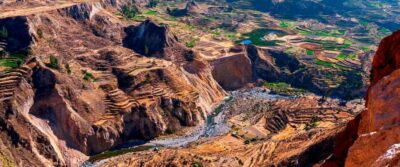
From Puno to Arequipa: 2 Days/1 Night Colca Canyon Tour
Read our review →Browse the lists this tour appears in