
Reviewed · COLCA CANYON TOURS
From Arequipa: One Day Trip to Colca Canyon Ending in Puno
Colca Canyon is the star here, but the clever part is the one-way route. You begin in Arequipa, see the canyon and Cruz del Cóndor, then continue across the high Andes to Puno instead of backtracking. I like that the tour includes breakfast, a guide, hotel pickup, and the long transfer to Puno for $56.
I also like the variety: condor viewing, colonial churches, pre-Inca tombs, hot springs, vicuñas, llamas, alpacas, and high-altitude wetlands all fit into one day. The catch is the 16-hour schedule. You leave before dawn, spend many hours on rough roads, and may have little time for lunch during the change of buses in Chivay.
Key points at a glance
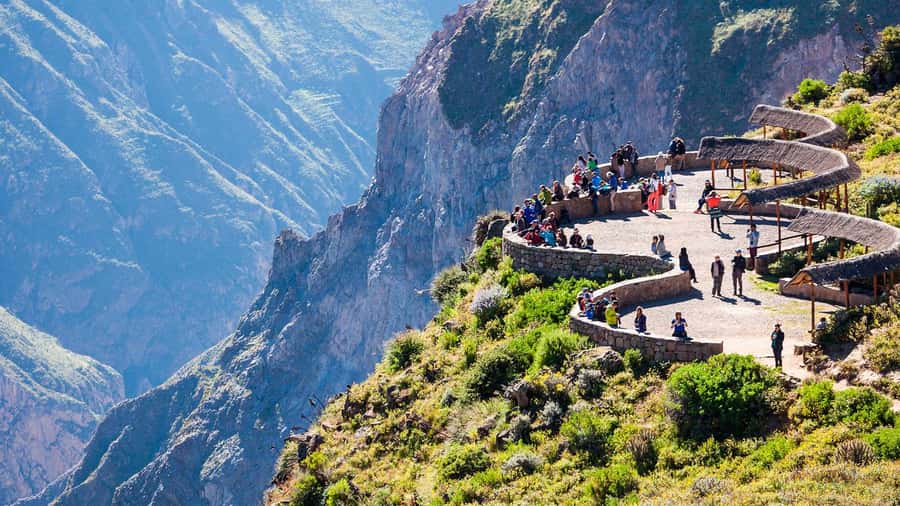
- Cruz del Cóndor around 8:30 a.m.: Your best chance to watch Andean condors ride the morning air above Colca Canyon.
- Three village stops: Pinchollo, Maca, and Yanque add churches, local traditions, camelids, trained birds, and regional drinks to the day.
- Chacapi hot springs at 11:30 a.m.: A worthwhile optional break, especially after the early start.
- Two-part transport: You use one vehicle for the canyon visit, then transfer to another bus in Chivay for Puno.
- High-altitude route: The journey reaches about 4,910 meters at the volcano viewpoint and crosses wetlands and vicuña country.
- Useful but demanding value: The price includes the Arequipa to Puno transfer, but canyon, hot-spring, and lunch costs are extra.
Why this Arequipa to Puno trip makes sense
Most Colca Canyon tours return to Arequipa. This one keeps going. That makes it useful if you want to visit both Colca Canyon and Lake Titicaca without paying for a separate transfer or losing another day to transport.
At $56 per person, the price is strong for the amount of ground covered. You receive hotel pickup, tourist transport, breakfast, a guide, the canyon excursion, and the onward ride from Colca to Puno. You still need to budget for the Colca Canyon entrance fee, lunch, and the optional hot springs, but the main transport connection is handled.
I would not call this a relaxed sightseeing day. It is a practical overland move with major sights attached. If you value efficiency and want to keep moving east toward Puno, this is a useful choice. If you want long meals, quiet viewpoints, or plenty of free time, the pace may feel too tight.
The tour operates in English and Spanish. Guide quality is an important part of the experience. David, named by one passenger, was attentive, friendly, and entertaining with his explanations. Other guides were also praised for clear and well-prepared commentary. Since guide assignments can vary, your exact experience will depend partly on who leads your departure.
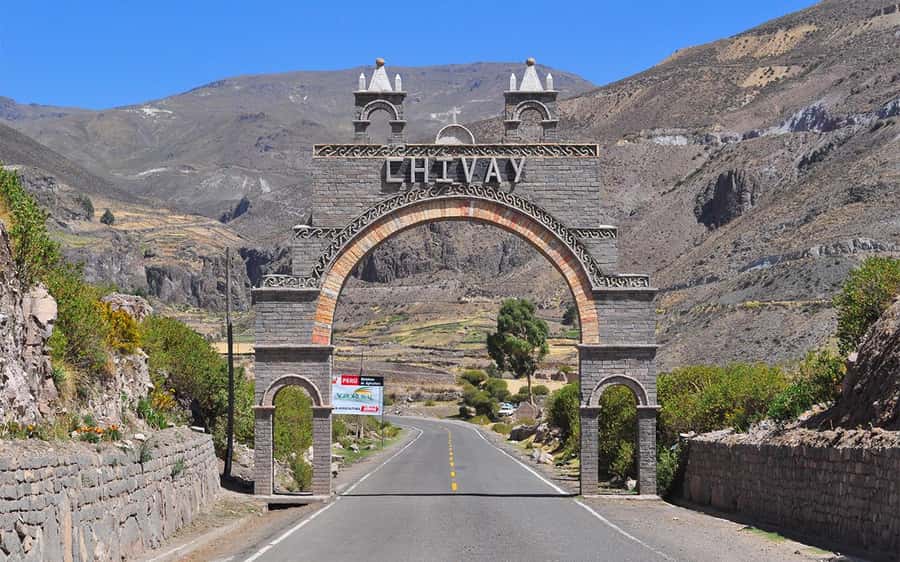
Other trips into the canyon from Chivay:
- 2-Day Tour Colca Canyon in Arequipa with end in Puno
★ 4.6 · 248 reviews - From Puno to Arequipa: 2 Days/1 Night Colca Canyon Tour
★ 3.6 · 83 reviews - Turist Bus Colca Canyon (Chivay) To Puno
★ 5.0 · 83 reviews
The 2:30 a.m. pickup and breakfast stop
The day begins between 2:30 and 3 a.m., with pickup from different hotels in Arequipa. That early departure is not a minor detail. You need to be ready for a long day before sunrise, and the first few hours are mainly road time through Yura toward Colca.
The vehicle goes directly to Cruz del Cóndor, stopping only for breakfast. Breakfast is included, which helps, but it does not replace a proper lunch later in the day. I would carry water and a few snacks, since the schedule leaves little room for delays or a leisurely meal.
Morning pickup times can vary. One departure involved about a 40-minute wait for the shuttle. Bring patience and a warm layer while you wait. The buses can also feel cold, and one passenger found the ride especially uncomfortable in the rear, where road bumps were felt most sharply.
This is a trip where your seat matters. If you can choose, a forward or middle seat may feel more comfortable than the very back. The route includes rough sections, and the road quality becomes a recurring part of the day.
Cruz del Cóndor and the first view of Colca
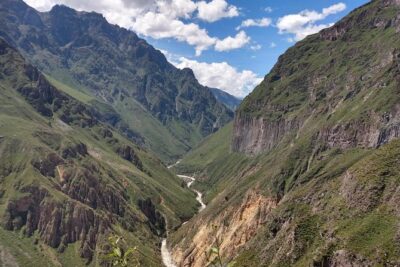
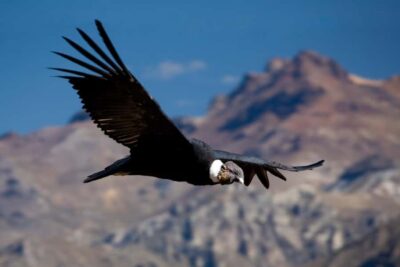
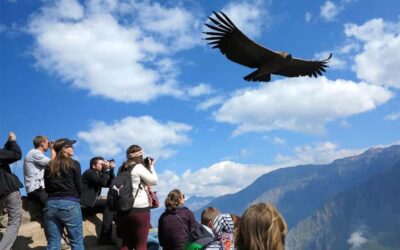
The group is expected to reach Cruz del Cóndor at about 8:30 a.m. This is the main event. From the viewpoint, you look into one of the deepest canyons in the world, with the condor sanctuary below and huge Andean walls stretching across the view.
Condors are wild birds, not scheduled performers. You might see them gliding on rising air, or you might wait without a sighting. One departure had no condor sighting, which is disappointing but normal for a nature stop. The canyon itself remains the reason to come, even if the birds stay out of view.
The viewpoint can be busy. You should expect other tour groups and limited quiet time at the railings. Still, the scale of Colca is hard to fake. The steep canyon, high terraces, and open mountain air give this stop real weight, even during a short visit.
Listen closely to the guide here. A good explanation helps you understand why the condors use the cliffs and how the canyon communities shaped the slopes below. The guide also helps you make sense of a view that can otherwise become a quick photograph and a dash back to the bus.
Pinchollo, Maca, and Yanque after the condor stop
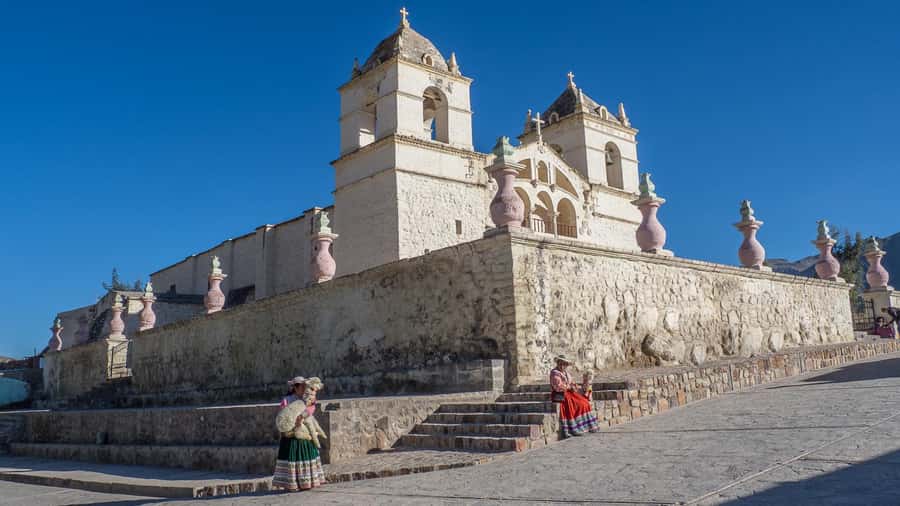
The return route includes stops in Pinchollo, Maca, and Yanque. Each town has a colonial church, and the stops give you a look at the settled side of Colca rather than only its famous canyon rim.
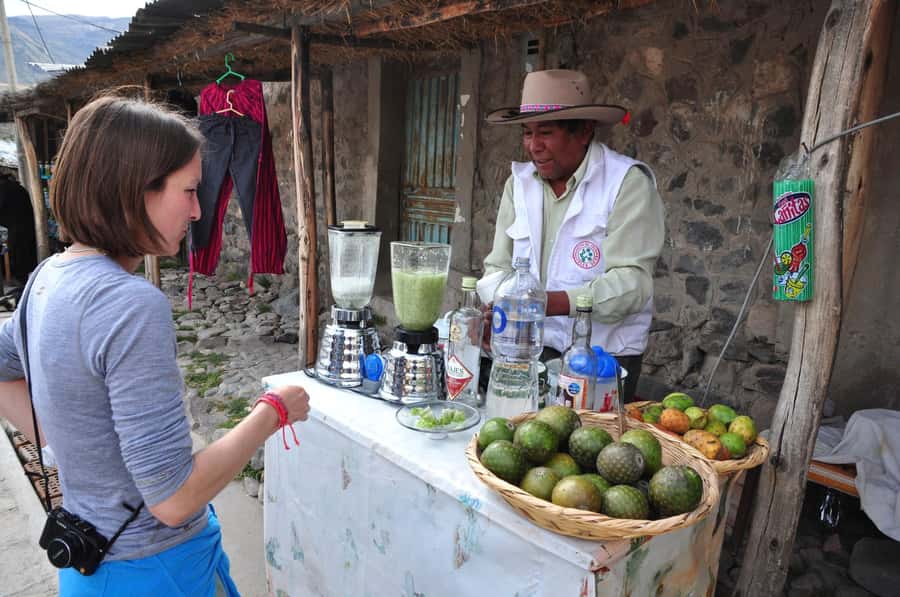
These visits are fairly brief, so think of them as introductions, not full town tours. You can see church fronts, local dress, camelids, trained birds, and traditional drinks. The tour also offers a chance to try Colca Sour, made with sancayo, a regional cactus fruit.
The stops have a distinctly commercial side as well. That is common on a tightly planned group excursion. You may be shown local products or invited to try a drink, and you should decide for yourself how much time and money to spend. The useful part is the contact with local customs and the chance to see the towns beyond the main viewpoint.
Maca and Yanque are also reminders that Colca is a lived-in region. The valley is not just a dramatic cut in the mountains. Its terraces, churches, farms, animals, and village traditions are part of what gives the trip meaning.
Other days on Lake Titicaca from Chivay:
- From Arequipa: Fullday Tour Colca Canyon + Transfer To Puno
★ 4.4 · 17 reviews - From Arequipa: Tour Colca Canyon 2 Days with End in Puno
★ 4.2 · 12 reviews - Arequipa: 2-day Colca Canyon Trekking, Ending in Puno
★ 4.8 · 8 reviews - Arequipa: Fullday Colca Canyon + Lunch + Transfer to Puno
★ 4.6 · 5 reviews
Antahuilque and Choquetico viewpoints
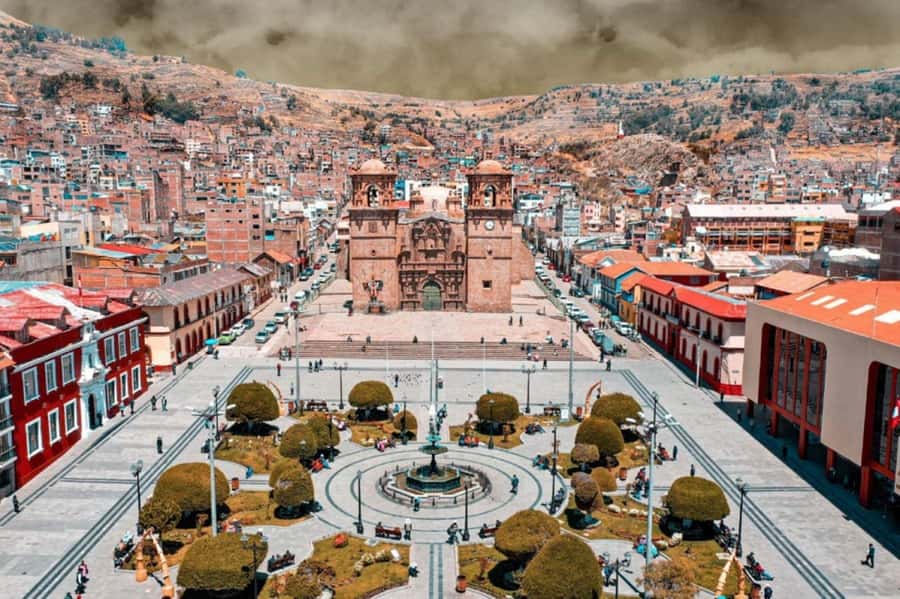
At Antahuilque and Choquetico, the focus shifts from the canyon itself to the traces of earlier communities. You can see pre-Inca tombs and models, along with the famous agricultural terraces of Colca.
The terraces are especially important because they show how people worked steep mountain slopes over many generations. From the viewpoints, the valley reads as both natural and carefully used. These stops also give you different angles than Cruz del Cóndor, so the morning does not feel like one repeated panorama.
The amount of time at each viewpoint is limited. You will want to keep your camera ready, but do not forget to look closely at the tombs and terrace patterns. The guide’s explanation is valuable here because the archaeological remains can be easy to miss from a distance.
Chacapi hot springs at 11:30 a.m.
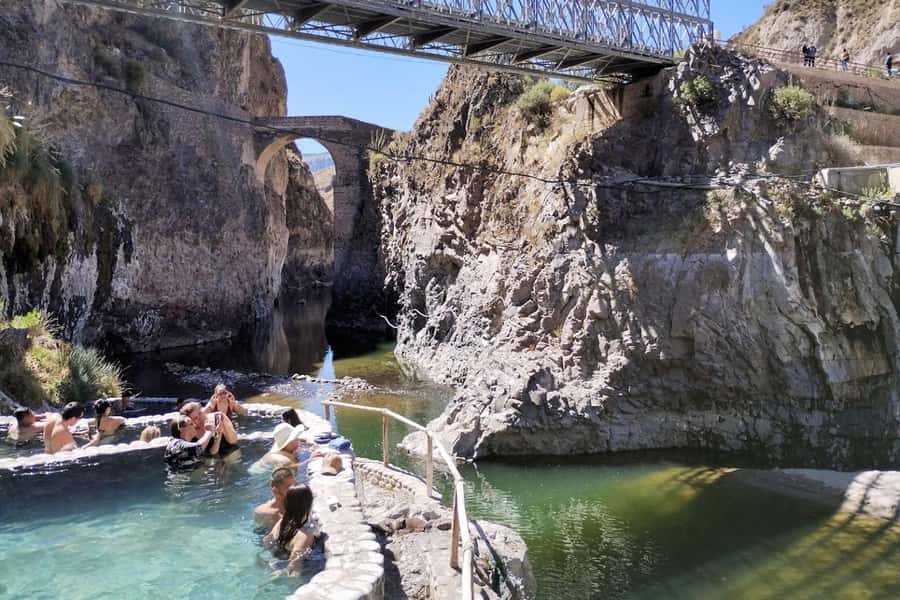
Around 11:30 a.m., the group heads to the Chacapi thermal baths. The pools have natural views, and the stop is optional, with an entrance fee of S/. 15.
I like this addition because it breaks up a morning of standing, walking, and bus rides. After the early start, a warm pool can make the day feel more human. One passenger specifically recommended the hot springs, along with the optional zip line.
You need to watch the clock. If you skip the baths, you may have a waiting period while other people take part. One account of the day described roughly an hour spent waiting for others who chose an extra activity or the thermal pools. That is the tradeoff: join in and get a memorable break, or skip it and risk having idle time.
The schedule does not mention a zip line as part of the included program, but it has been available as an extra activity on some departures. Ask your guide about the current options and prices rather than assuming they are included.
Chivay lunch and the bus change to Puno
After the hot springs, the group reaches Chivay for lunch and a vehicle change. The stated schedule allows about an hour for lunch before you board the other tourist vehicle to Puno.
This is the point where the schedule can become stressful. The transfer connection matters, and the lunch window may be shorter in practice if the earlier stops run late. Some people had to hurry after eating so they would not miss the Puno bus. On one departure, the available time was so tight that a passenger could eat only part of the meal.
Lunch is not included, so you pay separately. I would keep it simple and avoid ordering anything that takes a long time. Carrying a snack is sensible, especially because the day began before breakfast and the next major stops are still ahead.
The bus change also divides the day into two distinct sections. The first vehicle handles the canyon tour. The second takes you from Chivay across the high Andes to Puno. That arrangement makes the one-way journey possible, but it also means you need to move quickly when instructed.
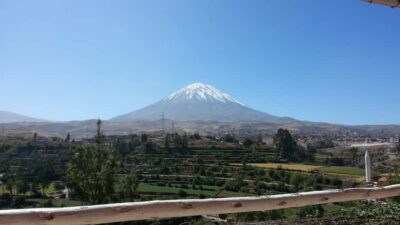
The volcano viewpoint at 4,910 meters
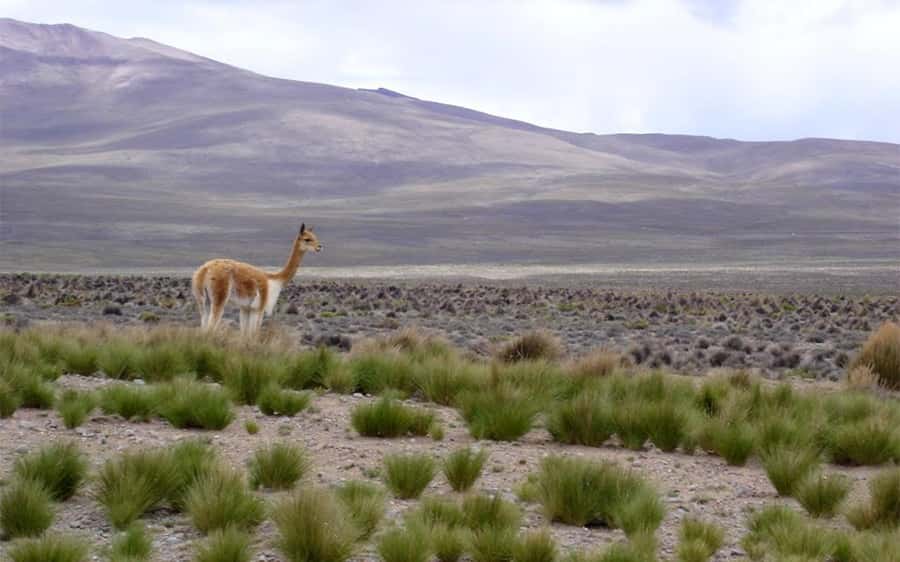
The road to Puno climbs to a volcano viewpoint at about 4,910 meters above sea level. This is an impressive altitude, and it may be the highest point you reach on the trip.
At this height, stop briefly, walk slowly, and pay attention to how you feel. The tour information does not promise a long visit, and the purpose is mainly to see the high Andean setting before continuing toward Puno. Cold conditions are possible, especially after a day that begins in the dark, so keep your jacket close.
This section is not just a transfer with nothing to see. The route gives you a sense of how quickly the terrain changes between Arequipa, Colca, and the Titicaca region. You move from canyon cliffs and farming terraces to open high-altitude plains.
Tocrapampa wetlands and Pampa Cañahuas
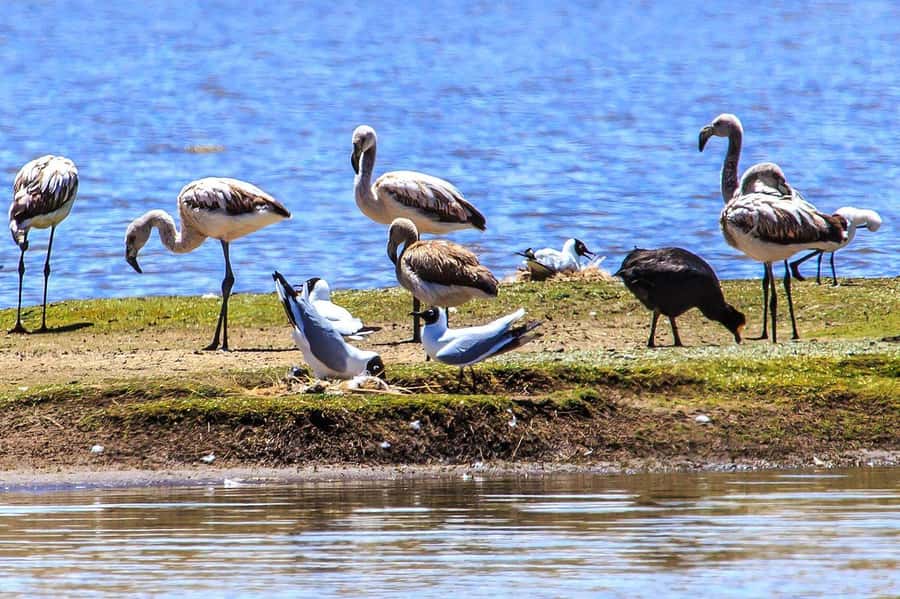
At the Tocrapampa wetlands, you can look for wild birds and see herds of alpacas and llamas. These animals are not decorative extras. They are part of daily life in the high Andes, and their presence gives the road journey a stronger local character.
Pampa Cañahuas lies within the Aguada Blanca and Salinas National Reserve. Here, the focus is on vicuñas, a wild South American camelid prized for its exceptionally fine fiber. Seeing vicuñas in open country is different from seeing domestic llamas or alpacas near a village. Keep your eyes open, since the animals may be spread across the plain.
The trip also passes high Andean lagoons near Puno. These stops are useful for anyone who wants more than a point-to-point bus ride. They give you short windows into the broad, spare country that surrounds the route to Lake Titicaca.
Road conditions are the main weakness of this afternoon. One passenger described many large potholes and a rough ride, especially on the long section toward Puno. Rain can make the journey harder, and safe driving matters more than keeping a perfect timetable. Expect sitting, bouncing, and long stretches between stops.
Arriving in Puno around 7 p.m.
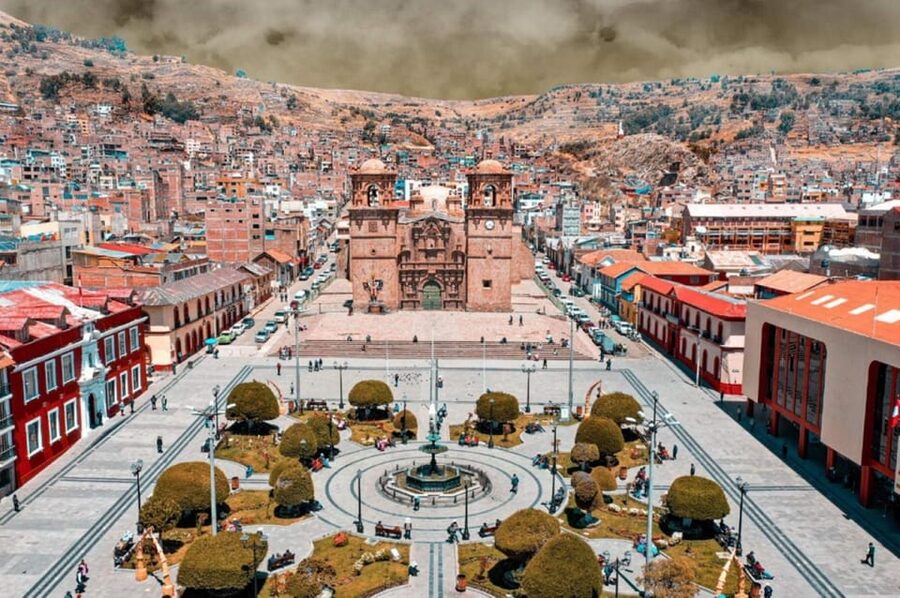
Arrival in Puno is expected at about 7 p.m. By then, you will have been out for roughly 16 hours, including the early pickup and the long road transfer.
The benefit is clear: you reach Puno on the same day that you visit Colca Canyon. You can then plan your next step toward Lake Titicaca without returning to Arequipa. The cost is physical. You will probably want a proper meal and an early night rather than another activity after arrival.
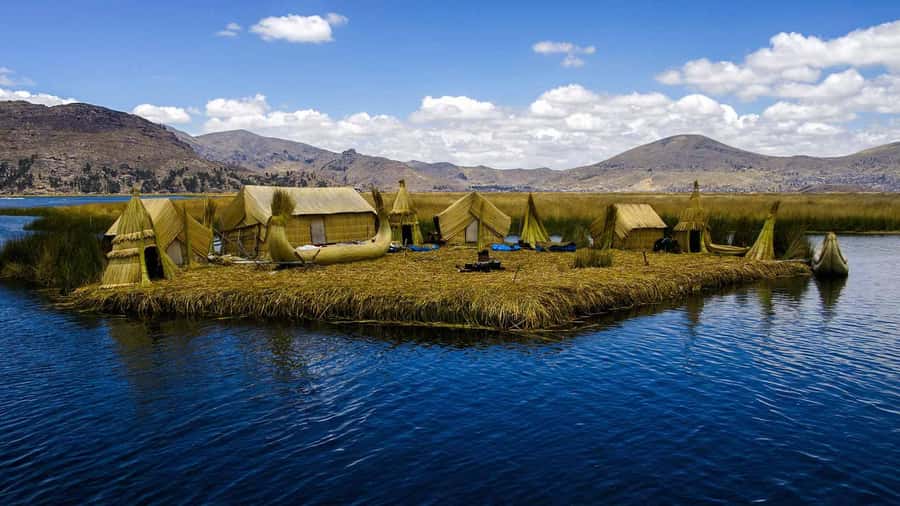
The tour does not include a visit on Lake Titicaca itself. It finishes in Puno, which is the base for later lake excursions. If you are booking this because you expect a boat ride or island visit during the same day, adjust those expectations. This experience gets you to Puno; it does not include the lake tour.
What the $56 price really covers
The $56 price is good if you need the transport connection. A separate Colca excursion plus a separate ride to Puno could cost more and require another day. Here, you combine both with breakfast and guided stops.
Your extra costs are important:
- Colca Canyon entrance: S/. 70 for foreign visitors, S/. 20 for Peruvian nationals, and S/. 40 for Latin American visitors
- Chacapi hot springs: S/. 15, optional
- Lunch in Chivay
- Any optional activities, such as a zip line if offered on your departure
The value depends on your priorities. For an efficient transfer with major sights, the price is attractive. For comfort, the calculation is less favorable because of the early start, crowded viewpoints, bus change, rough roads, and uncertain lunch timing.
Free cancellation is available up to 24 hours before departure, and you can reserve while paying later. Those policies give you some flexibility, but the bigger decision is whether you can handle the pace.
Who should book this trip?
I would choose this tour if you are moving from Arequipa to Puno and want to turn a necessary travel day into a sightseeing day. It suits you if you enjoy varied stops, can manage a 2:30 a.m. pickup, and do not mind spending much of the day on a bus.
It also works well for visitors who want a first look at Colca Canyon without staying overnight in the valley. The English- and Spanish-speaking guide adds useful context, especially at the viewpoints, churches, archaeological sites, and animal stops.
I would think twice if you have back problems, dislike rough roads, need a long lunch, or want a slow nature experience. The vehicle comfort drew criticism, and the rear seats may make bumps feel worse. Cold conditions, rain, and high altitude can also make the day harder.
The strongest parts are the canyon, the range of Andean scenery, and the practical arrival in Puno. The weakest parts are the length, road quality, and tight transfer at Chivay. If you accept those limits, this is a useful and affordable way to connect two major southern Peru destinations.
FAQ
How long does the tour last?
The tour lasts about 16 hours. Pickup begins around 2:30 to 3 a.m., and arrival in Puno is expected around 7 p.m.
Where does the tour start and finish?
It starts with hotel pickup in Arequipa and finishes in Puno.
Is the Colca Canyon entrance fee included?
No. The fee is S/. 70 for foreign visitors, S/. 20 for Peruvian nationals, and S/. 40 for Latin American visitors.
Is lunch included?
No. Lunch in Chivay is not included and must be paid for separately.
Are the hot springs included?
No. Entry to the Chacapi thermal baths is optional and costs S/. 15.
What languages are available for the guide?
The tour offers live guiding in English and Spanish.
Does the tour include a visit to Lake Titicaca?
No. The tour ends in Puno, which gives you access to later Lake Titicaca excursions, but a lake visit is not included.
Can I cancel the booking?
Yes. You can cancel up to 24 hours in advance for a full refund, and the reservation option allows you to pay later.
More day trips around Chivay
- From Arequipa: 1 Day Tour to the Colca Canyon + Buffet lunch
★ 4.2 · 3 reviews - From Arequipa: Colca Canyon and Condor Watching Day Trip
★ 3.7 · 3 reviews - Colca Canyon Day Trip: From Arequipa to Puno
★ 3.5 · 3 reviews - Machu Picchu Day Trip from Cusco
★ 4.5 · 1,644 reviews
Just added around Chivay
- From Arequipa: Tour Colca Canyon 2 Days with End in Puno★ 4.2 · 12 reviews
- From Arequipa: Colca Canyon Full-Day Tour with Breakfast★ 3.3 · 4 reviews
- From Arequipa: Fullday Tour Colca Canyon + Transfer To Puno★ 4.4 · 17 reviews
- From Arequipa: 1 Day Tour to the Colca Canyon + Buffet lunch★ 4.2 · 3 reviews
- From Arequipa: Colca Canyon and Condor Watching Day Trip★ 3.7 · 3 reviews
- Arequipa: 2-Day Colca Canyon Classic Tour return to Arequipa★ 4.6 · 10 reviews
- Colca Canyon Day Trip: From Arequipa to Puno★ 3.5 · 3 reviews
- Arequipa: Fullday Colca Canyon + Lunch + Transfer to Puno★ 4.6 · 5 reviews
Colca Canyon Tours, compared.
2-Day Tour Colca Canyon in Arequipa with end in Puno
Read our review →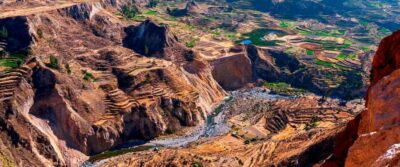
From Puno to Arequipa: 2 Days/1 Night Colca Canyon Tour
Read our review →Browse the lists this tour appears in