
Reviewed · SILLAR ROUTE & AREQUIPA COUNTRYSIDE
From Arequipa: Sillar Route Trek
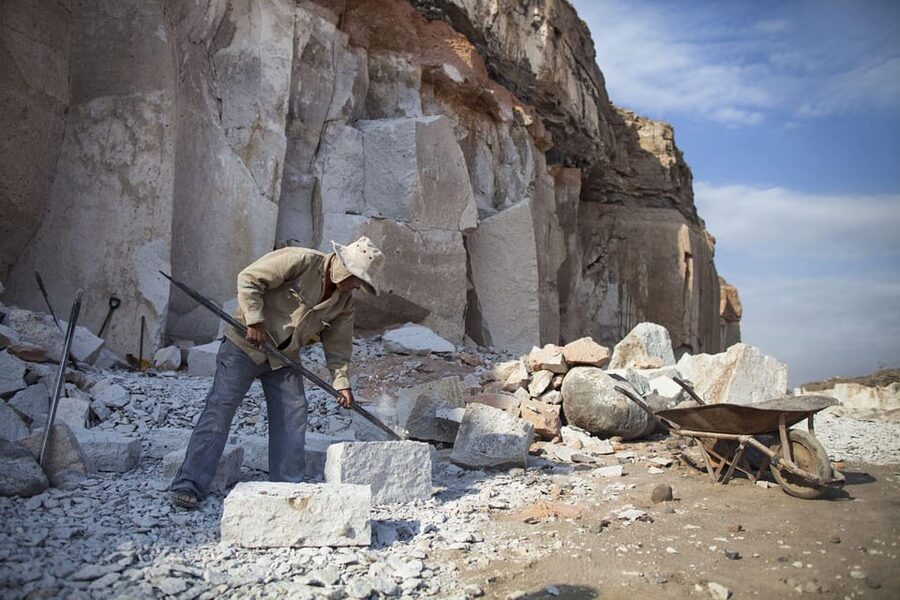
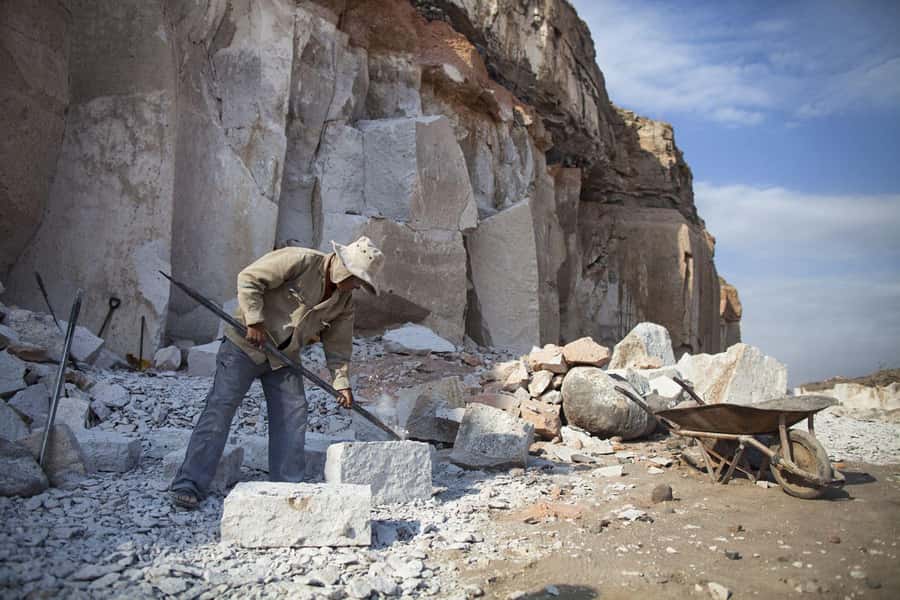
The most interesting part of this tour is seeing how Arequipa’s famous white stone is made. At Añashuayco, stonemasons still work the volcanic ashlar, or sillar, by hand, while the nearby Culebrillas Canyon adds a quiet walk, old petroglyphs, and a touch of mystery. This is a living craft site, not just a photo stop.
I like the mix of working quarry and ancient canyon. I also like the price: about $12 per person, plus 18 soles in entrance fees, gets you transportation, a guide, three distinct stops, and a useful half-day outside the city. The main drawback is pace. Some people find the quarry stop rushed, and the canyon path can be awkward if you have walking problems.
Key points at a glance
- Añashuayco is still in operation, so you may see stonemasons cutting and shaping sillar.
- The Church of the Company of Jesus carving is a striking example of how local workers turn quarry walls into tourist art.
- Culebrillas Canyon provides the best walk, with 15 to 20 meter walls and Wari petroglyphs.
- The tour takes about four hours, with morning and afternoon departures.
- English and Spanish guiding is available, though bilingual explanations may take time in a mixed group.
- Bring 18 soles in cash, closed shoes, sunscreen, a hat, and insect repellent.
Why white sillar matters in Arequipa
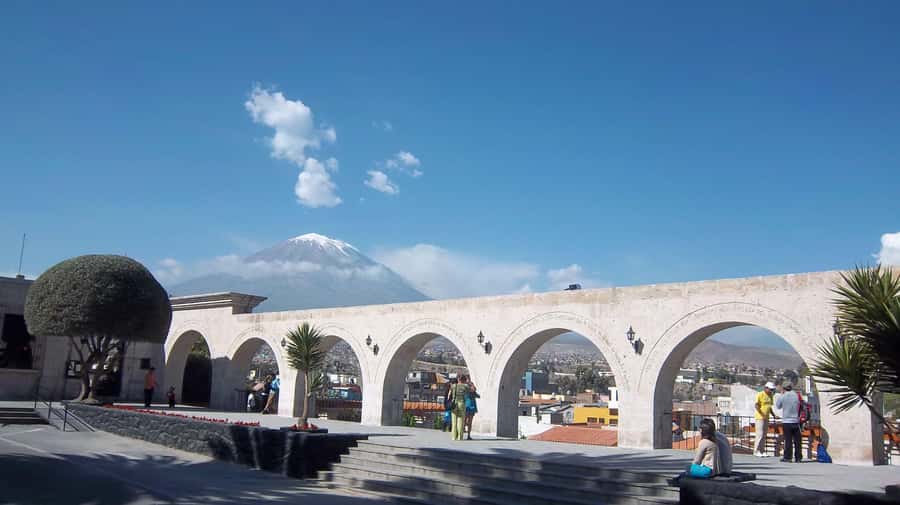
Arequipa is often called the White City because many of its historic buildings use sillar, a pale volcanic stone formed from ash and deposits linked to eruptions in the region. The stone is light in color, workable by hand, and closely tied to Arequipa’s churches, courtyards, and colonial facades.
This tour gives you a useful piece of that story outside the city center. Instead of only admiring finished buildings around the Plaza de Armas, you see where the material comes from and how it is cut. That connection makes the city’s architecture easier to understand.
The guide explains the stone’s origin, traditional uses, and production. Guides have included Mike, Jose, Alexandra, Julia, Roni, and others. English ability varies by guide, but several recent departures had strong English explanations. If you are the only English speaker in a mostly Spanish-speaking group, the guide is expected to make sure you are included, though explanations can take longer.
The tour is not a technical geology lesson. It is a practical introduction to a local trade and its place in Arequipa’s identity. I find that level about right for a four-hour outing.
Other walks into the mountains in Arequipa:
- From Arequipa: 2-Day Colca Canyon Trekking Tour
★ 4.8 · 243 reviews - 2 Day 1 Night Trek / Colca Canyon
★ 4.5 · 92 reviews - 4 hours Tour: Route of Sillar with Trek in Culebrillas
★ 4.2 · 69 reviews
Starting from central Arequipa
The usual meeting point is the main office at C. Álvarez Thomas 115, near the corner. Your name is checked there, followed by basic instructions before you board the vehicle.
The drive to the first main site takes roughly 45 minutes to an hour, depending on the exact order of the stops and traffic. Transport is included, and the vehicle is generally described as clean and safe. One detail to note: at least one departure used a bus without air conditioning, while another used an open-top bus. That can be pleasant in good weather, but the sun is strong around Arequipa, so bring protection.
The group can be fairly large. One departure had about 25 people, and the quarry and canyon may also be receiving other tour groups. The guide usually keeps the schedule moving, which matters because the tour covers several locations before lunch.
Morning departures begin around 9:15 AM and generally return to central Arequipa around 1:30 PM. An afternoon departure is also available at 2:00 PM. The afternoon option can run into heavier traffic on the way back, but it offers warmer light and, depending on the season, sunset colors on the stone.
Volcano views before the quarry
The first stop is a viewpoint where you can see volcanoes and the Chilina Valley, with terraced farmland, known locally as andenerías, in the wider view. The exact viewpoint may change with the season. Some departures use a traditional volcano viewpoint instead.
This is a short photo stop, not a long scenic walk. You will hear about the volcanoes and the area around Arequipa, then return to the vehicle. If you have already visited the Yanahuara viewpoint, this stop may feel familiar and less essential. One useful way to see it is as an orientation point before heading into the quarry country.
The morning light is usually clear, while the afternoon can add warmer color to the rock. Visibility depends on conditions, so do not treat the volcano stop as the main reason to book. The quarry and canyon carry more weight.
Añashuayco Quarry and the work behind Arequipa’s stone
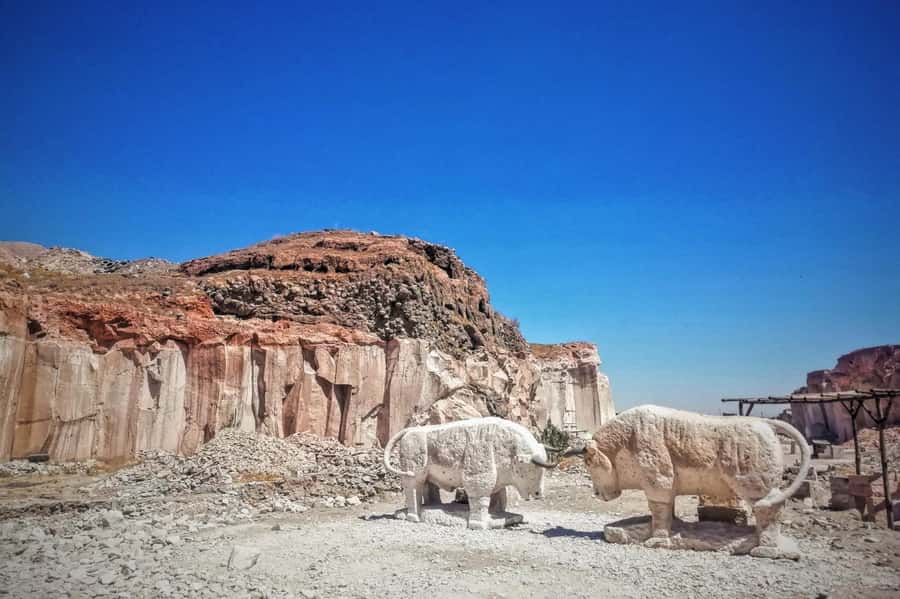
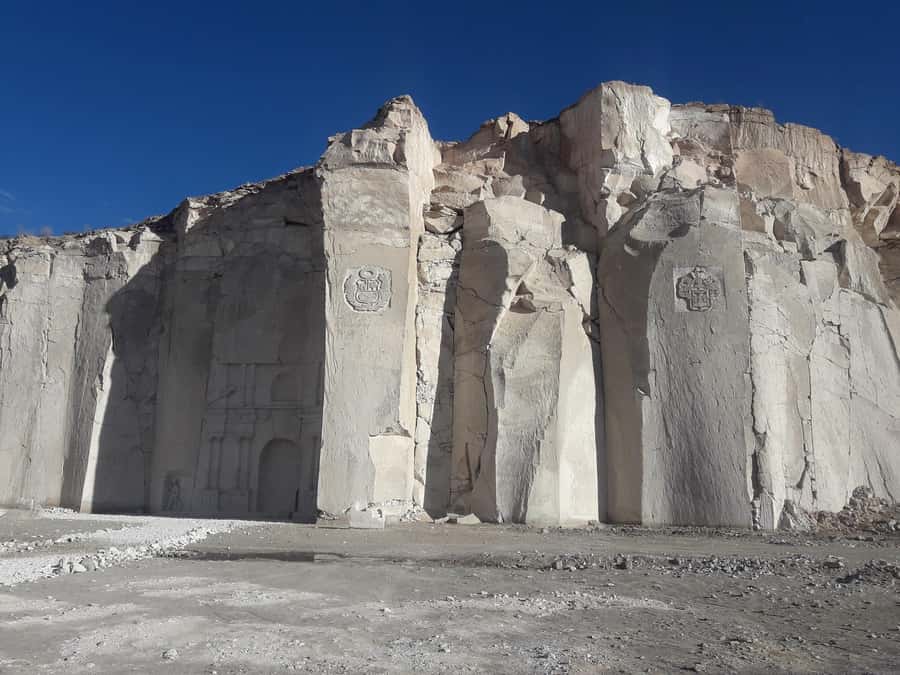
After the drive, you reach the Añashuayco Quarry. Here, extraction has cut tall walls into the pale volcanic rock, creating a broad canyon of ignimbrite cliffs. The scale is larger than a few isolated blocks in a workshop. You are looking at the source material itself, marked by layers and cuts from years of quarrying.
The guide explains how sillar is extracted, shaped, and used. The quarry is still active, and stonemasons begin their work early. Depending on the timing of your visit, you may see workers handling the stone and learn about the daily process directly from one of them.
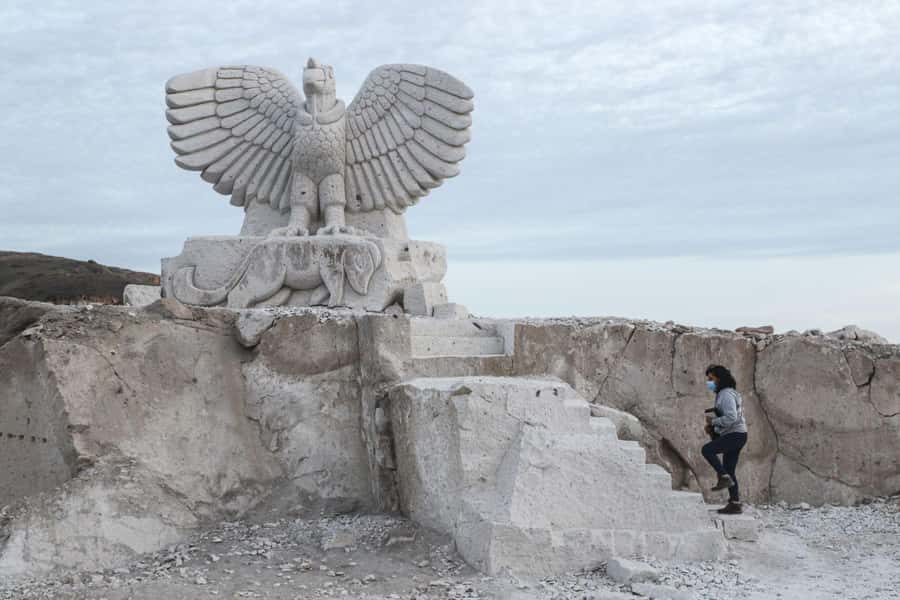
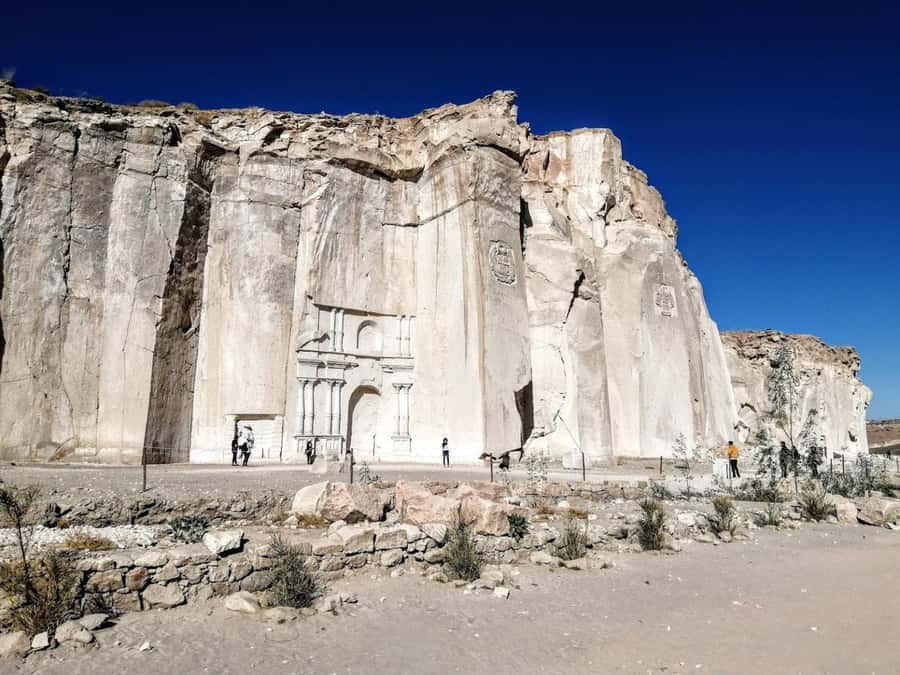
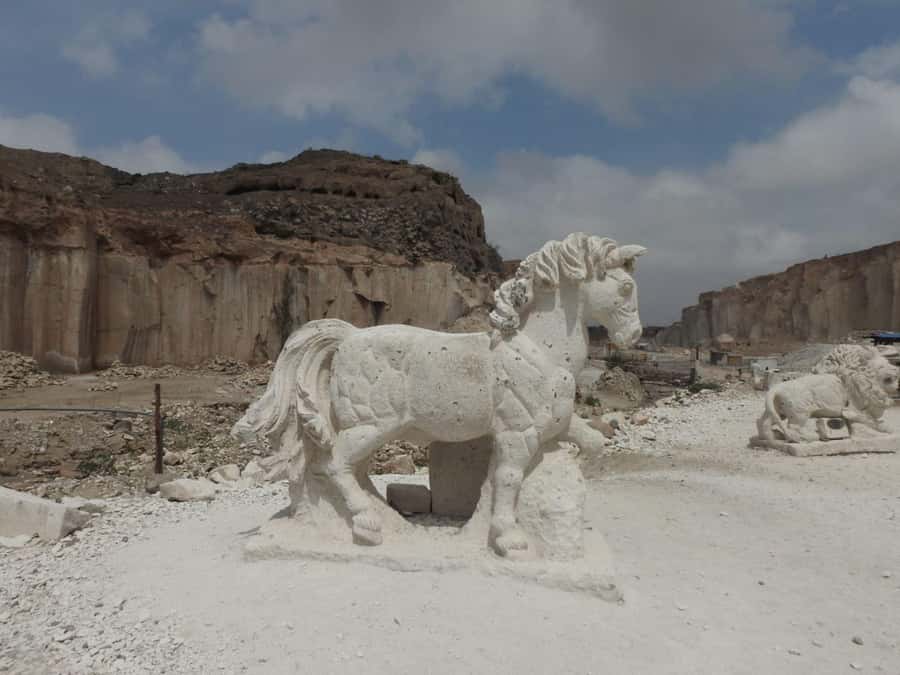
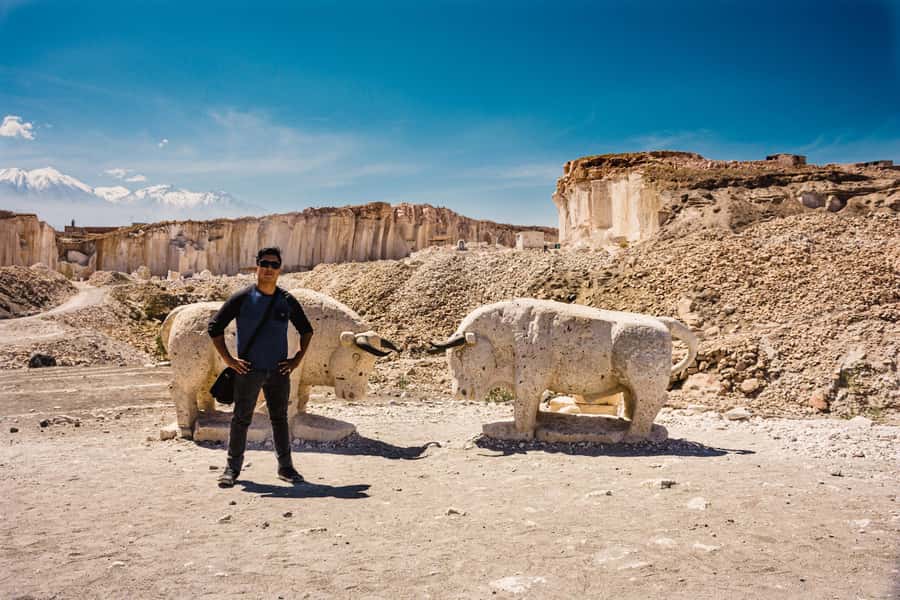
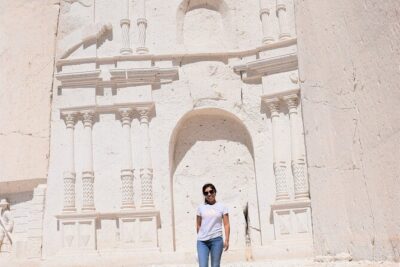
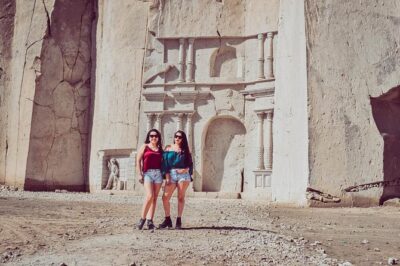
A particularly memorable feature is the large carving of the Church of the Company of Jesus. It was made by local stonemasons and turns a plain quarry wall into a recognizable piece of Arequipa’s architectural identity. There are also other carved figures and modern stone sculptures, including animals, which some people enjoy more than others. If you prefer traditional craft and history, focus on the quarry walls and the working process rather than the photo props.
The visit usually lasts about 45 minutes. Some departures leave you time to walk around and take pictures, while others feel tighter, especially when several groups gather around the best photo spots. If a line forms for the main carving, your free time can shrink quickly.
You may also visit a stonemason who demonstrates the work and lets you try cutting a block. This is a valuable part of the stop because it shows that the stone is not simply soft or effortless to shape. The finished white buildings in central Arequipa represent substantial hand work.
I would like a little more time here on a busy day. The quarry is the educational core of the tour, and waiting for photos can take away from the explanation and demonstration. Still, it gives you something a city walking tour cannot: a direct look at the material behind Arequipa’s famous streets.
Other trips into the countryside from Arequipa:
- Sillar Route and Culebrillas Petroglyphs
★ 4.5 · 89 reviews - Sillar Route in Arequipa and viewpoint of the Volcanoes
★ 4.0 · 71 reviews
Culebrillas Canyon and the older traces in the rock
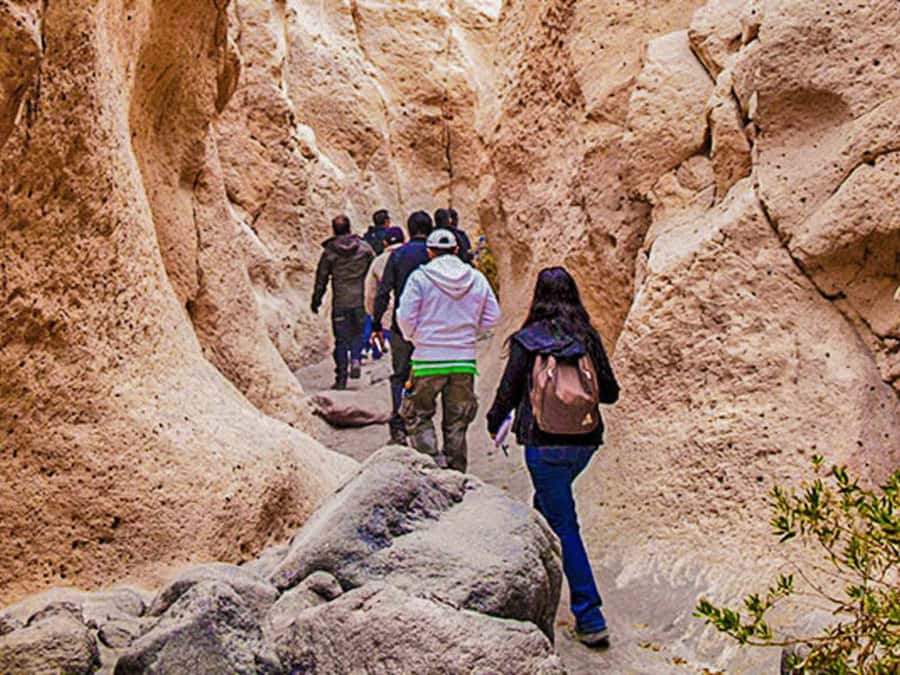
From Añashuayco, the drive to Quebrada de Culebrillas takes about 20 to 30 minutes. This is the stop many people find most rewarding, and I understand why. The narrow canyon was shaped by flowing water, with walls that begin around 15 to 20 meters high and seem taller as you walk farther inside.
The walk takes about 20 to 25 minutes. It is not described as strenuous, but it is uneven enough that you should wear closed shoes. The path is not a good fit for anyone with significant walking difficulty. One practical warning is worth taking seriously: bring insect repellent, especially if you are sensitive to bugs.
The canyon feels different from Añashuayco. The quarry is a place of active work, shaped by people removing stone. Culebrillas is quieter and more enclosed, with winding rock walls and changing views as you move through it. You do not need a long hike to get the effect. This short walk gives you a clear sense of the canyon’s shape.
At the end, you can see petroglyphs associated with the Wari culture, more than a thousand years old. The markings add an archaeological layer to the outing. They are not presented as a huge museum-style display, so listen carefully to the guide and look closely at the rock.
You will also see apachetas, small piles of stones placed one on top of another. They are connected with gratitude toward nature and are also treated as symbols of good luck. The guide explains their meaning, and they add a local spiritual detail without requiring a long lecture.
The canyon can get crowded when several vehicles arrive together. One guide improved the experience by reversing the order of the stops, reaching the canyon before the larger groups. That kind of adjustment can make a real difference, although you should not assume every departure will follow the same order.
The return to Arequipa
After Culebrillas and the viewpoint, the vehicle returns toward Arequipa. The stated tour length is four hours, with morning departures arriving near the center around 1:30 PM. The usual finish is near Av. La Marina, while the meeting point is at C. Álvarez Thomas 115.
Traffic can slow the return, especially after the afternoon departure. One afternoon trip included sunset light on the rocks, which made the scenery more attractive, but the city roads were busier afterward. If you have a fixed evening reservation, leave some extra breathing room.
The tour does not include food or a formal meal stop. It is best treated as a half-day outing that leaves you free for lunch in Arequipa afterward.
What the $12 price really covers
At about $12 per person, this is a strong-value excursion if you want transport and a guide rather than arranging several separate rides. The price includes the vehicle and bilingual guiding. You pay 18 soles total for entrance fees, so keep that amount in cash.
That extra charge is easy to overlook. There is no cash machine during the tour, and buying anything along the way also requires cash. If you have just arrived in Arequipa and have not withdrawn soles, handle that first.
The value comes from the variety. In four hours, you get a volcano and valley viewpoint, an active sillar quarry, a carved church facade, a short canyon walk, ancient rock art, and an explanation of local stone traditions. None of the individual stops is long enough for a full day, but together they form a useful introduction to the area outside central Arequipa.
The tradeoff is that you are paying for a shared group schedule. You do not control how long you spend at each carving or viewpoint. If you want quiet photographs, long conversations with stonemasons, or a slower canyon walk, a private visit would suit you better, though it would cost more.
Morning or afternoon?
Choose the morning departure if you want a straightforward schedule and an earlier return. It is also a good choice if you have other plans in Arequipa later in the day.
Choose the 2:00 PM departure if you care most about warm light. The pale rock can look especially good late in the day, and the canyon may have a softer appearance. The downside is the possible traffic delay on the way back.
Neither time is automatically better. The order of the stops may change, and guides sometimes adjust the route to avoid the largest crowds. If photography matters most, afternoon light has an edge. If reliable timing matters most, morning is safer.
Who should book this outing?
I would recommend it to you if you have a spare half-day in Arequipa and want more than city architecture. It suits people interested in local building traditions, simple outdoor walks, photography, and short cultural excursions.
It is also a good first activity after arriving, provided you have time to get cash and meet the departure. The tour stays close enough to Arequipa that you do not spend the whole day on the road.
You should think twice if you dislike group tours, waiting at photo spots, or short walks on uneven ground. The canyon is manageable for many people, but it is not fully comfortable for anyone with walking problems. Closed shoes are essential, and sunscreen, a hat, and insect repellent will make the day easier.
The experience is less about grand monuments and more about seeing how a city’s identity comes from ordinary work, local stone, and older traditions. That makes it a worthwhile companion to a visit around Arequipa’s historic center.
FAQ
How long does the Sillar Route tour take?
The experience lasts about four hours. A morning departure begins around 9:15 AM and returns to central Arequipa around 1:30 PM. An afternoon departure is also available at 2:00 PM.
Where does the tour start?
The meeting point is the main office at C. Álvarez Thomas 115 in Arequipa. The coordinates provided are -16.4003911, -71.53703469999999.
What languages are available?
The tour offers live guiding in English and Spanish. Guides may explain both languages during the same departure.
What entrance fees are extra?
Entrance fees cost 18 soles in total and are not included in the tour price. Bring cash, since there is no cash withdrawal machine during the outing.
Is walking required?
Yes. You walk for about 20 to 25 minutes inside Culebrillas Canyon, and you may also walk around the quarry. Closed shoes are recommended, and the canyon may be difficult for people with walking problems.
What does the tour include?
Transportation and a guide are included. The tour visits the Añashuayco Quarry, Culebrillas Canyon, and a volcano and valley viewpoint, with explanations about sillar, local traditions, and the sites.
Should you book it?
Book this tour if you want an inexpensive, well-packed half-day that connects Arequipa’s white buildings with the volcanic stone beneath them. The Culebrillas Canyon walk and active quarry are the strongest reasons to go, while the bilingual guides, including highly praised leaders such as Mike, Jose, Alexandra, and Julia, add useful context.
Skip it if you want a slow private visit or dislike staged carvings and crowded photo stops. For most people with a free morning or afternoon, though, the combination of working stone, ancient petroglyphs, canyon walls, and volcano views makes the $12 price hard to argue with.
More hiking tours in Arequipa
- Trekking, Waterfalls and Thermal Baths
★ 4.5 · 47 reviews - From Cusco: 7 Lakes Ausangate Trek with Breakfast and Lunch
★ 4.8 · 360 reviews - Cusco: Rainbow Mountain Tour and Red Valley Hike (Optional)
★ 4.7 · 149 reviews - From Huaraz: Hike to the Lagoon 69
★ 4.4 · 121 reviews
Just added around Arequipa
- Adventure Day in Arequipa: Pillones Waterfall + Rock Forest★ 4.2 · 25 reviews
- From Arequipa: Pillones Waterfall and Stone Forest Day Trip★ 4.4 · 15 reviews
- Arequipa, Historic and Colonial City and Santa Catalina Monastery★ 4.5 · 42 reviews
- Arequipa: City Tour and Santa Catalina Monastery★ 4.5 · 6 reviews
- From Arequipa: Colca Canyon & La Calera Thermal Waters★ 4.3 · 15 reviews
- Arequipa: Pub Crawl with Skip-The-Line Access and Drinks★ 3.0 · 4 reviews
- Arequipa: Walking Tour and Santa Catalina Monastery★ 4.4 · 7 reviews
- Arequipa Walking Tour and Santa Catalina Monastery★ 5.0 · 4 reviews
Sillar Route & Arequipa Countryside, compared.
Sillar Route in Arequipa and viewpoint of the Volcanoes
Read our review →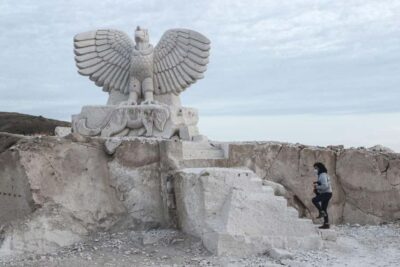
4 hours Tour: Route of Sillar with Trek in Culebrillas
Read our review →Browse the lists this tour appears in