
Reviewed · LAKE TITICACA & UROS ISLANDS
Discover the Celestial Wonder of Sillustani: Towers of Time
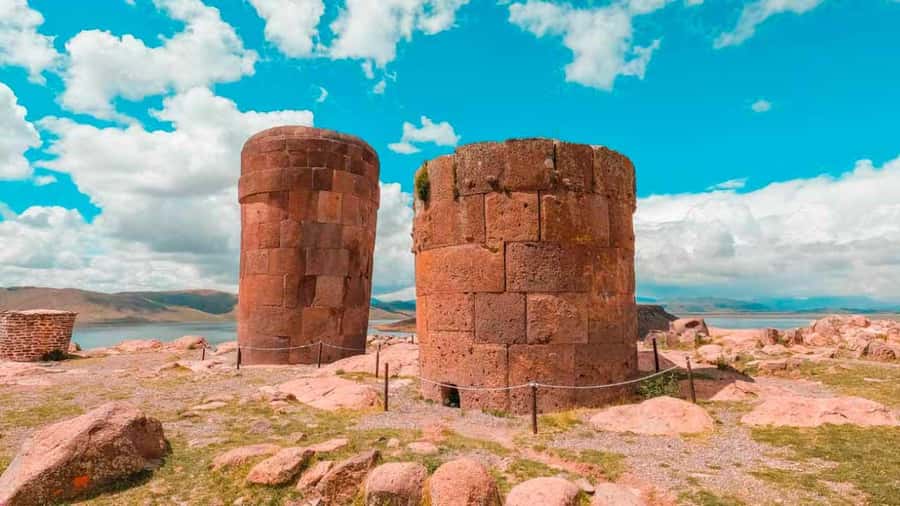
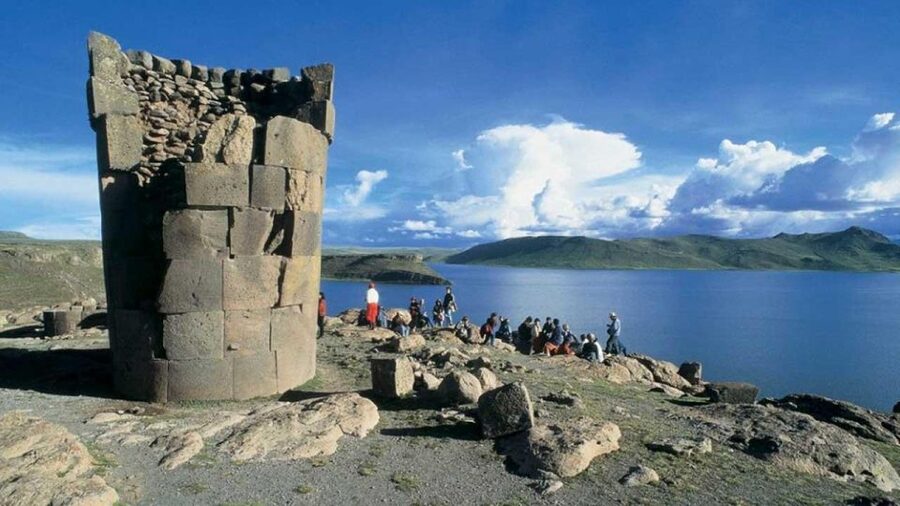
The most striking part of this outing is the Chullpas of Sillustani, tall stone burial towers rising on the Umayo peninsula. Some reach 12 meters, and their careful construction gives the site a solemn, almost otherworldly feel. I like the mix of archaeology and open-air scenery here, especially the chance to see Andean wildlife and flamingos.
I also like that the day includes more than a quick stop at the tombs. The visit to a local home, with typical food and camelids, gives you a small window into life around Puno. The main consideration is timing: the tour runs from about 2:00 to 6:00 pm, so you get a focused visit rather than a slow, full-day exploration.
Key points at a glance
- Kolla burial towers: See cylindrical and square chullpas, with some rising to 12 meters.
- Umayo Lake views: The archaeological site faces the lake, adding an impressive natural setting to the visit.
- Andean wildlife: You might spot flamingos, wild pigs of the Indies, and other local animals.
- Waruwaru farming mounds: Learn how raised earth beds help protect crops from frost and floods.
- Local home visit: Taste typical food and take photos with different camelids.
- Simple value: The $25 price includes hotel pickup, transport, admission, and an English or Spanish-speaking guide.
Why Sillustani feels different from a standard ruin visit
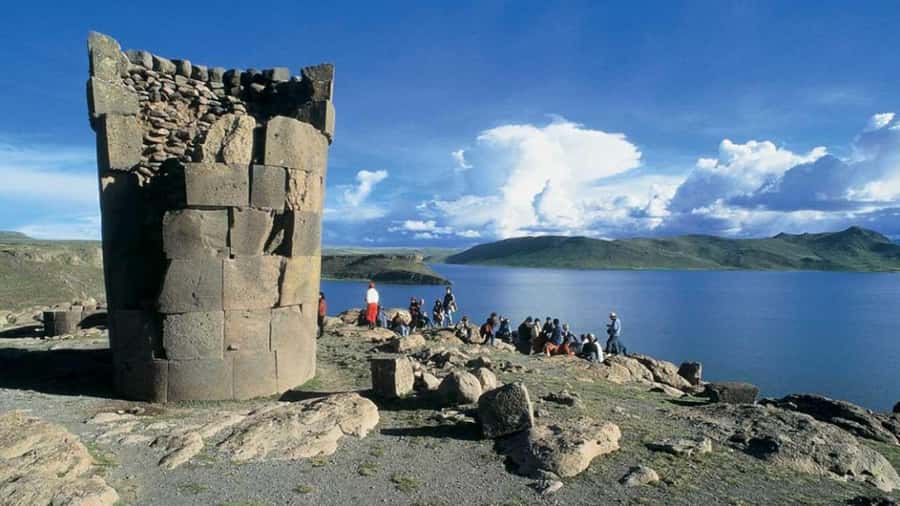
Sillustani is not a sprawling city of temples or a busy maze of stone streets. Its appeal comes from a small group of towering tombs set on the Umayo peninsula, with open views around them. You can take in the site without needing a full day to understand its basic shape and purpose.
The chullpas were built by the Kolla civilization for high-status burials. Their unusual form is the main attraction: these are stone towers rather than low tombs, and their height makes them easy to notice from a distance. A guide helps turn that visual impact into a clearer story about status, burial, and construction.
I especially like the contrast between the human work in the stone towers and the broad natural setting around them. The site is quiet in character, and the lake gives your photographs more than a plain archaeological backdrop.
Other days on Lake Titicaca from Puno:
- From Puno: Uros, Amantaní & Taquile Islands 2-Day Tour
★ 4.5 · 452 reviews - From Puno: Floating Islands of the Uros Half-Day Tour
★ 4.4 · 394 reviews - Lake Titicaca 2-Day Tour to Uros, Amantani and Taquile
★ 4.4 · 199 reviews
The 2:00 pm departure from Puno
Pickup begins at your hotel at about 2:00 pm. You should wait in the lobby 10 minutes before the scheduled pickup, since the exact time may be confirmed by WhatsApp one or two days before the outing. The drive to Sillustani takes approximately 40 minutes.
That departure time makes this a useful afternoon plan. You do not need to give up a full morning, and you return to Puno at about 6:00 pm. At the same time, the schedule leaves little room for a leisurely meal or long independent wandering, so treat this as a compact excursion.
Transportation is included throughout the outing. The supplied information does not specify the vehicle type, group size, or exact hotel coverage, so it is sensible to confirm those points with Journey Peru SAC if they matter to you.
The Chullpas of Sillustani and the Kolla dead
You have about 1 hour and 30 minutes at the archaeological complex. That is enough time for a guided circuit, photographs, and a look at the surrounding features, though you will want to keep an eye on the clock.
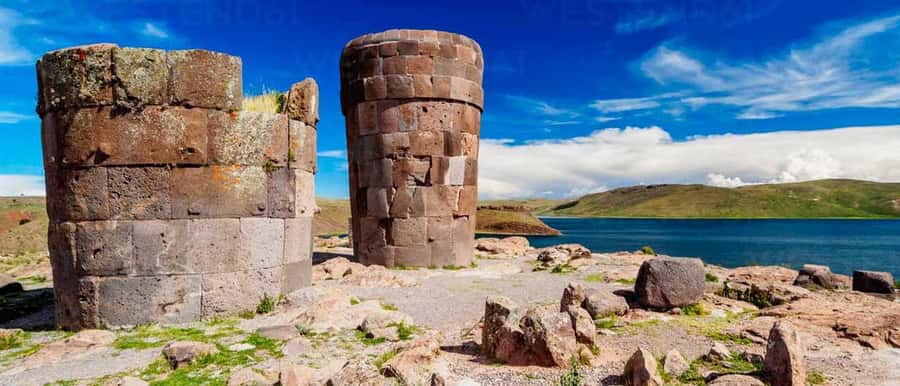
The chullpas were built as tombs for people of high status in Kolla society. Some are cylindrical, while others are square, and the tallest reach about 12 meters. Their tower-like design gives them a strong vertical presence that is unusual among Andean burial sites.
Your guide explains the graves in English or Spanish. One verified booking described the explanations in very good English and found the place especially striking. That matters here because the stones alone cannot explain who built the towers or why this form was chosen. A clear guide can help you notice the construction details and understand why these were prestigious burials.
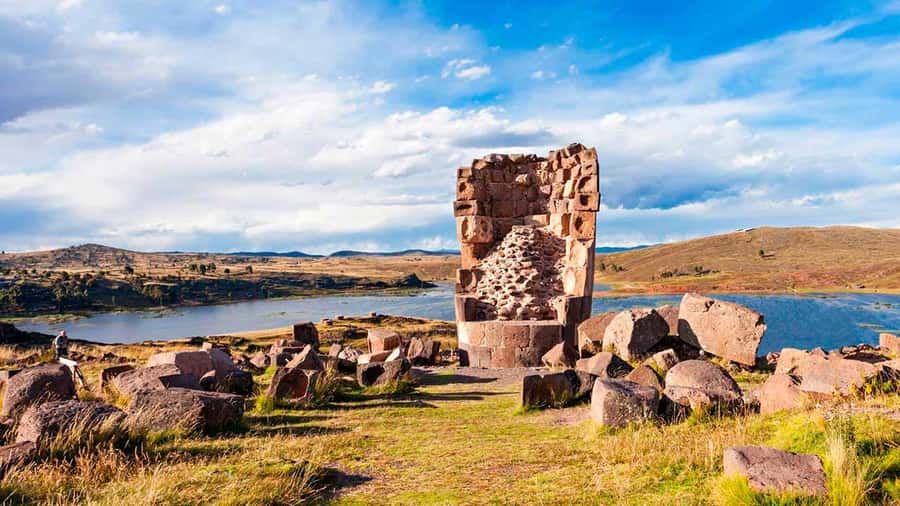
Do not expect every tower to look perfectly complete. The value of the visit is in seeing the surviving structures together and considering the skill needed to build them from stone. The site is best appreciated slowly, with time to look up at the towers and then out toward the lake.
Waruwaru farming mounds beyond the tombs
The visit also includes artificial earth mounds known as waruwaru. These were created to help protect crops from frost and floods. They add an important practical side to the site, showing that Andean ingenuity was not limited to ceremonial buildings or burial monuments.
This is one of the details that can be easy to miss if you come only for photographs. Ask your guide to point out the mounds and explain how they fit into farming in the high Andes. The information makes the surrounding ground feel less empty and more connected to daily survival.
The waruwaru are also a reminder that Sillustani is not just a collection of isolated towers. The archaeological area reflects several ways people used and shaped this difficult environment.
Same base, a completely different day:
- From Cusco: Vinicunca Rainbow Mountain ATV Tour with Meals
★ 4.6 · 1,060 reviews - Puno: Full-Day Tour of Lake Titicaca and Uros & Taquile
★ 4.4 · 178 reviews - Puno: Full-Day Route of the Sun Tour to Cusco with Lunch
★ 4.7 · 131 reviews - Floating Islands of the Uros
★ 4.2 · 101 reviews
Wildlife around Umayo Lake
Keep your eyes open as you walk around the complex. You might see flamingos, wild pigs of the Indies, and other animals of the Andes. Wildlife sightings are not guaranteed, so you should treat them as a welcome possibility rather than the main reason to book.
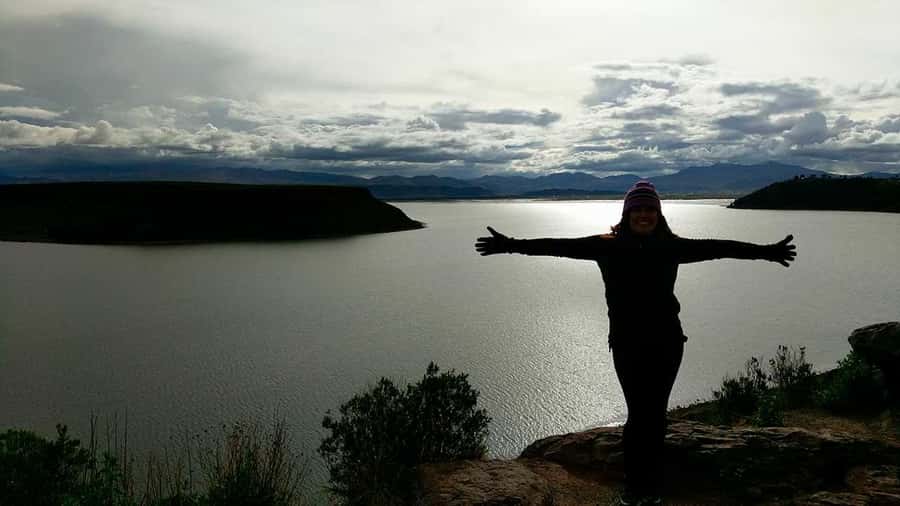
The lake is in front of the archaeological zone, and the view gives the final part of the site visit a strong sense of place. The water, open sky, stone towers, and distant surroundings work together in a way that makes Sillustani feel separate from Puno’s urban setting.
Bring a phone or camera, but do not let the search for animals take over the visit. The tombs are the fixed attraction. Wildlife and lake views add variety and can make your time there feel more complete.
A local home, typical food, and camelids
Near the end of the outing, you stop at a local home. The purpose is simple: learn a little about local life, taste typical food, and take photographs with different camelids.
I like this addition because it changes the tone of the afternoon. After concentrating on ancient tombs, you get a brief connection with present-day life. The visit is not a replacement for a longer cultural program, but it gives you something more personal than an archaeological site alone.
One verified booking specifically found the farm stop interesting. That is useful guidance if you are deciding between a bare ruin transfer and a fuller half-day outing. The stop adds variety without requiring another major detour in the schedule.
The information does not identify the exact food served or the camelid species. Bring cash for personal expenses, since those are not included. The stop is also a good place to keep your camera ready, but be respectful and follow the local host’s directions about photographs.
Is $25 a fair price?
At $25 per person, the outing is good value if you want a guided visit without arranging separate transport and admission. The price includes transportation, entrance fees to the archaeological site, and a professional guide in English or Spanish.
The value comes from the combination of services. A taxi or private arrangement would still need to cover the trip from Puno, while you would also need to handle the entrance fee and find your own explanation of the site. Here, those basics are bundled into a four-hour afternoon plan.
The price does not include personal expenses. That means you should carry cash for snacks, drinks, souvenirs, or anything connected with the local home visit. Since the tour lasts only one afternoon, the cost is easier to justify if you want an efficient introduction rather than a long, flexible day in the countryside.
What to bring for the high-altitude afternoon
The practical packing list is short:
- Passport
- Snacks and drinks
- Biodegradable sunscreen
- Comfortable clothes
- Cash
Comfortable clothing matters because the visit includes walking around an archaeological complex and its surrounding features. The provided information does not specify trail conditions, so practical shoes are a sensible choice even though special hiking equipment is not listed.
Sunscreen is worth carrying, and biodegradable sunscreen is requested. Snacks and drinks can help during the transport and walking portions, particularly because no meal is listed as included. You can taste typical food during the local home stop, but you should not treat that as a full meal unless the operator confirms it.
Weapons, sharp objects, alcohol, and drugs are not allowed. Pregnant women, wheelchair users, and people with visual impairments are advised not to book this activity. Those restrictions are important to consider before paying, since the information does not describe adapted access or a version designed around mobility or visual needs.
Cancellation, payment, and booking timing
You can cancel up to 24 hours in advance for a full refund. The reserve-now, pay-later option lets you hold a place without paying immediately, which is useful when your Puno schedule is still changing.
For a last-minute reservation, check availability with the supplier by email before booking. The pickup time is expected to be sent through WhatsApp one or two days before the outing, so use a phone number you will monitor while in Peru.
The provider is Journey Peru SAC. The guide service is available in Spanish and English, but no individual guide name is supplied. If language quality is especially important to you, confirm your preferred language before departure.
Who will enjoy this Sillustani outing
I would recommend this trip to you if you want a manageable archaeological visit from Puno, especially if you prefer a guide to explain what you are seeing. The 1 hour and 30 minutes at the complex gives you enough time to grasp the main site without committing an entire day.
It also suits anyone who likes a mixture of culture, scenery, and wildlife. The towers provide the historical focus, the waruwaru offer an agricultural detail, the lake supplies the setting, and the animals and local home add variety.
You may want a different arrangement if you need wheelchair access, have a visual impairment, or are pregnant. You may also prefer a private or longer tour if you want to set your own pace, spend more time photographing the tombs, or include a substantial meal.
The small number of available ratings gives only limited evidence about consistency. Still, the strongest specific feedback praises the interesting local stop, the clear English explanations, and the powerful atmosphere of the site. That matches the main strengths of the program: it combines context with a memorable setting.
Should you book it?
Book this tour if you want an affordable, well-shaped afternoon from Puno that covers the essential Sillustani experience. For $25, you get transport, admission, a bilingual guide, the tombs, Umayo Lake, waruwaru, wildlife opportunities, and a local home stop.
Skip it if you need accessible arrangements, want a full-day cultural program, or dislike fixed schedules. For everyone else, the compact timing is a strength rather than a flaw. You see one of the Puno region’s most distinctive archaeological sites, gain useful cultural context, and return to town by about 6:00 pm.
FAQ
How long does the Sillustani tour last?
The activity lasts one day, with the scheduled outing running from approximately 2:00 pm to 6:00 pm.
What time does hotel pickup begin?
Pickup begins at about 2:00 pm. You should wait in your hotel lobby 10 minutes before the scheduled pickup time.
How long is the drive from Puno to Sillustani?
The trip to the archaeological complex takes approximately 40 minutes.
How much time do I spend at the archaeological site?
You have about 1 hour and 30 minutes to visit the Sillustani archaeological complex and its surroundings.
Is transportation included?
Yes. Transportation throughout the trip is included in the price.
Is the entrance fee included?
Yes. Admission to the archaeological site is included.
Is the guide available in English?
Yes. The tour offers a professional guide in English or Spanish.
What should I bring?
Bring your passport, snacks, drinks, biodegradable sunscreen, comfortable clothes, and cash.
Can I cancel for a full refund?
Yes. You can cancel up to 24 hours in advance for a full refund.
Just added around Puno
- Day Trip to Uros Floating Islands and Amantani Island★ 3.9 · 8 reviews
- Cusco: Bus Turistico Puno Cusco con Tour y Buffet★ 4.2 · 7 reviews
- Sillustani: Chullpas de Sillustani Afternoon Half-Day Tour★ 5.0 · 6 reviews
- Puno: 2-day Uros Kayak Tour with Homestay at Amantani Island★ 4.6 · 4 reviews
- Lake Titicaca, Uros and Taquile Full-Day Tour★ 4.3 · 69 reviews
- From Puno: 3-Hour Uros Floating Islands Tour★ 4.4 · 67 reviews
- From Puno: full day tour to Uros and Taquile with Lunch★ 4.6 · 95 reviews
- Floating Islands of the Uros★ 4.2 · 101 reviews
Lake Titicaca & Uros Islands, compared.

2-Day Tour Colca Canyon in Arequipa with end in Puno
Read our review →
Lake Titicaca 2-Day Tour to Uros, Amantani and Taquile
Read our review →
Full-Day Route of the Sun Tour to Cusco with Lunch
Read our review →
Scenic Route of the Sun to Puno with Buffet Lunch
Read our review →
Browse the lists this tour appears in