
Reviewed · MUSEUMS & INCA RUINS
1 day excursion to Waqrapukara
Waqrapukara is the sort of place that rewards the effort before you even reach the ruins. The trail crosses open Andean country, then arrives at an Inca site perched in a dramatic setting with broad views in every direction. The quiet is part of the attraction, and this route usually feels far removed from Cusco.
I like the small-scale feel of the destination, which can mean a calmer walk and more time for photographs. I also like the practical inclusions: breakfast, lunch, transport, walking sticks, and a bilingual guide are all covered in the $50 price. The main caution is the long day and high-altitude hike, with about two hours each way on foot and no easy shortcut if you tire.
Key points at a glance
- A 5:00 am start from Cusco: You leave early, travel south, and return around 6:00 pm.
- A two-hour hike to the ruins: The walk is manageable for many fit hikers, but it is not a casual stroll.
- The Sun Gate and Inca terraces: Your guide visits the main areas of Waqrapukara and explains the site.
- Open Andean views: The route gives you wide panoramas and chances to see llamas, alpacas, vicuñas, and horses.
- Good value at $50: Transport, meals, guiding, walking sticks, oxygen, and first-aid equipment are included, but the entrance fee is extra.
- Best for prepared hikers: Bring proper shoes, water, sun protection, identification, and cash.
Why Waqrapukara is worth the long day
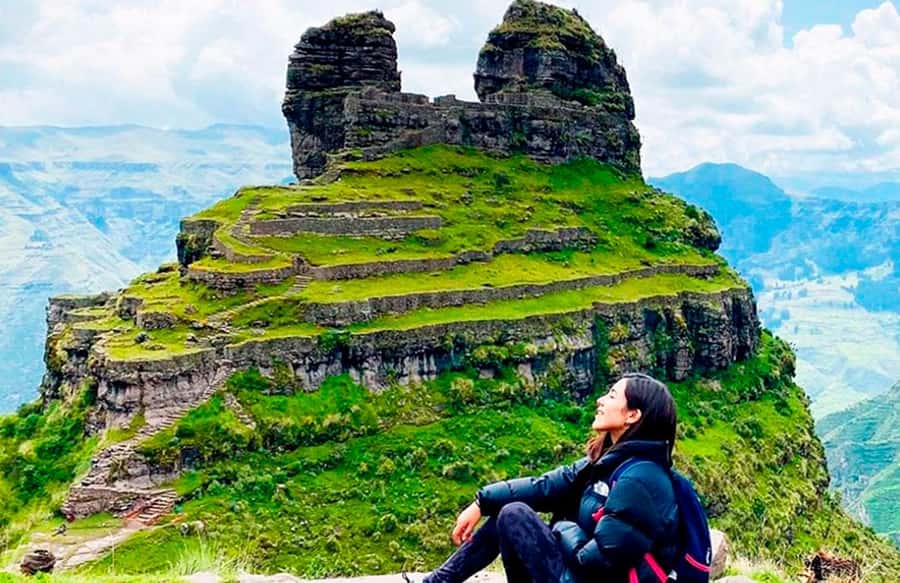
Waqrapukara is an Inca archaeological complex in the Cusco Region, reached by road and then on foot. The destination itself is the prize, but the approach matters. You walk through open Andes rather than simply stepping off a bus beside a major monument.
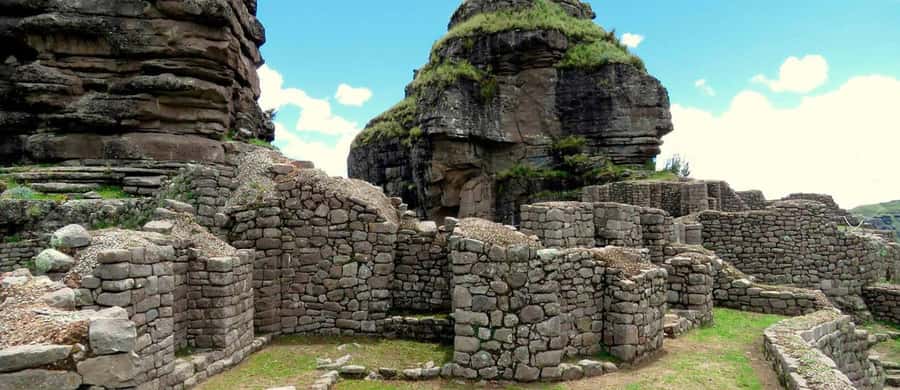
The setting gives the site its force. You see Inca construction alongside broad mountain views, terraces, stone enclosures, and the Sun Gate. The experience is less about checking off a famous landmark and more about spending a full day in a remote highland setting.
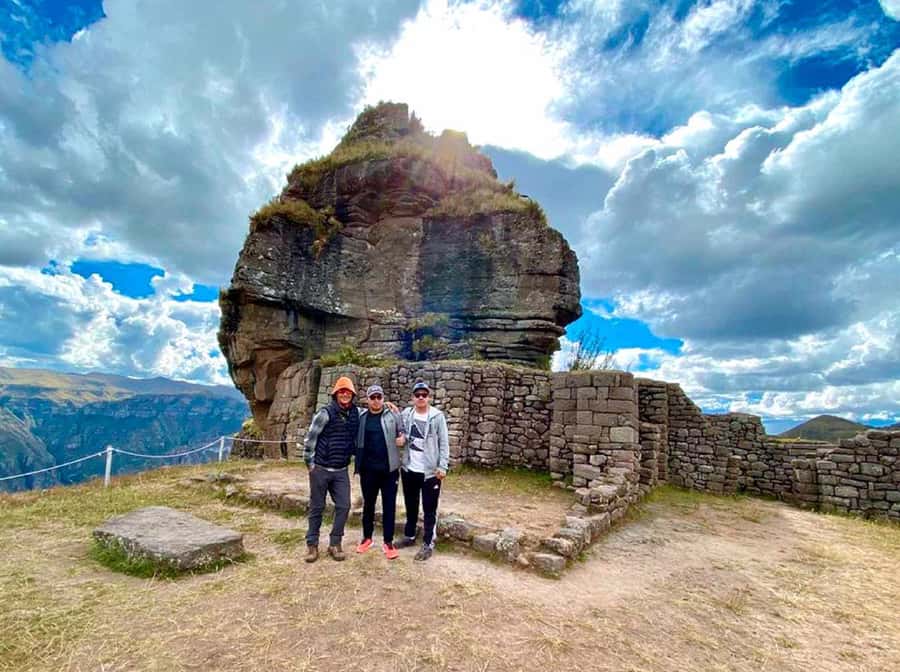
I would choose this outing if you have already seen some of Cusco’s better-known sights and want a quieter day outside the city. It also works well as an early high-altitude hiking experience, provided you are ready for the physical demands. One January review described it as a good first excursion at altitude, but that should not be read as a promise that the trail will feel easy for everyone.
The destination is still less crowded than Peru’s headline attractions. One recent outing had only a few people on the route, and another group found itself alone at the site. Conditions can change, of course, but the lower profile is a real advantage for anyone who prefers space and silence.
Other ruins and collections around Cusco:
- Cusco: Half-Day City Tour with Sacsayhuaman and Q’enco
★ 4.6 · 1,129 reviews - City Tour Cusco Qoricancha Sacsayhuaman y Tambomachay
★ 4.7 · 617 reviews - Cusco: City Tour | Half-Day Tour to 4 Archaeological Sites
★ 4.6 · 206 reviews
Leaving Cusco at 5:00 am
Pickup is from your hotel if it is near Cusco’s historic center. The early departure is not decorative. You need the morning for the drive south, the walk, the guided visit, and the return trip.
The first part of the outing is by vehicle toward the village of Sangarara. This is your first stop and a useful point to break up the long ride. From there, the road continues on a zigzagging route to the parking area where the hike begins.
A 12-hour excursion can feel tiring before the walk even starts, so plan your evening in Cusco accordingly. A very early breakfast is included, but you should still carry water and any snacks you personally need. The return to the city is expected at about 6:00 pm, though road conditions and the group’s walking pace can affect the timing.
Pickup details are confirmed by WhatsApp one or two days before the tour. Pay attention to that message, since it gives you the exact collection time. If you book at the last minute, check availability with the supplier by email before paying.
Sangarara and the highland road
Sangarara is more than a quick name on the route. It is the first stop after leaving Cusco and marks the transition from city travel to the quieter rural Andes.
The road after Sangarara climbs and bends toward the trailhead. The zigzag route is part of the practical reality of reaching Waqrapukara. You are not traveling to a roadside monument with a short paved approach. The final access includes a rougher mountain road and then a proper hike.
That matters when you decide what to wear and carry. Hiking shoes are specifically recommended, and I would take that advice seriously. Comfortable trainers may be fine for some walkers, but uneven mountain ground is better handled with footwear that gives you a firm grip.
The area also provides the first chance to notice the local plants and animals. Llamas, alpacas, vicuñas, and horses may appear along the route. These encounters are not presented as a wildlife program, so treat them as part of the setting rather than a guaranteed sighting.
The two-hour walk to Waqrapukara
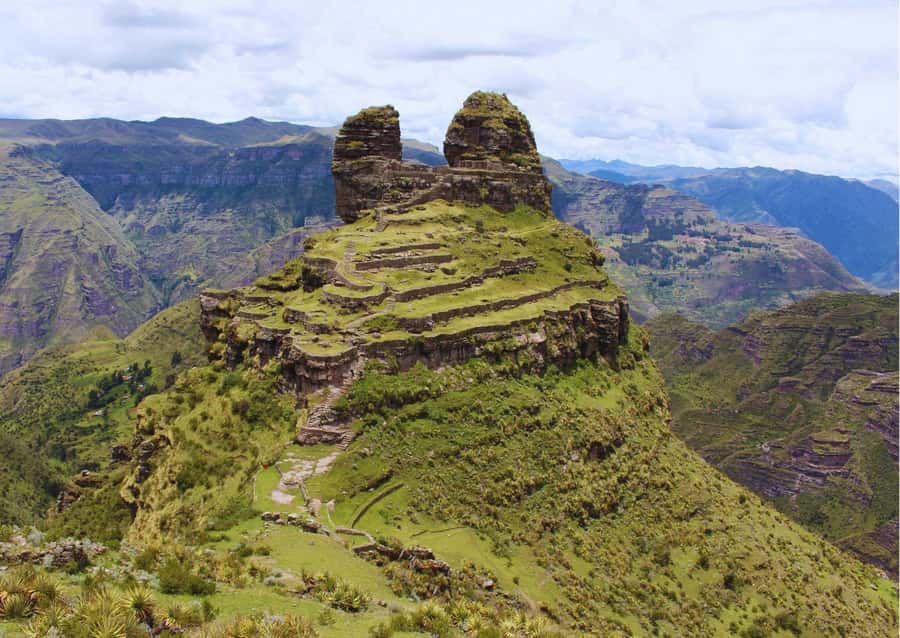
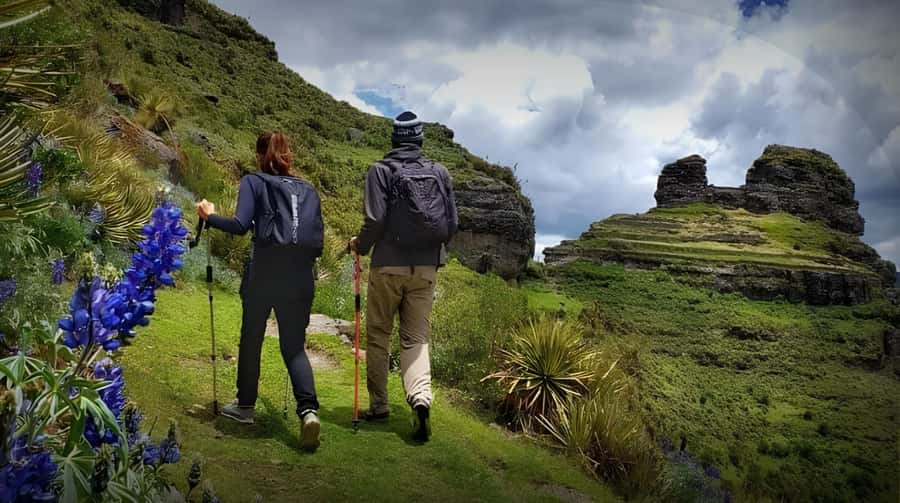
From the parking area, the hike takes about two hours to reach the archaeological complex. One account found the walk closer to two or three hours, so give yourself room for a slower pace, pauses, and photographs.
The trail is described as not very easy, but it can be handled by taking your time. Children have completed the walk as part of a group, though that does not make it suitable for every child. Fitness, comfort at altitude, and patience matter more than speed.
Walking sticks are included, which is a useful touch on an uneven route. Use them to steady yourself on descents and to reduce strain when the ground becomes tiring. The guide can help keep the group moving at a sensible pace, but this is still an active day rather than a sightseeing ride.
The altitude deserves respect. The exact elevation is not specified here, but Waqrapukara is in the high Andes, and the early start does not remove that challenge. If you are not used to altitude, walk slowly, drink water, and tell the guide if you feel unwell. Oxygen and first-aid equipment are carried for support, but they are not a substitute for sensible pacing or medical advice.
The best part of the walk is its sense of space. You can observe the flora and fauna of the area while crossing open country, with the mountains spread around you. There is no need to fill every quiet moment with conversation. Let the route do some of the work.
Same base, a completely different day:
- Cusco: Humantay Lake Tour with Breakfast and Buffet Lunch
★ 4.9 · 2,976 reviews - From Cusco: Moray, Maras Salt Mines & Chinchero Weavers Tour
★ 4.8 · 1,925 reviews - From Cusco: Full-Day Group Tour of Machu Picchu
★ 4.7 · 1,767 reviews - Machu Picchu Day Trip from Cusco
★ 4.5 · 1,644 reviews
Entering the Inca complex
At Waqrapukara, the bilingual guide leads a visit to the Sun Gate, the terraces, and the enclosures. You have enough time to take photographs and see a substantial part of the complex before walking back to the parking area by the same route.
The Sun Gate is a natural focal point for the visit, but the terraces and enclosures help you understand that this was more than a dramatic viewpoint. The stonework sits in relation to the surrounding land, and your guide can explain how the Inca used the site and why its position mattered.
A strong guide makes a difference here. One guide named Carlos was praised for explaining Inca ways of life, respect for nature, and the idea of Pachamama. You cannot assume Carlos will lead your particular departure, but the example gives you a good idea of the kind of interpretation that can make the ruins feel meaningful rather than simply photogenic.
The visit is also a chance to slow down. At a busier archaeological site, you may spend much of your time moving with a crowd. Here, the quieter setting can give you more room to look closely, listen, and take photographs without rushing.
Do keep your expectations sensible. The outing does not promise a long scholarly lecture or a private archaeological session. The included guide provides a practical visit in Spanish or English, with time to see the main areas. If your main interest is detailed Inca archaeology, ask questions as you walk.
Views, photographs, and the return route
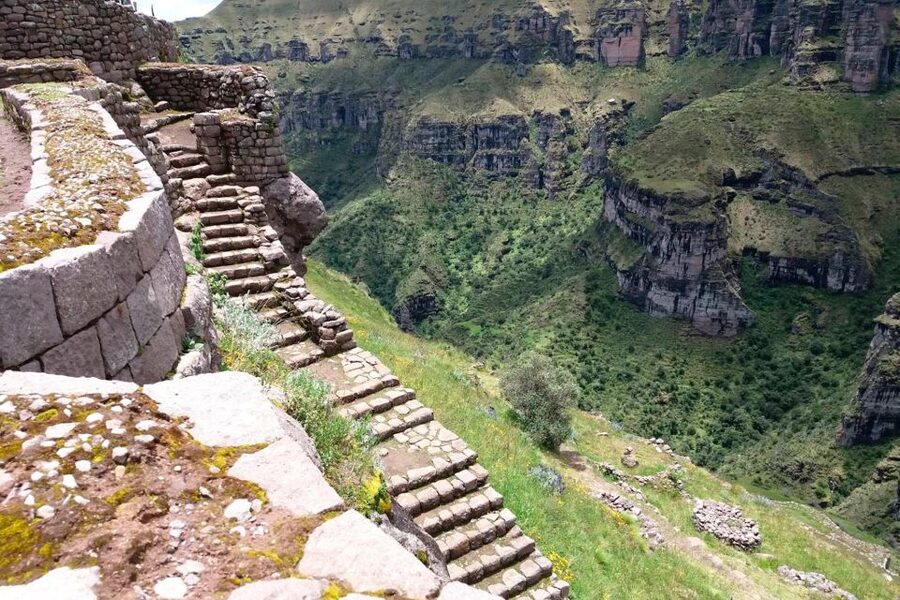
The panoramic views are one of the strongest reasons to book this excursion. From the complex, you can look across the high Andes and see why the location feels so isolated. The combination of stone construction, open sky, and distant mountains gives the photographs their impact.
Bring a camera, but do not spend the whole visit behind it. The place has a peaceful quality that several visitors found especially memorable. One person described the setting as intensely calm and far from civilization, with a strong sense of quiet. That feeling is easy to lose if you treat the stop as a quick photo checkpoint.
After the visit, you return to the parking area along the same route. The return may sound simple, but it is where tired legs become noticeable. Save some water, keep your walking sticks, and avoid using all your energy on the outward journey.
The route is not designed for wheelchair users, and it is not suitable for pregnant women or people with heart problems. Those limits are important because the experience includes a substantial mountain walk, high-altitude conditions, and a long day away from town.
What the $50 price really covers
At $50 per person, this is a strong value if you want a full-day excursion with the main practical pieces handled for you. The price includes hotel pickup near the historic center, transportation, a bilingual guide, breakfast, lunch, walking sticks, oxygen, and first-aid support.
The entrance to Waqrapukara is not included, so add that fee to your budget. The amount is not specified in the supplied details, which means you should confirm it before departure. Carry cash, as it is specifically recommended.
Meals are useful on a day with such an early start and long return. Breakfast means you do not need to organize food before the 5:00 am pickup, while lunch keeps you from having to find a meal in a remote area. I would still bring water and any preferred snacks, since the included meals may not match your appetite or dietary needs.
The value is strongest when you compare this with arranging transport and a guide separately. You get a coordinated transfer, trail support, food, and interpretation in one day. The tradeoff is a fixed schedule and a very early start. If you prefer to walk alone, set your own pace, or stop overnight in the countryside, this is not that kind of trip.
How to prepare for the Andes
Pack lightly, but do not leave out the basics. Your daypack should include:
- Passport or identity card
- Sunglasses
- Sunscreen
- Water
- Camera
- Hiking shoes
- Cash
- Any personal medication you need
Sun protection matters on an exposed highland route. Sunglasses help with glare, and a hat would be sensible, though it is not specifically listed among the required items. Conditions can shift in the mountains, so a light extra layer is also a practical choice, but the provided information does not specify a clothing list.
Your passport or ID card may be needed for the visit, so keep it secure and accessible. Cash is useful for the entrance fee and personal purchases.
The tour supplies walking sticks, oxygen, and first-aid equipment. Those are reassuring safeguards, but they do not turn a demanding walk into an easy one. The most helpful preparation is a steady pace, enough water, and an honest assessment of your health.
Free cancellation is available up to 24 hours before the activity for a full refund. You can also reserve and pay later, which is helpful when your Cusco plans are still shifting. Last-minute bookings need an availability check by email first.
Who should book this day trip?
I would recommend Waqrapukara to you if you want a quieter archaeological outing, enjoy mountain walking, and are willing to give up a full day. It is a good match for active visitors who want more than a short stop and a souvenir photograph.
It may also suit you as an early high-altitude excursion, provided you are feeling well and ready to walk slowly. The route offers a clear introduction to the demands of the Andes without requiring a multi-day trek.
I would hesitate if you dislike early departures, struggle with long vehicle rides, or want a relaxed sightseeing day. The hike can take two hours or more in each direction, and the return to Cusco is not until around 6:00 pm.
The outing is also not suitable for pregnant women, people with heart problems, or wheelchair users. If any health concern could affect your ability to walk in high-altitude conditions, get professional medical advice before booking.
Should you book Waqrapukara?
Book it if the idea of reaching a lesser-known Inca site on foot appeals to you more than spending another day among Cusco’s busiest attractions. The combination of quiet Andean scenery, broad views, and a real trail gives the excursion its character.
The $50 cost is reasonable because it covers transport, meals, a bilingual guide, walking sticks, and basic emergency support. Just remember that the entrance fee is extra, and the day will test your legs.
My practical advice is simple: confirm the pickup message, wear proper hiking shoes, carry water and cash, and keep your pace steady. If you do that, Waqrapukara offers a rewarding day in the Andes without the crowds and ceremony of Peru’s most famous sites.
FAQ
How long does the Waqrapukara excursion take?
The excursion lasts about 12 hours. Pickup begins at approximately 5:00 am, and arrival back in Cusco is expected around 6:00 pm.
Where does hotel pickup take place?
Pickup is available from hotels near Cusco’s historic center. The exact pickup time is sent by WhatsApp one or two days before the tour.
How long is the hike to Waqrapukara?
The walk from the parking area to the archaeological complex takes about two hours. Allow extra time, since some people may take closer to two or three hours depending on pace and stops.
Is the entrance fee included?
No. The entrance to the Waqrapukara complex is not included in the $50 price.
What languages does the guide speak?
The live guide service is available in Spanish and English.
What meals and equipment are included?
Breakfast and lunch are included, along with transportation, walking sticks, oxygen, a first-aid kit, and a bilingual guide. You should still bring your own water, sunscreen, hiking shoes, and cash.
More day trips around Cusco
- From Cusco: 2-Day Trip to the Sacred Valley and Machu Picchu
★ 4.6 · 265 reviews - From Cusco: 1-day Machu Picchu Tour by Train
★ 4.6 · 138 reviews - Machupicchu 1 day tour
★ 5.0 · 128 reviews - Machu Picchu full day trip from Cusco
★ 5.0 · 102 reviews
More museums and ruins in Cusco
- City Tour in Cusco & visit Museum South American Camelid Private.
★ 5.0 · 147 reviews - Cusco City Sightseeing and Sacsayhuaman Archeological Park Tour
★ 4.5 · 101 reviews - Cusco: Historical Guided City Tour with 4 Inca Ruins
★ 4.5 · 99 reviews - City Tour in Cusco & visit Museum South American Camelid
★ 4.5 · 80 reviews
Just added around Cusco
- 7 Colors Mountain Tour + Red Valley★ 4.0 · 3 reviews
- Amazonas Manu Cultural Zone 4 Days / 3 Nights★ 4.2 · 8 reviews
- 5-Day Salkantay Trek to Machupicchu Sky Lodge Dome★ 4.0 · 6 reviews
- Arrive before the crowd to the Mountain in private service★ 3.4 · 6 reviews
- Cusco: 5-Day Salkantay Ultimate Trek to Machu Picchu★ 5.0 · 3 reviews
- From Cusco: 4-Day Inca Jungle Adventure to Machu Picchu★ 4.8 · 45 reviews
- From Cusco: 2-Day Sacred Valley and Machupicchu by Train★ 5.0 · 8 reviews
- 1 day excursion to the Humantay Lake from Cusco.★ 5.0 · 3 reviews
Museums & Inca Ruins, compared.
Half-Day City Tour with Sacsayhuaman and Q’enco
Read our review →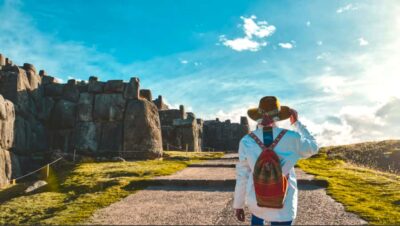
City Tour Cusco Qoricancha Sacsayhuaman y Tambomachay
Read our review →
The Charm of Barranco & Pre Inca Pyramid in Miraflores
Read our review →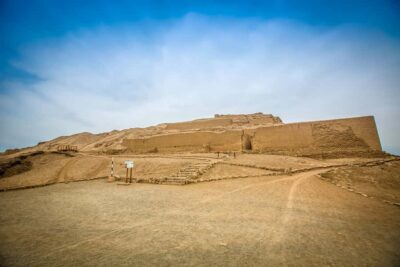
Pachacamac Ruins & Barranco Half-Day Guided Tour
Read our review →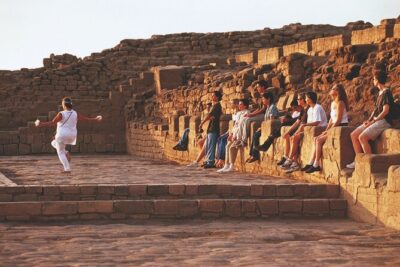
Pre Inca Temple of Pachacamac Half-Day Tour from Lima
Read our review →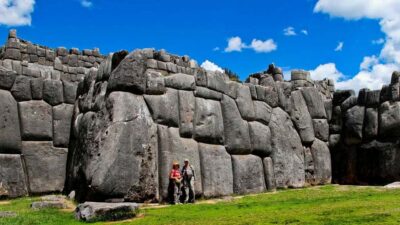
City Tour | Half-Day Tour to 4 Archaeological Sites
Read our review →
City Tour in Cusco & visit Museum South American Camelid Private.
Read our review →Browse the lists this tour appears in