
Reviewed · CITY TOURS
City Tour Cusco
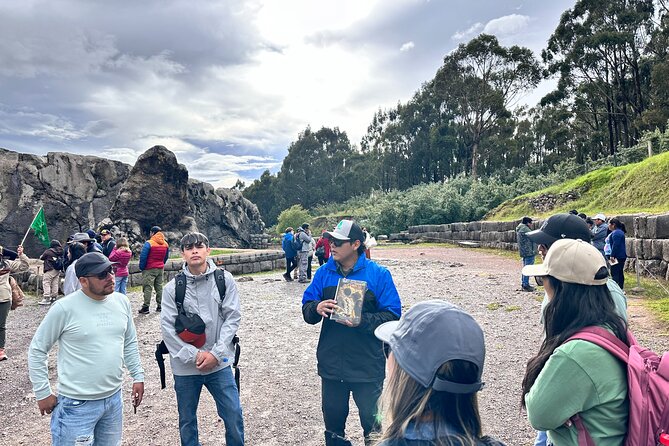
Cusco’s best first-day orientation is not confined to its colonial center. This five-hour circuit moves from the gold-lined Temple of the Sun to huge Inca stonework, ritual caves, a hilltop lookout, and sacred fountains. I like the way it gives you the big picture quickly, and I like that guides such as Jhonny, Victor, Jorge, and Saul bring different personalities to the storytelling. The main catch is cost: the $32 tour price does not include the $25 archaeological ticket or the $7 Qorikancha admission.
I also like the small maximum group of 12, which should make it easier to hear the guide and ask questions. The private transport matters, too, since these sites sit outside the historic center and involve short rides between them. Still, this is a survey tour, not a slow archaeological study. With five stops listed at about an hour each, plus driving, you should expect a fairly brisk day.
Key points to know before booking
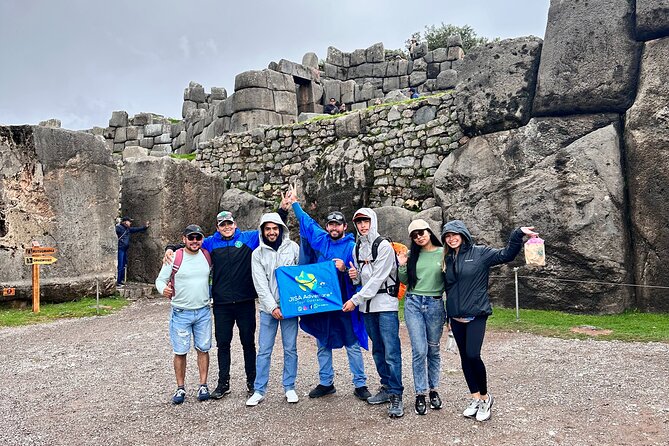
- Five major sites in one half-day: Qorikancha, Saqsayhuamán, Q’enqo, Puca Pucara, and Tambomachay give you a strong first look at Cusco’s Inca foundations.
- Guides shape the experience: Jhonny is praised for energy and clear explanations, while Victor, Jorge, and Saul are also named for attentive, engaging service.
- Admission costs are separate: Budget $25 for the partial archaeological ticket and $7 for Qorikancha, in addition to the $32 tour price.
- Private transport is included: You avoid arranging separate rides to the outlying ruins, with stated transfers of about 20 minutes and 15 minutes between some stops.
- The group is capped at 12 people: This is a useful middle ground between a private tour and a large bus outing.
- It works well as a Cusco introduction: The tour covers religion, engineering, military planning, ritual practice, and water worship in one outing.
Why this makes a useful first day in Cusco
Cusco can feel confusing at first. Inca walls appear beneath Spanish churches, major ruins sit on the hills above town, and the old imperial capital is spread across several sites rather than one single monument. This tour gives you a working map of the city and its surrounding ruins.
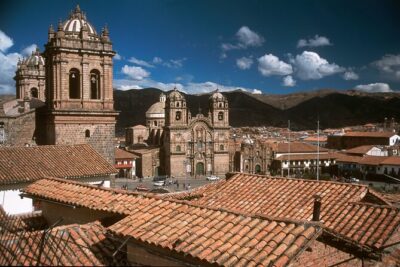
You meet at Plaza de Armas, the natural starting point for a Cusco orientation. From there, private transportation connects the sites, so you do not need to piece together taxis or local routes. The official guide provides the thread linking each stop, explaining how religion, government, defense, ceremony, and water all fit into the Inca world.
The price looks modest at first, but make sure you calculate the full outing. At $32 per person, the tour includes the guide, transport, and an oxygen ball. The archaeological entrance ticket costs another $25, and Qorikancha costs $7. That puts the basic total at $64 per person if you need both admissions. It is still a practical way to cover five places, but it is not an all-inclusive $32 experience.
Other ways to see the whole city in Cusco:
- Cusco: Half-Day City Tour with Sacsayhuaman and Q’enco
★ 4.6 · 1,129 reviews - City Tour Cusco Qoricancha Sacsayhuaman y Tambomachay
★ 4.7 · 617 reviews - Open Bus Cusco City Tour
★ 4.5 · 219 reviews
Qorikancha, where Inca stone meets Spanish churchwork
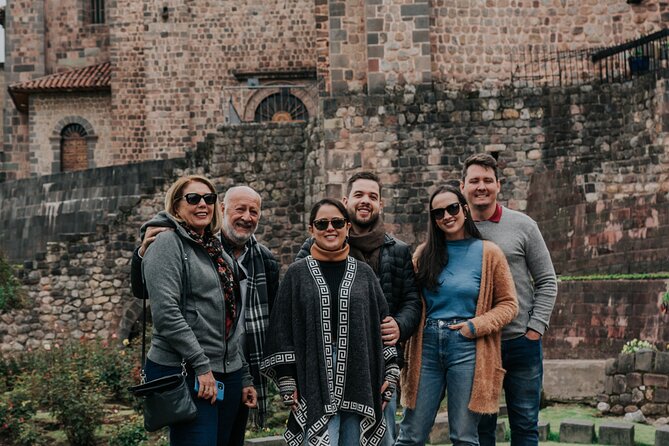
Qorikancha, or the Temple of the Sun, is the most urban stop and often the most revealing. The site shows how Spanish colonial construction was placed over an important Inca religious center. Instead of seeing two separate periods, you see them pressed together in the same walls and foundations.
Allow about 45 minutes to an hour here. Your guide should help you focus on the contrast between the finely fitted Inca stonework and the later colonial architecture. The value of this stop is not just the building itself. It gives you a clear introduction to the collision of religious systems and political power that shaped Cusco after the Spanish arrival.
The $7 admission is separate from the tour. That extra fee is easy to overlook, so include it when comparing this outing with other city tours. Qorikancha is also the one stop that feels most connected to daily Cusco life, since it sits within the city rather than on an isolated hill.
Saqsayhuamán and the scale of Inca stonework
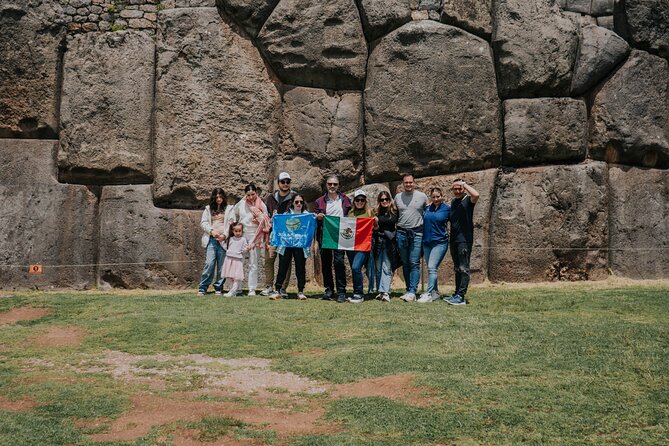
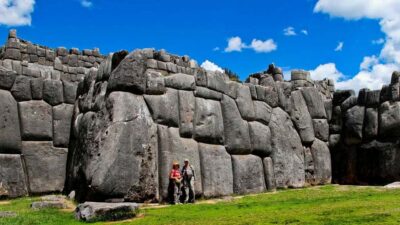
After roughly 20 minutes in the vehicle, you reach Saqsayhuamán. This is where the tour shifts from an urban religious site to a vast archaeological complex with enormous carved stones and imposing walls.
The guide explains Inca construction methods and the ceremonial and historical role of the site. Pay attention to the stone joints. The appeal is not only the size of the blocks, but also the precision with which they were fitted together. The walls make abstract talk about Inca engineering much easier to grasp.
Saqsayhuamán is likely to be one of the most visually powerful stops, but it also shows why good pacing matters. The site can feel larger than the time available. You may want to photograph the walls, hear the explanation, and simply take in the setting, all within roughly an hour. Follow the guide’s route and save questions for natural pauses so you do not miss the main points.
This stop is covered by the $25 partial archaeological ticket, not by the tour price itself. Check that you have allowed for this before booking.
Q’enqo, a smaller site with a more mysterious mood
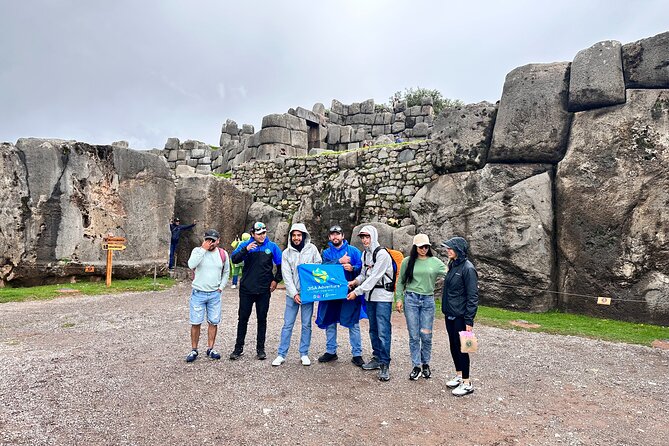
Q’enqo is a ritual center built around a rocky outcrop. Compared with Saqsayhuamán, it is smaller and less immediately dramatic, but its carved rock and underground chambers give it a different mood.
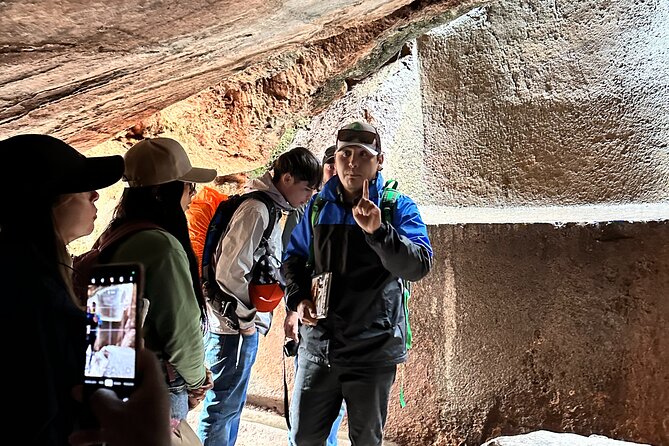
Your guide explains the altars, chambers, and the ritual practices connected with the site. This is a place where interpretation matters. The physical remains are not as easy to read on your own, and the meaning of the carved surfaces can be hard to grasp without context.
Expect about an hour here, though the experience may feel shorter because the site is compact. Watch your footing around the rock-cut areas and listen closely when the guide points out features that are easy to pass without noticing. If you prefer grand walls and wide views, Q’enqo may not be your favorite stop. If you like places where the purpose is less obvious and the setting feels more ceremonial, it can be one of the most interesting parts of the circuit.
Same base, a completely different day:
- Cusco: Humantay Lake Tour with Breakfast and Buffet Lunch
★ 4.9 · 2,976 reviews - From Cusco: Moray, Maras Salt Mines & Chinchero Weavers Tour
★ 4.8 · 1,925 reviews - From Cusco: Full-Day Group Tour of Machu Picchu
★ 4.7 · 1,767 reviews - Machu Picchu Day Trip from Cusco
★ 4.5 · 1,644 reviews
Puca Pucara, a quick lesson in Inca defense
The route continues for about 15 minutes to Puca Pucara, often described as a military fortress. Its red-toned construction and elevated position help explain its strategic purpose.
This stop adds balance to the tour. Without it, the day would lean heavily toward temples and ritual spaces. Here, the guide discusses defense and military planning during the Inca Empire. The site is also a reminder that the roads approaching Cusco needed oversight and protection.
Puca Pucara is a good place to keep the larger picture in mind. The Inca state depended on movement, communication, administration, and control of routes, not just on ceremonial buildings. You will probably spend about an hour here, including the guide’s explanation and time to look around.
The limitation is that the site may feel less substantial than Saqsayhuamán. That is not a flaw in the tour, but it is worth knowing if you want every stop to deliver monumental architecture. Puca Pucara works best as part of the sequence.
Tambomachay and the importance of water
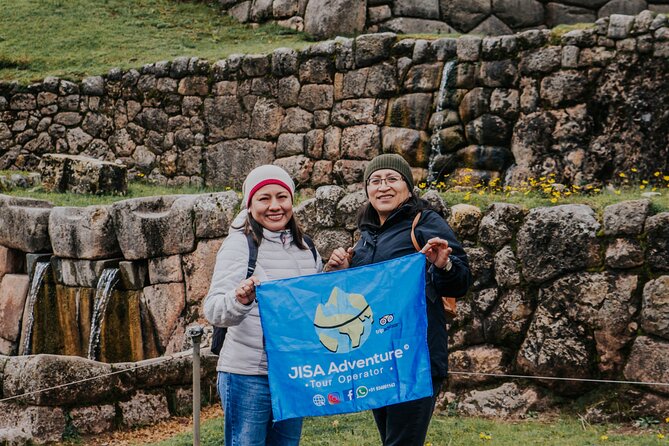
The final visit is Tambomachay, known as the Baño del Inca. Its stone fountains and canals show the care given to water management and ceremonial use.
The guide explains water worship, ceremonies, and Inca hydraulic engineering. This is a fitting end because it brings the tour back to a basic element of life. The carefully arranged channels show that water was handled as both a practical resource and a sacred force.
Tambomachay is quieter in character than Saqsayhuamán. You are not looking at enormous fortress walls. Instead, the interest lies in the flow of water through worked stone and in the way the site was shaped for ceremony. Give yourself time to watch the fountains rather than treating this as a quick photo stop.
After Tambomachay, the transport returns you to Cusco and the original meeting point. Since the advertised duration is approximately five hours, the pace may be tight if every stop is truly close to an hour. The listed driving times also add to the schedule. Treat the hour figures as rough visit periods rather than a promise of five full hours on site.
What the guides add to the day
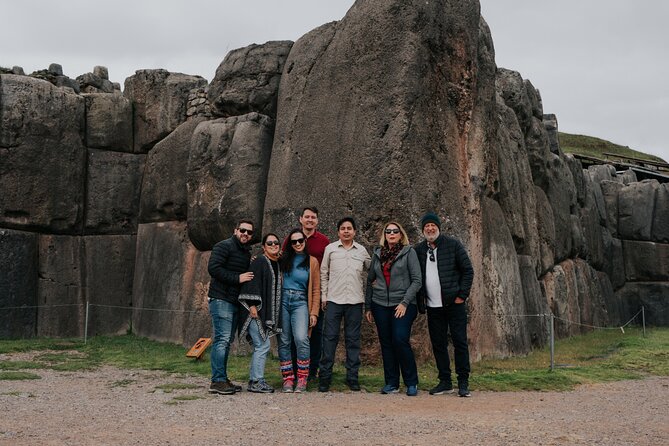
The strongest part of this experience is likely to be the guide you receive. Jhonny is repeatedly associated with lively, informative explanations and a friendly manner. One account describes him as making the tour fun while keeping the timing comfortable, which is a useful combination in Cusco, where too much detail can wear you out quickly.
Victor is also singled out for strong explanations, care with the group, and allowing time for photographs. That matters at Saqsayhuamán and Tambomachay, where the setting deserves more than a rushed glance. Jorge is praised for being accommodating and is also connected with other Peru excursions, while Saul is described as attentive and well informed on a first-day Cusco tour.
You cannot choose a particular guide from the information provided, so consider these names examples of the company’s guide team rather than a guarantee. The practical takeaway is simple: ask questions, tell the guide if you need a short pause, and use the ride between sites to catch your breath and reset.
The tour includes an official tourism guide, not just a driver who points out landmarks. That distinction matters at Q’enqo and Qorikancha, where the meaning of the site is harder to understand from signs alone.
Transport, group size, and physical demands
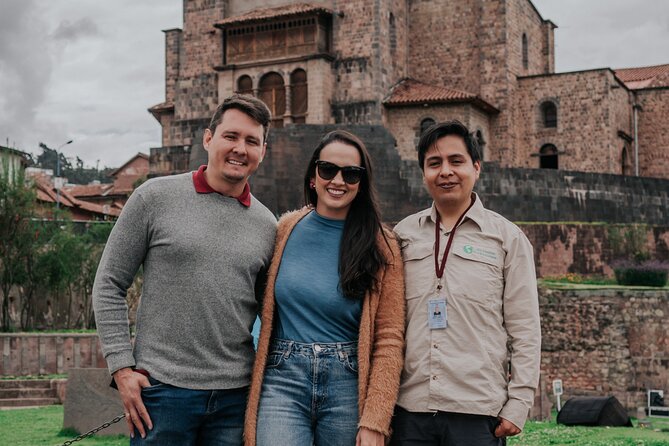
Private transportation is included, with the tour starting and ending at Plaza de Armas. This saves time and removes much of the hassle of arranging transport between the city and the hilltop archaeological sites.
The maximum group size is 12. That is small enough for a guide to keep the group together without shouting across a large bus, though it is not the same as a private family tour. The group size also affects photography and pacing. You may need to wait briefly while others gather, but you should still have a more personal experience than on a large coach outing.
Most people can participate, according to the supplied activity information. Still, this is an archaeological tour with walking around stone sites and uneven outdoor areas. The description does not provide a detailed accessibility assessment, so anyone with specific mobility needs should confirm the conditions with Jisa Adventure before paying.
An oxygen ball is included. The listing does not explain how or when it is used, so do not treat it as a substitute for acclimatization or medical care. Cusco’s altitude is a real consideration, and you should plan your first day sensibly, keep your pace comfortable, and tell the guide if you feel unwell.
Who will get the most from this tour
I would choose this tour for a first visit to Cusco when I wanted an organized introduction rather than a day spent arranging separate taxis and admissions. It suits you if you want a broad look at Inca religion, engineering, defense, and ceremony before deciding which places deserve a longer return visit.
It is also a good match for families or mixed-age groups who value transport and a guide. The five-hour format avoids turning the day into an all-day archaeological marathon, though the pace may still feel full.
You may want something else if you prefer long, quiet visits at one or two sites. The route covers five locations, and the schedule leaves limited room for lingering. It is also less suitable if you expect every admission to be included in the headline price.
The activity is available Monday through Sunday according to the supplied hours, with the stated operating period extending through August 12, 2026. The meeting point is Plaza de Armas, and the tour returns there. Confirmation is provided at booking, and the activity is near public transportation, though private transport is part of the tour itself.
Should you book the Cusco city tour?
Book it if you want a well-organized first look at Cusco’s major Inca sites, prefer a small group, and value clear historical explanation over a slow, highly specialized visit. The guide team has received strong praise for energy, care, and storytelling, with Jhonny, Victor, Jorge, and Saul named as especially capable guides.
Before you commit, add the $25 archaeological ticket and $7 Qorikancha admission to the $32 tour price. Also accept that five stops in about five hours means efficient sightseeing, not an unhurried examination of each ruin.
For many first-time visitors, that tradeoff is worthwhile. You get the essential sites, transport, and a guide who can help you understand what you are seeing. Just book only when your plans are firm, since the experience is non-refundable and cannot be changed after booking.
FAQ
Where does the City Tour Cusco begin?
The tour begins at Plaza de Armas in Cusco.
Where does the tour end?
The activity ends back at the original meeting point in Plaza de Armas.
How long does the tour last?
The tour lasts approximately five hours.
Which sites are included in the route?
The route includes Qorikancha, Saqsayhuamán, Q’enqo, Puca Pucara, and Tambomachay.
Are entrance fees included?
No. The $25 partial archaeological ticket and the $7 Qorikancha admission are not included in the tour price.
What is included in the $32 price?
The price includes private transportation, an official tourism guide, and an oxygen ball.
How many people can join the tour?
The activity has a maximum group size of 12 travelers.
Can the booking be canceled or changed?
No. The experience is non-refundable and cannot be changed for any reason.
Just added around Cusco
- “Waqra Pucara, The Majestic Fortress Revealing Secrets of the Andes”.★ 3.5 · 8 reviews
- 1.5h Cusco Chocolate Workshop – Truffles & Hot Chocolate★ 4.3 · 8 reviews
- Cusco: Chocolate Workshop with the Best Local Organic Cacao★ 4.5 · 23 reviews
- Cusco: Bean to bar chocolate workshop★ 5.0 · 3 reviews
- Cusco: Pub Crawl with Skip-the-Line Access and Drinks★ 4.6 · 57 reviews
- Horseback Tour in cusco to Temple of the Moon & Hidden temples★ 5.0 · 54 reviews
- Humantay Lake 2 Day Trek with Sky Camp from Cusco★ 5.0 · 62 reviews
- Sacred Valley Experience and Machu Picchu Sunrise 2-day Journey★ 5.0 · 60 reviews
City Tours, compared.
Half-Day City Tour with Sacsayhuaman and Q’enco
Read our review →
City Tour Cusco Qoricancha Sacsayhuaman y Tambomachay
Read our review →
City Tour | Half-Day Tour to 4 Archaeological Sites
Read our review →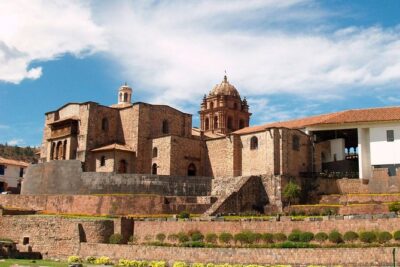
City Tour in Cusco & visit Museum South American Camelid Private.
Read our review →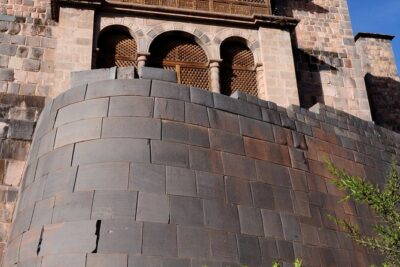
Cusco City Sightseeing, San Pedro Market, Cathedral and Qorikancha Temple
Read our review →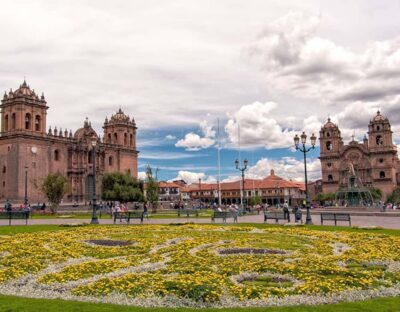
Cusco City Sightseeing and Sacsayhuaman Archeological Park Tour
Read our review →Browse the lists this tour appears in