
Reviewed · COLCA CANYON TOURS
Colca Canyon Plus
The best part of this two-day trip is the change of pace. You leave Arequipa’s volcanoes behind, cross high puna country at nearly 5,000 meters, then spend the night in the Colca Valley before watching Andean condors ride the morning air. It gives you more than a quick viewpoint stop.
I like the small maximum group of 14, which should make village walks and guide commentary easier to manage. I also like the overnight stay near Coporaque, since you get time for a local activity, a walk, and the option of thermal baths instead of rushing straight back to Arequipa. The main drawback is the altitude: Pata Pampa reaches 4,910 meters, and even the gentler walking portions can feel demanding if you have not adjusted.
Key points to know before booking
- 4,910-meter high point: Pata Pampa offers views toward several volcanoes and the Cordillera de Chila, but altitude can affect even fit people.
- Wild vicuñas at Pampa Cañahuas: You stop in the Salinas y Aguada Blanca National Reserve to see these small Andean camel relatives in their natural setting.
- Overnight near Coporaque: The night away from Arequipa gives you time for a village walk, a cooking activity, traditional clothing, or thermal baths.
- Early visit to Cruz del Cóndor: The second morning is built around condor sightings and a short canyon walk.
- Lunch costs extra: You pay separately for lunch, dinner, and the $22 entrance fee to the Cruz del Cóndor viewpoint.
- Useful onward option: You can ask about transferring from Chivay to Puno after the Colca portion.
Why two days is the right length for Colca Canyon
A day trip from Arequipa can show you the canyon, but it leaves little room for the villages and highland stops that make the route worthwhile. This two-day version breaks the long journey with a night in the valley, giving you a calmer schedule on the first afternoon and an early start for condors on the second.
The tour costs $103.85 per person. That price includes tourist transportation, a professional guide, breakfast, and one hotel night in a double or twin room. You still need to budget for lunch, dinner, and the $22 Cruz del Cóndor entrance fee, so the real cost is higher than the headline price. Even so, the included overnight stay and transport make it a sensible package if you want the major sights without arranging buses, hotels, and stops yourself.
The group size is capped at 14. That is not a private trip, but it is small enough to keep the vehicle and walking portions from feeling unwieldy. The tour is usually booked about 39 days ahead, so I would not leave it until the last minute if your dates in Arequipa are fixed.
Other trips into the canyon from Arequipa:
- From Arequipa: Colca Canyon Full-Day Guided Tour with Meals
★ 4.5 · 982 reviews - From Arequipa: 2-Day Colca Canyon Trekking Tour
★ 4.8 · 243 reviews - From Arequipa: Full Day Tour of Colca Canyon with Meals
★ 4.4 · 146 reviews
Day one begins with volcanoes and vicuñas
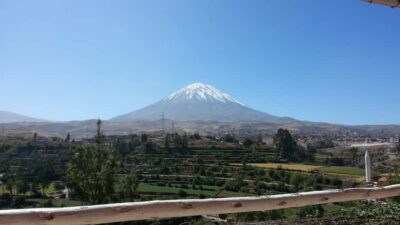
The road out of Arequipa opens with views of Misti, Chachani, and Pichu Pichu. These volcanoes help you understand the setting quickly: this is not simply a road to a canyon, but a climb into Peru’s high Andean interior.
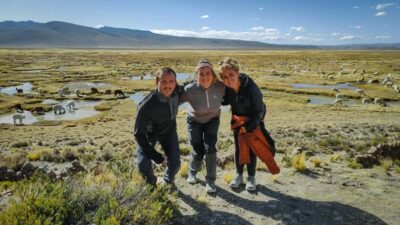
The first major stop is Pampa Cañahuas in the Salinas y Aguada Blanca National Reserve, at roughly 4,000 meters. The transport makes several stops so you can look for wild vicuñas. These animals are one of the four types of American camelids, and seeing them in their natural setting is more rewarding than viewing them in a managed enclosure.
Give yourself time here. The air is thin, the light is strong, and the reserve can feel wide open. Keep your first walk easy, drink water, and do not burn your energy racing from one photo stop to the next. The altitude is already a factor before you reach the tour’s highest point.
Puruña’s stone formations add variety
The route includes a short detour to the stone forest of Puruña. Here you can walk among unusual rock formations and take in broad views across this part of the reserve.
This stop breaks up the long drive and gives you something different from the animal sightings. It is also a good place for photographs, though the attraction depends on your interest in natural rock shapes rather than on a formal museum or developed site. The walk should be treated as optional in spirit if you are feeling the altitude, even though the itinerary includes it.
After returning to the main road, you stop at a local restaurant for mate de coca. The drink is a familiar Andean response to high altitude, though it is not a cure for altitude sickness. Use the break to rest, use the restroom, and take in a demonstration of alpaca-fiber work and the use of Andean plants by local women.
This is one of the more human parts of the day. You are not only looking through a vehicle window. You get a brief look at local craft and daily knowledge, with a practical restroom stop before the road climbs higher.
Pata Pampa reaches 4,910 meters
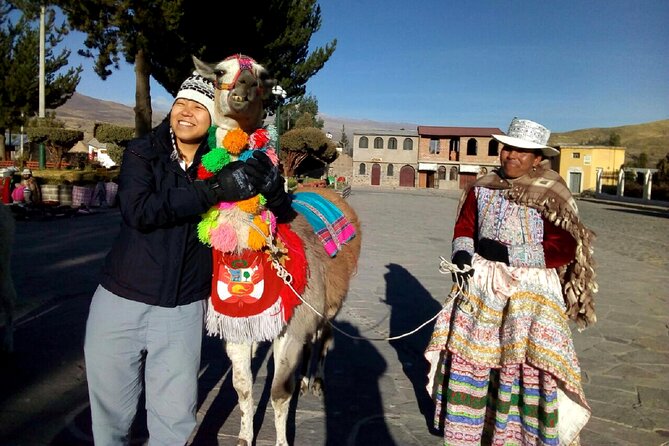
The road continues through Tocra, a high plain more than 4,400 meters above sea level. Lakes and wetlands provide habitat for wild birds, while llamas and alpacas appear across the high grasslands. The open views are stark and striking, but your body may be less impressed than your camera.
Pata Pampa, also called the Viewpoint of the Andes, is the highest point of the trip at 4,910 meters. From here, you can look toward Ampato, Sabancaya, Hualca-Hualca, Mismi, and the Cordillera de Chila.
This stop is about the scale of the Andes, not a long hike. Still, altitude can produce headaches, breathlessness, dizziness, or nausea. Walk slowly, follow your guide’s instructions, and tell the guide if you feel unwell. A moderate level of physical fitness is required, and the tour is not a good match for anyone who knows that high altitude causes serious problems.
Same base, a completely different day:
- Tour to the Salinas Lagoon and National Reserve in Arequipa
★ 4.5 · 548 reviews - From Arequipa: Sillar Route Trek
★ 4.2 · 461 reviews - Arequipa: Chili River White Water Rafting with Hotel Pickup
★ 4.8 · 329 reviews - Walking tour in the Historic Center of Arequipa
★ 4.4 · 180 reviews
Coporaque gives the first day a softer ending
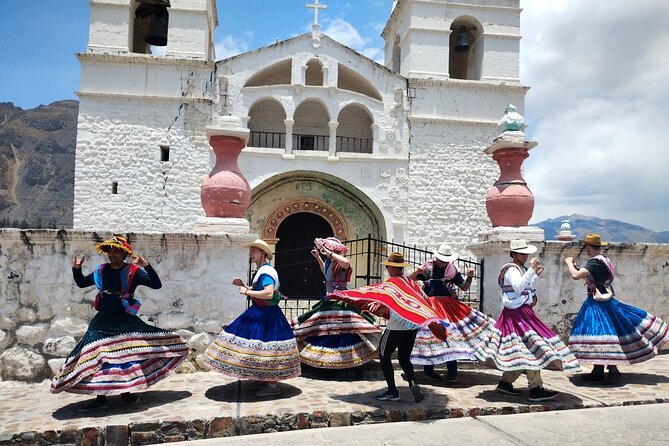
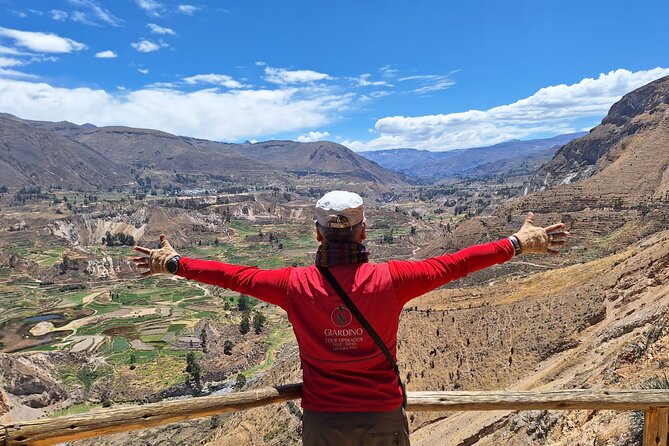
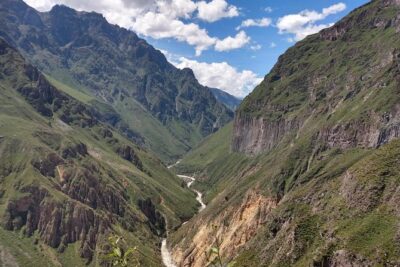
As you descend toward Chivay, the scenery changes again. The multicolored terraces of the Colca Valley begin to appear, showing how farming has shaped the slopes over generations.
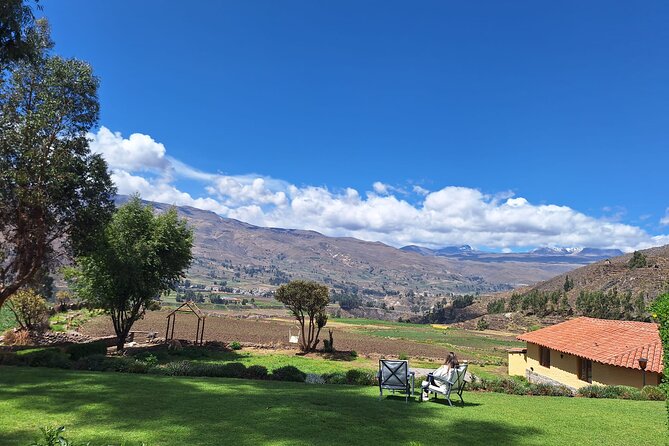
You make a short visit to Chivay’s plaza, then continue along the right bank of the canyon to Coporaque. The overnight stay is at La Casa de Mamayacchi, in a double or twin room. The setting gives the tour a more local feel than sleeping in Arequipa and making the canyon a single long day.
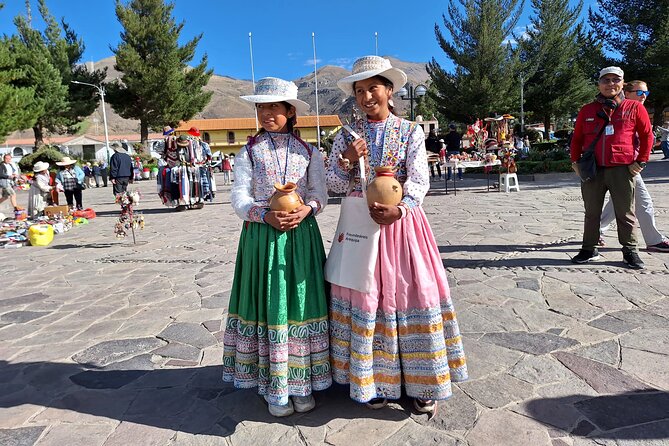
Lunch is free time at the lodge, and the schedule includes activities with help from your guide. You may learn how to prepare a typical dish or try traditional clothing from the Colca Valley. These are simple hands-on options, but they help turn the overnight stop into part of the trip rather than just a place to sleep.
You can also walk through Coporaque and nearby areas with your guide. The walk takes about an hour and a half and is optional, depending on how you feel at altitude. I would take that flexibility seriously. If the high road has left you tired, a shorter stroll or rest may be the better choice.
Thermal baths are available on request, with transport provided. The details of the bathing facilities are not specified, so ask your guide about timing and arrangements before counting on this as part of your evening. Dinner is not included, so plan for that extra cost as well.
The second morning is built around Cruz del Cóndor
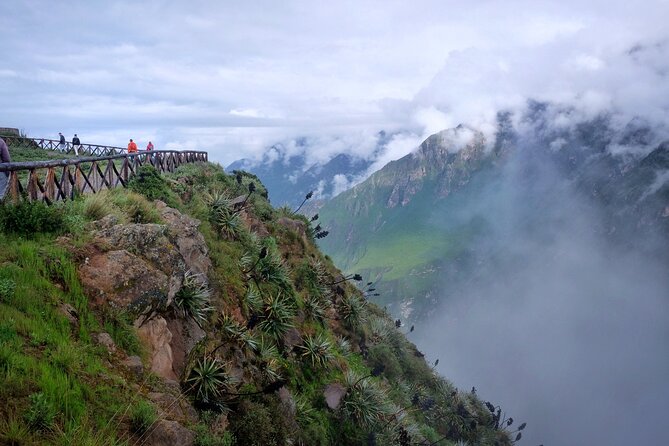
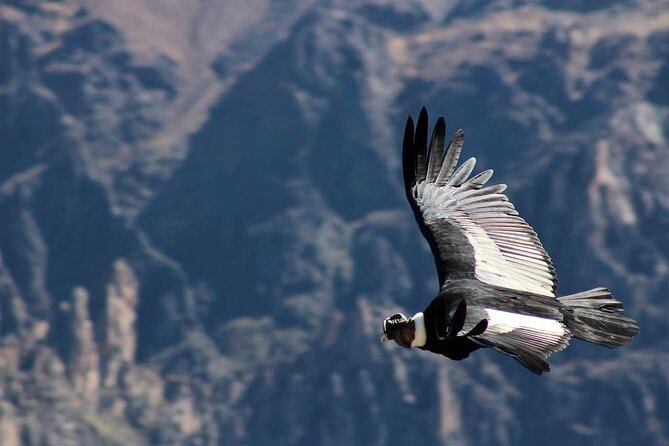
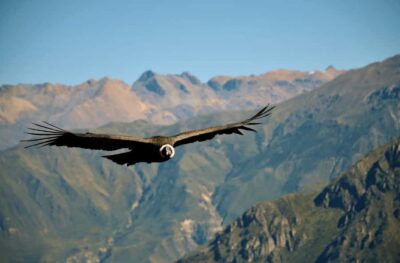
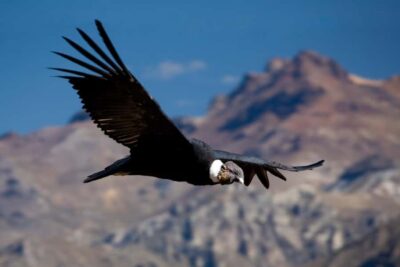
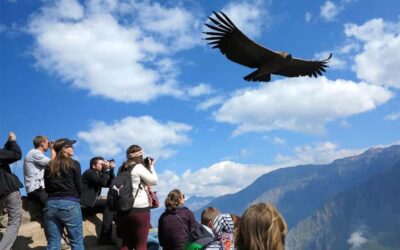
Breakfast comes early, followed by the drive to the famous Cruz del Cóndor viewpoint. You approach from the left side of the Colca Canyon, and the early timing is important. The viewpoint is known for the Andean condor, which can glide above the canyon on rising air currents.
You get time at the viewpoint for photographs and watching the birds. Condor sightings are never something any tour can guarantee, but the itinerary allows enough time to wait rather than making this a hurried roadside stop.
After the viewpoint, your guide takes you on a short walk near the canyon, about an hour. This gives you a second chance to see condors and lets you experience the canyon from a slower, closer position. It also adds physical effort after an early start, so wear comfortable shoes and keep your pace measured.
The canyon views are the main event here. The scale is hard to judge from one lookout, and the walk helps you see how the cliffs and terraces fit together. You should not expect a full canyon trek. This is a viewpoint and short-walk tour, not a multi-day descent into the canyon.
Pinchollo, Antahuilque, and Choquetico show the human side
On the return toward Chivay, the route passes through the traditional village of Pinchollo. At the Antahuilque viewpoint, you can see terraces said to be 1,500 years old.
The terraces matter because they show that the Colca Valley is not only a natural attraction. Its slopes have long been shaped for farming, and the views make that work visible from above. Your guide’s explanations are especially useful here, since the terraces can otherwise look like attractive lines on a hillside without much context.
The route also stops at Choquetico, where you can see a litomaqueta, a model of the canyon terraces carved into rock. It is a small detail, but it helps explain the valley’s layout and farming patterns in a way that a distant viewpoint cannot.
The tour then passes through Maca and Yanque before reaching Chivay around midday. These village stops help keep the second morning from being only about the condor viewpoint. You get a sense of the settlements that connect the canyon’s famous sights.
The return to Arequipa is long but practical
Lunch in Chivay is not included, so this is your chance to choose and pay for a meal before the return drive. Ask your guide about the timing so you do not turn a relaxed lunch into a rushed one.
The vehicle then heads back to Arequipa, arriving around 4 p.m. You are transferred to your hotel in the city. This makes the tour easy to fit into a wider Peru itinerary, since you return with the evening still available, though you may be ready for an early night after two days of altitude and road travel.
An onward transfer from Chivay to Puno on Lake Titicaca is also offered. You need to consult the operator about that service, since the provided tour details do not give a price or schedule. It could be useful if you are traveling from Arequipa toward Puno and want to avoid returning to Arequipa first.
Guides, transport, and the level of service
Guide quality matters on this route because the best parts are not always obvious. A guide who can explain the volcanoes, terraces, local clothing, alpaca fiber, plants, and village traditions adds much more than someone who only points out the next photo stop.
The guide names associated with departures include Antonio San Cristobal and Mayan, while Derly is identified as a driver on one trip. Your own guide and driver may differ, so treat these names as examples rather than a promise. The most useful sign of a good departure is clear organization, safe driving, and explanations that help you understand what you are seeing.
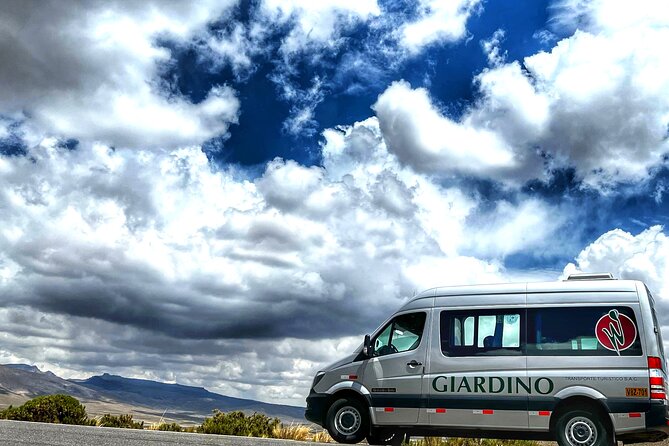
Transport is included, but the exact vehicle type is not specified. Since the route involves long road stretches and major altitude changes, be ready for substantial time in the vehicle. The maximum group size of 14 keeps the arrangement more personal than a large coach, but it remains a shared tour.
What the price does and does not cover
At $103.85 per person, the package is strongest for anyone who values convenience. You receive:
- Tourist transportation from Arequipa and back
- A professional guide
- One hotel night in a double or twin room
- Breakfast
- The scheduled stops and village visits
You pay extra for lunch, dinner, and the $22 Cruz del Cóndor admission. The tour also does not list drinks, personal purchases, or any optional thermal-bath costs, so keep some additional money available.
The included hotel night is the key value. Booking a room and arranging transport separately could be worthwhile for independent visitors who want more control, but this package removes much of the planning. You also avoid making the long Arequipa to Colca journey and the return trip in one exhausting day.
Who should book this Colca Canyon tour?
I would choose this tour if you want the classic Colca sights but also care about the villages, reserve, high plains, and an overnight stay. It suits you if you prefer a planned route, want a guide for the cultural details, and are comfortable sharing transport with a small group.
It is less suitable if you want a serious canyon trek. The walking consists of short visits and an optional hour-and-a-half walk around Coporaque, plus about an hour near the canyon after Cruz del Cóndor. You will see the canyon rather than hike deep into it.
The altitude is the main test. You need moderate fitness, but fitness alone does not remove the effects of 4,910 meters. If you are uncertain, build in time in Arequipa before this trip and keep the walking portions flexible.
You can cancel for a full refund up to three full days before the start time. Cancellations or changes made later are not refunded or accepted. The trip requires good weather, and if poor conditions force cancellation, you are offered another date or a full refund.
Should you book it?
Book this Colca Canyon Plus tour if you want a well-organized two-day introduction with condors, vicuñas, volcanoes, terraces, villages, and one night in the valley. The overnight stay near Coporaque is the feature that gives it more depth than a fast day trip.
Skip it if you want complete independence, a private vehicle, or a long canyon trek. Also think twice if high altitude is a major concern. For most visitors who can handle the elevation and want strong value from a limited time in Arequipa, the combination of included transport, hotel, guide, and varied stops makes this a practical choice.
FAQ
How long does the Colca Canyon Plus tour last?
The tour lasts approximately two days. It returns to Arequipa around 4 p.m. on the second day.
What is the highest point on the tour?
Pata Pampa, also called the Viewpoint of the Andes, reaches 4,910 meters.
Is the Cruz del Cóndor entrance fee included?
No. The entrance fee is not included and costs $22 per person.
What meals are included?
Breakfast is included. Lunch and dinner are not included, including lunch in Chivay on the second day.
Where do I stay overnight?
Accommodation is provided in a double or twin room at La Casa de Mamayacchi in Coporaque.
How large is the tour group?
The tour has a maximum of 14 people.
Can I transfer from Chivay to Puno?
A transfer from Chivay to Puno is offered, but you need to consult the operator for details.
Just added around Arequipa
- Adventure Day in Arequipa: Pillones Waterfall + Rock Forest★ 4.2 · 25 reviews
- From Arequipa: Pillones Waterfall and Stone Forest Day Trip★ 4.4 · 15 reviews
- Arequipa Walking Tour and Santa Catalina Monastery★ 5.0 · 4 reviews
- Trekking, Waterfalls and Thermal Baths★ 4.5 · 47 reviews
- From Arequipa: Colca Valley & Thermal Baths Small-Group Trip★ 4.1 · 43 reviews
- Arequipa, Historic and Colonial City and Santa Catalina Monastery★ 4.5 · 42 reviews
- Arequipa: City Tour and Santa Catalina Monastery★ 4.5 · 6 reviews
- From Arequipa: Colca Canyon & La Calera Thermal Waters★ 4.3 · 15 reviews
Colca Canyon Tours, compared.
2-Day Tour Colca Canyon in Arequipa with end in Puno
Read our review →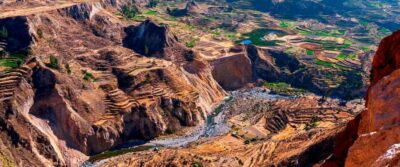
From Puno to Arequipa: 2 Days/1 Night Colca Canyon Tour
Read our review →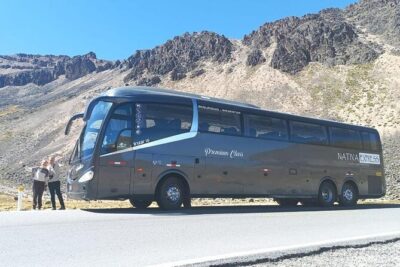
Browse the lists this tour appears in