
Reviewed · COOKING CLASSES
Arequipa: Peruvian Cooking Class
Arequipa’s best food lesson starts with a purple drink and ends with a meal you cooked yourself. In two hours at Casa de Avila Hotel, you’ll prepare two Peruvian dishes with a professional chef, then sit down to eat them with the group. It’s a useful way to meet local food head-on rather than just ordering from a menu.
I like the choice of three menus, especially the chance to make rocoto relleno, causa, lomo saltado, or ceviche. I also like the small maximum group of 12 and the English-language instruction. The main caution is menu confirmation: one past participant received a different menu than requested, so put your choice, allergies, and dietary needs in writing when you book.
Key points to know before you book
- Three menus cover different sides of Peruvian cooking: Choose Andean, traditional, or seafood dishes.
- The class includes a full two-course meal and dessert: You cook, then eat what you prepared.
- Chicha morada is part of the welcome: This sweet, alcohol-free purple-corn drink is a classic Peruvian refreshment.
- The meeting point is central: Casa de Avila Hotel is in Arequipa’s historic center, and hotel transfers are not included.
- Diana has earned especially warm praise: When she leads the class, her clear English and upbeat teaching style add a lot.
- Confirm the menu early: Vegetarian adaptations are available, but the selected menu may depend on the group.
Cooking Peruvian food in Arequipa’s historic center
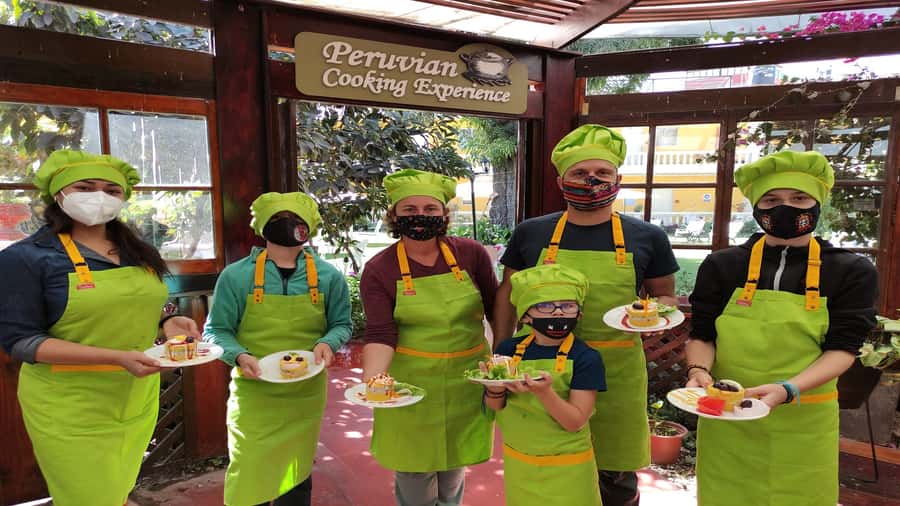
The class meets at Casa de Avila Hotel, a practical location in the historic center of Arequipa. You arrange your own way there, since round-trip hotel transport is not included. That is easy enough if you are already sightseeing downtown, but it is worth allowing time to find the hotel rather than expecting a pickup at your accommodation.
The session lasts two hours. That is long enough to cook a proper meal, but short enough to fit around a morning visit to Santa Catalina Monastery, a city walk, or an afternoon departure. You should arrive in comfortable clothes, ready to work at a cooking station rather than simply watch a demonstration.
The class begins with a welcome glass of chicha morada. This nonalcoholic drink is made from purple corn and served sweet. It is a good first taste of Peru because it is familiar enough to enjoy easily, but different from the usual fruit juice or soft drink offered at tourist activities.
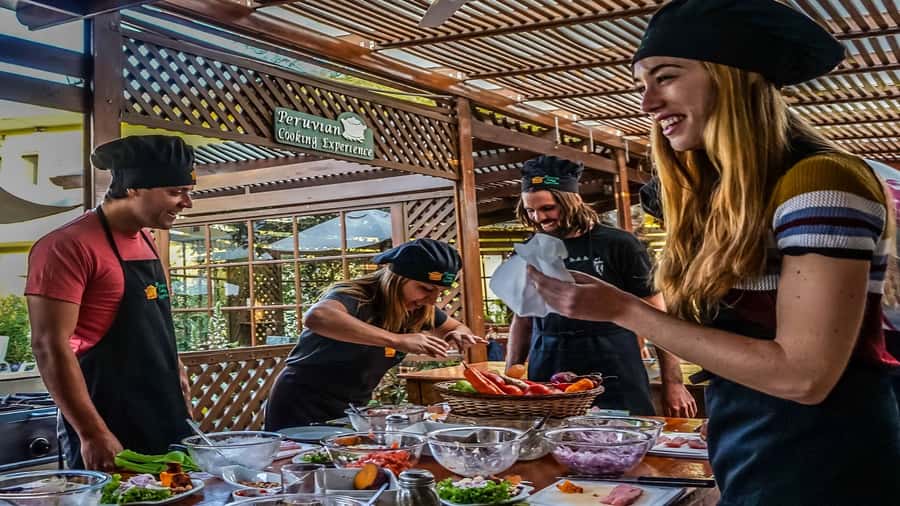
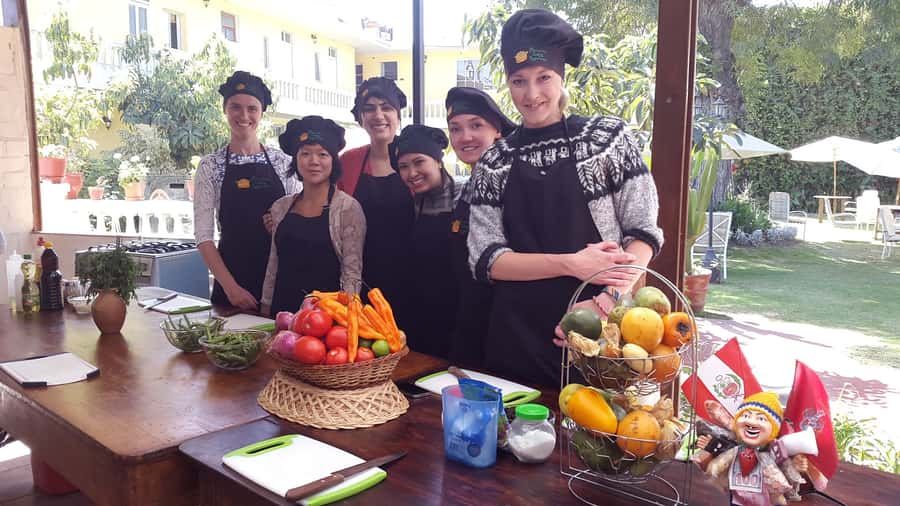
You then put on an apron and chef’s hat. The chef guides you through the recipes step by step, explaining the food and its place in Peruvian cooking. The instruction is available in Spanish and English, and Wi-Fi is included, though the real reason to come is the hands-on meal.
Other hands-on kitchens in Arequipa:
- Cooking Class Typical Food in Arequipa
★ 3.9 · 3 reviews - Cusco: Peruvian Cooking Class, Cocktails & Local Market Tour
★ 4.9 · 512 reviews - Cooking class and market tour with a local chef
★ 5.0 · 186 reviews
Choosing between the three menus
The most important decision is the menu. You will prepare two traditional dishes from one of three sets. The provider contacts you after booking to confirm what will be cooked, so do not assume that every option will be available automatically on the day.
Andean menu: solterito and rocoto relleno
The Andean menu opens with solterito, a fresh salad built from onion, tomato, corn, beans, cheese, and potatoes. It is colorful, filling, and less heavy than many cooked starters. The combination also gives you a quick lesson in the everyday ingredients of southern Peruvian cooking.
The main dish is rocoto relleno, one of Arequipa’s signature foods. A rocoto is a red pepper with an apple-like shape and a serious bite. It is stuffed with seasoned ground meat, cheese, and raisins. The sweet raisins, rich filling, and heat make this a more interesting dish than a standard stuffed pepper.
Choose this menu if you want the strongest connection to Arequipa itself. You should also tell the chef how comfortable you are with spicy food. The information provided describes rocoto as a strong spicy fruit, so this is not the safest choice if you avoid heat.
Traditional menu: causa and lomo saltado
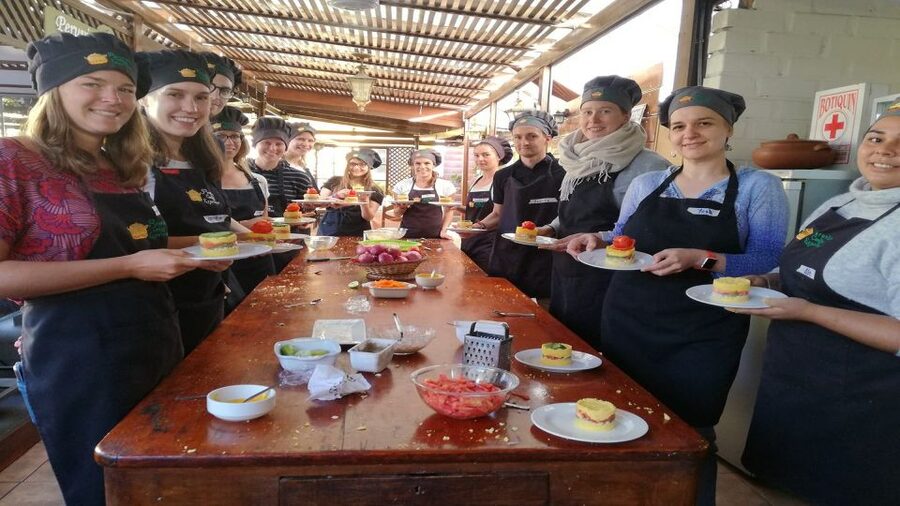
The traditional menu begins with causa, a chilled or room-temperature mashed-potato dish seasoned with yellow pepper and lemon. It is filled with avocado and either tuna or chicken, then decorated with black olives and vegetables. Causa looks neat on the plate, but its appeal is the balance of creamy potato, bright citrus, and savory filling.
The main course is lomo saltado, a famous Chinese-Peruvian fusion dish. You cook beef, onion, yellow pepper, and tomato in a wok, then serve the mixture with French fries and white rice. This is a generous, familiar plate with a clear story behind it: Chinese cooking methods meeting Peruvian ingredients and habits.
I would choose this menu if you want a hearty meal and an approachable introduction to Peruvian food. It also offers a nice contrast between the careful assembly of causa and the quick wok cooking of lomo saltado.
Same base, a completely different day:
- From Arequipa: Colca Canyon Full-Day Guided Tour with Meals
★ 4.5 · 982 reviews - Tour to the Salinas Lagoon and National Reserve in Arequipa
★ 4.5 · 548 reviews - From Arequipa: Sillar Route Trek
★ 4.2 · 461 reviews - Arequipa: Chili River White Water Rafting with Hotel Pickup
★ 4.8 · 329 reviews
Seafood menu: ceviche and pescado a lo macho
The seafood menu starts with ceviche. Fresh fish is marinated in lemon juice and served with onion, sweet potato, and corn. The class gives you a chance to see the dish being assembled rather than treating ceviche as a mysterious restaurant preparation.
The second course is pescado a lo macho, a fried fish fillet topped with a sauce of onions and tomatoes, served with white rice. Compared with ceviche, this is warmer, richer, and more filling. Together, the two dishes show two very different ways Peru handles fish.
This menu makes sense if seafood is a priority for you. It is also the option that demands the clearest conversation about allergies and dietary limits. Tell the provider when booking, not just when you arrive.
What the two hours feel like
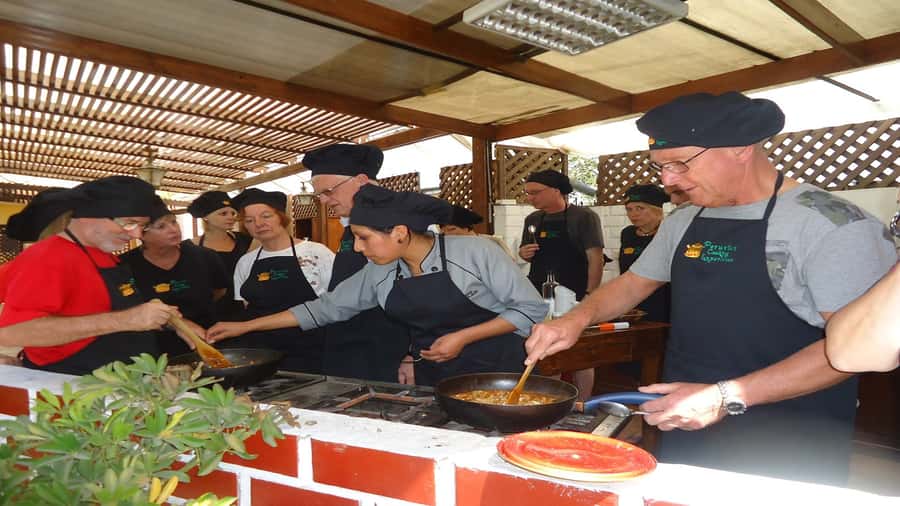
The class is built around participation. You do not simply sit while a chef prepares a sample plate. You put on the apron and hat, handle the ingredients and cookware, and follow the recipe as the chef explains each step.
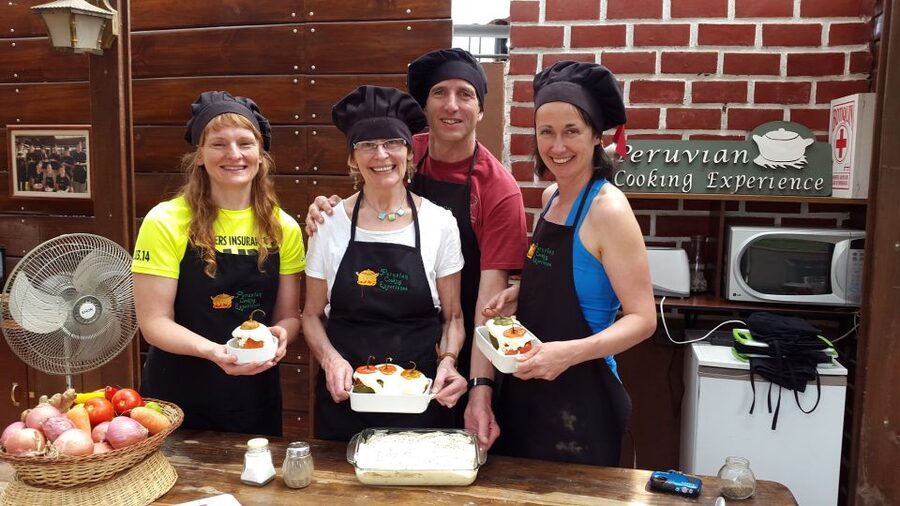
That format works well for couples, families with older children, and solo visitors who enjoy meeting people over food. The maximum group size is 12, so the room can feel social without being a huge demonstration. At least two people are needed for the class to run, an important detail if you are planning a private-feeling activity for one person.
The group also shares travel stories while cooking. That social part is easy to undervalue, but it often makes a short class more memorable. You get a meal, a local food lesson, and a chance to compare plans with people who may be seeing Peru from a different angle.
The teaching quality matters here. Diana has been singled out for clear instruction, good English, and an upbeat manner. Another account describes the course as well prepared and organized, with many useful ideas to take home. Those details suggest that the strongest sessions are guided by a chef who keeps the pace friendly and explains the reasons behind the steps.
There is one practical warning about pace. One participant finished about an hour early and did not receive the expected quinoa dessert. Another person found the music too loud to hear easily at the table. These may not affect every session, but you can reasonably ask the chef to slow down if the cooking feels rushed and to lower the music if conversation becomes difficult.
Eating the food you prepared
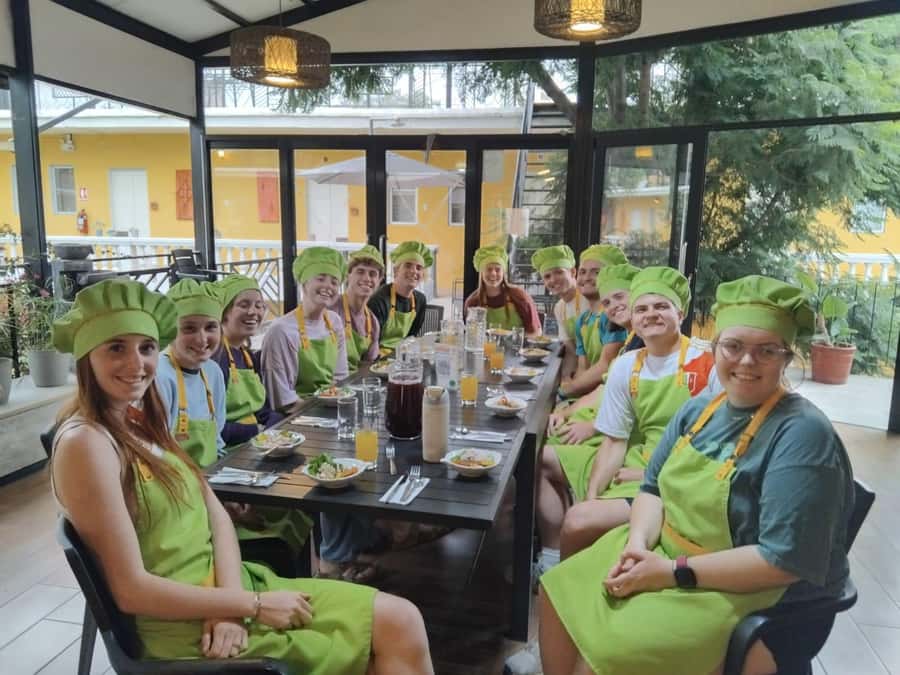
After cooking, you eat your own two-course meal as lunch or dinner, depending on the starting time. This gives the activity a clear payoff. You are not leaving with a small tasting plate after spending two hours in a kitchen.
The menu is substantial enough to replace a normal meal, though your appetite will depend on the dishes selected. Causa, lomo saltado, rocoto relleno, ceviche, and pescado a lo macho all make a more filling finish than a simple snack. Dessert is also included, although the exact dessert is not specified and one past session reportedly missed the planned quinoa dessert.
The food is the main value of the class. At $63 per person, you are paying more than you would for a casual meal in Arequipa. The price makes better sense if you value the instruction, ingredients, chef, cookware, and social setting as part of the package.
It makes less sense if you only want to eat Peruvian food cheaply. You could spend far less at a local restaurant. This class is for learning and participation first, with lunch or dinner included as part of the lesson.
Getting the menu and dietary details right
Menu coordination is the biggest issue to manage before arrival. The stated options include vegetarian adaptations, and allergies or other dietary restrictions can be accommodated if you report them at booking. You should not rely on a last-minute request at the door.
Ask for three things in your booking messages:
- The exact menu you want
- Confirmation that the menu has been recorded
- Any substitutions needed for allergies or vegetarian eating
This is especially important if you have your heart set on the Andean menu or need to avoid spicy food. A previous participant requested Andean dishes but was served the traditional set instead, apparently because another person in the group had not selected a menu. That is a fixable problem, but only if you confirm the arrangement clearly.
Children younger than 8 are not accepted. The activity is wheelchair accessible, though the available information does not describe the precise kitchen layout, so you may want to confirm any specific access needs before booking.
Is $63 a fair price in Arequipa?
The $63 fee includes the guided class, all ingredients, cookware, the two-course meal, dessert, chicha morada, and an English- or Spanish-speaking professional chef. Wi-Fi is also included, though it is not likely to influence your decision.
There are no hotel transfers. Since the meeting point is in the historic center, this is less of a burden if you are staying or sightseeing nearby. If you are staying outside central Arequipa, add the cost and time of getting to Casa de Avila Hotel.
For a cooking lesson with a full meal, the price is defensible, but I would not call it a bargain. The value depends heavily on the class quality and whether the menu you selected is honored. A good session with clear instruction and a relaxed meal can justify the fee. A rushed class with a substituted menu feels expensive.
The rating attached to the activity is 4.4 out of 5 from nine ratings. That suggests a generally positive experience, while also leaving room for the specific issues noted above. I would book it for the food lesson, not because it is the cheapest way to eat in Arequipa.
Who will enjoy this class most?
I would recommend it to you if you enjoy learning through food and want more context for dishes you may see elsewhere in Peru. It suits couples, small groups, solo visitors comfortable joining others, and families with children aged 8 or older.
It is also a good fit if you want an indoor activity during a busy sightseeing day. The two-hour length is manageable, and the central meeting point makes it easy to pair with other plans.
You may want to skip it if you are looking for a quiet, private meal, dislike group activities, or have strict dietary needs that cannot tolerate any uncertainty. It is also not ideal if you want to cook only one specific dish and have no flexibility. Confirming the menu is essential.
Practical booking advice
Reserve with the menu request included, then repeat the request when the provider contacts you. Vegetarians should ask what substitutions will be made, and anyone with allergies should describe them precisely.
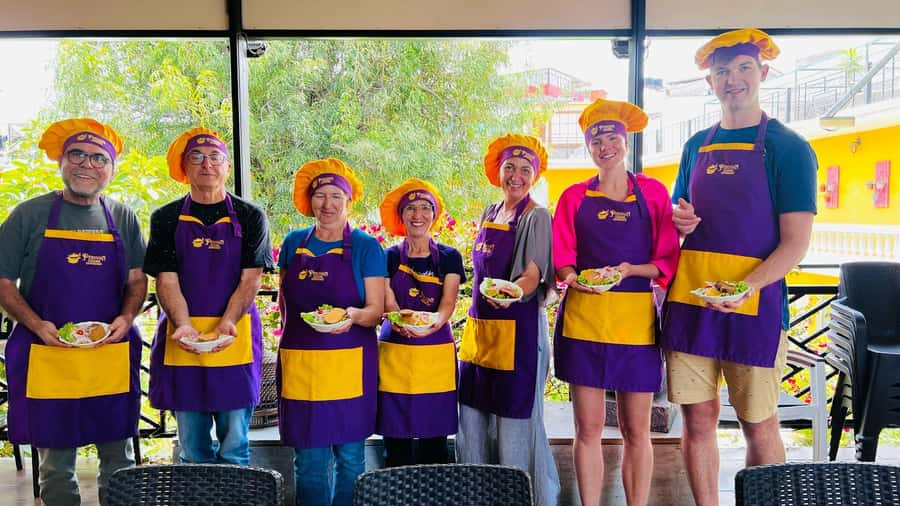
Plan to arrive at Casa de Avila Hotel in comfortable clothing. You do not need to bring ingredients or cookware. The class provides both, along with the apron and chef’s hat.
The activity requires at least two people and accepts no more than 12. It is available in English and Spanish, and you can cancel up to 24 hours before the start for a full refund. A reserve-now, pay-later option is also available, which helps if your Arequipa schedule is still shifting.
Should you book the Arequipa cooking class?
Book it if you want an active food experience, a full meal, and a short introduction to Peruvian cooking in the center of Arequipa. The Andean menu is the most place-specific choice, while the traditional menu is the safest all-round introduction. Seafood fans should choose ceviche and pescado a lo macho.
Before paying, confirm the menu, dietary requests, and start time. If those details are handled properly, this can be a warm, social two-hour break from sightseeing, with dishes you will recognize long after you leave Peru. If your priority is low cost or absolute control over the menu, spend the $63 on several restaurant meals instead.
FAQ
Where does the cooking class meet?
The meeting point is Casa de Avila Hotel in the historic center of Arequipa.
How long does the class last?
The cooking class lasts two hours.
What is included in the price?
The price includes the guided cooking class, all ingredients and cookware, a two-course lunch or dinner, dessert, chicha morada, a professional chef, and Wi-Fi.
Is transportation from my hotel included?
No. Round-trip transfers to and from your hotel are not included.
Which menus can I choose from?
You can choose an Andean menu, a traditional menu, or a seafood menu. The provider contacts you after booking to confirm the selected menu.
What dishes are included in the menus?
The Andean menu includes solterito and rocoto relleno. The traditional menu includes causa and lomo saltado. The seafood menu includes ceviche and pescado a lo macho.
Are vegetarian options available?
Yes. Vegetarian options are available, but you must request one when booking.
Can the class accommodate food allergies?
Yes, the menu can be adapted for allergies or dietary restrictions if you report them at the time of booking.
Is the class suitable for children?
Children under 8 are not permitted. At least two people are required for the class to start, and the maximum group size is 12.
Just added around Arequipa
- Congata Rover,3 hours bike ride tour in arequipa★ 4.1 · 8 reviews
- Cooking Class Typical Food in Arequipa★ 3.9 · 3 reviews
- Colca Canyon: 2-Day Tour from Arequipa to Puno★ 4.7 · 45 reviews
- COLCA CANYON FULL DAY TOURS★ 4.0 · 5 reviews
- Arequipa|| The Sillar Route+Culebrillas Canyon★ 3.7 · 4 reviews
- Arequipa: Rio Chili Rafting Tour with Snack★ 4.9 · 34 reviews
- Arequipa | Tour of the Sillar Route + Culebrillas Canyon★ 3.5 · 7 reviews
- Arequipa: Rafting on the Chili River | Full adrenaline |★ 5.0 · 10 reviews
Cooking Classes, compared.
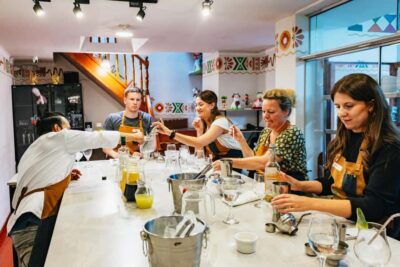
Peruvian Cooking Class, Cocktails & Local Market Tour
Read our review →
Cooking class and market tour with a local chef
Read our review →
Cook an Authentic Ceviche And Peruvian Pisco Sour!
Read our review →
Market Tour, Tasting of 35 Fruits, and 4-Course Peruvian Cooking Class in Lima
Read our review →
Cusco by Night: Planetarium Cusco, Dinner, and Pisco Sour
Read our review →
#1 Rated Cooking Classes with Local Market Tour & Pickup
Read our review →
Historic Walking Tour with Pisco Sour and Music Show
Read our review →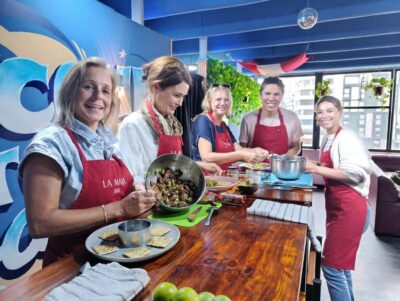
Amazing Peruvian Cooking Class Ceviche Seafood and Pisco Sour
Read our review →Browse the lists this tour appears in