
Reviewed · COOKING CLASSES
Cooking class and market tour with a local chef
Cusco’s food story comes into focus at the market, where you taste local fruit and cheese before turning those ingredients into lunch with chef Ronal, a Cusco-born professional chef. I like the direct link between shopping and cooking, and I like that you choose your main dish and drink rather than receiving a fixed plate. The main drawback is that transportation is not included, and the four-hour class may feel long if you only want a quick cooking demonstration.
I especially like the practical help with dietary needs. Vegetarian dishes, food allergies, gluten intolerance, dairy-free requests, and other preferences can be handled when arranged in advance. The other strong point is the local detail, from Peruvian potatoes and market produce to altitude tips and digestive teas. At $57, this is not the cheapest meal in Cusco, but it is fair value if you want a market visit, hands-on instruction, a full meal, and a cocktail in one outing.
Key points at a glance
- San Pedro Market visit: Explore Cusco’s best-known market with a local chef, tasting fruit, cheese, bread, herbs, and other ingredients.
- Ronal’s local connection: Your chef and guide was born in Cusco and links the cooking to local customs, produce, and food culture.
- Hands-on Peruvian menu: Prepare a starter, a main course, and a drink, with ceviche and lomo saltado among the main options.
- Flexible dietary planning: Vegetarian versions and adaptations for allergies and food intolerances are available.
- Four hours at $57: The fee covers ingredients, equipment, apron, water, cocktail, and the meal, but not transportation.
- Useful timing tip: A morning class can mean a quieter market visit, according to the experience details shared by past participants.
San Pedro Market turns shopping into the first lesson
The class begins at 264 San Juan de Dios Street, opposite the Aranwa Boutique Hotel. Look for the glass and wooden door across from the hotel. There is no large sign, so the address matters more than a storefront name.
From there, the market visit gives you the setting that many cooking classes skip. Instead of meeting a chef in a studio and working from premeasured bowls, you see where the food starts. You may taste Peruvian fruit, local cheese, bread, and other produce while Ronal explains what you are seeing and how people use it.
The market is San Pedro, Cusco’s best-known market, and the tour focuses on food rather than a general city walk. The useful part is the connection between ingredients and dishes. You are not simply told that potatoes matter in Peru. You see the variety of produce, hear about local food habits, and then use some of those ideas in the kitchen.
The market can be more crowded later in the day. If you have a choice of start times, the morning session may offer more room to look around and ask questions. The market is still a working place, not a polished food hall, so you should expect a practical local setting with meat, produce, cheese, herbs, and other goods on display.
One important note: the experience may show meat from animals that are part of the local diet. If you are sensitive to that, ask before booking. The market is valuable partly because it is real, but that also means it may not feel tailored for visitors who prefer a strictly sanitized food tour.
Other hands-on kitchens in Cusco:
- Cusco: Peruvian Cooking Class, Cocktails & Local Market Tour
★ 4.9 · 512 reviews - Cusco by Night: Planetarium Cusco, Dinner, and Pisco Sour
★ 5.0 · 75 reviews - Cusco: Historic Walking Tour with Pisco Sour and Music Show
★ 4.6 · 65 reviews
Ronal explains Cusco through ingredients
The guide is a major part of the experience. Ronal is presented as a Cusco-born chef, and his role goes beyond showing you how to chop an onion. He explains the food, the market, and parts of Cusco’s culture as you move from the stalls to the cooking space.
That local connection matters. Peruvian cuisine is not only a list of famous dishes. It reflects native crops, Spanish influence, regional ingredients, and the daily habits of people who shop and cook in places such as San Pedro Market. A chef who grew up in Cusco can give the food a useful local frame.
The class also includes practical kitchen coaching. Beginners receive help with knife work, cutting, seasoning, and the order of preparation. More confident cooks still have something to gain because the recipes are not only about following steps. You can ask why an ingredient is used, how a sauce is balanced, or how to adjust a dish at home.
Ronal’s manner appears to suit mixed groups. Solo visitors can meet other participants over the shared meal, while couples and families can work at their own level. A family session with older children has worked well, but the supplied restrictions list several minimum ages, so check the current rule before booking for children.
The class may also include support from Angela behind the scenes. The cooking room is described as clean and well supplied, with kitchen and bar utensils, aprons, and ingredients ready for use. That preparation keeps the class moving, although it means you are not doing every bit of the work from the first market purchase to the final plate.
What you cook: rocoto relleno, causa, and a chosen main
The menu begins with Peruvian staples and gives you some choice. The published description includes a starter course featuring rocoto relleno, a chili stuffed with meat, onions, peas, carrots, peanuts, and raisins, then covered with local cheese and baked.
Rocoto is not a mild bell pepper. It has a noticeable kick, although preparation and individual peppers vary. If you avoid spicy food, tell the chef early. The filling brings sweetness, savoriness, and texture, while the cheese adds a baked finish.
The menu also describes causa rellena, a potato cake mixed with yellow chili sauce and filled with avocado, fish tartare, mayonnaise, and spices. This dish shows why Peruvian cooking is so interesting for a hands-on class. Potatoes are central, but the result is cool, layered, and carefully assembled rather than simply boiled and served.
The exact arrangement can depend on your selected menu and dietary needs. The starter is shared by the group, while the main dish is chosen before class. The supplied description also refers to preparing two Peruvian dishes and one drink, so confirm the final menu at booking if you want to know precisely which starter elements will be prepared by you.
For the main course, you choose between:
- Lomo saltado: Beef tenderloin cooked with onion, tomato, soy sauce, oyster sauce, and vinegar, served with rice and native potato fries.
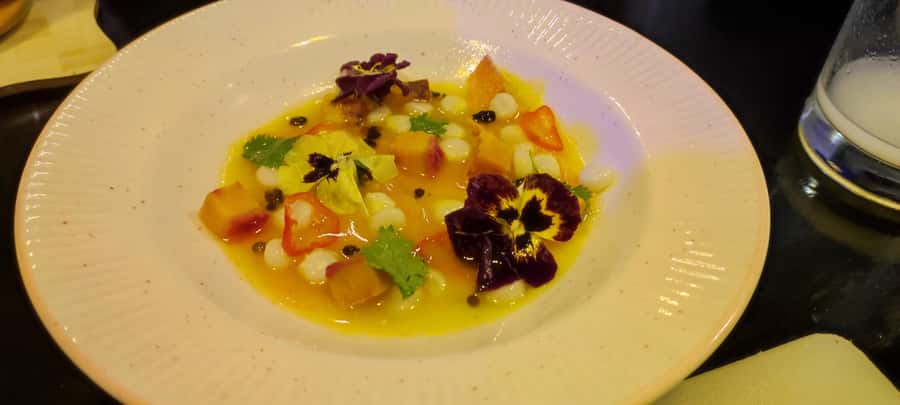
- Ceviche: Trout with mango, avocado, lime juice, onion, celery, ginger, corn, and sweet potato.
Lomo saltado is a good choice if you want a hot, hearty plate. It brings together Peruvian and Chinese-Peruvian cooking traditions through stir-fried beef, soy, vegetables, and potatoes. Ceviche offers a fresher meal, with trout, citrus, fruit, herbs, and sweet potato balancing the acidity.
The dishes are beginner-friendly, but ceviche still rewards careful attention. Timing matters when fish meets lime, and the supporting ingredients must be cut and balanced well. The class gives you a chance to understand that process instead of treating ceviche as a mystery dish that only belongs in a restaurant.
Vegetarians are not left with a token side dish. The class is designed to adapt the recipes, and participants have prepared vegetarian versions of the dishes. Allergies, gluten intolerance, dairy-free diets, and other restrictions have also been accommodated. Still, tell the provider before the session, not when the cooking begins, so the chef can plan suitable ingredients.
A pisco drink makes the class feel like lunch
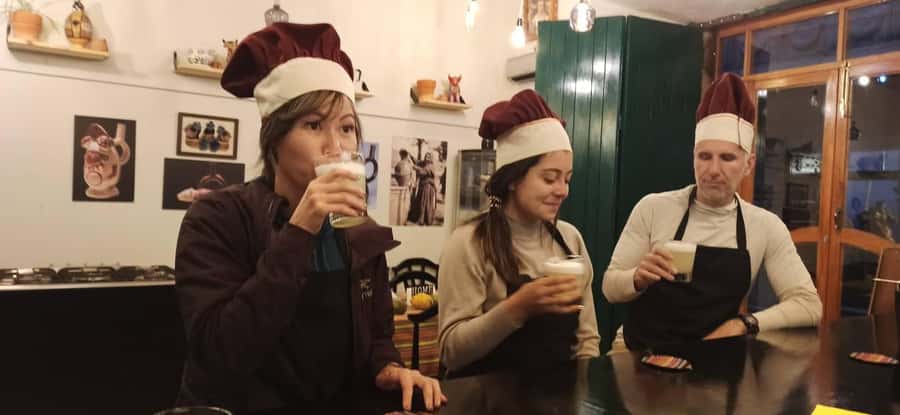
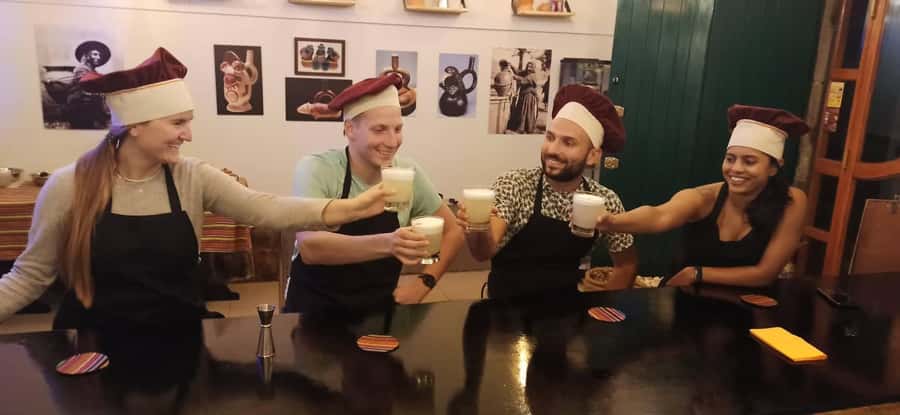
The drink course focuses on pisco, Peru’s grape-based national spirit. You choose from a classic pisco sour, a passion fruit sour, or a nonalcoholic drink made with Peruvian fruit and honey.
The classic pisco sour combines pisco with lime, syrup, and egg white. The passion fruit version uses fresh passion fruit juice and gives you a fruitier alternative. If you do not drink alcohol, the fruit and honey option means you can still take part in the bar lesson.
One drink is included. That is worth noting when judging the price. You are not signing up for a cocktail workshop with several tastings. The drink is one part of a broader four-hour food experience, and some people may find the package better value if they think of it as a market tour plus a cooking lesson and meal.
Alcohol and drugs are not allowed beyond the included cocktail experience, and the activity is not suitable for anyone who should avoid alcohol. You can choose the nonalcoholic drink instead, but confirm your preference with the chef.
Same base, a completely different day:
- Cusco: Humantay Lake Tour with Breakfast and Buffet Lunch
★ 4.9 · 2,976 reviews - From Cusco: Moray, Maras Salt Mines & Chinchero Weavers Tour
★ 4.8 · 1,925 reviews - From Cusco: Full-Day Group Tour of Machu Picchu
★ 4.7 · 1,767 reviews - Machu Picchu Day Trip from Cusco
★ 4.5 · 1,644 reviews
The four-hour pace is part of the value
Four hours gives the class enough time to move through the market, return to the kitchen, prepare several dishes, make a drink, and sit down to eat. You are not rushed through a short demonstration, and there is room for questions.
The tradeoff is time. If you have only one free morning in Cusco and want to see several sights, this class takes a meaningful block of your schedule. If food is a priority, the time is well used because you get both context and practice.
The class is social without requiring you to arrive with a group. Solo participants can work alongside other people, and the shared preparation gives you an easy way to talk. Couples and families can enjoy the class together, though young children may not be allowed and strollers or baby carriages are not permitted.
I would place this activity early in a Cusco stay if you want food ideas for the rest of your visit. The market tour can help you recognize local fruit, potatoes, herbs, and cheeses later. It can also be a gentle cultural activity while you get used to the city, but do not book it if you currently have altitude sickness.
The provider says natural medicine for altitude sickness and digestive teas may be offered when needed. That is a thoughtful extra, not a reason to treat the cooking class as medical care. If altitude is affecting you, rest and follow proper medical advice rather than relying on an activity add-on.
Is $57 a fair price in Cusco?
At $57 per person, the cost sits above a simple restaurant meal in Cusco. The value comes from the number of parts included: a guided market visit, a professional chef, a cooking workshop, fresh ingredients, kitchen and bar equipment, an apron, water, one cocktail or nonalcoholic drink, a starter, and a main course.
You are also paying for instruction and planning. The chef adjusts dishes for dietary needs, explains ingredients, and manages the cooking sequence. A restaurant gives you a finished meal. This experience gives you a meal, a market orientation, and recipes you can use at home.
The main limitation is that transportation is not included. You need to reach the meeting point yourself, and the address can be easy to miss because the entrance is an unadvertised glass and wooden door opposite the Aranwa Boutique Hotel.
If you want a cheap lunch, choose a restaurant. If you want one of the more useful food activities in Cusco, the price is reasonable, especially if you value hands-on work and local explanation. The class is also a good choice for a solo visitor who wants an organized social activity without committing to a full-day excursion.
Practical details before you book
The class is offered in English and Spanish. Sessions are generally led by Ronal, with professional cooking instruction and local cultural context. The group format can vary, and a quiet date may result in a very small class or even a near-private experience.
Free cancellation is available up to 24 hours before the activity for a full refund. You can also reserve and pay later, which helps if your Cusco schedule may change.
The activity is not designed for babies, very young children, people with altitude sickness, or people above the listed weight limits. The supplied restrictions repeat several different child-age and weight thresholds, so check the current booking terms directly rather than guessing. Strollers and baby carriages are not allowed.
Wear something comfortable for kitchen work and plan to eat a full meal. Most importantly, communicate allergies, vegetarian requirements, alcohol preferences, and food intolerances before the class starts. The chef can adapt the food, but advance notice makes that process much easier.
Should you book this Cusco cooking class?
Book it if you want more than a recipe card and a quick demonstration. The best part is the sequence: market, ingredients, cooking, cocktail, and meal. You see the food in its local setting, then learn how it becomes dishes such as lomo saltado, ceviche, rocoto relleno, and causa.
I would especially recommend it to food-focused visitors, solo visitors, couples, families with older children, and anyone managing dietary restrictions who wants a flexible class. It is also a smart early-trip activity if you want a better sense of Peruvian produce before eating your way around Cusco.
Skip it if you dislike markets, cannot spend four hours on a food activity, or want transportation included. For most people who enjoy cooking and local food, though, $57 buys a substantial Cusco experience, not just a plate of lunch.
FAQ
Where does the cooking class meet?
The meeting point is at 264 San Juan de Dios Street in Cusco, opposite the Aranwa Boutique Hotel. Look for a glass and wooden door across the street with no advertising.
How long does the experience last?
The activity lasts four hours. It includes the market visit, cooking workshop, drink preparation, and meal.
Which languages are available?
The experience is available in English and Spanish.
Which main dishes can I choose?
You can choose between lomo saltado and ceviche. The choice is made before the class begins.
Is a cocktail included?
Yes. The package includes one cocktail, with options including a classic pisco sour and a passion fruit sour. A nonalcoholic Peruvian fruit and honey drink is also available.
Can the class accommodate vegetarian diets and allergies?
Yes. Vegetarian options are available, and the chef can adapt the food for dietary restrictions. Tell the provider about your needs before the class.
Is transportation included?
No. You are responsible for reaching the meeting point. Free cancellation is available up to 24 hours before the experience, and reserve-now-pay-later booking is offered.
Just added around Cusco
- “Waqra Pucara, The Majestic Fortress Revealing Secrets of the Andes”.★ 3.5 · 8 reviews
- Cusco: Chocolate Workshop with the Best Local Organic Cacao★ 4.5 · 23 reviews
- Cusco: Bean to bar chocolate workshop★ 5.0 · 3 reviews
- Cusco: Pub Crawl with Skip-the-Line Access and Drinks★ 4.6 · 57 reviews
- Horseback Tour in cusco to Temple of the Moon & Hidden temples★ 5.0 · 54 reviews
- 1.5h Cusco Chocolate Workshop – Truffles & Hot Chocolate★ 4.3 · 8 reviews
- From Cusco: 2-Night Lake Titicaca Excursion★ 3.7 · 62 reviews
- From Cusco: Rainbow Mountain in ATV Quad Bikes + meals★ 4.5 · 60 reviews
Cooking Classes, compared.
Peruvian Cooking Class, Cocktails & Local Market Tour
Read our review →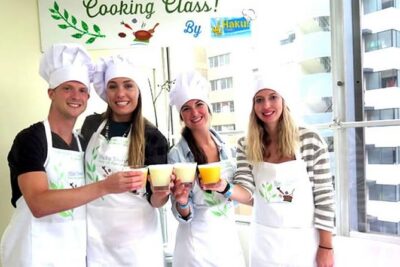
Cook an Authentic Ceviche And Peruvian Pisco Sour!
Read our review →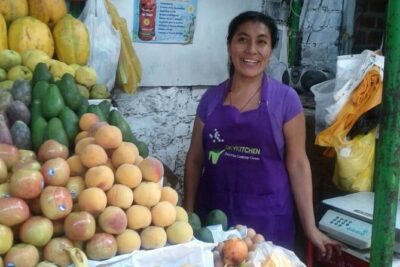
Market Tour, Tasting of 35 Fruits, and 4-Course Peruvian Cooking Class in Lima
Read our review →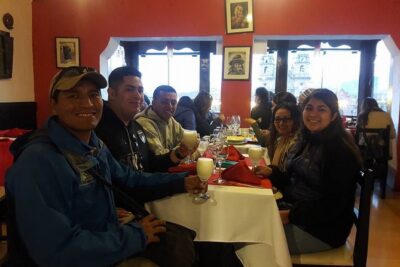
Cusco by Night: Planetarium Cusco, Dinner, and Pisco Sour
Read our review →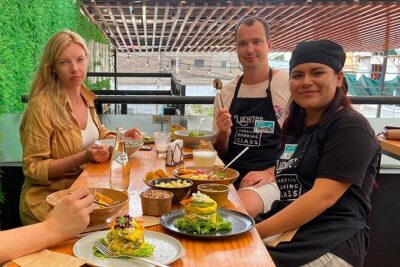
#1 Rated Cooking Classes with Local Market Tour & Pickup
Read our review →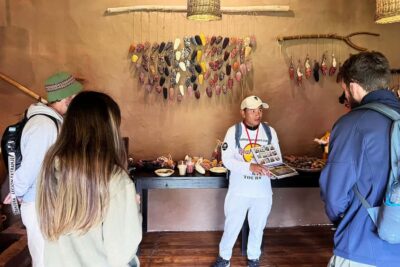
Historic Walking Tour with Pisco Sour and Music Show
Read our review →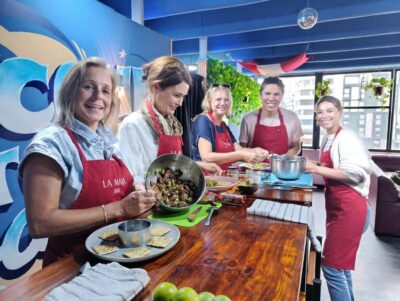
Amazing Peruvian Cooking Class Ceviche Seafood and Pisco Sour
Read our review →Browse the lists this tour appears in