
Reviewed · SILLAR ROUTE & AREQUIPA COUNTRYSIDE
Arequipa|| The Sillar Route+Culebrillas Canyon
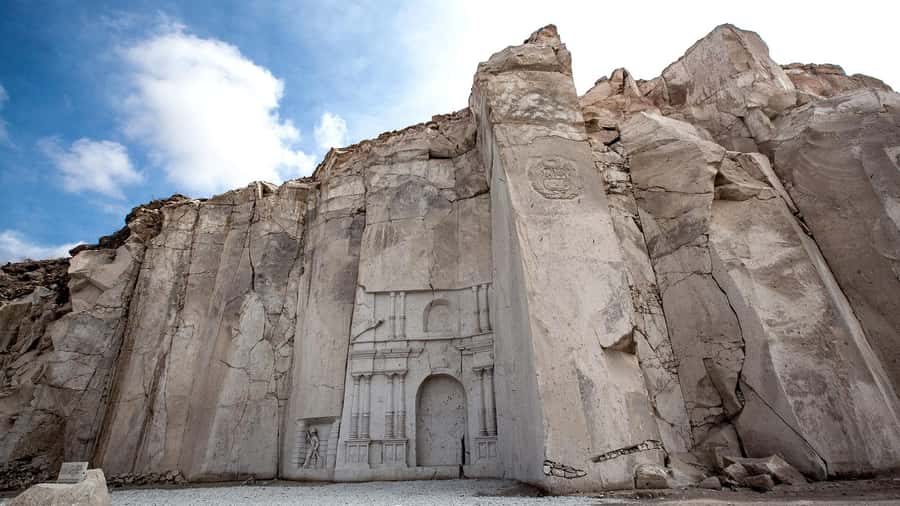
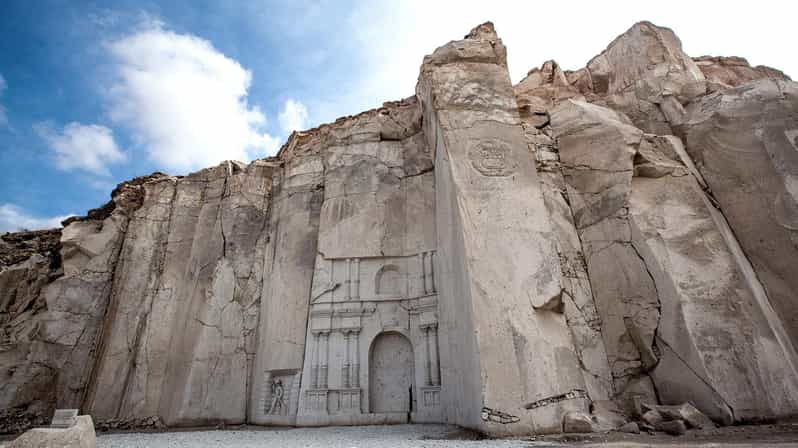
Arequipa’s famous white buildings begin far outside the Plaza de Armas, in quarries where volcanic ash and lava became the pale building stone called sillar. This four-hour outing pairs that working stone region with Culebrillas Canyon, where narrow rock walls hold petroglyphs linked to the Wari culture.
I like two things here. First, you get a clear look at the raw material behind Arequipa’s famous architecture, rather than seeing only polished facades in town. Second, the canyon adds a quiet walking section and ancient rock art, giving the afternoon more variety than a quarry visit alone.
The main caution is that the hands-on stonework may not be visible during your visit. One verified booking described no stonemasons working in the quarries and only limited explanation of the carving process, so this is best booked for the setting, geology, and canyon rather than a guaranteed live craft demonstration.
Key points
- Volcanic sillar in its natural setting: Learn how lava from the volcanoes around Arequipa became the pale stone used in local construction.
- A short walk through Culebrillas Canyon: Follow the gorge between walls about 15 to 20 meters high.
- Wari petroglyphs: Look for ancient symbols carved into the canyon rock more than a millennium ago.
- Four-hour afternoon outing: Hotel pickup begins the tour, with the return near Arequipa’s Plaza de Armas.
- English or Spanish guiding: Transport is by bus or minibus, depending on group size.
- Budget-friendly, but not all-inclusive: The $35 price excludes S/. 15 in quarry entrance fees, food, and travel insurance.
Why sillar matters to Arequipa
Start with the stone. Arequipa is often associated with its pale colonial buildings, but sillar is not simply a decorative choice. It is the local building material, formed from volcanic material produced by the volcanoes around the region.
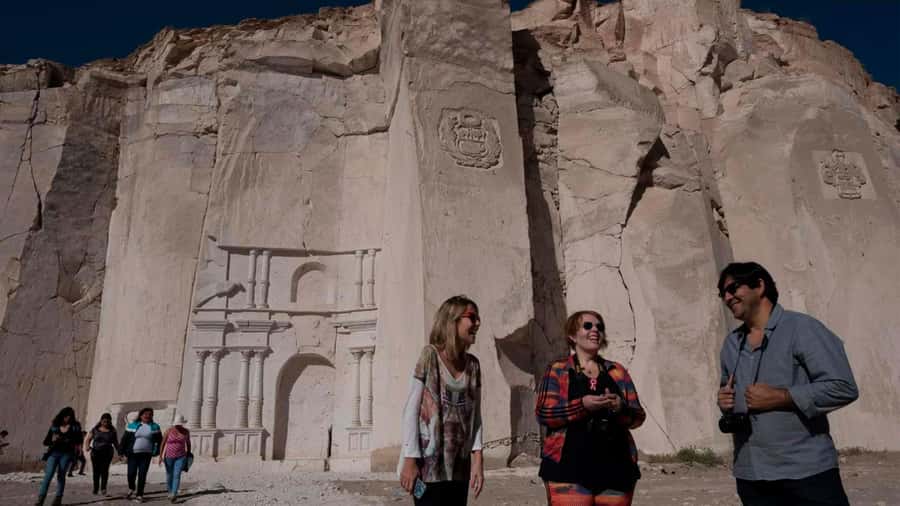
At the quarries, you see the source before the stone is shaped into walls, arches, doorways, and other architectural details. That change in viewpoint matters. Instead of treating Arequipa’s white buildings as a pretty backdrop, you begin to understand the work and geology behind them.
The tour reaches the quarry area by way of Uchumayo road. The route takes you away from the center and toward the places where the stone is extracted and prepared. The exact quarry stop is Añashuayco, where the entrance fee is S/. 10 per person, paid separately.
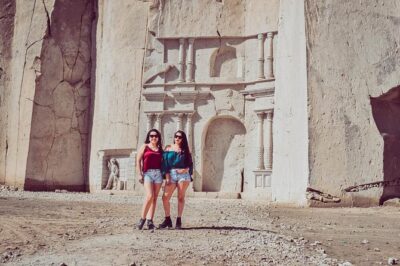
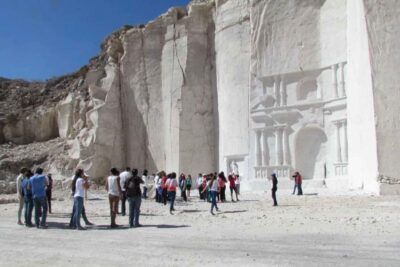
The pale stone has a strong visual effect, especially when set against the darker volcanic surroundings. You can take photographs of the quarry faces and stone surfaces, but the real value is seeing how a regional resource shaped the city’s appearance.
Other trips into the countryside from Arequipa:
- From Arequipa: Sillar Route Trek
★ 4.2 · 461 reviews - Sillar Route and Culebrillas Petroglyphs
★ 4.5 · 89 reviews - Sillar Route in Arequipa and viewpoint of the Volcanoes
★ 4.0 · 71 reviews
What the quarry visit can and cannot promise
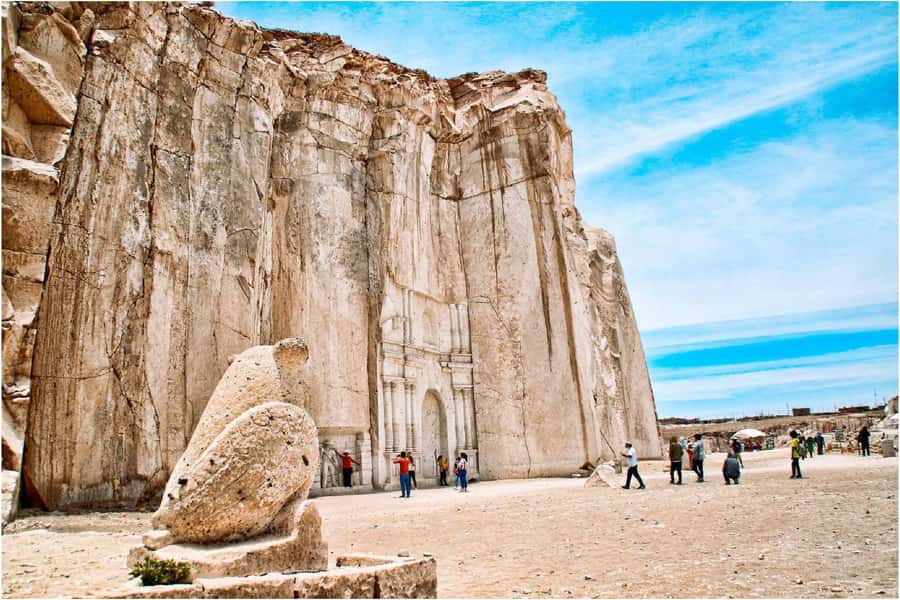
The planned explanation covers the work of the stonemasons, a craft described as dating back to ancient times. Sillar requires manual treatment because rough handling or the wrong method can cause the stone to break. The work is not just a matter of cutting a block into shape with heavy machinery.
That sounds like a hands-on craft demonstration, but you should set your expectations carefully. The supplied experience information does not name a working artisan or guarantee a live carving session. One verified booking from Germany gave the quarry visit three out of five and found no stonemasons working there, along with very little detail about the material and its preparation.
I would treat this part as a chance to see the quarry and ask questions, not as a certain workshop visit. If an artisan happens to be working, that would add a useful human element. If not, you will still see the source of the stone, but the guide’s explanation may be the main way you learn about the craft.
This distinction is important for choosing the tour. If you are mainly interested in geology, construction, photography, and the connection between the quarries and Arequipa’s center, the stop has a solid purpose. If your main goal is to watch traditional stone carving in action, the experience may leave you short.
Walking into Culebrillas Canyon
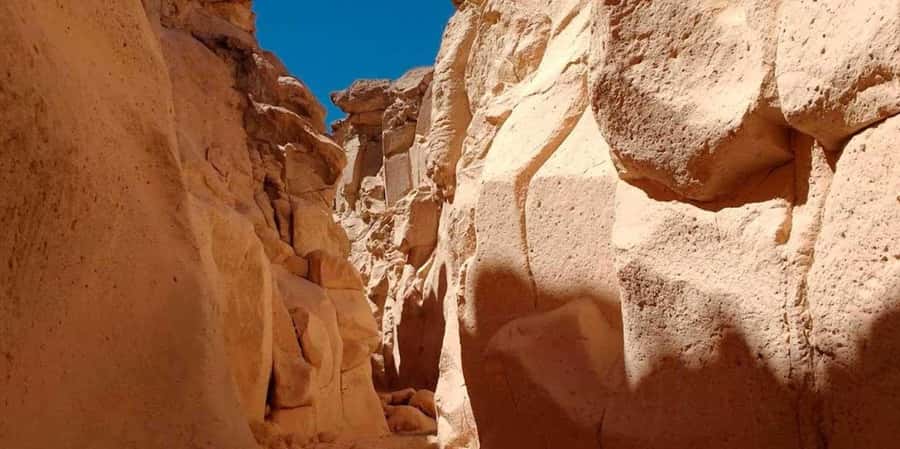
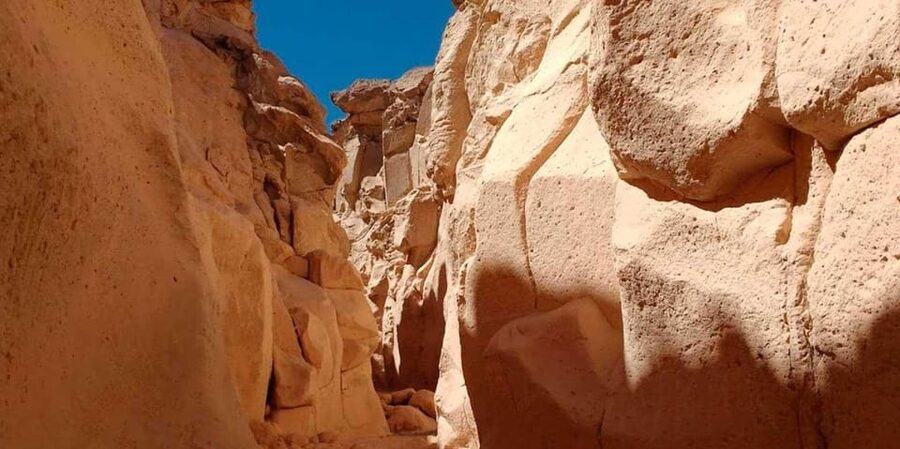
After the quarry stop, the tour includes a walk of about 30 minutes to the next destination, Culebrillas Canyon. The canyon was shaped by nature and the passage of water, with rock walls rising about 15 to 20 meters above the walking route.
This is the more atmospheric half of the outing. The walls narrow the view, and the route gives you a chance to move through the stone rather than simply look at it from a vehicle. You will have time to take photographs of the canyon’s curves, walls, and changing textures.
The tour description does not give a detailed trail grade or surface description, so you should expect a basic walk rather than a carefully specified hiking route. Wear shoes suitable for uneven ground and bring water. Those are sensible precautions for any walk through a rocky gorge, even though the supplied details do not state a particular difficulty rating.
The second quarry entrance costs S/. 5 per person. Together with the S/. 10 Añashuayco fee, the extra admission total is S/. 15 per person. That is a small addition, but you should keep soles ready so the separate charges do not catch you by surprise.
Looking for Wari petroglyphs
The canyon also contains petroglyphs linked to the Wari culture. These symbols were carved into the rock more than a millennium ago, and their meaning remains uncertain.
That uncertainty is part of the appeal. You are not simply being shown a sign with a fully settled explanation. You can look closely at the marks, consider their shapes, and understand that the original purpose is not known with certainty.
Keep your expectations realistic about scale and visibility. The information provided confirms the existence of the petroglyphs but does not specify how many there are, how large they are, or how easy they are to see. Your guide is expected to point them out, but the quality of the explanation may depend on the guide assigned that day.
For good photographs, take your time rather than rushing past the carvings. Rock markings can be difficult to see in changing light, and the canyon walls may create strong contrast. Do not touch or mark the stone. The value of the stop lies in seeing traces left by people long ago, not in treating them as a prop for a quick picture.
Same base, a completely different day:
- From Arequipa: Colca Canyon Full-Day Guided Tour with Meals
★ 4.5 · 982 reviews - Tour to the Salinas Lagoon and National Reserve in Arequipa
★ 4.5 · 548 reviews - Arequipa: Chili River White Water Rafting with Hotel Pickup
★ 4.8 · 329 reviews - From Arequipa: 2-Day Colca Canyon Trekking Tour
★ 4.8 · 243 reviews
A four-hour afternoon outside Arequipa
The outing lasts about four hours. Hotel pickup begins at a time you choose, according to availability, and the return transfer finishes in central Arequipa near the Plaza de Armas.
The practical meeting point is the cathedral door on the Main Square, with arrival required between 1:45 and 1:55 PM. This narrow ten-minute window is worth taking seriously. If you are not being collected directly at your hotel, plan to be at the cathedral early rather than crossing the square at the last moment.
There is a small difference between the general pickup wording and the stated meeting instructions. The experience includes hotel pickup and return to the center, but the meeting details specifically identify the cathedral door and afternoon arrival window. Confirm the pickup arrangement when booking, especially if your hotel lies outside the central area.
The afternoon timing suits people who want to use the morning for Arequipa’s historic center, museums, or a relaxed meal. It also keeps the outing compact. You do not need to give up a full day for the quarries and canyon, and the return near the Plaza de Armas makes it easy to continue with dinner or an evening walk.
Transport is by bus or minibus, based on group size. No group limit is provided, so the amount of personal space and the pace of loading may vary. The four-hour duration includes transport, the quarry visit, the walk, and the return, so do not expect a long, slow exploration at every stop.
What the $35 price really covers
At $35 per person, the tour offers a useful mix of transport, guiding, two stops, and hotel pickup with a return to central Arequipa. For someone without a car or local transport plan, that convenience is a major part of the value.
The price does not cover the quarry entrances. Add S/. 10 for Añashuayco and S/. 5 for Culebrillas, for a total of S/. 15 per person. Food is also excluded, and there is no travel insurance included.
That makes the actual outing cost slightly higher than the headline price, though the extra admission remains modest. I would carry small-denomination soles for both fees. The tour does not say that food is provided, so eat beforehand or plan around the afternoon schedule rather than expecting a meal during the four hours.
The value depends on what you want to see. You receive two distinct settings for one short excursion: a man-made quarry connected to Arequipa’s architecture and a natural canyon with old rock carvings. That combination is more useful than visiting a quarry alone.
The value weakens if you are paying mainly for a detailed demonstration of stone carving. The available feedback points to a real risk that the craft explanation will be brief and no artisans will be present. I would not pay a premium for this tour expecting a full workshop.
English and Spanish guiding
The activity is offered with a live guide in English or Spanish. That is important at both stops, since the quarry’s story involves geology and manual stonework, while the canyon requires context for the petroglyphs.
No guide names are provided, so you cannot select a particular guide or check a named person’s style in advance. The quality of the visit will depend in part on how much detail your assigned guide gives you. The only specific feedback available describes the quarry explanation as sparse, which is a reason to ask direct questions.
At Añashuayco, ask how the volcanic material formed, why sillar can break during shaping, and how finished blocks differ from rough quarry stone. At Culebrillas, ask what is known about the Wari markings and how the guide distinguishes petroglyphs from natural marks.
These questions will not guarantee a longer talk, but they can help you get more from a short stop. The tour’s written details promise a guide, not a specialist lecturer, so it is wise to see the experience as guided sightseeing with cultural context rather than an academic field visit.
Who will enjoy this outing most
I would recommend this tour to someone staying in Arequipa who wants to see the source of the city’s pale architecture without spending a full day away. It suits photographers, first-time visitors curious about local materials, and anyone who likes pairing a cultural stop with a short walk.
It is also a good fit if you want a simple afternoon plan with transport arranged. Hotel pickup removes the need to work out how to reach the quarry area, and the return near the Plaza de Armas keeps the evening flexible.
The tour is less suitable for someone seeking a guaranteed artisan demonstration. The quarry may show the setting and the stone, but you may not see workers carving it. It is also not the right choice if you want a long hike, since the stated walk is about 30 minutes and the whole outing lasts four hours.
Families and mixed-interest groups may find the two-stop format useful, though the provided information does not specify child pricing, a minimum age, or accessibility details. If any member of your group has mobility concerns, ask the provider about the walking surface and canyon access before paying.
Practical details before you go
Wear shoes that can handle a rocky walk and bring water. The canyon section is on foot, and the description does not promise a smooth, paved path.
Carry soles for the two separate fees. The Añashuayco entrance is S/. 10 per person, and the Culebrillas entrance is S/. 5 per person. Keep the money separate from your main spending cash so the afternoon stays simple.
Bring a camera, but give yourself time to look without it. The pale quarry stone, canyon walls, and petroglyphs offer different kinds of photographs, while the markings may need careful attention to see clearly.
The activity allows free cancellation up to 24 hours before departure for a full refund. You can also reserve now and pay later, which is useful if your Arequipa schedule is still changing. These flexible terms do not change the fact that you should confirm the pickup details and arrival time at the cathedral door.
Should you book the Sillar Route and Culebrillas Canyon?
Book it if you want a short, affordable outing that explains the volcanic stone behind Arequipa and adds a canyon walk with Wari petroglyphs. The two sites complement each other, and the $35 base price includes transport and a bilingual guide.
Skip it if live stone carving is the central reason you are going. The most important warning is simple: artisans may not be working when you arrive, and the explanation may be brief. Go with an interest in the quarry setting, local building material, and ancient rock art, and you are more likely to find the afternoon worthwhile.
FAQ
How long does the Sillar Route and Culebrillas Canyon tour last?
The tour lasts four hours, including transport, the quarry visit, the canyon walk, and the return to central Arequipa.
Where does the tour meet?
The stated meeting point is at the cathedral door on Arequipa’s Main Square. You should arrive between 1:45 and 1:55 PM.
Does the tour include hotel pickup?
Yes. Hotel pickup is included, along with a return transfer to the center of Arequipa. The meeting instructions also identify the cathedral door, so confirm the exact pickup arrangement when booking.
What languages are available?
The tour is conducted with a live guide who speaks English or Spanish.
How much are the quarry entrance fees?
The Añashuayco Quarries entrance costs S/. 10 per person. The Culebrillas Quarries entrance costs S/. 5 per person.
Are the entrance fees included in the tour price?
No. The two entrance fees are paid separately and total S/. 15 per person.
Is food included?
No. Food is not included in the tour price.
Does the tour include travel insurance?
No. Travel insurance is not included.
Can I cancel for a full refund?
Yes. You can cancel up to 24 hours in advance for a full refund. The activity also allows you to reserve now and pay later.
Just added around Arequipa
- Congata Rover,3 hours bike ride tour in arequipa★ 4.1 · 8 reviews
- Cooking Class Typical Food in Arequipa★ 3.9 · 3 reviews
- Colca Canyon: 2-Day Tour from Arequipa to Puno★ 4.7 · 45 reviews
- COLCA CANYON FULL DAY TOURS★ 4.0 · 5 reviews
- Arequipa: Rafting on the Chili River | Full adrenaline |★ 5.0 · 10 reviews
- Arequipa: Rio Chili Rafting Tour with Snack★ 4.9 · 34 reviews
- Arequipa | Tour of the Sillar Route + Culebrillas Canyon★ 3.5 · 7 reviews
- Arequipa: Quad Tour in Chilina Valley spectacular★ 4.5 · 8 reviews
Sillar Route & Arequipa Countryside, compared.
Sillar Route in Arequipa and viewpoint of the Volcanoes
Read our review →
4 hours Tour: Route of Sillar with Trek in Culebrillas
Read our review →
4-hour excursion: Sillar Route with Hiking in Culebrillas
Read our review →
Arequipa | Tour of the Sillar Route + Culebrillas Canyon
Read our review →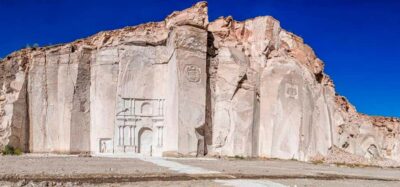
4-hour excursion: Ruta del Sillar with Hiking in Culebrillas
Read our review →Browse the lists this tour appears in