
Reviewed · ZIPLINE & VIA FERRATA
Tour Climbing Nevado Mateo | Your First 5,150 m Summit | 12 Hours
Nevado Mateo gives you a real glacier summit in a single long day from Huaraz. You start before sunrise, walk across rough moraine, then put on crampons and rope up for the final climb to 5,150 meters. That is a serious height, even though the route fits into one day.
I like the excellent value: $140 includes transport, a certified guide, and the main technical gear. I also like the calm, personal help described from guides such as Richard, Lucho, Fredy, and Eric, especially when a steep or slippery section tests your nerve. The catch is simple: this is not an easy hike. You need physical strength, good acclimatization, and the willingness to work hard at high altitude.
Key points to know before you book
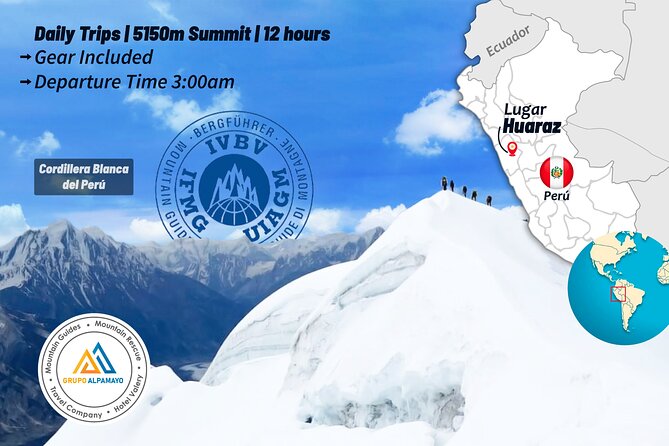
- A true 5,150-meter summit: This is more than a scenic walk. You climb on glacier equipment and reach the top of Mateo, also known as San Mateo.
- A 3:30 AM start from Huaraz: The early departure gives you time for the climb and brings a memorable ride beneath stars and sunrise.
- About one hour to the glacier, then one hour upward: The approach is short on paper, but steep ground and altitude make every step count.
- Technical equipment is supplied: Boots, crampons, harness, ice axe, and helmet are included. You still need suitable clothing, snow goggles, and a headlamp.
- A guide matters on the final section: Guides use ropes on slippery parts and can offer steadying help when the terrain becomes awkward.
- The price does not include the 30-sol park fee: Bring money for Huascarán National Park, meals, personal needs, and a possible tip.
What climbing Nevado Mateo is really like
This trip sits between a demanding hike and an introductory mountaineering day. You are not simply walking to a viewpoint. After crossing the moraine, you put on crampons, connect to a rope, and climb snow and ice toward a summit at 5,150 meters.
That distinction matters. The route is marketed as suitable for people without extensive climbing experience, and the supplied equipment and guide support make it more approachable. Still, high altitude does not care about your previous hiking record. At this height, breathing is harder, the cold can bite, and a modest slope can feel like a major effort.
The best way to think about Mateo is as a first serious summit, not a casual day trip. If you have spent time acclimatizing around Huaraz and want to test yourself on a glacier, this trip offers a compact introduction. If you have just arrived from sea level, the same itinerary may feel far too ambitious.
The strongest part of the experience is the mix of physical effort and clear reward. From the summit, you look toward the remains of Contrahiervas Mountain and the Cancora Lagoons. You also get the powerful sensation of sitting on a glacier at more than 5,000 meters, with Peru’s high peaks in view.
Other days on a rope around Huaraz:
- Climbing Mateo – Your first 5 thousand
★ 5.0 · 52 reviews - Sam’s Zip Line in Sacred Valley
★ 5.0 · 75 reviews - Rafting & Zip line Urubamba River 1 Day
★ 5.0 · 75 reviews
The 3:30 AM departure from Huaraz
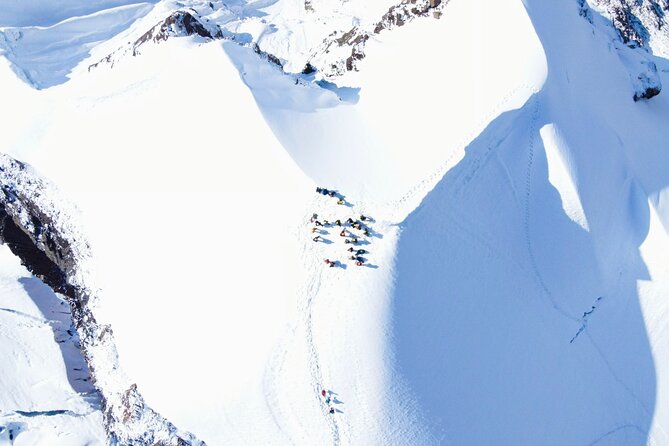
Your day begins with hotel pickup at 3:30 AM. That early hour is not a gimmick. The climb needs a full morning, and the road north takes about two and a half hours before you reach the trailhead area.
The drive passes through Carhuaz and Shilla before entering Huascarán National Park. In the dark, you may see little at first, but the ride can become part of the experience as the sky changes. One detailed account describes stars and sunrise during the bus journey, followed by the first view of Huascarán’s far side after parking.
You should eat before departure or bring food for the road, since breakfast is not included. Lunch and dinner are also your responsibility. The schedule aims to return you to Huaraz around 2:30 PM, but mountain timing can shift, so I would not plan an important afternoon appointment.
Transport is shared, and the group can reach a maximum of 30 people. That is a fairly large possible group for a mountain day. The quality of the experience will depend partly on how the group moves and how many guides are working with it. The good news is that continuous assistance is included, and the accounts provided give specific examples of guides offering close support on difficult sections.
Huascarán National Park and the Punto Olimpia trailhead
The vehicle parks at Punto Olimpia inside Huascarán National Park. The park entrance costs 30 soles per person and is not included in the $140 tour price.
The setting changes quickly once you leave the vehicle. Rather than beginning directly on snow, you first walk across glacial moraine for roughly one hour. Moraine is loose, uneven ground left by a glacier. It can demand more attention than a smooth trail, especially when you are carrying your equipment and saving energy for the climb ahead.
This approach is useful in two ways. It gives you time to warm up, and it lets the guide judge how you are moving before the technical section begins. It is also where you start to see why a short distance can still make a full mountain day.
Take care with your footwear here. The operator supplies technical boots, but you should make sure they fit properly before setting out. A poor fit becomes a bigger problem once crampons are attached. You should also bring a headlamp for the dark start, even though it is not included.
Crampons, ropes, and the glacier climb
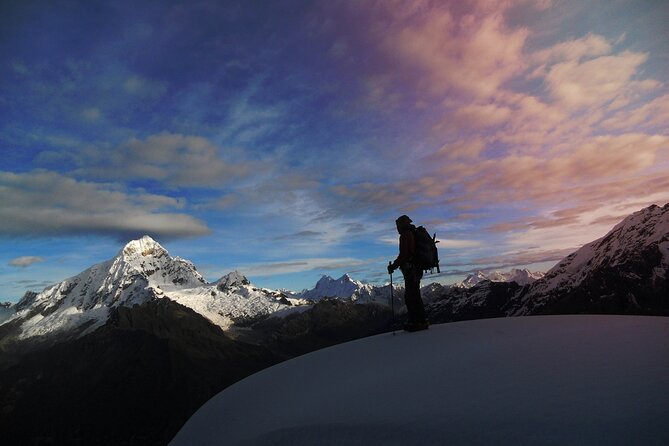
At the glacier base, the pace changes. You put on crampons, attach the harness, take an ice axe, and put on a helmet. The guide then ropes the group together for the ascent.
The climb from the glacier base to the summit takes about one hour according to the planned schedule. That estimate should not fool you into thinking it is easy. You are climbing at altitude, and the surface may feel slippery or awkward. One account describes guides using ropes on steeper sections, while another describes a guide showing the safest line and occasionally helping pull someone through a short difficult patch.
This is where the guide service earns its keep. You need to know how to place your feet with crampons and how to use the equipment properly. The supplied information specifically notes that at least basic instruction is provided, and one account describes a guide patiently teaching the correct stepping technique to someone new to the activity.
Guides named in the accounts include Richard, Lucho, Fredy, and Eric. You cannot assume that one particular guide will lead your departure, but these examples show the kind of support the operator aims to provide. Richard is described as helping a nervous climber by tethering himself to her and giving steady encouragement. Fredy is described as organizing gradual acclimatization and helping with both technique and motivation. Those details matter because confidence can drop quickly when you are tired, cold, and looking up at a steep snow slope.
You should still expect to do your share of the work. A guide can choose a safer line, explain foot placement, manage the rope, and offer encouragement. A guide cannot remove the effects of altitude or replace preparation.
Other walks into the mountains in Huaraz:
- From Huaraz: Hike to the Lagoon 69
★ 4.4 · 121 reviews - Huaraz: Laguna 69 | Cordillera Blanca | Hike to Lake 69
★ 4.5 · 9 reviews - Ancash: Trekking to Paron Lagoon with Entrance | Full day|
★ 4.1 · 9 reviews - From Huaraz: Lake 69 Trek Day Tour – White Mountain Range
★ 4.7 · 7 reviews
The summit at 5,150 meters
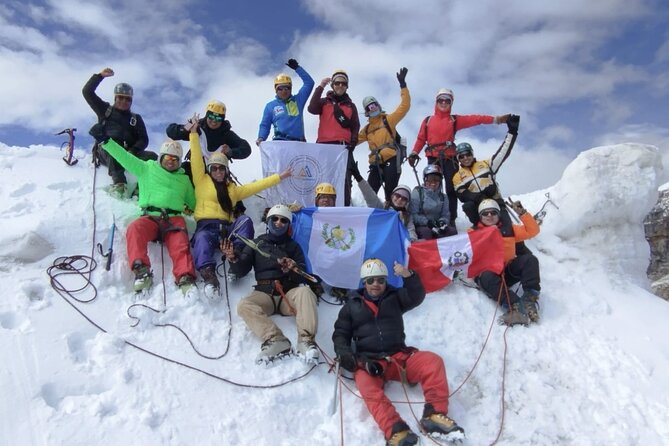
Reaching the summit of Nevado Mateo, also called San Mateo in the route description, is the emotional center of the day. At 5,150 meters, you have completed a genuine high-altitude climb rather than a simple mountain walk.
The views include the remains of Contrahiervas Mountain and the Cancora Lagoons. The approach also gives you views toward Huascarán, with the back side appearing as you begin the hike. Weather will control how much you see, but clear blue skies can turn the summit into a striking mountain panorama.
Give yourself time to enjoy the top, but do not expect a long, relaxed picnic. Cold, wind, altitude, and the need to descend all limit your stay. Bring snow goggles and appropriate warm clothing, both of which are listed as personal items rather than supplied equipment.
The summit is also a useful test of your own expectations. Some people reach the top with energy to spare. Others need repeated encouragement and a slower pace. The accounts describe both the challenge and the satisfaction, with one person noting that the physical sensation of sitting on a glacier and looking toward Peru’s highest mountains was more meaningful than a standard scenic outing.
The descent and return to Huaraz
You descend by the same route. That sounds familiar, but descending glacier terrain brings its own work. You still need to place your crampons carefully, follow the rope system, and watch your footing on slippery sections.
For many people, the descent is when tired legs and fading concentration become the main issue. Listen closely to the guide and do not rush simply because the summit is behind you. Once you return to the vehicle, the technical equipment is packed away and you begin the drive back to Huaraz.
The planned arrival is around 2:30 PM, giving the full day a length of roughly 11 to 12 hours. That includes the early road journey, the moraine approach, the glacier climb, time at the summit, and the return. You should bring enough food and water for the day because no meals are included.
A small but important detail: the basic first aid kit is supplied, but the operator recommends bringing your own as well. You should also carry any personal medication you need. The tour information specifically lists headlamp, snow goggles, suitable clothing, and personal medicines among the items you must arrange yourself.
What the $140 price includes
At $140 per person, this is a strong value if you need the technical equipment and transport. The price includes shared tourist transport, a certified mountain guide who speaks English and Spanish, personal technical gear, a basic first aid kit, and ongoing assistance.
Buying or renting the equipment separately could change the calculation. Boots, crampons, harness, ice axe, and helmet are not minor extras, especially if you are visiting Huaraz for only a short time. The included gear also removes the need to organize a separate transfer to the park.
The cost is not all-inclusive. Add 30 soles for the Huascarán National Park entrance fee. You also pay for breakfast, lunch, dinner, personal purchases, medication, snow goggles, a headlamp, and suitable clothing. A tip for your guide is optional, but you should carry extra money if you want to give one.
The shared format keeps the price reasonable, though a possible group of 30 is worth considering. If you prefer a quieter, more private climb or a very controlled pace, ask about group arrangements before booking. The available information confirms continuous assistance but does not promise a private guide.
Who should choose this climb
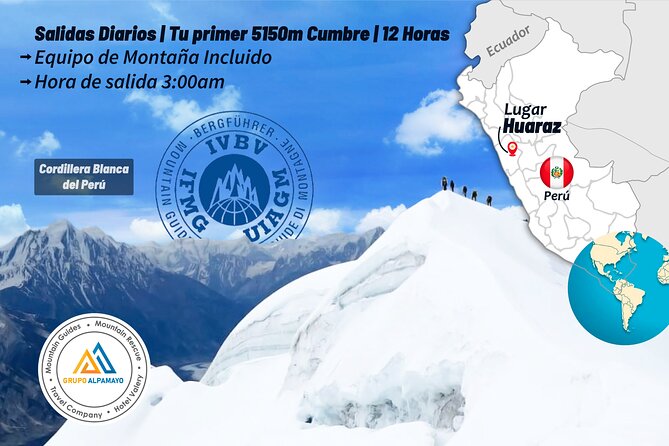
I would choose Nevado Mateo if you want your first glacier summit and have already allowed time to adjust to Huaraz’s altitude. The experience suits a fit person who accepts a demanding day, is open to basic rope and crampon work, and wants more than a standard lake excursion.
It can also suit a nervous beginner if you respond well to patient guidance. The examples involving Richard, Lucho, Fredy, and Eric show that encouragement is treated as part of the job, not as an afterthought. You should tell the guide early if you are anxious or struggling, rather than hiding it until the steepest section.
I would not choose it as your first activity after flying into Peru. The supplied information says most people can participate, but that does not mean every person will be ready for 5,150 meters. One account makes the key point clearly: the route is possible for inexperienced climbers, yet it still requires physical strength at altitude.
You also need to be comfortable with a very early start, shared transport, cold conditions, and a full day that may be harder than its short distance suggests. If you mainly want dramatic scenery with less physical strain, the accounts note that routes such as Parón and Lake 69 may offer more immediately scenic or photo-friendly outings. Mateo gives you something different: the effort and achievement of reaching a glacier summit.
Practical preparation for your Mateo day
Pack light, but do not leave out the basics. Your personal list should include a headlamp, snow goggles, warm and suitable mountain clothing, food, water, personal medication, and money for the park fee and optional tip.
Before departure, confirm that the supplied boots fit well. Pay attention during the equipment briefing, especially when the guide explains crampon technique and movement on the glacier. You do not need to pretend you already know what you are doing. This is the right time to ask clear questions.
Plan your previous days in Huaraz with acclimatization in mind. The tour information does not set out a required acclimatization schedule, so you should discuss your own plan with a qualified local professional and be honest about how you feel. The experience described by Fredy included gradual acclimatization, which underlines how important preparation is for this summit.
Book at least several weeks ahead if your dates are fixed. The experience is booked on average 22 days in advance, so last-minute availability may be limited. Confirmation is normally provided at booking, though bookings made within one day of departure are confirmed as soon as possible and remain subject to availability.
Cancellation is free if you cancel at least 24 hours before the start time. Cancellations or changes made within 24 hours are not accepted for a refund.
Should you book Nevado Mateo?
Book it if you want a serious, compact mountain challenge and the thought of standing at 5,150 meters excites you more than a gentle sightseeing day. The combination of included gear, bilingual guiding, glacier instruction, and transport makes the $140 price sensible.
Skip it if you are poorly acclimatized, dislike early starts, or want a relaxed walk with no technical equipment. Mateo is approachable for a first summit, but it is not effortless. With preparation and a realistic view of the altitude, it offers a memorable first step into high mountain climbing from Huaraz.
FAQ
How long does the Nevado Mateo tour last?
The experience lasts about 11 to 12 hours. Pickup is scheduled for 3:30 AM, and the planned return to Huaraz is around 2:30 PM.
What is the highest point reached?
The summit of Nevado Mateo, also called San Mateo in the route details, reaches 5,150 meters.
Is the Huascarán National Park entrance fee included?
No. You pay an additional 30 soles per person for admission to Huascarán National Park.
What technical equipment is provided?
The tour includes boots, crampons, a harness, an ice axe, and a helmet. A basic first aid kit is also supplied.
What should I bring myself?
You need to arrange a headlamp, snow goggles, suitable clothing, personal medication, meals, and money for personal expenses. You may also want extra money to tip your guide.
Can beginners join the climb?
Most people can participate, and the experience is presented as suitable for those without extensive climbing experience. However, it requires physical strength at 5,150 meters, and proper acclimatization is important.
Just added around Huaraz
- HHuayhuash-One of the most impressive hikes in the world★ 5.0 · 39 reviews
- Climbing Mateo – Your first 5 thousand★ 5.0 · 52 reviews
- From Huaraz: Lake 69 Trek Day Tour – White Mountain Range★ 4.7 · 7 reviews
- Huaraz: Full-day Tour to Lake Parón with Optional Lunch★ 4.9 · 4 reviews
- Huaraz: Pastoruri Glacier Day Trip★ 5.0 · 8 reviews
- Huaraz: Visit to Laguna 69★ 4.2 · 5 reviews
- Huaraz-Excursion to the Pastoruri Snows and Puyas Raymondi★ 3.3 · 4 reviews
- Huaraz: Laguna 69 | Cordillera Blanca | Hike to Lake 69★ 4.5 · 9 reviews
Zipline & Via Ferrata, compared.
4 Day Tambopata Amazon Wildlife & Canopy Experience
Read our review →
Salkantay Trek 4 Days to Machu Picchu by Glamping Sky Lodge Dome
Read our review →
4-Day Inca Jungle Adventure, Mountain Biking, Rafting and Zipline
Read our review →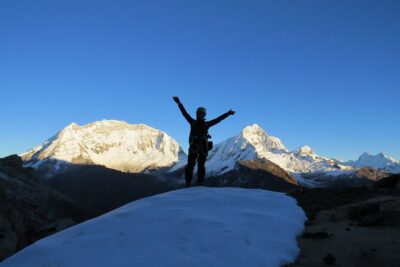
Browse the lists this tour appears in