
Reviewed · MACHU PICCHU TOURS
Salkantay Trek 4 Days to Machu Picchu by Glamping Sky Lodge Dome
The best part of this four-day Salkantay Trek is the dramatic change in scenery. You start among snowy Andean peaks, cross a high mountain pass, then descend through cloud forest and tropical valleys before reaching Machu Picchu. It feels like several trips packed into one.
I like the Sky Lodge domes, which give you a warmer, more comfortable night than a basic tent, and I like the strong guiding on this route. Fernando is known for his humor, patience, football games, and careful attention to altitude. Nildo has also been praised for his calm support and thoughtful explanations.
The main caution is the physical demand. You reach 4,650 meters on Day 2, begin early each morning, and walk for hours on steep or uneven ground. This is not a gentle sightseeing holiday, and you need to arrive fit and properly acclimatized.
Key points to know before you book
- The highest point is 4,650 meters: Day 2 brings the hardest climb and the greatest altitude challenge.
- You sleep in Sky Lodge domes: Two nights of dome accommodation are included, followed by a private hotel room in Aguas Calientes.
- The route changes climate fast: Expect cold high-altitude air, cloud forest, waterfalls, tropical plants, and warmer jungle conditions.
- Guiding is a major strength: Fernando and Nildo receive special praise for patience, encouragement, safety checks, history, and local insight.
- Meals are included on the trail: You get three breakfasts, three lunches, three dinners, and three afternoon hot teas, with vegetarian food available.
- Machu Picchu begins early: You can walk up from Aguas Calientes or take the first bus at 5:30 a.m. to arrive near sunrise.
Why this Salkantay route is worth considering
The Salkantay Trek gives you a tougher and more varied approach to Machu Picchu than a short train visit. Instead of heading straight to the ruins, you spend four days moving through the Andes under your own power. The reward is not only Machu Picchu, but the changing world along the way.
At roughly $761.91 per person, this is not a budget walk. But the price includes transport from Cusco, guides, cooks, horses or porters, camping equipment, two dome nights, a hotel night, meals, Machu Picchu admission, and the return train and bus. Once you add those pieces separately, the package offers solid value for a supported trek.
The group can reach a maximum of 19 people. That is large enough to provide company but small enough for the guide team to keep an eye on the group. An assistant guide is included for groups of more than eight people.
The operation also carries the practical advantages of a supported trek. A cook prepares meals, horsemen handle food and camping gear, and a duffel bag is provided for up to 7 kilograms of personal belongings. You still carry a daypack, but you do not need to haul all your equipment.
Other walks into the mountains in Cusco:
- From Cusco: 7 Lakes Ausangate Trek with Breakfast and Lunch
★ 4.8 · 360 reviews - Cusco: Rainbow Mountain Tour and Red Valley Hike (Optional)
★ 4.7 · 149 reviews - Cusco: Full-Day Rainbow Mountain & Red Valley Trekking Tour
★ 4.5 · 121 reviews
Day 1: Mollepata, Cruzpata, and the cold at Soraypampa
Your day begins early, with hotel pickup around 4:30 a.m. The drive to Mollepata takes about three hours. Breakfast is not included on this first morning, so plan ahead for food before the hike begins.
At Mollepata, the cook and horseman organize the group gear while you prepare to walk. The first section rises for about three hours toward Cruzpata. This is a useful test of your legs and breathing before the route reaches its highest point on Day 2.
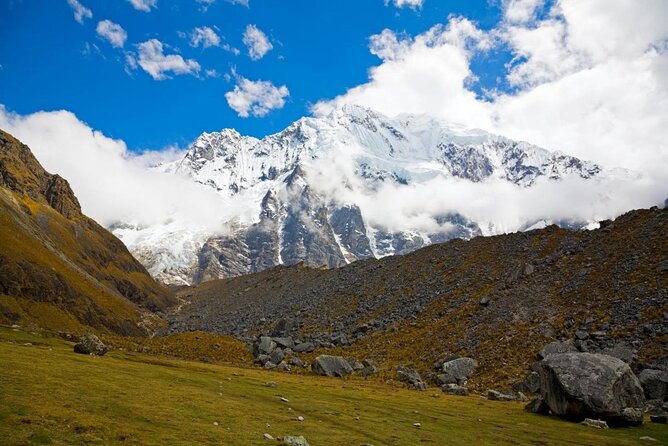
Lunch comes with broad views of Humantay Mountain, at about 4,120 meters, and Salkantay Mountain, at about 6,271 meters. These peaks give the first day its scale. You are not walking through a quiet forest path yet. You are moving beneath some of the great snow-covered mountains of the Cusco region.
The route continues toward Soraypampa, at about 3,800 meters. This is described as the highest and coldest campsite of the trip, so your clothing matters. Put your warm layer, gloves, hat, and sleeping bag where you can reach them quickly. A sleeping bag rated to minus 11 C is recommended.
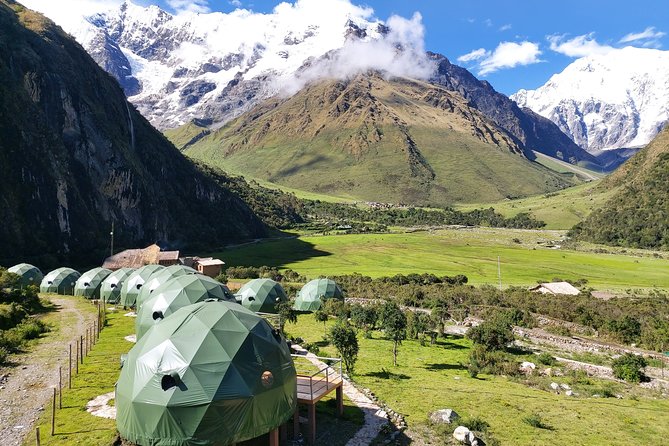
The Sky Lodge dome makes this night easier than a standard tent night. You still face cold, altitude, and a demanding first day, but you sleep in a more comfortable shelter. Hot afternoon tea and a cooked dinner also help you recover.
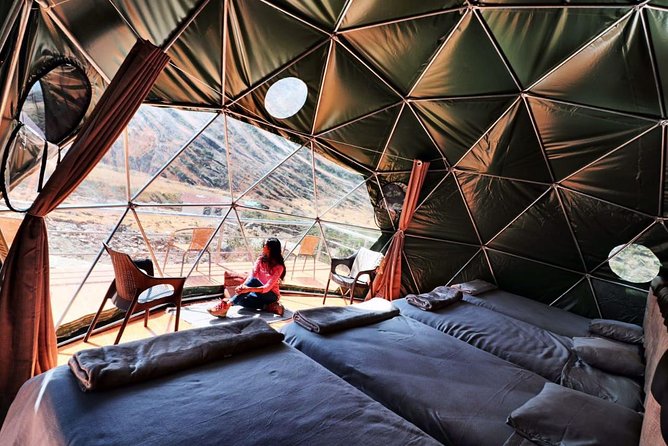
One detail worth noting: the tour information refers to two nights in Sky Lodge domes, with room arrangements based on two, three, or four beds upon request. Ask about the exact room setup when booking, especially if you are traveling alone or with family.
Day 2: The 4,650-meter Salkantay Pass
Day 2 is the physical heart of the trek. Breakfast comes early, and you start walking around 5:30 a.m. The first four hours climb toward the Salkantay Pass at 4,650 meters.
At this height, even fit walkers can feel slow. The air is thin, the slopes are demanding, and cold or snow is possible. Go at the guide’s pace. Fernando has been praised for checking how people are handling the altitude, offering coca leaves, and encouraging tired walkers without rushing them.
The pass lies between Salkantay Mountain on the right and Tucarhuay Mountain on the left. From here, the view is the kind that makes the hard climb feel worthwhile. The snow-covered peaks tower on both sides, and the open setting gives you a strong sense of the Andes.
After a rest, the route turns downhill through cloud forest toward Huayracpunku, where lunch is served. The change is striking. You move from cold, high mountain air into thicker vegetation and a more sheltered setting.
After lunch, you continue toward the beginning of the jungle. At Chaullay, local transport takes you for about an hour to the Loreta La Playa coffee campsite. This vehicle transfer is not a flaw. It breaks up an already long day and helps the group cover a stretch that would make the itinerary even more punishing.
You should think of Day 2 as a full test of fitness, altitude tolerance, and mental patience. The route is rewarding, but it is not forgiving. Walking poles, worn-in trekking boots, rain gear, and a layered clothing system will make a real difference.
Day 3: Waterfalls, fruit, and the upper jungle
After breakfast at about 6:30 a.m., you walk through the upper jungle. The route crosses the Lluskamayo River and several smaller streams, so waterproof footwear and a rain poncho are sensible choices.
This is the most tropical day of the trek. You pass valleys, waterfalls, tropical fruit, and a wide range of plants. The path offers a welcome change after the cold climb and long descent of Day 2.
The walking time is about six hours to La Playa. That is still a serious day, but the lower elevation and warmer conditions can make it feel less severe than the high pass. You may also find the humidity and rain more tiring than expected, so keep water, sun protection, insect repellent, and a light rain layer close at hand.
The route’s variety is its main appeal. You are not simply walking toward Machu Picchu on one repeated type of trail. Each day brings a new climate and a different pace. The guide’s explanations add value here, especially for travelers curious about local plants, farming, and the relationship between the high Andes and the jungle valleys.
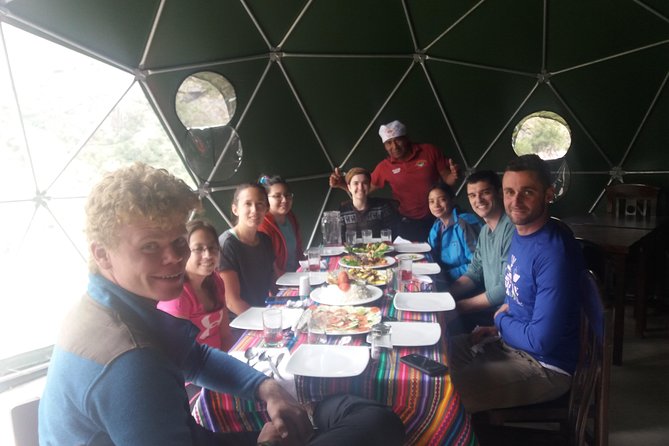
The included afternoon hot tea is a small comfort that matters after several hours outdoors. The food is another strong point. The cooks prepare soups, main dishes, vegetables, and desserts despite working far from a normal kitchen. Vegetarian meals are available at no added cost.
Other ways up to Machu Picchu from Cusco:
- From Cusco: Full-Day Group Tour of Machu Picchu
★ 4.7 · 1,767 reviews - Machu Picchu Day Trip from Cusco
★ 4.5 · 1,644 reviews - Machu Picchu: Full-Day Tour from Cusco with Optional Lunch
★ 4.6 · 927 reviews - Cusco: 4-Day Inca Trail to Machu Picchu with Accommodation
★ 4.8 · 432 reviews
Day 4: Sunrise at Machu Picchu
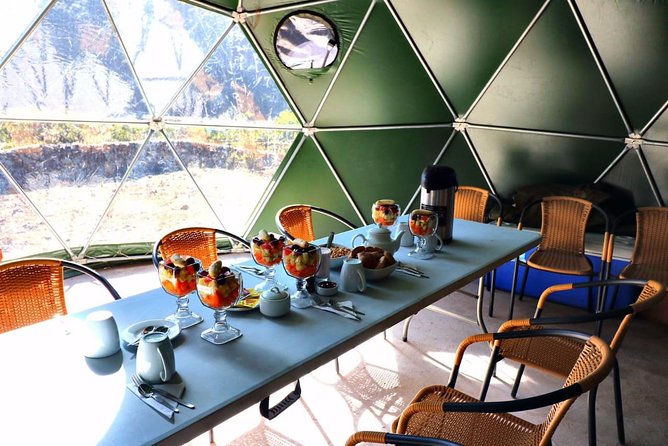
The final morning begins around 4 a.m. Breakfast is served at approximately 4:30, and you then choose how to reach Machu Picchu.
You can walk uphill for about an hour and a half. This gives you a final physical challenge before entering the site. The other option is the first bus at 5:30 a.m., which takes about 25 minutes. The bus costs extra if not covered by your arrangements, so confirm the details with your tour provider.
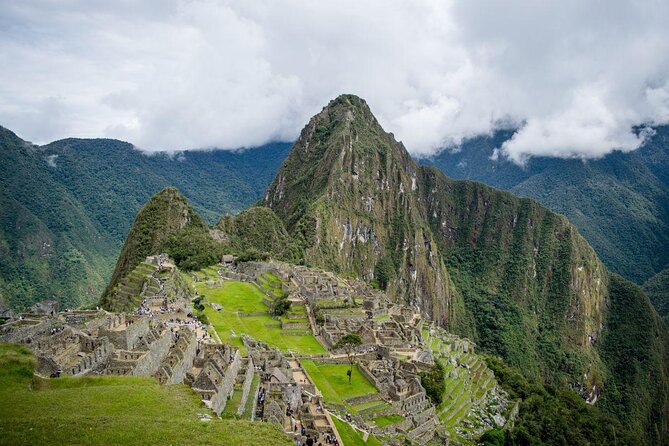
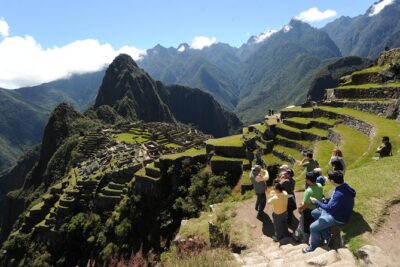
The early start is worthwhile. Arriving near sunrise gives you a chance to see Machu Picchu as the light spreads over the ruins and surrounding peaks. Conditions can be cloudy, but that can also create the classic misty first view of the citadel.
Your guide leads a walking tour of about two hours. Afterward, you have time to explore on your own, within the access rules and circuit assigned to your entrance. One useful tip is to plan for the early entry rather than treating the final morning as a lie-in. The whole trek builds toward this moment, and extra time at the site is valuable.
Lunch on Day 4 is not included. Keep money available for food after the visit, along with any extra transport costs connected with the morning bus.
The return journey includes the expedition train from Aguas Calientes to Ollantaytambo and a bus back to Cusco. This saves you from having to arrange a complicated return on your own.
What the guides and staff add
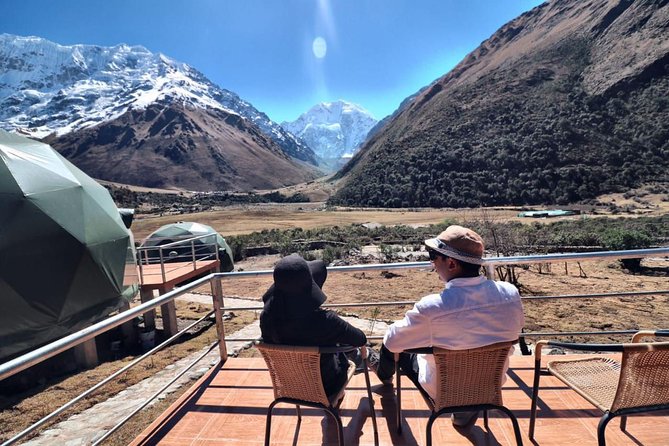
A strong guide can change the feel of a difficult trek. Fernando is repeatedly singled out for his humor, patience, clear English, historical explanations, and attention to tired walkers. He has even joined football games during the trek, which says something about the friendly atmosphere he creates.
Nildo is also praised for careful planning and personal support, especially when guiding a smaller group. Jose, Steven, and Adela have also led this route, with particular appreciation for practical altitude advice and patience with different fitness levels.
You should not assume a particular guide is guaranteed. Names can change by departure date. Still, the guide team is clearly an important part of the experience, so use the pre-trek briefing to ask questions about pace, altitude, meals, sleeping arrangements, and the Day 4 Machu Picchu plan.
The cooks, horsemen, and assistant guides also matter. The horsemen move food, camping gear, cooking equipment, and personal belongings, often starting early and working behind the scenes. A fair tip is worth budgeting for, since the service depends on many people beyond the lead guide.
Accommodation, food, and what to pack
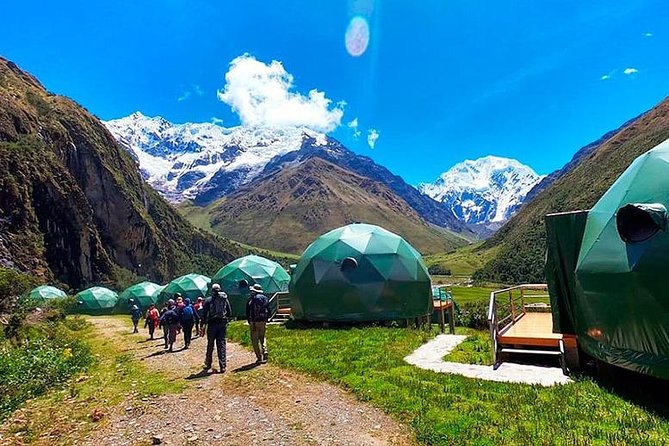
The domes are the most unusual feature of this trek. They offer a more comfortable mountain night than a standard tent and include hot water according to the experience details. You also get one night in Aguas Calientes with a private shower and bathroom.
Pack for sharp changes in temperature. Your core kit should include:
- Used, broken-in trekking boots
- Four pairs of wool or synthetic socks
- Fleece or windproof layers
- Waterproof trousers and a rain poncho
- Warm hat, sunhat, gloves, and UV-protective sunglasses
- A headlamp, water bottle, sunscreen, lip balm, and insect repellent
- Two walking poles
- Personal medicines and basic toiletries
- A sleeping bag rated to minus 11 C
A daypack is still necessary for water, rain gear, snacks, and warm layers. The duffel service allows up to 7 kilograms of personal belongings, but you should confirm how the bag is handled each day.
You do not need special technical equipment. You do need good-quality regular trekking gear and a strong level of fitness. Trail conditions can change, and the route includes steep climbs, long descents, high altitude, streams, and wet jungle sections.
Price, group size, and practical value
The $761.91 price is best judged as a full-service trek rather than a simple walking tour. It includes transport from Cusco, accommodation, food, guides, cooking staff, camping support, Machu Picchu entry, and the return train and bus.
You still pay the Salkantay and Humantay entrance fee of 20 soles per person. Breakfast on Day 1 and lunch on Day 4 are also excluded. The first morning starts before most hotel dining rooms open, so arrange breakfast in advance.
The experience is usually booked about 29 days ahead. That gives you a useful planning target, especially if you need a specific Machu Picchu date or room arrangement. The booking is non-refundable and cannot be changed for any reason, so do not commit until your flights, health, and acclimatization plan are secure.
Who should choose this trek
I would choose this trip if you want a demanding route with major scenery and full logistical support. It suits hikers who like long walking days but do not want to carry all camping gear or plan every transport connection.
It also works well for solo visitors who want the structure of a group. One solo participant described feeling safe throughout the experience, with a small group and close support from the guide. That said, group sizes can reach 19 people, so the atmosphere may vary by departure.
I would hesitate to recommend it if you dislike early starts, cold nights, steep climbs, or uncertain weather. The 4,650-meter pass is serious, and the trek needs more than enthusiasm. Build in time in Cusco or nearby before starting so your body has a chance to adjust to altitude.
Should you book the Salkantay Trek?
Book it if you want Machu Picchu to be the finale of a real mountain journey, not simply a stop reached by train. The mix of snowy peaks, cloud forest, waterfalls, tropical valleys, dome accommodation, and a sunrise visit gives this trip strong variety.
Skip it if you want a relaxed holiday or if you cannot prepare for the altitude. For fit walkers who value good support, generous meals, capable guides, and a route that keeps changing, the price is fair and the four days are likely to feel well spent.
FAQ
How long is the Salkantay Trek to Machu Picchu?
The trek lasts approximately four days.
What is the highest altitude on the route?
The highest point is the Salkantay Pass at about 4,650 meters.
Are meals included?
Three breakfasts, three lunches, three dinners, and three afternoon hot teas are included. Breakfast on Day 1 and lunch on Day 4 are not included. Vegetarian meals are available at no extra cost.
Where do you sleep during the trek?
Two nights are provided in Sky Lodge domes, with room arrangements based on two, three, or four beds upon request. One night is in a hotel in Aguas Calientes with a private shower and bathroom.
Is transport included?
Hotel pickup, transport from Cusco to the trailhead, local transport from Chaullay to the coffee campsite, the expedition train from Aguas Calientes to Ollantaytambo, and the bus back to Cusco are included.
Is the Machu Picchu entrance fee included?
Yes, the Machu Picchu entrance fee is included. The Salkantay and Humantay entrance fee of 20 soles per person is not included.
Do I need a sleeping bag?
A sleeping bag is recommended, with a rating of minus 11 C or 12 F. You may need to bring or arrange your own sleeping bag unless your booking specifically confirms otherwise.
How many people can join the group?
The maximum group size is 19 people. An assistant guide is included when the group has more than eight people.
More ziplines and climbs around Cusco
- Sam’s Zip Line in Sacred Valley
★ 5.0 · 75 reviews - Rafting & Zip line Urubamba River 1 Day
★ 5.0 · 75 reviews - 4-Day Inca Jungle Adventure, Mountain Biking, Rafting and Zipline
★ 5.0 · 60 reviews - 4 Day Tambopata Amazon Wildlife & Canopy Experience
★ 4.5 · 72 reviews
More treks in Cusco
- Cusco: Machu Picchu 2-Day Inca Trail with Panoramic Train
★ 4.9 · 260 reviews - From Cusco: 2-Day Inca Trail to Machu Picchu
★ 4.2 · 244 reviews - Machu Picchu: Inca Trail 2-Day Overnight Guided Tour
★ 4.9 · 203 reviews - Short Inca trail to MachuPicchu || 2days – 1nigth ||
★ 5.0 · 103 reviews
Just added around Cusco
- “Waqra Pucara, The Majestic Fortress Revealing Secrets of the Andes”.★ 3.5 · 8 reviews
- Cusco: Chocolate Workshop with the Best Local Organic Cacao★ 4.5 · 23 reviews
- Cusco: Bean to bar chocolate workshop★ 5.0 · 3 reviews
- Cusco: Pub Crawl with Skip-the-Line Access and Drinks★ 4.6 · 57 reviews
- Horseback Tour in cusco to Temple of the Moon & Hidden temples★ 5.0 · 54 reviews
- 1.5h Cusco Chocolate Workshop – Truffles & Hot Chocolate★ 4.3 · 8 reviews
- From Cusco: 2-Night Lake Titicaca Excursion★ 3.7 · 62 reviews
- From Cusco: Rainbow Mountain in ATV Quad Bikes + meals★ 4.5 · 60 reviews
Machu Picchu Tours, compared.
4-Day Inca Trail to Machu Picchu with Accommodation
Read our review →
2-Day Trip to the Sacred Valley and Machu Picchu
Read our review →
Machu Picchu 2-Day Inca Trail with Panoramic Train
Read our review →
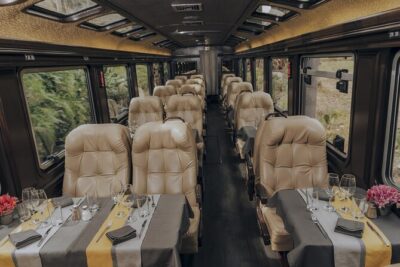
The First Class Machu Picchu Train by Inca Rail
Read our review →Browse the lists this tour appears in