
Reviewed · SACRED VALLEY TOURS
Sacred Valley – Pisac and Ollantaytambo day tour
Ollantaytambo is the day’s great payoff: huge Inca stones, steep terraces, and a living town that still follows an old Inca plan. Before that, you get alpacas and vicuñas, a broad Sacred Valley view from Taray, Pisac’s terraces and market, and a weaving demonstration. I like the small-group format and the option to finish at Ollantaytambo train station for Machu Picchu.
I also like that the guides can bring the past to life with Quechua culture, farming, architecture, and Inca engineering rather than giving only a memorized speech. Guides named Gary, Luis, Fabrizio, Michael, and Flor have all been praised for warmth and strong storytelling. The catch is the low advertised price does not automatically cover entrance fees or lunch, and some departures include optional shopping stops that may feel like a detour.
Key points to know before booking
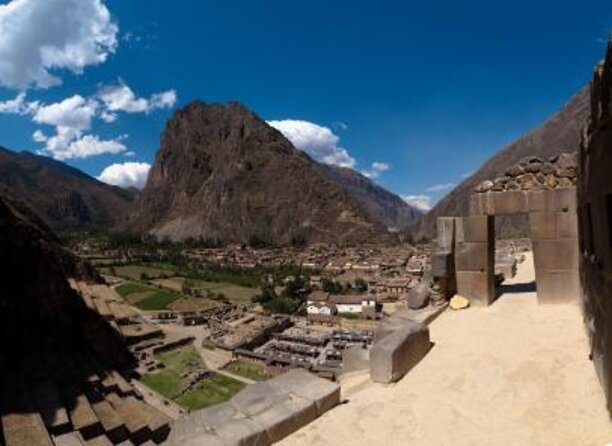
- Ollantaytambo can be your final stop or your train connection: You may end there around 3:00 or 4:00 p.m. for a train toward Aguas Calientes.
- Pisac combines ruins and a market: You get terraces and temples above the town, followed by time for handicrafts and local products.
- The animal rescue center is a family favorite: Alpacas, llamas, and vicuñas make this an easy first stop, especially with children.
- The tour is small but not private by default: The stated maximum is 15 people, with walking groups capped at 10.
- The $29 price is a starting point: Check your package carefully for admission tickets and buffet lunch.
- Expect a full day at altitude: The schedule runs roughly from 7:00 or 7:30 a.m. until 5:30 or 6:00 p.m.
Why this Sacred Valley route works well from Cusco
This is a useful first full day in the Cusco area because it gives you history, scenery, markets, animals, and a taste of Andean daily life without requiring a long trek. You ride from Cusco toward the Sacred Valley, passing the Inca sites of Saqsaywaman and Tambomachay on the way out.
The order matters. The animal center and Taray viewpoint ease you into the day, while Pisac gives you your first serious look at Inca construction. After lunch, Ollantaytambo supplies the strongest architectural finish.
I would allow about nine hours, though the exact return can shift with traffic and group choices. Pickup is offered from your Cusco hotel or Airbnb, and the vehicle returns to Cusco for those not continuing to Machu Picchu.
The small-group setup is one of the tour’s better features. The stated maximum is 15 people, while the walking tour is listed at a maximum of 10. A smaller party makes it easier to ask questions, keep track of the group on steep paths, and request a brief photo stop. Several guides have been praised for doing exactly that, especially Gary, Luis, Michael, and Fabrizio.
Other days through the Sacred Valley from Cusco:
- From Cusco: Moray, Maras Salt Mines & Chinchero Weavers Tour
★ 4.8 · 1,925 reviews - Cusco: Sacred Valley, Pisac, Ollantaytambo, Salt Mines Moray
★ 4.6 · 1,058 reviews - Cusco:Chinchero,Moray & Salt Mines drop-off in Ollantaytambo
★ 4.8 · 793 reviews
Alpacas and Andean animals at Manos de la Comunidad
The first scheduled stop is Manos de la Comunidad, an animal rescue center reached at about 8:00 a.m. You have roughly 30 minutes to see alpacas, llamas, and vicuñas up close. This is a gentle start after the early pickup, and it gives you an introduction to animals that are central to Andean life.
The stop works especially well for families. You may be able to feed or interact with the llamas, depending on the arrangements that day. The center also sells handmade goods connected with the local community.
You are not required to buy anything. Still, keep your expectations clear: this is both a rescue center and a community sales point. If you want only animal photos, you can stay in that area rather than browse the shop.
Taray viewpoint and the first Sacred Valley panorama
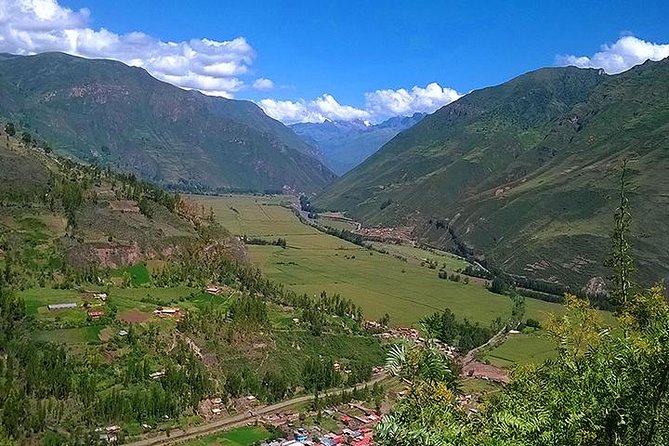
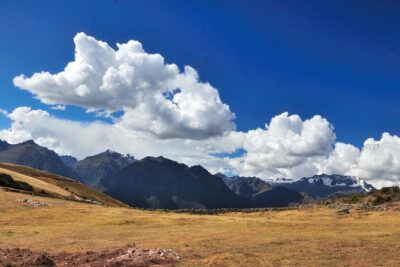
At about 8:50 a.m., the vehicle stops at Mirador Taray for around 15 minutes. This is the place for the wide valley photograph, with fields, villages, and Andean peaks spread below you.
The short stop is enough for pictures, but not for a long pause. Have your camera ready before you get out. The viewpoint also helps you understand the scale of the valley before you begin climbing around the ruins.
The road from Cusco descends toward the valley, so this is an early change in altitude and scenery. You are still on a busy schedule, but Taray gives you a useful visual introduction before the archaeological sites take over.
Pisac ruins: terraces, temples, and steep stone paths
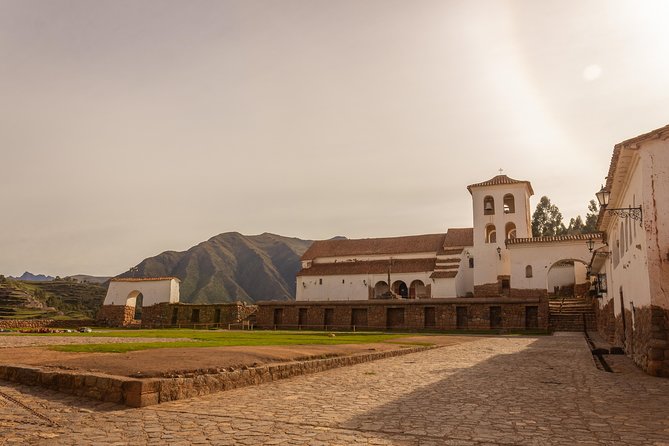
Pisac Archaeological Park is the first major Inca site, reached around 9:30 a.m. The route includes agricultural terraces, ceremonial structures, channels, carved stone, tunnels, caves, residences, and the Temple of the Sun.
Pisac is more than a collection of walls. Its terraces show how the Inca made productive use of steep mountain slopes, while the ceremonial area reveals the precision of their stonework. Your guide can add context about farming, religion, engineering, Quechua culture, and the later changes brought by Spanish rule.
Allow for a climb. One account describes Pisac as a tough ascent, and the path can be tiring when you are still adjusting to Cusco’s altitude. Good walking shoes matter, and you should keep water handy. The tour includes one bottle of water, but you may want more for the full day.
The scheduled archaeological visit is about 30 minutes, though actual time can vary with the group and the guide. That is enough for a guided introduction, but not enough to examine every terrace and corner at leisure. If you want a slow archaeological study, a private day with fewer stops may suit you better.
Admission is not included in the basic package. The exact ticket arrangements vary by option, and some packages include a broader Cusco tourist ticket. Confirm this before departure. One useful point is that Pisac and Ollantaytambo can be part of a larger ticket, but the tour itself does not take you to every site covered by that ticket.
Same base, a completely different day:
- Cusco: Humantay Lake Tour with Breakfast and Buffet Lunch
★ 4.9 · 2,976 reviews - From Cusco: Full-Day Group Tour of Machu Picchu
★ 4.7 · 1,767 reviews - Machu Picchu Day Trip from Cusco
★ 4.5 · 1,644 reviews - Cusco: Half-Day City Tour with Sacsayhuaman and Q’enco
★ 4.6 · 1,129 reviews
Pisac Market and local craft shopping
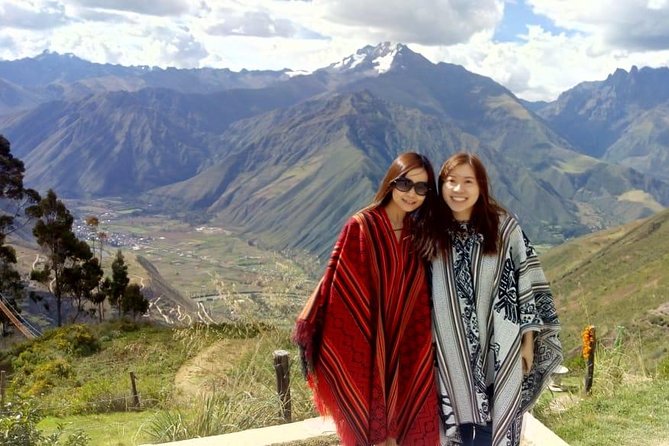
After the ruins, the group goes down to Pisac village, usually around 10:30 a.m. The market is a chance to see local handicrafts and buy souvenirs with your own money. You may find woven goods, pottery, jewelry, and other Andean products.
The market adds a human side to the day. You are no longer looking only at a vanished empire. You are seeing how Pisac presents its craft traditions now, in a town shaped by tourism but still tied to regional skills and materials.
There is a practical warning here. Some departures include a pottery, silver, or jewelry demonstration, and the animal center and weaving stop may also have products for sale. These stops can be interesting if you want to learn how items are made, but they can feel commercial if your priority is ruins and scenery.
You should feel free to say that you would rather spend time at the market or take photographs. The operator says shopping is optional, and small groups may have more room to adjust the schedule. Even so, ask your guide early how much time will go to shops, especially if you have a train to catch.
Urubamba lunch and the cost of the upgrade
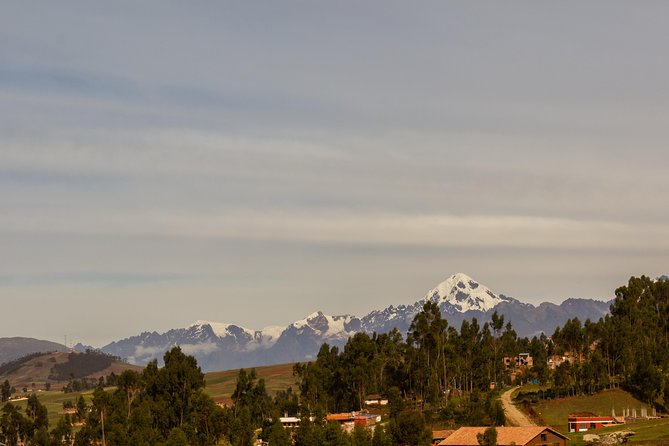
The drive from Pisac toward Urubamba takes about 40 minutes to one hour, depending on the schedule. Lunch is planned around noon and lasts about an hour.
The usual meal is an Andean buffet. It is not included in the basic $29 price, although an upgraded package may include lunch and entrance fees. The buffet has been described as costing about 60 soles for an adult and 45 soles for a child, or roughly $16 for an adult at the stated exchange estimate.
The restaurant location is important. These valley restaurants are not all grouped together, so you may not have a row of cheap alternatives nearby. If you skip the buffet, you may need to choose from the restaurant’s other dishes rather than simply walk to a different café.
This is where the package comparison matters. At first glance, an all-inclusive option sounds easy, but you should add up the actual entrance ticket and lunch prices before paying extra. One past complaint judged the upgraded package poor value because the added cost was higher than buying lunch and admission separately. The better choice depends on the current package price and the ticket you need.
If you are heading to Machu Picchu that afternoon, ask whether lunch can be shortened or skipped. Small groups have sometimes adjusted the meal stop to reach Ollantaytambo sooner, but do not count on that unless you agree with the guide in advance.
Ollantaytambo, the day’s strongest archaeological stop
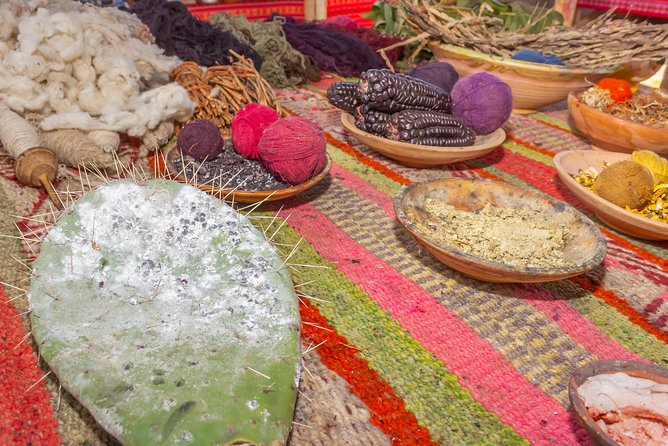
Ollantaytambo is scheduled for about 1:30 p.m., with roughly an hour at the archaeological park. For many people, this is the highlight.
The site combines a fortress, religious center, terraces, and a living town. Massive stones rise above the valley, and the climb gives you a close look at the Inca’s careful stone fitting and hillside planning. The terraces also make the site feel physical and demanding. You are not simply walking past ruins on flat ground.
The climb can be strenuous, especially after Pisac and lunch. One useful way to approach it is to go at your own pace and let the guide set a meeting point. The effort pays off in broad views over the town and the surrounding valley.
Ollantaytambo also matters because of its role in Inca resistance to the Spanish. A good guide can explain why this was a defensible place and how the settlement functioned as both a sacred and practical center. Guides such as Gary and Luis have been praised for adding architecture, philosophy, mathematics, and local traditions to the basic story.
Admission is not included in the basic tour. Keep soles available, and carry your passport, which is required on the day.
Finishing in Ollantaytambo for Machu Picchu
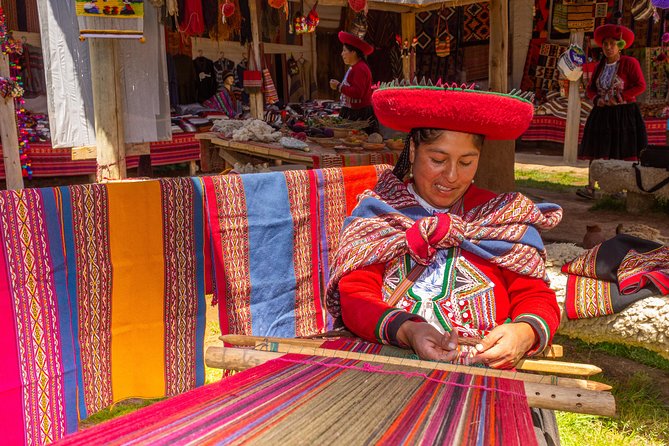
If you are continuing to Aguas Calientes, the tour can end at Ollantaytambo train station around 3:00 or 4:00 p.m. The stated train connection begins at 3:37 p.m. or later, so this option can save you the trip back to Cusco.
This is a major practical advantage. You can combine a Sacred Valley day with an evening arrival near Machu Picchu instead of returning to Cusco first. Still, leave a sensible margin for traffic, group delays, and the climb at Ollantaytambo. Confirm the exact drop-off time with the operator before booking your train.
For anyone returning to Cusco, the vehicle leaves after the Ollantaytambo visit and usually arrives around 5:30 or 6:00 p.m. That gives you the evening free, though you will likely be ready for a quiet meal and rest.
Keep every small item with you when leaving the vehicle. A rushed departure, especially in Cusco traffic or during Carnival, can make it hard to recover a hat, sweater, or other belongings later.
Guides, transport, and the value of $29
The strongest part of this tour is the guiding. Names vary by departure, but Gary, Luis, Fabrizio, Michael, Bernardo, Flor, and others have been praised for clear explanations and personal attention. The best guides do more than name an emperor or date. They connect Inca construction with farming, language, plants, religion, and modern Quechua life.
Transport, hotel pickup, hotel drop-off in Cusco, an English-speaking guide, a bottle of water, and the small-group walking tour are included. The price of $29 per person is attractive for a full day of transport and guiding.
The price is less simple once you add admission and food. Check three things before you pay:
- Which archaeological entrances are included
- Whether lunch is included
- Whether the package includes a broader tourist ticket than this route requires
This tour suits you if you want an efficient introduction to the Sacred Valley, prefer a guide to explain what you are seeing, and may continue to Machu Picchu from Ollantaytambo. It is less suited to you if you want long, quiet visits with no shopping or if you dislike a fixed group schedule.
Most people can take part, but you should be ready for altitude, stairs, steep paths, and a long day. The tour is recommended by 92 percent of its published customers and holds a 4.7 rating from 63 reviews, useful signs of generally reliable service, but the mixed comments about shopping and package value deserve attention.
Should you book this Sacred Valley tour?
Book it if you want the main sights in one organized day and value a guide who can explain the Inca world in detail. The animal center, Taray viewpoint, Pisac, market, Urubamba, and Ollantaytambo give you a broad first look at the region, while the train-station option is genuinely useful for a Machu Picchu route.
Before booking, compare the basic and upgraded prices line by line. Bring soles for tickets and extra food, ask about optional shopping stops, and confirm your Ollantaytambo drop-off if you have a train. With those details settled, this is a good-value introduction to the Sacred Valley, especially for a first full day in Cusco.
FAQ
How long does the Sacred Valley tour last?
The experience lasts about nine hours. Pickup begins around 7:00 or 7:30 a.m., and a return to Cusco is expected around 5:30 or 6:00 p.m.
Is hotel pickup included?
Yes. Pickup and drop-off are included for Cusco hotels or Airbnb accommodations.
What places does the tour visit?
The route includes an Andean animal rescue center, Taray viewpoint, Pisac Archaeological Park, Pisac Market, Urubamba for lunch, and Ollantaytambo Archaeological Park.
Are entrance fees included?
Entrance fees are not included in the basic option. Some upgraded packages may include admission, so check the exact option before booking.
Is lunch included?
Lunch is not included in the basic tour. An upgraded package may include a buffet lunch at Urubamba.
Can I finish the tour at Ollantaytambo train station?
Yes. You can request to end the tour at Ollantaytambo train station around 3:00 or 4:00 p.m. for a connection toward Aguas Calientes.
Can I take a train to Machu Picchu after the tour?
Yes. The tour allows you to continue from Ollantaytambo, with trains from about 3:37 p.m. onward stated as suitable for this option.
How many people are in the group?
The activity has a maximum of 15 people. The walking tour is listed with a maximum of 10 people.
Do I need my passport?
Yes. A current, valid passport is required on the day of travel.
Can I cancel for a full refund?
Yes, if you cancel at least 24 hours before the experience starts. Cancellations or changes made less than 24 hours before the start time are not refunded.
Just added around Cusco
- “Waqra Pucara, The Majestic Fortress Revealing Secrets of the Andes”.★ 3.5 · 8 reviews
- 1.5h Cusco Chocolate Workshop – Truffles & Hot Chocolate★ 4.3 · 8 reviews
- Cusco: Chocolate Workshop with the Best Local Organic Cacao★ 4.5 · 23 reviews
- Cusco: Bean to bar chocolate workshop★ 5.0 · 3 reviews
- Cusco: Pub Crawl with Skip-the-Line Access and Drinks★ 4.6 · 57 reviews
- Horseback Tour in cusco to Temple of the Moon & Hidden temples★ 5.0 · 54 reviews
- 2-Day Tour in Sacred Valley and Machu Picchu from Cusco★ 5.0 · 59 reviews
- Sacsayhuaman Temple, Tambomachay and Puca Pucara Half-Day Tour★ 4.5 · 59 reviews
Sacred Valley Tours, compared.
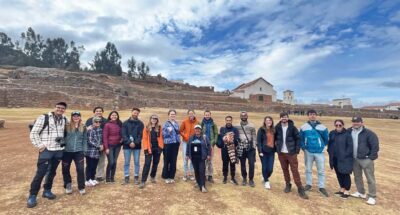
Sacred Valley & Maras Salt Mines Tour with Lunch
Read our review →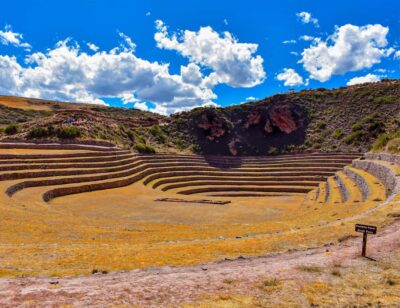
Moray, Maras Salt Mines & Chinchero Weavers Tour
Read our review →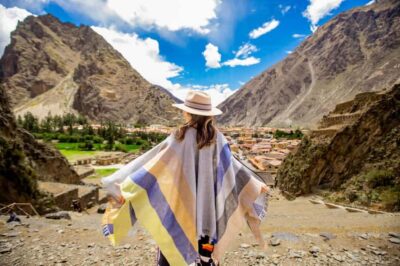
Sacred Valley, Pisac, Ollantaytambo, Salt Mines Moray
Read our review →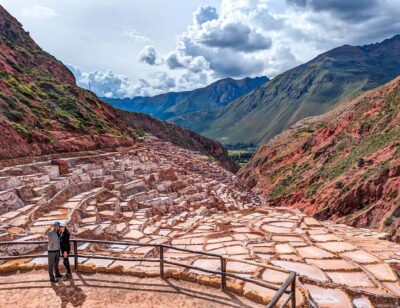
Chinchero,Moray & Salt Mines drop-off in Ollantaytambo
Read our review →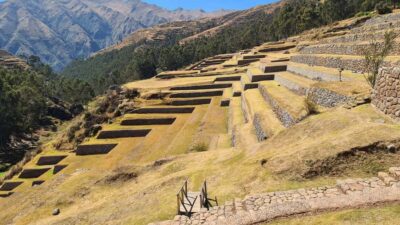

Pisac Indian Market and Ollantaytambo Fortress with Lunch
Read our review →
Browse the lists this tour appears in