
Reviewed · LAKE TITICACA & UROS ISLANDS
Puno: Chucuito, Aramu Muru, and Juli Day Trip
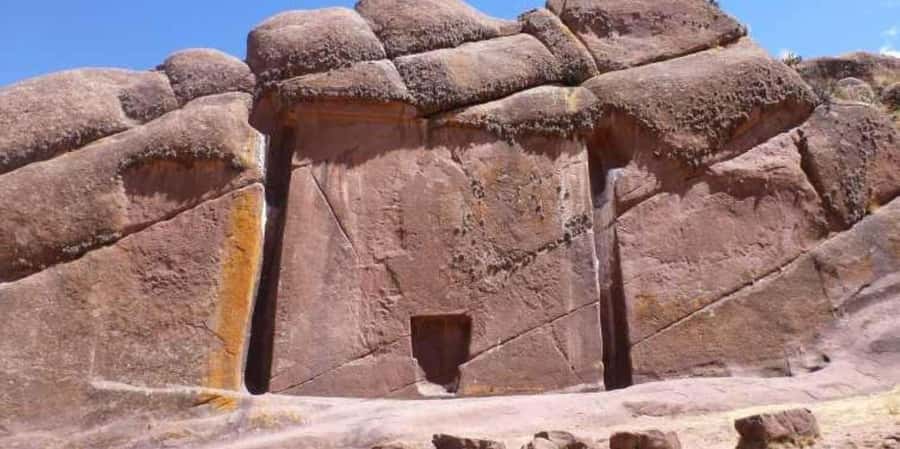
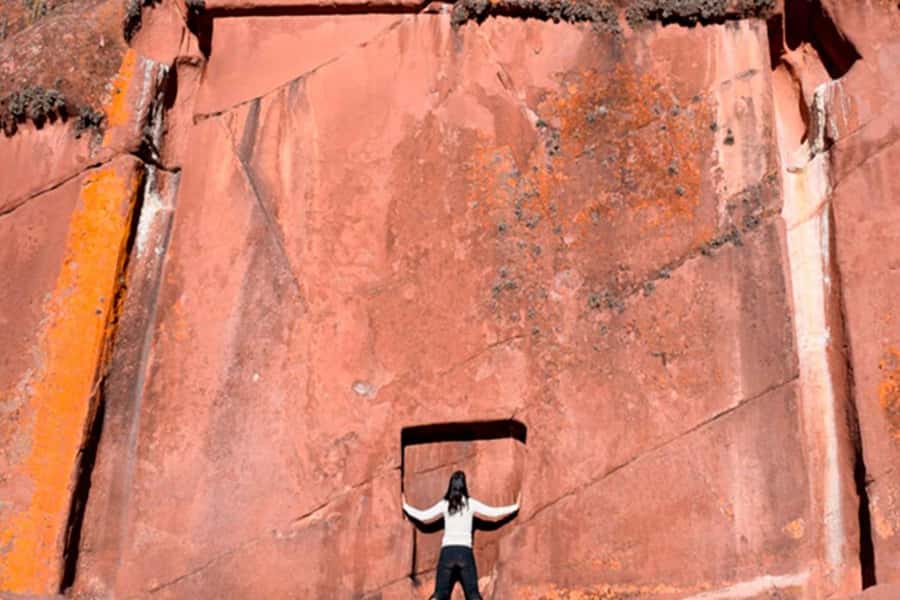
Aramu Muru is the star here: a strange, carefully cut stone portal tied to legends of gods returning to Earth. But this full-day trip also gives you a useful look at the Puno region beyond the lakeside city, from Chucuito’s hillside views to Juli’s painted colonial churches.
I like the mix of archaeology and living culture, especially the Waru Waru Andinos, an old farming system designed to protect crops from frost. I also like the small group limit of 15 and the chance to hear serious architectural detail from guides such as Pablo. The main drawback is time: nine hours covers a lot, and some stops may feel rushed, particularly Aramu Muru or Juli.
Key details before you book
- Aramu Muru is more than a photo stop: You hear the legends surrounding its stone doorway and have time for photographs, though the visit may compete with a walk to the viewpoint or a spiritual ceremony.
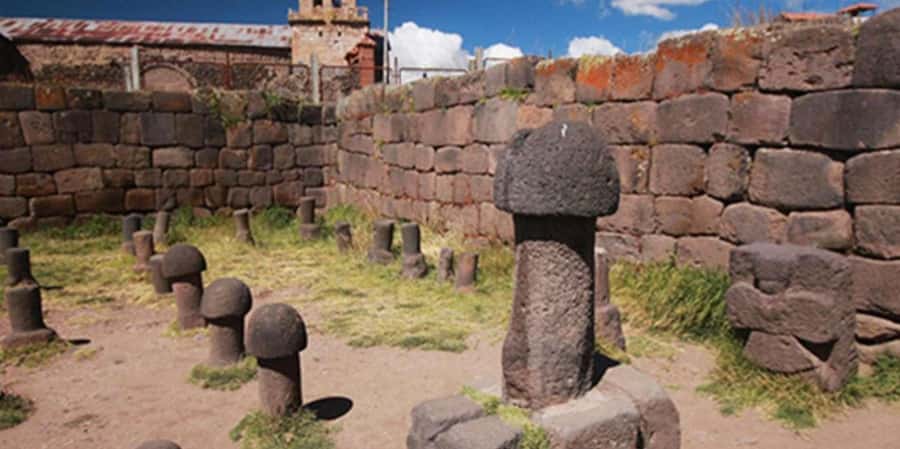
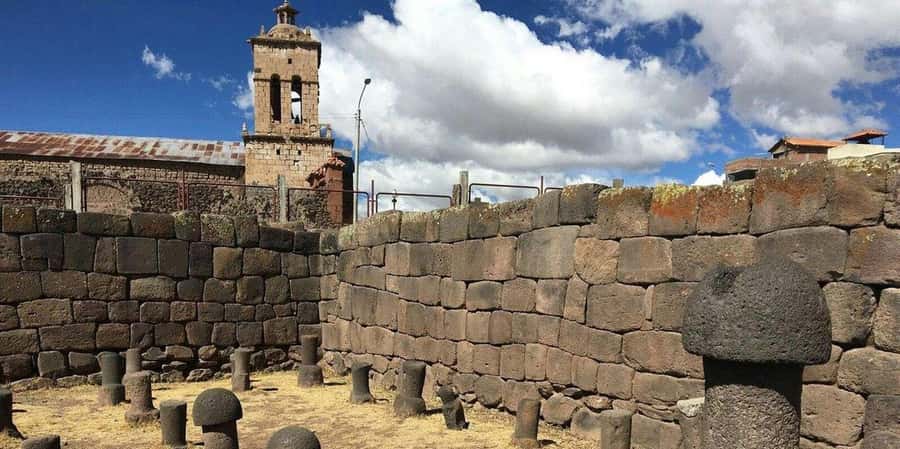
- Chucuito adds a high viewpoint over Lake Titicaca: The town combines scenery with the Temple of Fertility and local archaeological context.
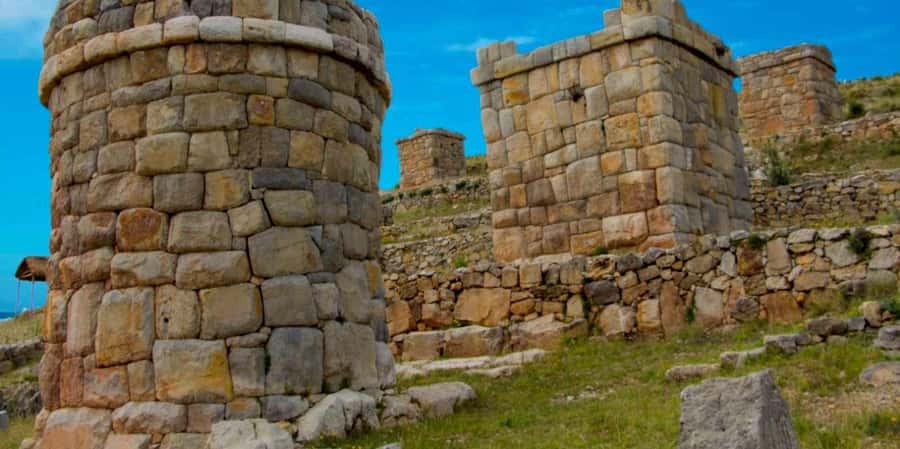
- Molloco’s chullpas are pre-Columbian funerary towers: This is a quieter archaeological stop than the better-known sites around Puno.
- Waru Waru fields show practical ancient farming: The raised fields created a warmer microclimate and helped guard crops against frost.
- Juli earns its Rome of Latin America nickname through its churches: San Pedro, San Juan de Letrán, and Santo Domingo contain large paintings linked to Cusco artists.
- The $40 price is convenient, but not all-inclusive: Entrance fees, lunch, and other personal costs are extra.
Why this day trip is worth your time
Puno is often treated as a launch point for Lake Titicaca, but the region around it has plenty to offer on dry land. This excursion links several places that are difficult to combine by public transport in one day. You move from an Inca-era farming tradition to funerary towers, a legendary stone portal, and Spanish colonial churches.
That range is the tour’s biggest strength. You are not spending nine hours looking at one type of ruin. Instead, the day shows how different peoples adapted to the high-altitude setting, honored the dead, grew food, and later built churches over older sacred ground.
The tour costs $40 per person, which is reasonable if you value hotel pickup, a guide, and transport between scattered sites. It is less attractive if you are comfortable arranging a local agency yourself. One price comparison put a local booking at nearly half the cost. The convenience of booking ahead and paying later has value, but you should still budget for entrance fees and lunch.
Pickup is available from any hotel in Puno, with Plaza Mayor de Puno also listed as a pickup and drop-off point. The group is limited to 15 people, a useful middle ground. You get more personal attention than on a large coach, but you should not expect a private tour.
Other days on Lake Titicaca from Puno:
- From Puno: Uros, Amantaní & Taquile Islands 2-Day Tour
★ 4.5 · 452 reviews - From Puno: Floating Islands of the Uros Half-Day Tour
★ 4.4 · 394 reviews - Lake Titicaca 2-Day Tour to Uros, Amantani and Taquile
★ 4.4 · 199 reviews
Leaving Puno for Chucuito
The day begins with pickup from your hotel lobby. You should be ready at least 10 minutes before the scheduled time, since several hotel pickups can make the start of the route less predictable.
The drive from Puno toward the first sites takes about 30 minutes by van. Chucuito sits on a hill above Lake Titicaca, so the setting gives you an early change of pace from the city. Bring a camera, but also bring warm layers. Puno’s high elevation can make a sunny morning feel cold, and the wind can change the mood quickly.
Chucuito is not only a scenic overlook. The town has archaeological importance, and the guide introduces that background before taking you to the Temple of Fertility. This is a good place to listen closely, since the meaning of the site is more interesting when you understand how local beliefs and later interpretations have shaped its reputation.
The visit is not designed as a long independent wander. You will learn from the guide, take photographs, and then move on. Comfortable shoes help because the day involves several visits where surfaces may be uneven.
The Temple of Fertility and Chucuito’s older traditions
The Temple of Fertility is one of the more unusual stops on the route. Its subject matter makes it memorable, but the real value is the chance to discuss how fertility, agriculture, and ritual fit into life around Lake Titicaca.
I would treat this as a site where explanation matters more than grand architecture. Without context, you may take a few photographs and leave with little sense of what you saw. A good guide can connect the temple to the region’s older customs and its archaeological setting.
The tour is conducted in English or Spanish. This matters because the day contains a large amount of spoken explanation. One English-speaking participant found some of the history hard to follow, so ask your guide to slow down or repeat a point if needed. Guides such as Pablo have been praised for explaining Inca architecture and identifying written sources behind the information.
Molloco’s chullpas and the Waru Waru fields
The Chullpas of Molloco are pre-Columbian funerary towers. They offer a different kind of encounter from the Temple of Fertility, shifting the focus from ritual fertility to death and remembrance.
These towers are worth seeing with a guide because their form can be easy to misread. The stop gives you a chance to ask how funerary structures fit into the wider cultures of the high plains. It also breaks up the journey with a site that feels quieter and less polished than major tourist attractions.
Next comes the Waru Waru Andinos. These are ancient raised fields and channels designed to create a small, warmer growing zone around crops. Water and earth helped reduce the effect of frost, a clever response to the difficult conditions of the altiplano.
This is one of my favorite parts of the day because it shows practical skill rather than only monumental building. The system explains how people worked with the climate instead of simply enduring it. If you prefer archaeology that tells you how ordinary life functioned, pay attention here.
Other single-day trips around Puno:
- From Puno: Sun Island and Copacabana 1-Day Tour
★ 4.4 · 8 reviews - Day Trip to Uros Floating Islands and Amantani Island
★ 3.9 · 8 reviews - Machu Picchu Day Trip from Cusco
★ 4.5 · 1,644 reviews - From Lima: Day trip to Paracas, Ica and Oasis Huacachina
★ 4.6 · 409 reviews
Aramu Muru, the Gate of the Gods
Aramu Muru is the most talked-about stop, and also the one most likely to create different expectations. The site is known as the Gate of the Gods, a name tied to an ancient legend that deities will one day enter the world through the portal.
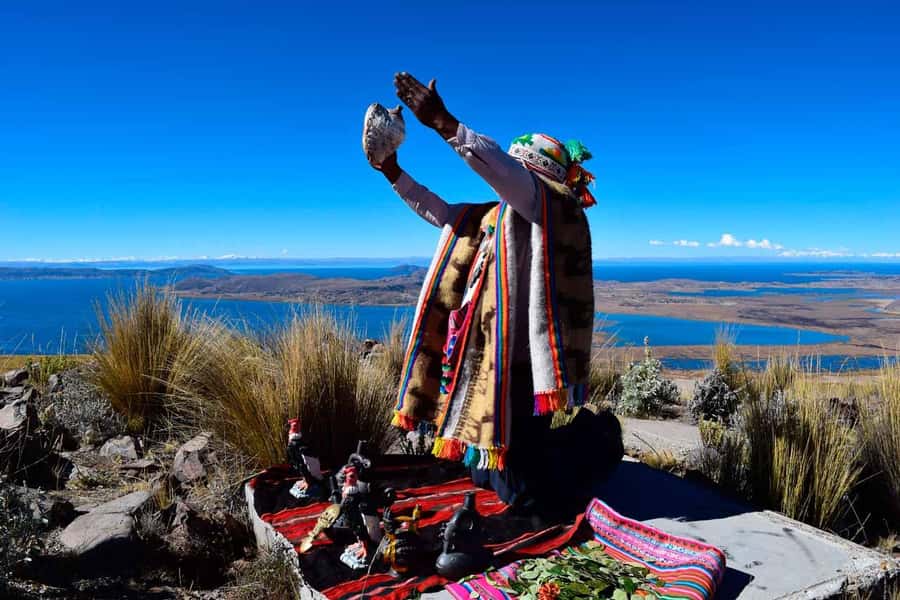
The stone opening is mysterious enough without adding too much drama. You can examine the cut surface, hear the stories surrounding it, and take photographs. The setting also offers a view reached by walking, but time may force a choice between heading to that viewpoint and taking part in a shaman ceremony.
That tradeoff is important. If you want the widest view, tell the guide early. If the spiritual side of the site interests you, you may prefer the ceremony. The schedule may not allow you to do both comfortably, so do not assume Aramu Muru is an unlimited free-time stop.
I would also keep an open mind about the legends. The tour presents the spiritual interpretation as part of the site’s identity, but you can appreciate the stonework and the surrounding setting without treating every story as literal fact. That balance makes the visit more enjoyable.
Some people will wish for more time here. The route covers several locations, and Aramu Muru receives attention within a much larger day. If this portal is your main reason for booking, a private visit or a slower custom outing could suit you better.
Juli, the Rome of Latin America
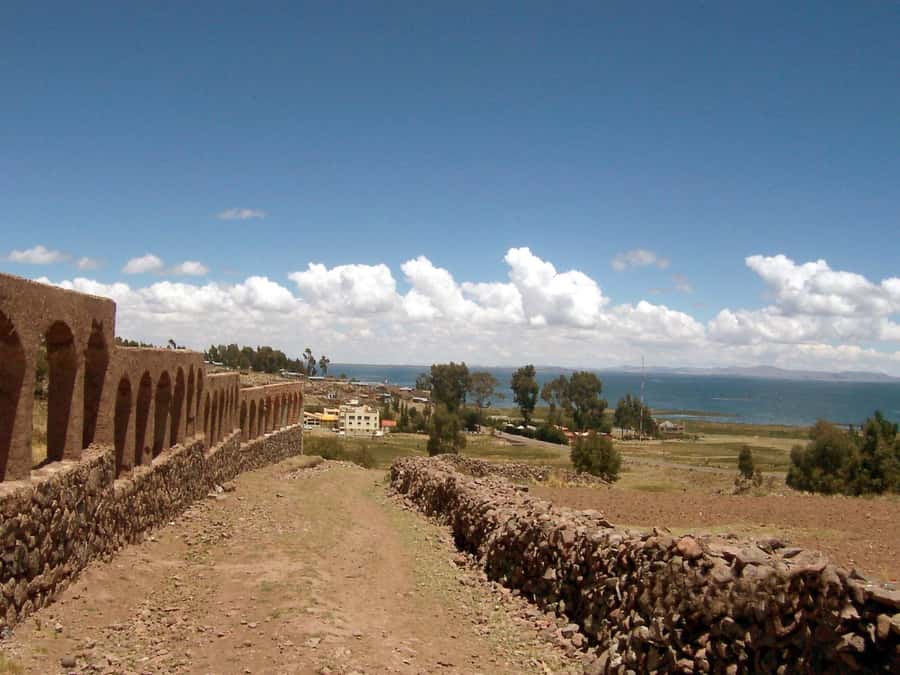
Juli is the final major stop and gives the day a strong architectural finish. The town is called the Rome of Latin America because of its collection of historic churches, not because it resembles the Italian capital in scale.
You visit the Church of San Pedro, San Juan de Letrán, and Santo Domingo. The interiors contain large paintings associated with artists from Cusco. These works help show how Spanish religious art was used in the Andes, and the churches give you a chance to compare styles from one building to the next.
I recommend taking time to look at the paintings rather than treating the churches as quick photo stops. Ask which works came from Cusco artists, how they were used in teaching religious ideas, and what local details appear in the scenes. A guide can make the difference between a pleasant church visit and a useful lesson in colonial art.
Juli also gives you a taste of a smaller Peruvian town away from Puno’s tourist center. The pace can feel more local, though the amount of time available depends on the group and the day’s traffic. One practical criticism of the lunch portion is that some departures have used a beach-side stop where street food was the main option, leaving less time in town than expected. Since meals are not included, ask your guide what lunch arrangement applies that day.
Lunch, transport, and the pace of the day
Lunch is taken at a local restaurant in Juli according to the planned route, but food is not included in the $40 price. Carry some cash for the meal, entrance fees, drinks, and small extra costs. One useful complaint raised about the tour was that entry prices were not clearly included in the planning information, and some people did not have the right change.
The van rides are short in the basic route outline, but the whole day runs about nine hours once visits, meals, and transfers are counted. The schedule is full. You will see a lot, but this is not the right outing if you want long, unhurried periods at every site.
There is a good side to that pace. You can cover Chucuito, Molloco, Waru Waru, Aramu Muru, and Juli without having to organize several separate rides. The downside is that a delayed pickup or a long lunch can reduce time at the later stops.
The small group limit of 15 helps. It should make it easier to hear the guide and ask questions, though the vehicle will still have a group-tour feel. Some guides also use a drone for views and photographs, but this should not be treated as guaranteed on every departure.
What to bring for the high plains
Wear comfortable shoes, since you will walk around archaeological areas, church grounds, and uneven outdoor surfaces. Warm clothing is essential, even if the forecast looks sunny.
Pack sunscreen and water. The combination of altitude, sun, wind, and a long day outside can leave you tired before the final church visit. A camera is allowed for personal use, and Aramu Muru in particular is a worthwhile place to photograph.
Smoking is not allowed during the activity. The tour is not suitable for wheelchair users, so anyone with mobility concerns should check the route carefully before booking.
The guides speak English or Spanish. If you choose English, listen for the main explanations at each stop and ask for clarification when needed. Architectural terms and historical names can come quickly, especially during the Juli church visits.
Who should book this Puno excursion?
I would choose this tour if you want a broad introduction to the Puno region and prefer a guide to handle the route. It suits people who enjoy archaeology, local legends, church art, and farming traditions in the same day.
It is also a good fit if you are staying in Puno and want more than a standard Lake Titicaca outing. The day gives you a look at inland sites that are harder to reach without hired transport.
I would hesitate if your main goal is a long spiritual experience at Aramu Muru, extended time in Juli, or a relaxed lunch. The schedule has many stops, and some people will find the day too compressed. I would also compare the $40 price with a local agency if saving money matters more than advance booking and hotel pickup.
Should you book it?
Book this day trip if you want variety, a small group, and a guide who can explain Andean architecture and archaeology in detail. The strongest parts are the combination of Waru Waru farming technology, Molloco’s chullpas, Aramu Muru’s unusual portal, and Juli’s churches.
Skip it if you want to linger at one site or avoid extra entrance costs and an unplanned lunch arrangement. For most visitors with only a few days in Puno, though, this is a useful and unusual day outside the city, especially if you arrive prepared for cold weather, a full schedule, and a little flexibility.
FAQ
How long does the tour last?
The activity lasts about nine hours, including transport, site visits, lunch, and the return to Puno.
Where does pickup take place?
Pickup is included from any hotel in Puno. Plaza Mayor de Puno is also listed as a pickup location.
Is hotel drop-off included?
Yes. Drop-off is included, with Puno and Plaza Mayor de Puno listed as drop-off points.
Which languages are available?
The live guide is available in English or Spanish.
How large is the group?
This is a small-group tour limited to 15 participants.
Is lunch included in the price?
No. Meals are not included, so you should budget separately for lunch and drinks.
Are entrance fees included?
No. Entrance fees are extra, along with other personal expenses.
What should I bring?
Bring comfortable shoes, warm clothing, sunscreen, water, and a camera.
Is the tour suitable for wheelchair users?
No. The activity is not suitable for wheelchair users.
Just added around Puno
- Puno: History and Culture Walking Tour★ 4.1 · 13 reviews
- Puno: Uros and Taquile Islands Full-Day Tour with Lunch★ 4.5 · 17 reviews
- Puno: Lake Titicaca, Uros, and Taquile Full-Day Tour★ 4.5 · 4 reviews
- Puno: Two-day excursion to Uros, Amantani and Taquile★ 4.2 · 3 reviews
- Puno: Lake Titicaca Day Tour★ 4.5 · 17 reviews
- Puno: 2 Day Visit to Uros, Amantani and Taquile★ 4.5 · 13 reviews
- LAKE TITICACA 2-DAY EXCURSION: UROS AMANTANI AND TAQUILE + 3 MEALS★ 4.6 · 18 reviews
- Full Day Tour to Titicaca Lake in Puno: Uros and Amantani★ 4.1 · 29 reviews
Lake Titicaca & Uros Islands, compared.

2-Day Tour Colca Canyon in Arequipa with end in Puno
Read our review →
Lake Titicaca 2-Day Tour to Uros, Amantani and Taquile
Read our review →
Full-Day Route of the Sun Tour to Cusco with Lunch
Read our review →
Scenic Route of the Sun to Puno with Buffet Lunch
Read our review →
Browse the lists this tour appears in