
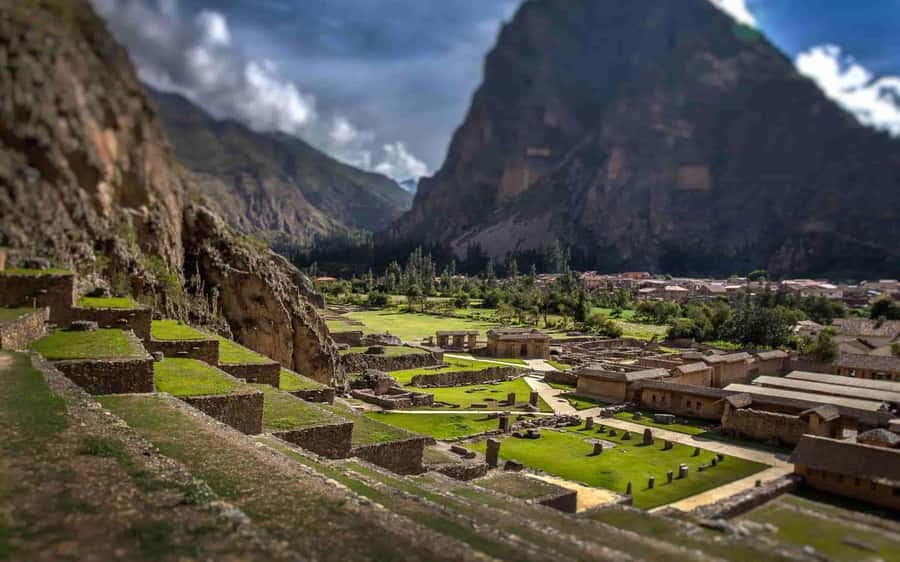
Reviewed · SACRED VALLEY TOURS
From Cusco: Maras and Moray and Ollantaytambo Tour
Moray’s great circular terraces are the star of this six-hour trip. They look like an ancient amphitheater carved into the earth, but their real purpose was agricultural testing. I like that the tour pairs this unusual Inca site with Maras’s working salt pools, then continues to Ollantaytambo rather than sending you straight back to Cusco.
I also like the private vehicle and flexible drop-off, especially if you are catching a train or spending the night in the Sacred Valley. The main catch is that the $144 price does not include admission to the ruins, and the full day involves uneven ground and walking, so it is not a good fit for anyone with mobility problems.
Key points at a glance
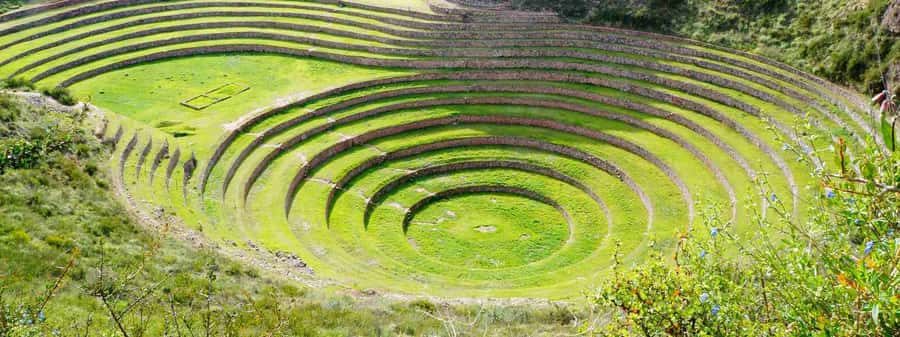
- Moray’s circular terraces: See one of the Inca world’s most unusual agricultural sites and learn about its irrigation system.
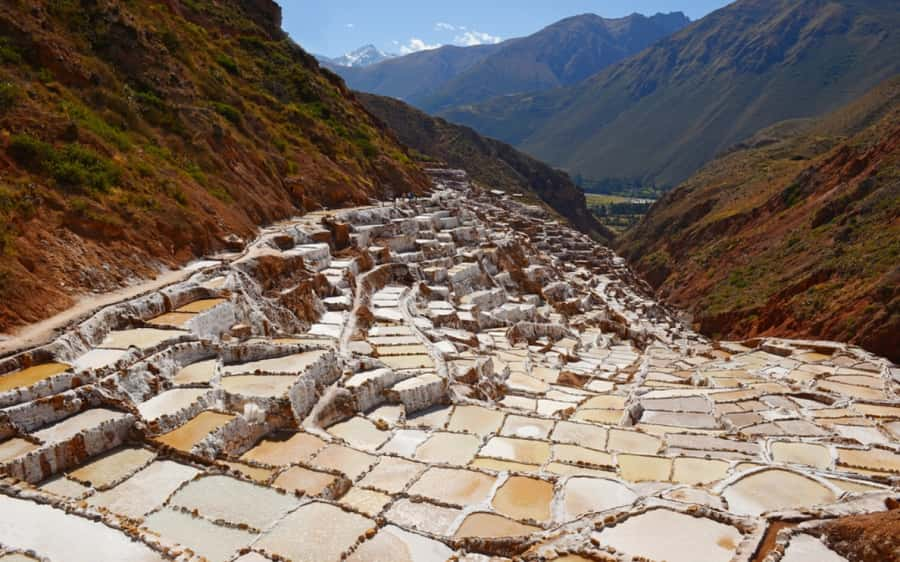
- More than 3,000 salt pools: Visit Salineras, a working salt evaporation complex near Maras.
- Private transport from Cusco: Travel with your own English- or Spanish-speaking guide rather than a large shared group.
- Useful Sacred Valley finish: End at your Cusco hotel or at a hotel or train station in Ollantaytambo.
- Extra ruin admission: Budget S/70 per person for entrance to the archaeological sites.
- Best for active sightseers: Expect a busy six-hour outing with walking, steps, and uneven surfaces.
Why Moray is the day’s most surprising stop
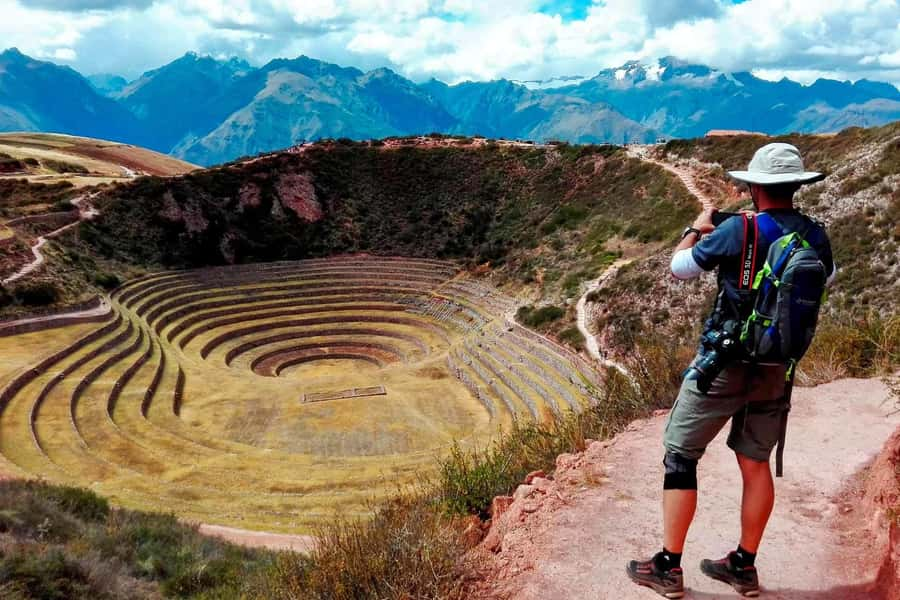
Moray is not a typical Inca fortress or temple. Its huge circular terraces drop into a natural hollow, forming rings that look almost too neat to be practical. From above, the design is easy to grasp: each terrace curves around the next, creating a striking pattern in the ground.
Your guide explains how the Incas used the terraces as agricultural laboratories. The site’s structure, together with its complex irrigation system, allowed the Incas to study growing conditions at different levels. You do not need a technical background to appreciate the idea. The point is simple and memorable: this was a place for testing crops, not just displaying power.
I like Moray because it gives you a different view of Inca achievement. At many Andean ruins, the focus is on stonework, religion, or military control. Here, the story is about food production and planning. That makes the visit especially useful if you want to understand how the Inca state supported its people.
The guided visit is scheduled for about 40 minutes. That is enough time to see the terraces, hear the main explanation, and take in the site without turning the morning into a long archaeological lecture. You will want practical shoes, since the experience includes walking around an outdoor ruin rather than simply viewing it from a vehicle.
Other days through the Sacred Valley from Cusco:
- From Cusco: Moray, Maras Salt Mines & Chinchero Weavers Tour
★ 4.8 · 1,925 reviews - Cusco: Sacred Valley, Pisac, Ollantaytambo, Salt Mines Moray
★ 4.6 · 1,058 reviews - Cusco:Chinchero,Moray & Salt Mines drop-off in Ollantaytambo
★ 4.8 · 793 reviews
Maras and the salt pools that still work today
Near the colonial village of Maras, the Salineras salt mine spreads across the hillside in a dense patchwork of small evaporation pools. More than 3,000 pools make up the complex. Each one catches mineral-rich water, which evaporates and leaves salt behind.
The scale is what makes this stop memorable. From a viewpoint, the pools form a bright, geometric sweep across the slope. Their appearance can change with the light and conditions, but the key fact remains constant: this is not only an archaeological curiosity. The salt works are still in use.
That working quality gives the visit more weight than a simple photo stop. You are seeing a traditional production site that remains part of local life. The tour lets you connect the older Inca world with a present-day activity rather than treating the Sacred Valley as an open-air museum.
The guided visit at Maras lasts about 40 minutes. That is fairly brisk, so listen closely during the explanation and allow time for photographs without losing track of the group. Bring cash, as it is specifically listed among the recommended items, and keep your footing in mind around the salt works.
Maras itself is described as a colonial village, while the salt pools lie nearby. The combination gives the stop two layers: a settled Andean town and a long-running salt operation outside it. You will not spend hours wandering through the village, so this tour suits you best if your main interest is the salt complex and the broader Sacred Valley route.
Ollantaytambo gives the afternoon a grand finish
The drive toward Ollantaytambo follows the Urubamba River. The route links the day’s smaller, specialized sites with one of the Sacred Valley’s major Inca centers. Ollantaytambo was an important area of Inca construction, built during the height of the empire.
The guided visit here lasts about one hour, longer than the scheduled stops at Moray and Maras. That extra time matters. Ollantaytambo has more to explain, with large stone construction and a broader sense of planning than the agricultural terraces or salt pools.
You can expect the guide to focus on the importance of the ruins and the Inca building program. The site is not simply a final photograph before lunch. It is the trip’s clearest look at large-scale Inca construction, after Moray has shown you farming technology and Maras has shown you salt production.
The biggest practical benefit comes at the end. You can be dropped at your Cusco hotel, or at a hotel or train station in Ollantaytambo. If you are continuing through the Sacred Valley, that option can save you a separate transfer and make the $144 price easier to justify.
One detail needs checking before you book: the tour information gives both Cusco and Ollantaytambo as possible drop-off points, while the general route description emphasizes finishing in Ollantaytambo. Confirm your preferred destination when arranging the trip, especially if you have a train to catch.
What a private six-hour schedule feels like
Pickup is from your hotel in Cusco in the morning. From there, private transportation carries you between the three main stops, with a guide who speaks English or Spanish. Since the group is private, you can ask for explanations suited to your interests and make your questions part of the visit.
A six-hour tour is efficient but not leisurely. You will see three important places in one outing, but you will not have unlimited time at any of them. The roughly 40-minute visits at Moray and Maras keep the schedule moving, while the one-hour Ollantaytambo visit gives you the longest look at the ruins.
This format works well if you have limited time in Cusco or want to connect Cusco with the Sacred Valley. It is also useful before a train departure from Ollantaytambo, provided the timing of your train and the tour’s actual pickup schedule line up.
The private format is one of the strongest parts of the deal. A shared bus can be cheaper, but private transport gives you a simpler day and a more direct route. It also avoids spending the sightseeing hours waiting for a large group to regroup.
Still, do not mistake private for slow-paced. The day covers several sites, and the walking portions are not designed around mobility limitations. Warm clothes and hiking shoes are sensible choices, even if you do not plan a serious hike.
Same base, a completely different day:
- Cusco: Humantay Lake Tour with Breakfast and Buffet Lunch
★ 4.9 · 2,976 reviews - From Cusco: Full-Day Group Tour of Machu Picchu
★ 4.7 · 1,767 reviews - Machu Picchu Day Trip from Cusco
★ 4.5 · 1,644 reviews - Cusco: Half-Day City Tour with Sacsayhuaman and Q’enco
★ 4.6 · 1,129 reviews
The real cost: $144 plus S/70 for the ruins

At $144 per person, this is not the cheapest way to see Moray, Maras, and Ollantaytambo. The price includes hotel pickup in Cusco, private transportation, a private English- or Spanish-speaking guide, the salt mine entrance fee, and drop-off at a hotel or train station in Ollantaytambo.
The important extra is ruin admission. Entrance to the ruins is not included and costs S/70 per person. That fee is associated with the Tourist Ticket, so add it to your budget rather than treating the advertised price as the final cost.
I think the price can make sense for couples, families, or small private groups that value a dedicated vehicle and a direct route. It is particularly attractive if you will finish in Ollantaytambo, because the drop-off can replace another transportation booking.
The value is weaker if you only want one or two of the stops, or if you are comfortable using shared transport and arranging admission yourself. In that case, a private six-hour tour may offer more convenience than you need.
The salt entrance being included helps balance the extra ruin charge. Before departure, ask the operator to confirm exactly which ruin admissions are covered by your S/70 payment and where you will finish. Clear answers are important when your afternoon depends on a train.
A guide can shape the day
The guide is available in English or Spanish, and the private setup gives you room to request the pace and level of explanation you prefer. I would ask the guide to connect the three sites rather than treating them as unrelated photo stops.
Moray shows practical crop planning. Maras shows salt production that continues today. Ollantaytambo shows large-scale construction and imperial ambition. Taken together, they give you a more rounded look at Inca society than a single fortress visit would.
One verified booking described the guide as very good and adaptable to the group’s wishes, with the day running smoothly. That is a useful quality to look for here. The exact guide’s name is not provided, but flexibility matters more than a scripted speech on a route with short visits.
You should still be direct about your needs. Tell the guide if you want more time for photographs, a shorter explanation, or extra attention to irrigation, agriculture, salt making, or construction. A private tour is most valuable when you use that freedom.
What to bring for Moray, Maras, and Ollantaytambo

Pack warm clothing. Cusco and the Sacred Valley can feel cool, and the tour is outdoors for much of the day. The advice is practical rather than decorative: you will be visiting open archaeological sites and a hillside salt complex.
Wear hiking shoes or other sturdy footwear. The tour is not suitable for people with mobility impairments, and you should expect uneven walking surfaces at the ruins. Even a short visit can be uncomfortable in soft shoes.
Bring cash as well. The tour information specifically recommends it, and you will need to account for the S/70 ruin entrance fee. Meals are not included, so plan for food separately, although the supplied details do not specify where or when a meal stop occurs.
You should also bring a phone or camera, but do not let photos crowd out the explanations. Moray’s terraces, Maras’s repeating salt pools, and Ollantaytambo’s stonework each tell a different part of the day’s story.
Who should book this tour?
I would recommend it to you if you want to see several major Sacred Valley sights in one private outing and prefer a guide over independent planning. It is a good match for first-time visitors who want Moray and Maras but also want the larger Inca site at Ollantaytambo.
It also suits anyone moving onward from Cusco to Ollantaytambo. The possible drop-off at a hotel or train station can be a major convenience, particularly if you are building a tight Peru itinerary.
You may want another option if you have limited walking ability, want a slow day, or care mainly about one site. The six-hour schedule is practical, but it is still a full sightseeing block with three stops and no included meal.
The experience received a 5 out of 5 rating from three bookings, and the clearest praise concerns a guide who adapted to the group’s wishes and kept the day running well. That is encouraging, though the small number of ratings means you should judge the tour mainly by its route, private format, and included services.
Should you book this Cusco tour?
Book it if you value convenience, private transport, and a well-packed route that joins Moray, Maras, and Ollantaytambo. The best reason is not simply the number of stops. It is the contrast between Inca agriculture, working salt production, and monumental construction.
At $144 per person, plus S/70 for ruin admission, the tour asks you to pay for a smoother day rather than the lowest possible fare. I think it is worthwhile when the Ollantaytambo drop-off saves you a separate transfer.
Before paying, confirm the pickup time, the final drop-off point, and how your train schedule fits the six-hour plan. If those details work and you are comfortable walking on uneven ground, this is a focused and useful way to see three distinctive sides of the Cusco Region.
FAQ
How long does the tour last?
The tour lasts six hours, with morning pickup in Cusco and afternoon drop-off in Cusco or Ollantaytambo.
Is hotel pickup included?
Yes. Pickup from your hotel in Cusco is included.
Can I be dropped at Ollantaytambo?
Yes. Drop-off is available at a hotel or train station in Ollantaytambo. The information also gives Cusco as a possible drop-off point, so confirm your preferred destination.
Is admission to the ruins included?
No. Entrance to the ruins costs S/70 per person and is associated with the Tourist Ticket. The salt mine entrance fee is included.
Is the tour private?
Yes. The tour uses private transportation and a private guide. Guiding is available in English or Spanish.
What should I bring?
Bring warm clothing, hiking shoes, and cash. Meals are not included, and the tour is not suitable for people with mobility impairments.
Just added around Cusco
- Zipline over the Sacred Valley Trip★ 5.0 · 11 reviews
- Waqrapukara 1 day trekking + meals★ 3.9 · 3 reviews
- Visit Pisac from Cusco: Private Transport★ 4.6 · 9 reviews
- Valle Sur Cusco | half day★ 4.3 · 3 reviews
- Trek to Humantay Lake from Cusco★ 4.9 · 8 reviews
- Trek to Choquequirao 4 days★ 3.8 · 4 reviews
- rainbow mountain full day★ 5.0 · 44 reviews
- Machu picchu one day by train all included★ 4.5 · 53 reviews
Sacred Valley Tours, compared.
Sacred Valley & Maras Salt Mines Tour with Lunch
Read our review →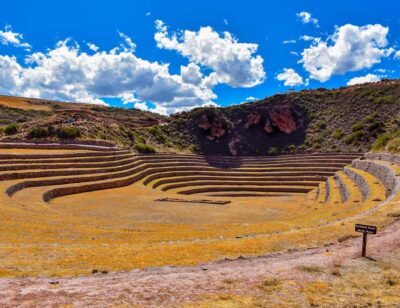
Moray, Maras Salt Mines & Chinchero Weavers Tour
Read our review →
Sacred Valley, Pisac, Ollantaytambo, Salt Mines Moray
Read our review →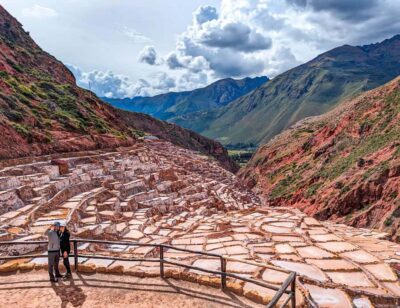
Chinchero,Moray & Salt Mines drop-off in Ollantaytambo
Read our review →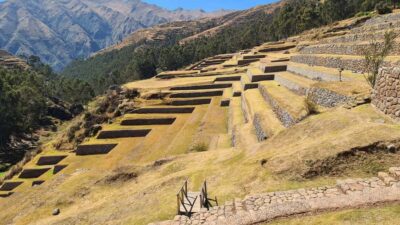

Pisac Indian Market and Ollantaytambo Fortress with Lunch
Read our review →
Browse the lists this tour appears in