
Reviewed · LAKE TITICACA & UROS ISLANDS
Day Trip, Sun Route Circuit between Cusco and Puno
The most memorable part of this journey is the way the high Andes unfold one stop at a time. You begin with a richly decorated colonial church, move to the remains of an Inca-era sanctuary, cross a 14,100-foot pass, and finish with the early cultures of the Andean highlands.
I like the variety of the stops and the fact that lunch and entrance fees are included in the $89 price. I also like that the route turns a long transfer between Cusco and Puno into a full day of sightseeing. The main drawback is the early start and long bus day, with about 10 hours on the road.
Key points to know
- Four distinct stops: See Andahuaylillas, Raqchi, Abra La Raya, and Pukara rather than spending the whole day on the bus.
- High-altitude scenery: The route reaches more than 14,100 feet at Abra La Raya, so cold air and strong sun are possible.
- Useful transfer day: This tour works well when you need to travel between Cusco and Puno and still want to see important sites.
- Included buffet lunch: Your midday meal in Sicuani is covered, helping keep the total cost easy to judge.
- Bilingual guiding: A live guide provides commentary in English and Spanish.
- Hotel transfers cost extra: You meet at the designated bus station unless you add a taxi transfer during booking.
Why this Cusco to Puno route works so well
The Sun Route is not just a bus ride with a few quick pauses. It links religious art, Andean worship, high mountain scenery, and early highland culture in one carefully packed day.
I see this as one of the most useful ways to travel between Cusco and Puno. A standard transfer gets you from one city to the other. This one gives you four meaningful stops along the way, plus a guide who explains what you are seeing.
The day is long, but the stops break it into manageable pieces. The variety matters. The church at Andahuaylillas feels intimate and ornate, Raqchi is open and archaeological, La Raya is all about altitude and views, and Pukara returns you to the earliest chapters of Andean civilization.
The trip is offered in either direction. You choose Cusco to Puno or Puno to Cusco when booking. The schedule provided starts at 6:30 AM and ends around 5:30 PM, so plan for a full day rather than a casual outing.
Other days on Lake Titicaca from Peru:
- From Puno: Uros, Amantaní & Taquile Islands 2-Day Tour
★ 4.5 · 452 reviews - From Puno: Floating Islands of the Uros Half-Day Tour
★ 4.4 · 394 reviews - 2-Day Tour Colca Canyon in Arequipa with end in Puno
★ 4.6 · 248 reviews
Leaving at 6:30 AM from Cusco or Puno
You board at the private Turismo Mer terminal in Cusco or Puno, depending on the direction you select. Hotel pickup and drop-off are not part of the standard price, so check the exact meeting point before the morning of departure.
If you want door-to-door service, you can add a taxi transfer for up to four people during booking. That option is especially useful if your hotel is some distance from the bus station, though it raises the total cost.
The early start is practical. It gives you enough time for all four visits and gets you to the other city by late afternoon. Still, I would keep the previous evening quiet. This is not the day to stay out late, since the first departure is at 6:30 AM.
Bring your passport. You should also prepare for changing conditions. The route reaches very high elevation, and the stop at Abra La Raya may feel cold even if the day began comfortably in Cusco or Puno.
Andahuaylillas and the Church of San Pedro
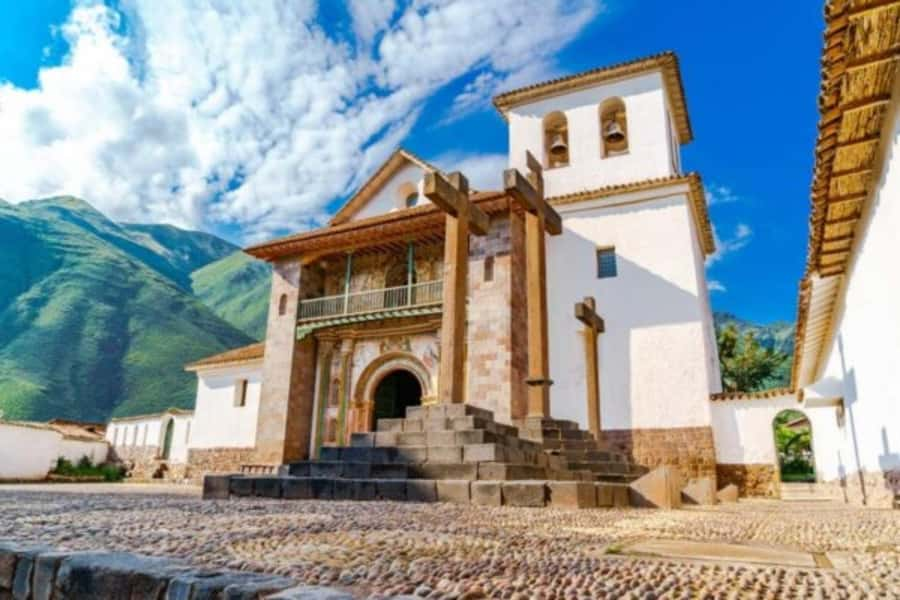
About an hour into the trip, you reach Andahuaylillas, a small Andean town best known for the Church of San Pedro Apóstol. The church is often called the Sistine Chapel of America because of its remarkable interior decoration.
Your guided visit lasts about 45 minutes. That is enough time for a focused look rather than a rushed glance, though it is not a long museum visit. Pay close attention to the walls and ceiling, where painted decoration gives the church much of its character.
This first stop sets up an important theme of the day: the meeting of Andean beliefs and Spanish Catholic worship. The church is a place of Christian devotion, but it also belongs to a region with older sacred traditions. Your guide helps place the building within that wider setting.
I like beginning here because the visit is human in scale. You are not wandering through a huge complex with dozens of rooms. Instead, you get a concentrated introduction to local religious art before moving on to a much larger archaeological site.
Photography rules and access inside the church can vary, so follow your guide’s instructions. The admission ticket is included, which keeps the first stop simple and avoids an extra payment at the entrance.
Raqchi and the sanctuary of Wiracocha
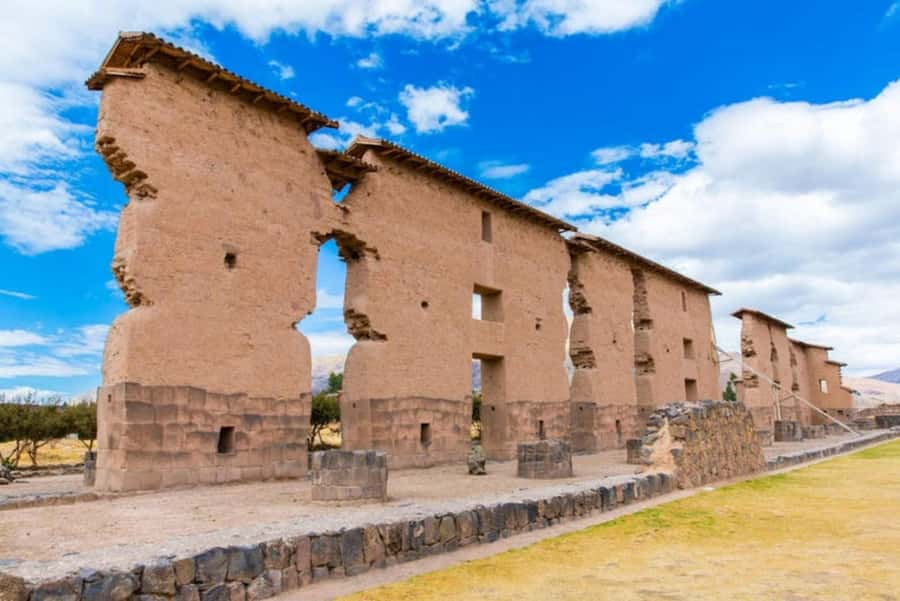
The next major stop is Raqchi, where you explore the remains of an ancient temple dedicated to Wiracocha, an important Andean deity. The guided visit lasts about 45 minutes.
Raqchi gives the day more physical scale. After the enclosed and decorative church, you are out among archaeological remains and open highland air. The contrast helps you understand that Andean sacred life was expressed through both built ceremonial centers and later Catholic churches.
The guide explains how Wiracocha was worshipped and what happened to older sacred traditions after the arrival of the Spaniards. This is one of the most worthwhile parts of the day because it connects the stones in front of you with ideas about belief, power, and cultural change.
Do not expect Raqchi to feel like a complete, intact temple. You are seeing remnants, and the value comes from learning how the site once functioned and why it mattered. A guide makes a real difference here. Without context, an archaeological site can look like scattered walls. With context, the remains begin to show their purpose.
The 45-minute visit keeps the pace moving. You have time to hear the main explanation and look around, but not enough time for a slow independent exploration of every corner. If you prefer long, unstructured archaeological visits, the schedule may feel tight.
Other single-day trips around Peru:
- Machu Picchu Day Trip from Cusco
★ 4.5 · 1,644 reviews - From Lima: Day trip to Paracas, Ica and Oasis Huacachina
★ 4.6 · 409 reviews - Lima: Paracas & Huacachina Oasis Day Trip with Wine & Dunes
★ 4.7 · 266 reviews - From Cusco: 2-Day Trip to the Sacred Valley and Machu Picchu
★ 4.6 · 265 reviews
Sicuani buffet lunch and a useful pause
After Raqchi, the bus stops in Sicuani for a buffet lunch. The meal is included, which is a practical advantage on a long transfer day.
A buffet suits this kind of excursion. You can choose what you want, eat at your own pace, and get back on the bus without having to search for a restaurant. It also gives you a proper break between the cultural visits and the high mountain stop.
The supplied details do not specify the menu, so you should not book this expecting a particular dish. Think of it as an included midday meal that keeps the schedule running smoothly.
This pause also matters for comfort. Ten hours on the road is much easier when the day has a clear meal stop. You may still want to carry water and a few personal snacks, since personal spending is not included and no other food arrangements are listed.
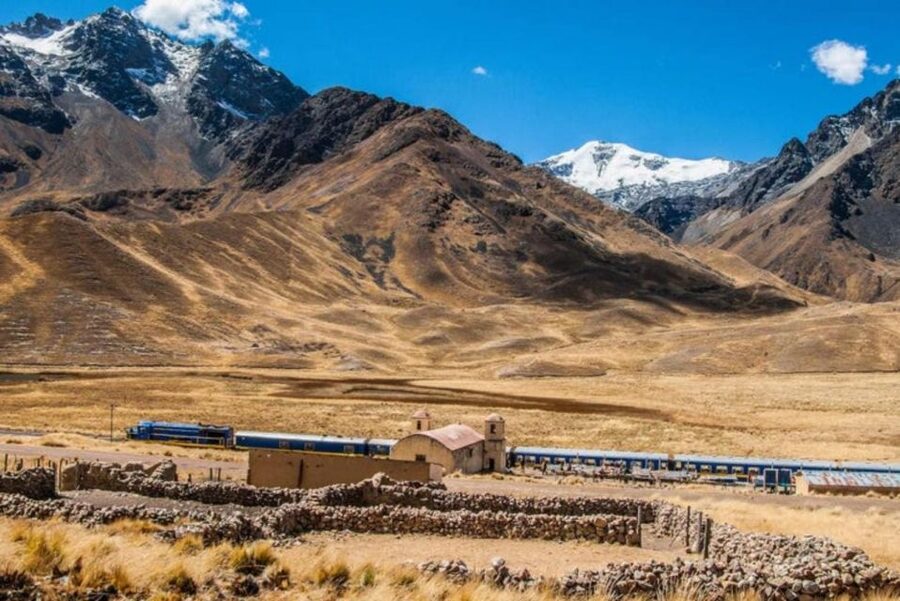
Abra La Raya at 14,100 feet
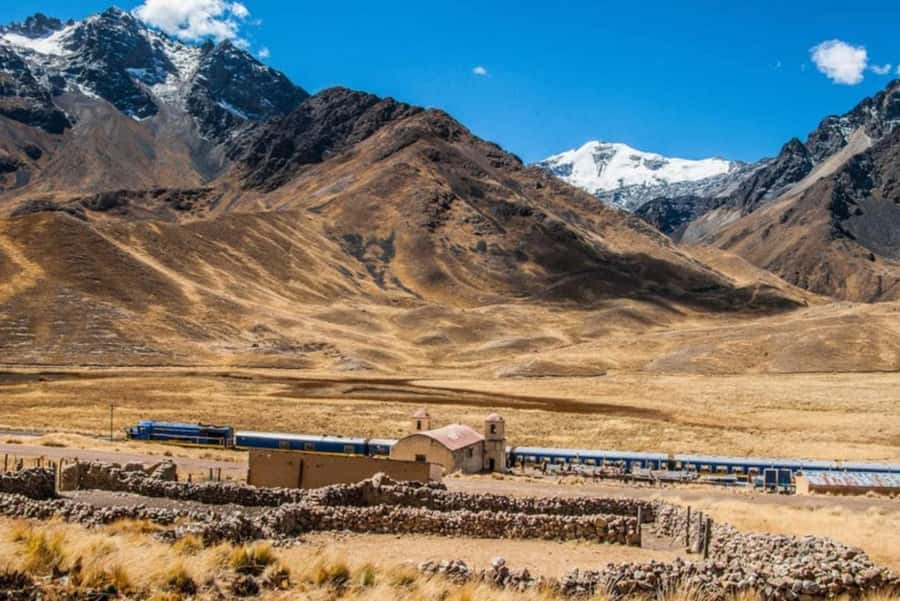
After lunch, the bus climbs toward Abra La Raya, a mountain pass more than 14,100 feet, or 4,300 meters, above sea level. The stop lasts about 25 minutes and is mainly for photographs.
This is the trip’s big altitude moment. The pass gives you a direct sense of the scale of the Andes, with open mountain terrain and a sharp change from the lower stops. You do not need a long walk to appreciate it. The point is to step out, take in the views, and record the crossing.
The short stop is a wise format at this height. You are not being asked to hike or spend hours exposed to the cold. Still, you should move slowly and pay attention to how you feel. The tour reaches high elevation, and even a brief stop can feel different from a normal sightseeing break.
Bring warm layers, a hat, and sun protection. The provided information does not promise a specific temperature, but high altitude can bring cold air and strong sunlight. Comfortable shoes are also sensible, even though this is a photo stop rather than a hike.
I would not judge La Raya by the number of activities available. Its value is visual and geographical. It shows you where the route crosses the high Andes and gives the bus journey a powerful sense of place.
Pukara’s Lithic Museum and the earliest highland cultures
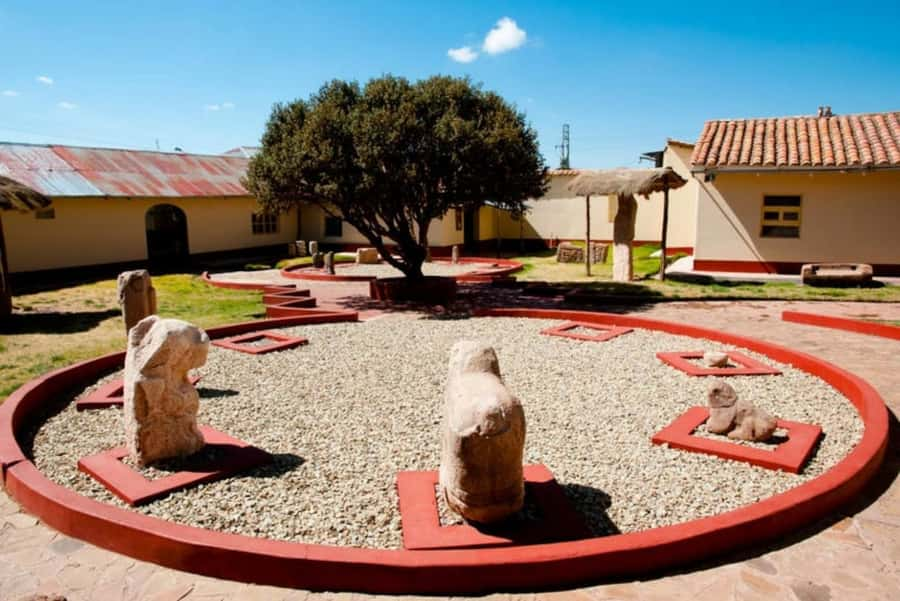
The final visit is the Pukara Lithic Museum, where a 45-minute guided tour looks at the origins of Andean civilization in the highlands.
This stop gives the day a useful chronological shape. You began with a colonial church, then looked at an older sacred site, crossed a high pass, and now examine material connected with early Andean culture. The order helps you see the region as a long story rather than a collection of unrelated attractions.
A lithic museum focuses on stone works and carved objects, though the exact display details are not provided here. The guide explains the importance of Pukara and its place in the development of highland civilization.
I like ending at Pukara because it shifts the focus away from the better-known Inca period. Andean culture did not begin with the Inca Empire. This visit gives you a chance to consider earlier communities and the foundations on which later societies built.
As with Raqchi, the guided explanation is important. Museums can be quiet and easy to pass through quickly, especially after a full day. The 45-minute format gives you a clear introduction without adding another long stop before arrival in Puno or Cusco.
What the $89 price really covers
At $89 per person, the value depends on how you plan to move between Cusco and Puno. If you already need transportation between the two cities, the included sightseeing makes this a strong use of a transfer day.
The price covers:
- Bus transportation
- A bilingual English- and Spanish-speaking guide
- Buffet lunch
- Admission to the Church of San Pedro de Andahuaylillas
- Admission to the Raqchi archaeological site
- Admission to the Pukara Lithic Museum
You still pay for personal expenses, and hotel pickup and drop-off are not included in the standard package. Those exclusions are easy to understand, but they matter when comparing the total price with a simple bus ticket.
I especially like that the three paid cultural sites are included. You are not constantly reaching for cash at each entrance. The guide and lunch also make the price easier to justify than a bare transfer.
The main tradeoff is time. You pay for a full sightseeing day and spend much of it on a bus. If you only need fast transportation, a direct service may be more suitable. If you want to see the route’s main cultural stops, the added cost buys a much fuller day.
Who will enjoy this day most
I would recommend the Sun Route to you if you are moving between Cusco and Puno and want more than a seat on a bus. It is particularly useful for first-time visitors who want an organized introduction to Andean religion, archaeology, and high-altitude geography.
It also suits you if you prefer a structured day. The guide, fixed stops, included lunch, and prepaid admissions remove much of the planning work.
You may want to choose another option if you dislike early starts, long bus rides, or timed visits. The tour offers variety, but it does not offer much freedom to linger. Each stop has a set duration, and the day finishes around 5:30 PM.
The tour is also a good match for people who like cultural context. The church and archaeological sites are more rewarding when you understand the beliefs and events behind them. The bilingual guide provides that framework in English or Spanish.
Practical advice for a smoother day
Choose your direction carefully. You must select Cusco to Puno or Puno to Cusco at booking, and the meeting point depends on that choice.
Arrive ready for a long day. Wear layers, bring your passport, and keep sun protection close at hand. The altitude at La Raya is the main physical consideration, even though the tour does not require a long hike.
Keep your expectations realistic about time. The stops are substantial enough to be worthwhile, but they are not extended private visits. You will see the key sights, receive a guided explanation, take photos, eat lunch, and continue.
The experience has earned a perfect 5 rating from three verified bookings, with particular praise for its enjoyable 10-plus-hour format and the varied stops that keep the journey from feeling repetitive. That matches the basic strength of the route: the scenery changes, the subject changes, and the bus day has a clear rhythm.
Cancellation is flexible. You can cancel up to 24 hours before departure for a full refund, and you can reserve now and pay later. Those terms are useful if your Cusco or Puno plans are still shifting.
Should you book the Sun Route?
Book it if you need to travel between Cusco and Puno and want the journey to count as sightseeing. For $89, you receive transport, a bilingual guide, lunch, and admission to three important cultural sites, plus a high-altitude stop at Abra La Raya.
Skip it if you want a quick transfer, dislike a 6:30 AM departure, or prefer to set your own pace. The day is long and structured.
For most visitors with an open travel day, I think the combination of Andahuaylillas, Raqchi, La Raya, and Pukara gives this route real value. It turns a necessary transfer into a useful introduction to the many layers of the Peruvian Andes.
FAQ
How long does the Sun Route tour take?
The tour lasts about 10 hours. The scheduled day begins around 6:30 AM and arrives at the destination bus station around 5:30 PM.
Can I travel from Cusco to Puno or from Puno to Cusco?
Yes. You must choose the direction, Cusco to Puno or Puno to Cusco, during the booking process.
Where does the tour start?
The starting point is the private Turismo Mer terminal in Cusco or Puno, depending on the direction selected. The exact meeting point may vary according to the option booked.
Is hotel pickup included?
No. Hotel pickup and drop-off are not included in the standard price. You can add a taxi service during booking for up to four people.
Is lunch included?
Yes. A buffet lunch in Sicuani is included.
What languages does the guide speak?
The live guide provides the tour in English and Spanish.
Which entrance fees are included?
Admission to the Church of San Pedro de Andahuaylillas, the Raqchi archaeological site, and the Pukara Lithic Museum is included.
How high is Abra La Raya?
Abra La Raya is more than 14,100 feet, or 4,300 meters, above sea level.
What should I bring?
Bring your passport. Warm layers, sun protection, and comfortable shoes are also sensible for the high-altitude stop and the day’s sightseeing.
Just added around Peru
- Walking tour through the Historic Center of Arequipa★ 4.0 · 3 reviews
- Zipline over the Sacred Valley Trip★ 5.0 · 11 reviews
- Vinicunca Mountain Tour – Full Day Tour to Rainbow Mountain★ 3.4 · 4 reviews
- Waqrapukara 1 day trekking + meals★ 3.9 · 3 reviews
- Visit to the Cochahuasi Animal Sanctuary with rescued animal★ 4.1 · 4 reviews
- Uros Floating Islands Tour in Puno★ 3.7 · 9 reviews
- VISIT THE NATIONAL RESERVE OF PARACAS BY ATV★ 4.8 · 23 reviews
- Visit Pisac from Cusco: Private Transport★ 4.6 · 9 reviews
Lake Titicaca & Uros Islands, compared.
2-Day Tour Colca Canyon in Arequipa with end in Puno
Read our review →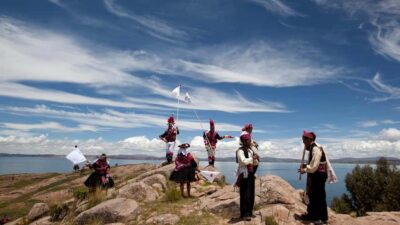
Lake Titicaca 2-Day Tour to Uros, Amantani and Taquile
Read our review →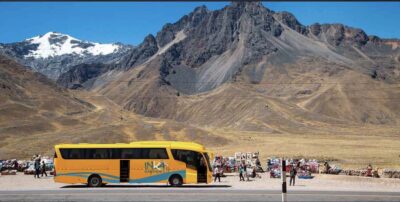
Full-Day Route of the Sun Tour to Cusco with Lunch
Read our review →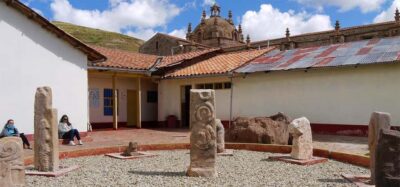
Scenic Route of the Sun to Puno with Buffet Lunch
Read our review →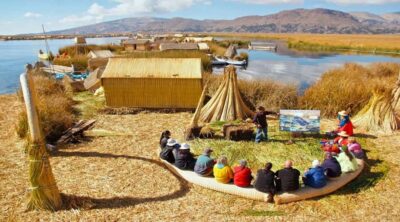
Browse the lists this tour appears in