Reviewed · TOURS IN CUSCO
Cusco: Archeological Sites Tour and Forest Photo Experience
Cusco’s best short city tour mixes four Inca sites with the grand Coricancha temple, then adds a photo session in Qenqo Forest. You get stonework, water shrines, military ruins, city views, and a souvenir image in about five hours.
I like the low $17 starting price, and I like that hotel pickup, guiding, forest entry, and one digital photo are included. The catch is that the Tourist Ticket and Coricancha entrance cost extra, and the schedule may feel rushed if transport runs late.
Key points at a glance
- Five historic stops in one half-day: Qenqo, Puca Pucara, Sacsayhuaman, Tambomachay, and Coricancha.
- Qenqo Forest photo session: A guide takes photos in the forest, with one digital souvenir file included.
- Extra entrance costs: Budget 70 soles for the Tourist Ticket and 15 soles for Coricancha.
- Hotel pickup and return: Wait in your lobby 10 minutes early, since the driver waits no more than five minutes.
- English and Spanish guiding: You can request either language when checking availability.
- Service needs a little caution: One booking report describes missed sites, poor organization, and the included photo not being offered.
Why this five-hour route works for a first look at Cusco
Cusco can feel confusing at first. The streets climb, the ruins sit in different directions, and the ticket system is not always easy to sort out. This tour gives you a quick introduction to the major Inca sites around the city before ending at Coricancha in central Cusco.
The route covers both ceremonial and practical parts of Inca life. Qenqo brings you to a carved rock used for ritual purposes. Puca Pucara shows the defensive side of the empire. Sacsayhuaman gives you the biggest stonework of the day, while Tambomachay focuses on water and purification.
The final stop, Coricancha, changes the mood. The outer stone construction reflects the importance of the former Temple of the Sun, while the site’s place in modern Cusco shows how Inca and colonial history overlap. The tour does not give you a full day at any one ruin, but it offers a useful first map of the area.
I would see this as an orientation tour rather than a slow archaeological study. If you have only one free morning or afternoon in Cusco, it covers a lot. If you want quiet time for detailed photography or long explanations, you may prefer visiting fewer places independently.
Other days travellers book out of Cusco:
- Cusco: Humantay Lake Tour with Breakfast and Buffet Lunch
★ 4.9 · 2,976 reviews - From Cusco: Moray, Maras Salt Mines & Chinchero Weavers Tour
★ 4.8 · 1,925 reviews - From Cusco: Full-Day Group Tour of Machu Picchu
★ 4.7 · 1,767 reviews
Qenqo, where rock becomes a ceremonial site
Qenqo is the first ruin listed on the route. Its appeal comes from the way natural rock was shaped into a ceremonial center. You are not simply looking at walls and terraces here. The site uses the rock itself, with carved surfaces and spaces connected to ritual activity.
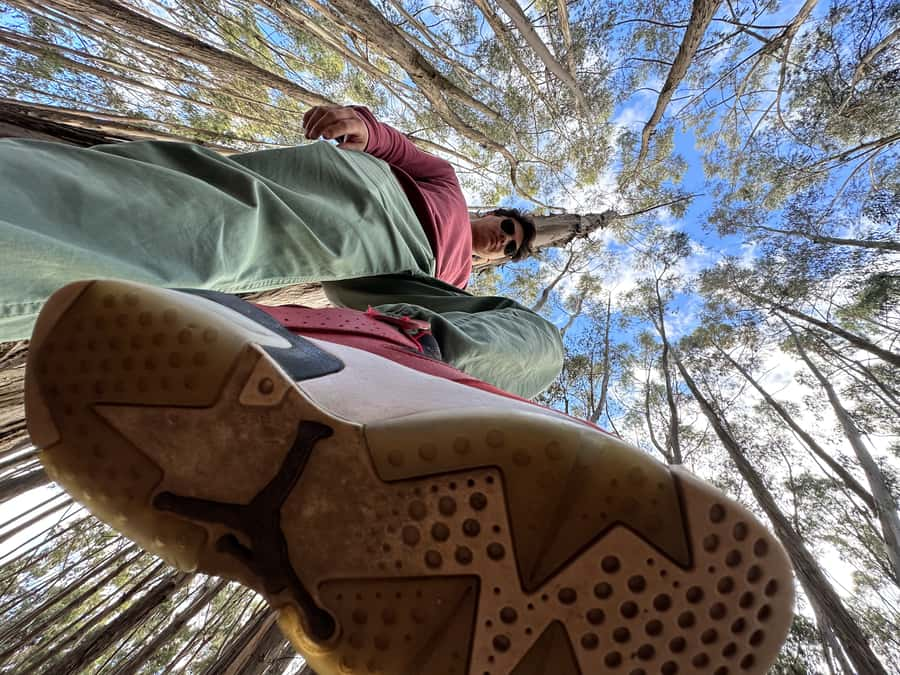
This stop also matters because it leads into the forest photo session later in the tour. The forest is described as Qenqo Forest, and the photo portion is one of the more unusual features of this outing. Instead of ending the ruin visit and returning straight to town, you get time for posed images in a natural setting.
The exact number of photographs is not stated. One digital souvenir photo is included, so you should not assume that a large edited gallery comes with the price. The photography guide is expected to take the images and provide the included file, but the supplied details do not name the guide or explain how the file is delivered.
For the best result, wear clothes that let you move easily and bring a jacket. Cusco weather can shift, and the instructions specifically recommend rain gear, comfortable clothing, and sun protection.
Puca Pucara and the practical side of Inca power
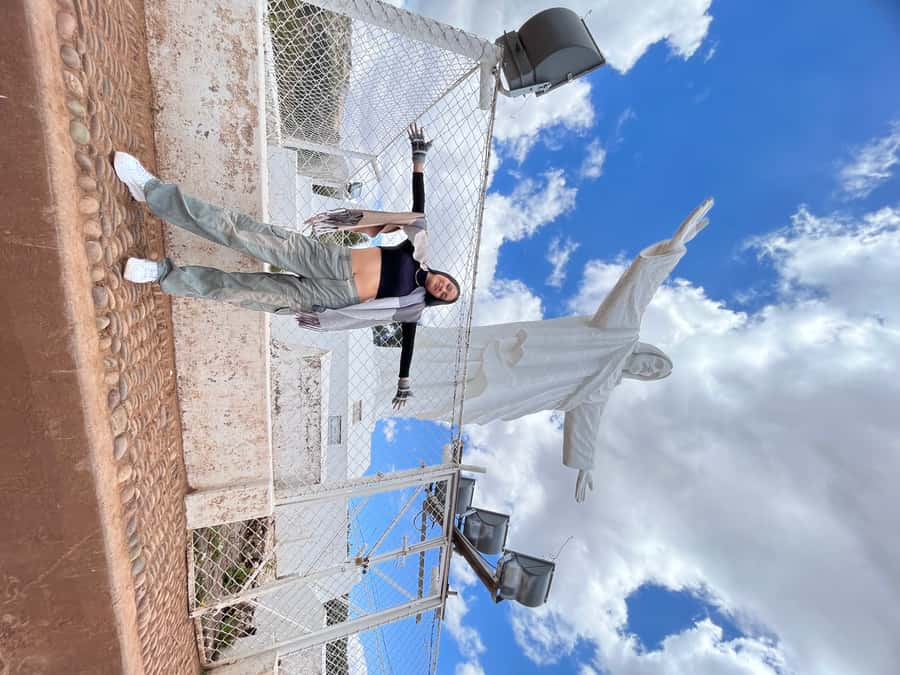
Puca Pucara follows with a very different story. The remains include guard posts, stairs, streets, houses, and patios. It is presented as a military site, so this is the place to think about movement and control rather than only religion.
The name is often translated as Red Fortress, though the details provided for this tour focus on the surviving structures rather than a long explanation of the name. You can expect a site with a defensive character and a layout that helps show how the Incas monitored routes around Cusco.
This stop is useful because it adds balance. Sacsayhuaman and Coricancha can make the Inca world seem focused only on grand temples. Puca Pucara reminds you that roads, guards, and organized settlements were just as important.
Time is the main concern. A five-hour tour includes hotel transfers, five sites, guiding, and a forest photo session. You will probably get an explanation and a chance to look around, but you should not expect a long independent visit at each ruin.
Sacsayhuaman and the city below
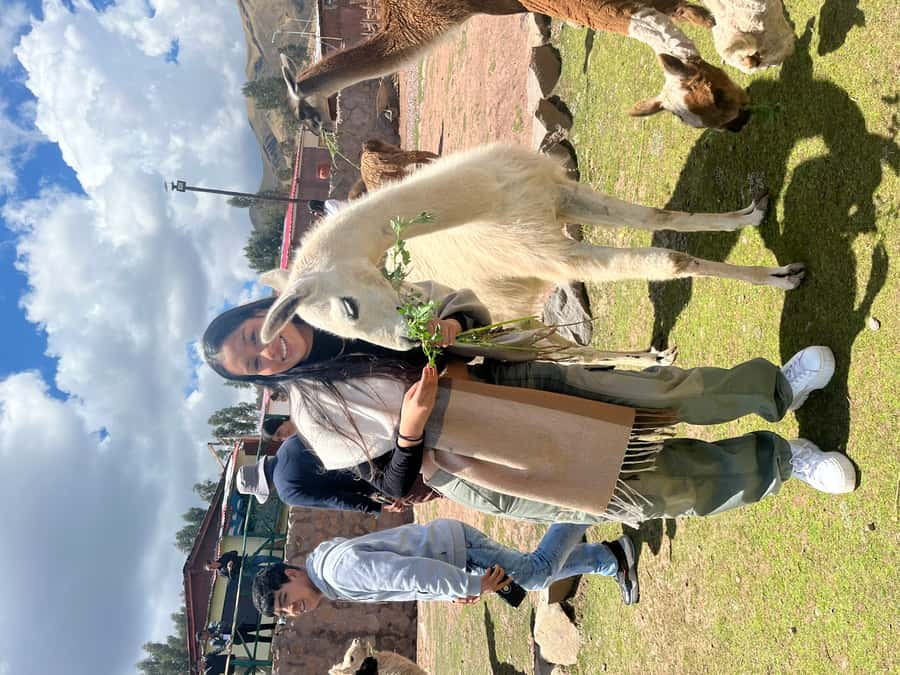
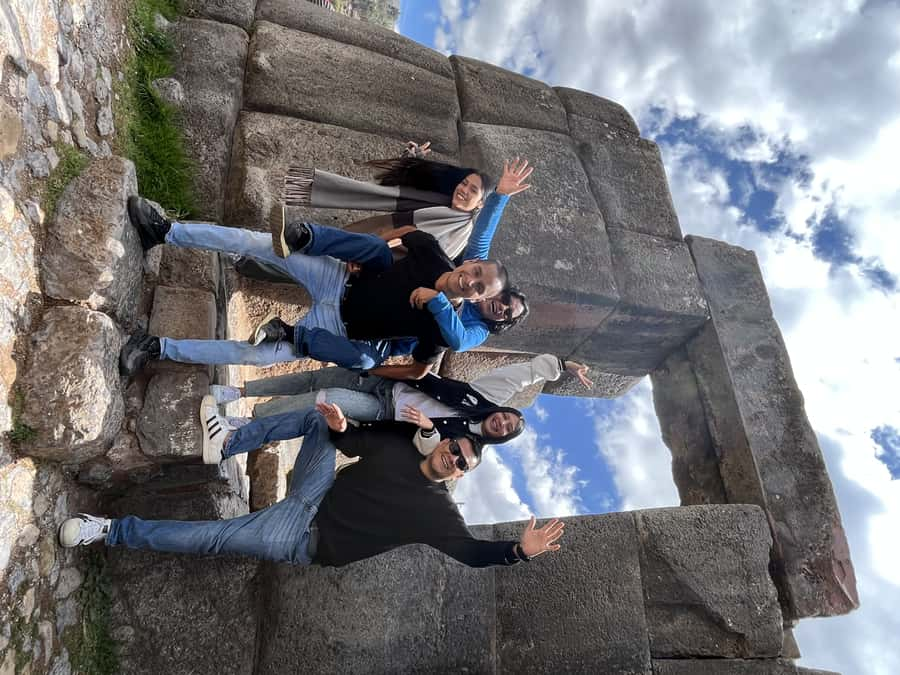
Sacsayhuaman is likely to be the visual high point. Its huge limestone blocks show the engineering skill of the Inca builders, and the site was designed as a solar sanctuary as well as a place that helped protect Cusco.
The scale is what makes this stop special. Large stones fit together with remarkable precision, and the site gives you a stronger sense of the labor and planning behind imperial construction. Your guide can connect the walls with the final dynasties of the Inca state and the battles that took place during the Spanish invasion.
The supplied tour description calls Sacsayhuaman a temple built to protect the city from invaders. That combination of sacred and defensive purpose is important. Inca architecture did not always fit into modern categories such as temple, fortress, or public building. At Sacsayhuaman, those roles overlap.
Wear proper shoes here. The tour instructions specifically call for comfortable footwear, and that advice matters on uneven archaeological ground. Bring water and cash as well, since food and drinks are not included and the tour does not provide a meal break.
Same base, a completely different day:
- Machu Picchu Day Trip from Cusco
★ 4.5 · 1,644 reviews - Cusco: Half-Day City Tour with Sacsayhuaman and Q’enco
★ 4.6 · 1,129 reviews - Cusco: Sacred Valley, Pisac, Ollantaytambo, Salt Mines Moray
★ 4.6 · 1,058 reviews - Machu Picchu: Full-Day Tour from Cusco with Optional Lunch
★ 4.6 · 927 reviews
Tambomachay and the meaning of flowing water
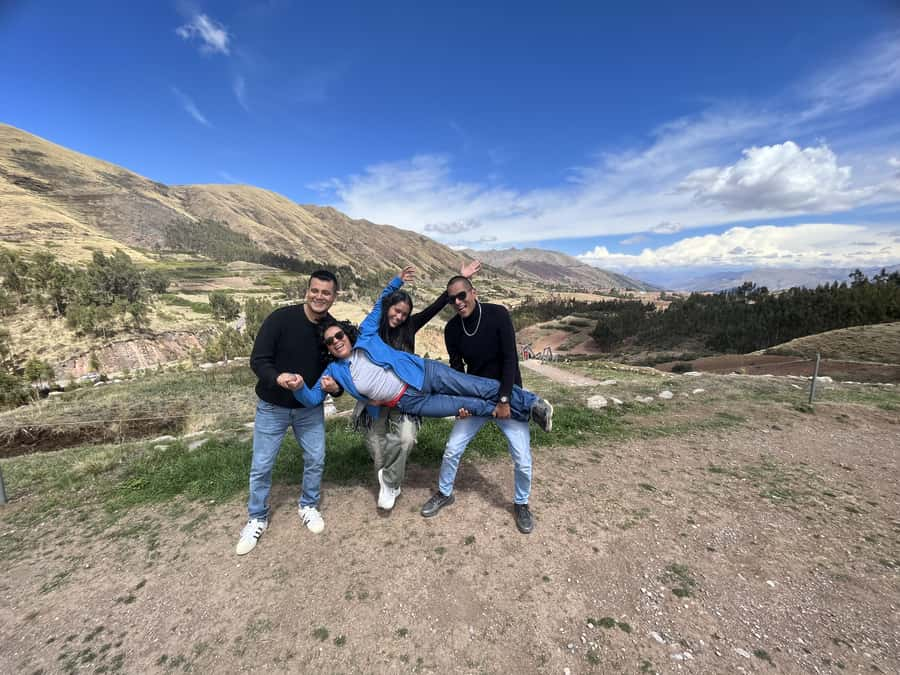
Tambomachay lies about nine kilometers from Cusco and is known for its fountains. The site may have served as a temple dedicated to water and purification, and its channels still give the ruins their particular character.
After the massive stone walls at Sacsayhuaman, Tambomachay feels more focused and delicate. Its value is not size. It is the use of water, stone, and controlled flow. Your guide should help explain why water held such an important religious role for the Incas.
This stop also shows why the route depends on a vehicle. The sites are not all clustered in the central streets of Cusco, despite the simple description of city ruins. Tambomachay sits outside the center, and pickup and return save you the work of arranging separate taxis or local transport.
The drawback is that a late start or traffic problem can affect the final stops. One booking account describes reaching the last ruin too late and not receiving the promised photo opportunity. I would treat the schedule as a real consideration, not a minor detail. Be in the lobby early, and confirm the order of the stops with the operator if possible.
Qenqo Forest and the included photo
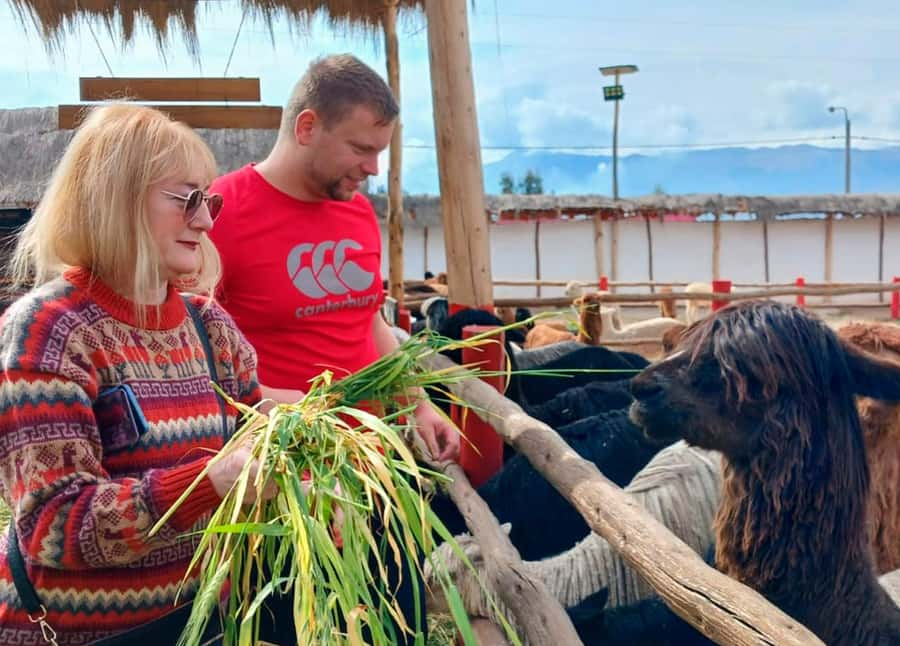
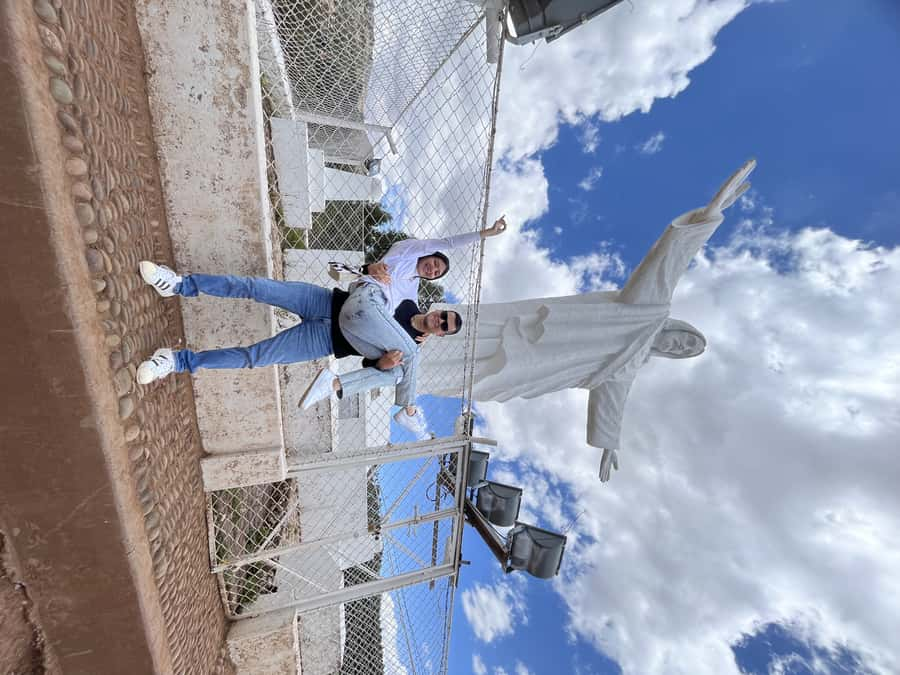
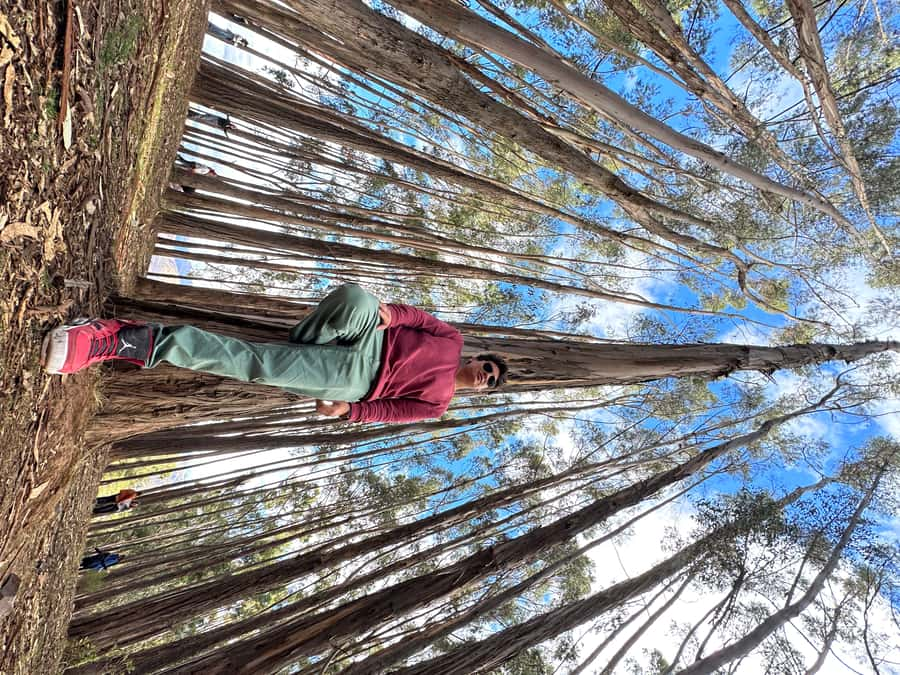
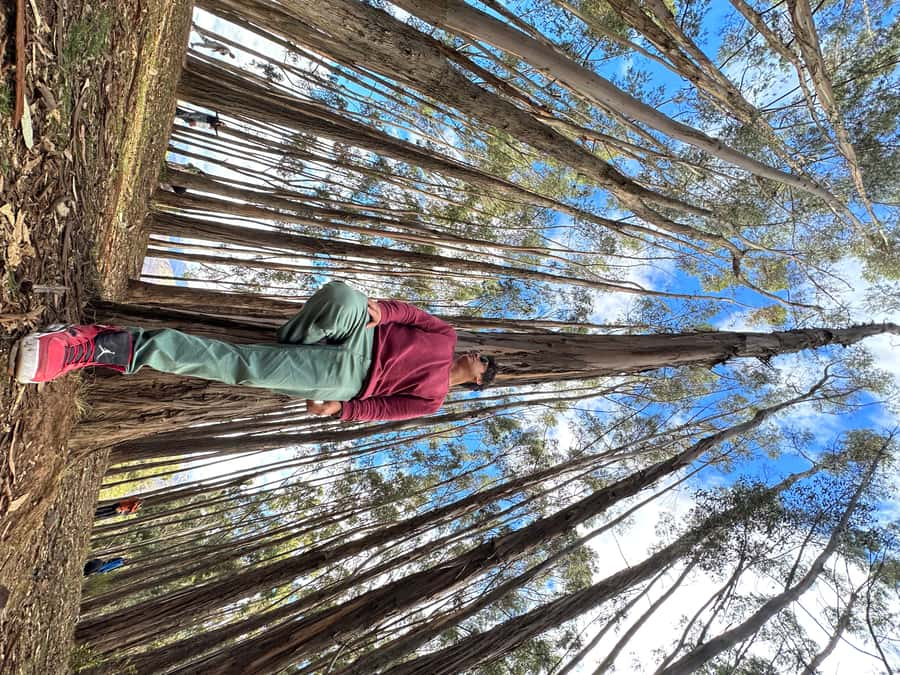
The forest session is the tour’s distinctive extra. Many Cusco ruin tours stop after the archaeological sites. This one takes you into Qenqo Forest for photographs in a more natural setting.
A photography guide is supposed to take the images, and a digital souvenir photograph is included. That makes the experience appealing if you want a planned keepsake rather than quick phone snapshots between stops. You can also bring your own camera or phone, though the included service is the main reason to book this particular version of the route.
The details are not specific enough to promise professional studio-style editing, multiple poses, or a set number of files. Ask before departure how many images you will receive and when the digital file will arrive. This is especially sensible because one reported booking did not receive the advertised photo service.
The forest portion may also change the pace of the day. You are not only moving from ruin to ruin. You are setting aside time for positioning, taking pictures, and possibly changing poses. If your main goal is archaeology, this may feel like time taken from the sites. If you want a personal souvenir from Cusco, it adds something different.
Coricancha, the final stop in central Cusco
The tour ends at Coricancha, the Temple of the Sun. This was the most important temple in the Inca Empire, and its carefully built stonework remains one of the strongest examples of Inca construction in the city.
Coricancha is also a good final stop because it brings the day back into Cusco’s center. After the outer ruins and the forest, you finish with a site tied directly to the city’s religious and political heart. The architecture gives you a chance to compare the polished masonry here with the huge defensive stones at Sacsayhuaman.
The Coricancha entrance is not included. The additional cost is 15 soles. That is a small amount compared with many major attractions, but it changes the real price of the outing. The 70-sol Tourist Ticket is also separate, so you should carry enough cash for both charges.
The wording around the Tourist Ticket can be confusing because tickets may apply differently depending on the sites and current local rules. Confirm with the operator exactly how the 70 soles applies before you pay. The important point is simple: the advertised $17 is not the final out-of-pocket cost.
What the $17 price really covers
At $17 per person, the tour is inexpensive for a five-hour outing with transport. You are paying for hotel pickup and return, a live guide, visits to the listed ruins, entry to Qenqo Forest, and one digital photo.
That is good value if you want someone else to handle the route. A private taxi, separate admissions, and a self-arranged photo session could cost more and take extra planning. The tour also gives you an English or Spanish guide, which is useful when the history behind the stones matters to you.
Still, add the 70-sol Tourist Ticket and 15-sol Coricancha fee before comparing prices with other tours. Food and drinks are also excluded. Since the activity lasts five hours, eat before pickup or carry a snack, though you should not assume there will be a formal meal stop.
The low price may also mean a basic group operation rather than a carefully paced private tour. The available service record includes a complaint about visitors being separated from local participants, a missed ruin, and the photo not being provided. I would book this for its route and price, but I would confirm the inclusions in writing and keep expectations practical.
Pickup details that can save the morning
Hotel pickup is included, but you need to be ready. Wait in the lobby 10 minutes before the scheduled time. The driver carries a sign with your last name and will not wait more than five minutes after pickup time.
That short waiting window makes punctuality important. Do not assume the driver will call repeatedly or search the hotel. If your accommodation has more than one entrance, ask the operator where the meeting point is before the day begins.
The itinerary can be changed according to operating conditions, but all the named sites are supposed to be visited. Because the route includes several stops and a photo session, ask whether the sequence has changed if your pickup is delayed.
Free cancellation is available up to 24 hours before departure, and you can reserve without paying immediately. Those terms are useful if your Cusco plans are still shifting, but they do not fix the main operational risk: a late or poorly managed day can reduce your time at the final sites.
Who should book this Cusco outing?
I would recommend it to a first-time Cusco visitor who wants a broad introduction, has limited time, and likes the idea of a souvenir portrait in Qenqo Forest. It also suits anyone who prefers a vehicle and guide instead of arranging several short rides between sites.
It is a reasonable choice for couples, friends, and families who want a mix of ruins and photos. The five-hour length is long enough to see the major stops without using a whole day, though younger children may find the repeated transfers and archaeological explanations tiring.
I would be more cautious if you care most about precise timing, long visits, or a guaranteed professional photo package. In that case, ask about group size, the photo file, and the order of stops before booking. Those details are not fully explained.
Should you book it?
Book this tour if the low price, five-site route, and forest photo session matter more to you than having a slow, polished day. The combination is hard to beat for a quick introduction to Cusco’s Inca remains.
Skip it if you have only one chance to visit Sacsayhuaman and want plenty of time there, or if missed stops would ruin your schedule. If you do book, arrive early, carry cash for the 70 soles and 15 soles in extra fees, bring rain protection, and confirm that the digital photo will actually be delivered.
FAQ
How long does the Cusco ruins and forest photo tour last?
The activity lasts five hours, including the visits to the four ruins, the Qenqo Forest photo session, and Coricancha.
Which archaeological sites are included?
The tour visits Qenqo, Puca Pucara, Sacsayhuaman, and Tambomachay. It also includes a guided visit to Coricancha.
Is hotel pickup included?
Yes. Pickup and return to your hotel in Cusco are included. You should wait in the lobby 10 minutes before the scheduled pickup.
How much do the extra entrance fees cost?
The Tourist Ticket costs 70 soles, and entrance to Coricancha costs 15 soles. Neither fee is included in the advertised tour price.
Is the forest photo session included?
Entry to Qenqo Forest and one digital souvenir photograph are included. The tour information does not state how many additional photos you receive.
What languages are available for the guide?
The live tour guide service is available in English and Spanish.
What should you bring?
Bring comfortable shoes, a sun hat, biodegradable sunscreen, a jacket, rain gear, comfortable clothing, and cash. Food and drinks are not included.
Just added around Cusco
- Zipline over the Sacred Valley Trip★ 5.0 · 11 reviews
- Waqrapukara 1 day trekking + meals★ 3.9 · 3 reviews
- Visit Pisac from Cusco: Private Transport★ 4.6 · 9 reviews
- Valle Sur Cusco | half day★ 4.3 · 3 reviews
- Trek to Humantay Lake from Cusco★ 4.9 · 8 reviews
- Trek to Choquequirao 4 days★ 3.8 · 4 reviews
- Machu picchu one day by train all included★ 4.5 · 53 reviews
- rainbow mountain full day★ 5.0 · 44 reviews
Tours in Cusco, compared.
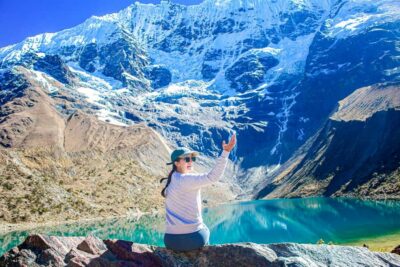
Humantay Lake Tour with Breakfast and Buffet Lunch
Read our review →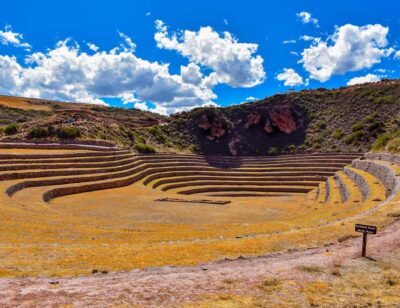
Moray, Maras Salt Mines & Chinchero Weavers Tour
Read our review →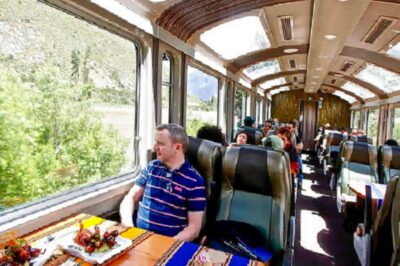
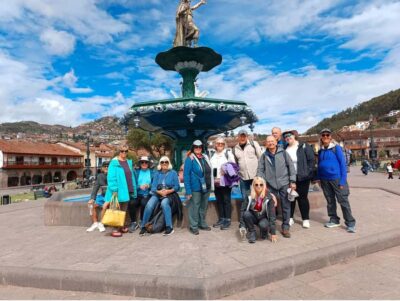
Half-Day City Tour with Sacsayhuaman and Q’enco
Read our review →
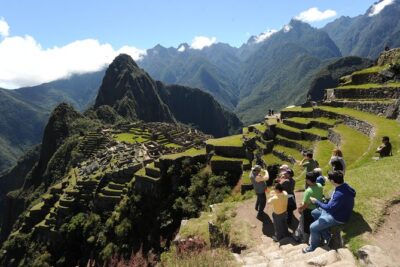
Sacred Valley, Pisac, Ollantaytambo, Salt Mines Moray
Read our review →