
Reviewed · TOURS IN CUSCO
Cusco: Alpaca and Llama Farm Tour w/ Transfer & Weaving Demo
The most appealing part of this Cusco outing is the chance to see four Andean camelid species in one place. You can get close to alpacas and llamas, then compare them with the more delicate vicuñas and the less familiar huanacos. It is a pleasant change from stonework and city streets, with mountain views along the drive.
I like the easy hotel transfer and the clear link between animals, Inca culture, and textile making. The weaving demonstration also gives you a useful way to judge alpaca products later in Peru. The main drawback is the commercial finish: the large shop can feel watchful, and some prices may be much higher than those in Cusco.
Key points to know before you go
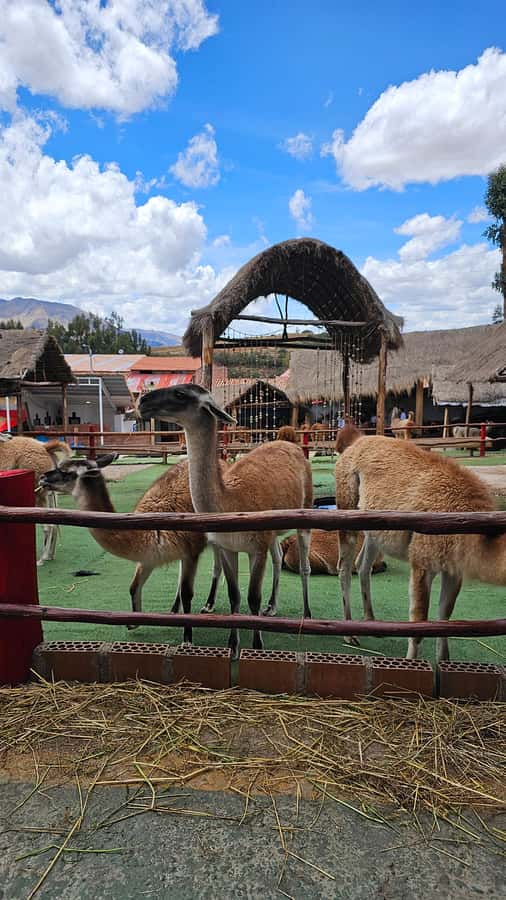
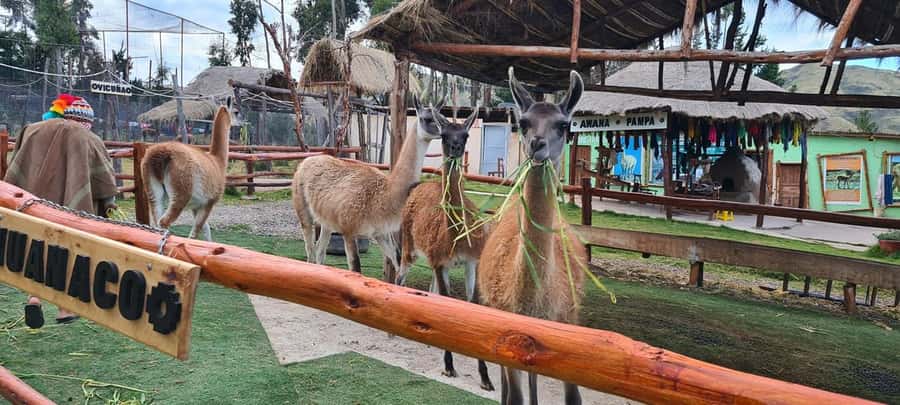
- Four camelid types in one visit: See alpacas, llamas, vicuñas, and huanacos, with two alpaca varieties and four llama types identified during the tour.
- A gentle first activity in Cusco: The short drive and relaxed pace work well while you are getting used to the altitude.
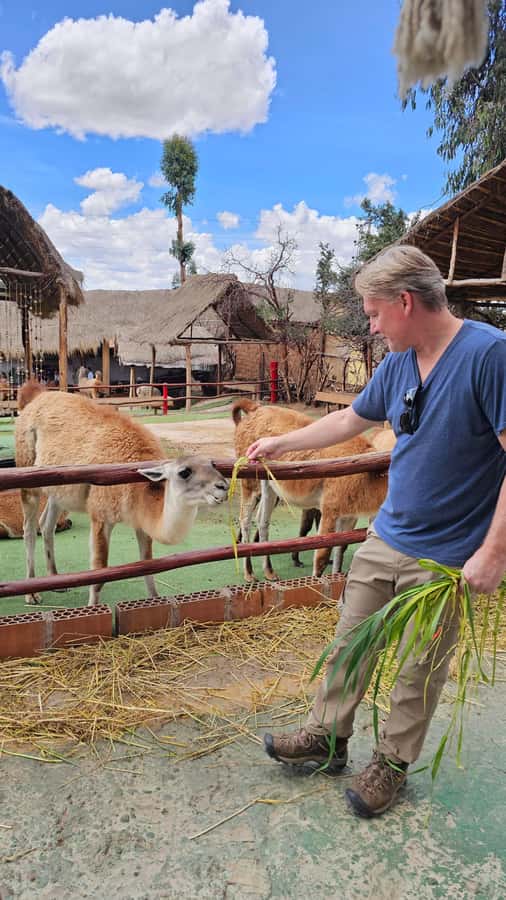
- Hands-on animal time: You can feed and pet some of the alpacas and llamas, and there is time for photos.
- Weaving with practical shopping advice: Watch wool preparation, dyeing, and textile work, then learn how to tell genuine baby alpaca fabric from imitations.
- A useful $34 package: Hotel pickup, return transport, a guide, the farm visit, weaving demonstration, and water are included.
- Allow for a sales stop: The gift shop has attractive goods and educational displays, but prices can be steep.
Why this farm visit makes sense in Cusco
Cusco offers no shortage of major sights. You can spend days among Inca walls, churches, museums, and tour buses heading toward Machu Picchu. This farm visit gives you a different piece of Peruvian culture: the animals that supplied wool, transport, food, and status in the high Andes.
The farm is about 20 minutes from Cusco’s historic center, so you do not lose a whole day getting there. Pickup and drop-off at your hotel make the outing particularly simple. For $34 per person, you receive transport in both directions, a guide, the farm visit, the textile presentation, and water. That is fair value if you would otherwise need to arrange a taxi and pay separately for a similar visit.
I see this as a light half-day activity rather than a major sightseeing event. The advertised duration is 150 minutes, while the guided portion at Manos de la Comunidad is listed as about 80 minutes. The rest is taken up by transport and moving between the animal area, weaving presentation, and shop.
Other days travellers book out of Cusco:
- Cusco: Humantay Lake Tour with Breakfast and Buffet Lunch
★ 4.9 · 2,976 reviews - From Cusco: Moray, Maras Salt Mines & Chinchero Weavers Tour
★ 4.8 · 1,925 reviews - From Cusco: Full-Day Group Tour of Machu Picchu
★ 4.7 · 1,767 reviews
The drive from Cusco to Manos de la Comunidad
Your day begins with hotel pickup in Cusco. The road climbs away from the historic center, and the short drive can offer broad views back toward the city. One visitor described the route as winding and steadily rising, so take that into account if you are sensitive to motion.
This transfer is one of the tour’s practical strengths. You do not have to find the farm yourself, bargain with a taxi driver, or work out how to return. The drive also lets you ease into the higher altitude at a calm pace. Several people have chosen this as an early Cusco activity, when they wanted to see something without signing up for a demanding hike.
The tour is wheelchair accessible, according to the activity information. Still, you should confirm the exact vehicle and surface arrangements when booking if you need specific mobility support. The available details do not explain the farm’s slope, animal-area flooring, or restroom setup.
Meeting the alpacas and llamas
At the farm, your guide introduces the South American camelids and explains how people domesticated them. You hear about the species developed during the Inca period and the different roles these animals have played in Andean life.
This is more interesting than a simple photo stop because the guide helps you compare the animals. The visit covers two varieties of alpaca and four types of llama. You can look at differences in size, coat, shape, and behavior, then see how individual animals have their own temperaments.
The close contact is a major reason to book. You may feed alpacas by hand, pet them, and take photos at close range. The animals are the stars here, and the setting gives you time to observe them instead of rushing past a pen.
Guides have included Marileth, Marlith, Olga, Holger, and others. The strongest guide experiences have combined animal facts with answers about Cusco, Peru, and Inca culture. A good guide also helps with photos, which matters when you are trying to frame a long-necked llama without cutting off its ears.
The experience is generally easygoing, but one point deserves honesty. The animal portion may feel shorter than you expect if your group wants lots of time with every enclosure. One person found the visit somewhat rushed, despite still recommending it. If you want a full day with animals or a working ranch experience, this is not that. It is a compact introduction.
Vicuñas and huanacos: the animals you should not miss
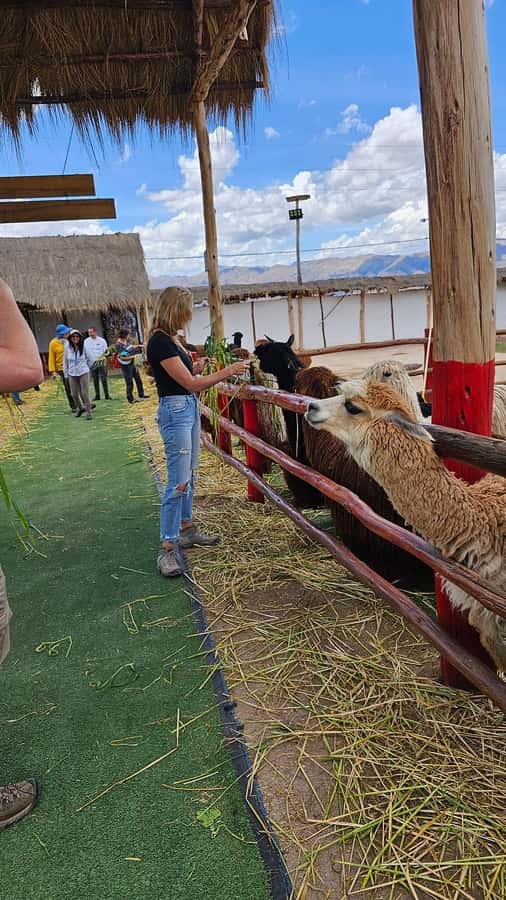
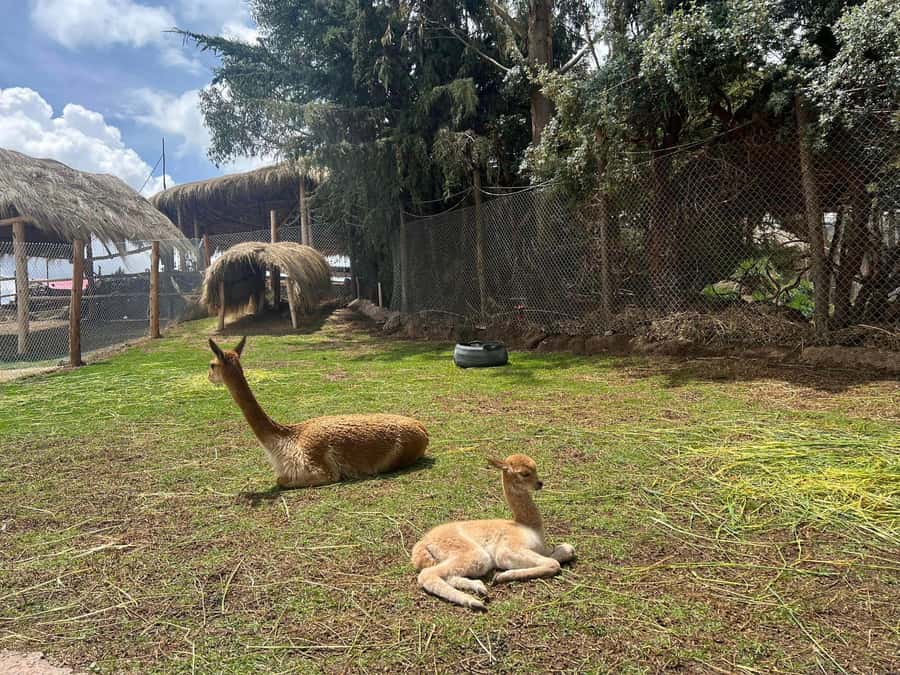
Many visitors arrive focused on alpacas and llamas, but the vicuñas and huanacos add real interest. Vicuñas are known in the Andes as the gold of the Andes because of their fine, valuable fiber. Seeing them next to domesticated alpacas and llamas makes the family resemblance easier to understand.
Huanacos are another ancestral relative of the domesticated camelids. The guide explains how the animals relate to one another and how people came to raise some species while protecting others.
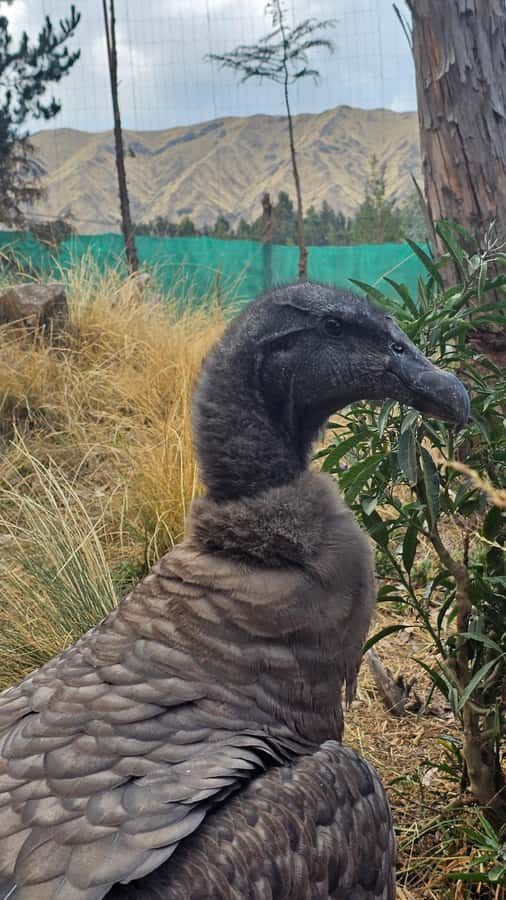
The farm can also include additional animals. Specific visits have included rescued condors, deer, guinea pigs, and a museum area. These extras are not the central promise of the outing, so you should treat them as possible additions rather than guaranteed highlights. The condors, in particular, have been a memorable bonus for some people.
This part of the visit has value beyond cute animal photos. It gives you a clearer picture of how Andean communities have relied on native species and developed textile traditions around their fiber. The story connects the farm to the wider culture you will encounter across Peru.
Same base, a completely different day:
- Machu Picchu Day Trip from Cusco
★ 4.5 · 1,644 reviews - Cusco: Half-Day City Tour with Sacsayhuaman and Q’enco
★ 4.6 · 1,129 reviews - Cusco: Sacred Valley, Pisac, Ollantaytambo, Salt Mines Moray
★ 4.6 · 1,058 reviews - Machu Picchu: Full-Day Tour from Cusco with Optional Lunch
★ 4.6 · 927 reviews
The weaving demonstration and the value of the wool lesson
After the animals, you watch local weavers demonstrate traditional textile techniques. The presentation covers how fiber becomes thread and how natural dyes and handwork are used to create garments and other goods. You may also see examples of older textiles, which add a historical layer to the demonstration.
I especially like this section because it changes the way you shop in Cusco. Instead of seeing a soft scarf as just a souvenir, you learn to ask what fiber it contains, how it was dyed, and how it was made. The demonstration also explains how to distinguish genuine baby alpaca fabric from cheaper substitutes.
That lesson matters at the market. Labels can be confusing, and a product described as alpaca may contain a blend or synthetic fiber. This tour cannot turn you into a textile expert in 80 minutes, but it gives you useful questions to ask before paying for a high-priced item.
The weaving portion also keeps the visit from becoming only an animal encounter. You see a living craft that remains tied to local identity and income. For anyone interested in clothing, handcraft, or Andean culture, this may be the most rewarding part of the tour.
The gift shop: attractive goods, uneven value
The route usually ends with a substantial retail area. It offers clothing, yarn, blankets, and other alpaca products, and the shop can reinforce the lessons from the weaving presentation. You may find it useful if you want a convenient place to compare labels and textures.
You should also set your budget before entering. A purchase that costs 15 soles in a Cusco shop has been found at 60 soles in the farm shop. That does not automatically mean the farm’s products are poor or that the extra money serves no useful purpose, but the price difference is real enough to warrant caution.
The sales attention can feel uncomfortable. One person felt followed around the shopping area, although there was no direct pressure to buy. You can enjoy the display, ask questions, and leave without purchasing anything. A good approach is to treat the shop as part of the cultural presentation, not as a reason to book the tour.
If you do plan to buy, compare prices in Cusco first or leave room in your budget for a purchase you truly like. The information about genuine baby alpaca fabric is useful, but it does not require you to buy on the spot.
Guides, language, and the pace of the visit
The tour is offered in English and Spanish with a live guide. Guide quality is important here because the animals themselves are easy to admire, but the history and textile details depend on clear explanation.
The best-known guide names associated with this activity include Marileth, Marlith, Olga, and Holger. Spellings vary in the available tour information, so your assigned guide may be someone else. What matters most is that the guide explains the animal types, answers questions, and connects the farm to Inca and Peruvian culture.
The pace is usually leisurely enough for a first or second day in Cusco. You are not hiking a long trail or climbing archaeological ruins. You should still remember that you are at altitude, and the drive rises above the city. A slow pace does not remove the need to drink water and listen to your body.
The activity includes water, but bring any personal supplies you normally need. The supplied information does not list meals, snacks, or souvenirs as included.
Who will get the most from this $34 experience
I would recommend this tour to families, first-time visitors, animal lovers, and anyone who wants a gentle cultural activity near Cusco. Children get the obvious reward of seeing and feeding llamas, while adults can focus on Inca history, conservation, fiber, and weaving.
It also suits people adjusting to altitude. You can leave the city, enjoy views from the rising road, and learn about local traditions without committing to a strenuous excursion. It works well as a first tour before longer trips into the Sacred Valley or other high-altitude areas.
You may want something else if you dislike animal attractions, have no interest in textiles, or prefer small independent workshops with no retail stop. The farm has a commercial side, and the shop is part of the experience. You should also choose a longer rural excursion if your main goal is to see camelids in a wide-open highland setting rather than at a purpose-built farm.
The activity is wheelchair accessible, but the available details are not precise enough to promise that every animal area will be equally easy to reach. Contact the operator before booking if you need exact information about paths and surfaces.
Booking details that affect your decision
You can cancel up to 24 hours before the activity for a full refund, and the reserve-now, pay-later option keeps your plans flexible. Starting times depend on availability, so check the schedule against your hotel pickup needs and other Cusco plans.
A separate entrance is provided for the activity, which may help you avoid a standard entry queue. Hotel pickup and return are included, but the details do not specify an exact pickup window, group size, or vehicle type. Confirm those points if they matter to you.
The $34 price is strongest when you value convenience. A private taxi, an entrance fee, and a separate weaving presentation could cost more and require extra planning. The price is less compelling if you mainly want a quick photo with an alpaca and do not care about the guided cultural explanation.
Should you book the alpaca and llama farm tour?
Book it if you want a short, friendly introduction to Andean animals and textiles, especially during your first days in Cusco. The combination of close animal contact, four camelid types, weaving instruction, hotel transfers, and a $34 price makes it an easy addition to a busy itinerary.
Go with realistic expectations. This is a compact farm visit, not a remote wilderness outing, and the retail stop can feel commercial. If you can accept that, the tour gives you a useful grounding in the animals, wool, and traditions behind many of the souvenirs you will see across Peru.
FAQ
How long does the Cusco alpaca and llama farm tour last?
The activity lasts 150 minutes in total. The guided visit at Manos de la Comunidad is listed as approximately 80 minutes, with the remaining time used for transfers and the other parts of the visit.
How far is the farm from Cusco?
The farm is about 20 minutes from Cusco’s historic center. Hotel pickup and return transportation are included.
Which animals can I see?
You can see two varieties of alpaca, four types of llama, vicuñas, and huanacos. Some visits have also included rescued condors, deer, and guinea pigs.
Can I feed or pet the animals?
Yes. The experience includes opportunities to feed and pet alpacas and llamas, although the exact amount of animal contact can depend on the group and the visit.
Is the weaving demonstration included?
Yes. A traditional weaving demonstration is included, along with explanations of wool, textile production, and ways to identify genuine baby alpaca fabric.
What languages are available?
The live tour guide is available in English or Spanish.
Is hotel transportation included?
Yes. Hotel pickup in Cusco and drop-off after the tour are included, along with a guide, the farm visit, the weaving demonstration, and water.
Just added around Cusco
- “Waqra Pucara, The Majestic Fortress Revealing Secrets of the Andes”.★ 3.5 · 8 reviews
- 1.5h Cusco Chocolate Workshop – Truffles & Hot Chocolate★ 4.3 · 8 reviews
- Cusco: Chocolate Workshop with the Best Local Organic Cacao★ 4.5 · 23 reviews
- Cusco: Bean to bar chocolate workshop★ 5.0 · 3 reviews
- Cusco: Pub Crawl with Skip-the-Line Access and Drinks★ 4.6 · 57 reviews
- Horseback Tour in cusco to Temple of the Moon & Hidden temples★ 5.0 · 54 reviews
- 2-Day Tour in Sacred Valley and Machu Picchu from Cusco★ 5.0 · 59 reviews
- Sacsayhuaman Temple, Tambomachay and Puca Pucara Half-Day Tour★ 4.5 · 59 reviews
Tours in Cusco, compared.

Humantay Lake Tour with Breakfast and Buffet Lunch
Read our review →
Moray, Maras Salt Mines & Chinchero Weavers Tour
Read our review →
Half-Day City Tour with Sacsayhuaman and Q’enco
Read our review →
Sacred Valley, Pisac, Ollantaytambo, Salt Mines Moray
Read our review →
Chinchero,Moray & Salt Mines drop-off in Ollantaytambo
Read our review →Browse the lists this tour appears in