Reviewed · TOURS IN CUSCO
Cusco: 6-Hour City Highlights Tour
Cusco’s story comes into focus when you see its Inca foundations beside Spanish churches and colonial streets. This six-hour tour links the city’s key sights with four major ruins outside the center, giving you a useful first look without paying for a full-day excursion.
I like the low starting price and the efficient route. I also like the mix of Qoricancha, cathedral architecture, and the outlying Inca sites, especially Sacsayhuaman. The main concern is service consistency: one English-speaking booking was placed on a late Spanish-language bus, while another visitor found the guide rushed and hard to follow.
- Qoricancha begins the story: See the former Inca Temple of the Sun, with its important link to Spanish Cusco.
- Four major Inca sites follow: Sacsayhuaman, Quenqo, Pucapucara, and Tambomachay give you a broad view of Inca engineering and ritual sites.
- The S/70 tourist ticket is extra: Bring cash, and budget separately for Qoricancha and cathedral admission.
- Hotel pickup is included: The tour ends around 7:00 PM at Plaza Regocijo rather than returning you to your accommodation.
- English and Spanish tours are offered: Confirm your language before departure, since the language arrangement has caused problems for at least one booking.
- Private groups are available: This is worth considering if you want more control over timing and explanations.
A practical first look at Cusco’s Inca and Spanish layers
Cusco is easiest to understand when you see its buildings as pieces of one long story. Inca stonework forms the base of many colonial structures, while Spanish churches and civic buildings sit on top of, or beside, the older city.
This tour gives you that contrast in one afternoon. You begin in the historic center, then ride into the hills and open country around Cusco to visit four Inca sites. The route covers a lot, so it works best as an introduction rather than a slow architectural study.
The experience costs $20 per person, which is an attractive starting price for transport, pickup, a five- to six-hour sightseeing schedule, and a live guide. The price needs a little unpacking, though. You must add the S/70 tourist ticket, and entrance to Qoricancha and Cusco Cathedral is not included. The real cost is therefore higher than the headline price.
The listed score is 3.8 out of 5 from 53 ratings. That tells me the sights themselves are the strong point, while the guiding and transportation arrangements can vary. If you book, confirm the language, pickup time, and ticket requirements before the day begins.
Qoricancha, where Inca gold met Spanish stone
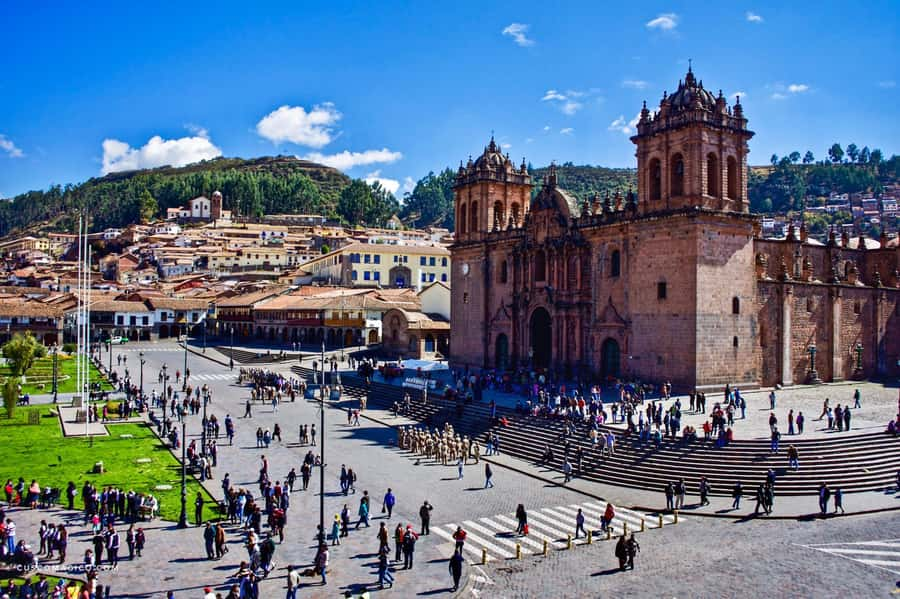
The first major stop is Qoricancha, also called the Temple of the Sun. It was the most important temple in the Inca Empire, and its place in modern Cusco explains much about the city’s history.
The building is valuable even before you hear the explanation. Qoricancha shows how Inca construction used carefully fitted stone, while the Spanish religious complex that followed changed the site’s purpose. Your guide should help connect the physical remains to the larger shift from Inca rule to Spanish colonial power.
Admission to Qoricancha is not included. That matters because the tour price can look unusually cheap until you add the separate entrance fee. Bring cash, as the instructions specifically advise, and ask your guide which ticket or payment you need before entering.
This stop can be one of the most rewarding parts of the day for anyone interested in architecture. It also sets up the rest of the tour: after seeing a central Inca temple, you can better understand why the outer ruins mattered to the city’s defense, ceremony, and water supply.
Other days travellers book out of Cusco:
- Cusco: Humantay Lake Tour with Breakfast and Buffet Lunch
★ 4.9 · 2,976 reviews - From Cusco: Moray, Maras Salt Mines & Chinchero Weavers Tour
★ 4.8 · 1,925 reviews - From Cusco: Full-Day Group Tour of Machu Picchu
★ 4.7 · 1,767 reviews
Cusco Cathedral and the cost of going inside
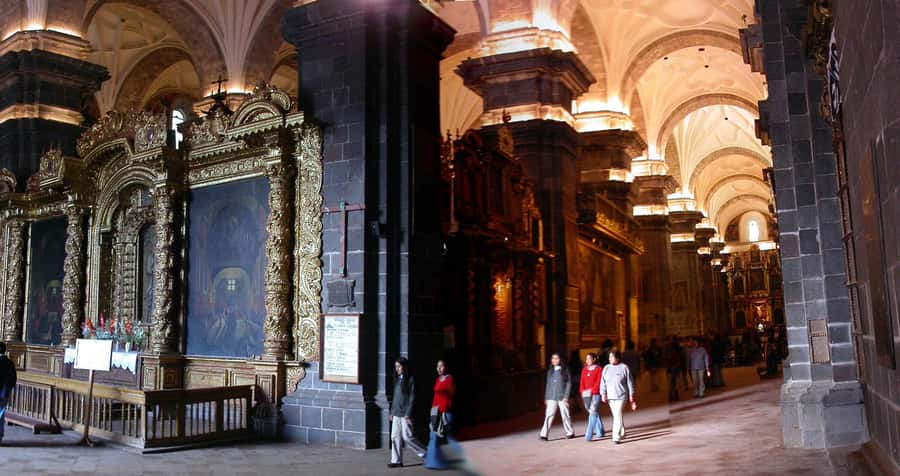
The cathedral is part of the city’s architectural appeal, and its Spanish design offers a sharp contrast with Qoricancha. The tour highlights the cathedral, but admission is not included, so you should decide in advance if you want to pay to enter.
I would treat this as an optional priority based on your interests. One recent participant found the cathedral less compelling than the Inca sites and did not feel the extra entrance fee was worthwhile. That is a fair warning, not a universal verdict. If you care about religious art, colonial buildings, and the Spanish side of Cusco, the cathedral may be important to you. If your main interest is Inca archaeology, you may prefer to save your attention and money for the ruins outside town.
The schedule covers several places in one outing, so time inside the cathedral may be limited. You should listen closely to the guide’s instructions about meeting points, especially if the group is moving on quickly.
Sacsayhuaman, the tour’s big visual moment
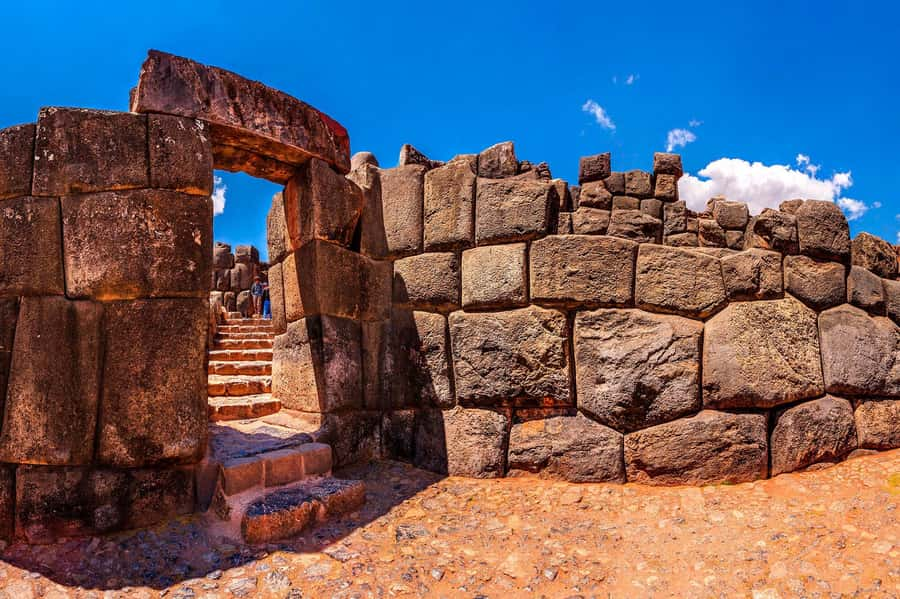
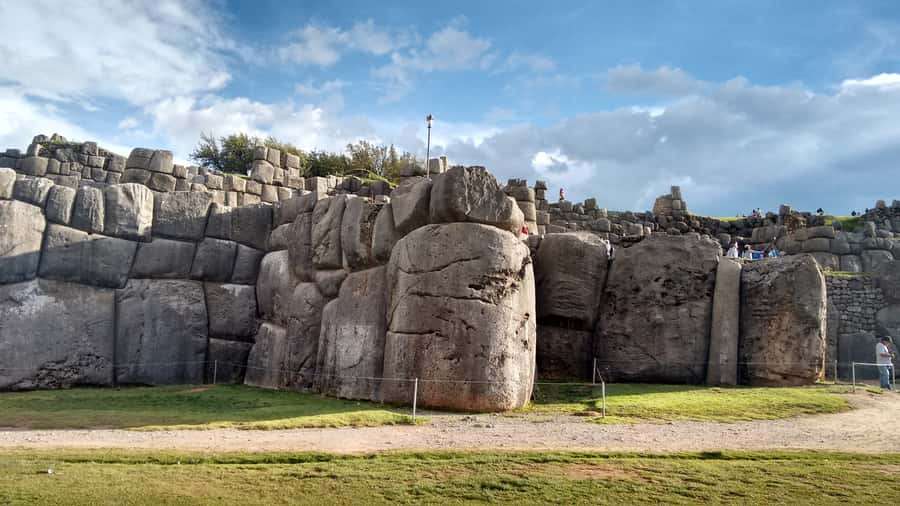
From the center, the tour heads beyond the city to Sacsayhuaman. This is likely to be the most impressive ruin on the route, thanks to its massive stone walls and high position above Cusco.
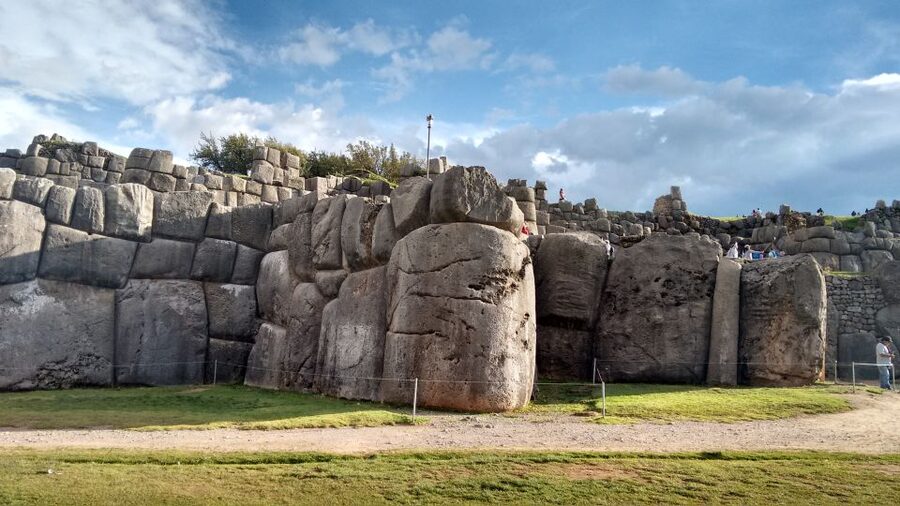
The size of the stones makes the site special. Even without a long lecture, you can see that the builders worked with blocks far larger than those used in ordinary walls. The exact purpose and development of Sacsayhuaman are best understood through your guide’s explanation, so this is a stop where guide quality matters.
You will want comfortable shoes here. The tour instructions also recommend sunglasses, a sun hat, and a camera. Those items are practical in Cusco’s strong high-altitude light, especially at exposed archaeological sites.
Do not expect a quiet, unhurried visit if you join a shared group. The tour has four outer sites to cover, and the guide must keep everyone on schedule. A private group may give you more room to stop, ask questions, and take in the views, though the supplied information does not state the private-group price.
Quenqo and the smaller details of Inca ritual sites
Quenqo offers a different experience from Sacsayhuaman. Instead of relying on huge defensive walls, the site draws attention through carved stone and spaces connected with ceremony.
This is the kind of stop that can pass quickly if you only take photographs. Listen for the guide’s explanation of what you are seeing, since the meaning of the carved areas is not always obvious from a distance. A good explanation can turn a short visit into a useful lesson about how the Incas shaped both natural rock and built spaces.
The main drawback is time. A five- to six-hour tour that includes the city, transport, and four outer sites cannot give every location equal attention. If you want a detailed archaeological study, a specialist private tour would suit you better. If you want a broad introduction, Quenqo earns its place on the route.
Same base, a completely different day:
- Machu Picchu Day Trip from Cusco
★ 4.5 · 1,644 reviews - Cusco: Half-Day City Tour with Sacsayhuaman and Q’enco
★ 4.6 · 1,129 reviews - Cusco: Sacred Valley, Pisac, Ollantaytambo, Salt Mines Moray
★ 4.6 · 1,058 reviews - Machu Picchu: Full-Day Tour from Cusco with Optional Lunch
★ 4.6 · 927 reviews
Pucapucara, a high point on the route
Pucapucara is another Inca site outside Cusco, and its position gives the stop a different feel from the enclosed city sights. The name is often associated with a red fortress, and the site is linked with movement and control along the routes approaching Cusco.
Your guide’s commentary is especially useful here because the remaining stonework may not explain its role at a glance. Look beyond individual walls and consider the site as part of a wider system around the imperial capital.
The visit also breaks up the day nicely. After the larger stones of Sacsayhuaman and the carved spaces at Quenqo, Pucapucara helps show that the Incas built a network of places with different jobs. You may find the stop brief, but it adds context to the larger route.
Tambomachay and the role of water
The final named ruin is Tambomachay, known for its stone channels and water features. This site helps show that Inca achievement was not limited to walls and fortifications. Water was carefully directed through carved stone, and the setting had ceremonial importance.
Pay attention to the engineering details. Small channels, fitted stones, and controlled water flow can be easy to overlook when you are trying to keep up with a group. The guide’s explanation should help you see why this site belongs on a city highlights route.
Tambomachay also rounds out the story. Sacsayhuaman suggests defense and power, Quenqo points toward ceremony, Pucapucara relates to routes and control, and Tambomachay brings water and ritual into the picture. You leave with a wider sense of how the area around Cusco functioned.
Six hours sounds long, but the route moves quickly
The stated duration is five to six hours, with the tour finishing at about 7:00 PM. Pickup from your Cusco accommodation is included, but drop-off is at Plaza Regocijo in the city center.
That ending point is useful if you want to continue with dinner or an evening walk. It is less convenient if your accommodation is far from the center and you expect a return ride. Plan for the final walk or local transport yourself.
The schedule includes several transfers, so the amount of time you spend at each site will depend on traffic, group organization, and the guide. This is not a tour for lingering at every wall or taking a long meal break. Food and drinks are not included, and the supplied information does not list a meal stop. Carry water and a small snack if you need them, but do not bring large luggage or bulky bags.
One serious practical point is language. English and Spanish guides are offered, but you should verify that your booking is assigned correctly. An English-speaking customer was once placed on a late bus with a Spanish-speaking group, and the guide attempted to translate rather than run the promised English tour. The group left the bus, and only a partial refund was provided. That is a major warning for anyone who depends on clear historical explanations.
Shared group or private tour?
The shared option keeps the price down and makes the tour accessible to people who want a simple introduction to Cusco. It should suit you if you are comfortable with a fixed route, set stops, and a pace designed for a group.
The private option is more appealing if you have limited time, specific interests, or a strong preference for English explanations. You can likely ask more questions and manage the pace more easily, but the available information does not give the private supplement, so check the final price before booking.
I would be cautious about choosing the shared tour solely because it is the cheapest option. The sights are excellent value, but poor organization can erase that advantage. Confirm the language, pickup details, and whether your booking is shared or private on the day before departure.
What to bring and what to leave behind
Comfortable shoes are essential. The tour visits archaeological sites rather than polished indoor attractions, and you may walk across uneven ground.
Pack:
- Sunglasses
- A sun hat
- A camera
- Cash for the S/70 tourist ticket and extra admissions
- Water and a small snack, since food and drinks are not included
Pets, smoking, luggage, and large bags are not allowed. The tour is not suitable for wheelchair users, so anyone with mobility concerns should choose a different way to see these sites.
The high-altitude setting also makes sensible pacing important, although no special altitude program is provided. Stay aware of how you feel, and do not let a busy group schedule push you faster than is comfortable.
Is $20 good value for this Cusco route?
At $20 per person, the tour is inexpensive for a guided outing that includes pickup, transport, and five to six hours of sightseeing. You get access to a strong set of headline sites without arranging separate taxis or working out the route yourself.
The catch is the extra cost. Add S/70 for the tourist ticket, then consider Qoricancha and cathedral admission. You also need to pay for your own food and drinks. Even so, the combined cost may compare well with hiring separate transport to four outer ruins.
The value depends on execution. A good guide can connect the sites into one clear story. A rushed guide, a mixed-language bus, or late pickup can make the same route feel poorly organized. The 3.8 rating reflects that this is not a universally smooth experience.
Free cancellation up to 24 hours before departure and the reserve-now, pay-later option reduce the financial risk of booking. They do not solve the language or timing issue, so those points still deserve your attention.
Who should book this tour?
I would recommend it to first-time visitors who want a quick orientation to Cusco and its major nearby ruins. It is also useful if you have only one free afternoon and do not want to arrange transport yourself.
History and architecture fans should enjoy the contrast between Qoricancha, the cathedral, and the Inca sites. Sacsayhuaman is the strongest visual stop, while Quenqo, Pucapucara, and Tambomachay add variety and context.
I would not choose it for a wheelchair user, someone carrying luggage, or anyone who wants a slow, specialist visit. I would also hesitate if you cannot tolerate a rushed schedule or if exact English guiding is essential and the operator cannot confirm it.
Should you book the Cusco City Highlights Tour?
Book it if you want broad coverage at a low starting price and you are willing to budget for the required extras. The route includes Cusco’s most useful first-day sights, and the four outer ruins give you far more than a basic city walk.
Before paying, confirm that your reservation is for the correct language and ask exactly what admissions are required. Bring cash for the S/70 ticket, expect to finish at Plaza Regocijo around 7:00 PM, and choose a private group if time and clear communication matter more than the lowest price.
For a budget-minded introduction, this tour can be worthwhile. For a carefully managed experience, the booking details matter as much as the ruins themselves.
FAQ
How long does the Cusco City Highlights Tour last?
The tour lasts approximately five to six hours and is scheduled to finish around 7:00 PM.
What sites are included on the route?
The route includes Qoricancha, Sacsayhuaman, Quenqo, Pucapucara, and Tambomachay. Cusco Cathedral is also highlighted, but its admission is not included.
Is hotel pickup included?
Yes. Pickup from your accommodation in Cusco is included. Drop-off takes place at Plaza Regocijo in central Cusco.
Is the tourist ticket included in the price?
No. The tourist ticket costs an additional S/70 per person. You should bring cash for this extra charge.
Are Qoricancha and Cusco Cathedral admissions included?
No. Entrance to both Qoricancha and Cusco Cathedral must be paid separately.
What languages are available?
The tour offers live guiding in English or Spanish. Confirm your selected language before departure.
Can I book a private tour?
Yes. A private group option is available. The supplied details do not state the additional private-tour cost.
Is the tour suitable for wheelchair users?
No. The experience is not suitable for wheelchair users. Comfortable shoes are also recommended because the route includes several archaeological sites.
Just added around Cusco
- Zipline over the Sacred Valley Trip★ 5.0 · 11 reviews
- Waqrapukara 1 day trekking + meals★ 3.9 · 3 reviews
- Visit Pisac from Cusco: Private Transport★ 4.6 · 9 reviews
- Valle Sur Cusco | half day★ 4.3 · 3 reviews
- Trek to Humantay Lake from Cusco★ 4.9 · 8 reviews
- Trek to Choquequirao 4 days★ 3.8 · 4 reviews
- rainbow mountain full day★ 5.0 · 44 reviews
- Machu picchu one day by train all included★ 4.5 · 53 reviews
Tours in Cusco, compared.
Humantay Lake Tour with Breakfast and Buffet Lunch
Read our review →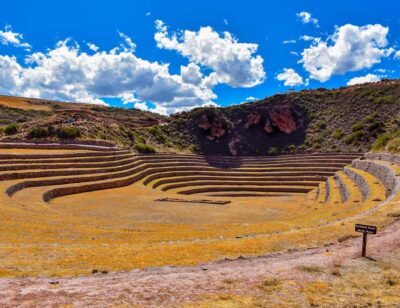
Moray, Maras Salt Mines & Chinchero Weavers Tour
Read our review →
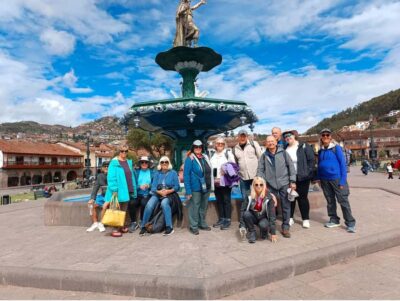
Half-Day City Tour with Sacsayhuaman and Q’enco
Read our review →
Sacred Valley, Pisac, Ollantaytambo, Salt Mines Moray
Read our review →