
Reviewed · SILLAR ROUTE & AREQUIPA COUNTRYSIDE
Arequipa: The White City Origins – Sillar Route Half Day
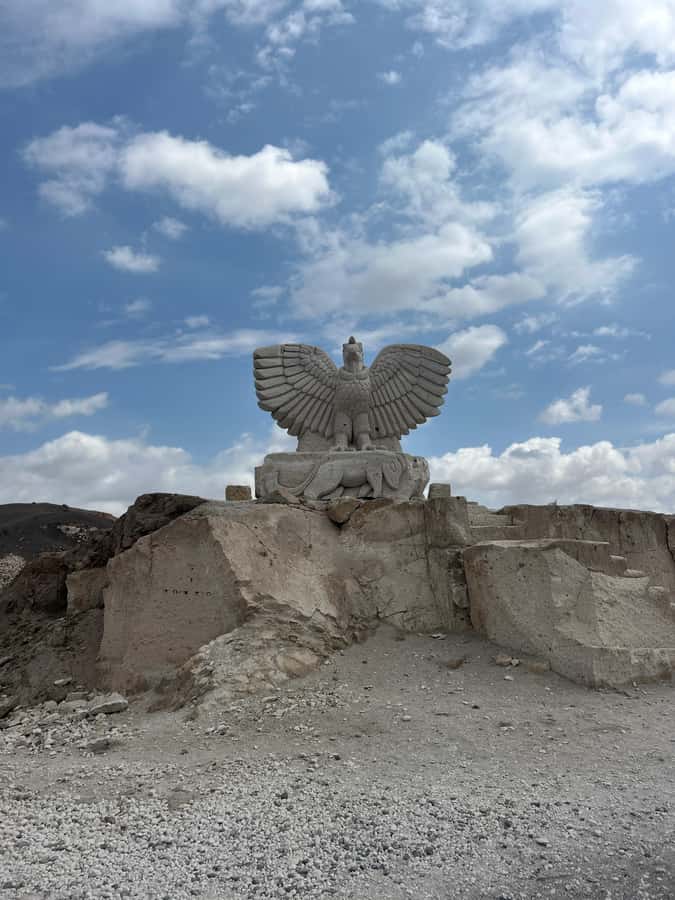
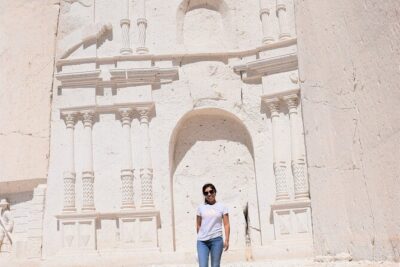
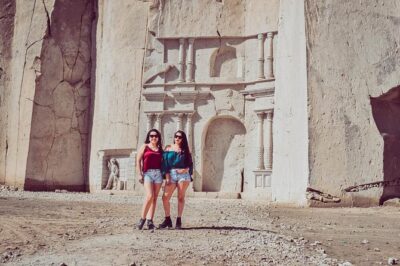
Arequipa’s famous white buildings begin outside the city, in the quarries where pale volcanic sillar is cut by hand. This half-day trip takes you to two very different sites: the working Añashuayco quarries, with their pink stone and artisan workshops, and the narrow Culebrillas ravine, where Wari petroglyphs appear on the rock walls.
I like the direct contact with stonecutters, since you see how sillar is extracted and shaped with old tools rather than only admiring finished buildings downtown. I also like the good use of four hours: the tour adds a second quarry and ancient rock art without taking up your whole day.
The main consideration is that this is a practical group excursion, not a private deep study of quarry work. The $23 price does not include the S/ 5 entrance fee, a payment to master cutters, food, drinks, or a hotel drop-off.
Key points at a glance
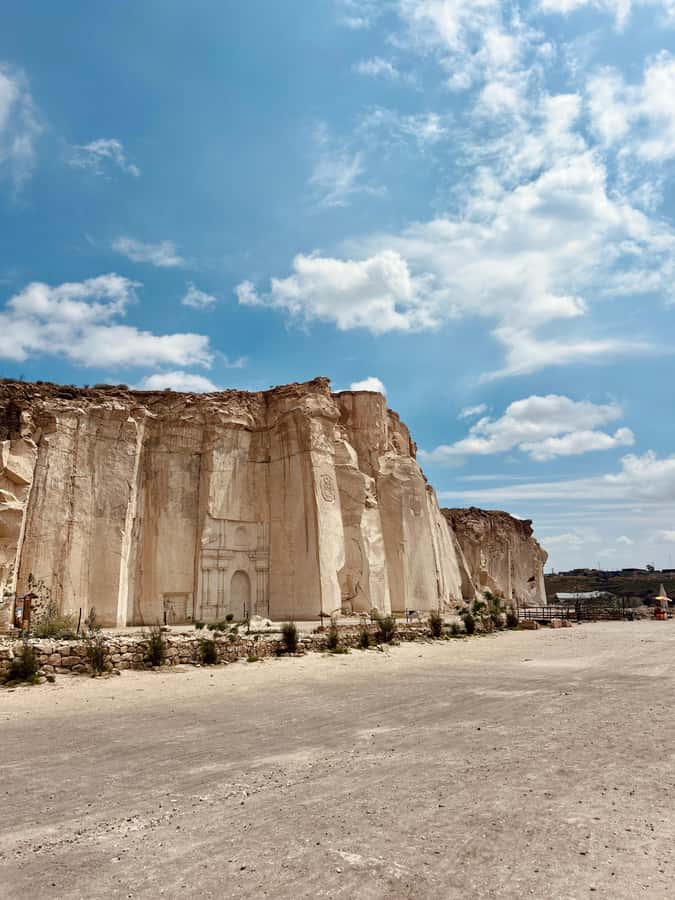
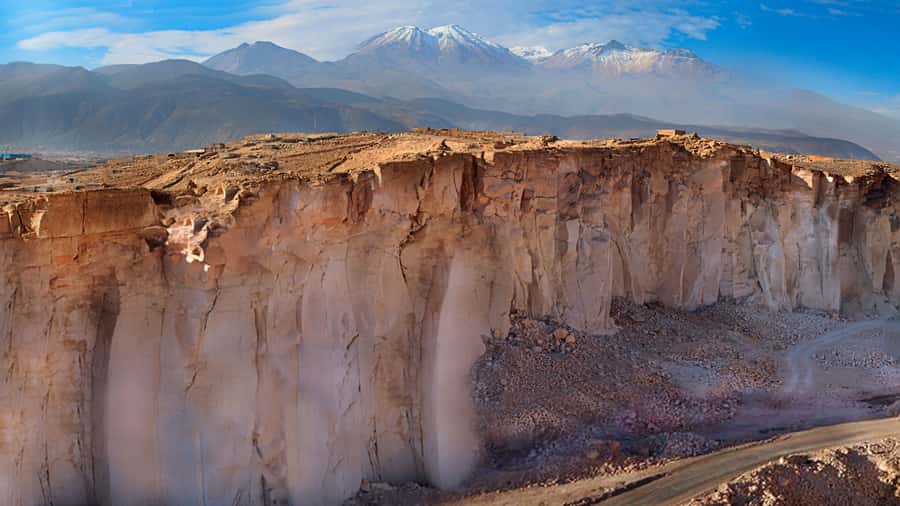
- Añashuayco Quarries: Walk among active quarry areas beneath the Chachani Volcano and beside the Chili River.
- Pink Sillar: See stone that takes on a strong pink tone when sunlight meets its mix of sillar, sand, and rock.
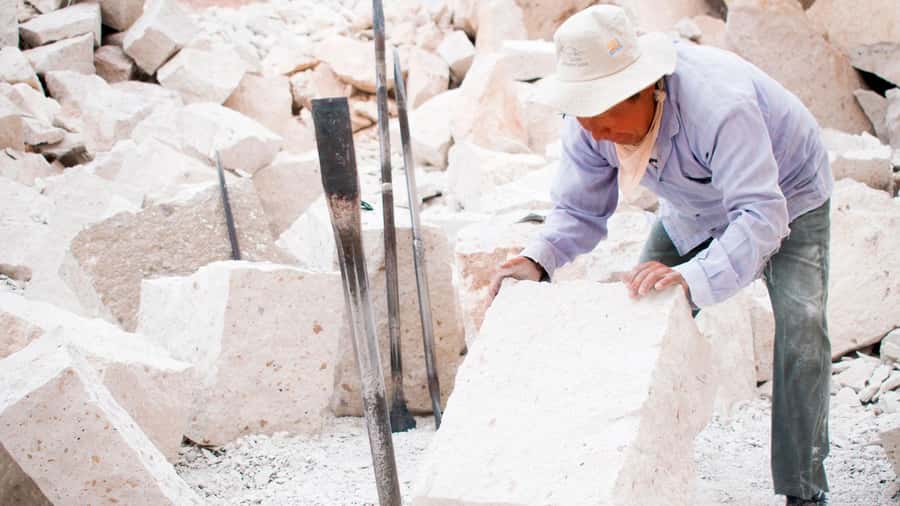
- Working artisans: Visit workshops and watch traditional tools used to shape the stone.
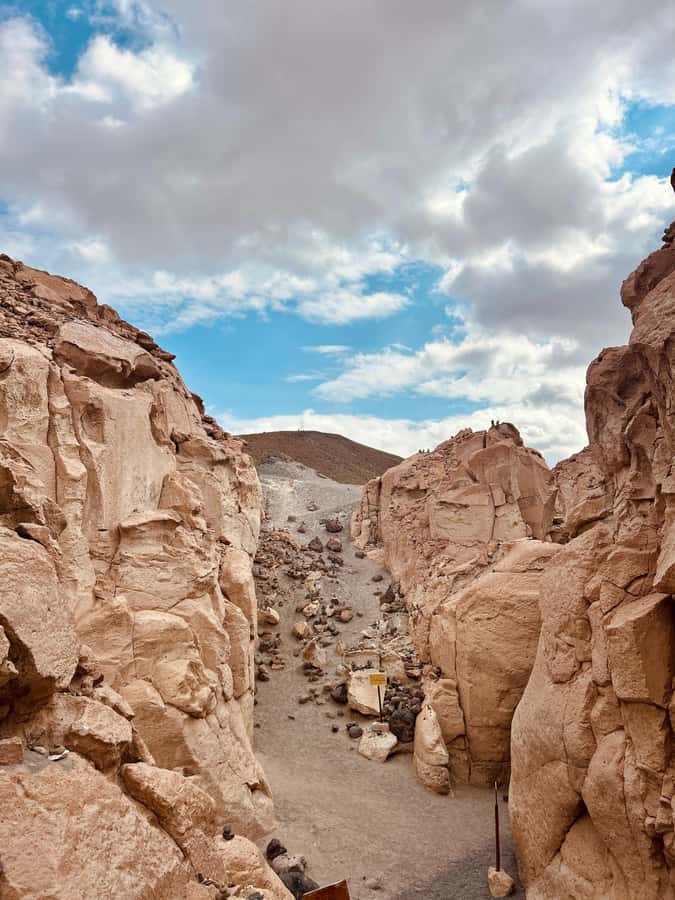
- Culebrillas Ravine: Follow narrow walls formed by water and wind erosion.
- Wari petroglyphs: Look for carved birds, felines, and snakes on walls reaching about 30 meters high.
- Simple half-day value: Transportation, hotel pickup, and a bilingual guide are included for $23 per person.
Why sillar explains Arequipa
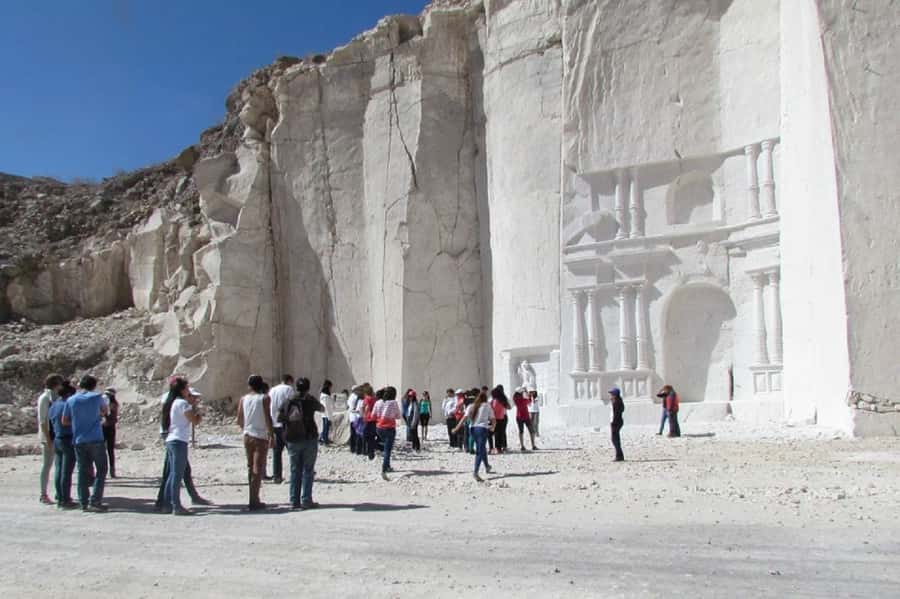
Arequipa is often called the White City because so many of its historic buildings use sillar, a pale volcanic stone. The material gives churches, mansions, and colonial facades their light color and distinctive texture.
The stone is not just decoration. It helped define the city’s appearance and remains closely tied to Arequipa’s identity. The city’s historic center is recognized as a UNESCO World Heritage site, and the quarries show you where much of that architectural character began.
I find this connection useful because the Sillar Route gives meaning to what you see in town. After visiting the quarries, white walls and carved doorways are no longer just pretty details. You can picture the cutting, shaping, and hauling behind them.
The tour also brings you into a working setting. This is not simply a scenic stop with a few display pieces. You visit areas where master cutters work the stone and where extraction still forms part of the local craft.
Other trips into the countryside from Arequipa:
- From Arequipa: Sillar Route Trek
★ 4.2 · 461 reviews - Sillar Route and Culebrillas Petroglyphs
★ 4.5 · 89 reviews - Sillar Route in Arequipa and viewpoint of the Volcanoes
★ 4.0 · 71 reviews
Añashuayco Quarry and the work of the master cutters
The morning pickup is from a centrally located hotel in Arequipa’s historic center. You should wait in the lobby about 10 minutes before the scheduled time. From there, transportation heads toward Cerro Colorado and the Añashuayco quarries.
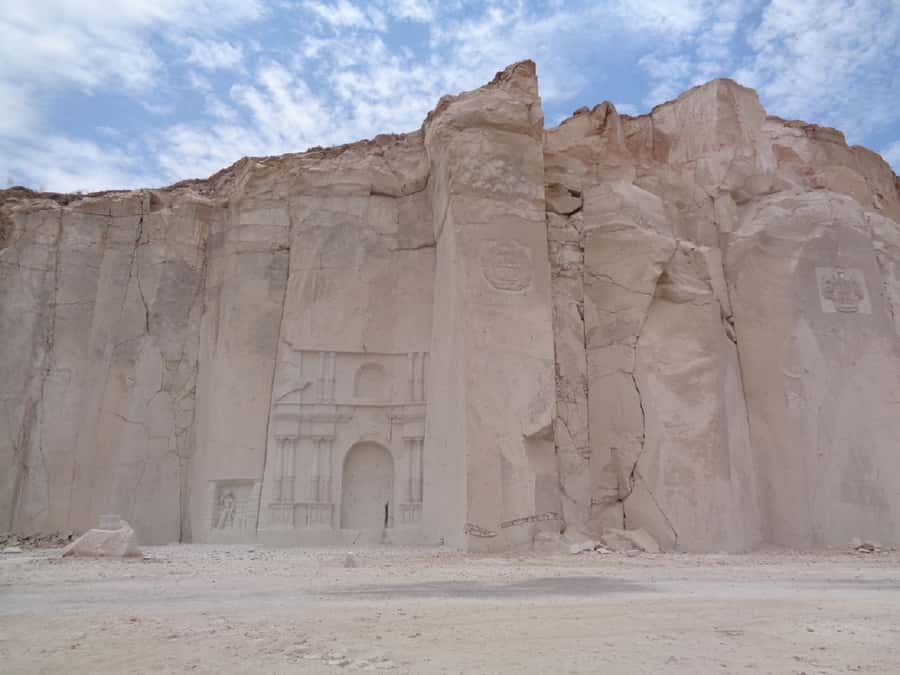
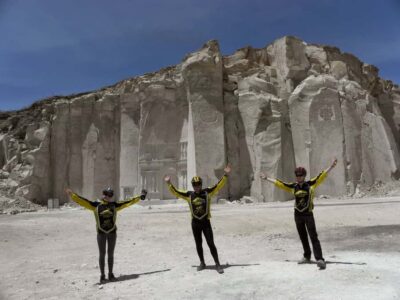
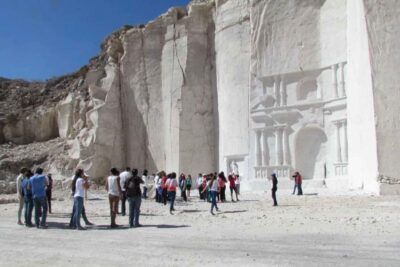
Añashuayco sits at the foot of the Chachani Volcano and near the Chili River. The setting combines open quarry space, volcanic stone, and the daily work of local artisans. You walk through the area used by master stonecutters and see handcrafted pieces such as colonial-style facades and carved elements.
The most useful part for many people is the workshop visit. You can watch how sillar is worked with ancestral tools and learn how the stone is extracted. That hands-on element gives the stop more substance than a simple photo break.
You may also have the chance to buy a sillar handicraft. This purchase is optional, and you should carry cash if you are interested. The activity information does not specify prices or the exact range of pieces available, so I would treat the shopping as an extra rather than a central reason to book.
The Pink Sillar in strong sunlight
One of Añashuayco’s memorable details is the Pink Sillar area. The stone can appear intensely pink in sunlight because of the combination of sillar, sand, and rocks.
The color is a good reminder that the White City is not made from one perfectly uniform material. Light, mineral content, and the surrounding quarry surface change the way the stone looks. Bring sunglasses, since the open quarry can be bright, and use sunscreen and a hat as recommended.
This is also a place where timing matters. The pink effect is linked to sunlight, so the appearance may change with the conditions during your visit. The tour takes place in the morning, giving you a reasonable chance to see the stone in daylight, but no exact lighting condition can be guaranteed.
Culebrillas Ravine and the Wari carvings
After Añashuayco, the route continues to Culebrillas Quarry. The setting changes from a working quarry to a narrow natural ravine shaped by water and wind erosion.
You walk between the walls of the ravine and look for petroglyphs linked to the Wari culture. The carvings depict animals including birds, felines, and snakes. The walls can reach about 30 meters high, giving the walk a more enclosed and dramatic feel than the open quarry.
The Wari civilization flourished in the Andes from the 7th through the 13th centuries AD. That date range gives the petroglyphs a clear place in the region’s past, even though the short tour will not provide the same level of archaeological detail as a specialist excursion.
I like the contrast between the two stops. Añashuayco explains a living craft and the source of Arequipa’s building stone. Culebrillas adds old rock art and a walk through a ravine shaped by natural forces. Together, they make the route feel like more than a quick quarry visit.
Take care while walking and keep your attention on the ground and the rock walls. The information provided describes a stroll through the ravine but does not give details about trail surfaces, distance, or accessibility.
Same base, a completely different day:
- From Arequipa: Colca Canyon Full-Day Guided Tour with Meals
★ 4.5 · 982 reviews - Tour to the Salinas Lagoon and National Reserve in Arequipa
★ 4.5 · 548 reviews - Arequipa: Chili River White Water Rafting with Hotel Pickup
★ 4.8 · 329 reviews - From Arequipa: 2-Day Colca Canyon Trekking Tour
★ 4.8 · 243 reviews
What the guide adds to a short tour
A four-hour tour moves quickly, so the guide matters. The service is offered in English or Spanish, and the guide is described as a professional bilingual guide.
Andreas received especially warm praise for giving clear information not only about the Sillar Route, but also about Peruvian culture, Arequipa, its people, and its districts. That is useful if you have just arrived in the city and want local context beyond the quarry itself.
Fiorella was also singled out for her friendly manner and good humor. You should not assume which guide you will receive, but these names give you an idea of the personal approach associated with the experience.
The strongest reason to choose a guided trip is the interpretation. Without a guide, you can see pale stone, workshops, ravine walls, and carvings. With one, you can connect the quarry to Arequipa’s buildings, understand the artisan work, and place the Wari carvings in an Andean setting.
One practical point: the exact group size is not provided. If you want a private visit or a long conversation with a stonecutter, you may prefer arranging a taxi and separate local guidance. A taxi can also suit you if you only want to reach the quarry independently, but you would need to organize the visit and explanations yourself.
Is $23 a fair price?
At $23 per person, the tour offers solid value for a half-day outing. The price includes transportation, pickup from a centrally located hotel, and a live guide in English or Spanish. For a short trip outside the city, those basics remove much of the planning work.
You still need to budget for the S/ 5 entrance fee in local currency. Payment to the master cutters is also not included, and the wording suggests you may need to pay this directly during the visit. Food and drinks are not included, so bring your own arrangements for the morning.
The lack of hotel drop-off is a small but important detail. You return to central Arequipa, but you should not expect to be delivered back to your hotel. If you are staying in the historic center, continuing on foot or arranging your own short ride should be straightforward, though the exact return point is not specified.
The value is best for you if you want transport and interpretation in one package. If you are comfortable arranging a taxi, need only a quick look at one quarry, and do not care about a bilingual guide, independent travel may cost less or give you more control. The tour earns its price through convenience and the second stop at Culebrillas.
Time, pace, and what to bring
The entire activity lasts about four hours and takes place in the morning. That leaves the rest of the day for Arequipa’s historic center, museums, churches, or lunch.
The tour is listed as suitable for all ages. Children aged two and younger can join free if they sit on a parent’s lap. Since the activity includes walking through quarry areas and a ravine, you should still judge the outing according to your family’s comfort with uneven outdoor settings. No detailed accessibility information is provided.
Bring:
- Passport
- Sunglasses
- Sunscreen
- Hat
- Comfortable clothing
- Cash
The passport requirement is listed among the items to bring, so I would follow it even though no specific checkpoint or identity procedure is explained. Cash is useful for the S/ 5 entrance charge, payment to master cutters, and any optional handicraft purchase.
Comfortable clothes matter more than dressing for a polished city tour. You will walk outdoors around stone surfaces and quarry walls. The experience is not described as a strenuous hike, but it is also not a vehicle-only sightseeing trip.
Who will enjoy the Sillar Route most
I would choose this outing if you have limited time in Arequipa and want to see something beyond the central plazas. One of the strongest points is that it fits into four hours while still including two quarry areas, artisan work, and petroglyphs.
It also suits you if you care about how a city is made. The tour links natural volcanic material, local craftsmanship, colonial architecture, and modern tourism in one short route.
Families can consider it because all ages are welcome, and very young children can join free on a parent’s lap. The practical limits are the unspecified walking conditions and the lack of detailed accessibility information.
The experience may be less suitable if you want a slow, private archaeological visit. The schedule includes several elements, so time at each location is likely limited. You should also look elsewhere if your main goal is simply to photograph one quarry without a guide or transport package.
Booking, cancellation, and planning notes
You can cancel up to 24 hours in advance for a full refund. The reserve-now-and-pay-later option lets you hold a place without paying immediately, which is useful if your Arequipa schedule is still changing.
Pickup is included only from centrally located hotels in the historic center. If you are staying outside that area, confirm the meeting arrangement before booking rather than assuming door-to-door service.
The tour is provided by Tangol. English and Spanish guiding are available, and the pickup instructions ask you to wait in your hotel lobby 10 minutes before the scheduled time.
Should you book it?
Book this Sillar Route tour if you want an easy half-day introduction to the material behind Arequipa’s white architecture. The best parts are the contact with working artisans, the unusual Pink Sillar, and the added stop at Culebrillas with its Wari petroglyphs.
I would especially recommend it to first-time visitors, short-stay visitors, and anyone who wants useful cultural context from a guide such as Andreas or Fiorella. Just bring cash, expect to finish in the city rather than at your hotel, and remember that the S/ 5 entrance fee and cutter payment are extra.
Skip it in favor of an independent taxi visit if you only want a single quarry and prefer to set your own pace. For most people seeking a low-cost, organized look at the origins of Arequipa’s famous stone, the four-hour route offers a sensible amount of sightseeing for the time and money.
FAQ
How long does the Sillar Route tour last?
The tour lasts four hours and takes place in the morning.
How much does the tour cost?
The listed price is $23 per person.
Is hotel pickup included?
Yes. Pickup is included from centrally located hotels in the historic center of Arequipa. You should wait in the lobby 10 minutes before the scheduled pickup time.
Is hotel drop-off included?
No. Hotel drop-off is not included. The tour returns to the city center of Arequipa.
Are entrance fees included?
No. The entrance fee is S/ 5 per person and must be paid in local currency.
Is a guide included?
Yes. A professional live guide is included, with Spanish and English available.
What will I see at Añashuayco Quarries?
You will see quarry areas near the Chachani Volcano and Chili River, meet or observe master stonecutters, visit artisan workshops, see sillar extraction, and view the Pink Sillar area.
What will I see at Culebrillas Quarry?
You will walk through a narrow ravine formed by water and wind erosion and see Wari petroglyphs depicting animals such as birds, felines, and snakes.
Can young children join the tour?
Yes. The activity is suitable for all ages. Children aged two and younger are complimentary if they sit on a parent’s lap.
Just added around Arequipa
- 3-Day Colca Canyon trek with Professional Guide★ 5.0 · 40 reviews
- Private 3 Day Colca Canyon Trekking tour (superior Service)★ 5.0 · 58 reviews
- 2 Day Trek Including Transfer to Puno / Colca Canyon★ 4.5 · 38 reviews
- Full Day Tour to Colca Canyon from Arequipa★ 4.0 · 34 reviews
- Colca Full Day★ 5.0 · 57 reviews
- Tour to the Sillar Route from Arequipa | Half Day★ 4.2 · 4 reviews
- 8-Hours Tour in Arequipa Laguna de Salinas with Pick-up★ 4.5 · 56 reviews
- Tour + Hike to the Sillar Route and Culebrillas in Arequipa★ 4.1 · 5 reviews
Sillar Route & Arequipa Countryside, compared.
Sillar Route in Arequipa and viewpoint of the Volcanoes
Read our review →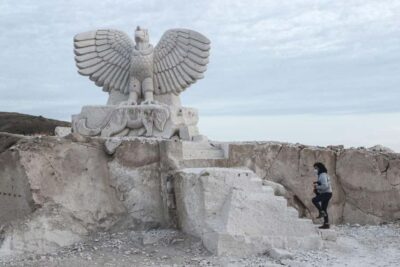
4 hours Tour: Route of Sillar with Trek in Culebrillas
Read our review →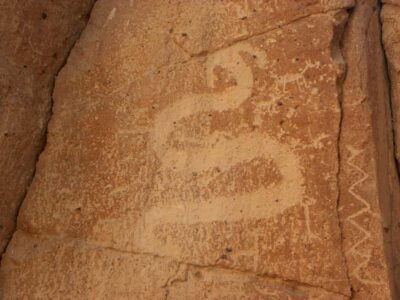
Route of the Sillar | Quarries of Añashuaycos | Half day
Read our review →
4-hour excursion: Sillar Route with Hiking in Culebrillas
Read our review →Browse the lists this tour appears in