
Reviewed · SILLAR ROUTE & AREQUIPA COUNTRYSIDE
Sillar Stone Tour from Arequipa
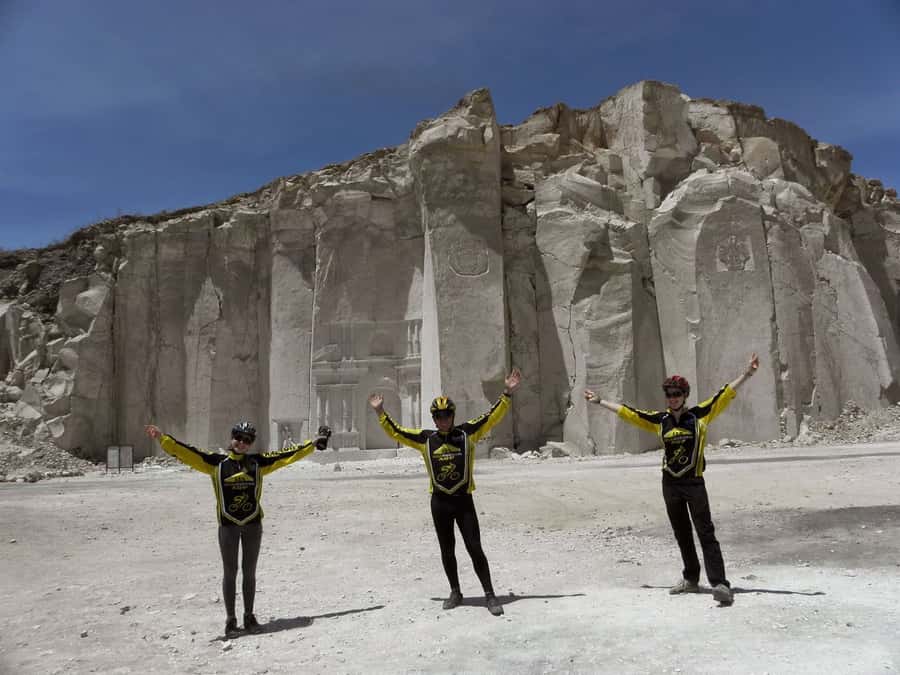
Arequipa’s famous white buildings begin not in the city center, but in the Culebrillas quarries, where masons cut volcanic ignimbrite into the pale blocks known as sillar. This four-hour outing gives you the useful connection between the stone under your feet and the colonial façades around Plaza de Armas. I especially like the close look at the carving process and the narrow, canyon-like quarry formations.
I also like the practical setup: hotel pickup in central Arequipa, a small group capped at 15 people, and a drop-off at the main square. The main consideration is that this is a focused half-day visit, not a full city tour, and food, drinks, and entrance costs are not included.
Key points to know before you book
- Culebrillas is the main event: Explore the quarry area and see where sillar is cut and shaped.
- Volcanic stone explains Arequipa: The tour connects the quarry to the city’s distinctive white architecture.
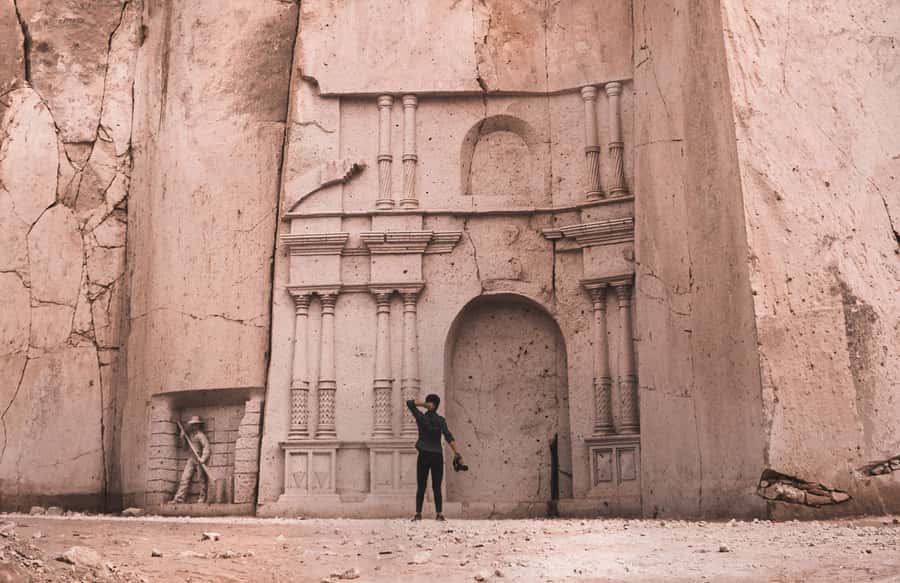
- Masons demonstrate their craft: You can watch the patient work behind carved samples and finished pieces.
- Small groups keep questions manageable: The group limit is 15, with live guiding in English or Spanish.
- Hotel pickup saves time: Pickup is available from accommodation in central Arequipa, with return to Plaza de Armas.
- Plan for a simple outing: Bring water and comfortable shoes, and budget separately for food, drinks, and entrance fees.
Why Culebrillas explains Arequipa’s white city
The best part of this experience is the connection it makes between geology and architecture. Arequipa is often called the White City because many of its historic buildings use sillar, a light-colored volcanic stone. At Culebrillas, you see the material before it becomes a doorway, wall, or decorative panel.
The stone comes from volcanic eruptions and is identified in the tour as ignimbrite. That detail matters because it turns a pretty city walk into something easier to understand. The pale walls are not simply a design choice. They come from the area’s volcanic past and from a local building tradition that grew after the 1687 earthquake.
After that earthquake, construction with sillar became widespread. As the method improved, Arequipa developed the colonial architecture that gives the city its familiar look. You do not need to be an architecture specialist to appreciate the point. Once you have seen the quarry, the city’s white churches, walls, and carved details make more sense.
I like tours that explain how a place was made, rather than showing you one more attractive view with no context. This visit does exactly that, in a compact format.
Other trips into the countryside from Arequipa:
- From Arequipa: Sillar Route Trek
★ 4.2 · 461 reviews - Sillar Route and Culebrillas Petroglyphs
★ 4.5 · 89 reviews - Sillar Route in Arequipa and viewpoint of the Volcanoes
★ 4.0 · 71 reviews
The 10-minute ride from central Arequipa
Pickup begins at your accommodation in central Arequipa. The listed transfer takes about 10 minutes by bus or coach, making this an easy addition to a morning or afternoon in the city.
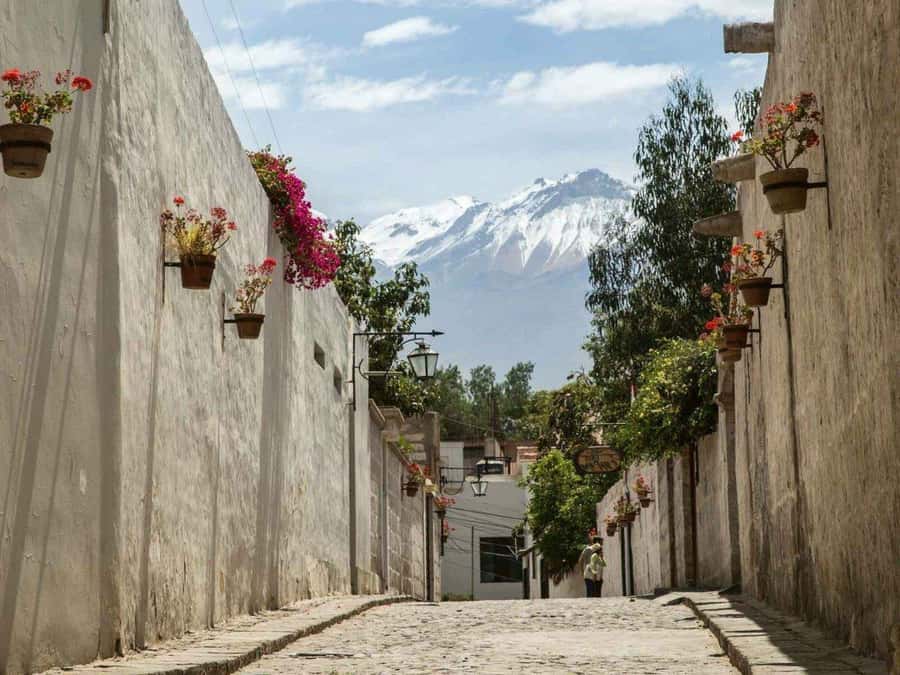
The quarries are about 3 kilometers from Arequipa’s center and are mainly associated with the districts of Cerro Colorado and Yura. Since transport is included, you do not need to arrange a separate taxi or work out how to reach the quarry area on your own.
The trip is described as a small-group outing for up to 15 people. That is a useful middle ground. You are not paying for a private tour, but the group should be small enough for questions and explanations to remain practical. One particularly positive account describes the guide as patient and clear, with transportation and hotel pickup working well.
No guide names are provided, so you should book based on the service format rather than expecting a particular person. English and Spanish guiding are available.
Walking through the Culebrillas quarry
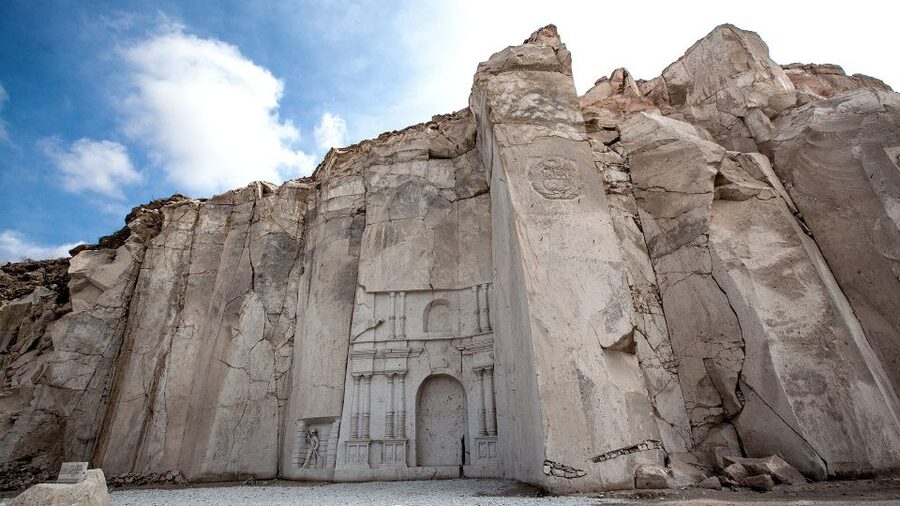
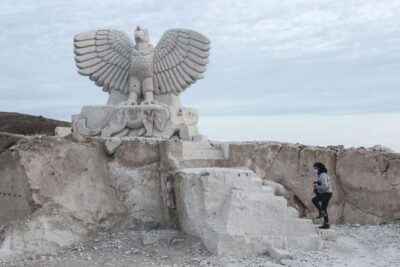
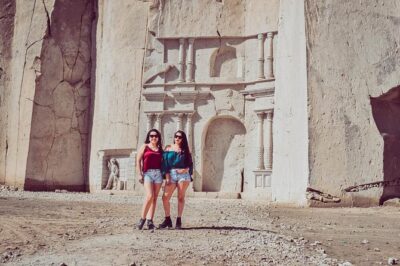
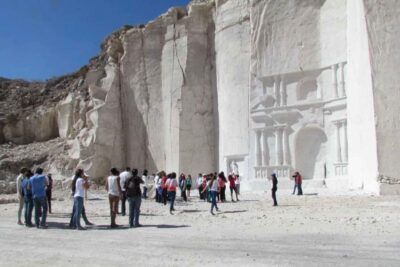
At the quarry, your guide leads a sightseeing visit through the stone-cutting area. The rock formations can feel canyon-like, which adds more interest than simply looking at piles of building material.
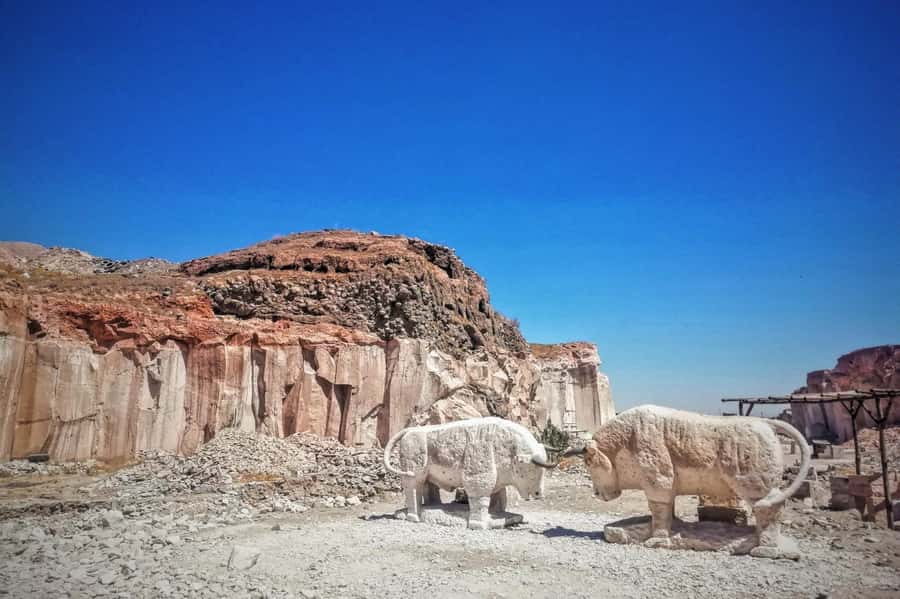
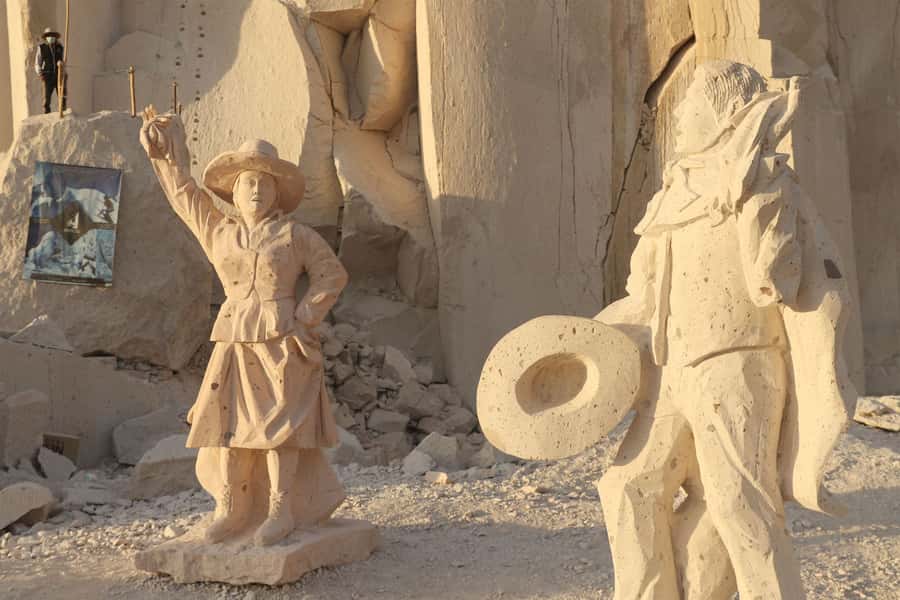
The setting is useful because you see the source of sillar in its rough state. The workers take ignimbrite and gradually prepare it for construction or carving. The process is not presented as a fast industrial production line. It depends on patient, skilled handwork, and the guide explains the steps involved.
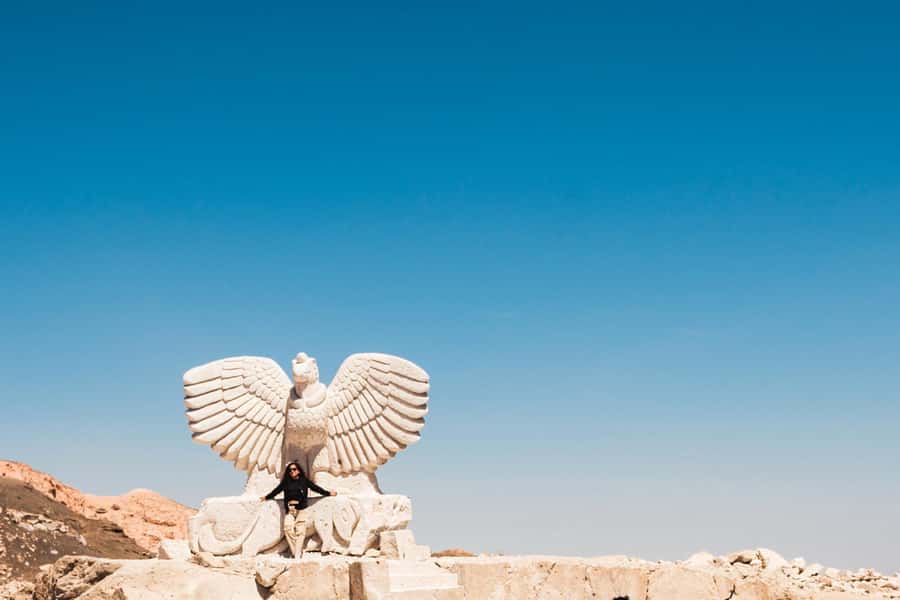
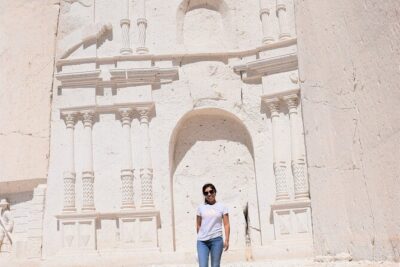
You may see masons carrying out their daily tasks and examples of carved stone. These samples help you notice the difference between raw blocks and the finished details used in Arequipa’s buildings. The tour is not only about color. It is about labor, technique, and the time required to turn volcanic rock into a usable architectural material.
A short review of the outing described the canyon-like quarry structures as the most memorable part. That makes sense. The quarry gives you a physical setting to explore, rather than a lecture delivered beside a vehicle. Still, keep your expectations sensible. This is a four-hour guided visit, not a full-day industrial or archaeological expedition.
Comfortable shoes are a good idea. Water and comfortable clothing are also listed as essentials. The supplied information does not state how demanding the walk is, so you should not book it expecting a strenuous hike or assume it is completely effortless. One assessment specifically found the outing not tiring, but conditions can still vary with the day and your own pace.
Watching the masons shape volcanic stone
The human side of the quarry is what gives this tour its value. You see how masons work with sillar and hear the story behind the stone from the guide.
The carving process rewards attention. Look for the point where a plain block begins to take on a recognizable edge or pattern. The provided details do not promise a hands-on workshop, so expect to observe and listen rather than carve a souvenir yourself.
The guide explains the preparation of the stone in detail and shows samples of carving. That makes this a good choice if you prefer a cultural stop with a clear subject. You will come away with a better sense of why Arequipa’s historic architecture looks the way it does and what kind of work lies behind those clean white surfaces.
The quarry also adds a welcome change from the city center. Arequipa’s central streets show the finished product. Culebrillas lets you see the raw material and the makers. Together, the two places tell a more complete story.
One guide was praised for answering questions and explaining the subject patiently. That is important here because the experience depends heavily on interpretation. Without a good explanation, a quarry can look like a rocky stop. With context, it becomes a lesson in local building, geology, and craftsmanship.
Same base, a completely different day:
- From Arequipa: Colca Canyon Full-Day Guided Tour with Meals
★ 4.5 · 982 reviews - Tour to the Salinas Lagoon and National Reserve in Arequipa
★ 4.5 · 548 reviews - Arequipa: Chili River White Water Rafting with Hotel Pickup
★ 4.8 · 329 reviews - From Arequipa: 2-Day Colca Canyon Trekking Tour
★ 4.8 · 243 reviews
Returning to Plaza de Armas
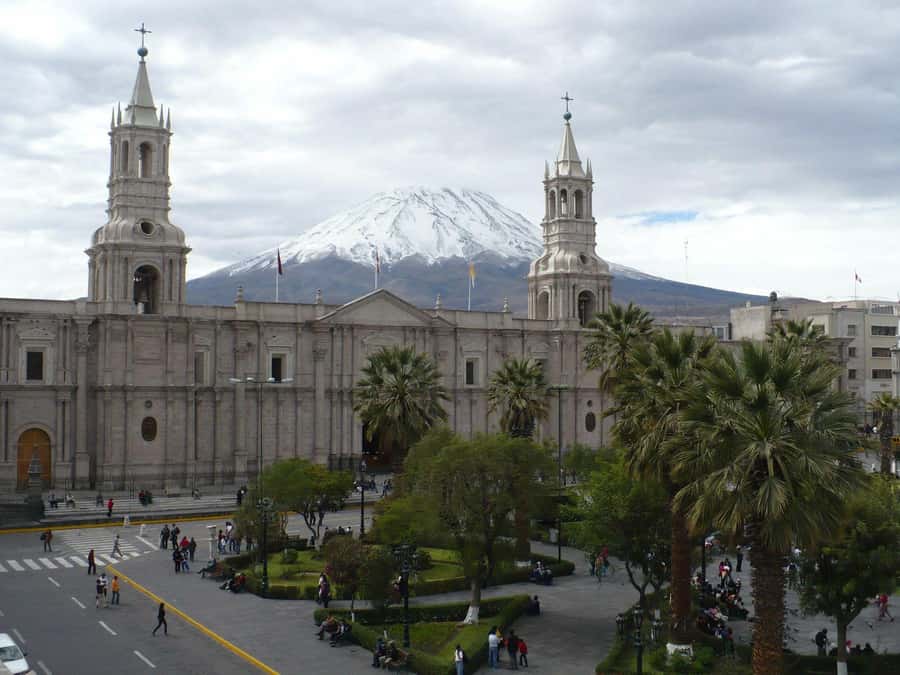
After the quarry visit, the vehicle returns to Arequipa. Drop-off is at Plaza de Armas, the city’s main square.
This ending is convenient. You can continue sightseeing, find lunch, or return to your accommodation from a central location. It also means the tour does not leave you at an outlying quarry or require you to arrange a ride back.
The description promises a chance to see important Arequipa sights and appreciate the architecture of its buildings, but the detailed route is centered on the Culebrillas quarries. I would treat the city sights as part of the transfer and the return, not as a separate, complete city tour.
There is also a stray mention in the supplied highlights of Písac market and free time in Aguas Calientes. Those places are not part of the stated Arequipa itinerary, which begins and ends in Arequipa and focuses on sillar. Do not book this experience expecting a visit to Písac or Aguas Calientes. The reliable plan here is Culebrillas, guided sightseeing, and return to Plaza de Armas.
What the $29 price really covers
At $29 per person, this is a fairly easy way to add a specialized cultural stop to your Arequipa stay. The price includes hotel pickup from central accommodation, transport to the quarry, a live guide in English or Spanish, the guided visit, and drop-off at the main square.
The value is strongest if you want transport and interpretation handled together. You are paying for a short outing with a clear subject, not simply a ride to a viewpoint. The guide’s explanation of ignimbrite, sillar preparation, quarry work, and Arequipa’s architecture is a central part of what you are buying.
Food and drinks are not included, and entrance fees are also excluded. Since the tour lasts four hours, bring water and plan any meal separately. The available information does not give the entrance price, so check the final booking details if that cost matters to your budget.
The overall rating is 4 out of 5 from 22 ratings. The strongest praise centers on the interesting quarry setting, patient explanations, excellent guiding, and smooth pickup. One short assessment offered little detail, so the score is best read as generally positive rather than a guarantee of a perfect outing.
Who will enjoy this half-day tour
I would recommend this experience to you if you want to understand Arequipa beyond its central churches and white façades. It suits people interested in architecture, local craft, geology, and the practical work behind historic buildings.
It is also a good fit if your schedule is tight. Four hours gives you a focused visit without consuming an entire day. The short transfer from central Arequipa makes the outing easy to fit between other plans.
Families and mixed-age groups may appreciate the manageable format, though the supplied information does not specify child pricing or accessibility details. Ask the operator directly if those points matter to you.
You may prefer a different activity if you want a long hike, a food-focused excursion, or an extensive city tour. You should also choose something else if your main goal is Písac market or Aguas Calientes, since those places do not fit the stated route.
Practical advice for a better visit

Wear shoes you can walk in comfortably. The quarry setting is uneven by nature, and good footwear will let you pay attention to the stone rather than your feet.
Carry water. Drinks are not included, and there is no promise of a refreshment stop. Comfortable clothing is also recommended, a sensible choice for a quarry visit rather than a formal city outing.
Keep your questions ready. The best use of the tour is to ask how the stone is cut, how it is prepared, and how the quarry connects to Arequipa’s buildings. The guide-led format is especially useful when you want more than photographs.
Allow some flexibility around the start time. The activity runs for four hours, but you need to check availability for the exact departure. Pickup is included only from accommodation in central Arequipa, so confirm that your hotel falls within the service area.
The cancellation policy is friendly for changing plans: you can cancel up to 24 hours in advance for a full refund. You can also reserve now and pay later, which helps if your Arequipa schedule is still shifting.
Should you book the Culebrillas outing?
Book it if you want a short, well-organized explanation of one material that defines Arequipa. The combination of quarry scenery, working masons, carved samples, and architectural context gives the $29 price a clear purpose.
I would especially choose it early in your Arequipa stay. After seeing where sillar comes from, you can notice its color, texture, and carved details in the city with more interest.
Skip it if you expect a broad city tour or a full-day adventure. The route is focused, the food and entrance costs are extra, and the unlisted references to Písac and Aguas Calientes should not influence your decision. For a practical half-day visit that links volcanic stone to Arequipa’s identity, though, this is a sensible choice.
FAQ
How long does the Sillar Stone Tour from Arequipa last?
The tour lasts four hours, including transport, guided sightseeing, the quarry visit, and return to Arequipa.
Where does the tour begin?
Pickup is available from accommodation in central Arequipa.
Where does the tour finish?
Drop-off is at Plaza de Armas in Arequipa.
What language is the guide?
Live guiding is available in English or Spanish.
How many people are in the group?
The experience is offered as a small-group tour with a maximum of 15 participants.
What will I see at Culebrillas?
You will see the quarry area, stone cutters working with ignimbrite, the preparation of sillar, and examples of carved stone.
Is food included?
No. Food and drinks are not included, so bring water and plan separately for anything you want to eat or drink.
Are entrance fees included?
No. Entrance fees are not included in the activity price.
Can I cancel for a refund?
You can cancel up to 24 hours in advance for a full refund. The activity also allows you to reserve now and pay later.
Just added around Arequipa
- Rock Climbing in Arequipa, Perú★ 5.0 · 28 reviews
- Route of the Sillar | Quarries of Añashuaycos | Half day★ 4.2 · 35 reviews
- From Arequipa: Full Day Colca Canyon Tour★ 4.5 · 3 reviews
- From Arequipa: 2-Day Colca Canyon Tour with Transfer to Puno★ 4.2 · 17 reviews
- From Arequipa: Road to Pillones Waterfall★ 4.5 · 5 reviews
- From Arequipa: Sillar Route Excursion | Half Day |★ 4.0 · 5 reviews
- From Arequipa: Climbing in the Chilina Valley★ 5.0 · 4 reviews
- Excursion Salinas Lagoon and National★ 5.0 · 3 reviews
Sillar Route & Arequipa Countryside, compared.
Sillar Route in Arequipa and viewpoint of the Volcanoes
Read our review →
4 hours Tour: Route of Sillar with Trek in Culebrillas
Read our review →
Route of the Sillar | Quarries of Añashuaycos | Half day
Read our review →
4-hour excursion: Sillar Route with Hiking in Culebrillas
Read our review →
Arequipa | Tour of the Sillar Route + Culebrillas Canyon
Read our review →Browse the lists this tour appears in