
Reviewed · MUSEUMS & INCA RUINS
Guided tour of Cusco and its 4 ruins
Cusco’s best introduction is a city-and-ruins combination: you begin with Spanish colonial art and Inca foundations, then ride uphill to four major sites outside town. Qoricancha and Sacsayhuamán are the big draws, but Qenqo, Puca Pucara, and Tambomachay add useful context to how the Inca capital worked.
I like the efficient mix of walking and minibus transport, and I like that the tour includes both the city center and the surrounding ruins. The main catch is uncertain timing, especially on Sundays, when the order can change and the advertised four-and-a-half-hour schedule may not allow enough time for every stop.
Key points at a glance
- Six major sights in one outing: Visit Cusco Cathedral, Qoricancha, Sacsayhuamán, Qenqo, Puca Pucara, and Tambomachay.
- The city and the hills: Start near the Plaza de Armas, then ride to the ruins above Cusco.
- Strong guide potential: A university professor known as Doctor received especially high praise for his passion and teaching.
- Entrance fees are extra: Foreign visitors pay 125 soles in total for the Cathedral, Qoricancha, and four ruins.
- Sunday planning matters: The sequence may reverse, so the central sights might come late in the outing.
- Good value with a time warning: The $20 tour price is low, but you need to confirm the actual schedule.
What this Cusco tour is trying to show you
This experience connects the main parts of Cusco in a single half-day: the Plaza de Armas, the Cathedral, Qoricancha, and the four well-known ruins outside the center. That makes it useful if you have limited time or want a guided overview before exploring independently.
The cultural contrast is the point. In the Cathedral, you see Spanish religious architecture and colonial artwork. At Qoricancha, you see one of the most important religious centers of the Inca Empire, later reshaped by Spanish construction. At Sacsayhuamán and the other sites, the focus shifts to stonework, water, ceremony, and defense.
The experience is sold as six hours, but the detailed schedule also refers to a four-and-a-half-hour outing. That difference matters. One booking on a Sunday ran behind, with the ruins visited first and Qoricancha and the Cathedral still waiting at 2 p.m. If the city sights matter most to you, ask about that day’s route before paying.
Other ruins and collections around Urubamba:
- Cusco: Half-Day City Tour with Sacsayhuaman and Q’enco
★ 4.6 · 1,129 reviews - City Tour Cusco Qoricancha Sacsayhuaman y Tambomachay
★ 4.7 · 617 reviews - Lima: The Charm of Barranco & Pre Inca Pyramid in Miraflores
★ 4.9 · 322 reviews
Cusco Cathedral and the Plaza de Armas
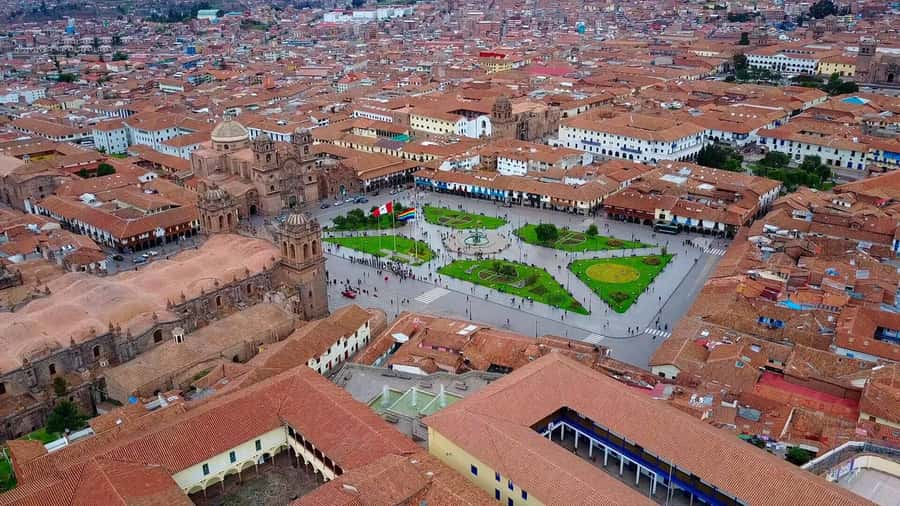
The tour begins at the Plaza de Armas, Cusco’s central square and the natural starting point for understanding the city. You enter the Cathedral, described as the most important temple in the city, for a look at its architecture and art.
The visit is not included in the base price. Foreign visitors pay 40 soles, listed as about $10.70, while local visitors pay 12.50 soles, listed as about $3.40. That additional cost is worth considering before you compare this tour with a cheaper walking tour.
The Cathedral also helps explain Cusco’s layered identity. Its decoration belongs to the Spanish colonial period, while many of the materials and artistic traditions reflect the earlier Inca world. You are told that many decorative elements were made with Inca gold, a detail that gives the interior a direct link to the city’s conquest and transformation.
I would pay close attention here rather than treating the Cathedral as a quick photo stop. The guide’s explanations are what make the visit useful. If your main interest is Inca architecture, this may be less exciting than the ruins, but it supplies the colonial half of the story.
Qoricancha, the Temple of the Sun
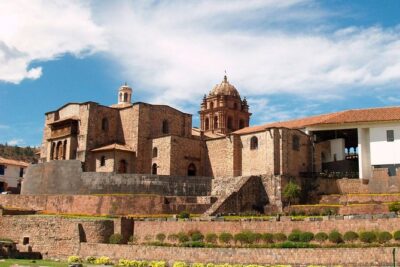
From the Plaza de Armas, you walk to nearby Qoricancha. This is one of the strongest parts of the itinerary because the site makes the collision of Inca and Spanish cultures easy to see in one place.
Qoricancha was one of the Inca Empire’s most important religious centers. Its exact construction date remains uncertain, but its role is clear: this was a major sacred site devoted to the sun and the religious power of the Inca state.
The building is also a lesson in reuse. Inca foundations and Spanish religious construction occupy the same setting, so you can see two architectural traditions side by side instead of treating them as separate chapters. That physical overlap is more valuable than a simple lecture about conquest.
Admission costs 15 soles per person, listed as about $4. The fee is not included, so a foreign visitor paying for every included sight should budget 125 soles in admissions:
- Cathedral: 40 soles
- Qoricancha: 15 soles
- Four ruins: 70 soles
That is about $33.50 at the listed conversions, added to the $20 tour price. The package therefore costs roughly $53.50 for a foreign visitor before any other personal spending. For a guided half-day with transport, that can be fair value, but only if the schedule lets you enter the places you most want to see.
Sacsayhuamán and the four highland ruins
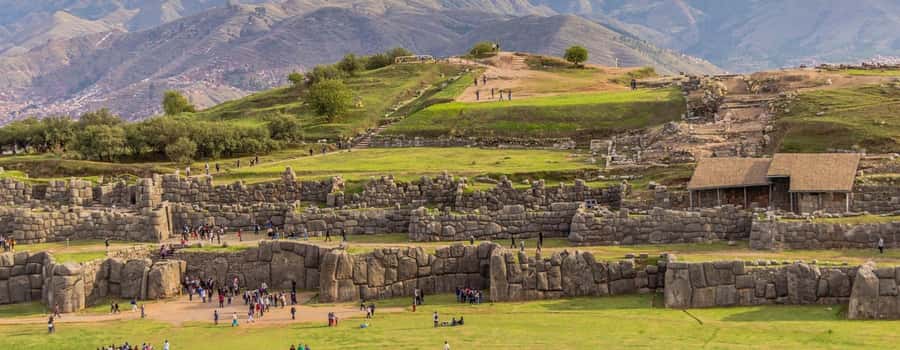
After the central sights, the minibus takes you toward the four ruins. The ride is listed as about half an hour before reaching Sacsayhuamán. This transfer saves you from arranging separate transport and keeps the sites in one organized route.
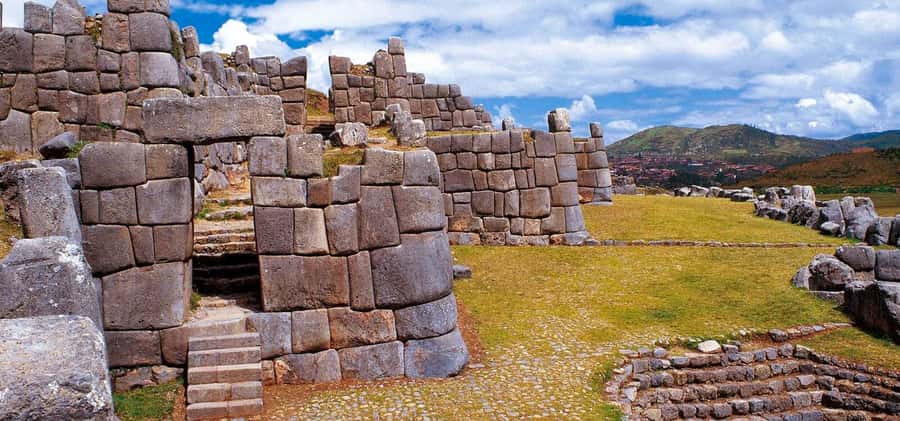
Sacsayhuamán is the centerpiece of the outdoor portion. The guide explains why it is regarded as the greatest architectural work of the Incas. The scale of its stone construction is the reason this stop deserves generous attention, and it is likely to be the most impressive ruin on the route.
The experience is guided rather than simply panoramic. You are meant to learn how the site fits into Inca building and state power, not just walk around large stones. Still, the exact amount of time available depends on the group’s pace and the day’s schedule.
The four-ruins ticket costs 70 soles for a foreign visitor, listed as about $18.80, and 40 soles for a local visitor, listed as about $10.70. This fee covers Sacsayhuamán, Qenqo, Puca Pucara, and Tambomachay according to the supplied pricing.
Other guided tours around Urubamba:
- Machu Picchu: Group Guided Tour
★ 4.7 · 102 reviews - Machu Picchu: Tour Guide Service & Entrance Ticket Circuit-2
★ 4.6 · 90 reviews - Machu Picchu: historical and photographic guided tour
★ 4.9 · 27 reviews - Private Guide in Machu Picchu for 3 Hours
★ 4.2 · 17 reviews
Qenqo, Puca Pucara, and Tambomachay
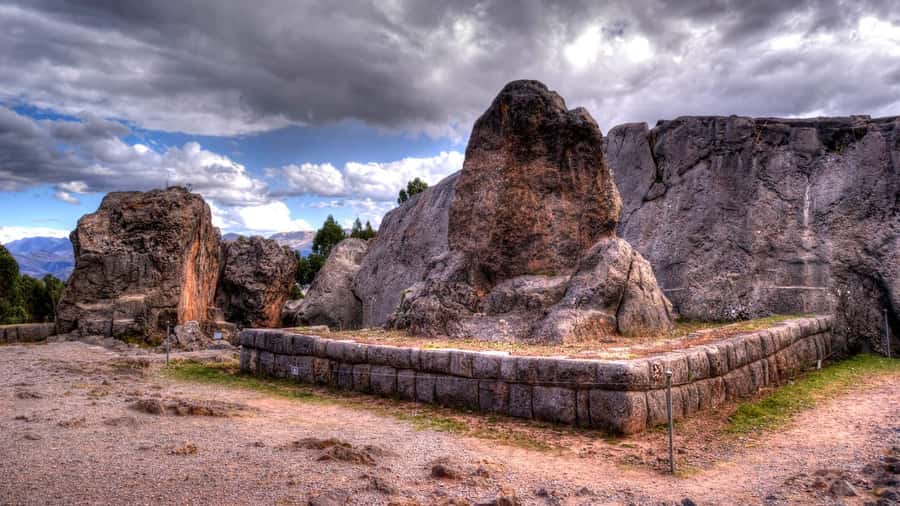
Qenqo comes next. It is described as one of the most important sanctuaries of its period, so this stop shifts the focus from massive construction to religious use. You can expect the guide to explain its ceremonial role and why it mattered within the wider group of sites.
Puca Pucara, known as the Red Fortress, adds another piece to the route. Its name and description point to a watchtower or lookout function. In practical terms, this stop helps you see that the sites around Cusco were not all built for the same reason. Some served religious purposes, while others related to movement, observation, or control.
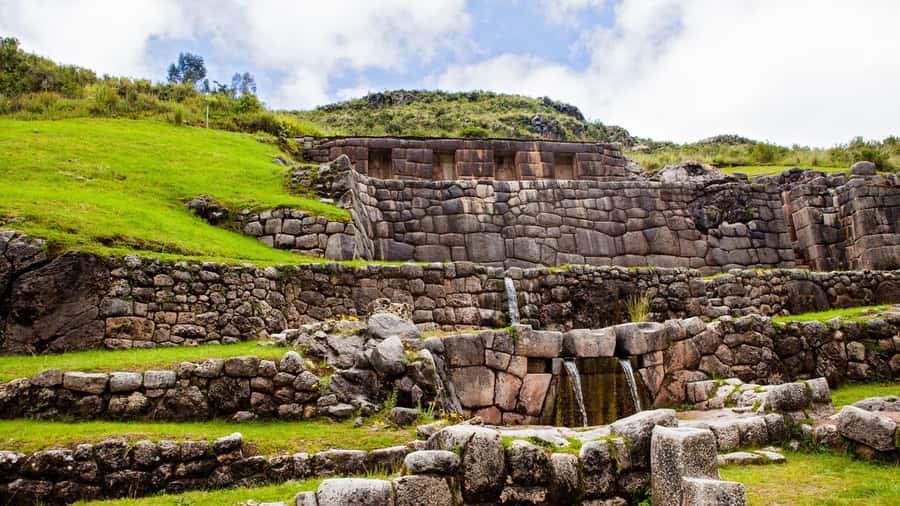
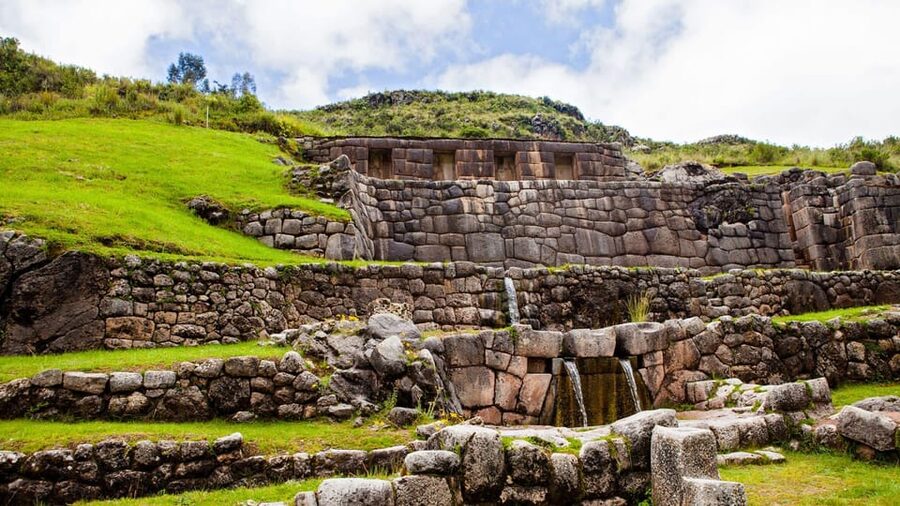
The final ruin is Tambomachay, also called the Inca Bath. Here, water is central. The Incas worshiped water at this site, making it different from the military and ceremonial emphasis of the earlier stops.
I like this sequence because it prevents the ruins from blending into one long list of stone walls. Sacsayhuamán represents monumental construction, Qenqo sacred activity, Puca Pucara watching and defense, and Tambomachay water worship. The guide’s job is to make those distinctions clear.
The drawback is pace. Four sites after the city center is a lot for one outing, particularly if the tour begins late or traffic slows the minibus. If you prefer to linger at each ruin, take photographs, or read every sign, a private visit or separate day trips may suit you better.
The guide can make or break the day
The guide is available in English or Spanish. That choice matters because this tour depends on explanation. The Cathedral and Qoricancha benefit from context, while the ruins need help with their different functions and importance.
One especially strong guide was described as a university professor, passionate about both history and his profession. He was also referred to as Doctor. Since no personal name is provided, I would not assume that the same person leads every departure. Still, that description tells you what to hope for: a guide who teaches rather than merely points.
A good guide should help you connect the stops. The best version of this tour is not six disconnected visits. It is a story about a capital shaped by Inca religion, engineering, water, defense, Spanish conquest, and colonial art.
You should also ask about the meeting point and pickup time. The outing includes pickup at the meeting point and a return transfer to central Cusco, but the exact meeting location and starting time are not specified here. Availability determines the departure times.
Timing problems to plan around
The schedule needs special attention. The activity information gives a six-hour duration, while the detailed route says you will be left near the Plaza de Armas after four and a half hours. That is not a small difference if you are arranging a train, museum visit, meal, or airport transfer.
The Sunday issue is even more important. On one Sunday, the route ran to the ruins first, followed by Qoricancha and the Cathedral. The change itself is manageable, but it becomes a problem if you expect to finish all visits within four and a half hours.
If you book, ask three direct questions:
- Is the tour six hours or four and a half hours on your date?
- Does Sunday change the order of the stops?
- Will every listed entrance be visited that day?
I would avoid scheduling a hard-to-change activity immediately afterward. Keep extra time in your plan, especially if the Cathedral and Qoricancha are your priorities.
The tour ends near the Plaza de Armas, which is convenient for continuing your day in central Cusco. That return point is useful, but it does not solve a late start or a route that runs past its stated duration.
Is the $20 price a good deal?
The $20 booking price looks attractive, but it is only part of the cost. A foreign visitor who enters all the listed sites pays another 125 soles, or about $33.50 using the supplied conversions. The combined price is therefore about $53.50.
That is reasonable if you want a guide, minibus transportation, and a compact introduction to six major places. It also removes the work of finding transport between the Plaza de Armas and the highland ruins.
The value drops if you miss Qoricancha or the Cathedral because of the timing. Those are not minor extras. They are two of the central reasons to choose a city-and-ruins tour instead of a ruins-only outing.
Local visitors receive lower entrance prices, totaling 67.50 soles for the three ticket groups. The tour price itself is listed at $20 per person, and the supplied information does not state a separate local tour rate.
Free cancellation is available up to 24 hours before the activity, and you can reserve without paying immediately. Those terms help if your Cusco plan is still changing, but they do not replace the need to confirm the Sunday route.
Who should book this experience?
I would choose this tour if you want a broad first look at Cusco and prefer having transport arranged. It suits a first visit, a tight schedule, or anyone who wants an English or Spanish guide to explain the Inca and Spanish layers together.
It is also a good fit if you enjoy moving through several sites rather than spending a full morning at one ruin. The route gives you a useful survey of religious, ceremonial, defensive, and water-related places.
I would hesitate if you have only a narrow window before another booking. The conflicting duration information and the Sunday change make this a poor match for a tightly packed schedule.
I would also think twice if Qoricancha and the Cathedral are your top priorities and you are visiting on Sunday. In that case, confirm the order in writing or consider visiting those sites independently, then joining a separate ruins outing.
My verdict on the Cusco city and ruins tour
Book it for the combination of sights, the low starting price, and the chance to get a passionate guide such as the university professor known as Doctor. Sacsayhuamán, Qoricancha, and the contrast between Inca and Spanish architecture give the outing real substance.
Just treat the timetable as something to verify, not a fixed promise. Confirm the duration, ask about Sunday ordering, and budget the extra entrance fees. If those details work for your date, this is a practical way to get your Cusco bearings and see the city’s key ruins in one guided outing.
FAQ
Where does the tour begin?
Pickup is provided at a meeting point in Cusco. The specific meeting point is not stated in the supplied information, so check it when booking.
Where does the tour end?
The return transfer leaves you near Cusco’s Plaza de Armas.
How long does the tour last?
The activity is described as six hours, but the detailed route also refers to a four-and-a-half-hour tour. Confirm the expected duration for your date.
Which languages are available?
The live guide is available in English and Spanish.
Is transportation included?
Yes. Minibus transportation is included, along with pickup at the meeting point and a return transfer to central Cusco.
Are entrance tickets included?
No. Entrance fees for the Cathedral, Qoricancha, and the four ruins are extra.
How much do the foreign visitor entrance fees cost?
The Cathedral costs 40 soles, Qoricancha costs 15 soles, and the four ruins cost 70 soles per foreign visitor.
Does the tour visit Cusco Cathedral?
Yes. The planned route includes a visit inside the Cathedral near the Plaza de Armas.
Which four ruins are included?
The ruins are Sacsayhuamán, Qenqo, Puca Pucara, and Tambomachay.
Can I cancel the booking?
You can cancel up to 24 hours in advance for a full refund. The activity also allows you to reserve now and pay later.
Just added around Urubamba
- Half day tour: Maras Salt Mines and Moray Terraces★ 4.5 · 4 reviews
- Private Guide in Machu Picchu for 3 Hours★ 4.2 · 17 reviews
- From Cusco:Chinchero, Moray, Maras, Ollantaytambo with lunch★ 5.0 · 3 reviews
- From Cusco: Salkantay trek 5 days/4 nights meals included★ 4.0 · 3 reviews
- From Cusco: Sacred Valley VIP Tour with Buffet Lunch★ 4.7 · 3 reviews
- From Cusco: Sacred Valley & Moray, Salt Mines with Lunch★ 4.6 · 3 reviews
- Cusco: Sacred Valley and Salt Mines Ending in Ollantaytambo★ 4.6 · 5 reviews
- From Cusco: Vinicunca Rainbow Mountain Day Trip★ 4.2 · 18 reviews
Museums & Inca Ruins, compared.
Half-Day City Tour with Sacsayhuaman and Q’enco
Read our review →
City Tour Cusco Qoricancha Sacsayhuaman y Tambomachay
Read our review →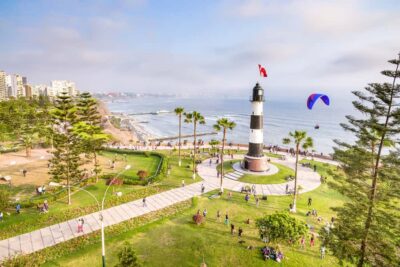
The Charm of Barranco & Pre Inca Pyramid in Miraflores
Read our review →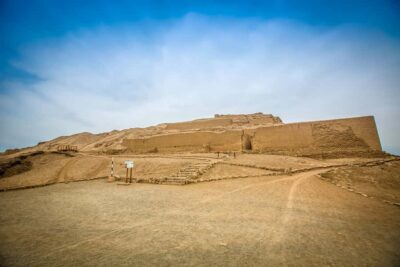
Pachacamac Ruins & Barranco Half-Day Guided Tour
Read our review →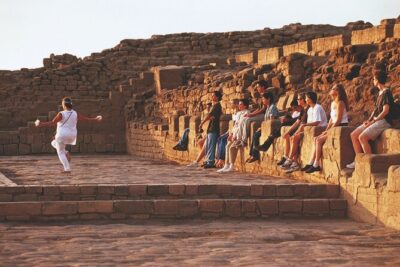
Pre Inca Temple of Pachacamac Half-Day Tour from Lima
Read our review →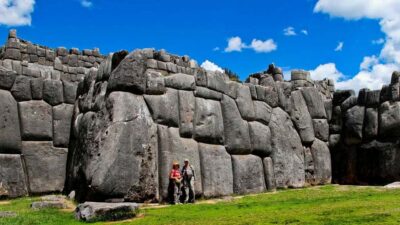
City Tour | Half-Day Tour to 4 Archaeological Sites
Read our review →
City Tour in Cusco & visit Museum South American Camelid Private.
Read our review →Browse the lists this tour appears in