
Reviewed · SACRED VALLEY TOURS
From Cuzco: Sacred Valley, Moray Terraces, and Salt Mines
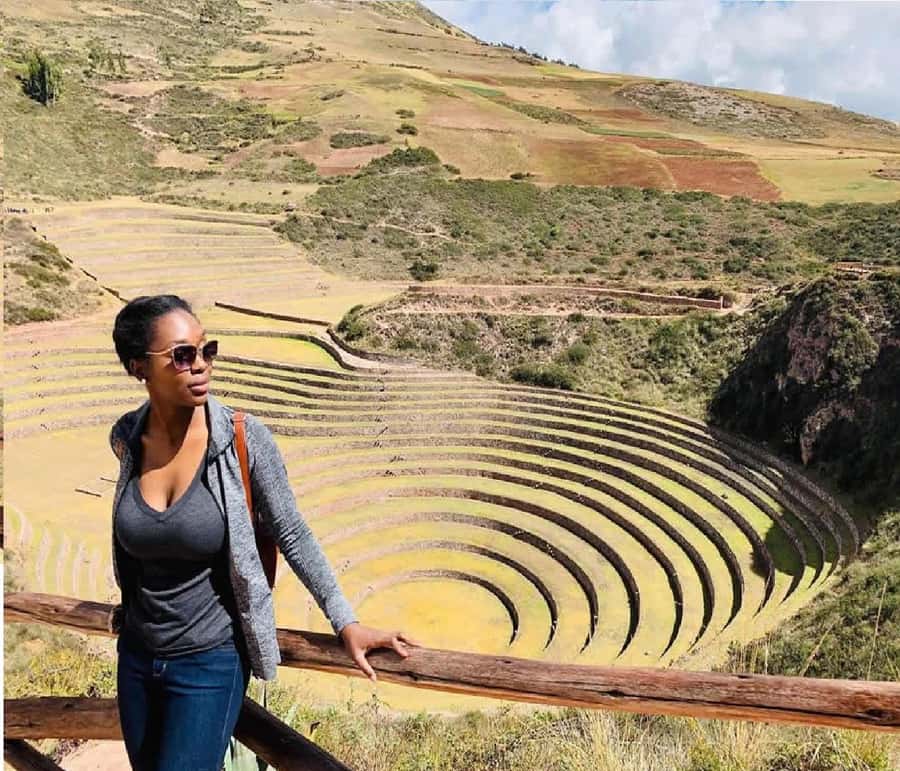
Moray is the star here: a set of huge circular terraces cut into the Andean earth, each ring dropping lower than the last. Their exact purpose still invites discussion, but their design shows how carefully the Incas worked with altitude, temperature, and crops. The view is striking, yet the site is also a lesson in practical engineering.
I like this experience for two clear reasons. First, Moray and Maras give you two very different Inca-era sights in one outing: one shaped for agriculture, the other for salt production. Second, the low price includes hotel pickup, shared transport, and a bilingual guide. The main catch is that admission fees, lunch, and drinks are not included, and the full-day version can make for a long, tiring day.
Key points to know before booking
- Moray’s circular terraces are the main attraction, with about 50 minutes for a guided visit, photos, and free time.
- Maras shows hundreds of salt pools cut into a mountainside, also with about 50 minutes to look around.
- The full-day route adds Chinchero, Urubamba, Ollantaytambo, and Pisac, but expect an early start and a return near 7 p.m.
- The $25 price is only the starting cost, since Moray, Maras, lunch, and drinks require extra payment.
- Shared transport varies in quality, so a private or small-group option may be worth considering if comfort matters.
- The tour is not suited to people with mobility limits, since the sites involve uneven ground, steps, and walking.
Moray’s circles reveal Inca farming skill
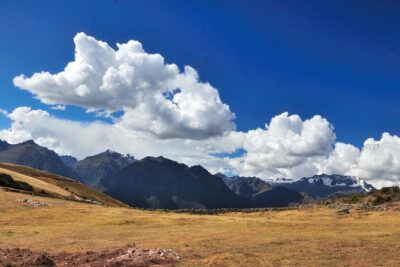
The road from Cusco heads through the Urubamba Valley, with snow-capped Andean peaks appearing along the route. The scenery is part of the reward, but Moray gives the day its strongest sense of place.
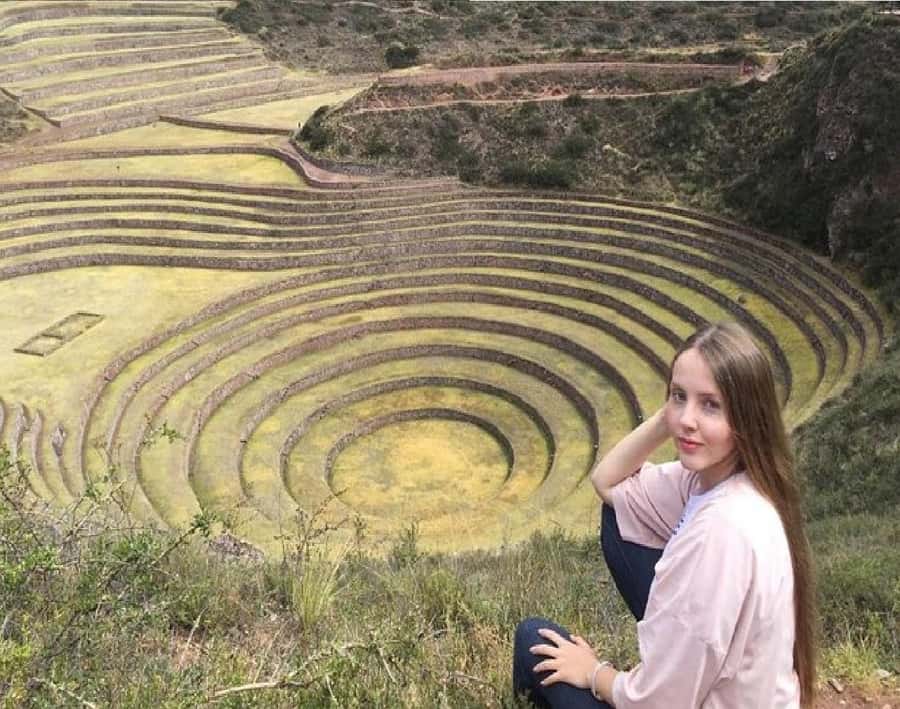
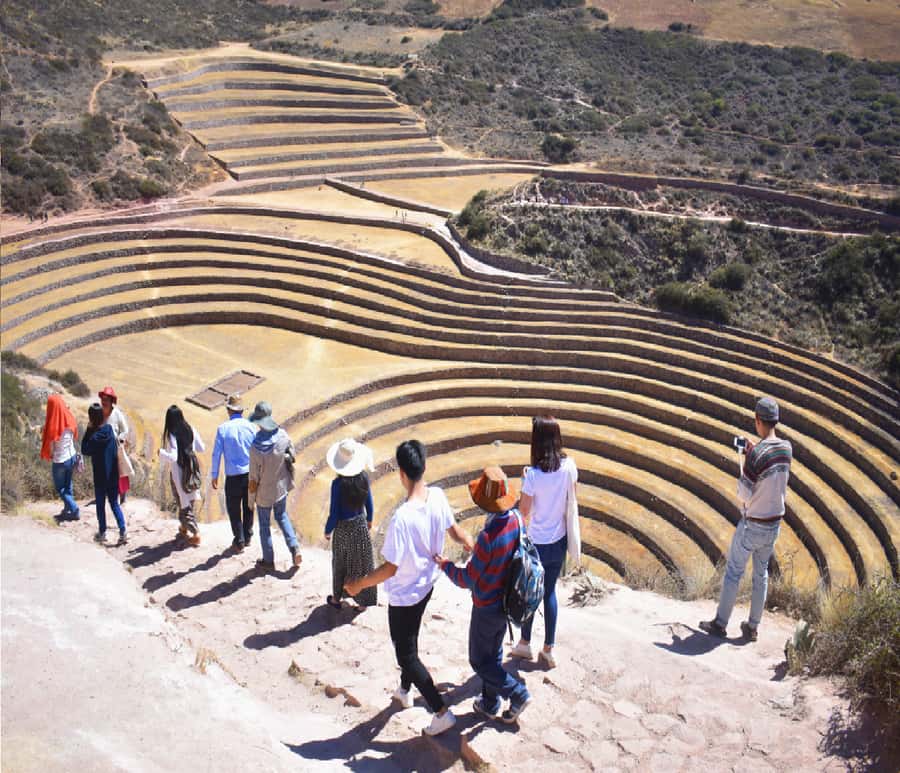
At Moray, you’ll walk to a set of large, circular terraces built into a natural hollow. The platforms descend in rings, creating a dramatic shape that looks almost like an amphitheater. Your guide explains how the Incas used different terrace levels for agriculture and how the varied heights may have produced distinct growing conditions.
The exact role of every terrace remains uncertain, so a good guide should explain what is known without turning old theories into fact. You’ll hear about Inca farming methods, Andean crops, and the care needed to produce food across steep mountain terrain.
You get about 50 minutes at the site for a guided visit, photographs, and free time. That is enough to see the main terraces and hear the basic explanation, though it may feel short if you want to linger or take many pictures.
Bring comfortable shoes. Moray is not a museum with smooth floors and marked indoor paths. You should expect open-air walking, uneven surfaces, and exposure to sun and changing mountain weather. Breathable clothing helps, but pack a layer as well.
Other days through the Sacred Valley from Cusco:
- From Cusco: Moray, Maras Salt Mines & Chinchero Weavers Tour
★ 4.8 · 1,925 reviews - Cusco: Sacred Valley, Pisac, Ollantaytambo, Salt Mines Moray
★ 4.6 · 1,058 reviews - Cusco:Chinchero,Moray & Salt Mines drop-off in Ollantaytambo
★ 4.8 · 793 reviews
Maras turns salt into a mountainside mosaic
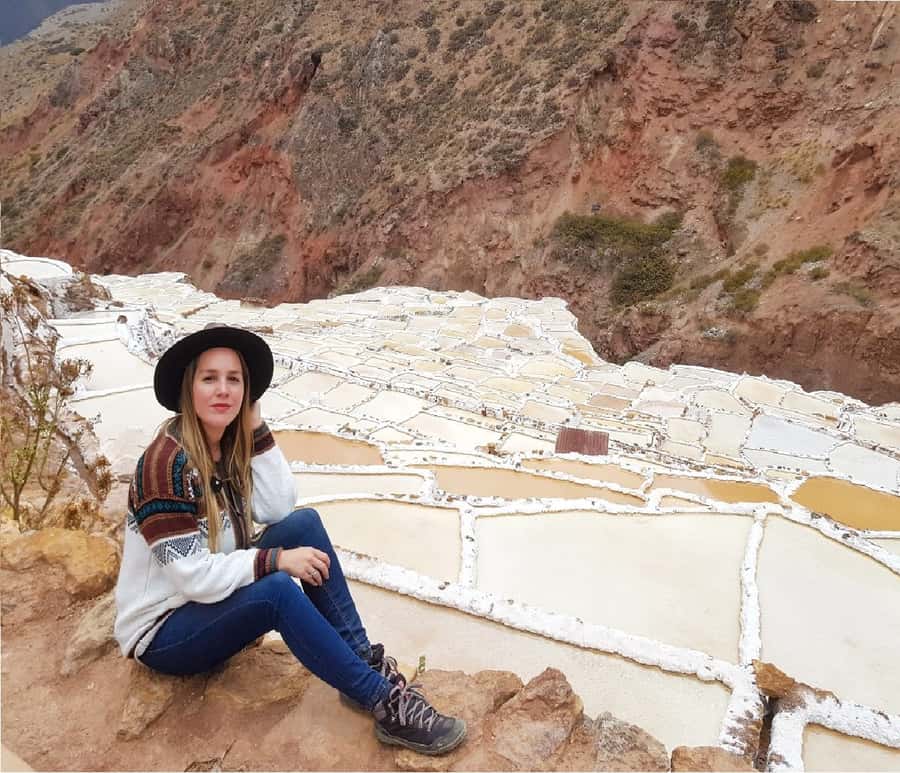
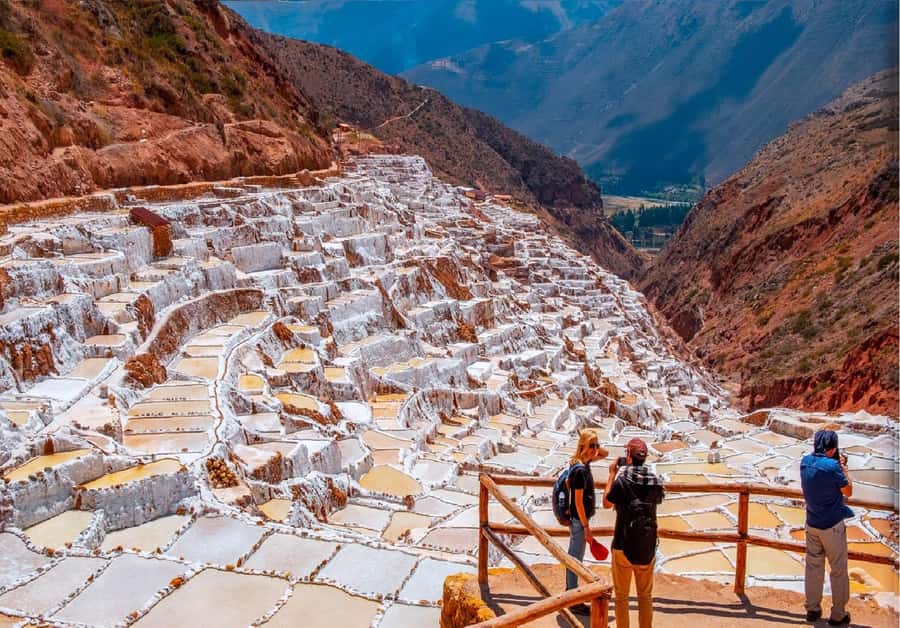
From Moray, the route continues to Maras, a small town associated with its famous salt mines. Here, salty spring water is directed into a large collection of shallow pools built into the mountainside.
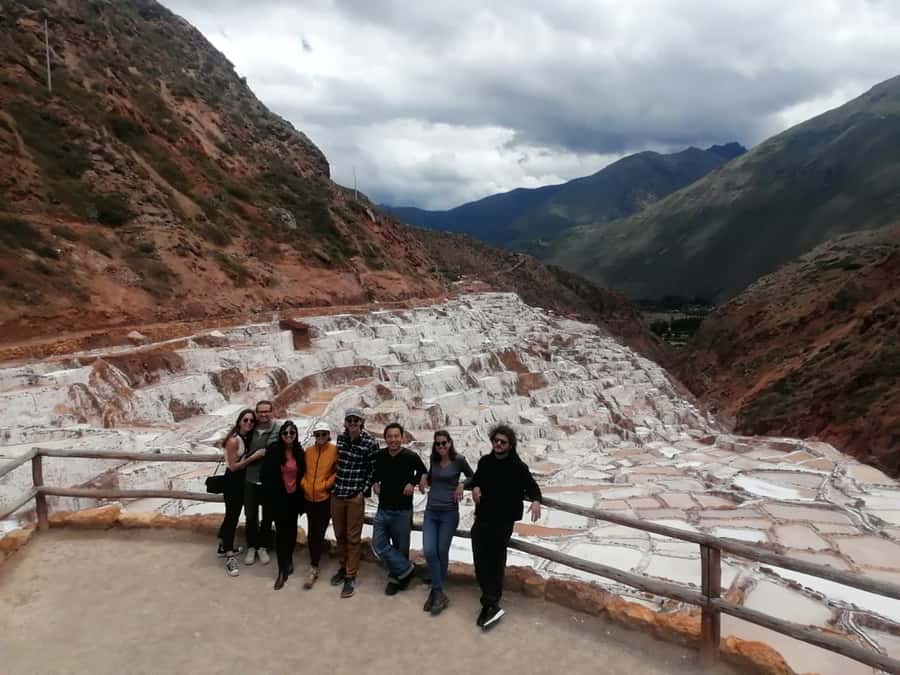
As the water evaporates, salt gathers in the pools. The result is a patterned slope of pale terraces, with each pool separated by narrow earthen walls. From a distance, the site looks like a giant patchwork of white and brown rectangles.
The Maras visit lasts about 50 minutes and includes a guided explanation, photographs, and time to look around. It is a different kind of Inca-era achievement from Moray. Moray focuses on farming and controlled growing conditions. Maras shows how people used a natural spring and careful water management to produce a valuable resource.
You should check the current entrance charge before leaving Cusco. The supplied tour details give different figures, listing either 10 or 20 soles for Maras. That inconsistency is worth clarifying at booking or with your guide. Cash is specifically recommended, and you should not assume the $25 tour price covers this admission.
The salt pools are a working production site, not simply a viewpoint. Access and walking conditions can vary, so follow local instructions and avoid stepping into areas that are not open to the public. The sight is best appreciated from the permitted paths and viewing areas.
Choosing the half-day Moray and Maras route
The first option is the simplest version. Pickup is scheduled around 7:40 a.m., with hotel collection generally taking place between 7:30 and 8 a.m. The route travels through the Urubamba Valley to Moray and then Maras before returning to Cusco.
This version works well if you have limited time or want to keep the afternoon open. You see the two main sights without adding the extra stops of the Sacred Valley circuit. The advertised duration is roughly six hours, though the exact length depends on pickup timing, traffic, and how long the group spends at each place.
The key advantage is focus. Moray and Maras are close enough to combine, but they offer enough contrast to make the outing feel varied. You get ancient agriculture, salt production, mountain scenery, and a guide’s explanation without trying to cover every major site in the valley.
The drawback is that shared pickup can take time. Cusco has many possible collection points, including hotels and hostels around the historic center, San Blas, Wanchaq, and nearby areas. Your pickup may not happen at exactly the advertised minute, so I would avoid scheduling a tight afternoon activity.
A delayed departure has happened on at least one occasion, with pickup arriving about an hour late. That does not mean every departure will be late, but it is a good reason to keep your morning free and confirm the meeting point clearly.
The full Sacred Valley circuit adds four major stops
The second option is a very different experience. Pickup begins early, generally between 6:35 and 6:55 a.m., and the route continues until about 7 p.m. Drop-off is on Plateros Street near the Plaza de Armas, or on Calle Saphy.
This full-day version includes:
- Chinchero
- Moray
- Maras
- Urubamba
- Ollantaytambo
- Pisac
It covers a lot of ground, so you should book it for breadth rather than a slow, quiet visit. The day gives you a useful first look at the Sacred Valley, but the pace will be demanding.
Same base, a completely different day:
- Cusco: Humantay Lake Tour with Breakfast and Buffet Lunch
★ 4.9 · 2,976 reviews - From Cusco: Full-Day Group Tour of Machu Picchu
★ 4.7 · 1,767 reviews - Machu Picchu Day Trip from Cusco
★ 4.5 · 1,644 reviews - Cusco: Half-Day City Tour with Sacsayhuaman and Q’enco
★ 4.6 · 1,129 reviews
Chinchero and the remains of a royal estate
Chinchero is the first stop. You’ll see remains linked with the royal estate of Túpac Inca Yupanqui and a well-preserved Inca wall in the main square.
This stop adds an important piece of context before Moray. It shows how Inca construction appears within a living town, rather than only at an isolated archaeological site. The visit is also useful for seeing the quality of stonework in a more compact setting.
The morning start is early, and the first stop comes before you have fully settled into the day. If you need a slower morning, the half-day option may suit you better.
Urubamba provides the lunch break
After Moray and Maras, the full-day route goes to Urubamba for lunch. This meal is included only with the full Sacred Valley option. The supplied details describe a buffet with more than 30 varieties of typical dishes.
That makes lunch practical as well as cultural. You get a chance to try several local foods instead of ordering one plate and hoping it suits you. Food and drinks are not included in the shorter options, so do not assume the same arrangement applies there.
A buffet stop can also help break up a long day in the vehicle. Still, you should keep some cash available for drinks and any other purchases.
Ollantaytambo guards the valley entrance
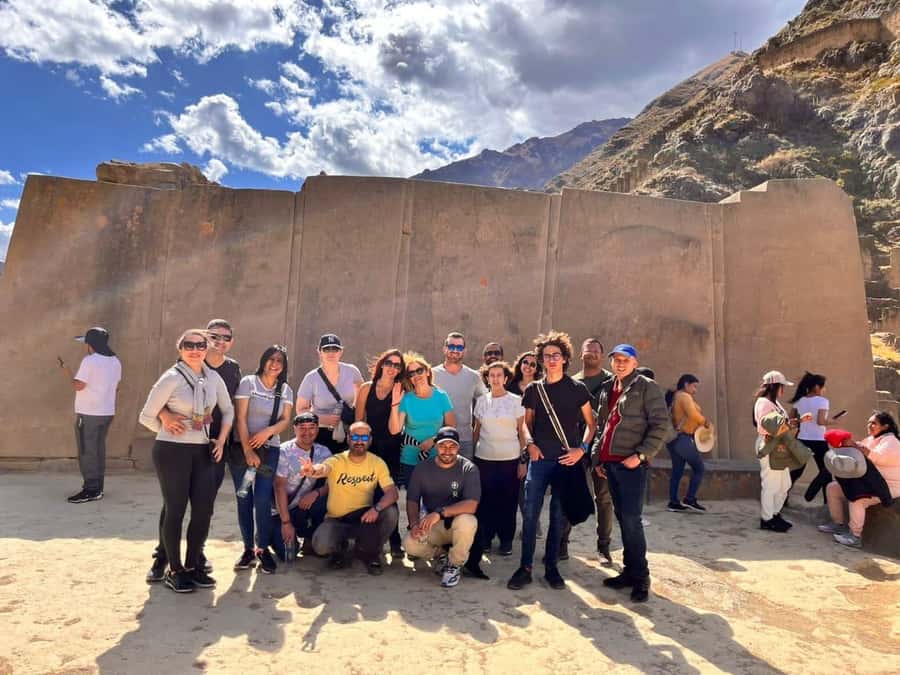
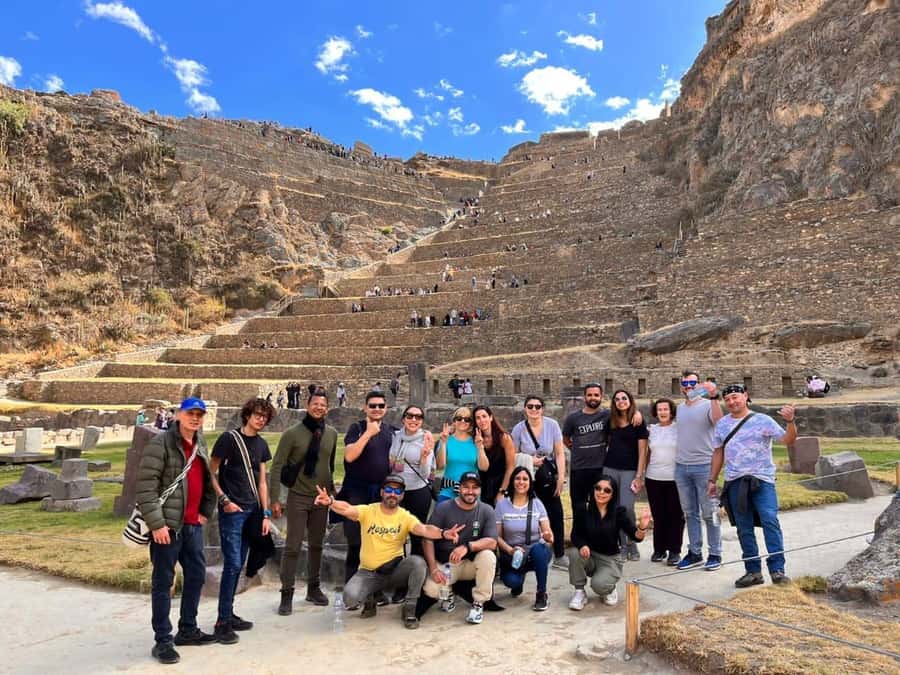
Ollantaytambo is next. The archaeological complex was built to guard this part of the valley and protect it from possible attacks from the jungle region. Its location gives the site a clear military purpose, but the town also had religious and cultural importance.
You’ll have time to walk through the small streets of Ollantaytambo. That walk matters because the town itself helps you picture how an Inca settlement functioned, with stone lanes and buildings arranged around the old ceremonial and defensive center.
The stop adds a stronger sense of scale than Moray. Moray is a single agricultural site. Ollantaytambo connects stonework, settlement planning, religion, and defense in one place.
The tradeoff is time. With several stops still ahead, you should not expect a long, unhurried exploration of every corner.
Pisac closes the archaeological portion
Pisac is the final major stop. Its structures and terraces spread along the slopes and upper parts of the mountain, combining farming platforms with stone buildings.
The position above the valley is one of the site’s main strengths. You can see how Inca builders used steep terrain rather than treating it as an obstacle. The terraces and structures also show the close connection between agriculture, settlement, and sacred space.
Pisac is an impressive finish, but by this point you may be tired. The full circuit begins before 7 a.m. and ends near 7 p.m., so bring water, wear good shoes, and pace yourself. If you prefer to study each site in detail, you may find the schedule too packed.
What the $25 price really covers
At $25 per person, this is an inexpensive way to reach sights that are difficult to combine independently in one day. Hotel pickup, round-trip shared transport, and a professional bilingual guide are included.
The price does not cover the Moray tourist ticket, the Maras entrance, food, or drinks. Moray is listed at 70 soles. Maras appears as either 10 or 20 soles in the supplied details, so confirm the current amount before booking. The total cost can therefore rise noticeably above the advertised price.
The Moray ticket is an important part of your budget. If you are comparing this tour with other Sacred Valley outings, compare the full cost, not only the headline price. A cheap tour can still be good value, but only if you are prepared for the extra entrance fees.
The guide is available in English or Spanish. The experience may be more Spanish-heavy when most of the group speaks Spanish, so English-speaking visitors should confirm how the commentary will be handled. If you understand some Spanish, you may get more from the explanations during a bilingual group visit.
Transport, timing, and group comfort
Shared transport keeps the price low, but it also introduces the least predictable part of the outing. Pickup takes place at a large list of hotels, hostels, and central meeting areas. That system is convenient, but collecting several groups can delay the start.
Driving standards can also affect your enjoyment. One particularly negative account described a rough ride and uncomfortable driving. I would treat that as a serious consideration, especially on mountain roads. You cannot choose the driver in advance, but you can ask about a private or small-group option if a smoother, more controlled ride matters to you.
Private and small-group arrangements are available. They may cost more, but they can offer a better fit if you want to stop for photographs, avoid a crowded vehicle, or keep the schedule more personal. The flexible third option specifically allows you to stop at places you want for photos, with the guide accompanying you at Moray and the salt mines.
That option sounds useful for couples, families, or small groups that do not want the fixed rhythm of a large shared outing. Confirm exactly what is included before paying, since the available descriptions do not give a separate price or a full detailed schedule for it.
What to bring for a better day
I would pack lightly but carefully:
- Passport or another accepted ID
- Cash for entrance fees, food, and drinks
- Comfortable walking shoes
- Breathable clothing
- A warm layer for changing mountain weather
- Water and sun protection
Your passport or ID may be needed for the tour and ticket arrangements. Cash is especially useful because the entrance fees are separate from the tour price.
Bikes, alcohol, and drugs are not allowed. The experience is also not suitable for people with mobility impairments or anyone over 95 years old, according to the stated restrictions. The uneven archaeological sites and amount of walking explain why you should take those limits seriously.
Who will enjoy this Sacred Valley outing
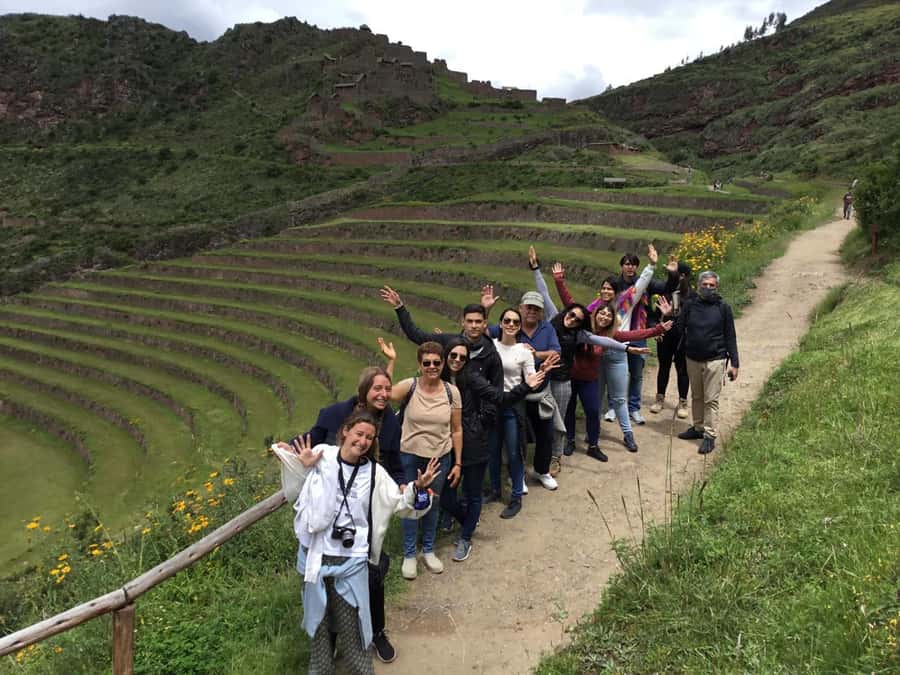
I would recommend the half-day route to you if Moray and Maras are your priorities, you have limited time in Cusco, or you want an outing that leaves more room in your schedule.
The full-day route suits you if this is your first visit to the Sacred Valley and you want to see several major sites in one sweep. It gives you useful context, includes lunch in Urubamba, and covers a large area without requiring you to arrange separate transport.
It is less suitable if you dislike early starts, long vehicle days, fixed group schedules, or quick visits. The route is also a poor fit if you need accessible paths or prefer to explore archaeological sites at a slow pace.
The guide quality matters. Professional guides have been praised for helping make a tiring day worthwhile, but the balance of English and Spanish may not always be even. Ask about the language arrangement if detailed English commentary is important to you.
Should you book it?
Book this experience if you want an affordable introduction to Moray and Maras, with transport and a guide arranged from Cusco. The half-day option offers the best balance for most people: two memorable sites, less time in the vehicle, and fewer extra costs.
Choose the full-day route only if you are happy with an early pickup and a long schedule. It gives you Chinchero, Urubamba, Ollantaytambo, and Pisac, but you will trade depth and comfort for coverage.
Before booking, confirm the Maras entrance fee, ask how much of the guiding will be in English, and decide if shared transport suits you. If you value comfort and flexible photo stops, choose the private or small-group format. If price is your main concern, the standard tour remains a practical way to reach two of the Cusco region’s most unusual sights.
FAQ
What is included in the tour price?
Hotel pickup, round-trip shared transportation, and a professional bilingual guide are included. Moray and Maras entrance fees, food, and drinks are not included.
How much does the tour cost?
The listed price is $25 per person. You should also budget for the 70-sol Moray ticket, the Maras entrance fee, and any food or drinks. The supplied information gives different Maras fee amounts, so confirm the current price.
How long does the tour last?
The activity is listed as lasting between six and 12 hours. The half-day Moray and Maras option takes about six hours, while the full Sacred Valley route begins around 6:35 to 6:55 a.m. and ends near 7 p.m.
Which languages are available?
The guide service is available in English and Spanish. In a bilingual shared group, the amount of commentary in each language can vary.
Where does the tour pick you up and drop you off?
Pickup is available from many hotels, hostels, and central areas in Cusco. Drop-off locations include Calle Plateros and Calle Saphy. The full-day route specifically ends near Plateros Street by the Plaza de Armas.
What should I bring?
Bring your passport or ID card, comfortable shoes, breathable clothing, and cash. You should also be prepared for walking at outdoor archaeological sites and salt pools.
Just added around Cusco
- From Cuzco: Salt Mines and Moray Ruins ATV Adventure★ 4.3 · 15 reviews
- From Cusco: Waqrapukara Hike Full-Day Tour With Meals★ 3.7 · 3 reviews
- From Cusco: Uros Excursion to Uros Island – Taquile + Lunch.★ 3.0 · 6 reviews
- From Cusco: Via Ferrata and Sky Lodge Zipline★ 5.0 · 16 reviews
- From Cusco: Via Ferrata & Zip Line with lunch★ 5.0 · 5 reviews
- From Cusco: Salkantay Trek to Machu Picchu 5D/4N or 4D/3N★ 5.0 · 3 reviews
- From Cusco: Sacred Valley Tour with Buffet Lunch★ 4.2 · 7 reviews
- From Cusco: Sacred Valley & Maras Salt Mines with Lunch★ 4.8 · 4 reviews
Sacred Valley Tours, compared.
Sacred Valley & Maras Salt Mines Tour with Lunch
Read our review →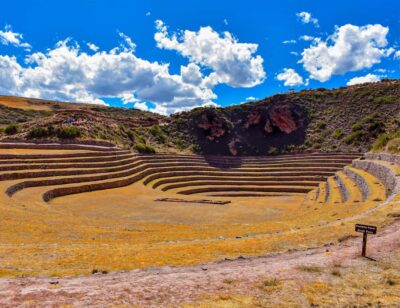
Moray, Maras Salt Mines & Chinchero Weavers Tour
Read our review →
Sacred Valley, Pisac, Ollantaytambo, Salt Mines Moray
Read our review →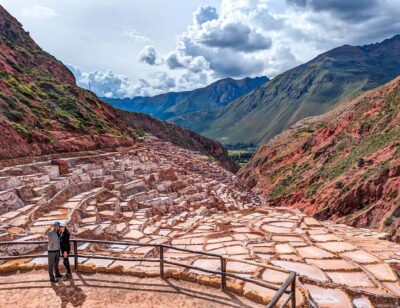
Chinchero,Moray & Salt Mines drop-off in Ollantaytambo
Read our review →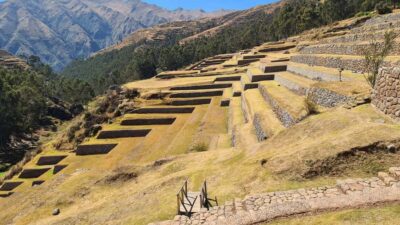
Pisac Indian Market and Ollantaytambo Fortress with Lunch
Read our review →
Browse the lists this tour appears in