
Reviewed · SACRED VALLEY TOURS
From Cusco: Chinchero Weavers, Moray, Maras Salt Mines Tour
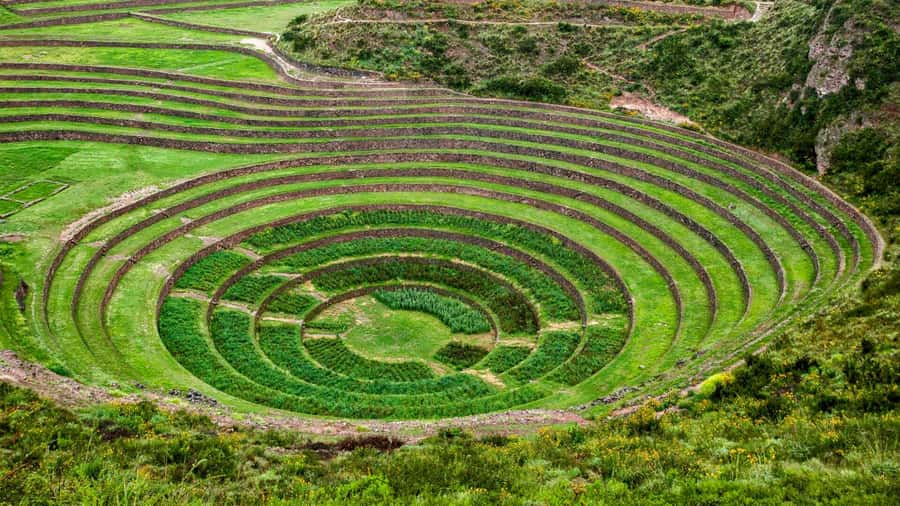
Moray is the star of this half-day trip. Its great circular terraces look almost like a giant green amphitheater cut into the hills, and the changing conditions between levels help explain why the site is called an Inca agricultural laboratory. I like the way this tour pairs that unusual archaeological site with the Maras salt ponds, a working place rather than just another ruin.
I also like the practical shape of the day: hotel pickup in Cusco’s historic center, round-trip transport, and a bilingual guide keep the outing simple. Guide Irina has been praised for explaining clearly in both Spanish and English, while another guide was energetic, informative, and good at finding quieter viewing moments.
The main catch is cost clarity. The $13 tour price does not cover the Moray entrance fee, the Maras entry fee, or lunch, so you should budget an additional S/. 85, or about $25, before you set out.
Key points to know before you book
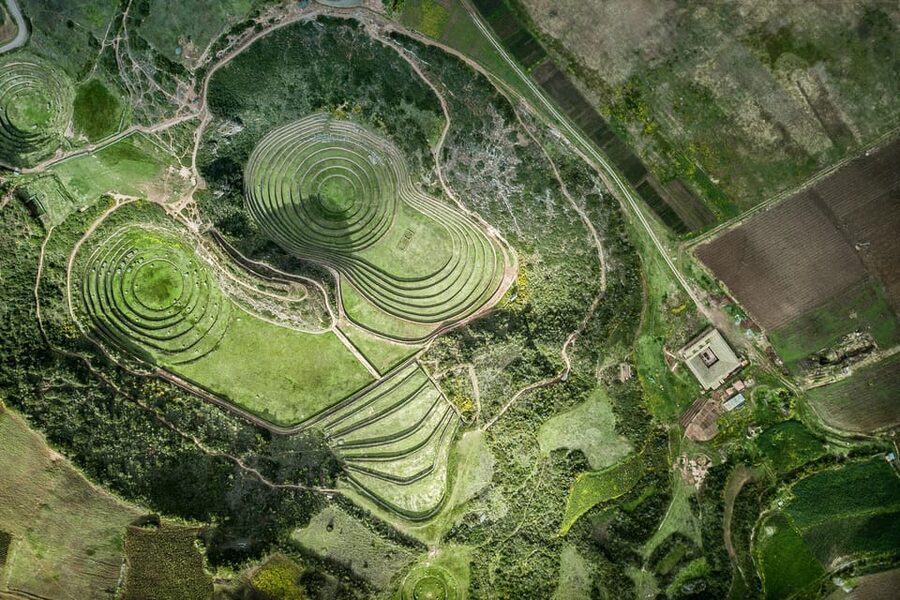
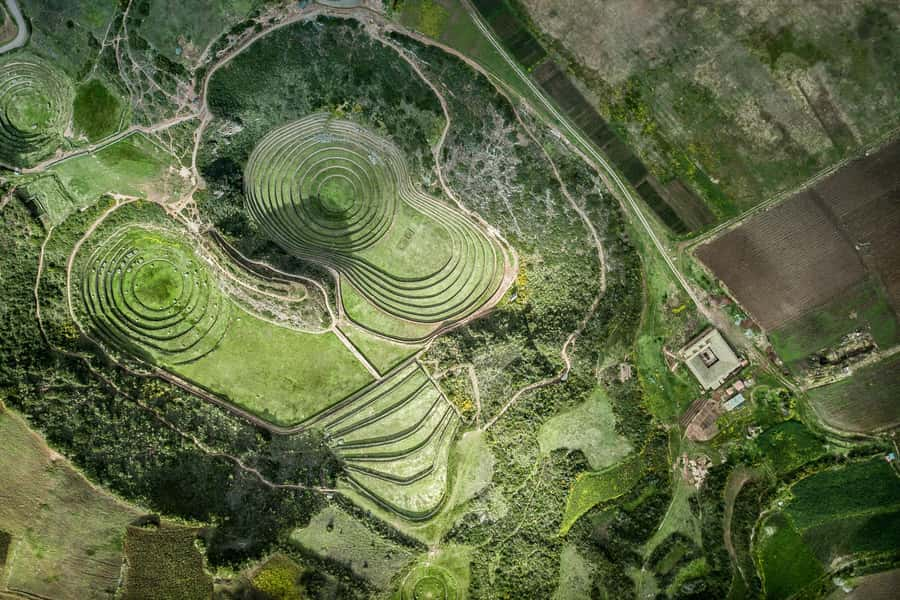
- Moray’s circular terraces are the main visual highlight, with several levels creating noticeably different growing conditions.
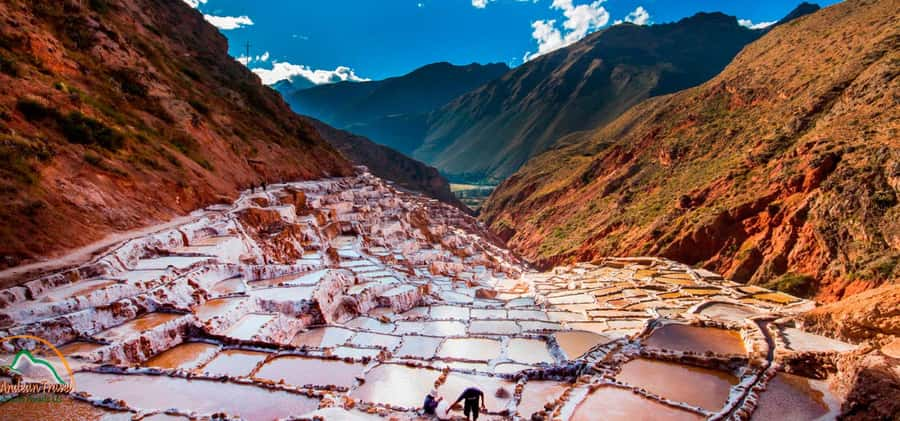
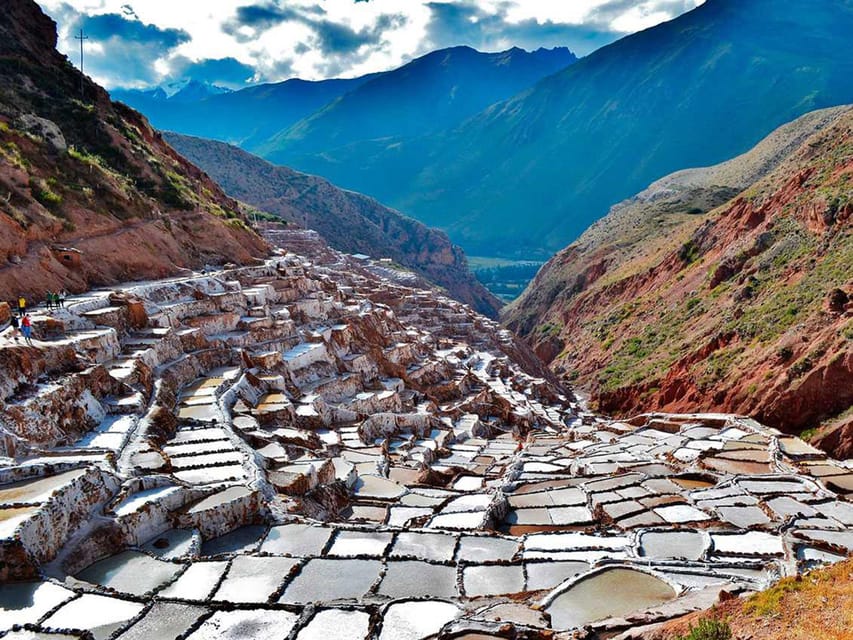
- Maras includes more than 3,500 salt ponds, spread across the mountainside and fed by salty spring water.
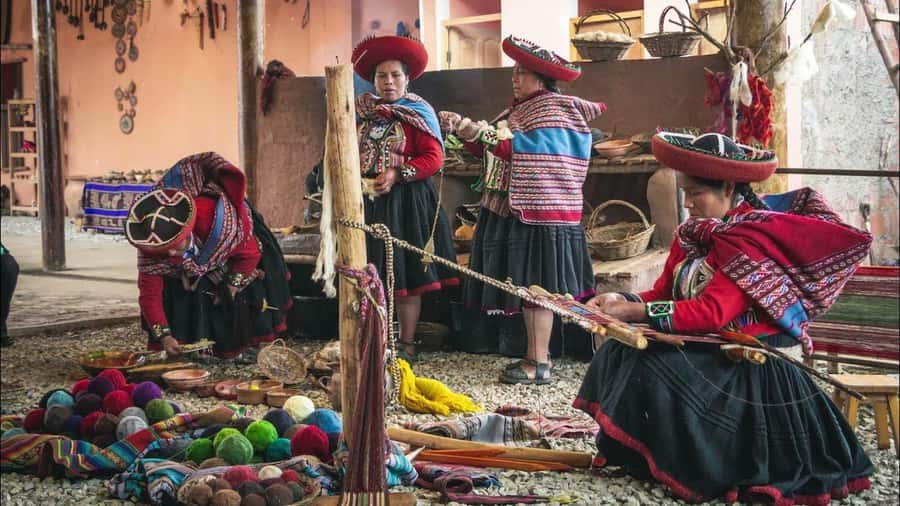
- Chinchero adds Andean textile knowledge, giving you a chance to learn about the process behind local weaving.
- Pickup is limited to Cusco’s historic center, so you need to arrange your own way to the meeting point if you stay elsewhere.
- The tour runs from about 8:00 a.m. to 3:00 p.m., leaving the rest of your day free in Cusco.
- Bring cash, water, sunscreen, and a camera, and remember that entrance tickets and lunch are separate.
Moray’s Inca terraces make the strongest first impression
The tour begins around 8:00 a.m. with pickup from your hotel in Cusco’s historic center. From there, you head toward Moray, the first major stop of the day.
Moray is not a typical Inca site with walls, doors, and carved stonework. Instead, it is made up of broad circular terraces dropping into the earth. The shape is striking from the first viewpoint, but the real interest comes from understanding how the site may have been used.
The terraces create different growing conditions from one level to the next. Sun, wind, shade, and elevation change as you look down through the rings, allowing you to see why Moray is often described as an agricultural laboratory. The exact purpose of the site has been discussed by researchers, but the stepped design clearly shows careful planning and close attention to farming conditions.
I like Moray because it connects Inca engineering to daily life. You are not simply looking at an impressive ruin. You are looking at a place designed around food production, crops, and the challenge of farming in the Andes.
Give yourself time to look beyond the central circles. The surrounding hills and open views are part of the appeal, and the scale is easier to appreciate when you pause instead of taking a quick photograph and moving on. The supplied schedule allows the stop to fit comfortably into a half-day outing, although the exact amount of time at each location is not specified.
The Moray entrance fee is not included. The stated price is S/. 70, or about $20, for the partial tourist ticket. That extra payment is significant compared with the advertised tour cost, so include it when comparing this trip with other Cusco excursions.
Other days through the Sacred Valley from Cusco:
- From Cusco: Moray, Maras Salt Mines & Chinchero Weavers Tour
★ 4.8 · 1,925 reviews - Cusco: Sacred Valley, Pisac, Ollantaytambo, Salt Mines Moray
★ 4.6 · 1,058 reviews - Cusco:Chinchero,Moray & Salt Mines drop-off in Ollantaytambo
★ 4.8 · 793 reviews
Maras turns salt into a mountain-sized worksite
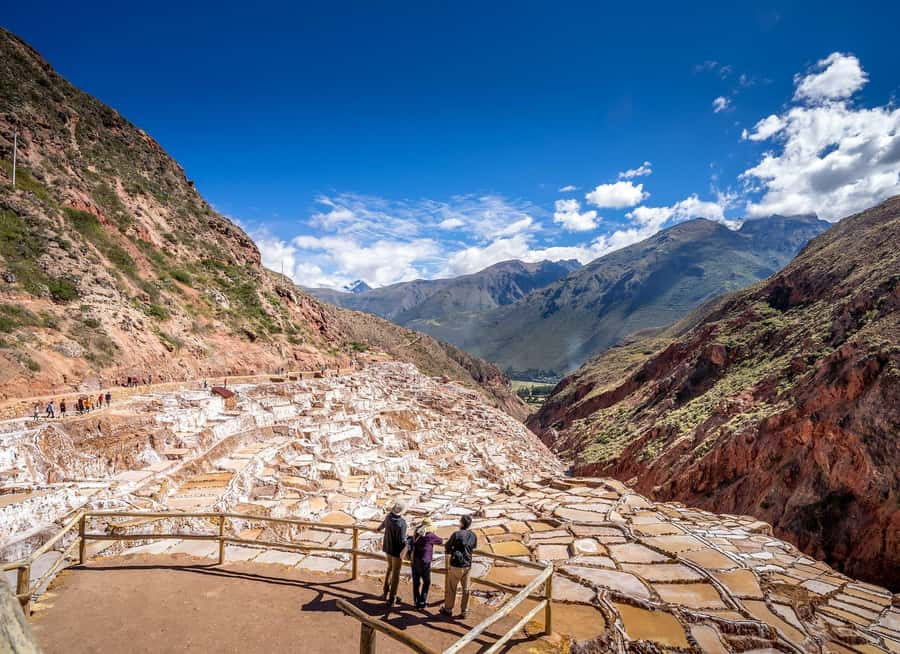
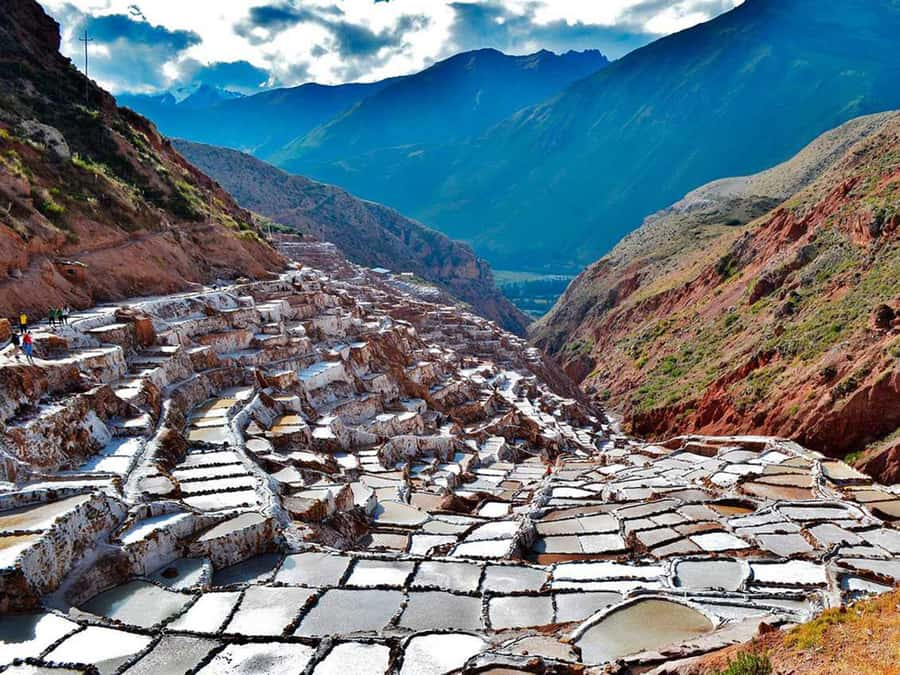
From Moray, the tour continues to the Maras salt mines. This is not a mine in the usual underground sense. More than 3,500 shallow salt ponds cover the slope, each one catching and concentrating salty water until crystals form.
The view is unusual. Small white and brown pools spread across the mountainside in layers, creating a pattern that changes with the light and the season. Some ponds may look pale, while others can appear darker or more orange depending on the amount of water, salt, and mineral material present.
The site is also valued for the reported medicinal properties of its salt. Your guide can help explain how the ponds work and why the area remains important. The tour is strongest when you pay attention to the human system behind the scenery: water is directed into the ponds, evaporation does the work, and salt is collected from the basin.
This stop complements Moray well. Moray shows a large-scale experiment in agriculture. Maras shows a long-running method for collecting a natural resource. Both places reward you for looking at how the Incas and later Andean communities worked with local conditions instead of trying to overpower them.
The entrance fee to Maras is separate and listed as S/. 15, or about $5. Bring cash, since cash is specifically recommended for the day. You will also want sunscreen and water. The tour takes place outdoors, with little information provided about shade or seating, so come ready for sun exposure and walking around open viewpoints.
The salt ponds are one of the most memorable parts of the route, but they are also a reason to keep expectations realistic. You are viewing a working salt-producing area, not entering a polished museum or staged attraction. The experience depends on the weather, the view, and the guide’s explanation.
Chinchero adds the human side of Andean culture
The final destination is Chinchero, a town known here for its textile process. This stop gives the tour a useful change of pace after two large outdoor sites.
The experience is designed to help you understand how local textiles are made. The supplied highlights specifically include learning about the textile process, so you can expect this part of the tour to focus on the work behind Andean weaving rather than only on finished products.
That matters because textiles are more than souvenirs. Patterns, materials, colors, and methods can carry local meaning, and seeing the process helps you judge the time and skill involved. If you are interested in buying anything, an explanation of the work gives you a better basis for deciding what feels worthwhile.
There is one wording issue in the supplied tour information: the detailed schedule says you will go to Chinchero to observe the salt ponds, even though the stated highlights focus on textiles. Salt ponds are associated with Maras, not Chinchero, so I would treat the Chinchero stop as the textile-focused portion and confirm the exact presentation with the operator if that detail matters to you.
The Chinchero visit also keeps the day from becoming a string of viewpoints. You get archaeology at Moray, salt production at Maras, and living craft knowledge in Chinchero. That mix gives the six-hour trip more range than a simple ruins tour.
The guides shape how much you take away
A bilingual guide is included, with tours offered in Spanish and English. That is important on this route because Moray and Maras can look beautiful without being immediately easy to understand.
At Moray, a guide can explain why the terraces matter instead of leaving you with only the basic description of circular ruins. At Maras, the guide can explain the ponds, the salt-making method, and the way the site functions. At Chinchero, clear translation helps you follow the textile discussion.
Guide Irina has received particularly warm praise for explaining in both Spanish and English. Another guide was described as energetic, smart, and generous with information, and helped the group enjoy the sights while avoiding crowded spaces. Since guides can vary, you should still treat those names as examples rather than a promise that one specific person will lead your departure.
The guide also affects the rhythm of the day. A good explanation can make a short stop feel worthwhile. A rushed explanation can leave Moray and Maras looking like photo stops. When you meet the guide, tell them if you want more historical context, more time for photographs, or a clearer explanation of the textile work.
Same base, a completely different day:
- Cusco: Humantay Lake Tour with Breakfast and Buffet Lunch
★ 4.9 · 2,976 reviews - From Cusco: Full-Day Group Tour of Machu Picchu
★ 4.7 · 1,767 reviews - Machu Picchu Day Trip from Cusco
★ 4.5 · 1,644 reviews - Cusco: Half-Day City Tour with Sacsayhuaman and Q’enco
★ 4.6 · 1,129 reviews
Six hours is efficient, but not slow-paced
The advertised schedule runs from about 8:00 a.m. until 3:00 p.m., including pickup and return to Cusco’s historic center. That makes this a useful choice if you have only one free morning or want an outing that leaves your evening open.
The schedule is also its main limitation. Three destinations, transport from Cusco, and guided visits create a full half-day. You should expect a structured route rather than a leisurely day spent at one site.
The exact group size is not provided, and neither are precise driving times between stops. That means the amount of quiet time and flexibility can vary. The route is best for someone who wants to see several important places in one organized outing, not someone who wants to linger for hours at Moray or browse Chinchero at a relaxed pace.
Pickup is included only for hotels in Cusco’s historic center. If your accommodation is outside that area, confirm where you need to meet the vehicle before booking. You also need to provide a correct phone number with your country code and have WhatsApp available, since the operator uses those details for contact.
Last-minute bookings should be checked with the supplier by email before purchase. That small step can prevent a wasted trip if the departure is already full or unavailable.
What the $13 price really covers
At $13 per person, this is an inexpensive way to arrange transport and a guide for three well-known stops outside Cusco. The price is attractive because you do not have to organize separate transport to Moray, Maras, and Chinchero.
But the headline price is not the full day’s cost. Add:
- Moray entrance: S/. 70, about $20
- Maras entrance: S/. 15, about $5
- Lunch: not included
That brings the known admissions to S/. 85, or about $25, before food. The total still offers fair value if you want a guided route and convenient pickup, but it should not be judged as a $13 all-in experience.
Lunch arrangements are not described, so bring money and ask the guide about the meal stop at the start of the day. Do not assume lunch is included in the transport package.
The value is strongest for independent visitors who want a low-cost framework. You get the ride, bilingual guidance, and a planned sequence of sites. The value is weaker if you already have private transport or prefer to choose your own timing, since entrance fees and food remain extra.
Practical preparation for Moray, Maras, and Chinchero
Pack light, but bring the basics. A camera, sunscreen, water, and cash are specifically recommended.
Wear shoes that feel secure outdoors. The information does not specify trail conditions, so I would avoid treating this as a city sightseeing trip. You will be visiting open archaeological and salt-producing sites, where uneven ground and sun may be part of the day.
The activity is not suitable for wheelchair users or people with pre-existing medical conditions. The tour information does not explain which conditions create a problem, so ask the operator directly if you have a health concern.
Alcohol and drugs are not allowed. That is simple, but it is worth knowing before you leave.
Free cancellation is available up to 24 hours before departure for a full refund. You can also reserve now and pay later, which helps if your Cusco plans are still shifting. Availability and starting times should be checked before booking, especially for a last-minute reservation.
Who should book this Cusco outing
I would recommend this tour to you if you want three very different experiences in one morning: Inca agricultural design, mountain salt production, and Andean textile work.
It is especially suitable for first-time visitors to the Cusco region who want a simple introduction beyond the city. The route also works well for people who value transport and interpretation more than private flexibility.
I would hesitate if you dislike organized schedules, need extensive accessibility support, or want a slow visit with plenty of unscheduled time. I would also compare the final cost carefully if you are traveling on a strict budget, since the entrance fees nearly double the advertised price.
Should you book the Moray, Maras, and Chinchero tour?
Book it if Moray is high on your list and you want to add Maras and Chinchero without arranging transport yourself. The unusual terraces at Moray and the 3,500-plus salt ponds at Maras give the trip real visual variety, while the textile stop adds local craft knowledge.
Before paying, confirm the Chinchero activity, check pickup eligibility for your hotel, and budget S/. 85 for admissions plus lunch. With those details settled, the tour offers a practical, low-cost way to see several important sights outside Cusco in six hours.
FAQ
Where does the tour begin?
Pickup is provided from hotels in the historic center of Cusco. If your hotel is outside that area, you need to confirm the meeting arrangement with the supplier.
What time does the tour start?
The tour begins at approximately 8:00 a.m. Starting times should be checked for your chosen date.
When does the tour return to Cusco?
Return to Cusco’s historic center is expected at approximately 3:00 p.m.
How long does the activity last?
The tour lasts about six hours.
Which languages are available?
The live guide service is available in Spanish and English.
Is transportation included?
Yes. Round-trip transportation is included, along with pickup from a hotel in Cusco’s historic center.
Are the Moray entrance fees included?
No. The partial tourist entrance to Moray costs S/. 70, or about $20, and is paid separately.
Is the entrance to the Maras salt mines included?
No. The Maras entrance costs S/. 15, or about $5, and is not included in the tour price.
Is lunch included?
No. Lunch is not included, so you should bring cash for food.
Can I cancel the booking?
You can cancel up to 24 hours in advance for a full refund. The tour also offers a reserve-now, pay-later option.
Just added around Cusco
- Zipline over the Sacred Valley Trip★ 5.0 · 11 reviews
- Waqrapukara 1 day trekking + meals★ 3.9 · 3 reviews
- Visit Pisac from Cusco: Private Transport★ 4.6 · 9 reviews
- Valle Sur Cusco | half day★ 4.3 · 3 reviews
- Trek to Humantay Lake from Cusco★ 4.9 · 8 reviews
- Trek to Choquequirao 4 days★ 3.8 · 4 reviews
- rainbow mountain full day★ 5.0 · 44 reviews
- Machu picchu one day by train all included★ 4.5 · 53 reviews
Sacred Valley Tours, compared.
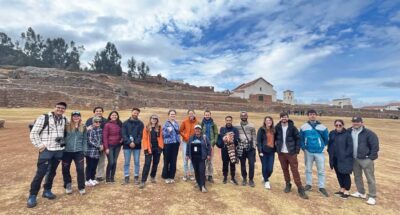
Sacred Valley & Maras Salt Mines Tour with Lunch
Read our review →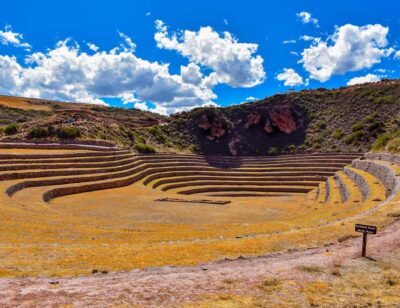
Moray, Maras Salt Mines & Chinchero Weavers Tour
Read our review →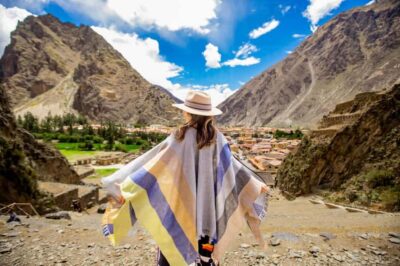
Sacred Valley, Pisac, Ollantaytambo, Salt Mines Moray
Read our review →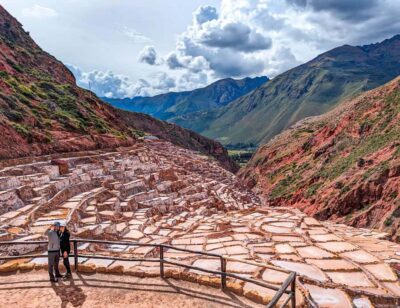
Chinchero,Moray & Salt Mines drop-off in Ollantaytambo
Read our review →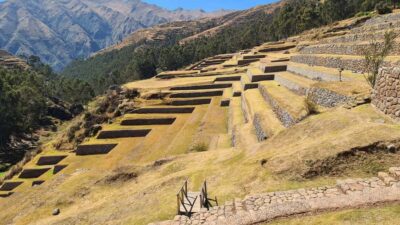

Pisac Indian Market and Ollantaytambo Fortress with Lunch
Read our review →
Browse the lists this tour appears in