
Reviewed · SACRED VALLEY TOURS
From Cusco: Moray, Maras Salt Mines & Chinchero Weavers Tour
The Maras Salt Mines are the star of this outing: thousands of white and brown pools cut into a mountainside, still producing salt by a method that began before the Inca period. Add Moray’s huge circular terraces and Chinchero’s living textile tradition, and you get a compact look at how people here farmed, traded, and made things by hand.
I like two things right away. First, the $15 starting price gives you a lot for a half-day: transport, hotel pickup, a guide, and three very different stops. Second, the schedule leaves roughly 40 minutes at both Moray and the salt mines, enough time to walk, take photos, and listen without feeling hurried.
The main catch is that entrance fees are extra, with Moray listed at 70 soles and the salt mines at 20 soles. You will also spend time at workshops and shopping stops, so this suits you best if you enjoy local crafts rather than wanting an archaeology-only outing.
Key points to know before you book
- Three distinct experiences in one outing: Chinchero textiles, Moray’s farming terraces, and Maras salt production.
- High-altitude sightseeing: Chinchero sits at 3,762 meters, while Moray reaches 3,450 meters, or 11,318 feet.
- Good half-day value: The tour lasts 390 minutes and usually returns you to central Cusco in time for lunch.
- Guides make the difference: Felipe, Julio, Jhon, Manuel, Roy, and others are specifically praised for clear explanations, humor, and care.
- Bring sun protection: Several walks have little shade, and the high-altitude sun can feel fierce.
- Budget beyond the tour price: Pay separately for Moray and the salt mines, and carry cash for food, crafts, salt, and small purchases.
Why this half-day route works so well
Cusco offers many Sacred Valley excursions, and some turn into long days of ruins, markets, and bus time. This one keeps the focus tighter. In about six and a half hours, you see farming technology, salt production, Andean weaving, and a small colonial village.
I like the variety. Moray is about engineering and agriculture. Maras is about work and trade. Chinchero is about living culture, where textile skills are still shown and practiced today. The stops do not feel like repeats of the same ruin.
The schedule also helps if you have a trek or a longer Sacred Valley trip coming up. The walking is limited compared with a full-day archaeological circuit, although you still need to handle altitude, sun, and uneven paths. One useful detail from the day is the frequent short stop pattern. Many visits last around 30 to 60 minutes, which can make the ride easier if winding roads bother you.
Pickup is available from hotels outside Cusco’s historic center, with central pickup points also listed around Centro Histórico. You wait in the hotel lobby 10 minutes before the scheduled time. The tour does not include hotel drop-off, so you should expect to finish at one of the stated central locations, including Plaza Regocijo or the historic center.
Other days through the Sacred Valley from Cusco:
- Cusco: Sacred Valley, Pisac, Ollantaytambo, Salt Mines Moray
★ 4.6 · 1,058 reviews - Cusco:Chinchero,Moray & Salt Mines drop-off in Ollantaytambo
★ 4.8 · 793 reviews - Sacred Valley: Chinchero, Moray, Ollantaytambo & Pisac+Lunch
★ 4.8 · 501 reviews
Chinchero: textiles, plants, and Quechua tradition
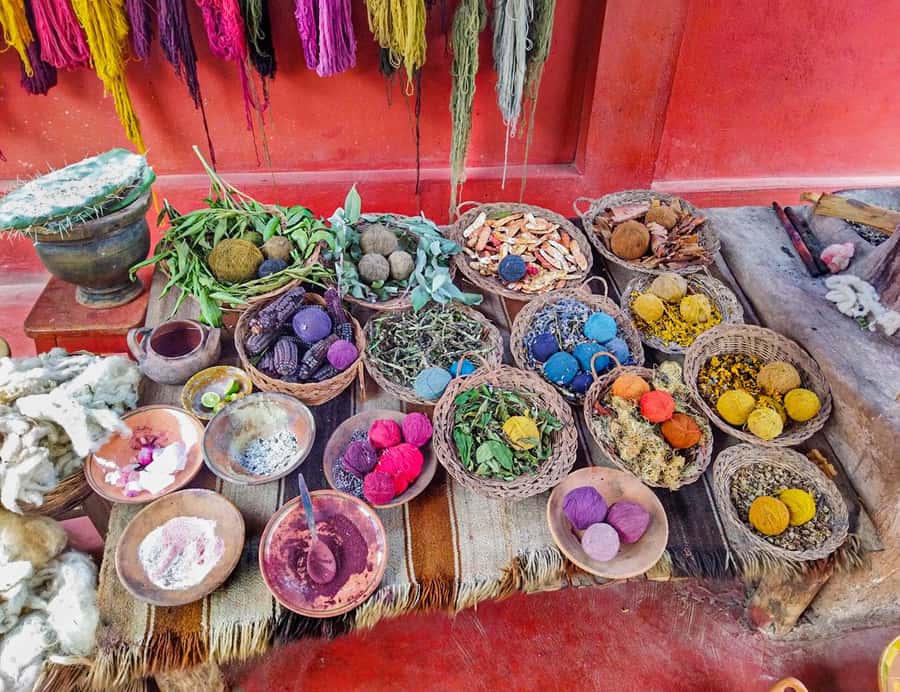
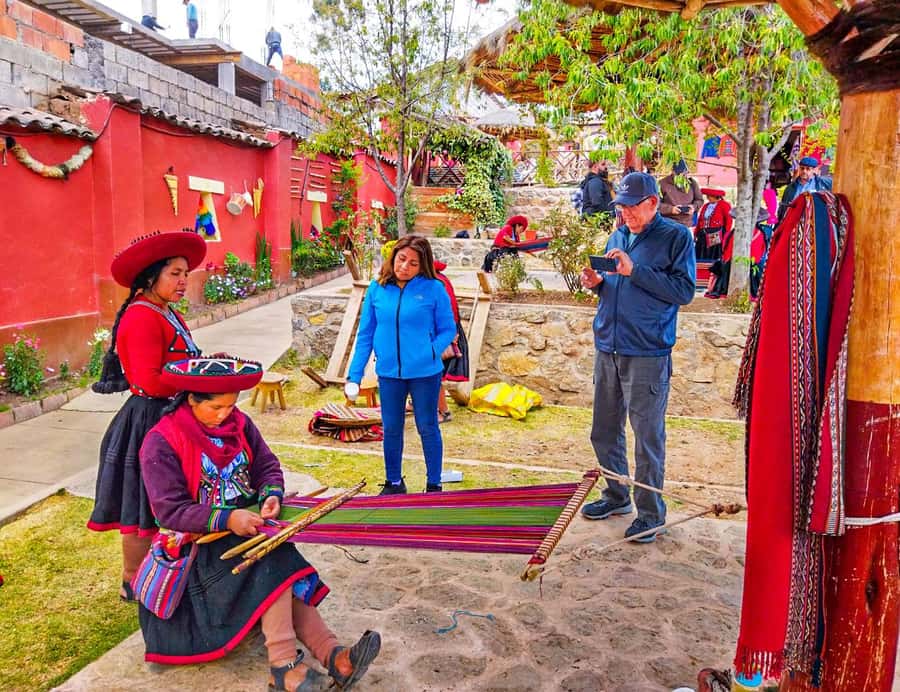
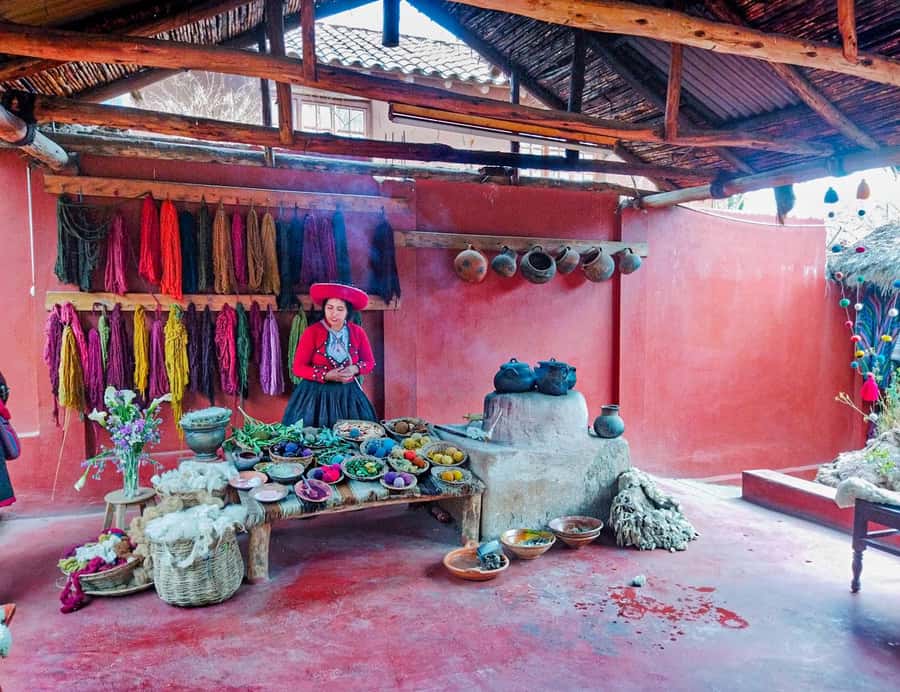
Chinchero is the first cultural stop, at about 3,762 meters. The visit centers on a weaving workshop where local artisans explain how Andean textiles are made and how natural plants provide dyes.
This is more useful than a quick stop at a souvenir table because you get to see the process. You may watch demonstrations involving alpaca wool, dye plants, and weaving methods connected with Quechua tradition. Several guides also add context about local customs and Andean herbs, and one guide even included a short cultural ritual during the visit.
Plan for about an hour here. That is enough time for the demonstration and browsing. The workshop is also one of the clearest places to buy a meaningful souvenir, especially if you want alpaca goods or a handwoven item rather than a generic airport purchase.
Still, keep your expectations straight. This is a workshop and shopping stop, not a museum visit with a long archaeological tour. If you dislike retail stops, you may find this part less appealing. If you enjoy seeing how an item is made before deciding to buy it, it gives the shopping a useful purpose.
Your guide matters here. Felipe is frequently praised for explaining local culture in clear English, while Julio, Jhon, and Manuel are also noted for giving detailed introductions and answering questions. The quality of the explanation helps turn a sales stop into a short lesson in Andean life.
Moray at 11,318 feet: an Inca experiment in farming
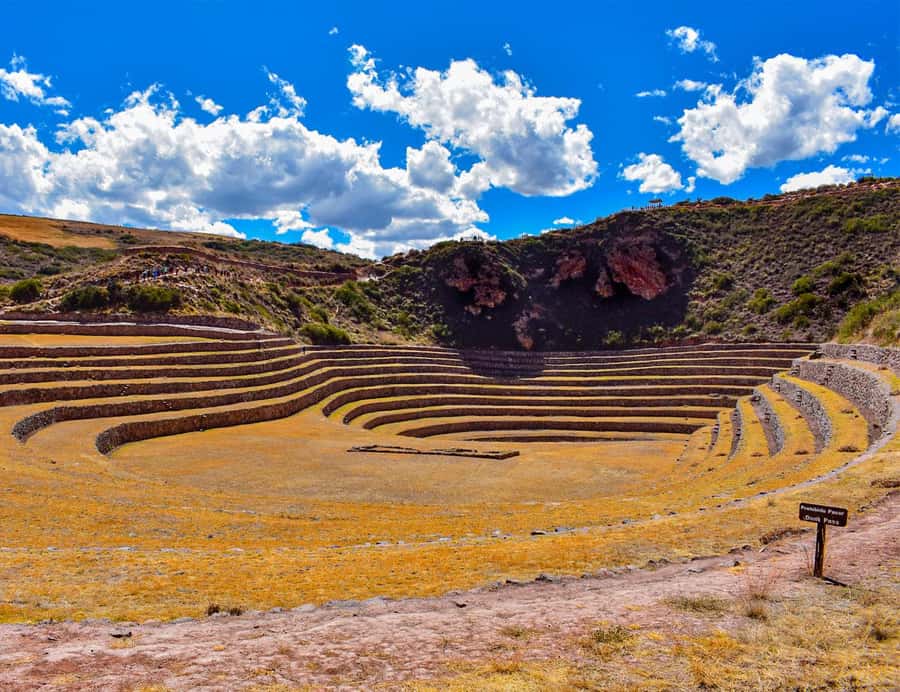
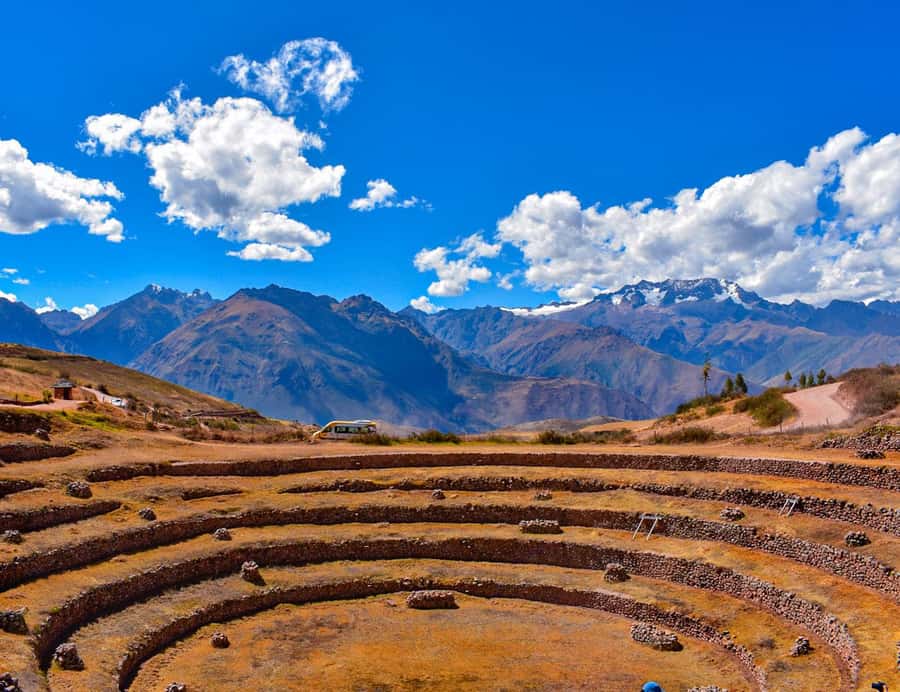
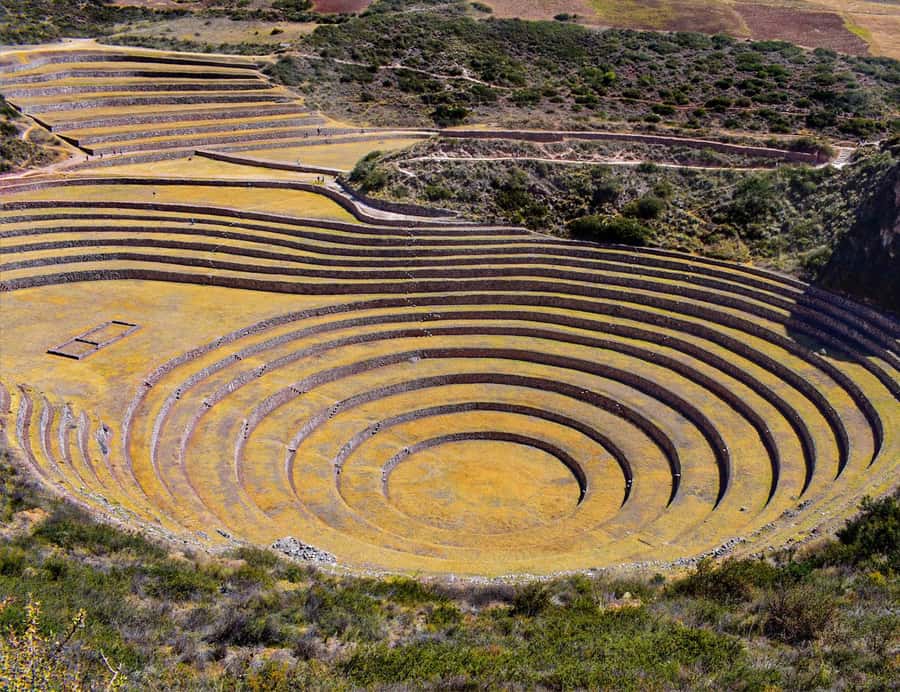
Moray is the most unusual archaeological stop on the route. Its great circular terraces sink into the ground like a giant set of stone bowls. The site sits at 3,450 meters, or 11,318 feet, so the air is thin and the sun can be strong.
The terraces were built with carefully arranged stone walls and drainage features. Their shape creates different conditions from one level to another, which helps explain why the site is linked with Inca agricultural testing and crop growing. Your guide will point out the terraces and irrigation system, adding the human story behind what might otherwise look like a striking pattern in the earth.
You generally have about 40 minutes for a guided visit and a walk. That is enough to appreciate the main viewpoint, hear the explanation, and take photographs. It is not enough for a long, wandering archaeological study, but this route is designed as a broad introduction rather than a specialist visit.
The altitude is the practical issue. You may feel fine in Cusco and still notice the difference at Moray. Walk slowly, drink water, and do not treat the short visit as a race to the best photo. A sun hat and sunscreen are important because much of the viewing is open to the sky.
The site is not included in the base price. The listed entrance fee is 70 soles, so include that in your calculation before deciding that the $15 tour is your full cost.
Maras village and the road to the salt mines
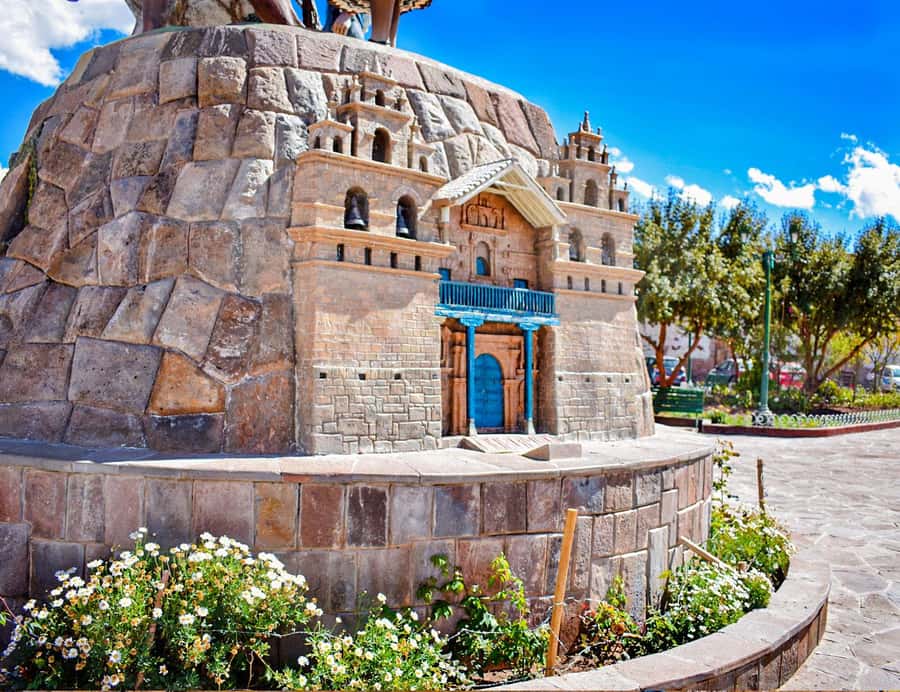
The route also includes Maras village, where you can see preserved colonial architecture and thin-stoned buildings. This is a brief stop, with about 20 minutes for free time and shopping or a workshop.
Maras is not the main reason to book the tour, but it gives you a change of pace. After the large-scale terraces at Moray, the village offers a closer look at local building styles and everyday commerce. You may also find small regional products here.
The roads near the salt mines can be narrow, and the drive adds to the sense that you are leaving the main city routes. A careful driver makes a difference. Several guides and drivers are praised for keeping the group safe and on schedule, including Miguel, who was singled out for handling the narrow roads well.
The vehicle is described as clean and comfortable, even when full. One practical warning: a warm day can make the van feel hot. Wear light clothing when the weather is clear, and keep water handy rather than buried in your bag.
Same base, a completely different day:
- Cusco: Humantay Lake Tour with Breakfast and Buffet Lunch
★ 4.9 · 2,976 reviews - From Cusco: Full-Day Group Tour of Machu Picchu
★ 4.7 · 1,767 reviews - Machu Picchu Day Trip from Cusco
★ 4.5 · 1,644 reviews - Cusco: Half-Day City Tour with Sacsayhuaman and Q’enco
★ 4.6 · 1,129 reviews
Maras Salt Mines: the most memorable stop
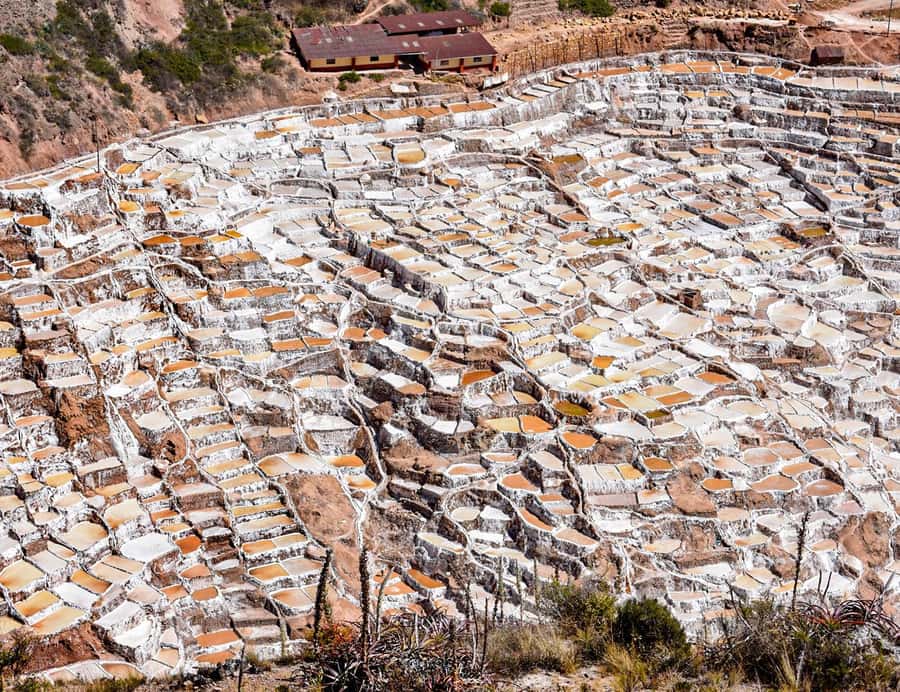
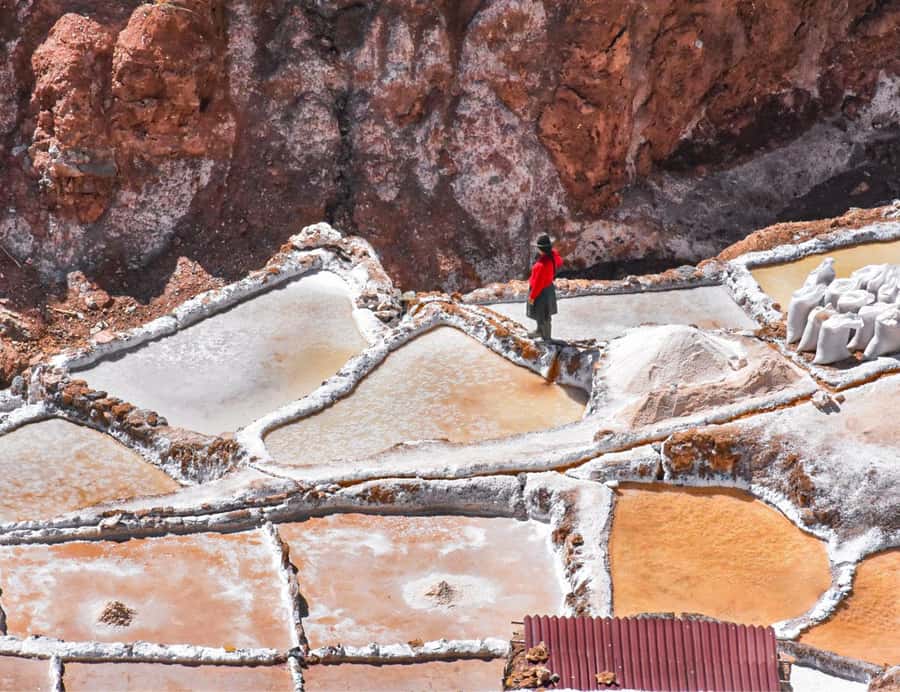
The Salineras are made up of about 3,000 small salt pools spread across the mountainside. Water flows through channels into the pools, where evaporation leaves salt behind. Families and local producers continue to harvest and process the salt for distribution in the region.
This is not just an old site preserved for photographs. It remains a working place. That gives the visit a direct connection to local trade and daily labor, and it helps explain why the salt terraces matter beyond their unusual appearance.
You receive a guided walk of about 40 minutes. The views are excellent, with the bright pools set against the surrounding mountains. The colors can change with the water, mineral deposits, light, and season, so this is one of the better places to take your camera out.
The path can be exposed, with little shade. Wear comfortable shoes, a hat, and sunscreen. A few visitors describe the heat as surprisingly strong even at altitude, so do not let the cool morning air fool you.
There is another separate entry charge here, listed as 20 soles. Carry cash, since the tour specifically recommends it and you may also want to buy locally produced salt. The purchase is optional, but the salt gives you a small, practical reminder of the working site.
How the guides shape the day
The strongest part of this experience is the human explanation. The sites are visually impressive, but Moray and the salt pools can be confusing without context. A good guide connects the stonework, water, crops, trade, and local customs.
Felipe is repeatedly singled out for his warmth, cultural insight, and ability to answer questions. Julio is praised for making the history easy to follow while keeping the mood light. Jhon, Manuel, Roy, Edi, Rehider, and John also appear as guides who helped guests understand the sites and kept the day moving smoothly.
The tour operates in English and Spanish. Small-group and private versions are available. A private tour can be worth considering if you want more control over the pace or have particular questions about archaeology, farming, or textile work. A shared group keeps the price low and still gives you a structured day.
The best guide behavior is practical as well as academic. Guides have reminded people to wear hats and sunscreen, checked on altitude concerns, helped with forgotten items, and assisted with photos. That sort of attention matters when you are moving between high, sunny sites and a winding road.
Timing, transport, and what the price really buys
At $15 per person, the base price is unusually low for a 390-minute outing. You receive transportation, a bilingual guide, and pickup from an eligible hotel or central location. The value is strongest if you want an easy introduction to several Sacred Valley sights without arranging separate taxis.
But you should not treat $15 as the final sightseeing budget. Add 70 soles for Moray and 20 soles for the salt mines, plus lunch and anything you buy at Chinchero, Maras, or the salt works. The tour returns to the city in time for lunch on your own, which is convenient because you can choose where to eat rather than being tied to a group restaurant.
The tour may start around the morning and finish in the city around mid-afternoon, depending on the selected departure. One detailed account places pickup at 8:30 a.m. and return around 3:30 p.m. Check the exact start time when booking.
You should also note the drop-off arrangement. Hotel pickup is included outside Cusco’s historic center, but hotel drop-off is not. The stated central drop-off points make this easy if you are staying near the center, but it may be less convenient if your lodging is farther out.
What to bring for a comfortable day
Keep your day bag simple but useful:
- Passport
- Cash for entry fees, lunch, salt, and crafts
- Water
- Sun hat and sunscreen
- Comfortable walking shoes
- Camera
- Light clothing for warm weather
The tour runs in rain or shine. You may encounter changing conditions between Cusco and the higher sites, so a light layer is sensible, though the supplied guidance especially stresses protection from sun and heat.
There is not much strenuous walking, but the altitude can make ordinary steps feel harder. Take your time at Moray and the salt mines. If you are prone to car sickness, the regular stops may help, since you are not confined to the vehicle for the entire route.
Who should book this Cusco excursion?
I would choose this tour if you want a short Sacred Valley sampler with a strong mix of culture, scenery, and archaeology. It works especially well for first-time visitors, solo travelers who want organized transport, couples, and anyone who wants a lighter day before a trek.
It is also a good fit if you care about local production. The Chinchero demonstration and the working salt pools show traditions that are still connected to people’s livelihoods, not just monuments from the past.
You may want another tour if your priority is a full archaeological circuit or a long, quiet visit at each site. The workshop and shopping portions take up real time, and Moray and Maras receive focused visits rather than extended exploration. The private option is the better choice if you want to ask many questions or set a more personal pace.
The tour has a 4.8 rating from 1,925 reviews, and the praise centers on clear guides, friendly service, punctual transport, and good value. I would give the guide quality serious weight here because the route crosses several subjects quickly. With Felipe, Julio, Jhon, Manuel, or another strong guide, the day becomes far more than a sequence of photo stops.
Should you book it?
Book this tour if you want to see Moray and the Maras Salt Mines without giving up a whole day, and if you like having local crafts and cultural demonstrations mixed into the route. It is hard to beat for the base price, even after adding the two site fees.
Skip it if you dislike shopping stops, want a completely private archaeological visit, or prefer to spend several hours at one major site. For most visitors with limited time in Cusco, though, this is a smart, varied half-day. Bring cash, protect yourself from the sun, and let the guide supply the connections between farming, salt, weaving, and Andean life.
FAQ
How long does the tour last?
The stated duration is 390 minutes, or about six and a half hours. It is designed to return you to Cusco in time for lunch on your own.
What sites does the tour visit?
The route includes Chinchero District, Moray, the Maras Salt Mines, and Maras village. Chinchero includes a weaving workshop, while Maras includes free time, shopping, and a workshop.
Is hotel pickup included?
Pickup is included from hotels outside Cusco’s Centro Histórico, as well as from listed central pickup locations. You should wait in the hotel lobby 10 minutes before the scheduled pickup time.
Is hotel drop-off included?
No. Hotel drop-off is not included. Listed drop-off points include Plaza Regocijo and the Centro Histórico.
Are entrance fees included in the $15 price?
No. The listed entrance fee for Moray is 70 soles, and the Salt Mines entrance fee is 20 soles. Carry cash for these charges and other purchases.
Does the tour include lunch?
No. Lunch is not included. The tour returns to the city in time for you to eat on your own.
What languages are available?
The tour is available with a live guide in English or Spanish.
Is the tour private?
Private and small-group options are available. The private option can provide a more personal pace and more flexibility.
What should I bring?
Bring your passport, sun hat, camera, sunscreen, comfortable shoes, and cash. The tour operates in rain or shine.
Just added around Cusco
- “Waqra Pucara, The Majestic Fortress Revealing Secrets of the Andes”.★ 3.5 · 8 reviews
- 1.5h Cusco Chocolate Workshop – Truffles & Hot Chocolate★ 4.3 · 8 reviews
- Cusco: Chocolate Workshop with the Best Local Organic Cacao★ 4.5 · 23 reviews
- Cusco: Bean to bar chocolate workshop★ 5.0 · 3 reviews
- Cusco: Pub Crawl with Skip-the-Line Access and Drinks★ 4.6 · 57 reviews
- Horseback Tour in cusco to Temple of the Moon & Hidden temples★ 5.0 · 54 reviews
- From Cusco: 2-Night Lake Titicaca Excursion★ 3.7 · 62 reviews
- From Cusco: Rainbow Mountain in ATV Quad Bikes + meals★ 4.5 · 60 reviews
Sacred Valley Tours, compared.
Sacred Valley & Maras Salt Mines Tour with Lunch
Read our review →
Sacred Valley, Pisac, Ollantaytambo, Salt Mines Moray
Read our review →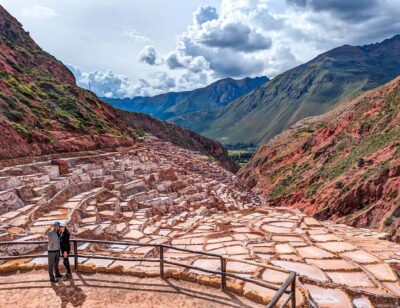
Chinchero,Moray & Salt Mines drop-off in Ollantaytambo
Read our review →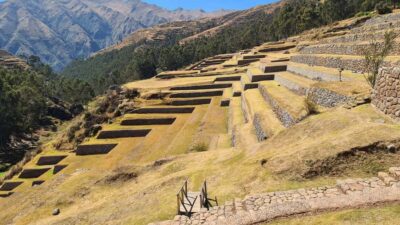
Pisac Indian Market and Ollantaytambo Fortress with Lunch
Read our review →
2-Day Trip to the Sacred Valley and Machu Picchu
Read our review →Browse the lists this tour appears in