
Reviewed · MACHU PICCHU TOURS
5-Day Salkantay Trek to Machupicchu Sky Lodge Dome
The big draw here is the change of scenery. In five days, you move from high Andean peaks and the turquoise Humantay Lagoon to cloud forest, coffee fields, fruit plantations, train tracks, and finally Machu Picchu. The 4,650-meter Salkantay Pass is the physical high point, while the first glimpse of Machu Picchu from Llactapata gives you a fine preview before the main visit.
I like the small group limit of 10 and the comfort built into a demanding trek. Your dome has a private bathroom and hot shower, meals are cooked along the way, and a hotel in Aguas Calientes gives you a proper bed before Machu Picchu. The main caution is communication: one booking had trouble confirming entry tickets and train details, so ask for every ticket and time in writing before you leave Cusco.
Key points to know before you book
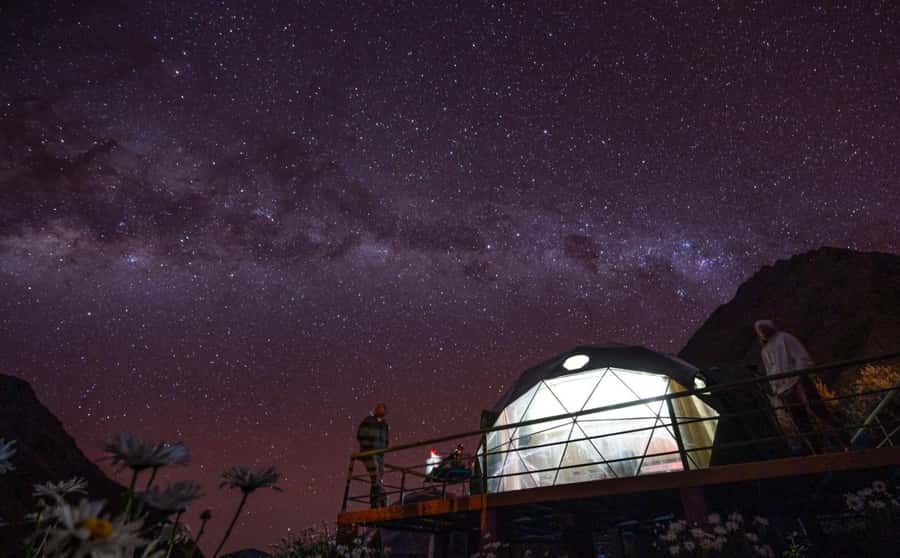
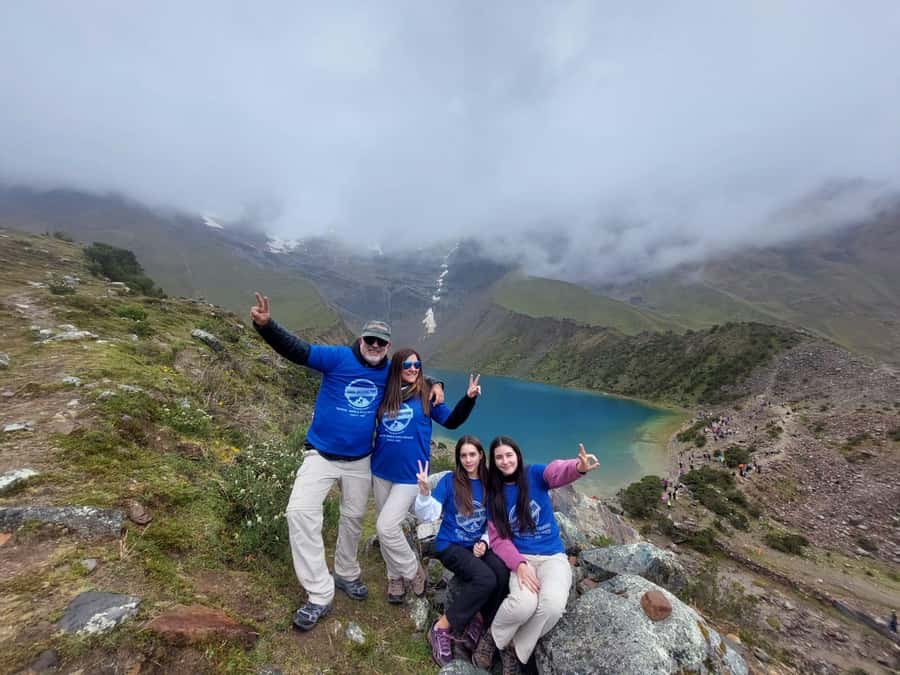
- Humantay Lagoon comes on day one: You reach this famous high-altitude lake before sleeping in a dome at Soraypampa.
- Salkantay Pass reaches 4,650 meters: This is a serious altitude day, with possible snow and views of Salkantay and Tucarhuay.
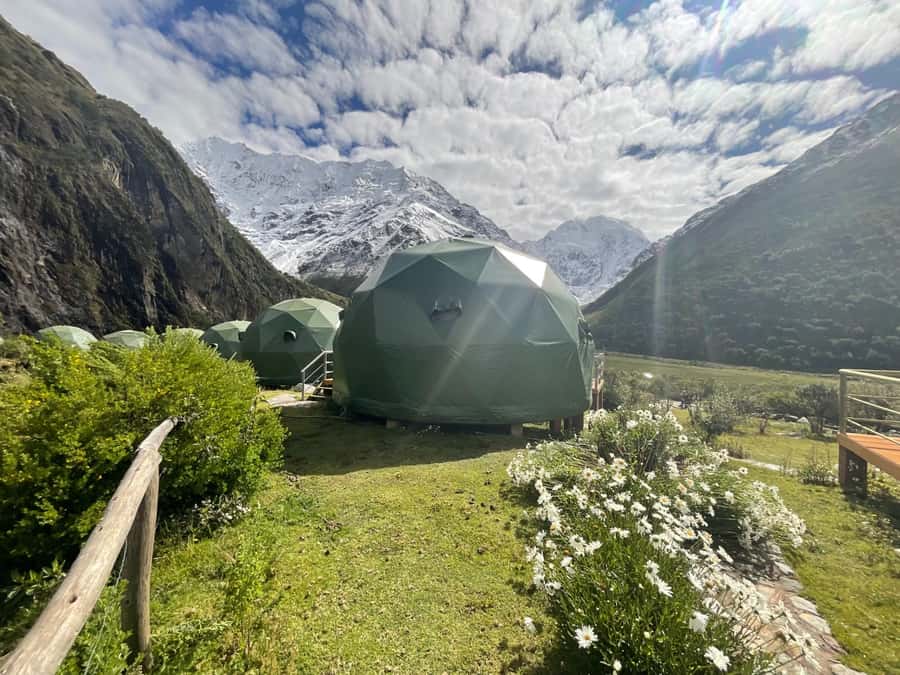
- Every dome has a private bathroom and hot shower: The first night can still be very cold, so bring proper warm clothing.
- Coffee is part of the route: At the plantation near La Playa, you harvest, roast, and grind coffee.
- Day four is long and varied: Llactapata, a first view of Machu Picchu, lunch at Hydroelectric, and about 2.5 hours beside the railway lead to Aguas Calientes.
- Your luggage plan changes: A mule carries up to 7 kilos per person through day three. From day four, you carry your own bags unless you pay about 20 soles to send them by car and train.
Why this Salkantay route feels different
The Salkantay Trek is a good choice if you want Machu Picchu to be the end of a real journey, not simply a day trip from Cusco. The route begins in cold, high country and gradually drops toward warmer forest and farms. That steady change gives the trek its character.
You are not walking the same type of trail for five days. On the first two days, altitude and steep mountain paths matter most. By day three, the air feels warmer and the route follows streams through the high jungle. Day four brings crops, local communities, fruit, and the railway walk into Aguas Calientes.
At $700 per person, the price covers a lot: a bilingual guide, transport from Cusco, four nights of accommodation, meals, mules and horsemen, the Machu Picchu entry ticket, the bus up to the site, and the train from Aguas Calientes to Ollantaytambo. You also get a cook, camping equipment, and a private bathroom and hot shower at the domes.
That is useful value for a trek where transport and permits can quickly become expensive. The price does not include your first breakfast, final dinner, sleeping bag, or trekking poles. You should also budget for the optional luggage transfer on day four, the Aguas Calientes hot springs, and any extra mountain ticket at Machu Picchu.
Other walks into the mountains in Cusco:
- From Cusco: 7 Lakes Ausangate Trek with Breakfast and Lunch
★ 4.8 · 360 reviews - Cusco: Rainbow Mountain Tour and Red Valley Hike (Optional)
★ 4.7 · 149 reviews - Cusco: Full-Day Rainbow Mountain & Red Valley Trekking Tour
★ 4.5 · 121 reviews
Day one: Cusco to Humantay Lagoon and Soraypampa
The early start is not optional in spirit. Pickup is around 4:30 to 5:00 in the morning from hotels inside Cusco’s historic center. You ride roughly two hours to Mollepata for breakfast, then continue by private vehicle for about 40 minutes to Challacancha, where the walk begins.
The day’s reward is Humantay Lagoon. The lake sits among high Andean peaks, and reaching it gives you an immediate sense of the altitude and effort ahead. This is also the day for an Andean ceremony and an offering to Mother Earth, a small cultural element that gives the start of the trek more meaning than a simple trail briefing.
You sleep at Soraypampa in a geodesic dome. The private toilet and hot shower are welcome after the climb, but do not mistake a dome for a warm hotel room. One night can be especially cold, so pack thermal layers, a hat, gloves, and a sleeping bag. The sleeping bag is not included.
This first day is short enough on paper to look easy, but the altitude can make it feel otherwise. I would spend at least two full days in Cusco before starting, as advised by the operator. You need time to adjust before walking near 4,000 meters and above.
Day two: Salkantay Pass at 4,650 meters
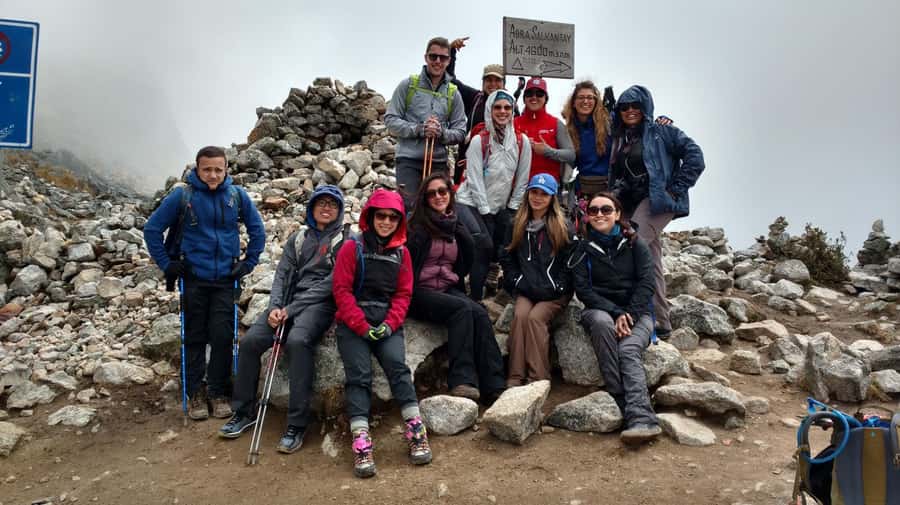
Breakfast comes around 5:30 in the morning, followed by the trek toward the highest point of the route. The pass reaches 4,650 meters, or about 15,200 feet, between Salkantay Mountain and Tucarhuay. At this height, the air is thin, the weather can change quickly, and a sunny morning does not guarantee a warm one.
The views from the pass are the day’s main prize. You look toward two snow-capped mountains, and snow is possible at the pass itself. This is the kind of mountain walking that rewards a slow pace. Use the trekking poles you bring or rent, drink often, and keep warm during stops.
The route then continues toward Chaullay, where you spend the night in another dome. The schedule lists this as a full trekking day, and it is the hardest part of the trip for most people because of the altitude rather than technical climbing.
The included mule support carries equipment, food, and up to 7 kilos of your personal luggage through the first three days. Keep your daypack light but useful. Carry water, rain protection, warm layers, sunscreen, snacks, and anything you may need during the day.
Day three: From high mountain to coffee country
The third morning starts at about 6:30. The route changes quickly as you walk through higher jungle, cross the Lluskamayo River, and pass streams on the way to La Playa. The walk takes about four hours, making this a welcome shift after the high pass.
The coffee plantation is more than a place to sleep. You learn how coffee is harvested, roasted, and ground, and you take part in those steps. That hands-on stop connects the scenery to the local work that supports communities in the region.
You sleep in geodesic domes at the plantation. The combination of a private bathroom, hot shower, and a working farm gives this night a different feel from a basic campsite. The food is another strong point of the tour. A cook prepares four breakfasts, four lunches, four dinners, and four snacks, with vegetarian and vegan meals available at no extra cost if requested ahead of time.
The support team matters on a route like this. Guides named Roberto and Abel have led groups, and cooks including Mario and Exaltación have received especially strong praise for the meals and care. Still, staff assignments can change, so treat those names as examples rather than a guarantee.
Other ways up to Machu Picchu from Cusco:
- From Cusco: Full-Day Group Tour of Machu Picchu
★ 4.7 · 1,767 reviews - Machu Picchu Day Trip from Cusco
★ 4.5 · 1,644 reviews - Machu Picchu: Full-Day Tour from Cusco with Optional Lunch
★ 4.6 · 927 reviews - Cusco: 4-Day Inca Trail to Machu Picchu with Accommodation
★ 4.8 · 432 reviews
Day four: Llactapata, Hydroelectric, and the railway to Aguas Calientes
Day four combines some of the most interesting stops with one of the route’s longest walking sections. You leave around 6:30 and aim to reach Llactapata early. Part of the route follows an original Inca trail, and you pass farms and communities where you may have the chance to harvest local fruit.
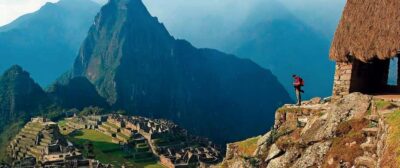
Llactapata offers a fine view over the Urubamba Valley. Salkantay Mountain appears behind you, and you get an early glimpse of Machu Picchu. Seeing the destination before reaching it adds a nice sense of direction to the final two days.
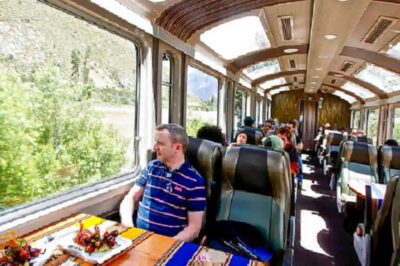
After lunch at Hydroelectric, you walk along the railway toward Aguas Calientes for roughly two and a half hours. The route passes crop plantations including coca and bananas. It is not a quiet mountain trail, and the railway section may feel less scenic than the pass or lagoon. Its value is practical: it brings you directly to the town without another major climb.
Luggage needs attention on this day. Until day three, your duffel can be carried by mule. From day four onward, you are expected to carry your bags. You can pay about 20 soles directly to send luggage by car from La Playa to Hydroelectric and then by train to Aguas Calientes. Confirm exactly what the fee covers before handing over your bag.
That night is in a hostel or hotel in Aguas Calientes. The standard is described as comfortable for some and simply okay for others, so do not expect the same special feel as the domes. You can visit the town’s hot springs for about 10 soles, a sensible choice after the long walk.
Day five: Machu Picchu before the crowds build
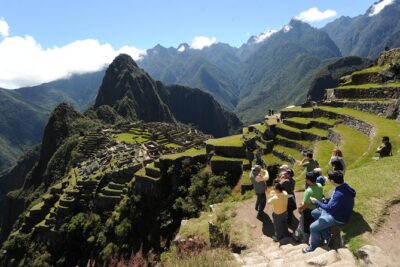
The final morning starts around 5:00. After breakfast, you take the first bus, listed at about 5:30, for the 25-minute ride to Machu Picchu. An early arrival gives you the best chance of seeing the site in softer morning light and beginning the visit before the day feels crowded.
Your guide leads a two-hour tour, then you have time to explore independently. The included ticket covers Machu Picchu, and the bus up is included as well. The return plan depends on train availability, with departures listed around 2:00, 4:00, or 6:20 in the evening. The train takes about two hours to Ollantaytambo, where private transport returns you to Cusco.
You may be able to add Huayna Picchu or Machu Picchu Mountain, but those tickets must be booked in advance and depend on availability. Do not assume you can decide at the entrance. Huayna Picchu rises to about 2,720 meters and takes roughly 1 hour and 45 minutes to reach the top, so it also adds a serious climb after several days on foot.
One practical warning deserves extra attention. Before departure, confirm that your Machu Picchu entry ticket, bus, train, and chosen entry time are all secured. A booking problem once forced a group to shorten the trek by a day while staff worked out a solution. The guide helped, but this is exactly the kind of problem you want settled before the 4:30 a.m. pickup.
What the $700 price really covers
The strongest part of the price is the amount of support included. You are not arranging separate transfers, campsite meals, mountain transport, the Machu Picchu bus, or the final train. The package also includes a bilingual English and Spanish guide, first-aid kit, kitchen tent, dining tent, tables, chairs, and mule support.
The domes are the other major value point. Private bathrooms and hot showers are a real step up from ordinary camping, especially after a high-altitude day. The first night can be cold, though, and comfort depends on bringing suitable gear.
The small group size, limited to 10 people, should make it easier to hear the guide and keep a reasonable pace. It does not turn the trek into a private trip, and group walking speed can still vary.
The 4-out-of-5 overall rating from six bookings suggests a generally strong experience with some important organizational concerns. The praise centers on the food, guides, beds, domes, and changing scenery. The main weakness is not the route itself but the need to chase down information about tickets and transport.
Who should choose this trek
I would recommend it to you if you want a physically demanding route with comfort at night and a range of scenery. It suits hikers who can manage steep, high-altitude walking and who like the idea of adding coffee production, farms, and local trails to their Machu Picchu visit.
It is not a good fit for anyone with serious back, heart, or mobility problems, or for pregnant people. The listing says wheelchair accessible, but the trek itself includes high passes, long walks, uneven routes, and railway walking. If accessibility is important to you, ask the operator to explain exactly which transport and accommodation parts are accessible before booking.
You should also arrive in Cusco at least two days early. This is not a route where you want to land from a low altitude and begin walking the next morning. Acclimatization is part of the preparation, not an optional extra.
Practical packing advice
Bring warm clothing, sunglasses, a sun hat, cash, a daypack, hiking shoes, trekking gear, and your passport or ID. Your passport or identification is needed for the Machu Picchu visit.
Add a sleeping bag, since it is not included. Trekking poles are also excluded, and they will be useful on steep and uneven sections. Pack for both cold mountain mornings and warmer jungle conditions, with a rain layer that stays easy to reach.
Keep your daypack organized around the first three days of mule support. Your personal bag limit for the carried luggage is 7 kilos, and you will need to take responsibility for your belongings from day four unless you arrange the paid transfer.
The operator offers vegetarian and vegan food at no extra cost when requested. Make that request before the trek rather than waiting until the first meal.
Should you book the Salkantay Sky Lodge Dome trek?
Book this trek if your priority is a full five-day route with high mountain views, unusual dome lodging, cooked meals, and a comfortable final night before Machu Picchu. The mix of Humantay Lagoon, Salkantay Pass, coffee country, Llactapata, and the railway walk gives you far more variety than a simple transfer to the ruins.
Pause before booking if you dislike early mornings, cold nights, long walking days, or high altitude. I would also make the reservation conditional on receiving clear confirmation of the Machu Picchu ticket, train schedule, and bus arrangements. At $700, the package offers solid value, but only when those key pieces are properly handled.
FAQ
How long is the Salkantay trek to Machu Picchu?
The trek lasts five days and four nights, beginning with pickup in Cusco and ending with transport back to Cusco after Machu Picchu.
How high is the Salkantay Pass?
The pass reaches 4,650 meters, or about 15,200 feet, between Salkantay Mountain and Tucarhuay.
Where do you sleep during the trek?
You sleep in luxury geodesic domes at Soraypampa, Chaullay, and the coffee plantation near La Playa. The domes include private bathrooms and hot showers. The fourth night is in a hostel or hotel in Aguas Calientes.
Are meals included?
The tour includes four breakfasts, four lunches, four dinners, and four snacks. Your first breakfast and final dinner are not included. Vegetarian and vegan meals are available on request at no extra charge.
Is luggage carried during the trek?
Horsemen and mules carry equipment, food, and up to 7 kilos of personal luggage through the first three days. From day four, you carry your own bags unless you arrange a transfer for about 20 soles.
Is the Machu Picchu bus included?
Yes. The bus from Aguas Calientes to Machu Picchu is included, along with the Machu Picchu entry ticket.
Can I climb Huayna Picchu or Machu Picchu Mountain?
You can optionally climb Huayna Picchu or Machu Picchu Mountain, but you need to book the additional ticket in advance and check availability.
What should I bring for the trek?
Bring warm clothing, sunglasses, a sun hat, cash, a daypack, trekking gear, hiking shoes, your passport or identification, a sleeping bag, and trekking poles. The sleeping bag and trekking poles are not included.
More ziplines and climbs around Cusco
- Sam’s Zip Line in Sacred Valley
★ 5.0 · 75 reviews - Rafting & Zip line Urubamba River 1 Day
★ 5.0 · 75 reviews - Salkantay Trek 4 Days to Machu Picchu by Glamping Sky Lodge Dome
★ 5.0 · 68 reviews - 4-Day Inca Jungle Adventure, Mountain Biking, Rafting and Zipline
★ 5.0 · 60 reviews
More treks in Cusco
- Cusco: Machu Picchu 2-Day Inca Trail with Panoramic Train
★ 4.9 · 260 reviews - From Cusco: 2-Day Inca Trail to Machu Picchu
★ 4.2 · 244 reviews - Machu Picchu: Inca Trail 2-Day Overnight Guided Tour
★ 4.9 · 203 reviews - Short Inca trail to MachuPicchu || 2days – 1nigth ||
★ 5.0 · 103 reviews
Just added around Cusco
- 7 Colors Mountain Tour + Red Valley★ 4.0 · 3 reviews
- Amazonas Manu Cultural Zone 4 Days / 3 Nights★ 4.2 · 8 reviews
- Arrive before the crowd to the Mountain in private service★ 3.4 · 6 reviews
- Cusco: 5-Day Salkantay Ultimate Trek to Machu Picchu★ 5.0 · 3 reviews
- From Cusco: 4-Day Inca Jungle Adventure to Machu Picchu★ 4.8 · 45 reviews
- From Cusco: 2-Day Sacred Valley and Machupicchu by Train★ 5.0 · 8 reviews
- 1 day excursion to the Humantay Lake from Cusco.★ 5.0 · 3 reviews
- 1 day excursion to Waqrapukara★ 4.5 · 23 reviews
Machu Picchu Tours, compared.
4-Day Inca Trail to Machu Picchu with Accommodation
Read our review →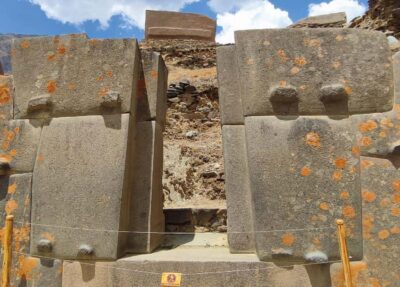
2-Day Trip to the Sacred Valley and Machu Picchu
Read our review →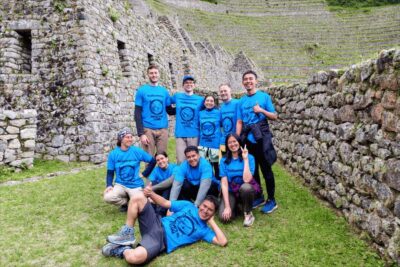
Machu Picchu 2-Day Inca Trail with Panoramic Train
Read our review →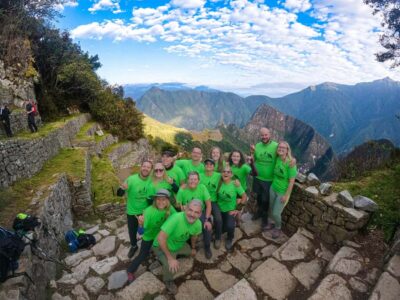
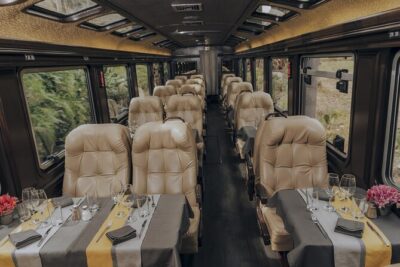
The First Class Machu Picchu Train by Inca Rail
Read our review →Browse the lists this tour appears in