
Reviewed · LAKE TITICACA & UROS ISLANDS
Floating Islands of the Uros
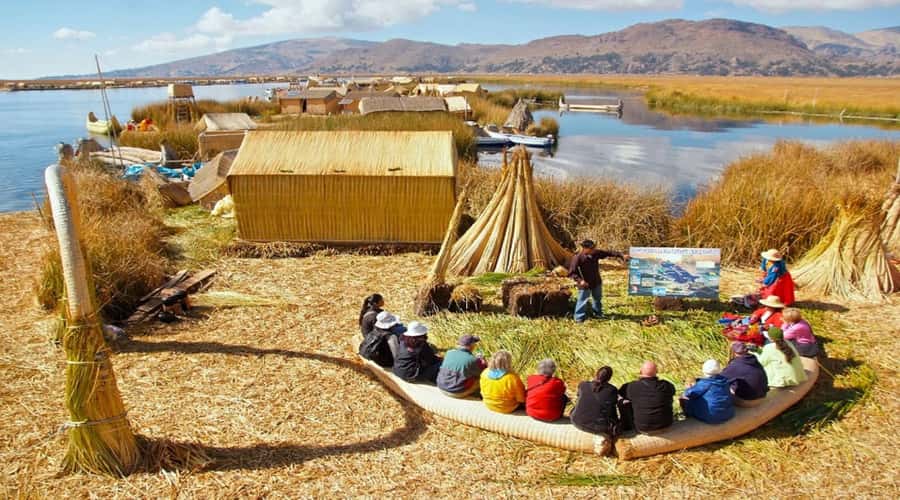
The Uros Islands are not ordinary islands. They are platforms made from layers of totora reeds, floating on Lake Titicaca near Puno. During this three-hour outing, you walk across those springy surfaces, meet the people who maintain them, and see how fishing, bird hunting, reed work, embroidery, and tourism fit together.
I like two things right away. First, the tour is short enough to fit neatly into a stay in Puno, yet it gives you direct contact with an Aymara-speaking community. Second, guides such as Roly and Freddy bring useful detail to the visit, including simple Aymara greetings and explanations of how the islands and reed boats work.
The main drawback is time. You get about two hours at the Uros Islands, and that can feel brief once you have walked around, listened to the guide, met residents, and considered the optional raft ride. The traditional totora reed raft costs extra, so the advertised price is not the complete cost if you want every part of the experience.
Key points before you book
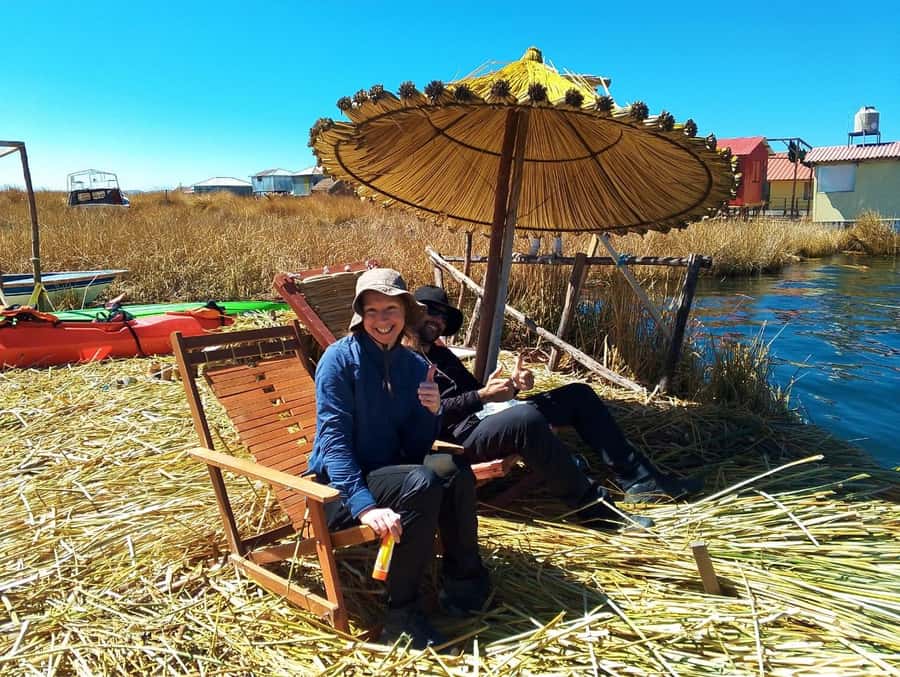
- The islands are made of totora reeds: You’ll see and walk on the material that supports homes, paths, boats, and much of daily life.
- The visit is close to Puno: The Uros Islands are about 8 kilometers from the city, making this a practical half-day activity.
- You learn from an Aymara-speaking community: The tour covers fishing, collecting eggs, hunting birds, reed construction, embroidery, and local customs.
- The boat ride is included: Transport includes a normal boat with comfortable seats, life jackets, and a first aid kit.
- The traditional raft ride costs extra: You can add a short totora raft trip, but you should budget separately for it.
- Guides make a real difference: Roly has been praised for switching smoothly between languages and helping visitors greet island residents in Aymara.
What makes the Uros Islands different
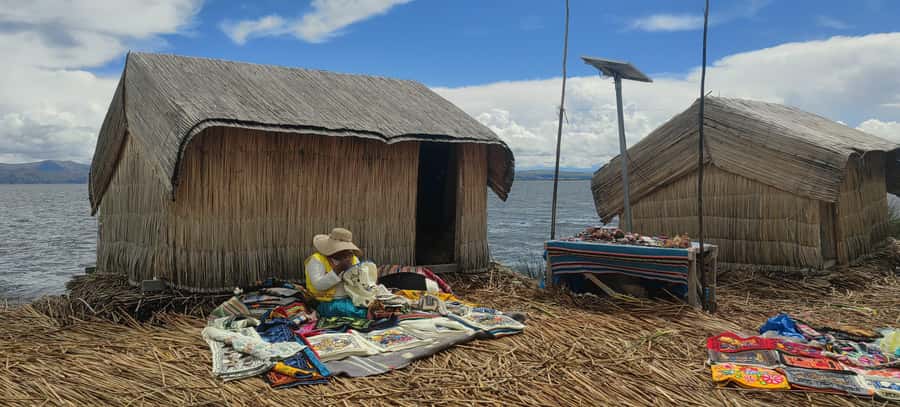
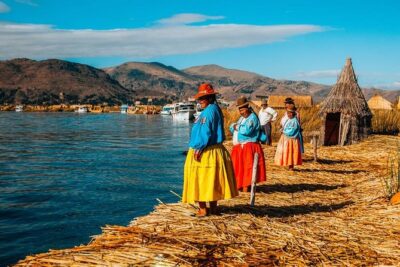
The Uros Islands are formed from totora, a reed that grows in Lake Titicaca. The community uses it as a building material for the floating platforms and reed boats. On the visit, you can see how this plant is tied to work, transport, shelter, and local identity.
That is the central value of this tour. You are not simply looking at a scenic stop from a boat. You are shown the physical material of island life and how it is handled. The guide explains the skills passed down within the community, while residents demonstrate parts of their daily traditions.
The Uros are an Aymara language community. You may learn a few words or greetings during the visit, especially if your guide is Roly, who has been praised for helping visitors communicate with island residents. Even a simple greeting gives the meeting a more personal tone than walking through the islands silently with a camera.
The experience also gives you a chance to think about the line between living culture and tourism. The Uros Islands welcome visitors, and parts of the visit are arranged for explanation and demonstration. That does not make the encounter worthless. It means you should arrive with respect, listen carefully, and remember that these are homes and working communities, not just a photo stop.
Other days on Lake Titicaca from Peru:
- From Puno: Uros, Amantaní & Taquile Islands 2-Day Tour
★ 4.5 · 452 reviews - From Puno: Floating Islands of the Uros Half-Day Tour
★ 4.4 · 394 reviews - 2-Day Tour Colca Canyon in Arequipa with end in Puno
★ 4.6 · 248 reviews
Leaving Puno for Lake Titicaca
The tour begins with pickup from a downtown Puno hotel and a short transfer to the port. The listed schedule includes about 10 minutes by van, a 30-minute ferry ride, another 15-minute van transfer, and then the island visit.
The transport arrangement makes this a fairly easy outing for anyone staying in central Puno. You do not need to arrange your own route to the port, and the normal boat includes comfortable seats, life jackets, and a first aid kit. Bring water and sun protection, since the light around Lake Titicaca can feel strong even during a short trip.
The changing transport is worth noting. This is not a direct few-minute ride from your hotel to an island. You may spend a noticeable part of the three-hour schedule moving between van and boat. That is normal for the route described, but it also explains why the time on the islands feels limited.
The boat journey is part of the setting. As you leave Puno, the city gives way to the open water of the bay. You will want your camera ready, but keep it in reserve until you have listened to the guide. The best part of the visit is not only the view. It is understanding why the platforms float and how they are kept usable.
Walking across the floating reed platforms

The main stop lasts about two hours and combines a guided tour, sightseeing, photo time, and free time. Your guide leads you across the floating platforms and explains what you are seeing as you go.
Walking on the islands is one of the most memorable parts of the experience. The ground is not ordinary soil or a solid stone pier. It is a maintained surface made from reeds, and that changes how you think about the settlement under your feet.
You will see the totora used in more than one way. The men of the community are described as skilled builders and drivers of reed rafts. The women are known for embroidery and the making of rugs. These details help you understand that the islands are not only a strange engineering project. They are also a place where practical skills, family work, craft, and language continue together.
The guide may explain traditional activities such as fishing, hunting birds, and collecting eggs. These subjects matter because they show how the community has used its wetland setting for food and work. At the same time, modern visits and tourism are now part of the island economy, so the experience presents both older practices and the way the community interacts with outsiders today.
A meeting with an island leader may also be part of the visit. One recent outing included the chance to meet Olga, described as the president of the small reed island visited. Do not assume every departure will include exactly the same meeting, but the possibility shows the personal nature of the stop. You are not only seeing a platform from a distance. You may speak with someone involved in running the community.
The optional totora raft ride
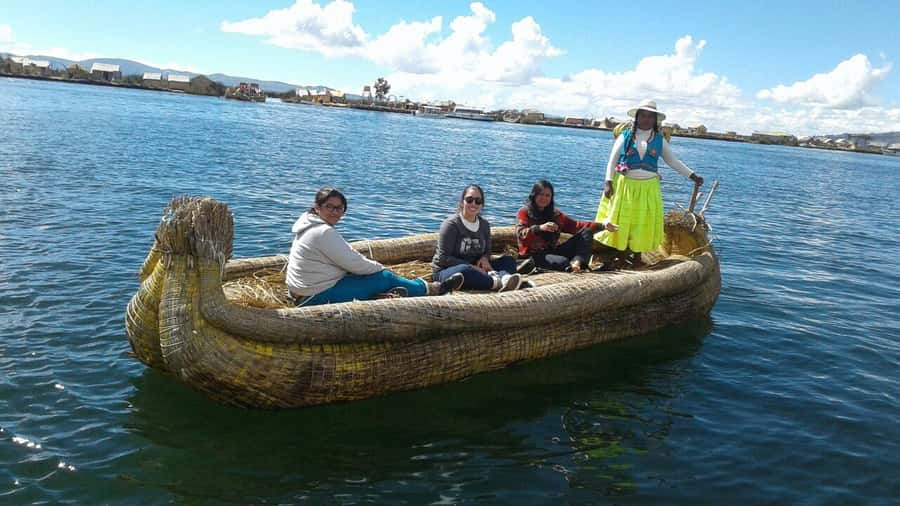
The short ride on a totora reed raft is one of the most recognizable parts of the Uros experience. The rafts are built from reeds, and the community’s men are skilled in their construction and operation.
The ride is not included in the $7 price. That is important when comparing tours. The base fare covers the transfer, entrance ticket, normal boat, and official guide, while the raft costs extra. If you want the full experience, ask about the price before boarding and carry enough cash if needed.
I see the raft ride as an add-on rather than the main reason to book. The guided walk gives you the cultural explanation, while the raft provides a short, hands-on look at a traditional form of transport. If your budget is tight, you can still learn a great deal without adding it. If you want the classic photo and the chance to sit on a reed boat, the extra charge may be worthwhile.
Keep your expectations measured. This is described as a short ride, not a long cruise across Lake Titicaca. Its value is in seeing how the craft is made and used, not in covering a large distance.
Same base, a completely different day:
- Cusco: Humantay Lake Tour with Breakfast and Buffet Lunch
★ 4.9 · 2,976 reviews - From Cusco: Sacred Valley & Maras Salt Mines Tour with Lunch
★ 4.8 · 2,227 reviews - From Cusco: Moray, Maras Salt Mines & Chinchero Weavers Tour
★ 4.8 · 1,925 reviews - From Lima: Paracas and Huacachina Oasis Full Day Guided Tour
★ 4.7 · 1,780 reviews
Guides, language, and the human side of the visit
The guide can shape this tour more than the transport can. Strong guiding helps connect the reeds, language, work, and daily life into one clear story.
Roly received especially strong praise for explaining the area and switching between languages without making the experience feel awkward. He also helped visitors greet the islanders in Aymara. Freddy has also led enjoyable visits, and Christian and Brian have been mentioned as boat captains on separate departures. These names do not guarantee who will lead your outing, but they give you a sense of the staff associated with the experience.
The tour is offered in English and Spanish. If you speak neither language, you should confirm arrangements before booking, since the listed guiding languages are limited to those two.
I like the emphasis on Aymara because it adds something beyond a standard sightseeing stop. You are introduced to a living language community, not only a set of unusual buildings. Learning a greeting takes little time, but it encourages a more respectful exchange with the people you meet.
The community’s welcome is also part of the appeal. You can interact with residents, ask questions through the guide, and see the skills that support life on the islands. Be polite with photography, follow the guide’s instructions, and remember that residents may be working while you visit.
Is three hours enough?
For a first look at the Uros Islands, three hours is efficient. The route includes hotel pickup, port transfers, the boat ride, the guided island visit, and the return to Puno. That makes it a good choice if you have only a short window in the city.
The schedule is less suitable if you want a slow, unhurried encounter. The island portion is listed at about two hours, and that time passes quickly once you include the explanation, free time, photos, conversation, and possible raft ride.
One visitor described the outing as very short but still worthwhile for learning about Aymara life on Uros. That is a fair way to frame it. You get an introduction, not an extended stay. If you want more time in the Lake Titicaca region, you would need a longer activity or an overnight plan, neither of which is included here.
The return follows the same general pattern, with about 30 minutes by ferry and a final 10-minute van ride back to Puno. Plan your day with a little breathing room after the scheduled return, since transport connections can take time.
Price, value, and what is included
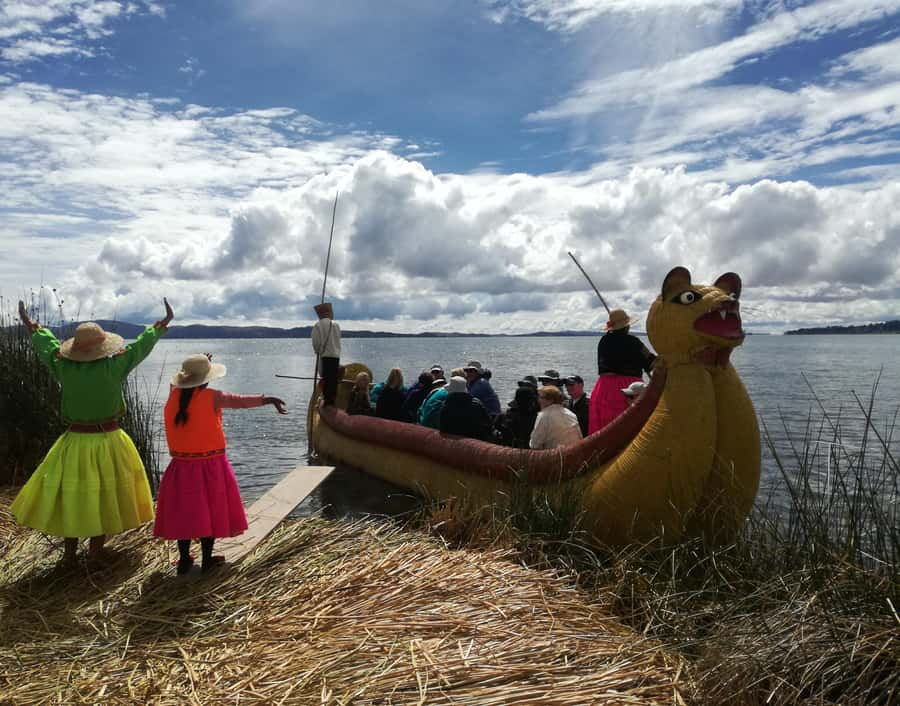
At $7 per person, this is an inexpensive way to reach one of the best-known attractions in Puno Bay. The value is particularly strong because the price includes downtown hotel transfer, the entrance ticket, the normal boat, safety equipment, and an official English or Spanish guide.
The low price also comes with limits. Meals are not included, and neither is the totora raft ride. The tour does not promise a private boat or a long stay on the islands. You are paying for a guided introduction and shared transport.
I would treat the $7 fare as a useful base price. Add the raft only if it interests you, and bring water because food and drinks are not supplied. If you have just arrived in Puno or have an afternoon free, the tour offers a lot for little money.
You can cancel up to 24 hours in advance for a full refund, and the reserve now, pay later option keeps your plans flexible. The activity is also listed as wheelchair accessible, though you should confirm the practical details of moving between the van, ferry, and floating platforms before departure.
What to bring to Lake Titicaca
Lake Titicaca sits high above sea level, and the sun can be intense. The tour specifically recommends a sun hat, sunscreen, water, comfortable clothing, comfortable shoes, and a camera.
Wear shoes suitable for walking. You may be crossing uneven reed surfaces rather than polished pavement, so comfort matters more than style. Bring a light layer as well, since conditions on the lake can change, although the supplied information does not promise a particular temperature or weather pattern.
Smoking is not allowed. You should also treat the reeds, boats, homes, and surrounding water with care. A little restraint with photography and a respectful attitude will make the encounter better for everyone.
Who should book this Uros Islands tour?
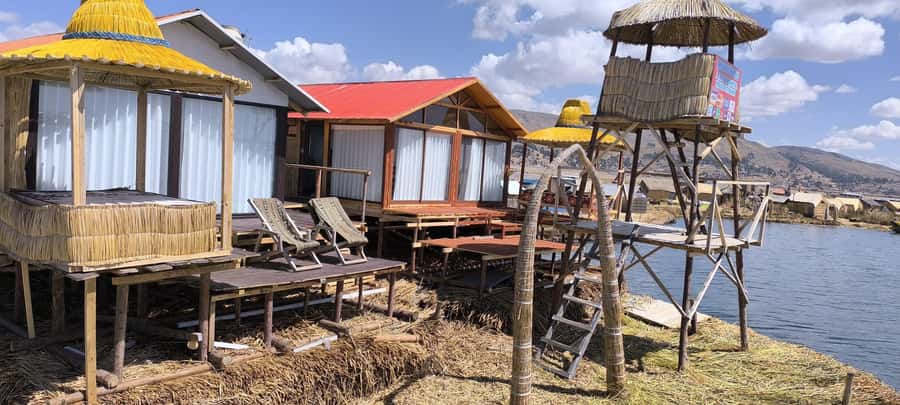
I recommend it for anyone staying in Puno who wants a short, affordable introduction to Lake Titicaca and the Uros community. It suits first-time visitors, families who prefer a manageable outing, and people with only part of a day available.
It is also a good fit if you enjoy practical cultural experiences. You will learn how the reeds are used, meet people from an Aymara-speaking community, and see traditional skills rather than only taking a boat ride for the view.
I would think twice if you dislike organized group visits, have no interest in demonstrations or local crafts, or want a quiet trip far from tourism. The visit is designed for interaction and explanation, and the raft ride is an optional extra rather than a private adventure.
Should you book the Floating Islands of the Uros?
Book it if you want a low-cost, three-hour introduction to one of Lake Titicaca’s most unusual communities. The included guide, entrance, hotel transfer, and normal boat make the price hard to dispute, while guides such as Roly and Freddy can add language and cultural detail that you would miss on your own.
Go in knowing that the visit is short and partly organized around showing visitors how island life works. Pay extra for the totora raft only if that activity matters to you. For a first visit from Puno, this is a practical choice with a memorable setting, useful cultural context, and enough time to see why the Uros Islands continue to capture attention.
FAQ
How long does the Floating Islands of the Uros tour last?
The tour lasts about three hours, including transfers from Puno, the boat journey, the visit to the islands, and the return trip.
How far are the Uros Islands from Puno?
The Uros Islands are located about 8 kilometers from Puno.
Is the totora reed raft ride included?
No. The short totora reed raft ride costs extra. The regular boat transfer is included.
What languages are available for the guided tour?
The tour offers live guiding in English and Spanish.
Does the tour include pickup from my hotel?
Pickup and return transfer are included for hotels in downtown Puno, with transport to and from the Puno port.
What should I bring?
Bring a sun hat, sunscreen, water, a camera, comfortable clothing, and shoes suitable for walking. Smoking is not allowed.
Just added around Peru
- “Waqra Pucara, The Majestic Fortress Revealing Secrets of the Andes”.★ 3.5 · 8 reviews
- Adventure Day in Arequipa: Pillones Waterfall + Rock Forest★ 4.2 · 25 reviews
- From Nazca: Cahuachi Pyramids Tour and Textile Workshop★ 4.8 · 21 reviews
- From Arequipa: Pillones Waterfall and Stone Forest Day Trip★ 4.4 · 15 reviews
- From Cusco: Chinchero, Moray, Maras, Ollantaytambo and Pisaq★ 4.6 · 11 reviews
- From Cusco: Sacred Valley ending in Ollantaytambo and Lunch★ 4.3 · 36 reviews
- From Nazca: Chauchilla Cemetery Tour and Artisans Workshop★ 4.9 · 20 reviews
- From Ollantaytambo:Moray, Salt Mines, Chinchero end in Cusco★ 5.0 · 42 reviews
Lake Titicaca & Uros Islands, compared.
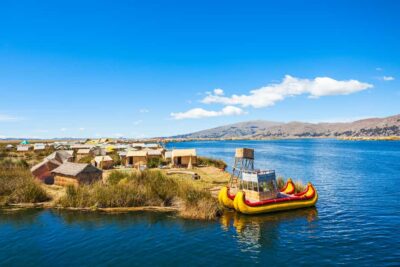
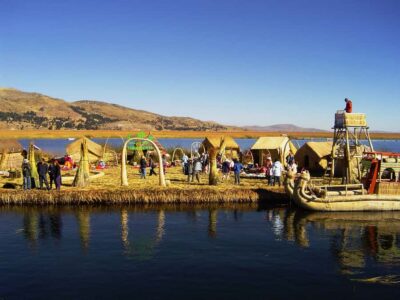

2-Day Tour Colca Canyon in Arequipa with end in Puno
Read our review →
Lake Titicaca 2-Day Tour to Uros, Amantani and Taquile
Read our review →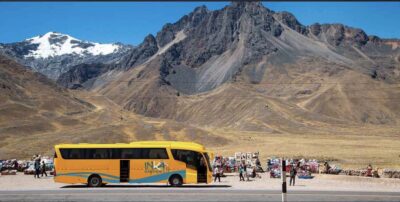
Full-Day Route of the Sun Tour to Cusco with Lunch
Read our review →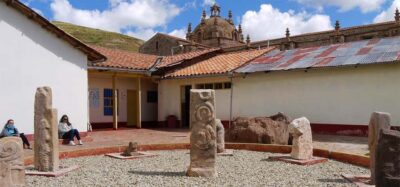
Scenic Route of the Sun to Puno with Buffet Lunch
Read our review →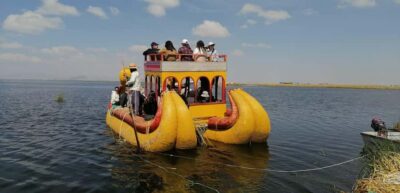
Browse the lists this tour appears in