
Reviewed · SILLAR ROUTE & AREQUIPA COUNTRYSIDE
4 hours Tour: Route of Sillar with Trek in Culebrillas
Arequipa’s white buildings begin at the quarry, where workers cut volcanic ashlar from towering ignimbrite walls. I like that this tour shows the stone as a working material, not just as polished architecture in the city. I also like the short canyon walk to Wari petroglyphs, a useful contrast to the quarry visit.
The main caution is time. The tour covers several stops in about four and a half hours, and one recent departure started 30 minutes late, leaving less time at the sites. The English-speaking guide may also be unavailable on a given day, so confirm your language before setting out.
Key points to know before booking
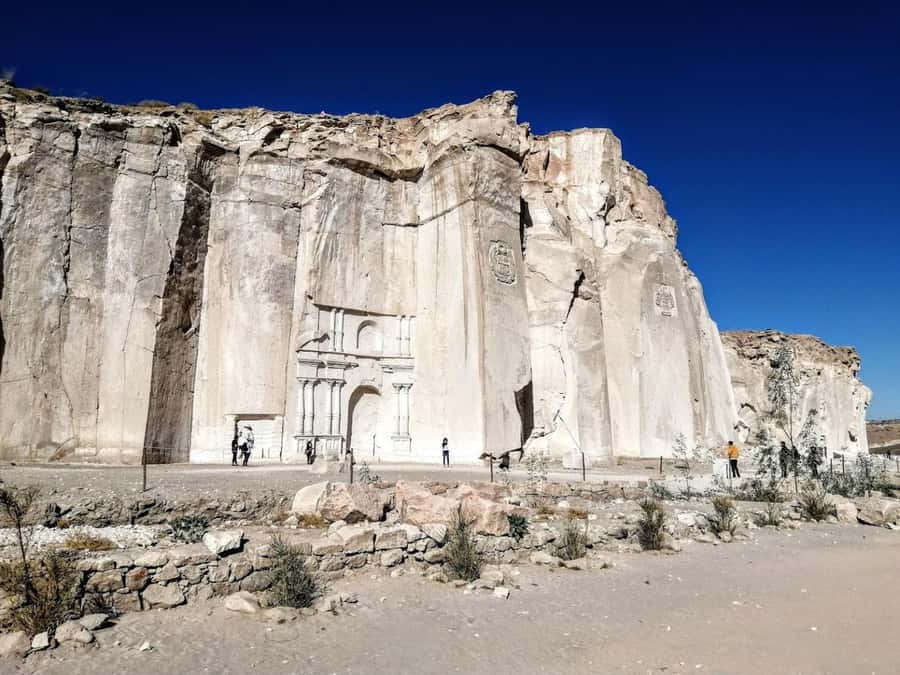
- Añashuayco is still an active quarry: You can see the tall cut walls, learn how ashlar is produced, and watch or try basic stone cutting.
- The Church of the Company of Jesus appears in stone: A large carving made by local stonemasons gives the quarry a memorable focal point.
- Culebrillas adds a short outdoor walk: The canyon takes about 20 minutes to explore, with walls reaching 15 to 20 meters.
- The route includes old Wari rock art: Petroglyphs at the end of the canyon are more than a thousand years old.
- The price is low, but not all costs are included: Transport and a professional guide are covered, while entrance fees total 18 soles.
- You get two scheduled departures: The morning option begins around 9:15 am, with an afternoon shift at 2:00 pm.
Why the Sillar Route matters in Arequipa
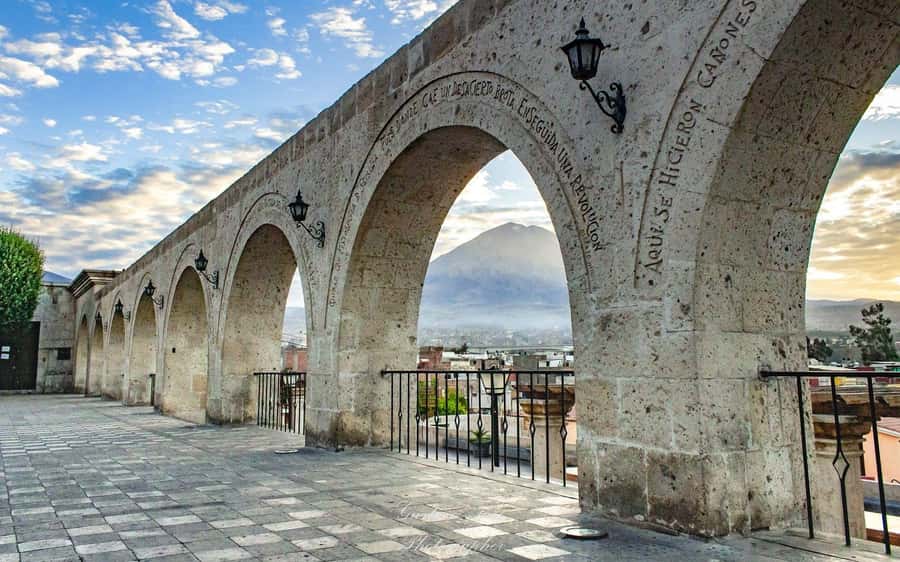
Arequipa is famous for its pale colonial buildings, but the city’s white appearance is not just a design choice. Much of it comes from sillar, a light-colored volcanic stone formed from ash and pumice. The material is easy enough to carve for decorative work, yet durable enough for churches, mansions, courtyards, and arches.
This excursion takes you beyond the finished façades and into the places where the stone is extracted. That makes the route useful for anyone who has already admired Arequipa’s historic center and wants to understand what built it.
I especially like the link between living work and older culture. At Añashuayco, stonecutters continue a trade tied to the city’s architecture. At Culebrillas, the focus shifts to rock art made by the Wari culture over a thousand years ago. You get two very different uses of stone in one half-day.
The tour is not a long archaeological expedition, and you should not expect hours of free exploration. It is a compact introduction, built around a few clear stops and a guide’s explanation.
Other walks into the mountains in Arequipa:
- From Arequipa: Sillar Route Trek
★ 4.2 · 461 reviews - From Arequipa: 2-Day Colca Canyon Trekking Tour
★ 4.8 · 243 reviews - 2 Day 1 Night Trek / Colca Canyon
★ 4.5 · 92 reviews
Starting near central Arequipa at 9:15 am
The meeting point is the main office at C. Álvarez Thomas 115, near the center of Arequipa. Your name is checked there before the group receives initial instructions and boards the tourist vehicle.
The morning departure begins at about 9:15 am. An afternoon departure is also available at 2:00 pm. The published duration is 270 minutes, although the stated schedule runs roughly from 9:15 am until 1:30 pm, so allow about four to four and a half hours.
That timing matters if you are arranging a bus, airport transfer, cooking class, or another fixed activity. The route is short enough to fit into a half-day, but a delayed start can reduce time at the quarry and canyon. One recent outing began 30 minutes late, so avoid placing an important booking immediately after the return.
Transport is included, as is a professional guide. The group travels by van between the stops. A recent departure used a new vehicle, which is a small but welcome detail on a route with several road sections.
Volcano views and the Chilina Valley
The first stop is a viewpoint reached after roughly 25 minutes in the van. You have around 20 minutes for photographs, a visit, and a guided explanation.
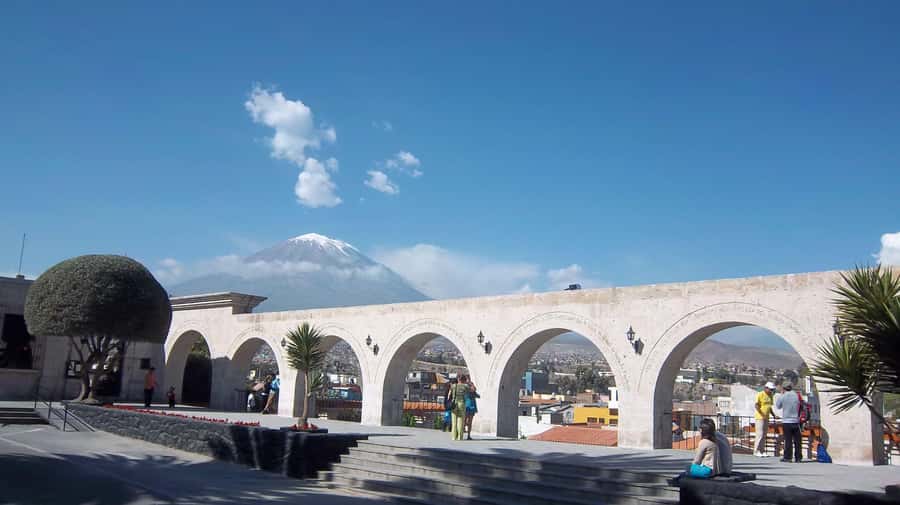
The view includes Arequipa’s volcanoes and the Chilina Valley. Depending on the season, the exact viewpoint may change, with another traditional lookout sometimes used first. This gives the outing a useful opening: before looking closely at stone, you see the broad setting around the city.
Do not think of this as the main event. It is a brief orientation stop rather than a long scenic walk. Still, it helps you understand why the surrounding volcanic material matters so much to Arequipa.
Bring your camera, but also listen to the guide’s explanation. The rest of the tour is easier to place once you have seen the volcanoes and valley that frame the region.
Añashuayco Quarry and the making of ashlar
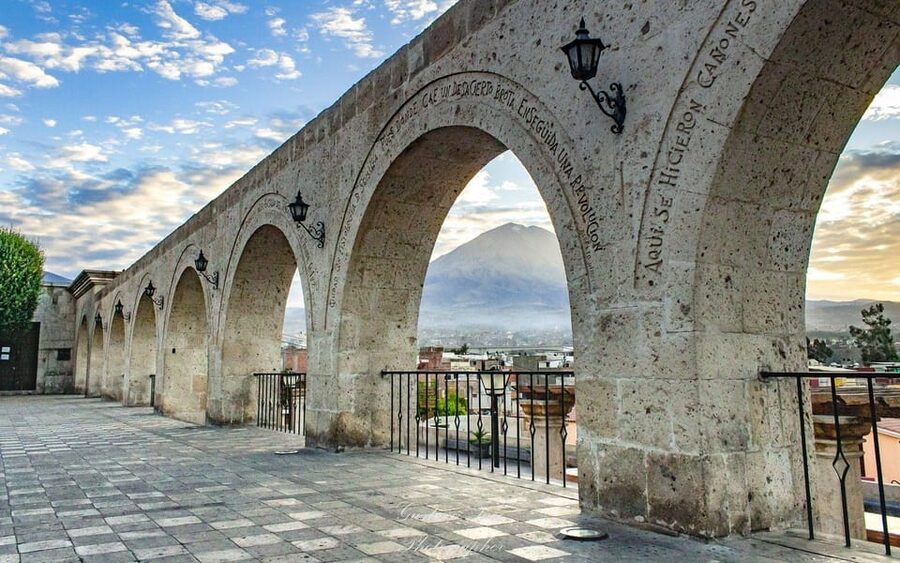
After about 45 minutes by van, you reach Añashuayco Quarry. This is the strongest stop for most people because it combines dramatic walls with a working trade.
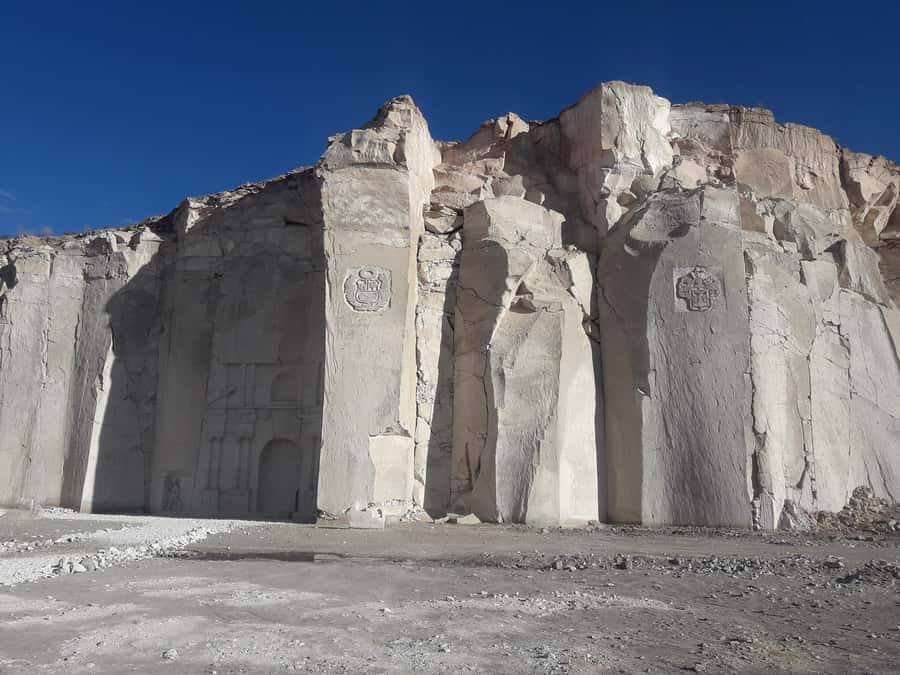
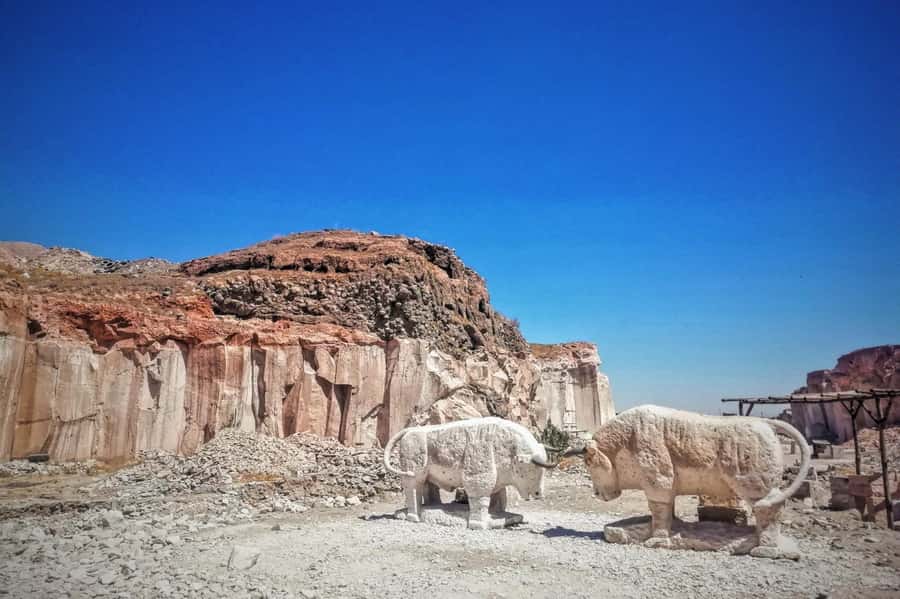
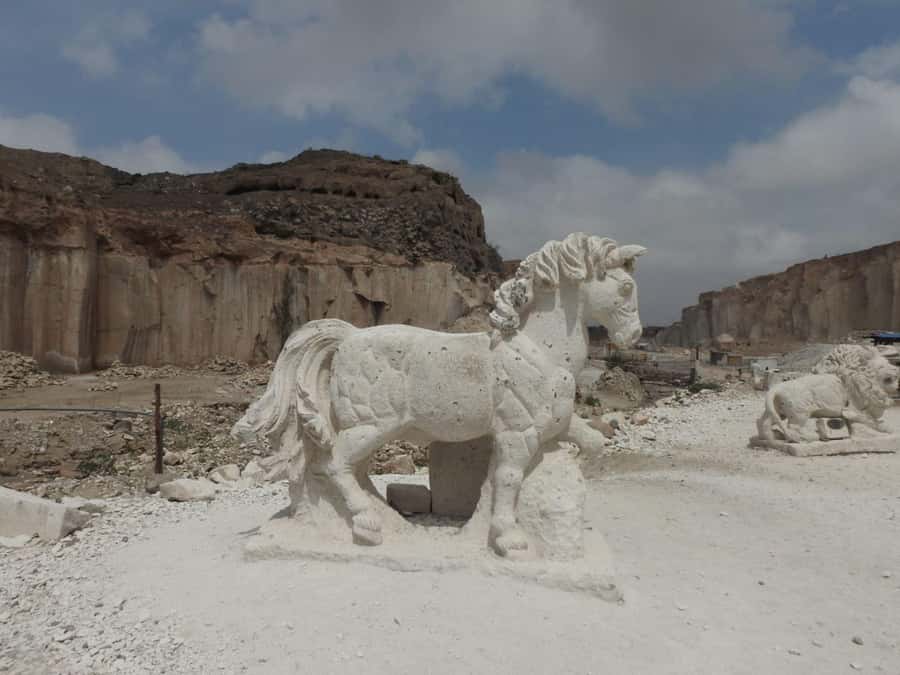
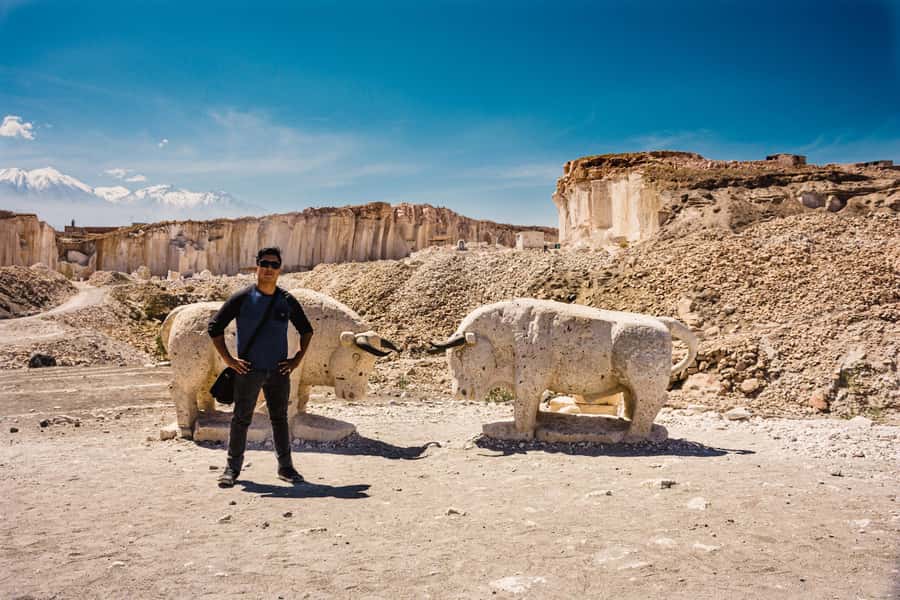
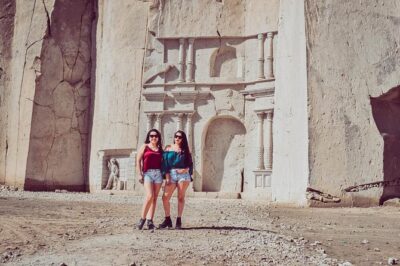
The quarry contains high cliffs of ignimbrite, cut and shaped as ashlar is removed. The walls are not natural canyon scenery in the usual sense. Their form reflects extraction, so you are looking at a place changed by generations of stone work.
The guide explains where ashlar comes from, how it is produced, and how it has been used in Arequipa. That context gives the pale stone in the city a human scale. A church doorway or carved colonial wall can seem decorative when you see only the finished product. Here, you can picture the heavy, repetitive work behind it.
The quarry is still operating, and the stonemasons begin their work early. Depending on the day and timing, you may see them at work and visit one of the stonecutters. The intended exchange is practical: the craftsperson explains the daily job, and you may get a chance to try cutting one of the stone blocks yourself.
That hands-on moment is a real advantage, but keep expectations sensible. This is not a full workshop or a lesson in masonry. It is a brief chance to feel the material and understand the effort involved.
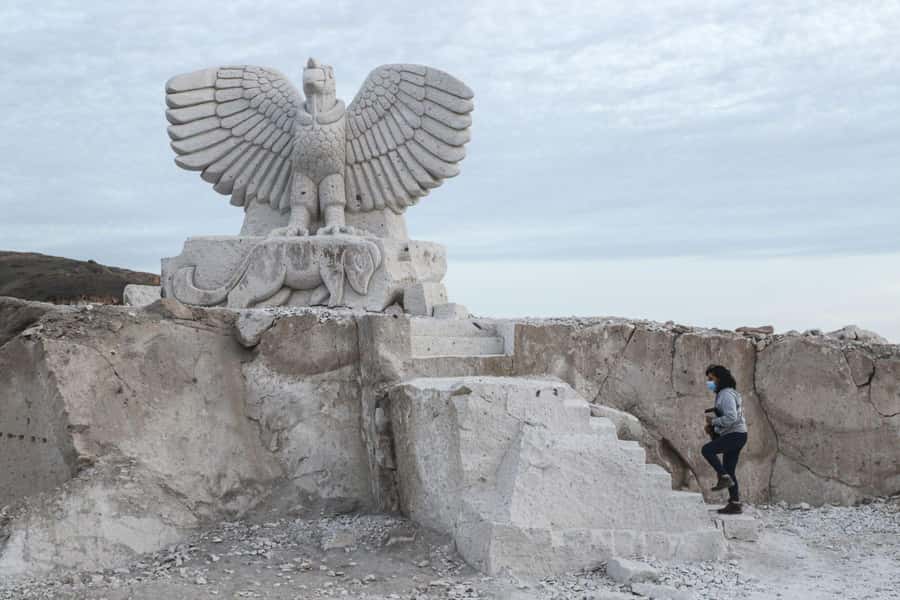
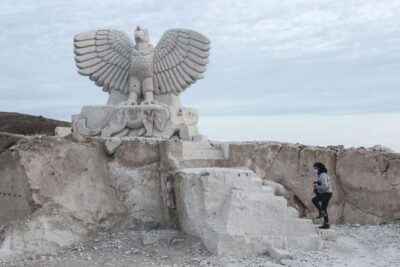
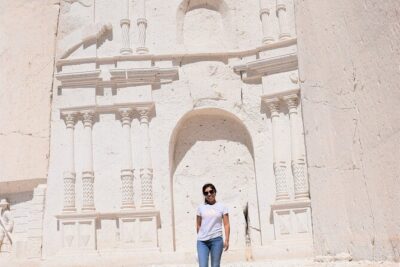
The quarry also contains a large carving of the Church of the Company of Jesus, made by the stonemasons themselves. It connects the raw material in front of you with one of Arequipa’s best-known architectural forms. For photographs, the contrast between the pale rock face and the carved church design gives this stop a clear subject.
You have about 50 minutes here for the visit, explanation, photographs, and free time. That is enough for a focused look, but not enough to wander far or study every part of the quarry. If your departure is late, this is one of the places where minutes matter.
Other trips into the countryside from Arequipa:
- Sillar Route and Culebrillas Petroglyphs
★ 4.5 · 89 reviews - Sillar Route in Arequipa and viewpoint of the Volcanoes
★ 4.0 · 71 reviews
Walking into Quebrada de Culebrillas
The van ride from Añashuayco to Quebrada de Culebrillas takes about 30 minutes. At the canyon, the pace changes from vehicle sightseeing to a short walk.
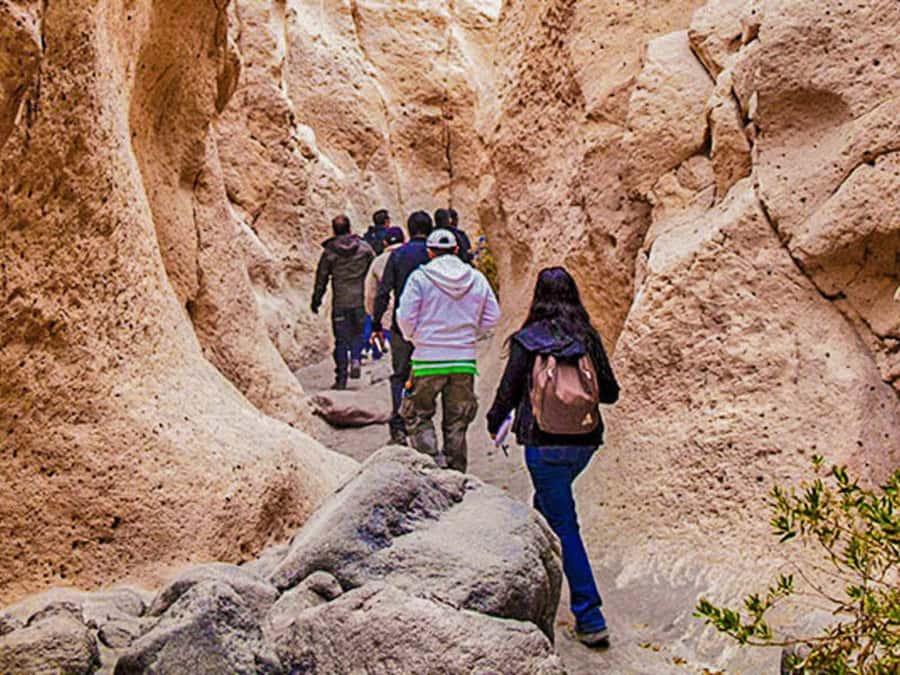
The route inside the canyon lasts about 20 minutes. Water formed the narrow channel, and the walls rise from roughly 15 to 20 meters. As you move farther in, the walls become higher, giving the walk a greater sense of enclosure.
This is a modest trek, not a demanding mountain hike. The short length makes it a good fit if you want some movement without giving up a full day. The footing and conditions can vary, so practical walking shoes are a sensible choice.
Culebrillas also prevents the excursion from becoming only a quarry visit. At Añashuayco, you see people cutting stone for present-day use. In the canyon, you see marks left by an older culture. The two stops give the route more balance.
At the end of the walk are petroglyphs attributed to the Wari culture and dated to more than a thousand years ago. The rock art is an important reason to pay attention during the walk rather than treating the canyon as a quick photo stop.
The canyon is not presented as a large archaeological site with long trails and many structures. The attraction is its combination of narrow walls, a short walk, and old markings on stone. If you want a major archaeological complex, this will feel limited. If you want a quick cultural stop outside the city, it works well.
Apachetas and the return to Arequipa
Before leaving Culebrillas, you see apachetas, small formations made by placing stones one on top of another. In local tradition, they represent gratitude toward nature and are also linked with good luck.
They add a quiet, symbolic moment after the quarry and petroglyphs. The tour describes them as having a mystical quality, but you do not need to treat them as a formal ceremony. Think of them as a simple expression of people marking a place and showing respect.
The return journey begins around 12:30 pm, with arrival in central Arequipa at about 1:30 pm. The listed end point is on Av. La Marina, near the main square. This is convenient if you are staying in the center and want to continue exploring on foot.
The route includes a lot of driving for a short walk. That is normal for an excursion to the quarries, but it is worth knowing before you book. If you prefer long hikes or extended time at one site, the schedule may feel rushed.
What the $11 price really covers
At $11 per person, this is one of the easier Arequipa excursions to fit into a budget. The price includes tourist transport and a professional guide, which are the two main services you need for a route outside the city.
Entrance fees are extra and total 18 soles. Add that cost when comparing the tour with other half-day options. The low advertised price is attractive, but it is not the complete out-of-pocket cost.
The value is strongest if you want a simple way to reach both Añashuayco and Culebrillas without arranging separate transport. A private taxi or independent visit could offer more control over timing, but the tour gives you a guide and a set route for a modest fee.
I also see value in the guide’s explanations at the quarry. Without context, the stone walls could look like a quick scenic stop. The story of ashlar production, its use in Arequipa, and the stonemasons’ work turns the visit into something more than a photo opportunity.
The main value warning is time. A delayed departure, slow loading, or traffic can reduce your time on site. One recent English-language booking became Spanish-only after the English guide fell ill, and the company offered a later date. If language is important to you, confirm it before departure and keep some flexibility.
Who will enjoy this half-day outing
I would recommend the tour to you if you want:
- A short trip outside central Arequipa
- A clear introduction to the source of the city’s white stone
- A working quarry rather than only historic buildings
- A brief canyon walk with old rock art
- A low-cost option with transport included
- A morning or afternoon activity that does not consume a full day
It suits families and mixed groups reasonably well because the walking sections are short. The 20-minute Culebrillas walk is manageable for many people, though the tour data does not provide a formal accessibility rating or detailed information about the path.
You may want something else if you dislike group schedules, need guaranteed English service, or want long periods for photography. The tour has several transfers and fixed stops, so it favors convenience over independence.
The short format can also be an advantage. One French-language assessment called it a good way to fill half a day, while another found the activity brief and limited in interest. Both reactions make sense. The route gives you several distinct sights, but none receives a long, leisurely visit.
Practical details for a smoother visit
Wear shoes suitable for a short walk on uneven ground. The canyon section is brief, but this is not a paved city tour. Carry water and sun protection, since the excursion includes open viewpoints and quarry areas.
Bring small cash for the 18 soles in entrance fees if possible. The tour price covers transport and the guide, not admission to the sites.
Choose the morning departure if you prefer the stated 9:15 am schedule and an early return. Choose the 2:00 pm shift if your morning is busy, but check the available starting time before booking.
The activity is offered in English and Spanish, but language arrangements can change if a guide becomes ill. If you do not speak Spanish, ask for confirmation of the English guide before you leave the office.
Cancellation is free up to 24 hours in advance, and you can reserve while paying later. Those policies help if your Arequipa plans are still shifting, though they do not remove the need to allow extra time around the tour itself.
Should you book the Sillar Route and Culebrillas tour?
Book it if you want an inexpensive, organized half-day that links Arequipa’s volcanic stone with a working quarry, a short canyon walk, and Wari petroglyphs. The best parts are the quarry’s tall cut walls, the Church of the Company of Jesus carving, and the chance to see how ashlar is handled by local stonecutters.
Skip it if you need a slow pace, guaranteed English, or a substantial hike. This is a compact introduction, and a late start can make it feel even shorter.
For most visitors with limited time in Arequipa, I think the combination is worthwhile. You see where the city’s white architecture begins, then step into a narrow canyon with an older story written on its walls. Just confirm the language, budget the extra 18 soles, and keep your schedule open after the return.
FAQ
How long does the Sillar Route and Culebrillas tour take?
The activity is listed as lasting 270 minutes. The morning schedule runs from about 9:15 am to 1:30 pm, and an afternoon departure is also offered at 2:00 pm.
Where does the tour start?
It starts at the main office at C. Álvarez Thomas 115 in Arequipa. The meeting point coordinates are -16.4003911, -71.53703469999999.
What is included in the price?
The price includes tourist transport and a professional guide.
Are entrance fees included?
No. Entrance fees cost 18 soles in total.
Which languages are available?
The tour is offered in English and Spanish. Language availability can be affected if a guide is unavailable, so confirm your preferred language before departure.
How long is the walk in Culebrillas canyon?
The walk inside the canyon takes about 20 minutes. The canyon walls reach approximately 15 to 20 meters, and Wari petroglyphs are visible at the end.
What can you see at Añashuayco Quarry?
You can see an active quarry, high ignimbrite walls, the process and history of ashlar production, and a large carving of the Church of the Company of Jesus. You may also meet a stonemason and try cutting a stone block.
Can you cancel the booking?
You can cancel up to 24 hours before the activity for a full refund. Reserve now and pay later is also available.
More hiking tours in Arequipa
- Trekking, Waterfalls and Thermal Baths
★ 4.5 · 47 reviews - From Cusco: 7 Lakes Ausangate Trek with Breakfast and Lunch
★ 4.8 · 360 reviews - Cusco: Rainbow Mountain Tour and Red Valley Hike (Optional)
★ 4.7 · 149 reviews - From Huaraz: Hike to the Lagoon 69
★ 4.4 · 121 reviews
Just added around Arequipa
- Adventure Day in Arequipa: Pillones Waterfall + Rock Forest★ 4.2 · 25 reviews
- From Arequipa: Pillones Waterfall and Stone Forest Day Trip★ 4.4 · 15 reviews
- Arequipa, Historic and Colonial City and Santa Catalina Monastery★ 4.5 · 42 reviews
- Arequipa: City Tour and Santa Catalina Monastery★ 4.5 · 6 reviews
- From Arequipa: Colca Canyon & La Calera Thermal Waters★ 4.3 · 15 reviews
- Arequipa: Pub Crawl with Skip-The-Line Access and Drinks★ 3.0 · 4 reviews
- Arequipa: Walking Tour and Santa Catalina Monastery★ 4.4 · 7 reviews
- Arequipa Walking Tour and Santa Catalina Monastery★ 5.0 · 4 reviews
Sillar Route & Arequipa Countryside, compared.
Sillar Route in Arequipa and viewpoint of the Volcanoes
Read our review →Browse the lists this tour appears in