
Reviewed · SILLAR ROUTE & AREQUIPA COUNTRYSIDE
4-hour excursion: Sillar Route with Hiking in Culebrillas
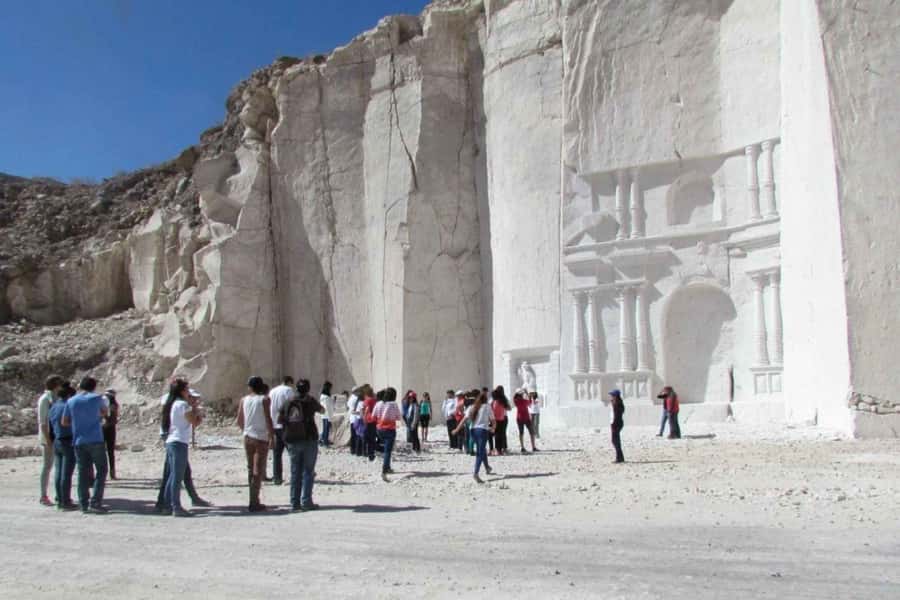
Arequipa’s white-stone identity comes alive in the Añashuayco Quarries, where stonecutters still shape sillar, the pale volcanic stone used throughout the city. You’ll see towering quarry walls, a large carving of the Church of the Company of Jesus, and the work area itself before heading to the quieter Culebrillas Canyon.
I like the mix of working culture and old rock art. You get a close look at how local masons cut stone, then walk through a narrow canyon to see Wari petroglyphs more than a thousand years old. I also like the low $20 price, which covers transport and a professional guide.
The main caution is that the word hiking oversells the walking. The Culebrillas section lasts about 20 minutes, and the Sillar Route can feel commercial and geared toward photos. Communication may also vary by guide, and one booking was reportedly canceled without taking place.
Key points to know before booking
- Añashuayco is an active quarry: See high ignimbrite walls shaped by stone extraction and watch how sillar is prepared.
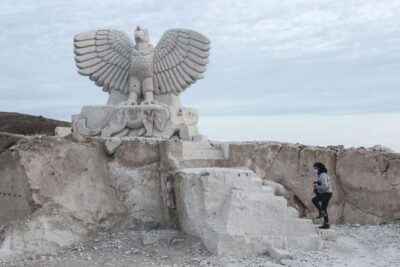
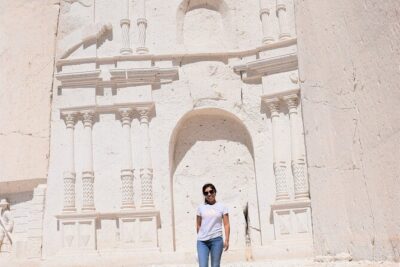
- The Megacavado is a large stone carving: Local stonemasons created a representation of the Church of the Company of Jesus.
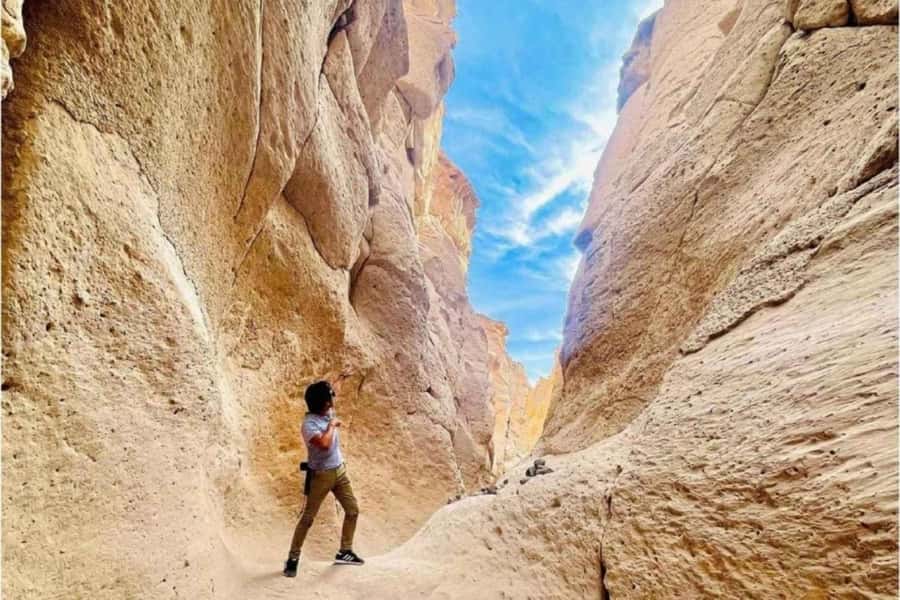
- Culebrillas offers the best walk: The narrow canyon has walls 15 to 20 meters high and Wari petroglyphs at the end.
- The tour includes volcano views: A short stop looks toward the volcanoes and the Chilina Valley.
- The hike is short and easy to underestimate: Plan for about 20 minutes of walking inside the canyon, not a full half-day trek.
- The price is good for a short outing: Transport and a guide are included, but entrance costs 10 soles separately.
Why Arequipa’s white stone matters
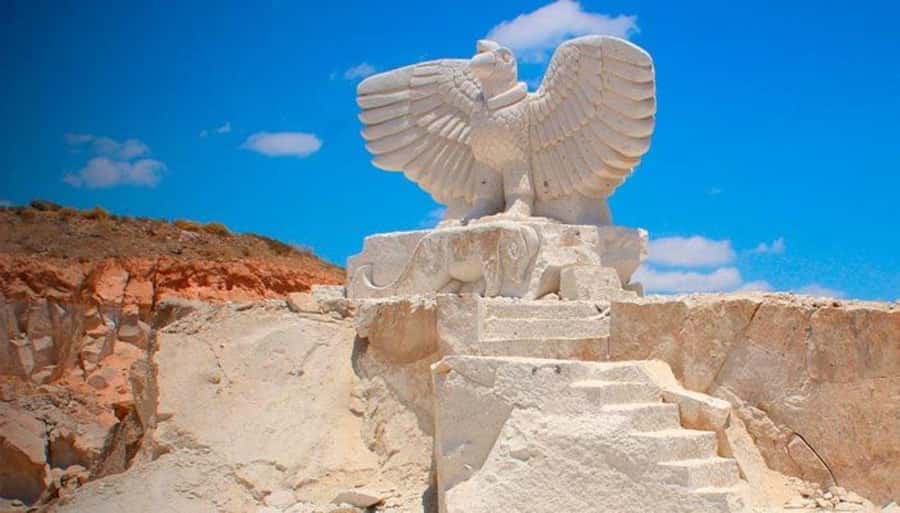
Sillar is not simply a pretty building material. It gives central Arequipa much of its pale appearance and links the city to the volcanic ground around it. On this excursion, you see where that stone comes from and how local workers turn rough blocks into architectural pieces.
The stone originated in volcanic deposits, and the quarries show the material in its natural setting. At Añashuayco, extraction has cut into the ignimbrite, creating tall walls and a broad canyon-like work area. The scale helps you understand that Arequipa’s colonial façades and carved details required a great deal of manual labor.
The route also gives you a look at a living trade. The stonecutters begin work early, so the level of activity can depend on the time of year and the hour of your visit. You may see the quarry in operation, along with the tools and methods used to shape blocks.
That human element is the reason I would choose this trip over a simple viewpoint drive. You are not only looking at a finished church or city façade. You are seeing the raw material and the people who continue to work it.
Other walks into the mountains in Arequipa:
- From Arequipa: Sillar Route Trek
★ 4.2 · 461 reviews - From Arequipa: 2-Day Colca Canyon Trekking Tour
★ 4.8 · 243 reviews - 2 Day 1 Night Trek / Colca Canyon
★ 4.5 · 92 reviews
The 9:15 departure and first volcano viewpoint
The excursion begins at about 9:15 in the morning and heads out from Arequipa toward the Sillar Route. The first stop is a strategic viewpoint with views of the volcanoes and the Chilina Valley.
Depending on the season, the precise viewpoint may change. A traditional lookout can be used instead, but the purpose remains the same: give you a quick visual introduction to Arequipa’s setting before the quarry visit.
This is a short stop, not a full sightseeing session. I would use it to get your bearings and take a few photographs, then pay attention to the guide’s explanation of the area. The volcano views make more sense once you understand that sillar is tied to the region’s volcanic past.
The morning departure also matters. The quarry workers begin early, and the tour description notes that they may be less active later in the day. If seeing the stonecutters at work is important to you, the scheduled morning start is useful.
Añashuayco Quarry and the Megacavado
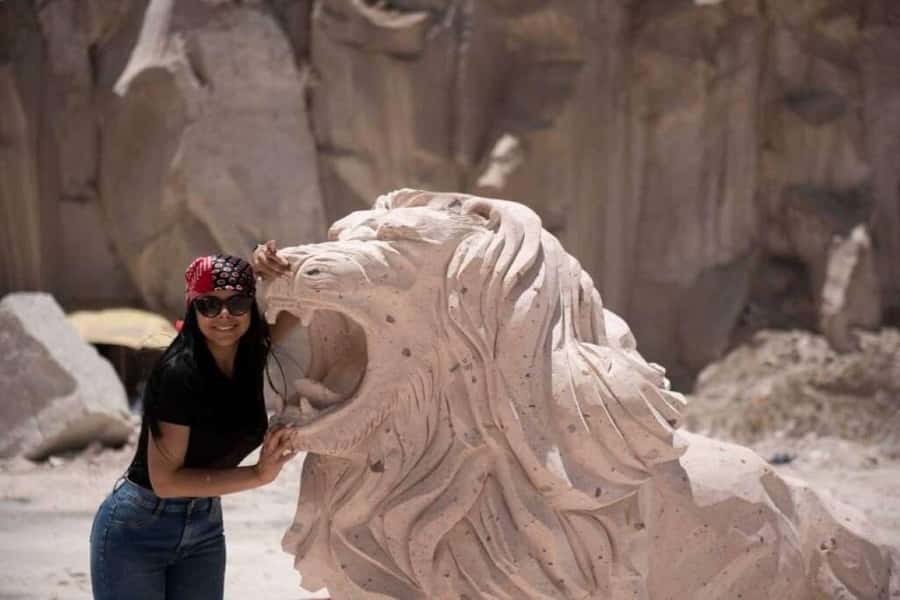
After roughly 45 minutes of driving, you reach the Añashuayco Quarry. This is the main Sillar Route stop and the part of the excursion most likely to appeal to anyone interested in construction, craft, or Arequipa’s architecture.
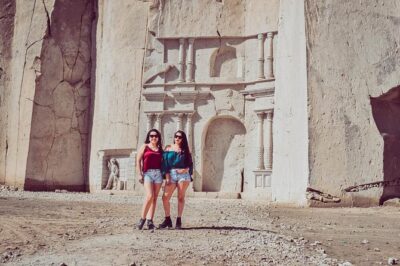
The quarry contains high ignimbrite walls formed as workers removed blocks of stone. These walls make the place feel much larger than the short timetable might suggest. Your guide explains the origin of sillar, how it is produced, and the ways it has been used over time.
One of the memorable features is the Megacavado, a large carving of the Church of the Company of Jesus. Local stonemasons made it themselves, turning the quarry into both a workplace and a display of their skill.
The carving is not the same as visiting the actual church in Arequipa. It is a modern interpretation made in the quarry, and that distinction is worth keeping clear. Still, it connects the rough blocks around you with the ornate stonework found in the city.
You may also visit a stonecutter who can explain the daily work and let you try cutting one of the blocks. This is the most hands-on part of the outing. It gives you a better sense of how much patience and physical effort go into shaping a material that can look delicate once it has been carved.
The quarry can feel commercial. There are designated attractions, photo opportunities, and a clear tourism structure. If you expect a remote archaeological site, you may find the setting more developed than expected. I would treat this as a working cultural stop, not an untouched historic monument.
Culebrillas Canyon and the 20-minute walk
From Añashuayco, the vehicle continues for about 30 minutes to the Quebrada de Culebrillas. This is the stronger section if you want a genuine walk and a quieter sense of place.
The canyon was formed by flowing water and has walls between 15 and 20 meters high. As you move farther inside, the walls rise around you, narrowing your view and changing the feel of the walk.
The route through the canyon takes about 20 minutes. That makes it accessible for many people who want a little movement but do not want a demanding trek. It also means you should set your expectations correctly. This is a short canyon walk, not a long wilderness hike.
At the end, you can see petroglyphs attributed to the Wari culture and dated to more than a thousand years ago. These carvings give the canyon a historical layer that the quarry itself does not provide. The contrast is striking: one stop focuses on a current stone trade, while the next points to people who used the area many centuries ago.
Take time to look carefully. The petroglyphs are one of the main reasons to visit Culebrillas, and a rushed photo stop would miss the point. Your guide is especially important here because the cultural meaning and age of the carvings are not always obvious from a quick glance.
The canyon also suits people who enjoy smaller discoveries rather than grand monuments. You are not walking toward a massive temple or a famous city square. You are following a narrow route shaped by water and looking for marks cut into the rock.
Other trips into the countryside from Arequipa:
- Sillar Route and Culebrillas Petroglyphs
★ 4.5 · 89 reviews - Sillar Route in Arequipa and viewpoint of the Volcanoes
★ 4.0 · 71 reviews - 4 hours Tour: Route of Sillar with Trek in Culebrillas
★ 4.2 · 69 reviews - 4-hour excursion: Ruta del Sillar with Hiking in Culebrillas
★ 3.5 · 6 reviews
Apachetas and the ride back to Arequipa
Before leaving Culebrillas, you see apachetas, small piles of stones placed one on top of another. They represent gratitude toward nature and are also linked with good luck.
These formations add a spiritual note to the end of the canyon visit, although you should view them within the local context explained by your guide. They are simple stone piles, but their meaning makes them more than a random roadside attraction.
The group begins the return journey at about 12:30 p.m. and is scheduled to arrive in Arequipa at around 1:30 p.m. The listed duration is four hours, while the published timetable suggests roughly four hours and 15 minutes from the 9:15 departure. Treat the times as approximate, since stops and road conditions can affect the return.
That schedule leaves most of the afternoon free. You can pair the excursion with a city visit, a museum, or time around Arequipa’s historic center. The short duration is one of its strongest practical features.
Is it really a hike?
The answer is: only in the lightest sense. You walk through Culebrillas for approximately 20 minutes, and the rest of the experience involves viewpoints, quarry visits, explanations, and transport.
I would choose this tour if you want to break up your Arequipa sightseeing with a short outdoor walk. I would not choose it as your main hiking day. Anyone seeking a long trail, steep climbs, or several hours on foot should look elsewhere.
The canyon route is still worthwhile because the walls become taller as you enter, and the Wari petroglyphs give the walk a clear purpose. Just do not book it expecting a strenuous adventure.
The experience also depends on the group. One booking described most of the group as more interested in taking photos than learning about the site. That is a useful warning. If you want the history and stonework explained, stay close to the guide and ask questions during the stops.
Guide quality and language
The excursion is offered with a live guide in English or Spanish. A professional guide is included in the price, and the guide’s role matters most at the quarry and petroglyphs, where the meaning is not always self-evident.
Guide quality may vary. One English-speaking booking found the guide nervous and difficult to understand over the microphone because of a heavy accent. That does not mean every departure has the same problem, but it is worth considering if clear spoken English is essential to your plans.
No guide names are provided, so you cannot select a particular person in advance. I would make sure you confirm the meeting details and language before departure, then stay near the guide during explanations.
If you speak Spanish, you may have a wider choice of departures or find some explanations easier to follow. English is available, but the experience will be strongest when you can hear and understand the commentary at the quarry and canyon.
What the $20 price really gets you
At $20 per person, this is an inexpensive half-day outing. The included tourist transport is important because the quarry and Culebrillas Canyon are outside central Arequipa, and arranging separate rides would reduce the simplicity of the visit.
A professional guide is also included. That changes the experience from simply viewing white stone and a canyon to understanding how sillar is extracted, shaped, and used. The guide also helps place the Wari petroglyphs and apachetas in context.
The entrance fee is separate and costs 10 soles. Add that to your budget before you book. The price still represents good value if you want several stops outside the city without hiring private transport.
The value is less clear if you want a long hike or a remote cultural experience. The outing is short, organized, and partly commercial. You are paying for convenience, transport, interpretation, and access to several distinct sites rather than for hours on a trail.
The overall score is listed as 4 out of 5 from 21 reviews, but one serious service problem should not be ignored: one verified booking reported that the excursion did not take place at all. That appears to be an isolated but important reliability concern. Confirm your departure details, especially if this tour connects with a flight, train, or other fixed plan.
Who should book this Arequipa excursion?
I would recommend it to first-time visitors who want to see more than the city center in a single morning. It gives you volcano views, a working quarry, a local stonecraft demonstration, a short canyon walk, petroglyphs, and apachetas without taking the whole day.
It is also a good fit for anyone curious about how Arequipa’s pale architecture is made. The hands-on stone-cutting option and the Megacavado make the quarry more engaging than a simple stop for photographs.
Families and casual sightseers may appreciate the short walking time. The excursion offers something visual at nearly every stop, while the canyon gives you a small amount of outdoor activity.
I would be more cautious if you are looking for ancient ruins, an isolated spiritual site, or a serious hike. The Sillar Route can feel tourist-focused, and Culebrillas is brief. Your best reason to book is the combination of practical access and varied stops, not a deep wilderness experience.
Should you book the Sillar Route with Culebrillas?
Book it if you want a low-cost morning trip from Arequipa that connects the city’s white stone with a working quarry and a short canyon walk. The best parts are the quarry walls, the Megacavado, the chance to see stonecutting, and the Wari petroglyphs at Culebrillas.
Skip it if the word hiking is the main reason you are interested, or if you want an untouched archaeological setting. Also allow for some variation in guide communication and confirm that your departure is operating.
For many visitors, the $20 cost plus the 10-sol entrance fee is fair for the amount covered. Go with realistic expectations: this is a compact cultural excursion with a little walking, not a full mountain adventure.
FAQ
How long does the Sillar Route and Culebrillas excursion last?
The activity is advertised as four hours. The listed schedule begins at 9:15 a.m., returns toward Arequipa at about 12:30 p.m., and arrives around 1:30 p.m., so the actual timing may be approximately four hours and 15 minutes.
What languages are available?
The tour offers a live guide in English or Spanish.
What is included in the price?
Tourist transport and a professional guide are included.
Is the entrance fee included?
No. Entrance costs 10 soles and must be paid separately.
How long is the walk in Culebrillas Canyon?
The walk through the canyon takes approximately 20 minutes. The canyon walls reach about 15 to 20 meters high, and Wari petroglyphs can be seen at the end.
Can I cancel the booking?
You can cancel up to 24 hours in advance for a full refund. The reserve-now-and-pay-later option allows you to hold a place without paying immediately.
More hiking tours in Arequipa
- Trekking, Waterfalls and Thermal Baths
★ 4.5 · 47 reviews - From Cusco: 7 Lakes Ausangate Trek with Breakfast and Lunch
★ 4.8 · 360 reviews - Cusco: Rainbow Mountain Tour and Red Valley Hike (Optional)
★ 4.7 · 149 reviews - From Huaraz: Hike to the Lagoon 69
★ 4.4 · 121 reviews
Just added around Arequipa
- Andes: Colca Canyon Day-Trip★ 4.3 · 50 reviews
- 4-hour excursion: Ruta del Sillar with Hiking in Culebrillas★ 3.5 · 6 reviews
- Adventure Day in Arequipa: Pillones Waterfall + Rock Forest★ 4.2 · 25 reviews
- From Arequipa: Pillones Waterfall and Stone Forest Day Trip★ 4.4 · 15 reviews
- Arequipa, Historic and Colonial City and Santa Catalina Monastery★ 4.5 · 42 reviews
- Arequipa: City Tour and Santa Catalina Monastery★ 4.5 · 6 reviews
- From Arequipa: Colca Canyon & La Calera Thermal Waters★ 4.3 · 15 reviews
- Arequipa: Pub Crawl with Skip-The-Line Access and Drinks★ 3.0 · 4 reviews
Sillar Route & Arequipa Countryside, compared.
Sillar Route in Arequipa and viewpoint of the Volcanoes
Read our review →
4 hours Tour: Route of Sillar with Trek in Culebrillas
Read our review →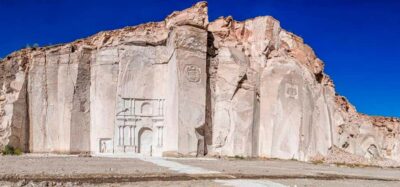
4-hour excursion: Ruta del Sillar with Hiking in Culebrillas
Read our review →Browse the lists this tour appears in