
Reviewed · SILLAR ROUTE & AREQUIPA COUNTRYSIDE
4-hour excursion: Ruta del Sillar with Hiking in Culebrillas
Arequipa’s white volcanic stone is not just a building material. It gives the city its pale colonial face, and this outing takes you to the places where that stone is cut. The best part is Culebrillas Canyon, where you walk between 15-to-20-meter walls and look for Wari petroglyphs more than a thousand years old.
I like the mix of working quarry, short canyon walk, and broad views of the volcanoes and Chilina Valley. I also like the price: $18 covers transport and a guide, making this an easy half-day add-on to a stay in Arequipa. The main concern is guide communication. English is offered, but several bookings had problems with English service, changing pickup details, or last-minute language substitutions.
Key points to know before booking
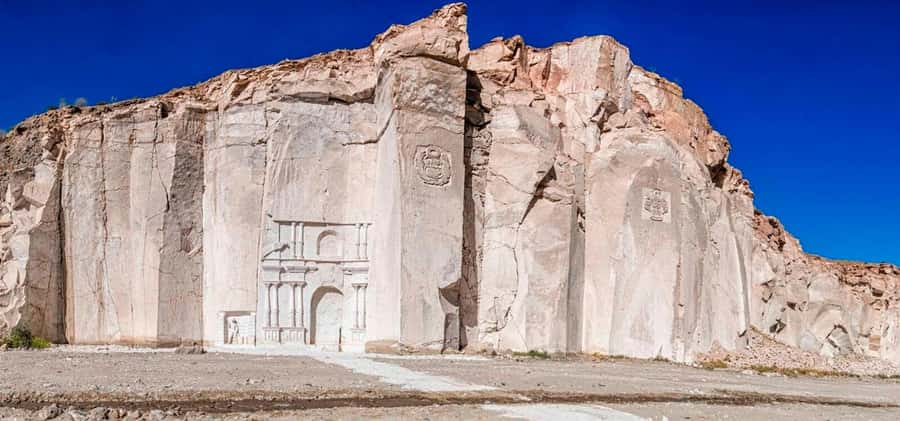
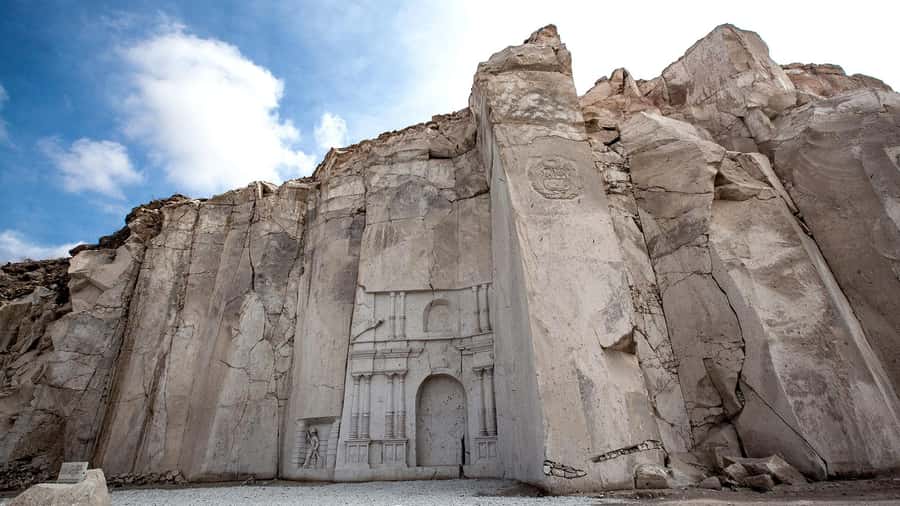
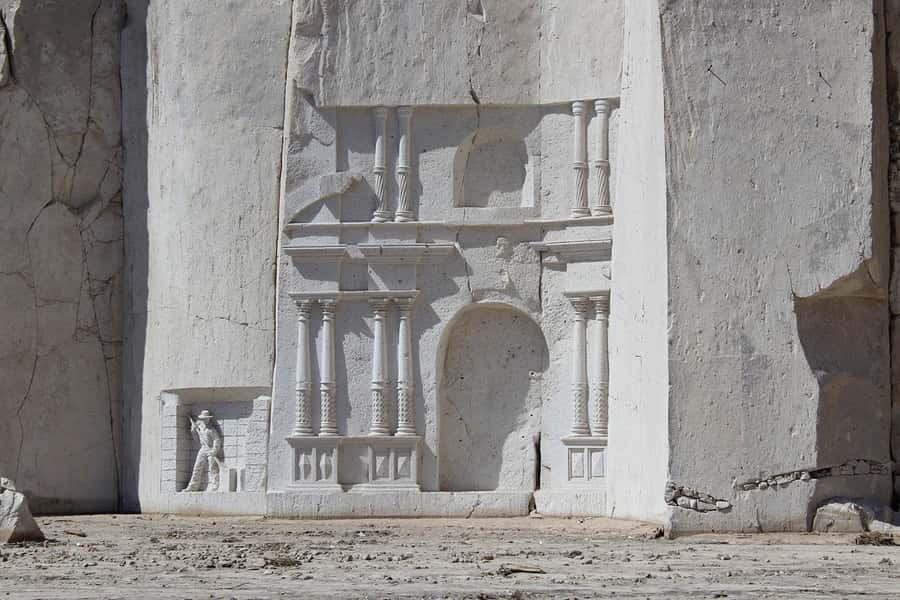
- Añashuayco Quarry: See active sillar extraction, huge ignimbrite cliffs, and a large carving of the Church of the Society of Jesus.
- Culebrillas Canyon: Walk for about 20 minutes through a narrow water-cut canyon with ancient Wari petroglyphs.
- Volcano and valley views: A strategic lookout offers views toward the volcanoes, Chilina Valley, and agricultural terraces.
- Hands-on stone work: A stonemason may show you how sillar blocks are cut and shaped.
- Extra cost: The site entrance fee is 10 soles per person, separate from the $18 tour price.
- Language and pickup: Spanish and English are advertised, but confirm both your pickup point and English guide before departure.
Why Arequipa’s white stone is worth seeing at the source
Arequipa is famous for its pale buildings, but a walk through the historic center only tells half the story. Sillar, also called ashlar in English, is a light-colored volcanic stone formed from hardened volcanic material. It has been cut into blocks for churches, courtyards, houses, and decorative facades across the city.
This excursion takes you beyond the polished streets and into the quarries that supplied that stone. You see the rough cliffs, the cut faces, the stone dust, and the work behind the city’s elegant appearance. That change in setting gives the outing its real value.
The visit is not a long wilderness trip. It is a compact sightseeing excursion with several stops, short explanations, and one modest walk. You spend much of the time in tourist transport, but the route covers sights that are difficult to connect on foot from central Arequipa.
The schedule usually begins at 9:15 AM, with another departure option at 2 PM. The full outing takes about 270 minutes. The morning schedule returns to central Arequipa around 1:30 PM, with drop-off near Plaza de Armas.
Other walks into the mountains in Arequipa:
- From Arequipa: Sillar Route Trek
★ 4.2 · 461 reviews - From Arequipa: 2-Day Colca Canyon Trekking Tour
★ 4.8 · 243 reviews - 2 Day 1 Night Trek / Colca Canyon
★ 4.5 · 92 reviews
The first lookout: volcanoes, terraces, and the Chilina Valley
The opening viewpoint gives you a quick orientation to the area. From here, you can see the volcanoes and the Chilina Valley, along with agricultural terraces, known locally as andenerías.
This stop is short, but it helps place the rest of the excursion. The quarry is not an isolated oddity. It belongs to the wider volcanic setting that shaped Arequipa’s stone, its farmland, and its famous views.
The exact lookout can change with the season. The route may use a traditional viewpoint first, including the Mirador de Yanahura, or another strategic lookout. If you have a particular viewpoint in mind, ask the operator when confirming the booking.
Do not expect a long photography session here. It is a brief stop before the drive to the quarry, and visibility can affect how much you see. Still, it is a useful beginning, especially if you have not yet taken time to look beyond the city’s streets.
Añashuayco Quarry: where the white stone is cut
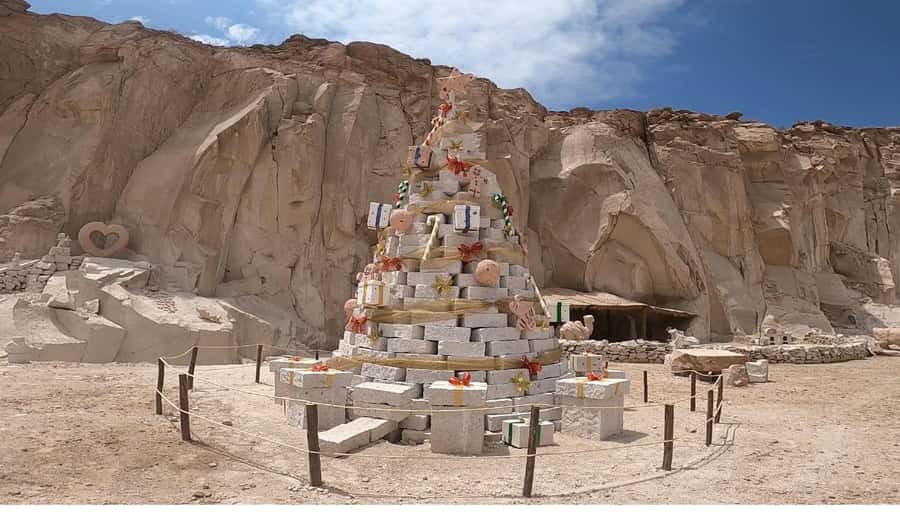
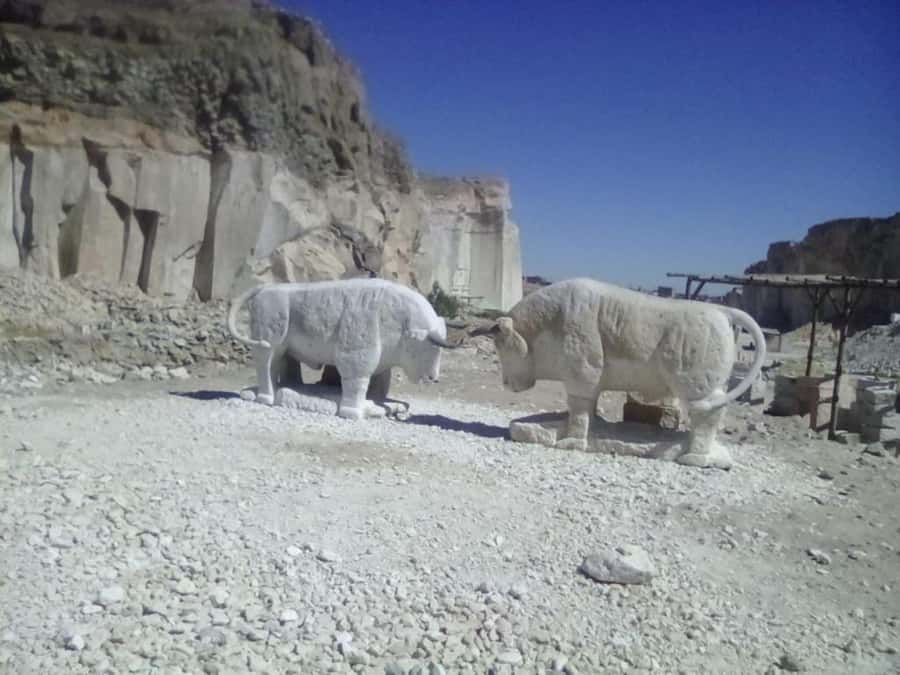
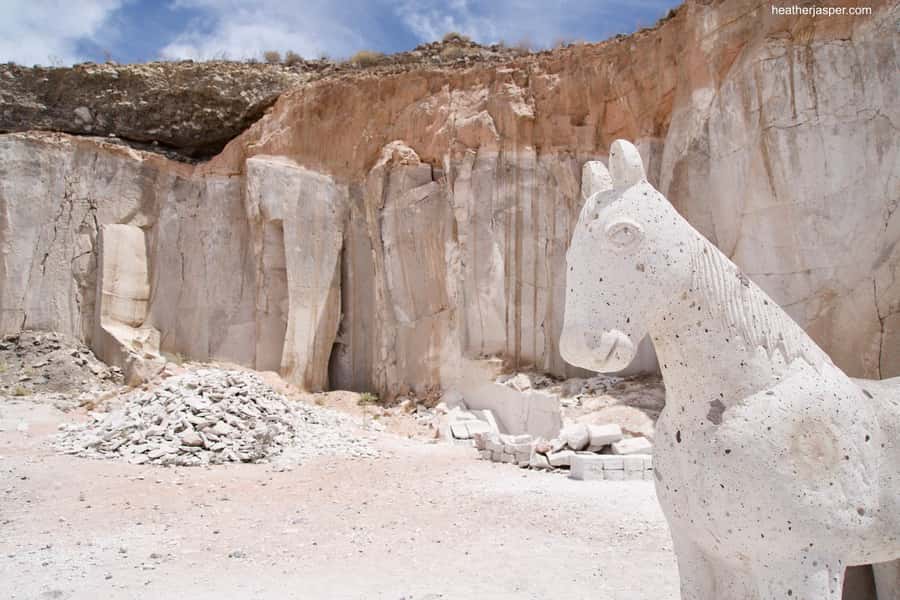
After roughly 45 minutes from the viewpoint, you reach the Añashuayco quarries. This is a working area where sillar is extracted, not a reconstructed museum site. The main visual feature is an immense canyon with tall ignimbrite cliffs shaped in part by stone removal.
The quarry shows the scale of the material used in Arequipa’s buildings. A church facade may look delicate when you see it in the city. Here, you see the heavy blocks and raw cliffs that made such work possible.
Your guide explains how sillar is produced and how its use developed over time. The exact quality of this explanation depends greatly on the guide and the language used. Spanish-speaking visitors have a safer bet here, while English-speaking visitors should confirm that an English guide will actually be present.
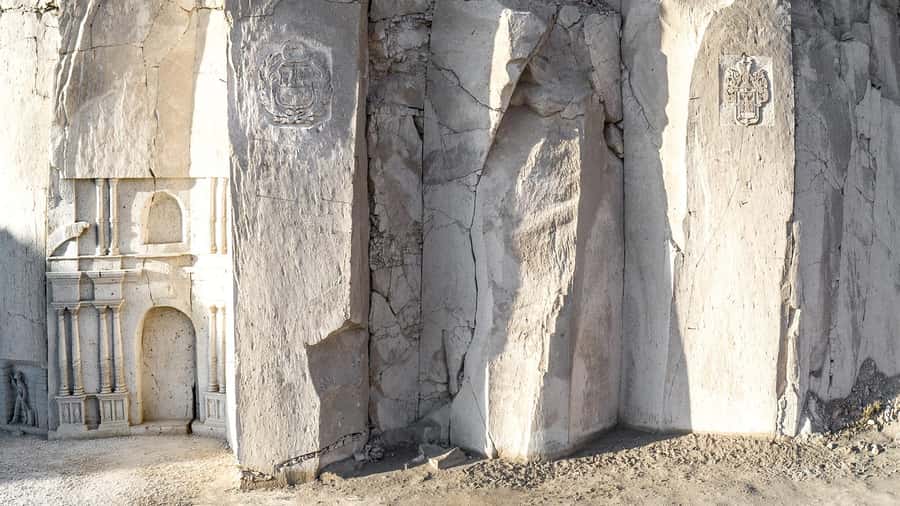
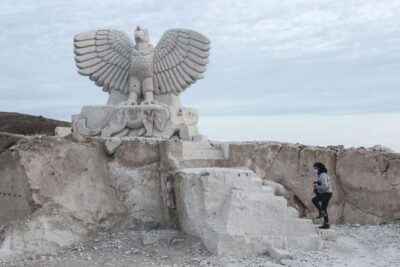
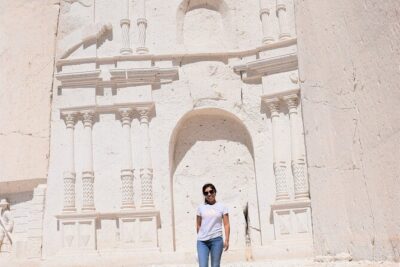
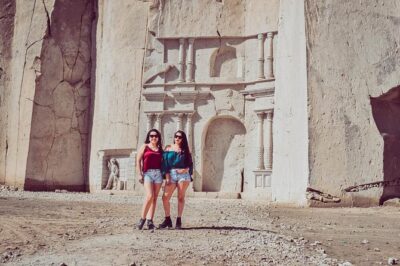
One of the quarry’s signature sights is a large carving of the Church of the Society of Jesus. It gives you a clear connection between the quarry and Arequipa’s religious architecture. The carving is also an easy way to understand how local stonemasons turn a plain block into detailed decoration.
You may also meet a stonemason and see how blocks are cut. This is one of the more useful parts of the stop because it changes the visit from a photo stop into a short look at the craft itself. You can watch the basic process and gain a better sense of the labor behind the city’s stonework.
The quarry can feel busy, especially at popular times. If you prefer quiet historic sites, this is worth knowing in advance. The appeal here is not solitude. It is seeing a working source of the stone in a setting shaped by extraction.
Culebrillas Canyon: the strongest part of the outing
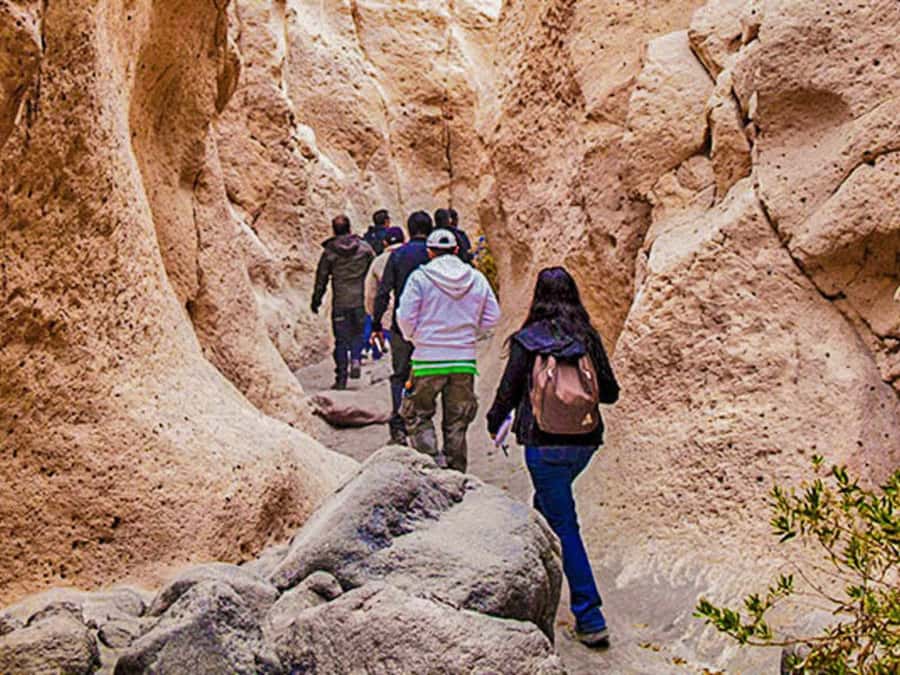
About 30 minutes after leaving Añashuayco, the route reaches Quebrada de Culebrillas. This small canyon was formed by flowing water, and its walls rise about 15 to 20 meters above the path.
The walk inside lasts roughly 20 minutes. It is short enough for most visitors who are comfortable walking on an uneven natural path, but it is still the most active part of the excursion. Wear shoes with a firm sole rather than smooth city sandals.
I like this stop because it feels different from the quarry. At Añashuayco, human work has cut into the volcanic stone. At Culebrillas, water shaped the passage. You get two distinct views of the same volcanic material in one morning.
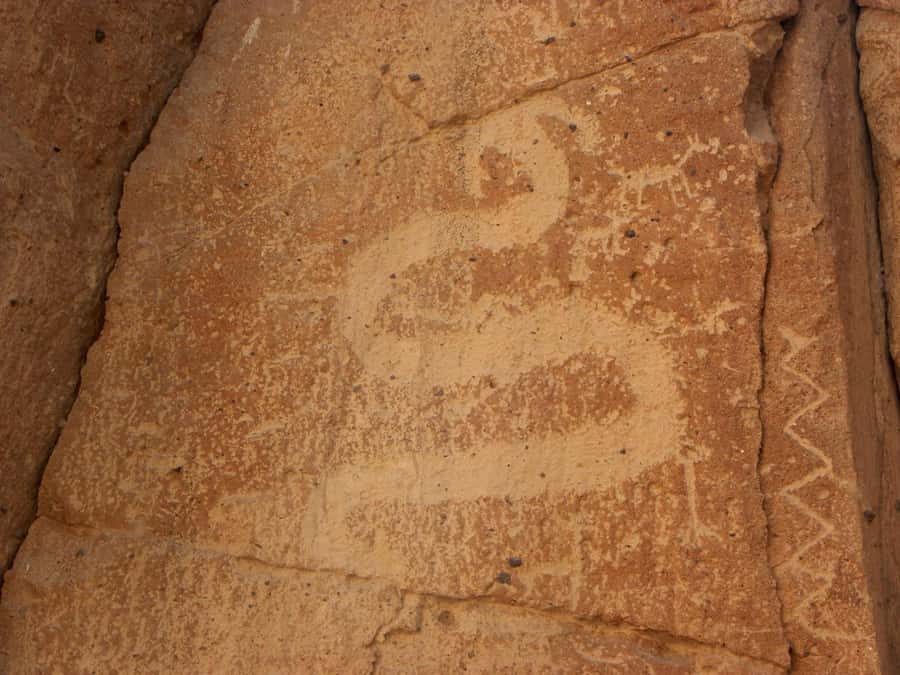
The canyon also contains petroglyphs linked to the Wari culture and dated to more than a thousand years ago. They add an important human layer to the visit. You are not only seeing geology and stone cutting. You are also looking at marks left by an earlier culture.
Take care around the petroglyphs. The supplied information does not describe barriers, lighting, or a long interpretive presentation, so you should rely on your guide to point out the carvings. The canyon’s narrow walls and rough surface can make it harder to spot details at a glance.
This is the stop most likely to reward your time. It combines a brief walk, unusual rock formations, and archaeological interest without requiring a full-day hike. The downside is crowding. At busy times, many people can be in the canyon at once, which makes the passage less peaceful and can slow the walk.
Other trips into the countryside from Arequipa:
- Sillar Route and Culebrillas Petroglyphs
★ 4.5 · 89 reviews - Sillar Route in Arequipa and viewpoint of the Volcanoes
★ 4.0 · 71 reviews - 4 hours Tour: Route of Sillar with Trek in Culebrillas
★ 4.2 · 69 reviews - 4-hour excursion: Sillar Route with Hiking in Culebrillas
★ 4.0 · 21 reviews
Apachetas and the journey back to Arequipa
Before returning to the city, you stop at the Apachetas. These are small stone formations made by placing rocks one on top of another. They symbolize gratitude toward nature and are associated with good luck.
The stop is brief, but it gives the route a cultural ending. After seeing stone removed from the earth at the quarry and shaped by water in the canyon, you see stone arranged by people in a simple ritual form.
The apachetas can create a quiet, reflective moment, though the experience is short. Treat them as a cultural symbol rather than a major attraction. Their meaning is more important than their size.
The morning schedule begins its return around 12:30 PM and reaches downtown Arequipa at about 1:30 PM. Drop-off is near Plaza de Armas, which is convenient for lunch, a museum visit, or an afternoon walk through the historic center.
What $18 really covers
At $18 per person, this is a low-cost way to reach several sights outside central Arequipa. Tourist transport and a professional guide are included, so you avoid arranging separate rides to the quarry and canyon.
You should add the 10-sol entrance fee to your budget. The tour price is not the full cost of the outing, though the extra amount is modest. The value is strongest if you want a quick introduction to sillar production and do not want to organize transport yourself.
The price does not guarantee a private experience or a long, detailed workshop. The itinerary moves at a steady pace, and the quarry and canyon are shared sightseeing stops. You are paying for access, transport, and coordination rather than an in-depth specialist tour.
For a four-and-a-half-hour excursion, the timing works well. You can visit in the morning and still have most of the afternoon in Arequipa. The 2 PM option may suit you if you prefer a slower morning, but the provided schedule does not specify its exact return time.
Language, pickup, and the details that need checking
The tour is offered in Spanish and English. That sounds straightforward, but the guide language has been a real weak point for some bookings. English-speaking visitors have encountered Spanish-only guiding or an English guide who was unavailable because of illness.
If you understand some Spanish, you may be able to follow the main points even if the language changes. If you do not, contact the operator before departure and ask for written confirmation of an English-speaking guide. Do not rely only on the language shown during booking.
Pickup communication also needs care. Provide your phone number with the country code and make sure you use WhatsApp. The operator specifically asks for this, and it is important for last-minute coordination.
Confirm the meeting point and pickup time in writing. Pickup information has not always been consistent, and at least one booking involved a 20-minute wait before a phone call clarified the location. The tour normally ends near Plaza de Armas, but the starting arrangement may depend on the operator and your accommodation.
For last-minute reservations, check availability by email before paying. This is especially important if you need the morning departure, require English, or are arranging a pickup from a specific place.
Who will enjoy this route most
I would choose this excursion if you want to see the source of Arequipa’s famous stone without giving up a full day. It suits first-time visitors who want a little geology, local craft, archaeology, and scenery in one outing.
It also works well for people who enjoy short walks but do not want a demanding trek. The Culebrillas section lasts about 20 minutes, and the rest of the experience is sightseeing from the transport or at short stops.
You will get the most from it if you are curious about how cities are made. The quarry connects the countryside to Arequipa’s churches and historic buildings in a practical way. The outing is less suitable if you want long time at each site, a quiet nature experience, or a highly specialized English-language presentation.
Families and mixed-age groups may appreciate the modest walking time, but the tour still includes uneven outdoor ground and a working quarry setting. The supplied details do not give an accessibility rating, so ask the operator directly if you need step-free transport or a fully accessible route.
Should you book Ruta del Sillar with Culebrillas?
Book it if you want an affordable half-day trip with a clear sense of place. The Culebrillas Canyon walk, Wari petroglyphs, and Añashuayco quarry give the outing more substance than a simple viewpoint drive.
I would be cautious if English guiding is essential. Confirm the guide language, pickup point, and departure time before booking, and remember to budget 10 soles for entry. With those details settled, this is a practical way to connect Arequipa’s white stone buildings with the volcano-shaped terrain and working craft behind them.
FAQ
How long does the Ruta del Sillar and Culebrillas excursion last?
The activity lasts about 270 minutes, or four and a half hours. The morning schedule starts at 9:15 AM and returns to central Arequipa around 1:30 PM.
What places does the tour visit?
The route includes a viewpoint of the volcanoes and Chilina Valley, the Añashuayco sillar quarry, Culebrillas Canyon, and the Apachetas stone formations.
How long is the walk in Culebrillas Canyon?
The walk through the canyon takes approximately 20 minutes. The canyon walls are about 15 to 20 meters high.
Are the entrance fees included?
No. The site entrance fee is 10 soles per person and is paid separately from the tour price.
Is an English-speaking guide available?
English and Spanish are offered. Because English service has not always been available on every departure, confirm the guide language with the operator before the tour.
Where does the tour finish?
The return transfer arrives in downtown Arequipa, with disembarkation near Plaza de Armas.
Is there an afternoon departure?
Yes. An afternoon option is offered at 2 PM. The provided information does not state its exact return time, so confirm the schedule when booking.
More hiking tours in Arequipa
- Trekking, Waterfalls and Thermal Baths
★ 4.5 · 47 reviews - From Cusco: 7 Lakes Ausangate Trek with Breakfast and Lunch
★ 4.8 · 360 reviews - Cusco: Rainbow Mountain Tour and Red Valley Hike (Optional)
★ 4.7 · 149 reviews - Cusco: Full-Day Rainbow Mountain & Red Valley Trekking Tour
★ 4.5 · 121 reviews
Just added around Arequipa
- Andes: Colca Canyon Day-Trip★ 4.3 · 50 reviews
- 4-hour excursion: Sillar Route with Hiking in Culebrillas★ 4.0 · 21 reviews
- Adventure Day in Arequipa: Pillones Waterfall + Rock Forest★ 4.2 · 25 reviews
- From Arequipa: Pillones Waterfall and Stone Forest Day Trip★ 4.4 · 15 reviews
- Trekking, Waterfalls and Thermal Baths★ 4.5 · 47 reviews
- From Arequipa: Colca Valley & Thermal Baths Small-Group Trip★ 4.1 · 43 reviews
- Arequipa, Historic and Colonial City and Santa Catalina Monastery★ 4.5 · 42 reviews
- Arequipa: City Tour and Santa Catalina Monastery★ 4.5 · 6 reviews
Sillar Route & Arequipa Countryside, compared.
Sillar Route in Arequipa and viewpoint of the Volcanoes
Read our review →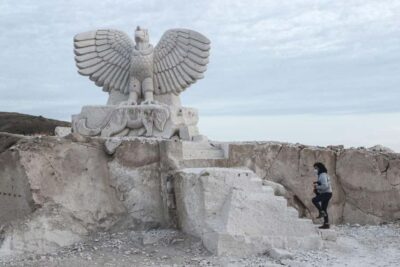
4 hours Tour: Route of Sillar with Trek in Culebrillas
Read our review →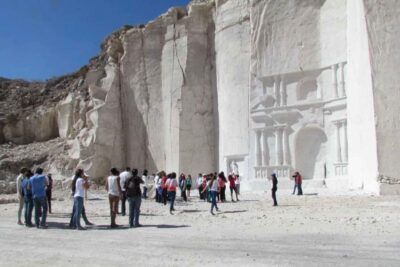
4-hour excursion: Sillar Route with Hiking in Culebrillas
Read our review →Browse the lists this tour appears in