
Reviewed · SACRED VALLEY TOURS
Cusco: Maras and Moray Tour ending in Ollantaytambo
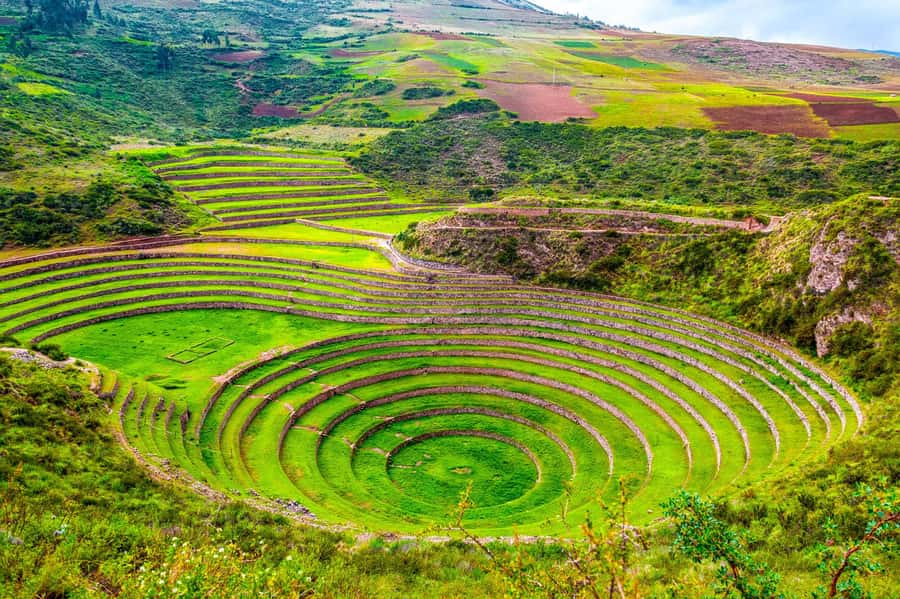
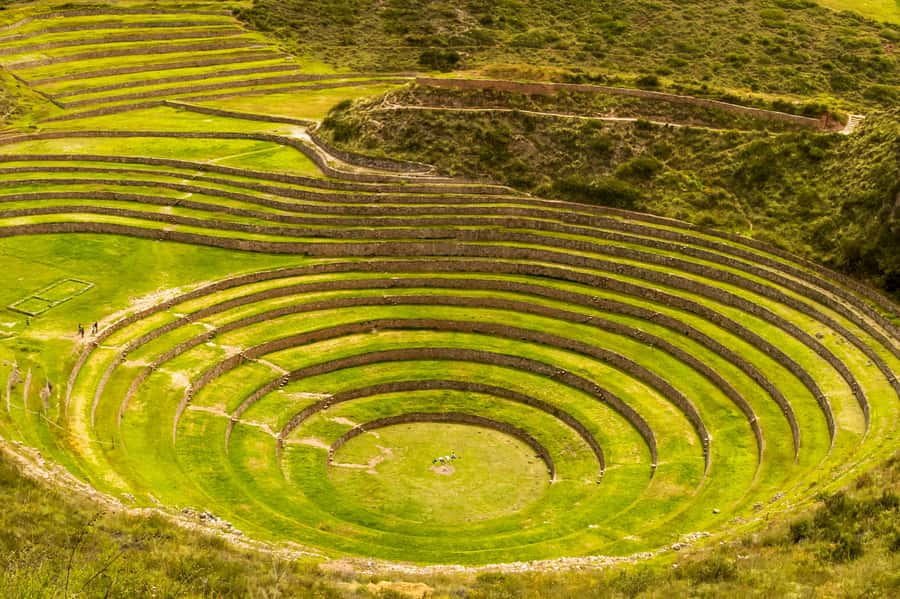
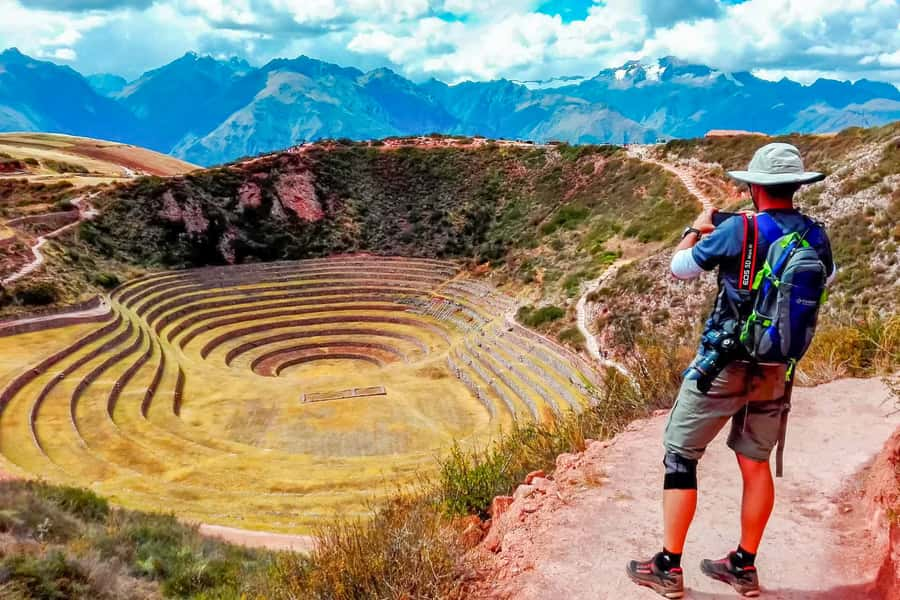
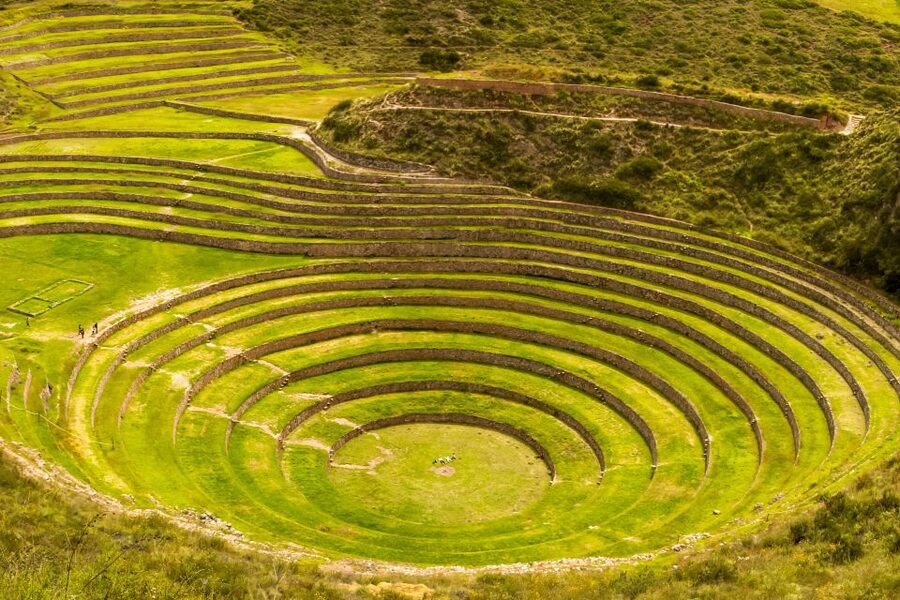
Moray’s great circular terraces are the star of this outing. Cut into natural sinkholes on a high plateau, they look almost like an amphitheater built for the Incas, though their exact purpose remains uncertain. I like that this tour pairs Moray with the Maras salt pools, where narrow ponds still produce salt today, then finishes at Ollantaytambo instead of returning you to Cusco.
I also like the efficient route, the included buffet lunch in Urubamba, and the small group limit of 15. The tradeoff is a brisk schedule. One detailed complaint described a guide walking ahead, offering little direction, and allowing too little time for photographs. If you prefer a slow visit with long explanations, this may feel rushed.
Key points at a glance
- Moray’s circular terraces: See the Inca agricultural site built into several natural depressions above the Urubamba Valley.
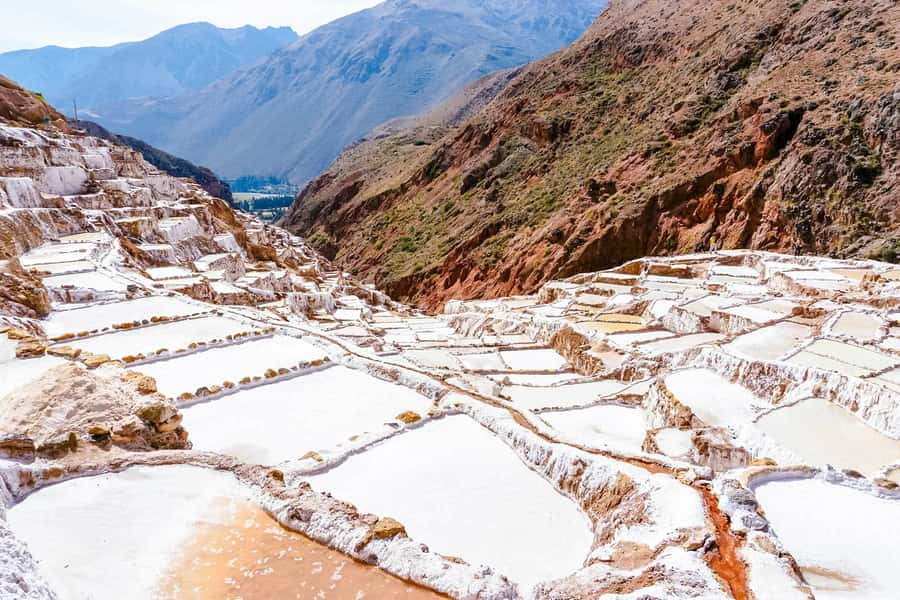
- More than 3,000 salt pools: Visit Maras, where evaporation ponds have been used from Inca times through the colonial period and into the present.
- Ollantaytambo finish: Explore one of the Sacred Valley’s major Inca construction sites before ending at the town’s main square.
- Useful one-way route: The tour begins with pickup in Cusco and ends in Ollantaytambo, handy if you are continuing by train or staying in the valley.
- Small group, early start: Up to 15 people travel with a Spanish and English-speaking guide, leaving Cusco around 6:30am.
- Extra costs to budget: The tourist ticket is listed at S/70 per person, and the salt mine entrance costs extra.
Why this route works well from Cusco
This is a six-hour tour with a practical purpose beyond sightseeing. You visit three major Sacred Valley stops and finish in Ollantaytambo, rather than spending time retracing the road back to Cusco.
That ending matters. Ollantaytambo is a common base for trains into the wider Cusco region, and the tour drops you at the Plaza de Armas around 3pm. Your train must depart after 3pm, and I would allow extra breathing room if possible because the schedule can shift with pickup delays or road conditions.
The early departure is not glamorous, but it makes sense. Pickup is scheduled for about 6:30am from your Cusco accommodation. Bring water, sunscreen, and comfortable shoes before you leave. You will be walking at several outdoor archaeological sites, and the high-altitude sun can feel strong even on a cool morning.
The group is limited to 15 people. That is smaller than a large coach outing, but it does not guarantee a private pace. The quality of the day depends partly on how clearly your guide organizes the stops. English and Spanish guiding is offered, though the amount of explanation may vary.
Other days through the Sacred Valley from Cusco:
- From Cusco: Moray, Maras Salt Mines & Chinchero Weavers Tour
★ 4.8 · 1,925 reviews - Cusco: Sacred Valley, Pisac, Ollantaytambo, Salt Mines Moray
★ 4.6 · 1,058 reviews - Cusco:Chinchero,Moray & Salt Mines drop-off in Ollantaytambo
★ 4.8 · 793 reviews
Moray and the Inca terraces in natural sinkholes
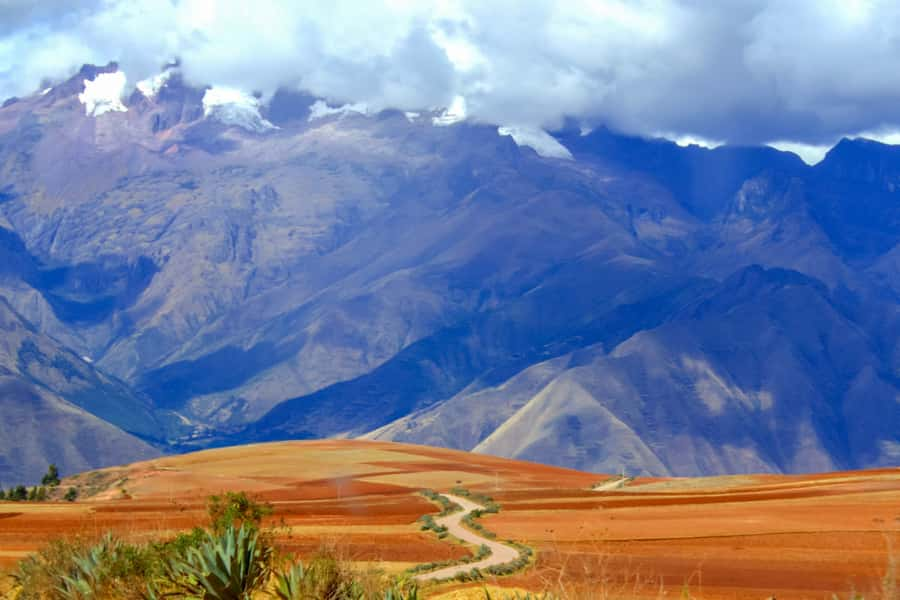
Moray is about 50 kilometers northwest of Cusco, on a limestone plateau overlooking the Urubamba Valley. The site is made up of broad, circular terraces descending into natural sinkholes. From above, the rings appear carefully measured, with each level following the curve of the depression.
The terraces are generally linked to Inca agriculture. Their exact use is still unclear, and some interpretations also connect the site with cosmological ideas. Your guide may explain the competing theories, but you should not expect a single certain answer. That uncertainty is part of what makes Moray interesting: the stonework is clear, while the full purpose remains open to interpretation.
I like Moray because its design is easy to understand at a glance. You can see how the Incas shaped a difficult natural setting into a planned series of growing terraces. The site also gives you a chance to look beyond temples and fortresses. Inca achievement here is tied to food production, experimentation, and the practical problem of farming in the Andes.
Time is the main concern. This tour has three major stops, lunch, and transport between them, so Moray will not be an all-morning study session. If you want photographs from several angles, stay alert to the meeting time and ask your guide where the group will gather. A past complaint described too little time for pictures, so do not assume you can wander at your own pace.
Maras salt pools, still worked today
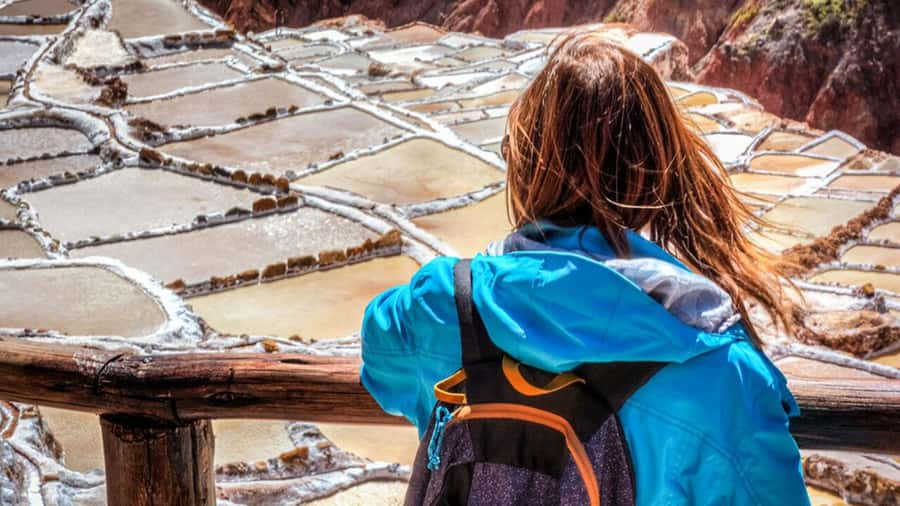
From Moray, the route continues to the colonial town of Maras and its salt evaporation ponds. The pools are less than a kilometer west of the town, on an uphill section. More than 3,000 small pools spread across the slope, creating one of the area’s most unusual sights.
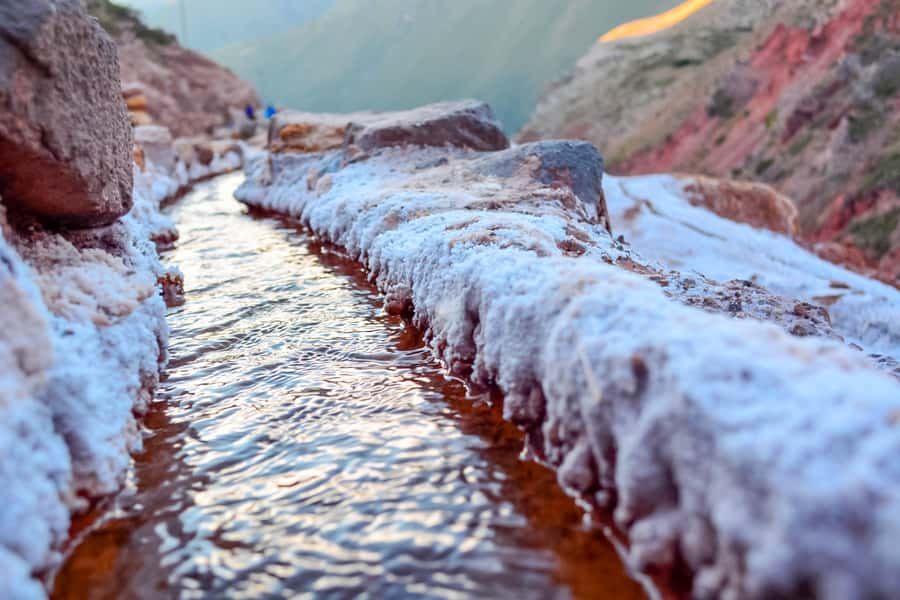
The basic process is simple. Salt water flows into shallow ponds, then evaporates in the sun, leaving salt behind. The site was exploited during Inca times, continued under colonial rule, and remains in use today. That long working life gives Maras more meaning than a scenic stop. You are looking at a place connected to local production across several periods of history.
The pools are not a single grand ruin. Their appeal comes from the pattern: thousands of small basins fitted into the slope, each at a slightly different stage of salt collection. The view is best understood from above, where the full scale becomes clear.
The salt mine entrance is not included, so budget for that extra charge. The tour information also lists the tourist ticket at S/70 per person. Since entrance arrangements and charges can be easy to confuse, confirm the current amount before departure and carry enough Peruvian soles.
This stop can also feel hurried. The schedule places Maras between Moray and lunch, and a rushed visit limits your chance to study the pools or take photographs. I would keep your camera ready, listen carefully for instructions, and avoid straying far from the guide unless you have been told where to regroup.
Lunch in Urubamba and the road along the river
After the salt pools, the group stops in Urubamba for a buffet lunch. The supplied information lists buffet lunch as included, although another section says meals are not included. That is a clear point to confirm when booking. If the buffet is included as stated, it adds good value to the $49 price. If not, you should plan for an additional meal cost.
Urubamba sits in the Sacred Valley, and the lunch stop breaks up the morning’s walking and sightseeing. It is also a practical place for a group meal before the final drive. Do not expect a long independent food stop, since the tour is built around a fixed route and an afternoon arrival in Ollantaytambo.
After lunch, the vehicle follows the Urubamba River toward Ollantaytambo. The drive links the three sites into one geographic story: high agricultural terraces near Moray, salt production at Maras, and major Inca construction farther along the valley.
Transport is included, along with pickup from your Cusco hotel or accommodation. Provide accurate accommodation details when booking. Pickup has not always been perfectly smooth: one account described a late and confusing start, though the rest of the day went well. I would be ready before 6:30am and keep the provider’s contact details available in case the vehicle is delayed.
Same base, a completely different day:
- Cusco: Humantay Lake Tour with Breakfast and Buffet Lunch
★ 4.9 · 2,976 reviews - From Cusco: Full-Day Group Tour of Machu Picchu
★ 4.7 · 1,767 reviews - Machu Picchu Day Trip from Cusco
★ 4.5 · 1,644 reviews - Cusco: Half-Day City Tour with Sacsayhuaman and Q’enco
★ 4.6 · 1,129 reviews
Ollantaytambo’s stonework and Wiracocha
The final visit is Ollantaytambo, one of the strongest stops on this route. The town contains a major Inca construction area built during the height of the Inca period. Unlike Moray, which focuses on terraces and agriculture, Ollantaytambo presents the Incas as builders working on a much larger ceremonial and defensive scale.
The site is also associated with rock formations representing Wiracocha, an Inca god. These unusual stone forms give the visit a visual focus beyond walls and terraces. Your guide should help you understand what you are seeing, since the scale and arrangement of the site can be hard to read without context.
Ending here is one of the tour’s best practical choices. You do not need to return to Cusco, and you are left at the main square in Ollantaytambo at about 3pm. From there, you can continue with your own plans in town or catch a later train. The schedule specifically requires a train after 3pm so the visits can take place normally.
Still, do not book a tight connection. The tour is scheduled to end around 3pm, not well before 3pm. A late pickup, a slow group, or a longer stop could reduce your margin. This outing works best when your onward plans allow some flexibility.
What $49 covers, and what it does not
At $49 per person, the tour offers a useful amount for the price. You receive Cusco pickup, transport, a bilingual English and Spanish guide, the three-stop route, buffet lunch as listed, and drop-off at Ollantaytambo’s main square.
The value is strongest if you already need to travel from Cusco toward Ollantaytambo. You are combining transport with sightseeing, rather than paying separately to reach the valley and then arranging visits to Moray, Maras, and Ollantaytambo.
The price does not cover everything. The tourist ticket is listed as S/70 per person, and the entrance to the salt mines costs extra. The written details also conflict on meals, since buffet lunch appears under included items while meals are also listed as excluded. Treat the lunch as something to verify before booking, not as a detail to ignore.
The tour allows free cancellation up to 24 hours before departure and offers reserve-now, pay-later booking. Those policies are useful if your Cusco schedule is still moving, but they do not change the need to check entrance fees and the lunch arrangement.
The pace, guiding, and common frustrations
The strongest positive points are the route, the organization once the day gets going, and the chance to see several important sites in a short time. One rating described the outing as a good experience that was slightly too quick but well organized. That is a fair description of the basic tradeoff.
The weakest point is the possibility of limited explanation or rushed movement between stops. Another account described a guide walking ahead without enough direction and not allowing much time for photographs. A separate comment indicated that the stops received too little information and felt like a quick ride between sights.
These issues do not mean every departure will be the same. They do tell you how to protect your own day. Ask at the first stop how long you have, where to meet, and whether the guide will explain the site before or after the walk. If you need more time at a particular place, say so early rather than waiting until the group is already moving.
This tour suits you if you value coverage and convenience over a slow, highly detailed visit. It is less suitable if you want long independent walks, extensive archaeological discussion, or a flexible photography schedule.
What to bring and who should book
Wear comfortable shoes and bring sunscreen. The tour takes place at outdoor archaeological and salt-production sites, so practical clothing matters more than dressing up. Large bags and luggage are not allowed, which is especially important if you are using this as a transfer toward Ollantaytambo.
The tour is not suitable for wheelchair users. The information provided does not describe a private vehicle option, specific guide names, or exact walking distances, so you should ask the provider directly if those details affect your decision.
I would choose this outing for a first visit to the Sacred Valley when time is limited. It gives you three very different places in one morning and early afternoon: Moray’s agricultural terraces, Maras’s working salt ponds, and Ollantaytambo’s monumental stonework.
I would skip it if your priority is a calm pace. You may find the day compressed, particularly if pickup runs late or the guide keeps the group moving. In that case, separate visits would give you more control, though they would require more planning and likely more transport cost.
Should you book this Maras and Moray tour?
Book it if you want an affordable, efficient route from Cusco to Ollantaytambo and can accept a brisk schedule. The included transport, bilingual guide, stated buffet lunch, and one-way drop-off make $49 a reasonable package, especially when the alternative is arranging each stop yourself.
Before paying, confirm three things: the current S/70 tourist ticket amount, the separate salt mine fee, and whether the buffet lunch is definitely included. Then make sure your train leaves after 3pm with enough extra time.
This is a good fit for an active first look at the Sacred Valley, not a slow archaeological seminar. Keep your expectations practical, stay close to the group, and you should get a lot from a compact day.
FAQ
What time does pickup from Cusco begin?
Pickup is scheduled for around 6:30am from your accommodation in Cusco. You must provide your accommodation details when booking.
How long does the tour last?
The tour lasts about six hours and is scheduled to finish around 3pm in Ollantaytambo.
Where does the tour end?
Drop-off is at the main square, or Plaza de Armas, in Ollantaytambo.
Can I take a train after the tour?
Yes, but your train must depart after 3pm so the scheduled visits can take place normally.
Is lunch included?
A buffet lunch in Urubamba is listed as included. Another part of the information says meals are not included, so confirm the lunch arrangement before booking.
Are entrance fees included?
No. The tourist ticket is listed at S/70 per person, and entrance to the salt mines is also extra.
What languages does the guide speak?
The live guide is available in English and Spanish.
How large is the group?
The tour is described as a small-group experience limited to 15 participants.
Is the tour suitable for wheelchair users?
No. The tour is listed as unsuitable for wheelchair users.
Just added around Cusco
- Zipline over the Sacred Valley Trip★ 5.0 · 11 reviews
- Waqrapukara 1 day trekking + meals★ 3.9 · 3 reviews
- Visit Pisac from Cusco: Private Transport★ 4.6 · 9 reviews
- Valle Sur Cusco | half day★ 4.3 · 3 reviews
- Trek to Humantay Lake from Cusco★ 4.9 · 8 reviews
- Trek to Choquequirao 4 days★ 3.8 · 4 reviews
- rainbow mountain full day★ 5.0 · 44 reviews
- Machu picchu one day by train all included★ 4.5 · 53 reviews
Sacred Valley Tours, compared.
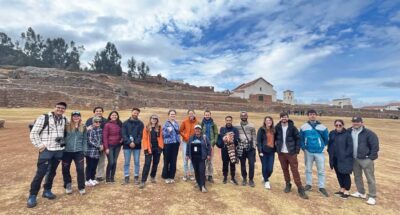
Sacred Valley & Maras Salt Mines Tour with Lunch
Read our review →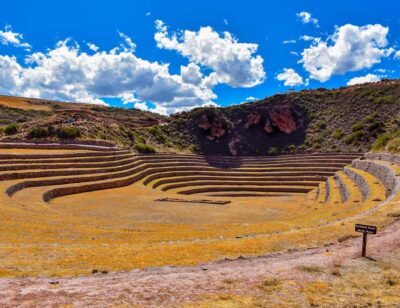
Moray, Maras Salt Mines & Chinchero Weavers Tour
Read our review →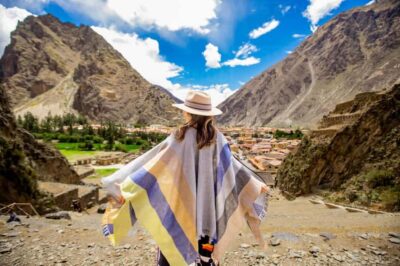
Sacred Valley, Pisac, Ollantaytambo, Salt Mines Moray
Read our review →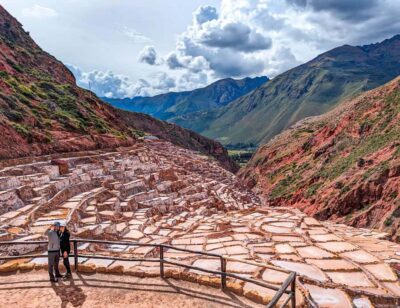
Chinchero,Moray & Salt Mines drop-off in Ollantaytambo
Read our review →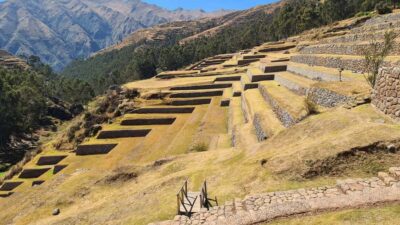

Pisac Indian Market and Ollantaytambo Fortress with Lunch
Read our review →
Browse the lists this tour appears in